

Abdim's Stork
Ciconia abdimii
The smallest of the true storks, a compact African species with glossy black-and-white plumage, often associated locally with the arrival of seasonal rains and known for traveling in large flocks.
- Feather type
- Small glossy contour feathers
- Colours
- Glossy black with a white belly and rump
- Bird size
- Small stork, ~73-81 cm
Found a feather like this?
Identify any feather from a photo, free.
Overview
Overview
Abdim's Stork is the smallest member of the true stork family, a compact black-and-white bird widely distributed across the savannas and grasslands of sub-Saharan Africa. Its arrival in many regions coincides with the start of the rainy season, earning it the local nickname 'rainbird' in parts of its range. It is often seen foraging in large, loosely coordinated flocks, unlike the more solitary habits of some larger storks.
- Smallest stork species overall
- Glossy black plumage with a white lower belly and rump
- Bluish-grey bare facial skin
- Red legs with distinctive pale pinkish 'socks' above the feet
Identifying the Feather
Feather Identification
Abdim's Stork feathers are notably smaller than those of most other storks, reflecting its status as the smallest species in the family, with a glossy black body and a contrasting white lower section.
- Body contour feathers: glossy black with a greenish-purple sheen, especially on the back and wings
- Lower belly and rump feathers: white, forming a clear contrast zone
- Flight feathers: black, but noticeably smaller in overall size compared with larger stork species
- Shaft color: dark in black feathers, pale in white feathers
- Vs. Black Stork: Abdim's Stork feathers are considerably smaller, matching its much smaller body size
- Vs. White Stork: distinguished by the black body feathers with white confined to the lower belly and rump, rather than an overall white body
Plumage & Molt
Plumage Details
Adults show glossy black plumage over most of the body with an iridescent green-purple sheen, contrasting with a white lower belly and rump, along with bluish-grey bare facial skin, a pale bill, and red legs marked with pale pinkish patches above the feet. There is little seasonal plumage change beyond brightening of the bare-part colors during breeding. Juveniles are duller and browner, lacking the strong gloss of adult plumage, and mature over subsequent molts. Molt is gradual, tied loosely to the migratory and breeding cycle.
Habitat & Range
Habitat & Range
Abdim's Stork breeds across the drier savanna belt of sub-Saharan Africa and undertakes seasonal movements tracking rainfall and the resulting insect abundance, wintering further south in parts of southern Africa. It favors open grassland, farmland, and savanna rather than deep wetlands, feeding largely on terrestrial prey rather than aquatic species.
Behavior & Field Notes
Behavior & Field Notes
Abdim's Storks forage in large, loose flocks on the ground, often following grass fires, plowing activity, or livestock to catch flushed insects such as locusts and grasshoppers, along with other small invertebrates and vertebrates. They breed colonially, sometimes nesting on buildings within villages, and are traditionally regarded favorably in many local cultures due to their association with the rains and pest control. Vocalizations are limited mostly to bill-clattering. Its small size, glossy black-and-white pattern, and habit of foraging in large ground flocks help distinguish it from other African storks.
Frequently asked questions
Why is Abdim's Stork called the 'rainbird'?
Its seasonal arrival in many parts of Africa coincides closely with the start of the rains, leading to this traditional local nickname.
How can I tell Abdim's Stork feathers from Black Stork feathers?
Abdim's Stork feathers are noticeably smaller, matching its status as the smallest true stork species, and the white is confined to the lower belly and rump rather than a broader white underside.
Do Abdim's Storks forage like other storks, wading in water?
Less so; they more often forage in flocks on open ground, following grass fires or livestock to catch insects such as grasshoppers and locusts.
Where would an Abdim's Stork feather most likely be found?
In open savanna, grassland, or farmland across sub-Saharan Africa, particularly where large foraging flocks gather.
Abdim's Stork guides
In-depth guides for identifying and understanding Abdim's Stork.

Other feathers you may enjoy

Yellow-billed Spoonbill
White contour and flight feathers with fine breeding plumes on the back and breast
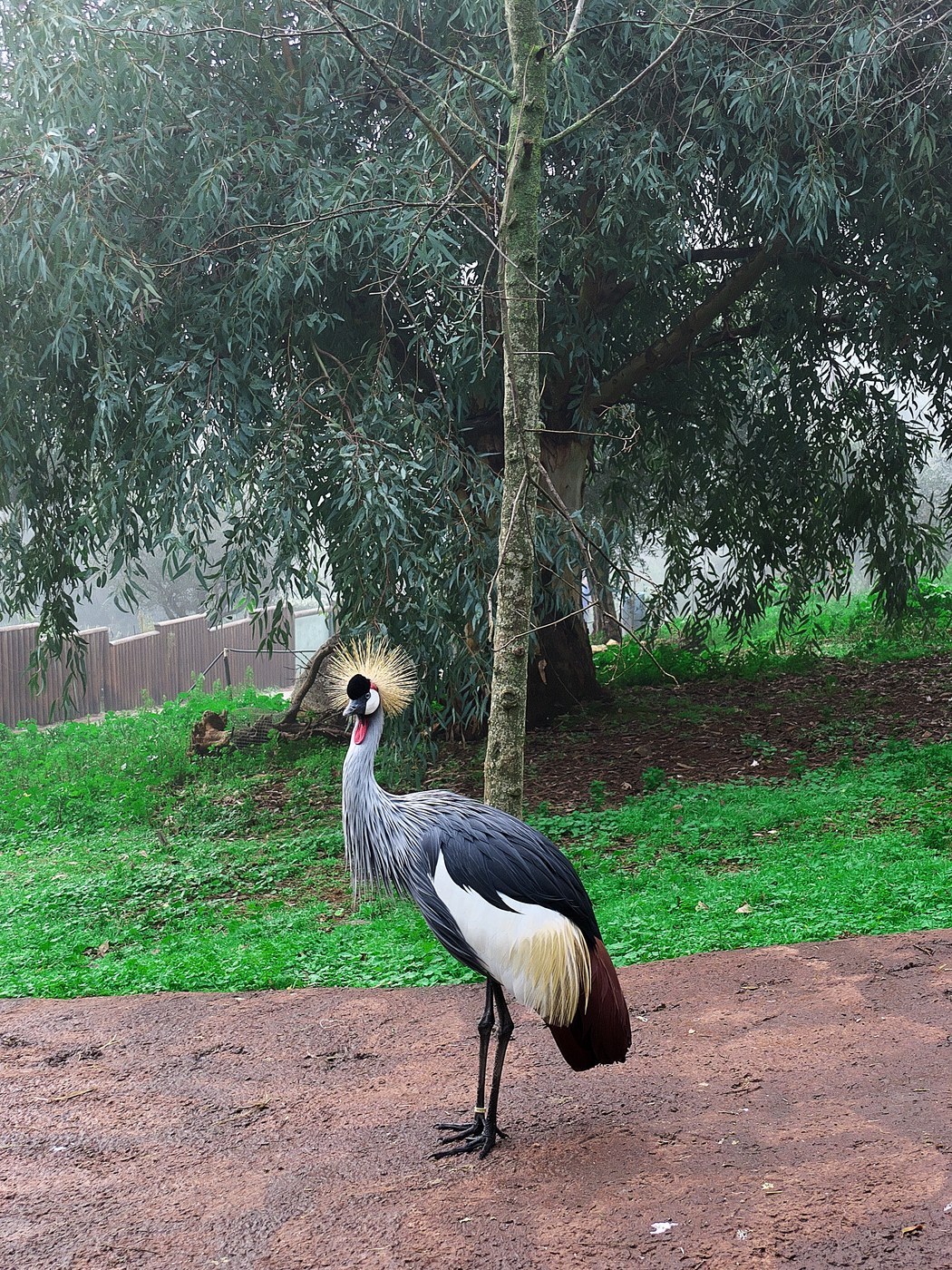
Grey Crowned Crane
Grey body feathers with white wing coverts, chestnut flight feathers, and stiff golden crown bristles
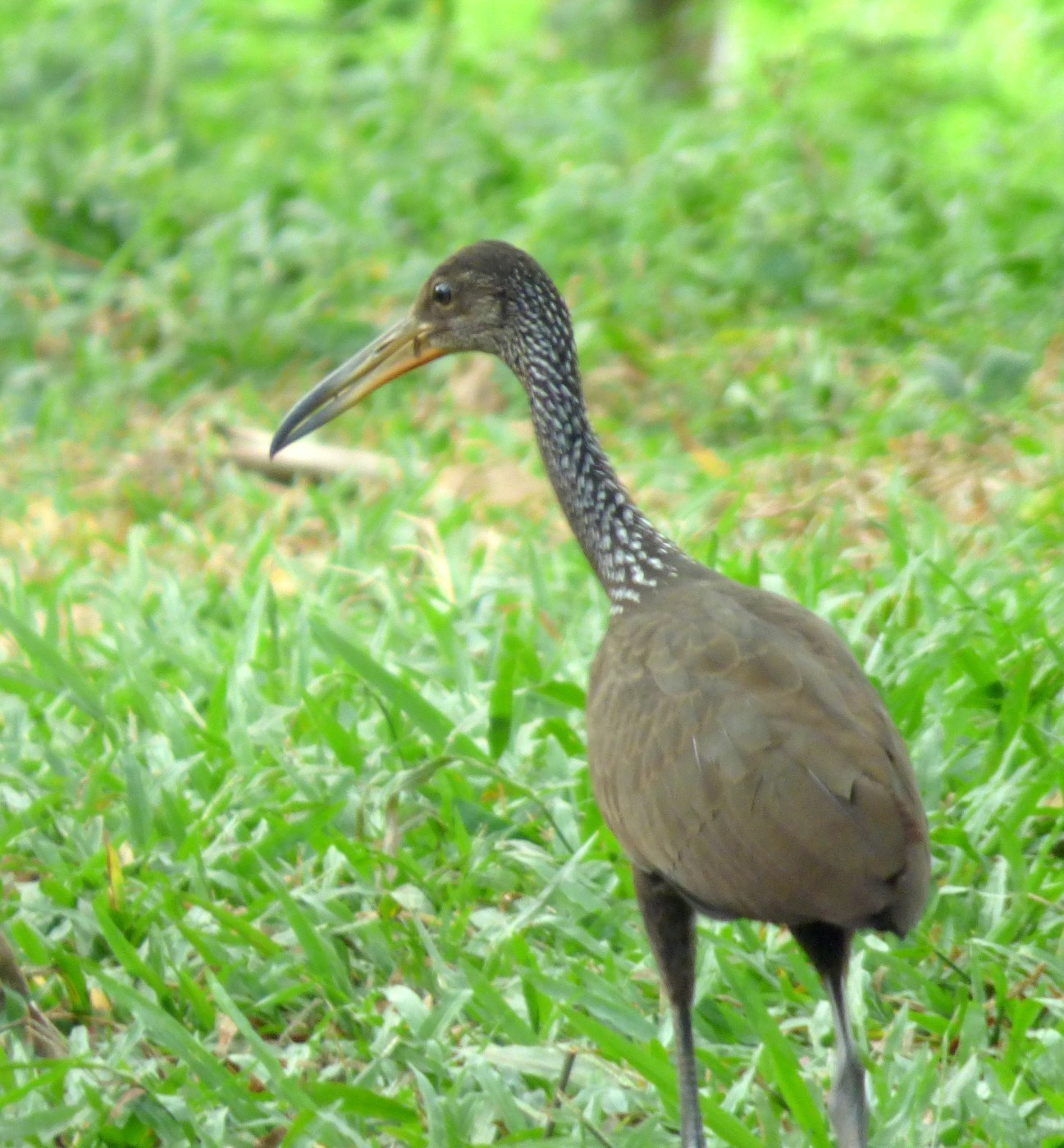
Limpkin
Brown contour feathers with white teardrop-shaped spots and streaks
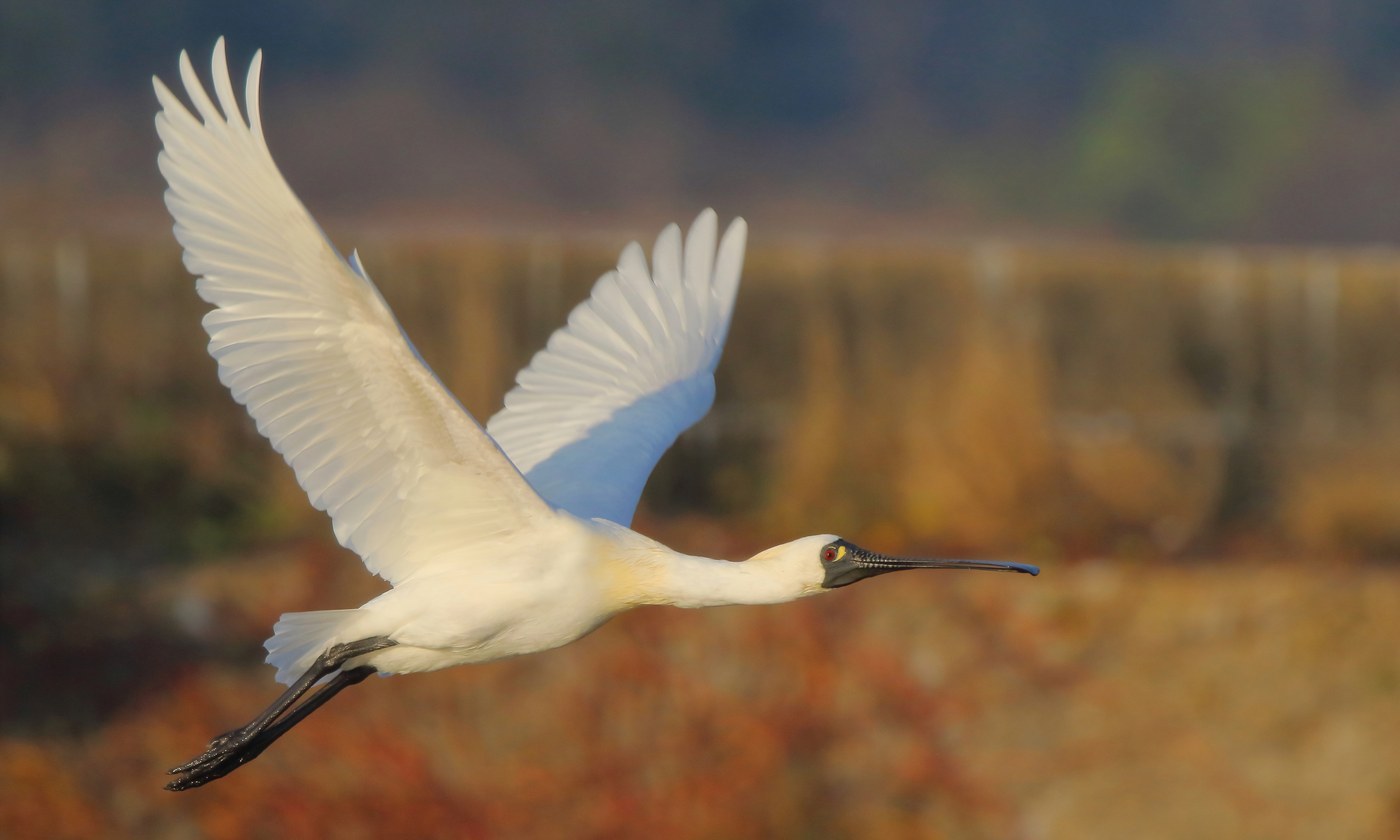
Black-faced Spoonbill
White contour and flight feathers with fine breeding crest and breast plumes
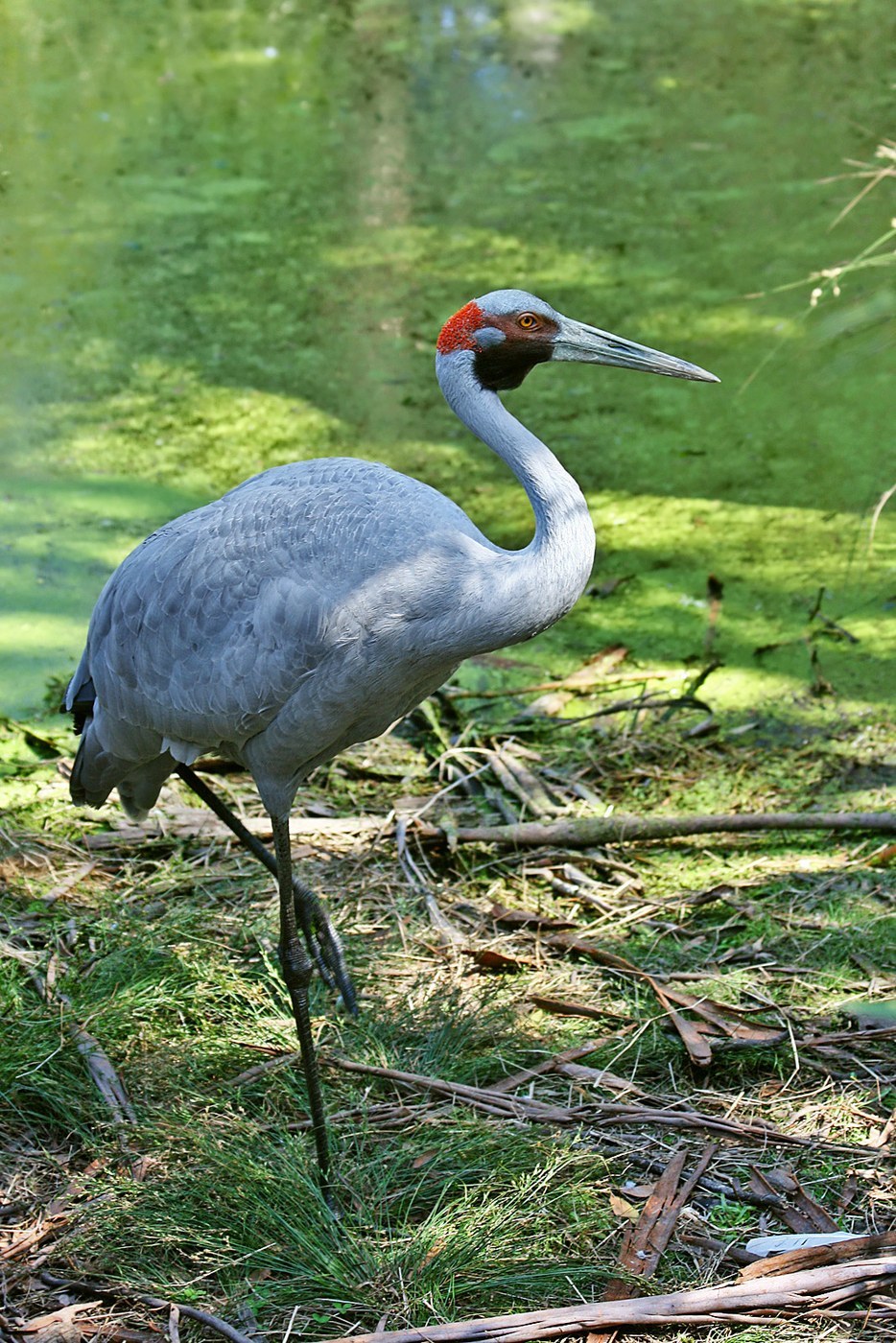
Brolga
Grey contour feathers with drooping bustle plumes
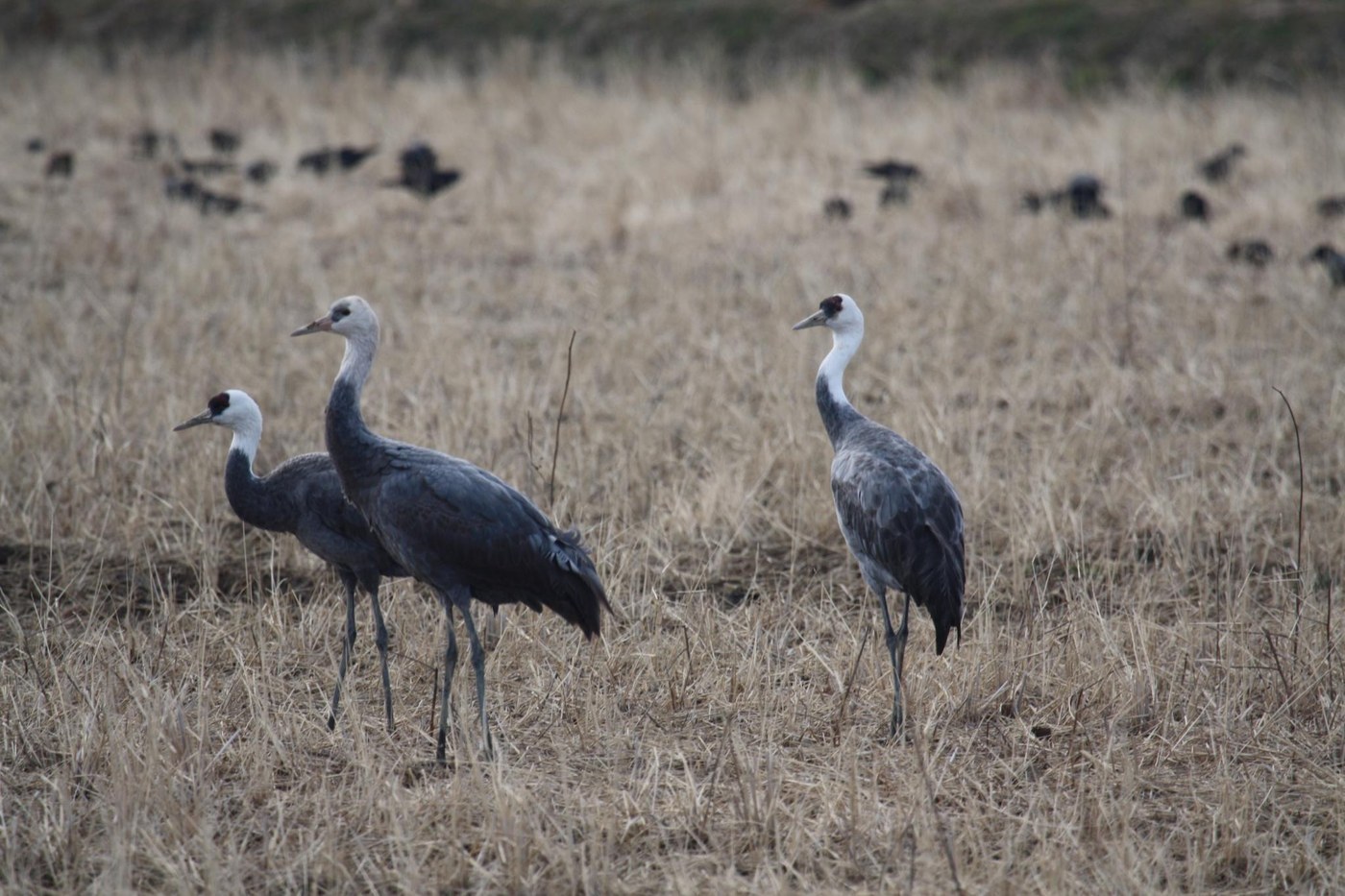
Hooded Crane
Dark slate-grey body feathers with a white head/upper neck 'hood' and black bustle plumes
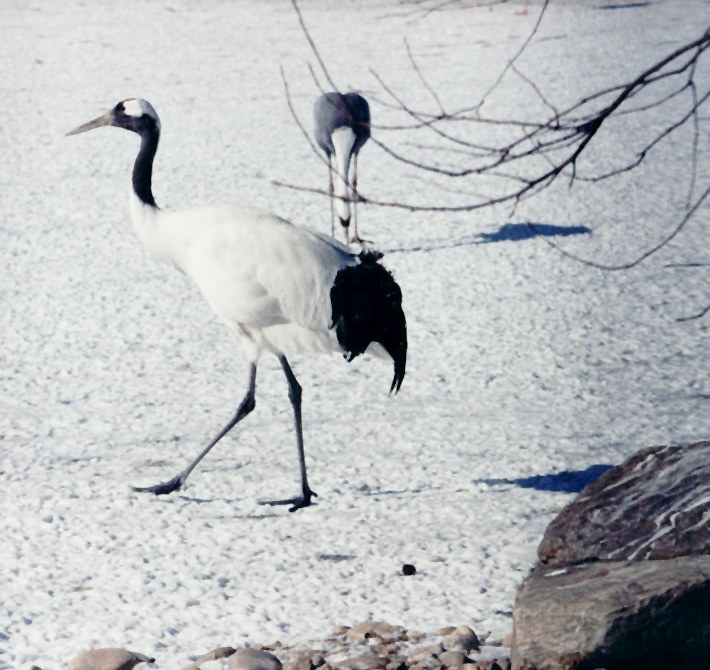
Red-crowned Crane
White contour feathers with black secondary/tertial bustle feathers and a bare red crown

Common Crane
Grey contour feathers with black head/neck feathers and drooping bustle plumes
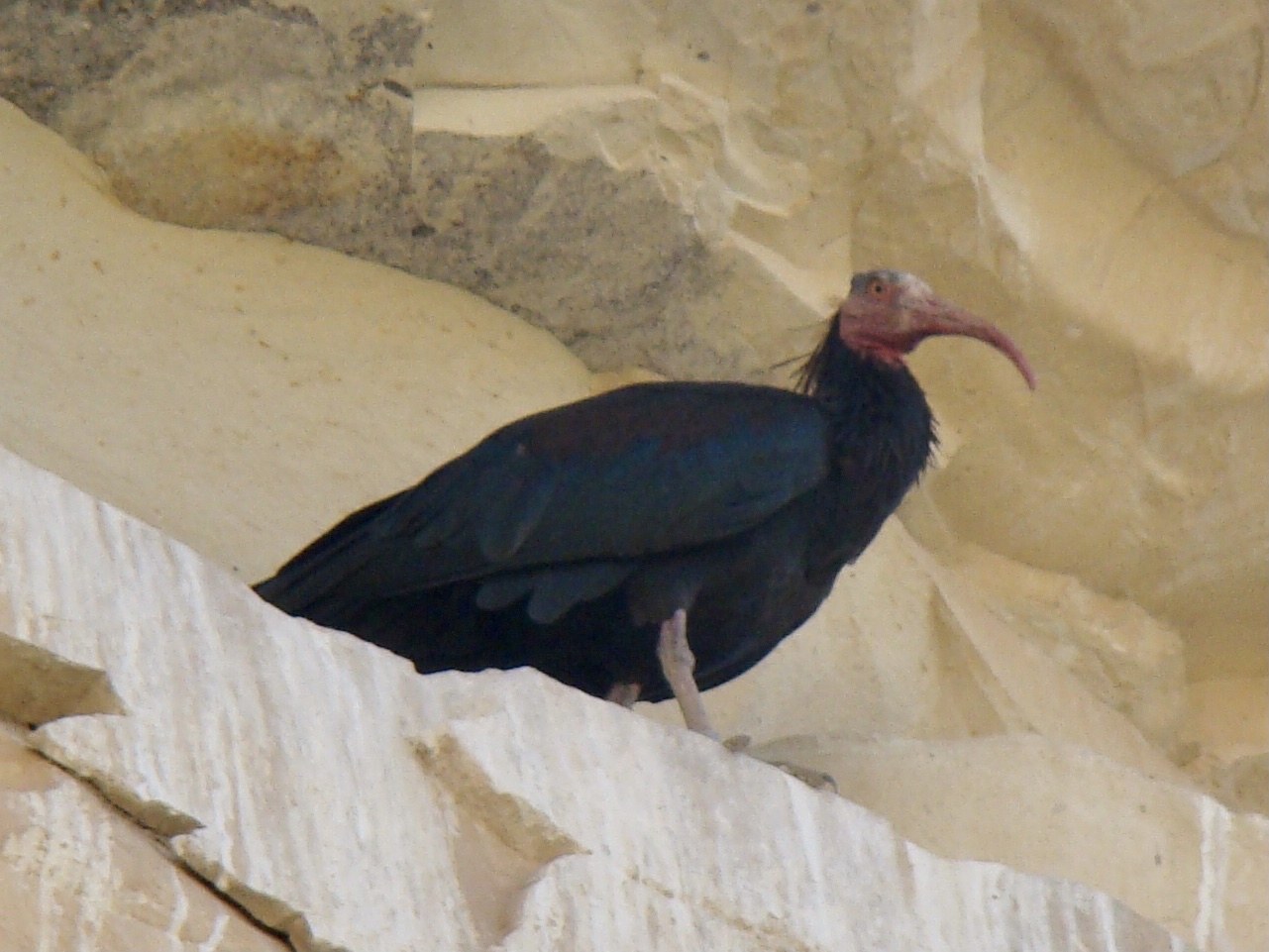
Northern Bald Ibis
Glossy black contour feathers with elongated nape plumes
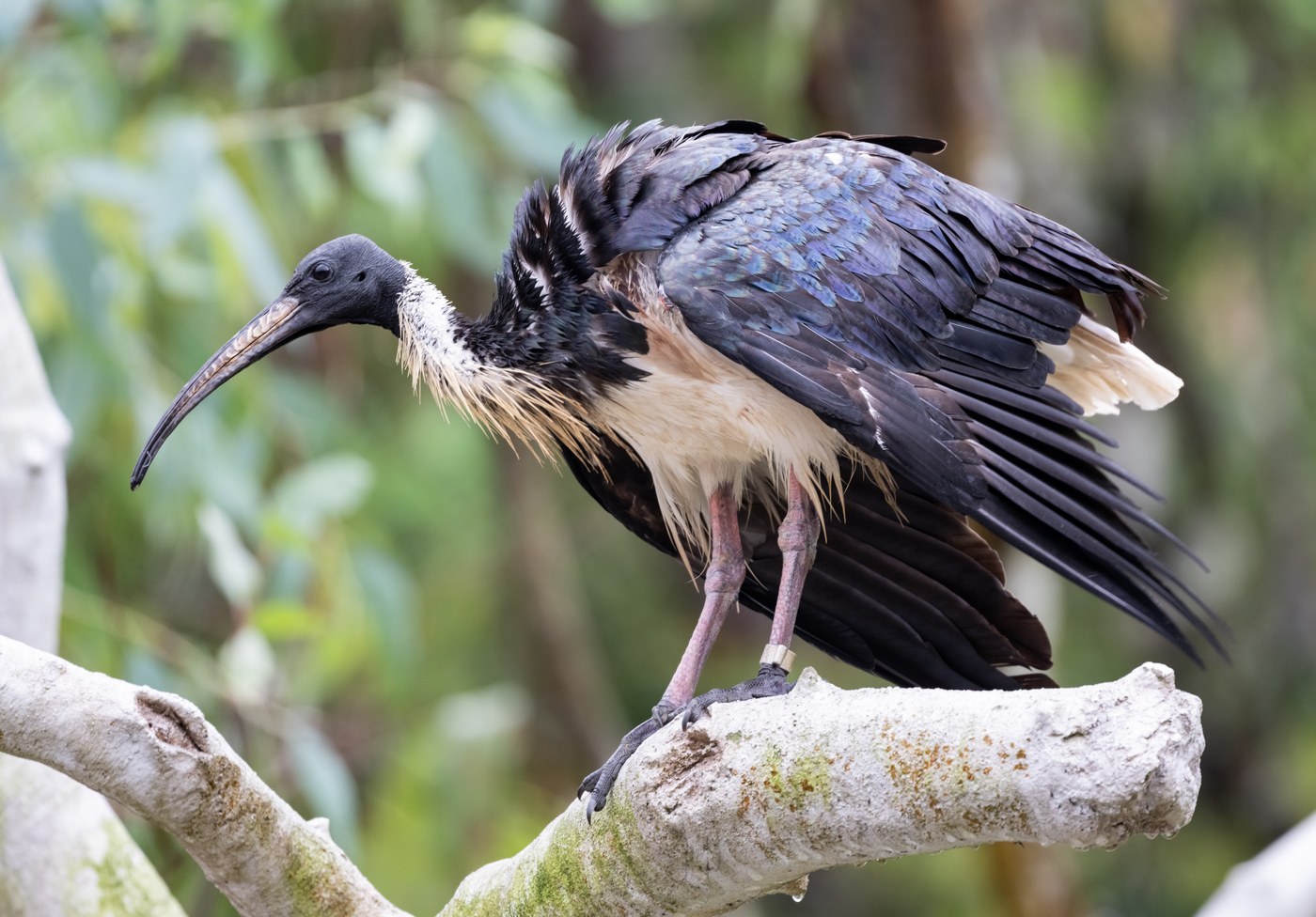
Straw-necked Ibis
Glossy contour feathers with unique straw-like neck plumes
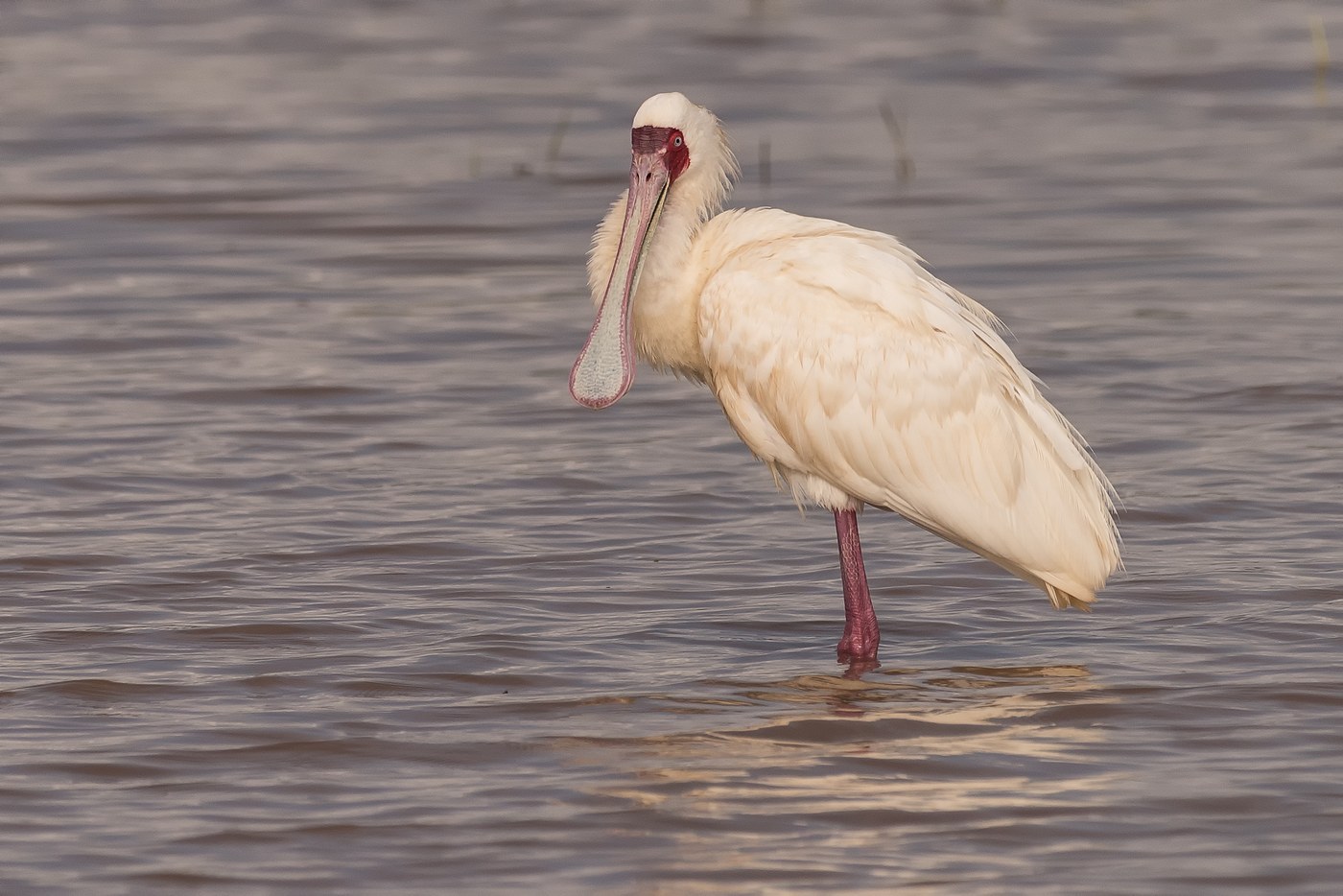
African Spoonbill
White contour and flight feathers, unmarked by black tips

Roseate Spoonbill
Pink and white contour and flight feathers with a carmine shoulder patch