
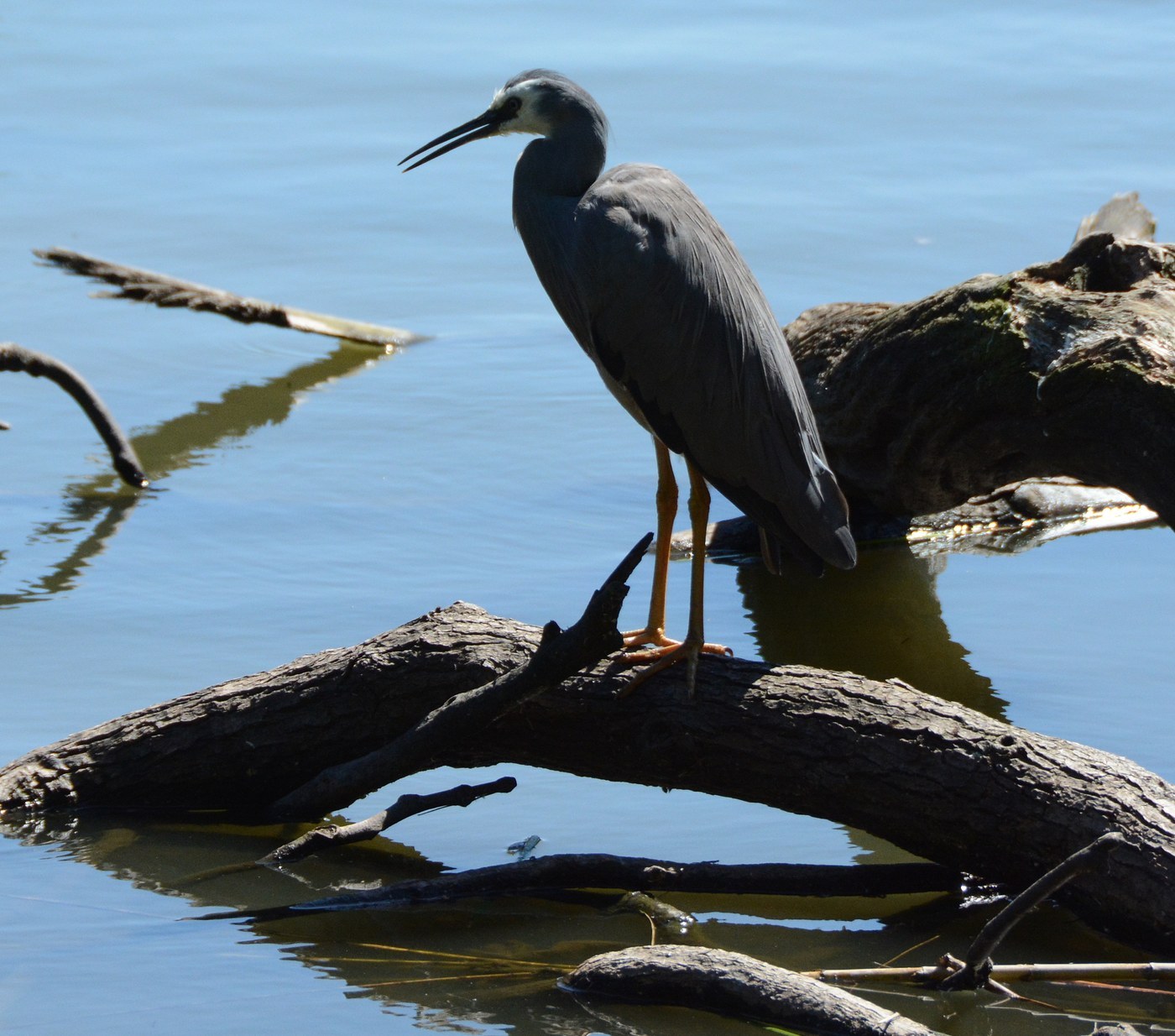
White-faced Heron
Egretta novaehollandiae
The most widespread heron in Australia and New Zealand, easily recognized by its soft blue-grey plumage set off by a clean white face.
- Feather type
- Soft contour feathers with fine breeding plumes
- Colours
- Blue-grey body with a contrasting white face
- Bird size
- Medium heron, ~65-70 cm
Found a feather like this?
Identify any feather from a photo, free.
Overview
Overview
The White-faced Heron is a slender, blue-grey heron found throughout Australia, New Zealand, and parts of the southwest Pacific, and is often the heron most familiar to people in the region because of its tolerance for farmland, parks, and urban wetlands. Its overall grey coloring combined with a bright white face patch makes it distinctive among the local herons and egrets. Feathers found away from open water are usually plain grey body feathers rather than the more visible white facial feathers.
- Overall slate-grey to blue-grey plumage
- Clean white face contrasting with the grey neck and body
- Yellow legs, often appearing long and thin
- Slim, dark, slightly downcurved bill
Identifying the Feather
Feather Identification
White-faced Heron feathers are soft and uniformly blue-grey over most of the body, without barring or spotting, making them easy to separate from the pure white feathers of egrets sharing the same wetlands.
- Body feathers: even blue-grey wash, slightly paler on the belly
- Face feathers: short, white, and finely textured, forming the namesake facial patch
- Flight feathers: darker grey, almost blackish-grey toward the tips
- Breeding plumes: fine, lance-shaped grey plumes develop on the back and lower neck, less showy than an egret's white aigrettes
- Shaft color: pale grey to whitish, not contrasting strongly with the vane
- Vs. other grey herons: the combination of small size and grey (not blackish) tone separates it from larger grey herons in its range
Plumage & Molt
Plumage Details
Adults show a soft blue-grey body, wings, and neck, a whitish throat, and the characteristic white face that gives the species its name. During the breeding season, the plumage takes on fine, wispy grey plumes on the back and chest, and the bare skin at the base of the bill can flush a pale yellow or pinkish tone. Juveniles are duller, with a less clearly defined white face and a slightly browner cast to the grey plumage. The species undergoes a gradual molt outside the breeding season, replacing worn flight and body feathers.
Habitat & Range
Habitat & Range
White-faced Herons occupy an unusually broad range of wet habitats, from coastal mudflats, estuaries, and mangroves to freshwater marshes, farm dams, flooded pastures, and even suburban lawns and ditches after rain. Found across mainland Australia, Tasmania, New Zealand, and scattered Pacific islands, the species is largely sedentary but shows local nomadic movements in response to drought and rainfall. It is one of the few herons that regularly forages well away from open water.
Behavior & Field Notes
Behavior & Field Notes
This heron forages by walking steadily through shallow water or wet grass, picking and stabbing at small fish, insects, and other invertebrates, and it will follow farm machinery or grazing stock to catch disturbed prey. It nests solitarily or in loose small groups in trees, sometimes far from water. Its call is a harsh, guttural croak, usually given in flight or when disturbed. Field identification is aided by its habit of foraging in open paddocks far from wetlands, a behavior less typical of true egrets.
Frequently asked questions
What color are White-faced Heron feathers?
Mostly a soft blue-grey over the body and wings, with small white feathers forming the distinctive facial patch.
How is a White-faced Heron feather different from a Great Egret feather?
White-faced Heron feathers are grey, not white, and are generally softer and smaller than the plumes of a Great Egret.
Do White-faced Herons grow showy breeding plumes like egrets?
They grow fine grey lance-shaped plumes on the back and neck during breeding, but these are subtler than the bright white aigrettes of true egrets.
Where in the world would I find a White-faced Heron feather?
Almost anywhere in Australia or New Zealand near wetlands, farmland, tidal flats, or even suburban parks and gardens.
White-faced Heron guides
In-depth guides for identifying and understanding White-faced Heron.
Other feathers you may enjoy

Yellow-billed Spoonbill
White contour and flight feathers with fine breeding plumes on the back and breast
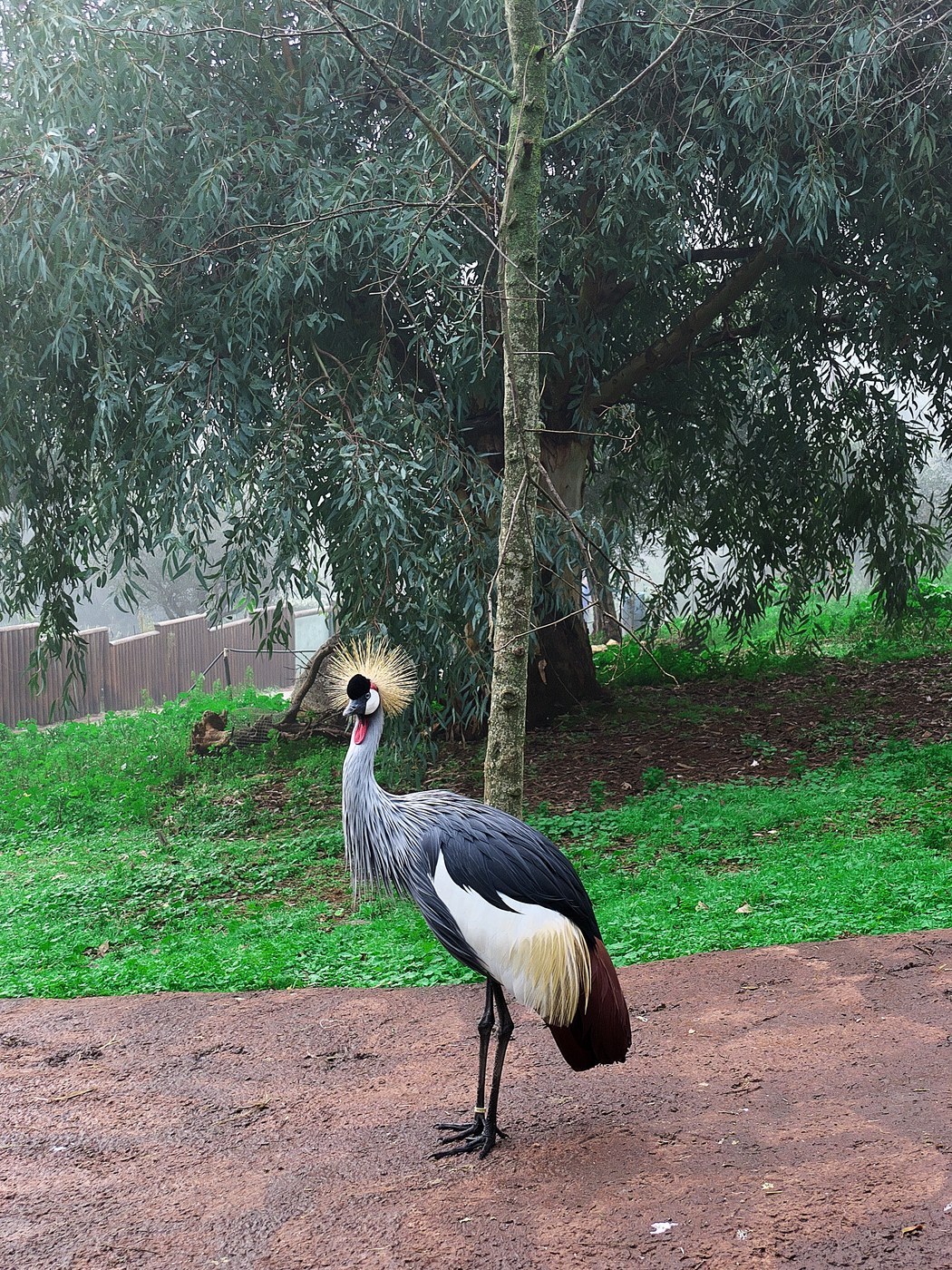
Grey Crowned Crane
Grey body feathers with white wing coverts, chestnut flight feathers, and stiff golden crown bristles
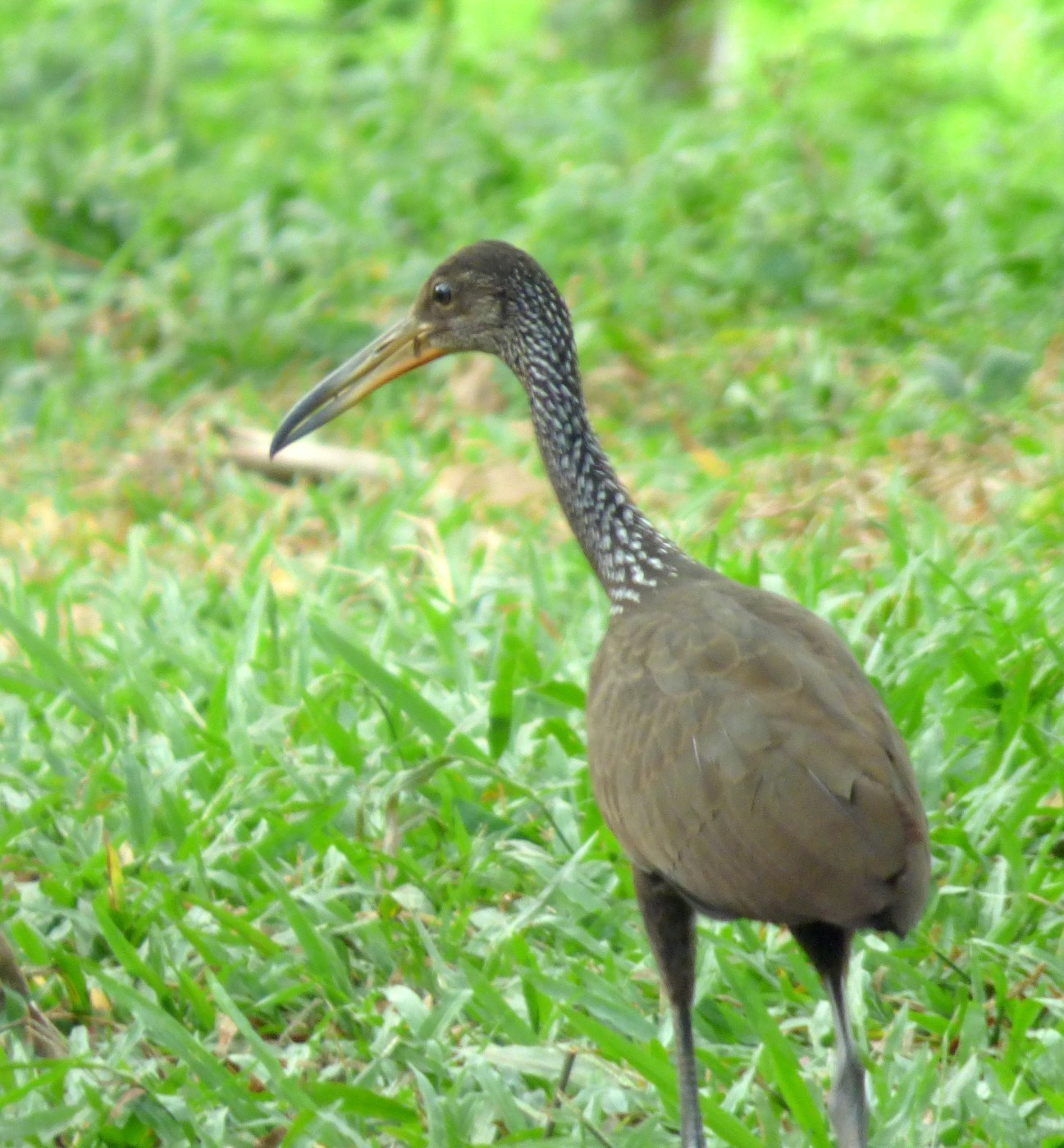
Limpkin
Brown contour feathers with white teardrop-shaped spots and streaks
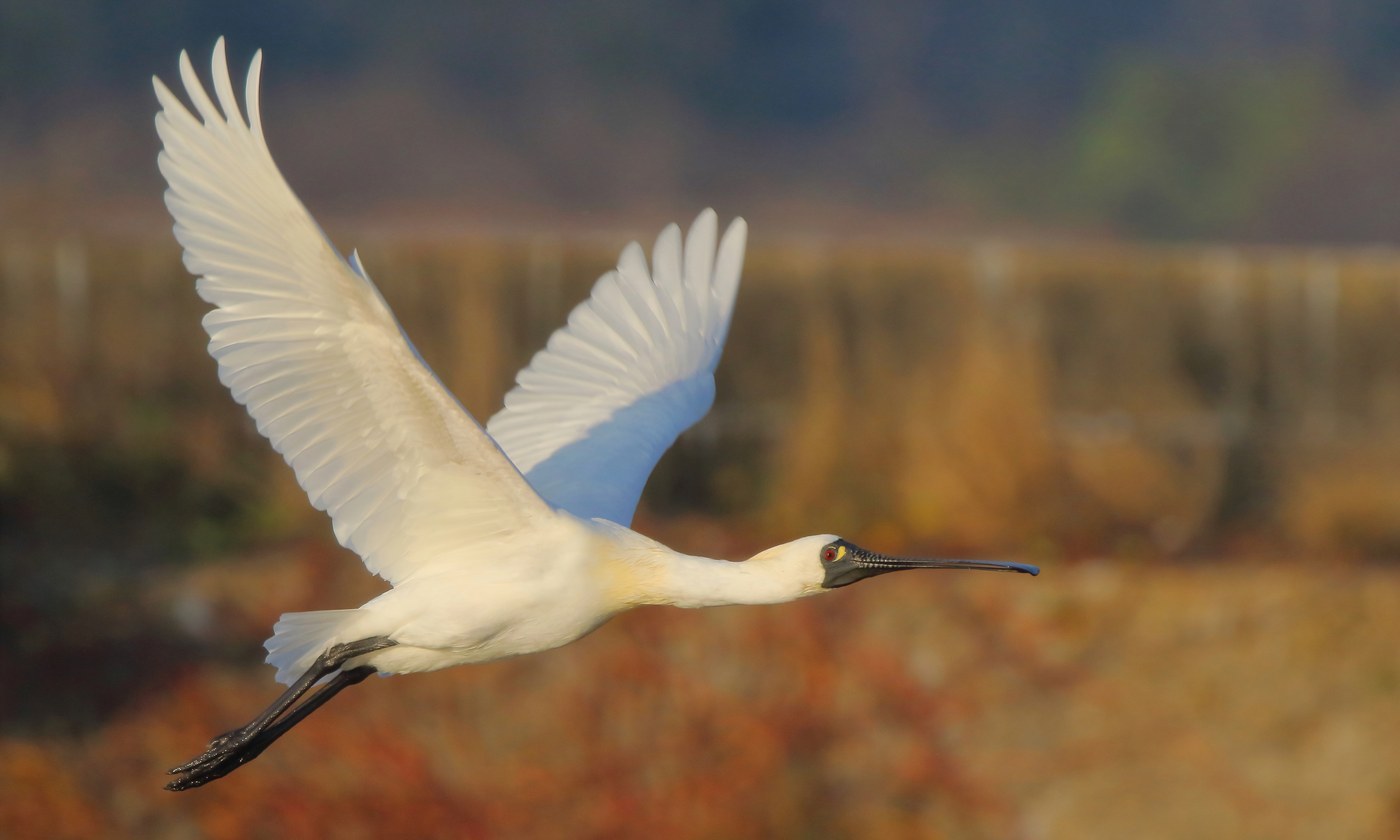
Black-faced Spoonbill
White contour and flight feathers with fine breeding crest and breast plumes
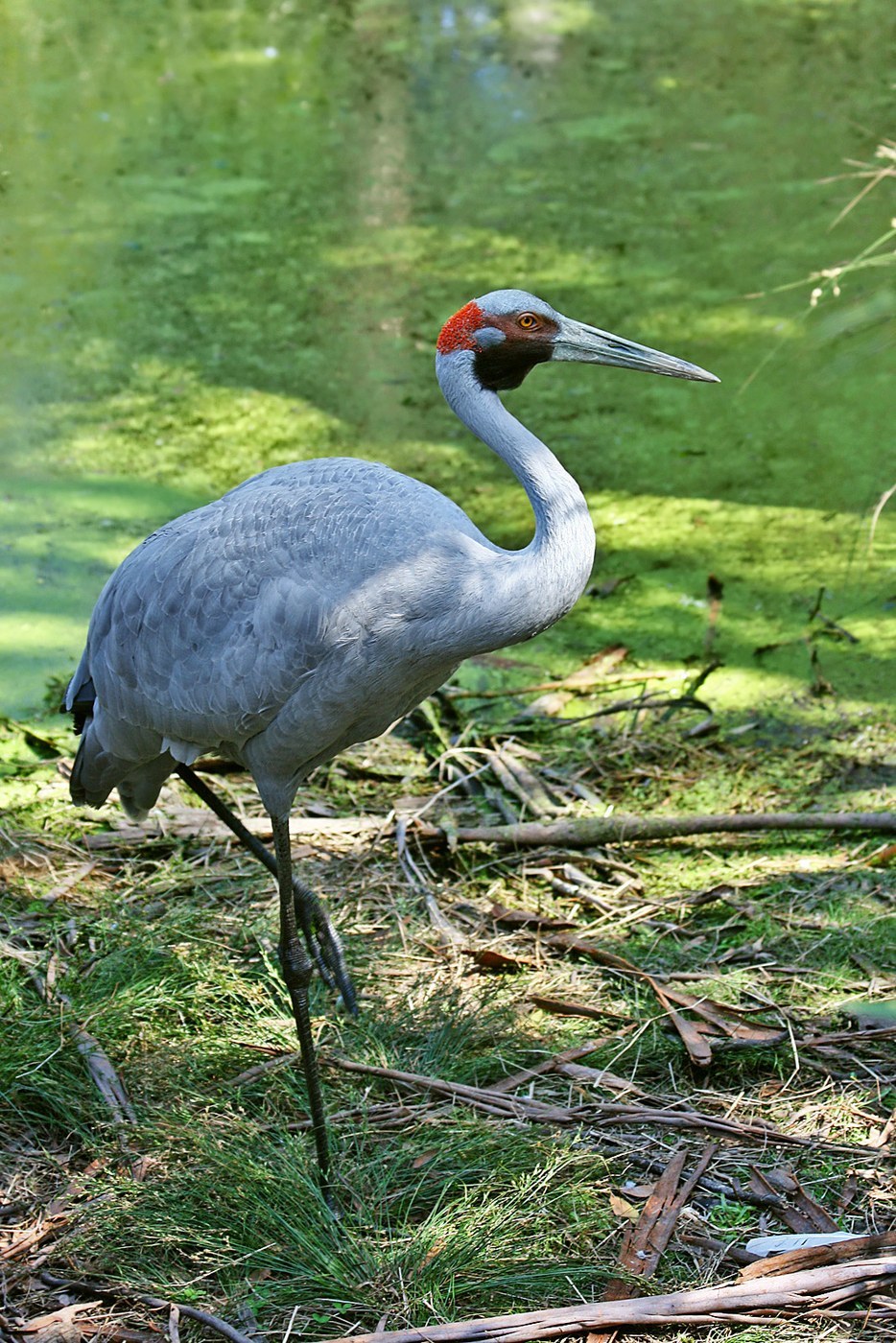
Brolga
Grey contour feathers with drooping bustle plumes
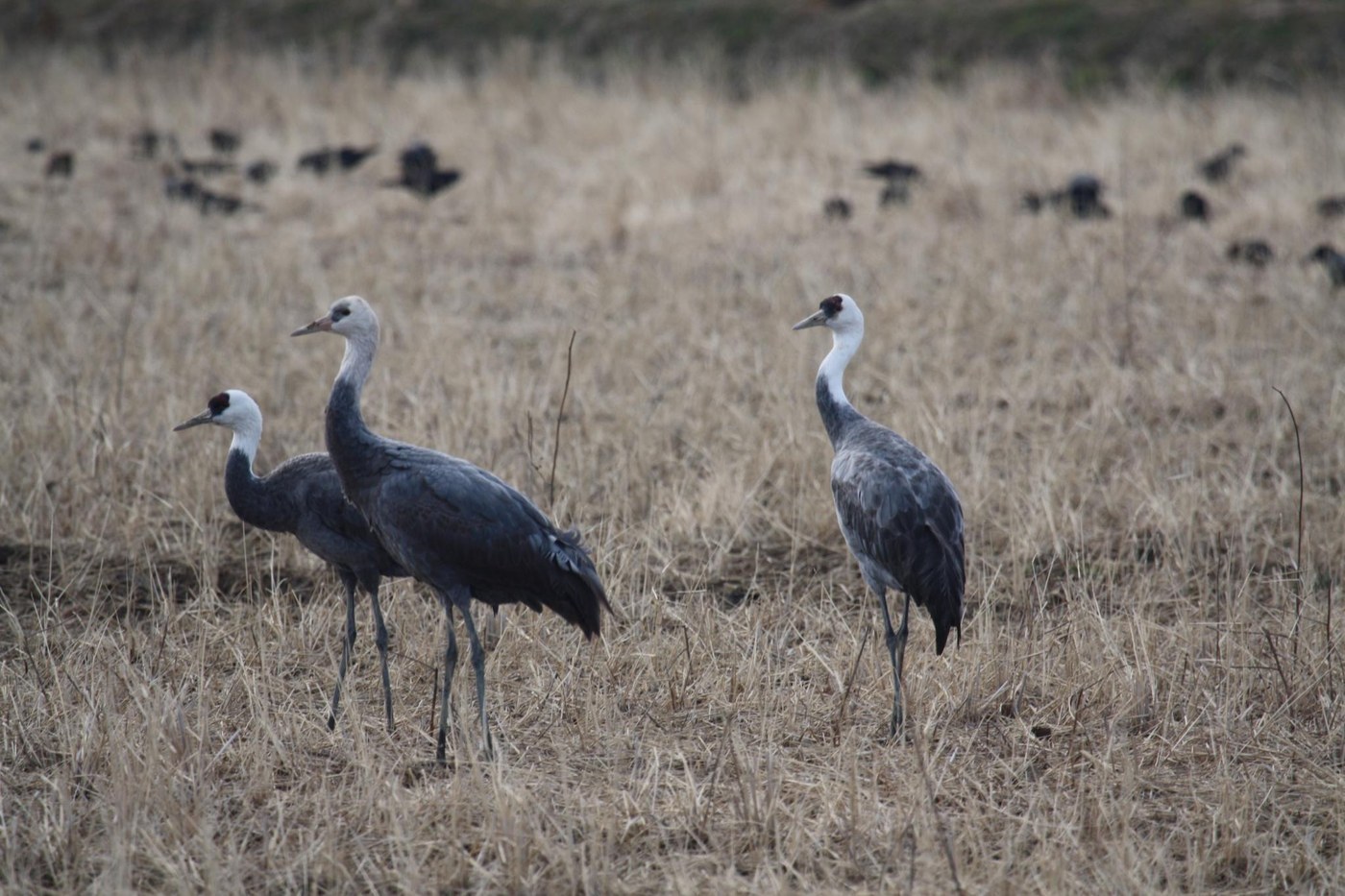
Hooded Crane
Dark slate-grey body feathers with a white head/upper neck 'hood' and black bustle plumes
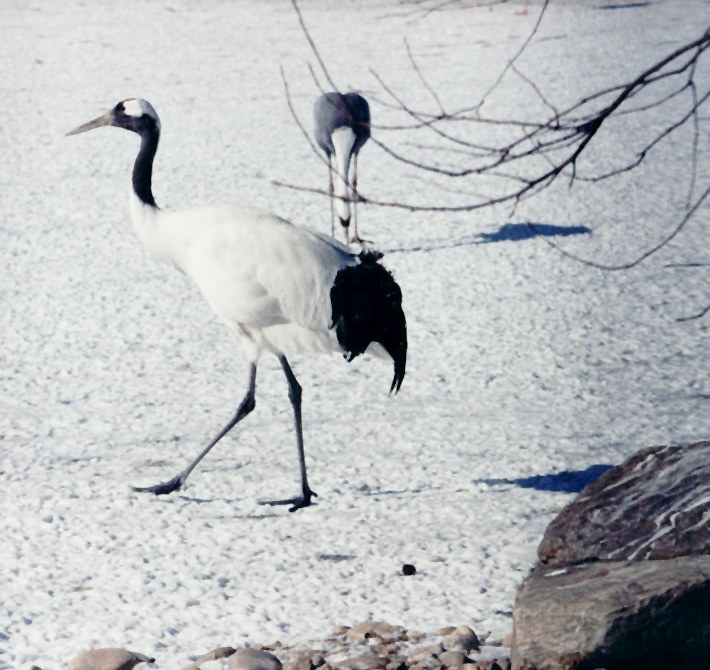
Red-crowned Crane
White contour feathers with black secondary/tertial bustle feathers and a bare red crown

Common Crane
Grey contour feathers with black head/neck feathers and drooping bustle plumes
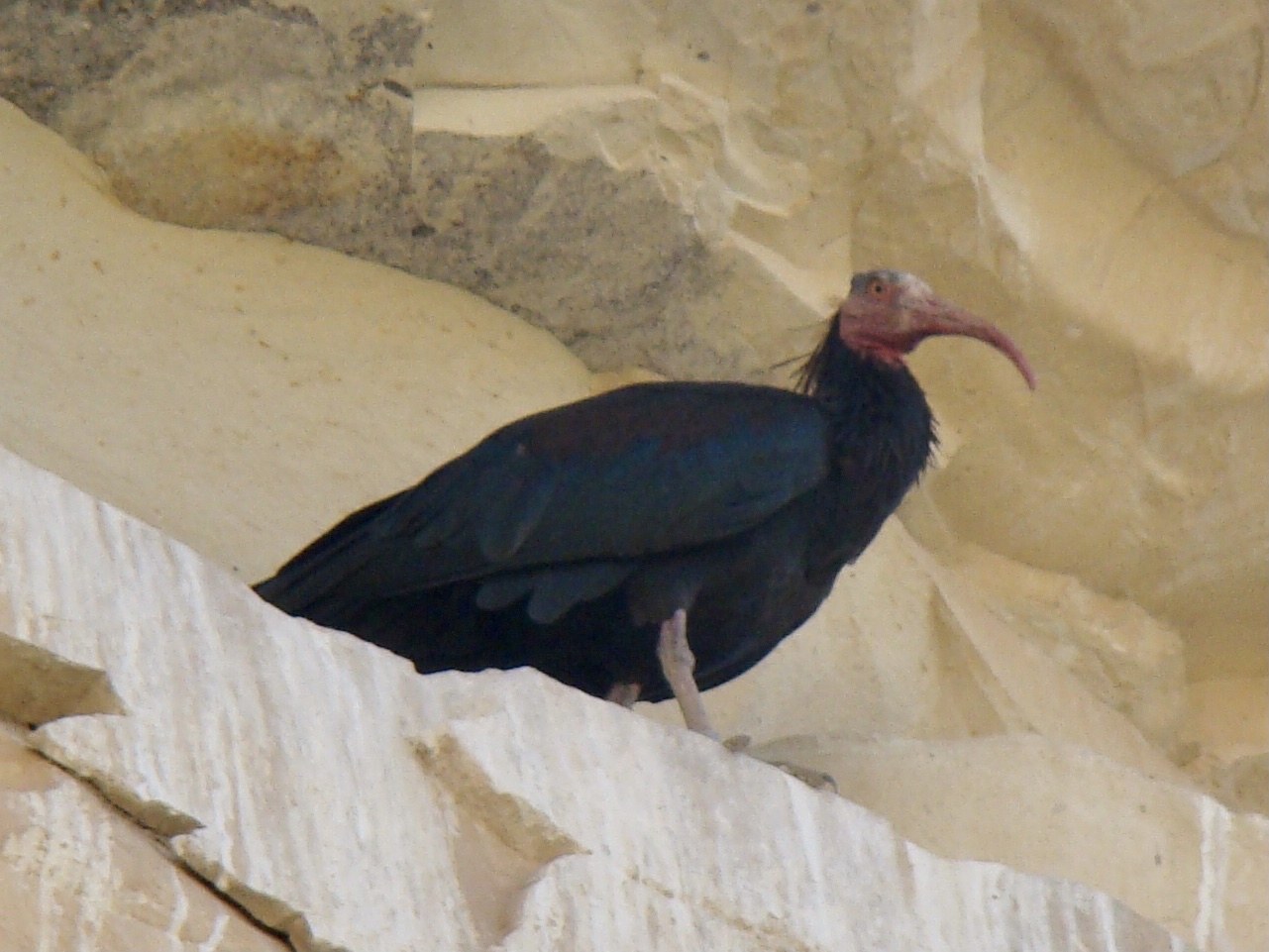
Northern Bald Ibis
Glossy black contour feathers with elongated nape plumes
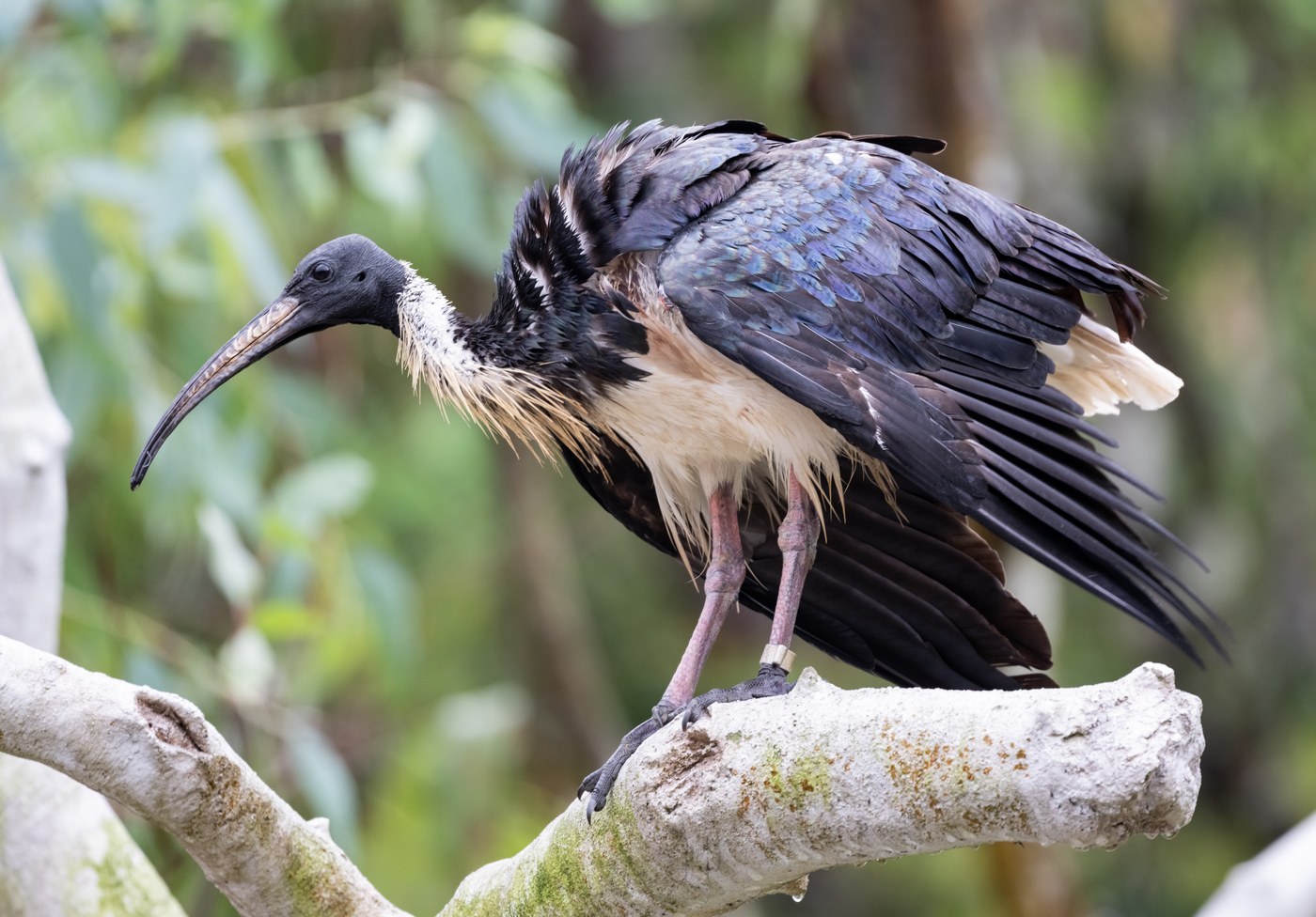
Straw-necked Ibis
Glossy contour feathers with unique straw-like neck plumes
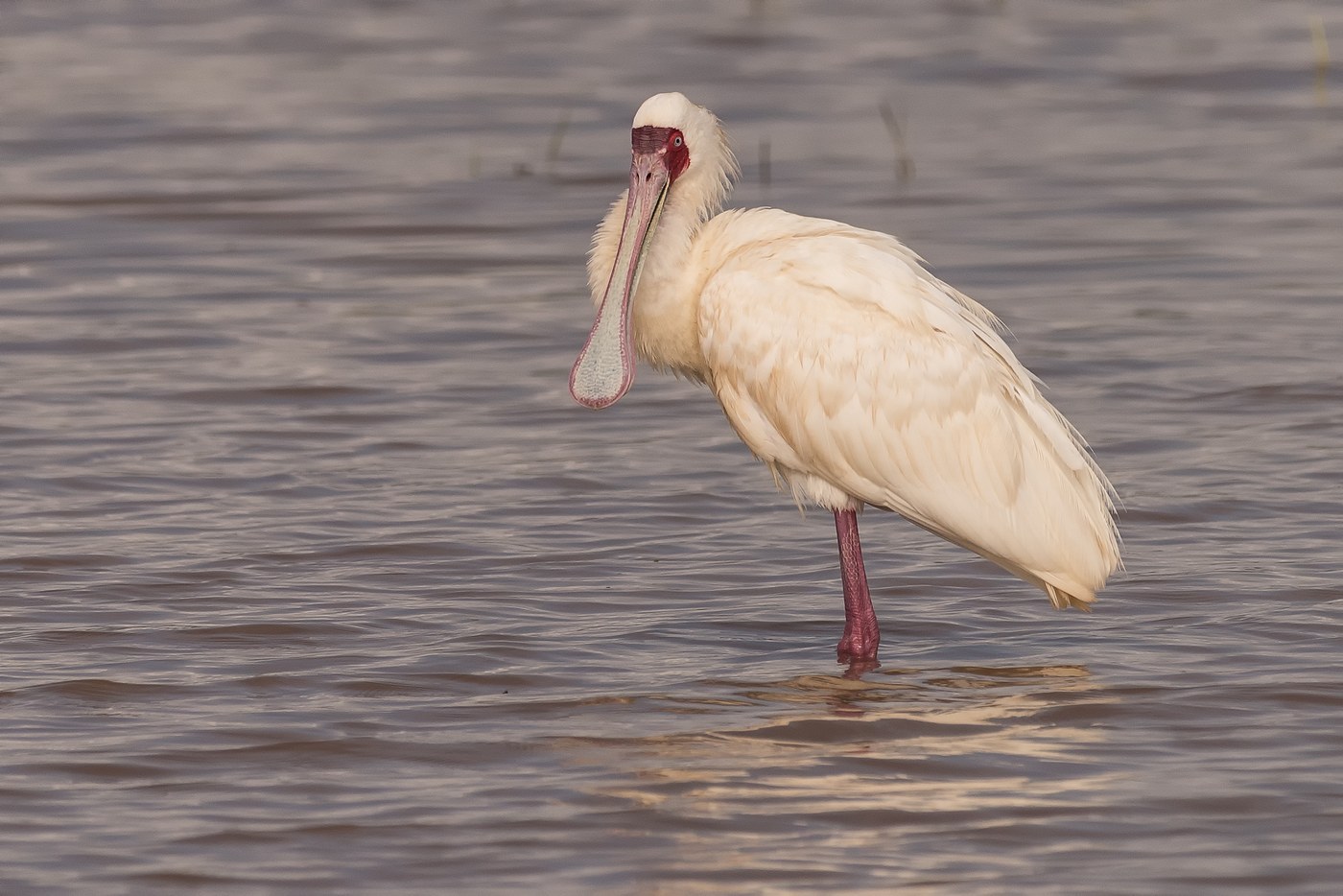
African Spoonbill
White contour and flight feathers, unmarked by black tips

Roseate Spoonbill
Pink and white contour and flight feathers with a carmine shoulder patch