
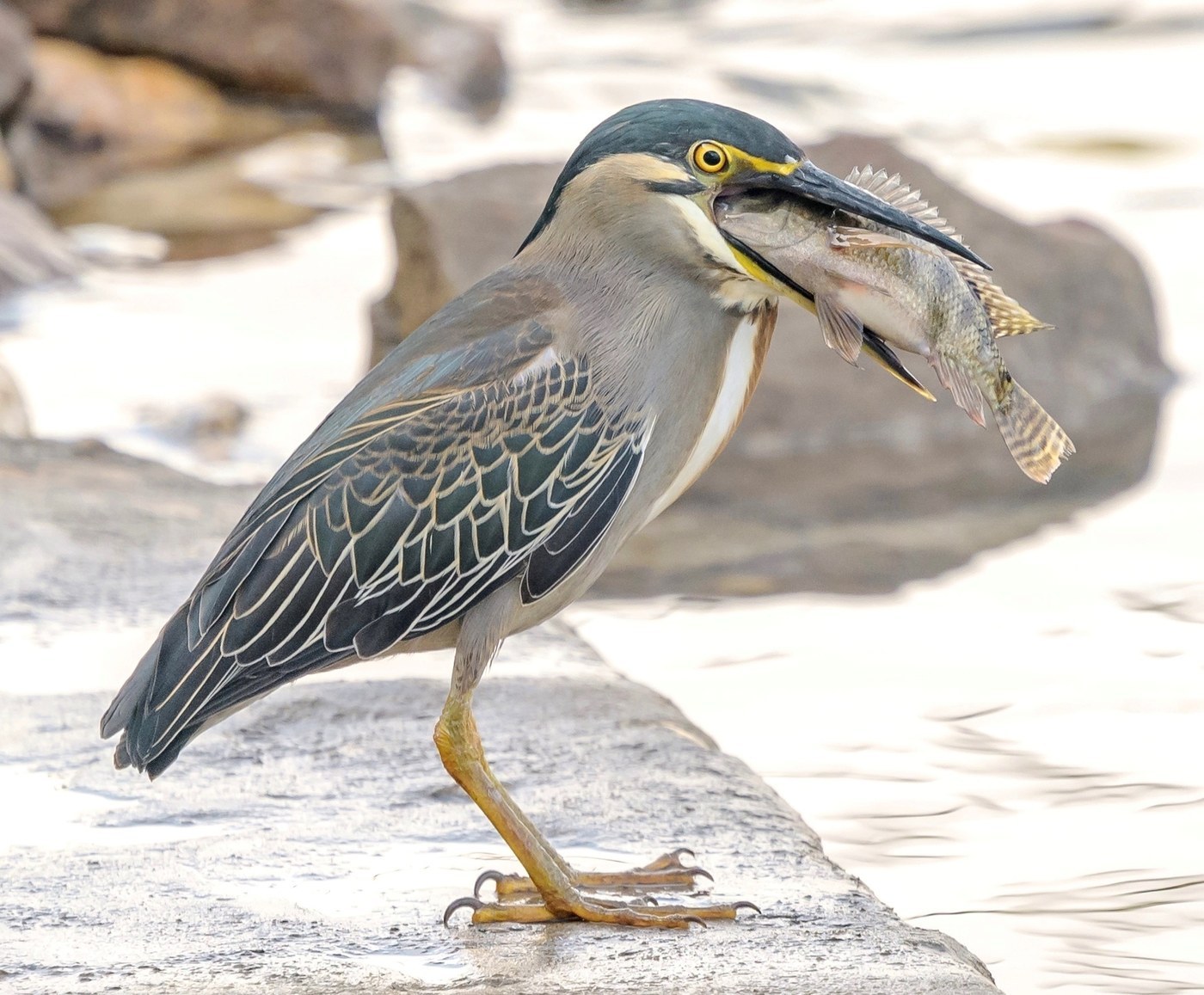
Striated Heron
Butorides striata
The Old World counterpart to the Green Heron, a small, stocky heron with grayer tones and finely streaked underparts, common along mangroves and tropical waterways.
- Feather type
- Compact contour feathers with fine streaking on the neck
- Colours
- Gray-green back, streaked gray neck, dark cap
- Bird size
- Small, ~40-48 cm tall
Found a feather like this?
Identify any feather from a photo, free.
Overview
Overview
The Striated Heron is a small, compact heron widely distributed across the tropics and subtropics of Africa, Asia, Australia, and parts of South America, filling a role similar to the Green Heron of the New World. It shares the same crouched, patient hunting posture but shows grayer tones overall, with a streakier neck.
- Small, stocky heron similar in build to the Green Heron
- Gray-green back and streaked gray neck, rather than chestnut
- Wide tropical and subtropical distribution across the Old World and parts of South America
Identifying the Feather
Feather Identification
Striated Heron feathers are similar in size to Green Heron feathers, reflecting a comparably compact body, but show grayer, less chestnut tones on the neck. Neck feathers are streaked gray and white rather than solid chestnut, and back and wing covert feathers are grayish-green with pale edging, similar in structure to those of the Green Heron. The cap is dark, though sometimes with a slight crest.
- Grayer, streaked neck feathers distinguish it from the chestnut-necked Green Heron
- Similar small feather size to Green Heron reflects the two species' comparable body size
- Pale-edged, grayish-green back feathers create a subtly scaled pattern
- Range is a helpful clue: Striated Heron occupies the Old World tropics and part of South America, while Green Heron is confined to the Americas
Plumage & Molt
Plumage
Adults have a dark, slightly crested cap, a gray neck streaked with white, and grayish-green upperparts with pale feather fringes creating a scaled appearance; underparts are pale gray. Legs are typically yellowish-green, brightening somewhat in the breeding season. Juveniles are browner and more heavily streaked below than adults, similar in pattern to young Green Herons. Molt proceeds gradually following breeding, as in other small herons of this genus.
Habitat & Range
Habitat & Range
The Striated Heron has an extensive range across the tropics and subtropics of Africa, southern Asia, Australia, various Pacific islands, and parts of coastal South America. It favors mangroves, tidal creeks, and vegetated streams and pond edges, often in tropical and coastal settings. Most populations are resident, though some local movements occur in response to seasonal water levels.
Behavior & Field Notes
Behavior & Field Notes
Like its New World relative, the Striated Heron hunts by standing motionless or crouching at the water's edge, striking quickly at small fish and aquatic invertebrates; individuals have also been observed using bait, such as small objects or insects, to attract fish, similar to the behavior documented in Green Herons. It nests alone or in small loose groups, building a simple stick nest in mangroves, shrubs, or low trees near water. Its call is a sharp, abrupt note given in alarm or flight. Its crouched foraging posture and preference for sheltered, vegetated waterways make it a useful behavioral parallel to the Green Heron.
Frequently asked questions
How is the Striated Heron different from the Green Heron?
The Striated Heron shows grayer, streaked neck feathers rather than the solid chestnut neck of the Green Heron, and occupies the Old World and part of South America rather than the Americas generally.
Where is the Striated Heron typically found?
Across tropical and subtropical regions of Africa, Asia, Australia, and coastal South America, favoring mangroves and vegetated waterways.
Does the Striated Heron use tools like the Green Heron?
Yes, individuals have been observed dropping bait onto the water to attract fish, a behavior shared with the Green Heron.
What is the Striated Heron's typical hunting posture?
It stands crouched and motionless at the water's edge before striking quickly at passing prey.
Striated Heron guides
In-depth guides for identifying and understanding Striated Heron.
Other feathers you may enjoy

Yellow-billed Spoonbill
White contour and flight feathers with fine breeding plumes on the back and breast
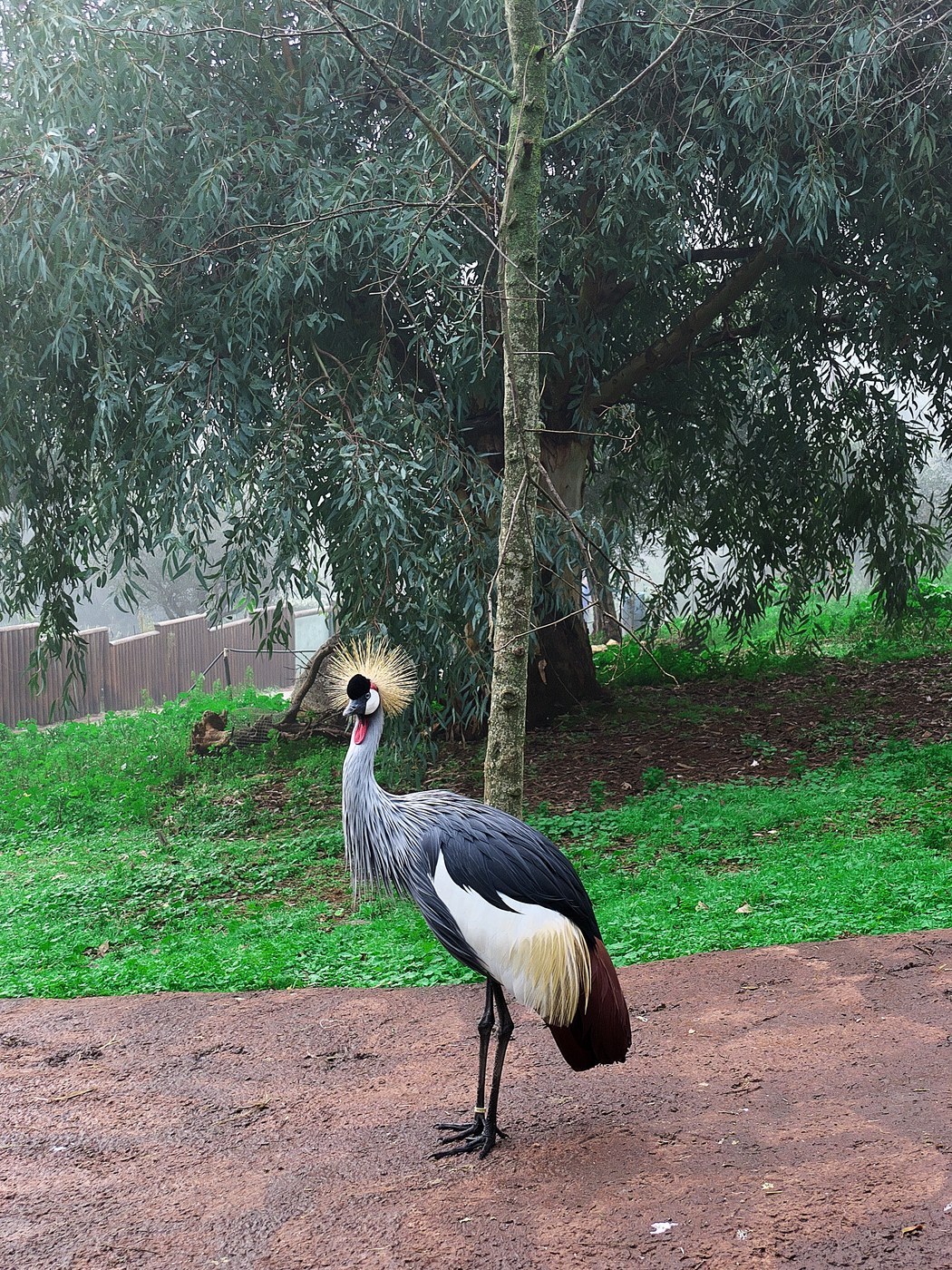
Grey Crowned Crane
Grey body feathers with white wing coverts, chestnut flight feathers, and stiff golden crown bristles
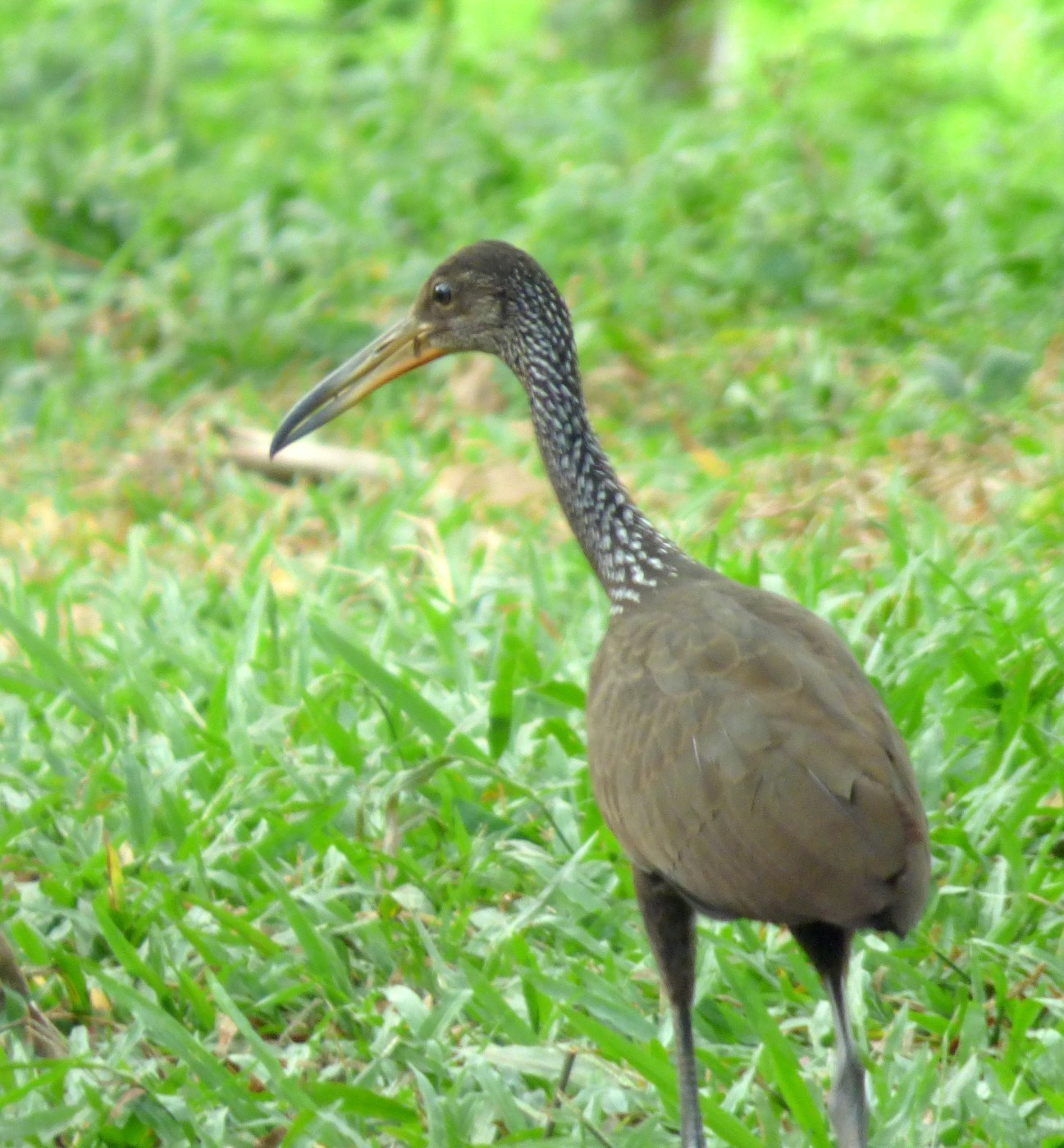
Limpkin
Brown contour feathers with white teardrop-shaped spots and streaks
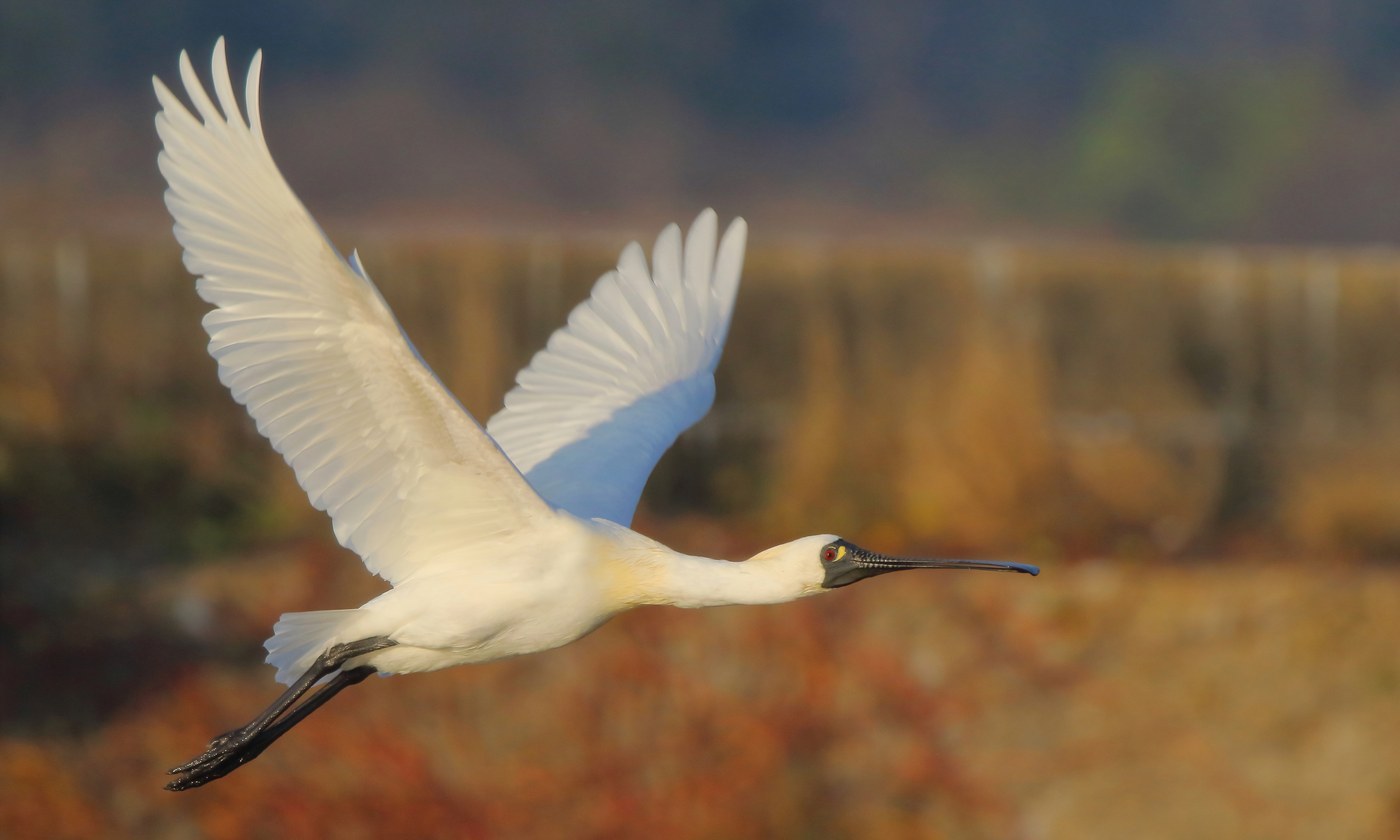
Black-faced Spoonbill
White contour and flight feathers with fine breeding crest and breast plumes
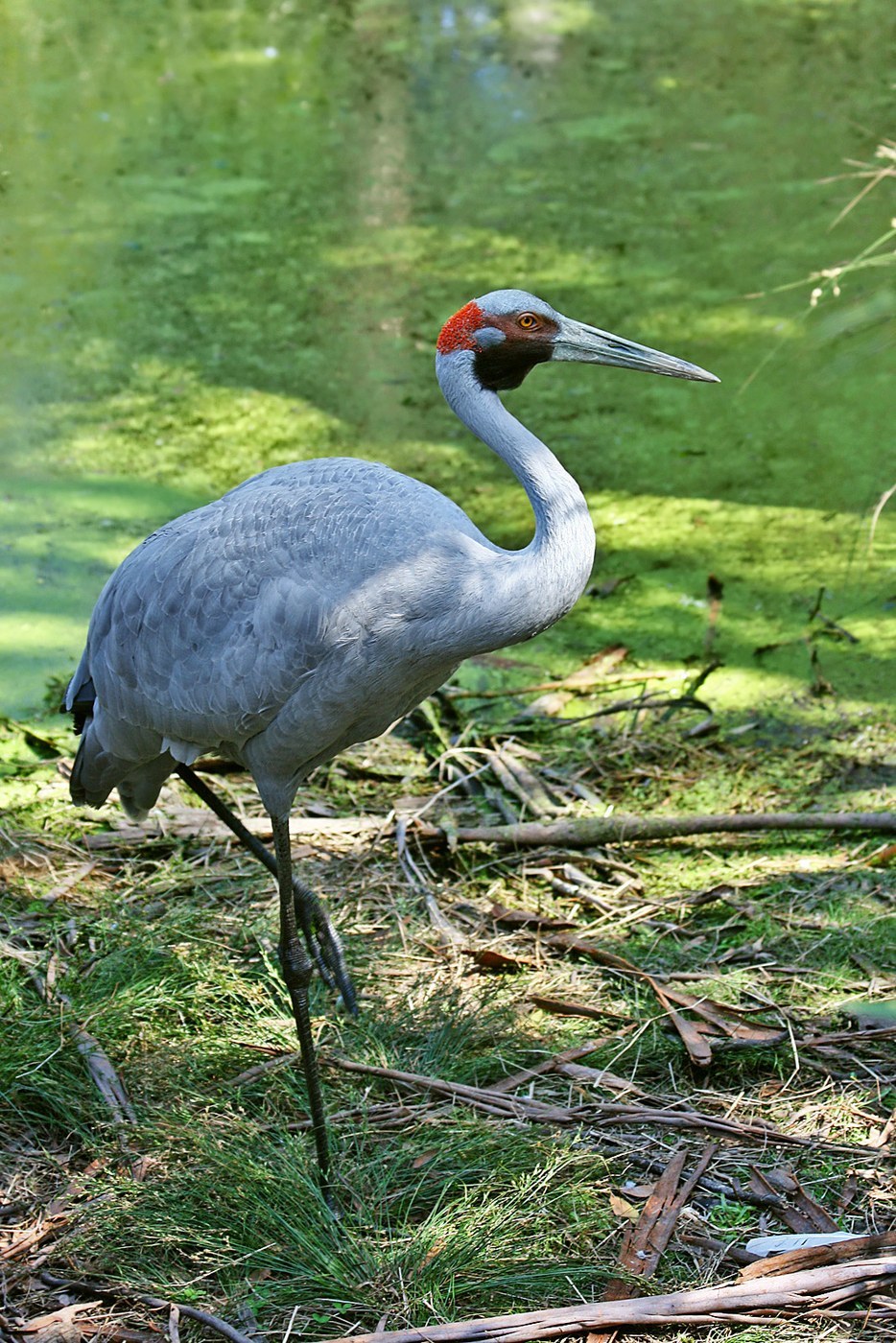
Brolga
Grey contour feathers with drooping bustle plumes
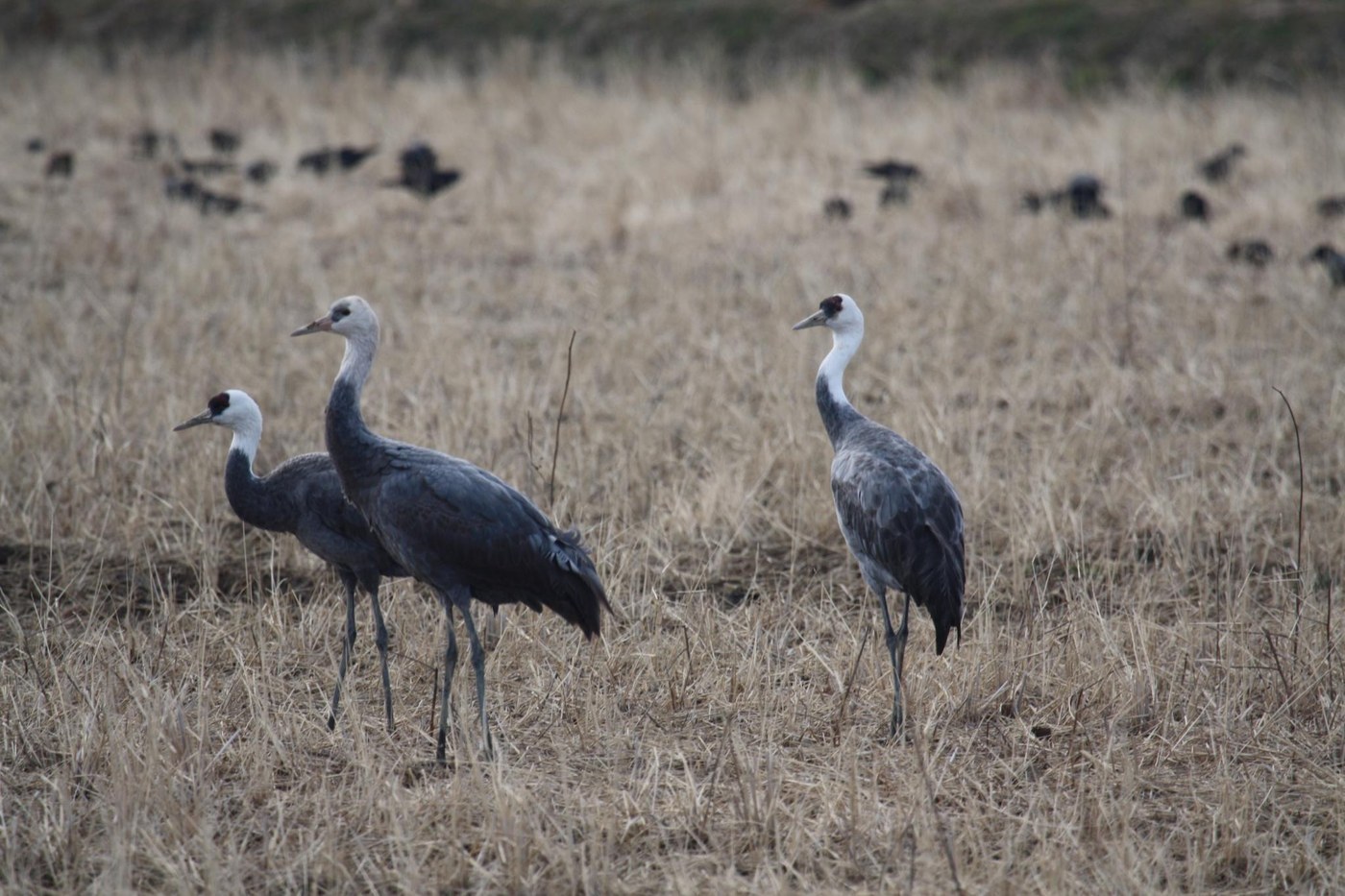
Hooded Crane
Dark slate-grey body feathers with a white head/upper neck 'hood' and black bustle plumes
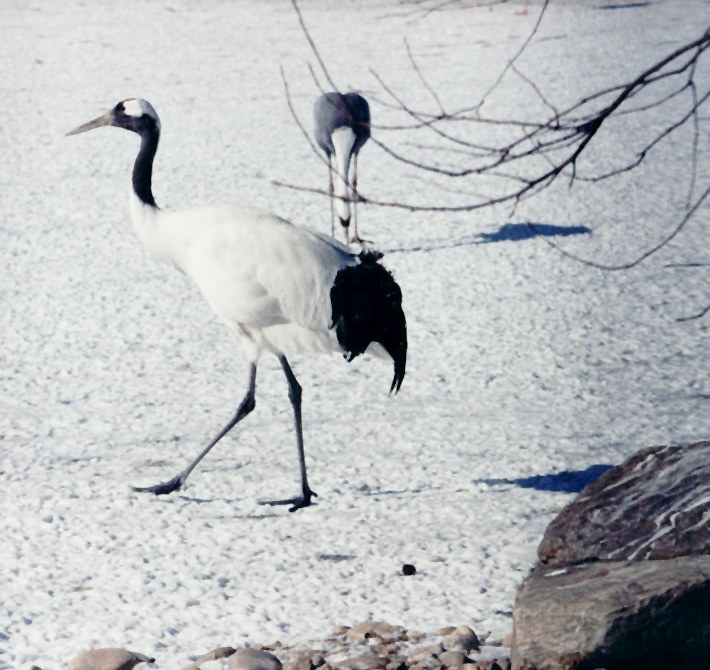
Red-crowned Crane
White contour feathers with black secondary/tertial bustle feathers and a bare red crown

Common Crane
Grey contour feathers with black head/neck feathers and drooping bustle plumes
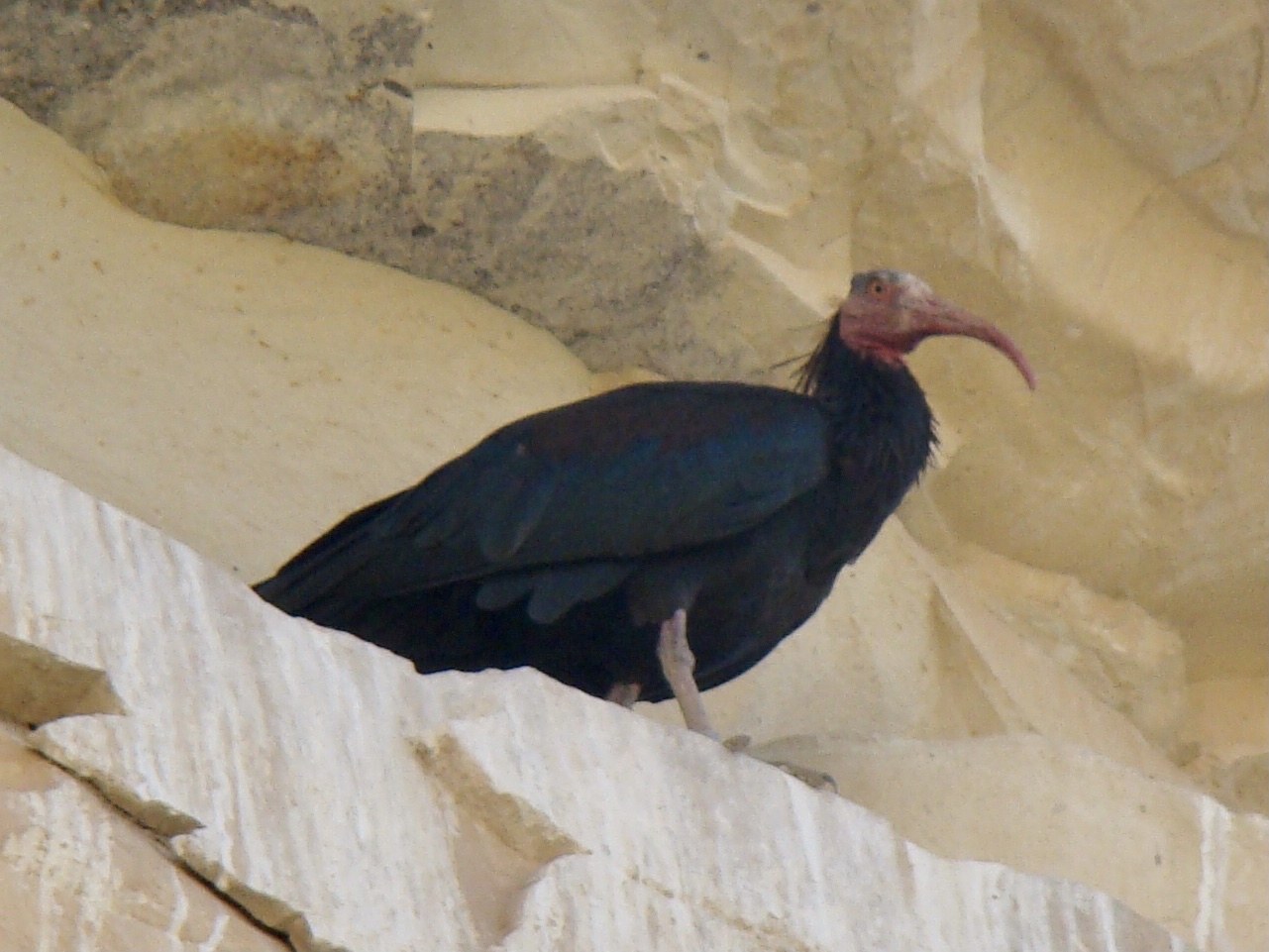
Northern Bald Ibis
Glossy black contour feathers with elongated nape plumes
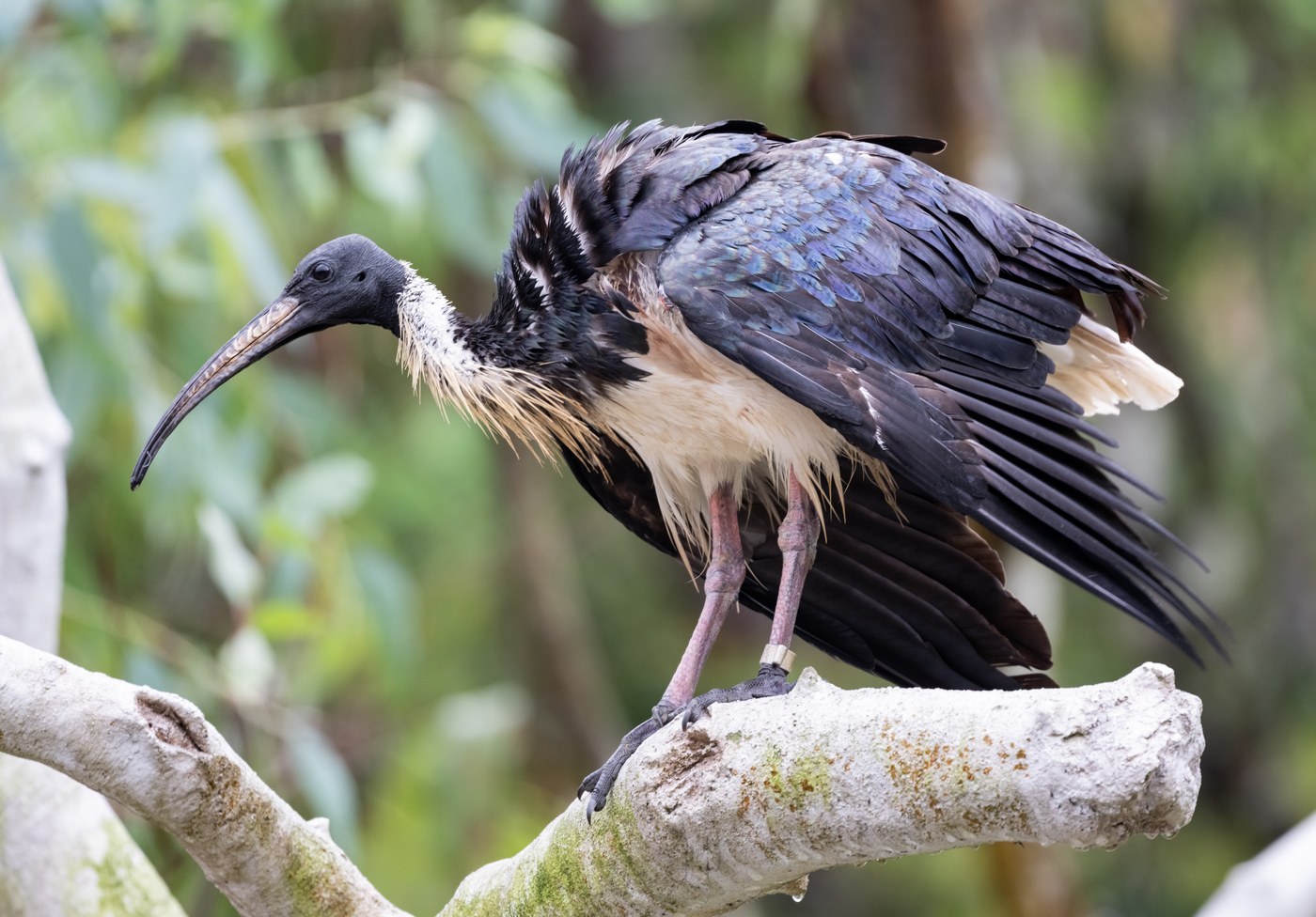
Straw-necked Ibis
Glossy contour feathers with unique straw-like neck plumes
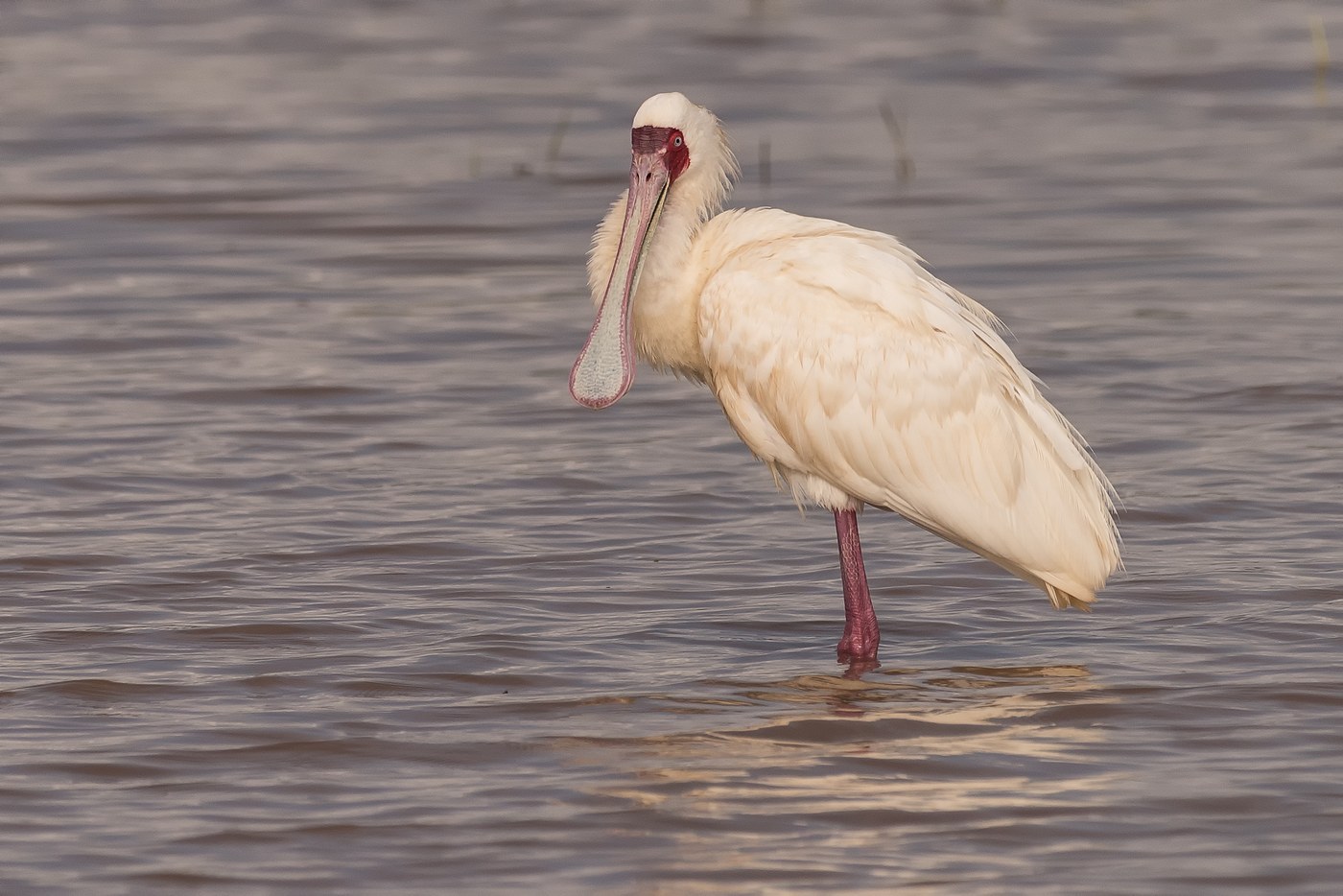
African Spoonbill
White contour and flight feathers, unmarked by black tips

Roseate Spoonbill
Pink and white contour and flight feathers with a carmine shoulder patch