
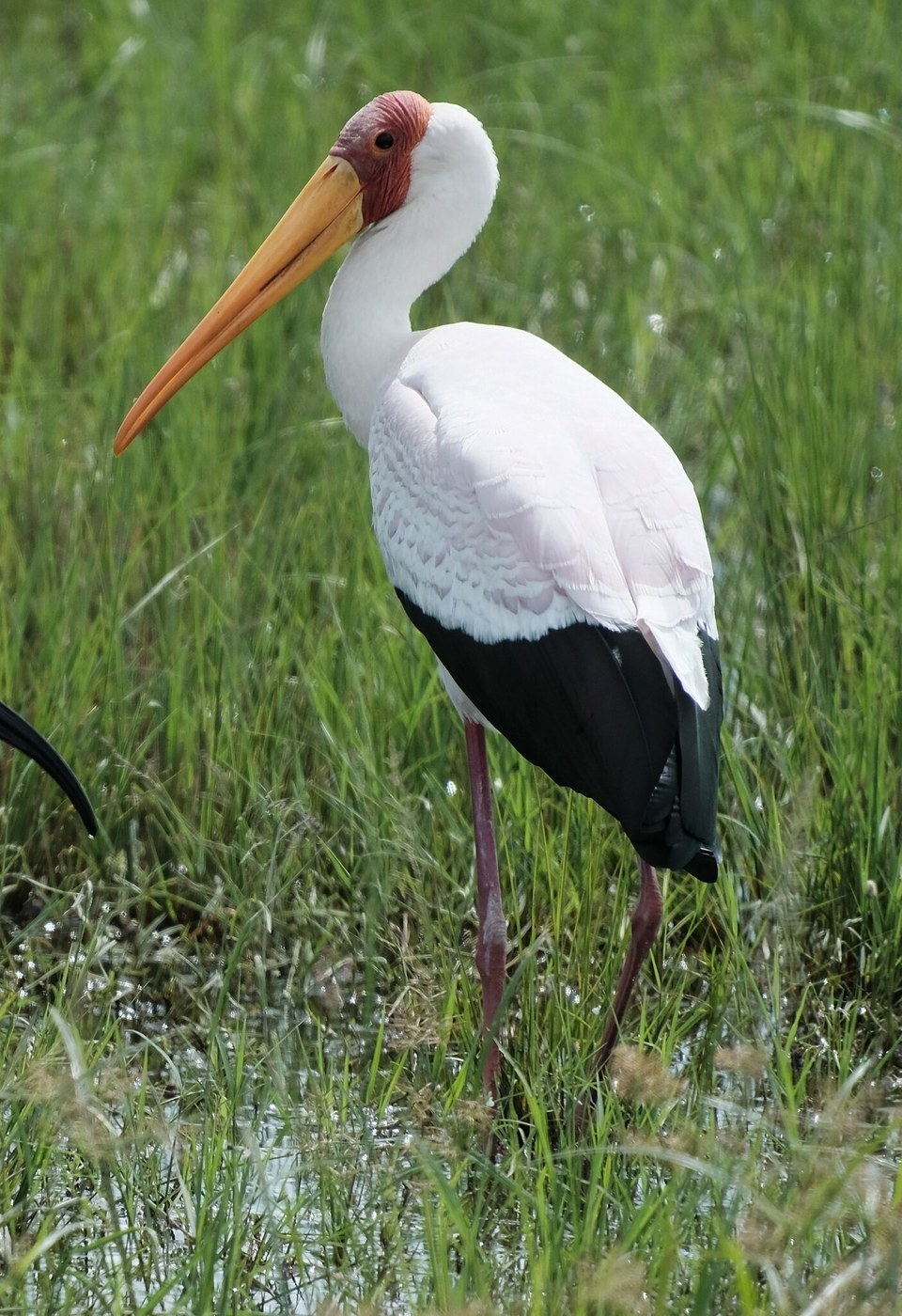
Yellow-billed Stork
Mycteria ibis
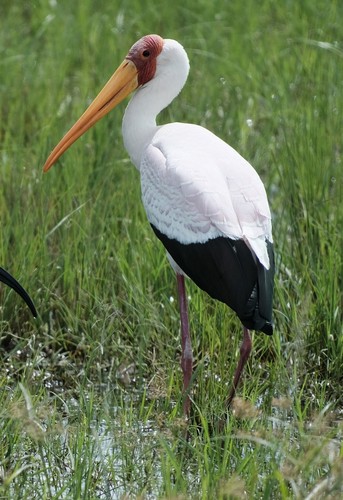
An African wetland stork with mostly white plumage, black flight feathers, a bright red bare face, and a long yellow decurved bill, developing a delicate pink wash on the back during breeding.
- Feather type
- Contour feathers with pink breeding wash
- Colours
- White with black flight feathers and a pink flush
- Bird size
- Large stork, ~90-100 cm
Found a feather like this?
Identify any feather from a photo, free.
Overview
Overview
The Yellow-billed Stork is a common large wader of African wetlands, easily recognized by its long, slightly decurved yellow bill and vivid red bare facial skin set against otherwise white plumage. During the breeding season, the back and upperwing feathers can take on a soft pink flush similar to that of the related Painted Stork, though without a black breast band.
- White body plumage with black flight feathers
- Long, yellow, slightly decurved bill
- Bright red bare facial skin around the eye
- Pink flush develops on the back and wing coverts in breeding condition
Identifying the Feather
Feather Identification
Yellow-billed Stork feathers are white with black flight feathers, and breeding adults show a pink wash on the back and wing covert feathers, a feature that helps separate loose feathers from those of plainer white storks and egrets.
- Body contour feathers: white, occasionally tinged pink on the back during breeding
- Flight feathers: solid black, contrasting sharply with the white body
- Tail feathers: black
- Shaft color: pale in white feathers, dark in black flight feathers
- Vs. Painted Stork: lacks the black breast band; pink tinge tends to be less extensive and more concentrated on the back
- Vs. African Openbill: much larger overall with a straight, not gapped, bill and purely white (not dark) body feathers
Plumage & Molt
Plumage Details
Adults are white with black flight feathers and tail, a bright red bare face, and a yellow bill; the back and wing coverts flush pink during the breeding season, fading again afterward. Legs are dark with pale pink 'knees' in some individuals. Juveniles are greyish-brown overall with a duller yellow-green bill and lack the red facial skin, gradually acquiring adult coloration over subsequent molts. Molt is gradual and tied loosely to the breeding cycle, with the pink wash regenerating each season in mature adults.
Habitat & Range
Habitat & Range
Yellow-billed Storks are widespread across sub-Saharan Africa, inhabiting shallow freshwater lakes, rivers, floodplains, and seasonal wetlands, and occurring locally in Madagascar. The species shows local and seasonal movements linked to water levels rather than long-distance migration, concentrating in large numbers where fish are abundant, such as receding floodplains and drying pools.
Behavior & Field Notes
Behavior & Field Notes
Yellow-billed Storks forage in shallow water using a rapid bill-sweeping technique, snapping the bill shut by touch when it contacts prey such as fish, frogs, or invertebrates, allowing them to feed effectively even in murky water. They breed colonially in trees, often alongside other storks, herons, and cormorants. Calls are limited mostly to bill-clattering displays and occasional low grunts at the nest. The bright red face and yellow decurved bill are the most reliable field marks distinguishing this species from other white African wading birds.
Frequently asked questions
What gives Yellow-billed Stork feathers their pink color?
Breeding adults develop a pink flush on the back and wing covert feathers, similar to the closely related Painted Stork, though it typically fades outside the breeding season.
How do I tell a Yellow-billed Stork feather from a Painted Stork feather?
Yellow-billed Stork lacks the black breast band seen in Painted Stork, and its pink tinge is usually less extensive, concentrated more on the back.
Are Yellow-billed Stork feathers always white?
The body feathers are white year-round, with a temporary pink wash appearing only on breeding adults; the flight feathers remain black at all times.
Where would a Yellow-billed Stork feather most likely be found?
Near shallow freshwater lakes, floodplains, and rivers across sub-Saharan Africa, often around large mixed-species nesting colonies.
Yellow-billed Stork guides
In-depth guides for identifying and understanding Yellow-billed Stork.
Other feathers you may enjoy

Yellow-billed Spoonbill
White contour and flight feathers with fine breeding plumes on the back and breast
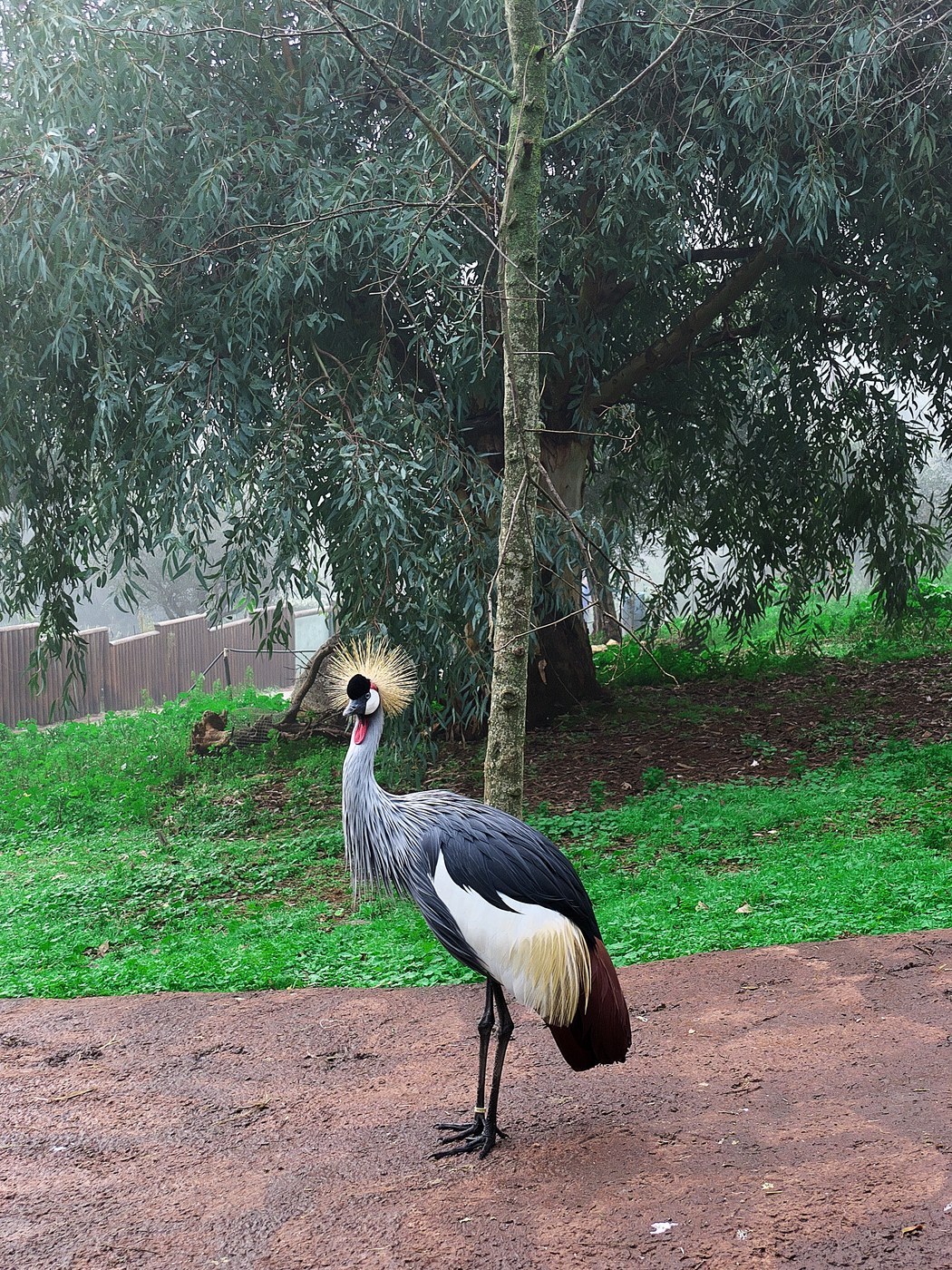
Grey Crowned Crane
Grey body feathers with white wing coverts, chestnut flight feathers, and stiff golden crown bristles
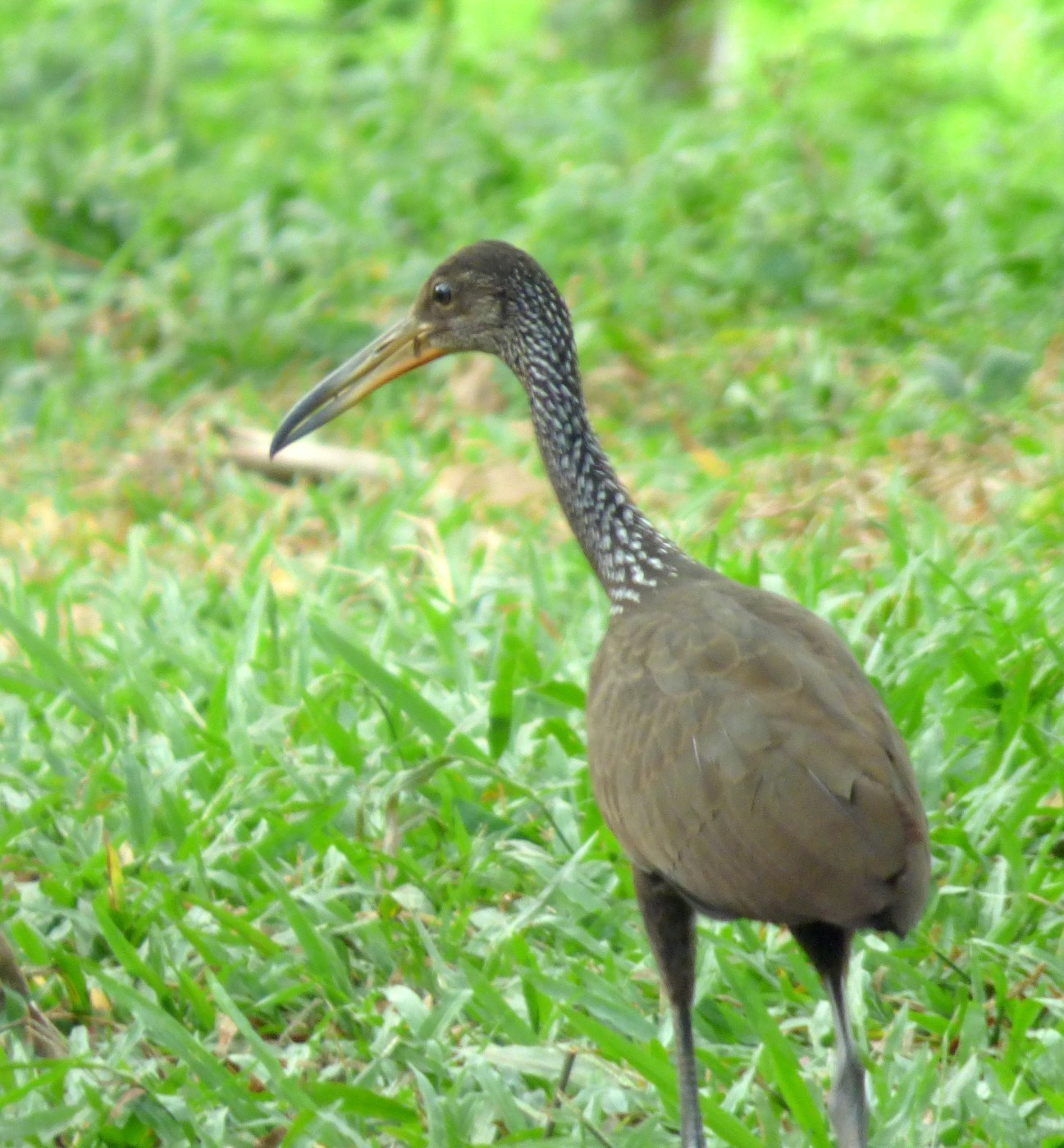
Limpkin
Brown contour feathers with white teardrop-shaped spots and streaks
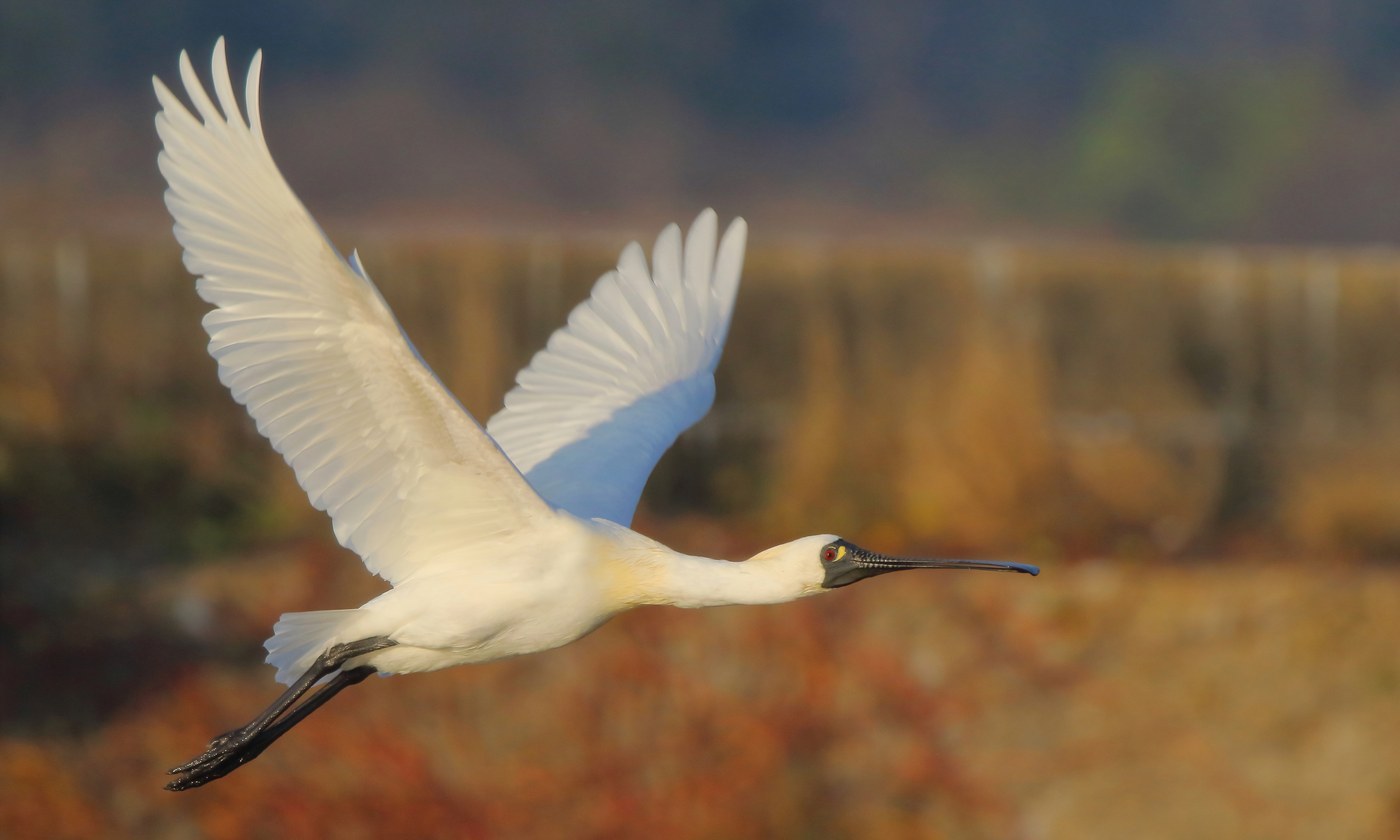
Black-faced Spoonbill
White contour and flight feathers with fine breeding crest and breast plumes
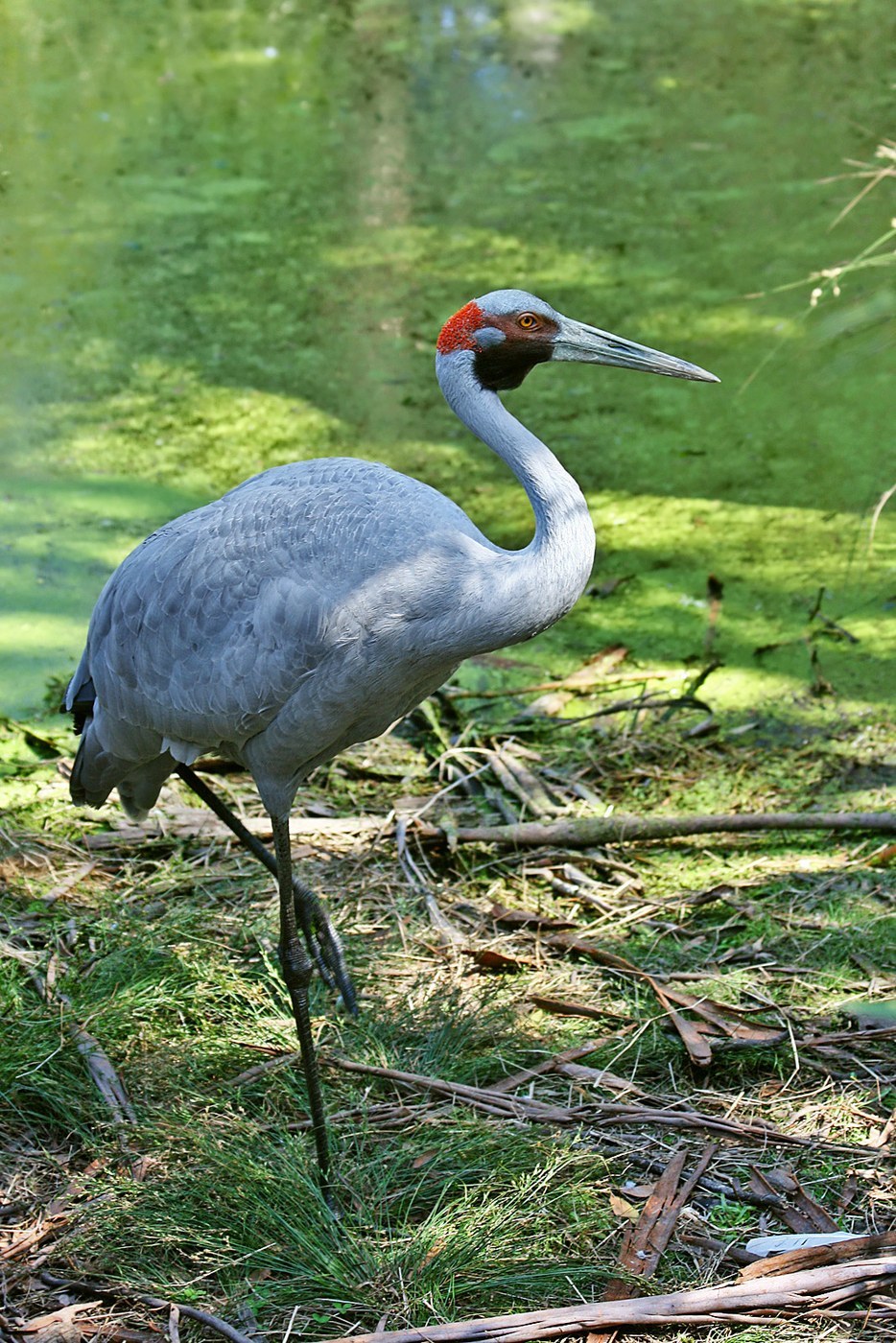
Brolga
Grey contour feathers with drooping bustle plumes
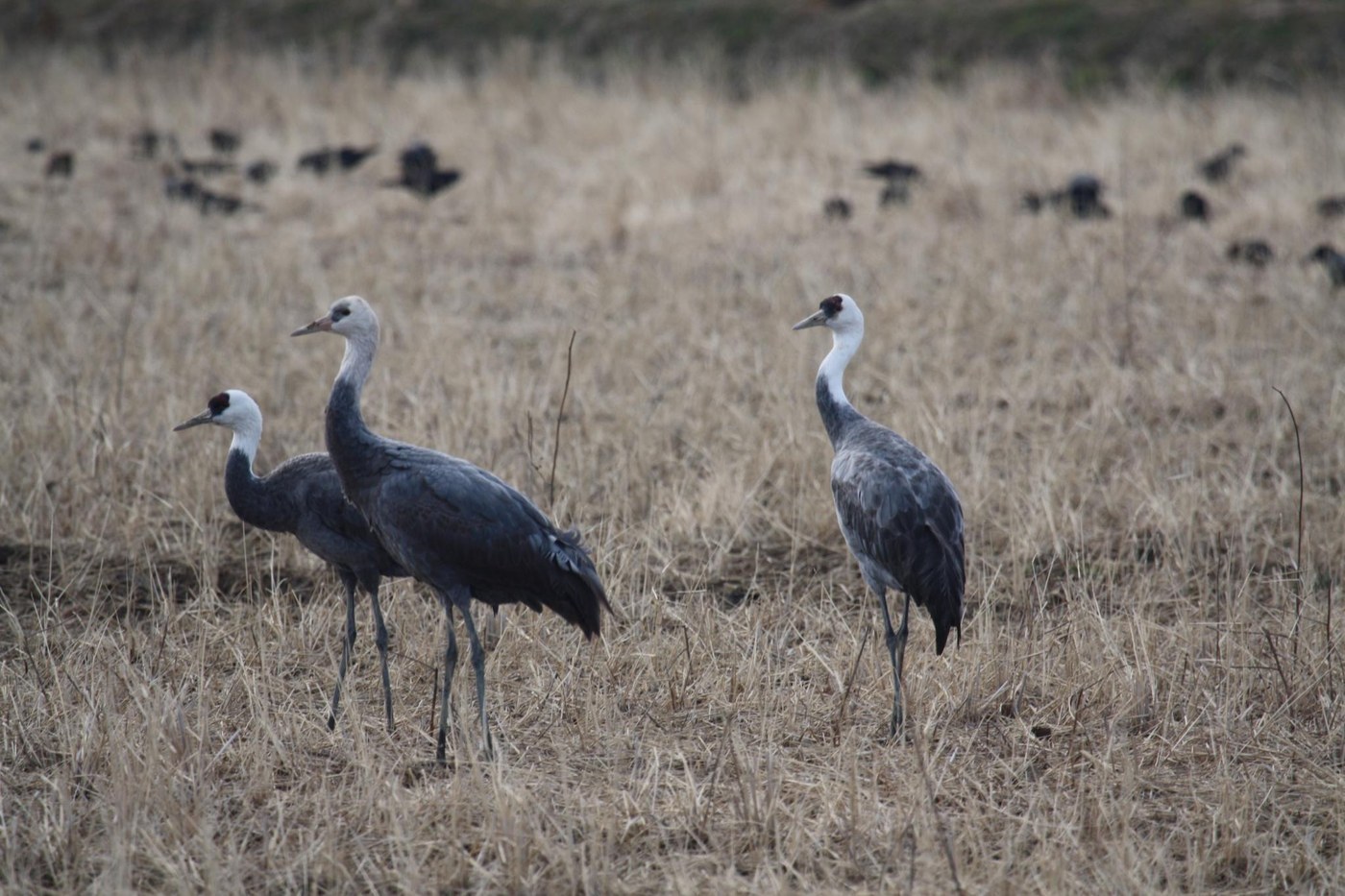
Hooded Crane
Dark slate-grey body feathers with a white head/upper neck 'hood' and black bustle plumes
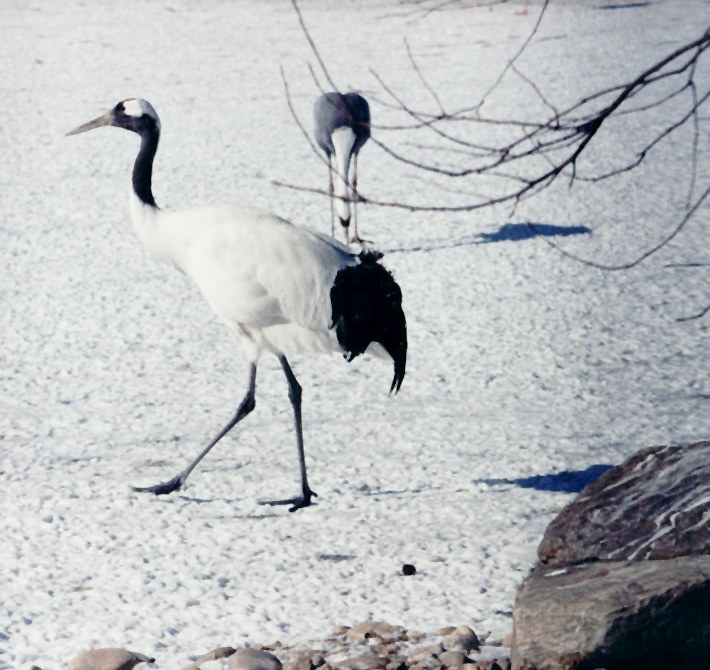
Red-crowned Crane
White contour feathers with black secondary/tertial bustle feathers and a bare red crown

Common Crane
Grey contour feathers with black head/neck feathers and drooping bustle plumes
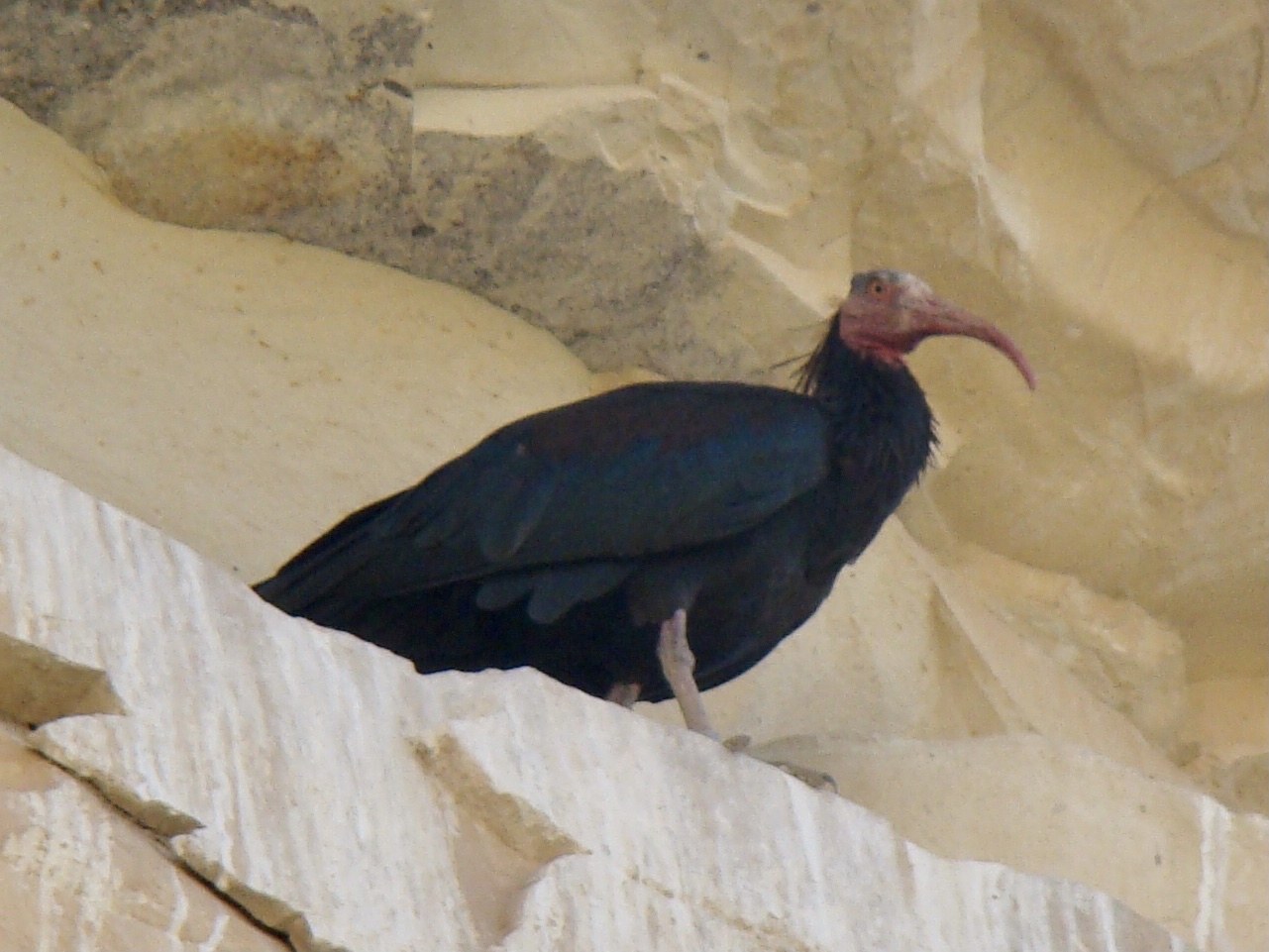
Northern Bald Ibis
Glossy black contour feathers with elongated nape plumes
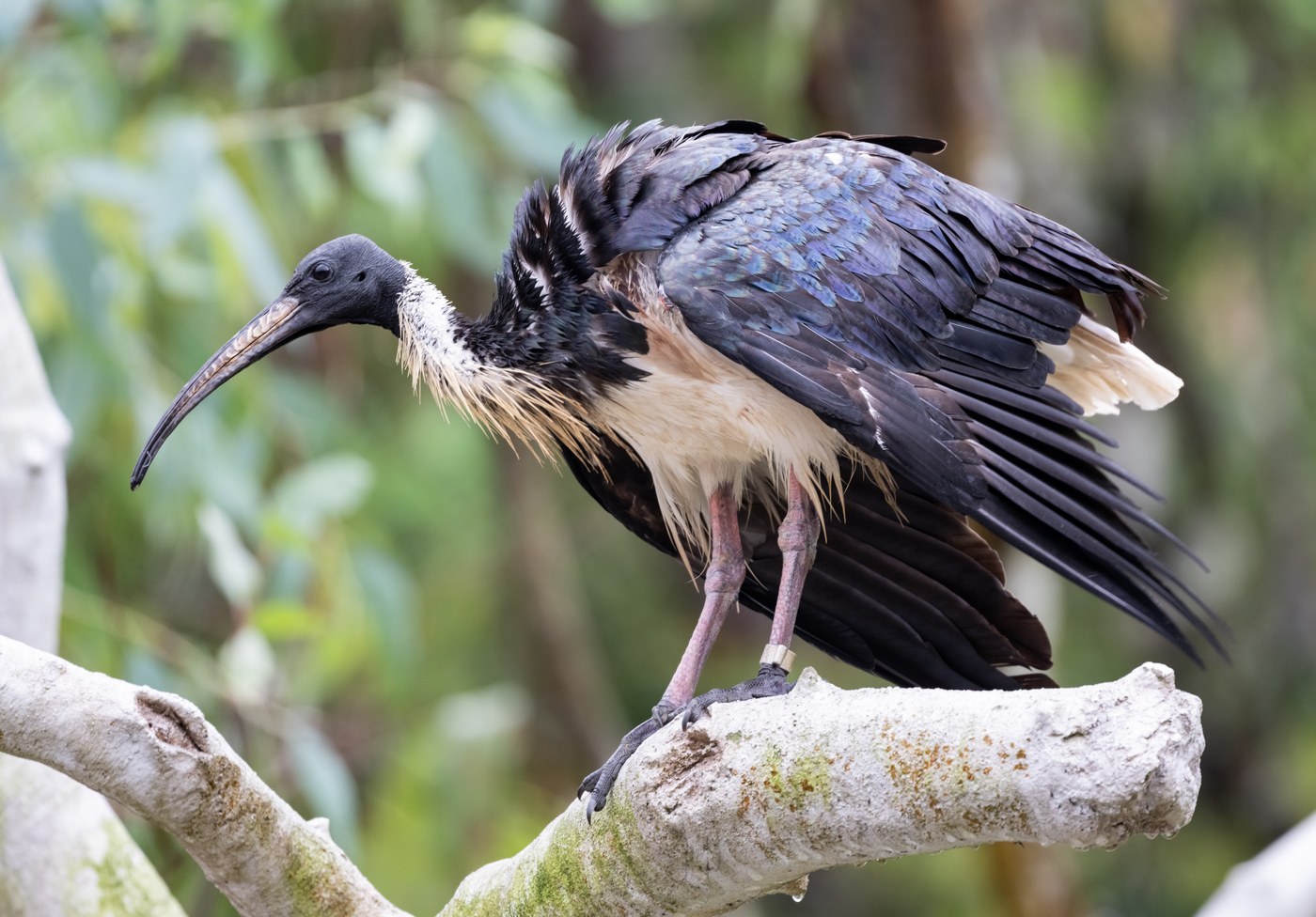
Straw-necked Ibis
Glossy contour feathers with unique straw-like neck plumes
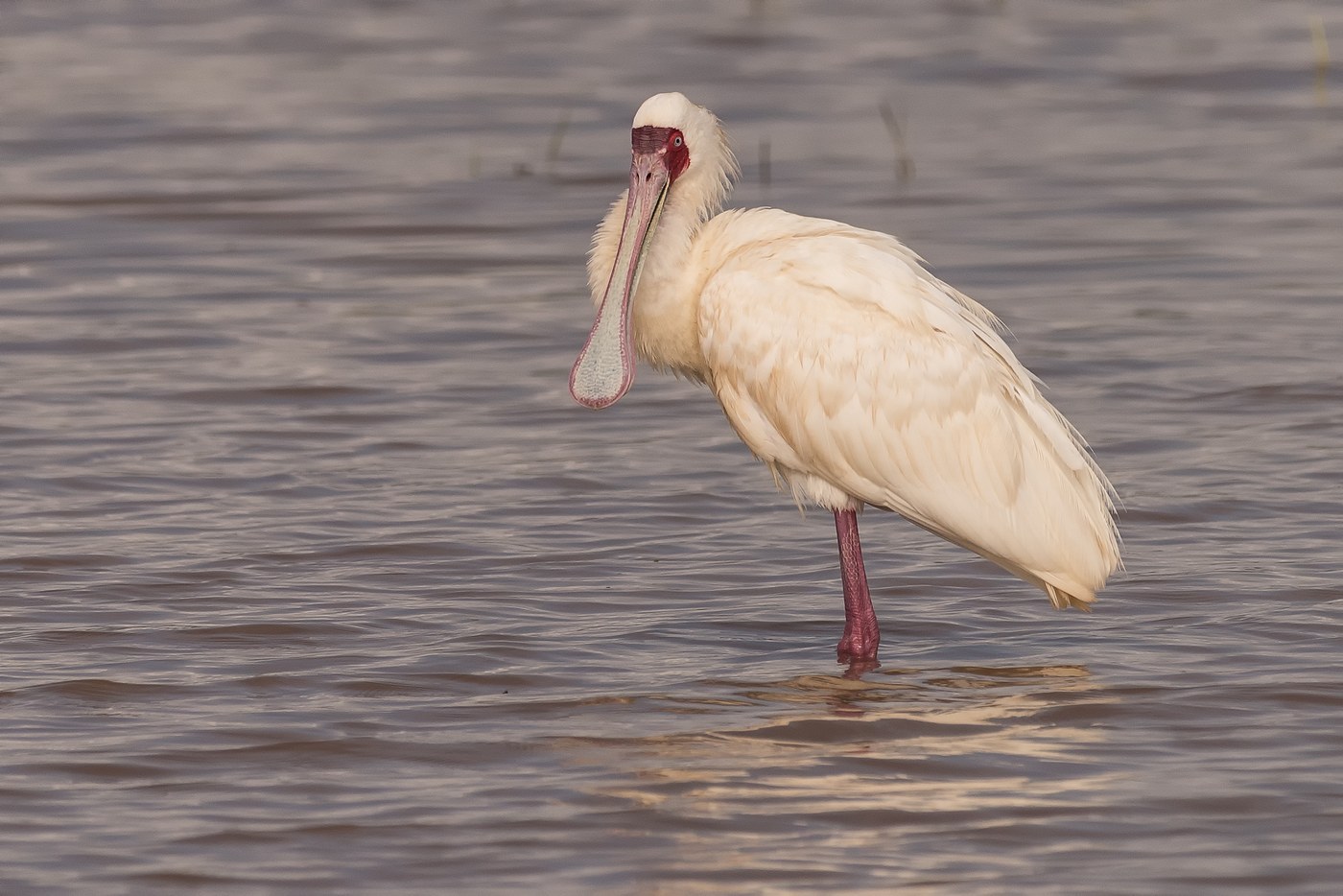
African Spoonbill
White contour and flight feathers, unmarked by black tips

Roseate Spoonbill
Pink and white contour and flight feathers with a carmine shoulder patch