
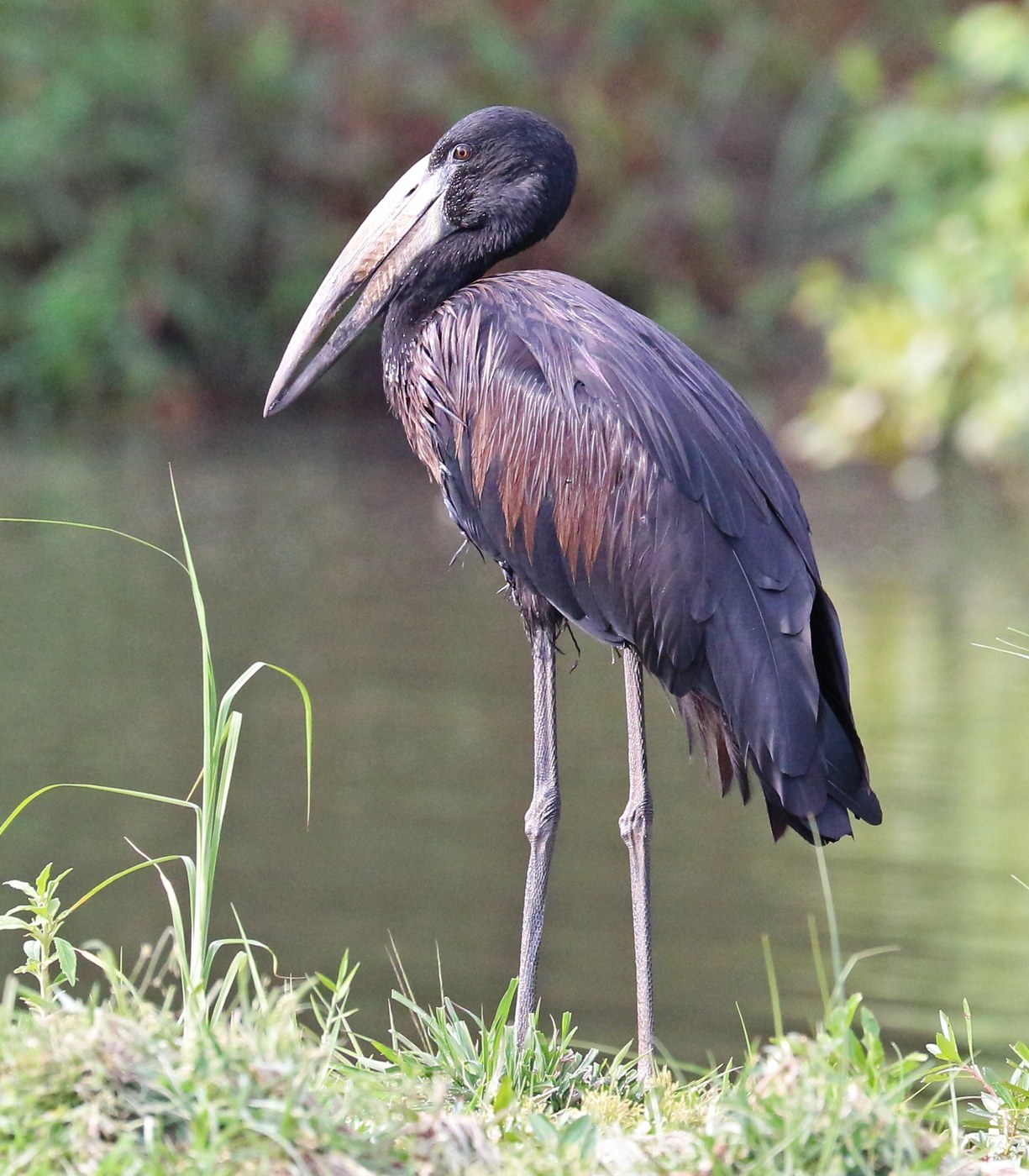
African Openbill
Anastomus lamelligerus
A dark, glossy African stork with the same distinctive mandible gap as its Asian relative, blending into the shadows of marshes and swamps where it specializes in extracting aquatic snails.
- Feather type
- Dense glossy contour feathers with a gapped bill (not a feather feature)
- Colours
- Dark blackish-brown with a glossy sheen
- Bird size
- Medium stork, ~80-94 cm
Found a feather like this?
Identify any feather from a photo, free.
Overview
Overview
The African Openbill is a dark-plumaged wetland stork found across much of sub-Saharan Africa, sharing the characteristic bill gap seen in its Asian relative but differing sharply in overall coloration, being an almost uniformly dark blackish-brown bird with a glossy sheen rather than pale grey. This dark plumage helps it blend into shaded swamp and marsh vegetation while it forages.
- Overall dark blackish-brown plumage with a glossy sheen
- Distinctive gap between the mandibles, used for handling prey
- Medium-sized stork with relatively long legs for wading
- Found in freshwater wetlands across much of sub-Saharan Africa
Identifying the Feather
Feather Identification
African Openbill feathers are dark blackish-brown with a glossy sheen throughout, quite different from the pale greyish tones of the Asian Openbill.
- Body contour feathers: dark blackish-brown, with a bronze-green iridescent sheen in good light
- Flight feathers: dark, matching the overall body tone rather than contrasting sharply
- Shaft color: dark throughout
- Vs. Asian Openbill: markedly darker overall, lacking the pale grey-white body tone of its Asian counterpart
- Vs. Glossy Ibis: African Openbill feathers are larger and structurally stiffer, coming from a considerably bigger bird
- Texture: feathers can appear notably glossy, especially on the back and wing coverts
Plumage & Molt
Plumage Details
Adults are dark blackish-brown overall with a glossy greenish-bronze sheen on the back and wings, showing little contrast between body and flight feathers. The bill retains the characteristic mandible gap seen in its Asian relative. Juveniles are duller and browner, lacking the strong adult gloss, with the bill gap developing with maturity. Molt is gradual, without a sharply defined single season across its range.
Habitat & Range
Habitat & Range
African Openbills inhabit freshwater marshes, swamps, floodplains, and lake margins across much of sub-Saharan Africa and Madagascar, often concentrating where snail populations are abundant. The species shows local and seasonal movements linked to water levels and food availability rather than long-distance migration, and it frequently forms mixed foraging groups with other waterbirds.
Behavior & Field Notes
Behavior & Field Notes
African Openbills specialize heavily in extracting freshwater snails from their shells, using the gap in the bill along with a specialized technique to pry open and remove the snail without breaking the shell. They nest colonially in trees or reedbeds, often alongside other waterbirds, and communicate mainly through bill-clattering rather than vocal calls. Its dark, glossy plumage and strong association with snail-rich marshes and swamps are useful field clues distinguishing it from other African storks.
Frequently asked questions
What does the African Openbill mainly eat?
It specializes heavily in extracting aquatic snails from their shells, using the distinctive gap in its bill to manipulate and open them.
How can I tell African Openbill feathers from other dark waterbird feathers?
Its feathers are notably glossy with a bronze-green sheen and come from a fairly large stork-sized bird, distinguishing them from smaller glossy waterbirds like ibises.
Is the African Openbill related to the Asian Openbill?
Yes, both belong to the same genus and share the distinctive bill gap, though the African species is much darker in overall plumage.
Where would an African Openbill feather most likely be found?
Near freshwater marshes, swamps, and floodplains across sub-Saharan Africa and Madagascar, particularly where snails are abundant.
African Openbill guides
In-depth guides for identifying and understanding African Openbill.
Other feathers you may enjoy

Yellow-billed Spoonbill
White contour and flight feathers with fine breeding plumes on the back and breast
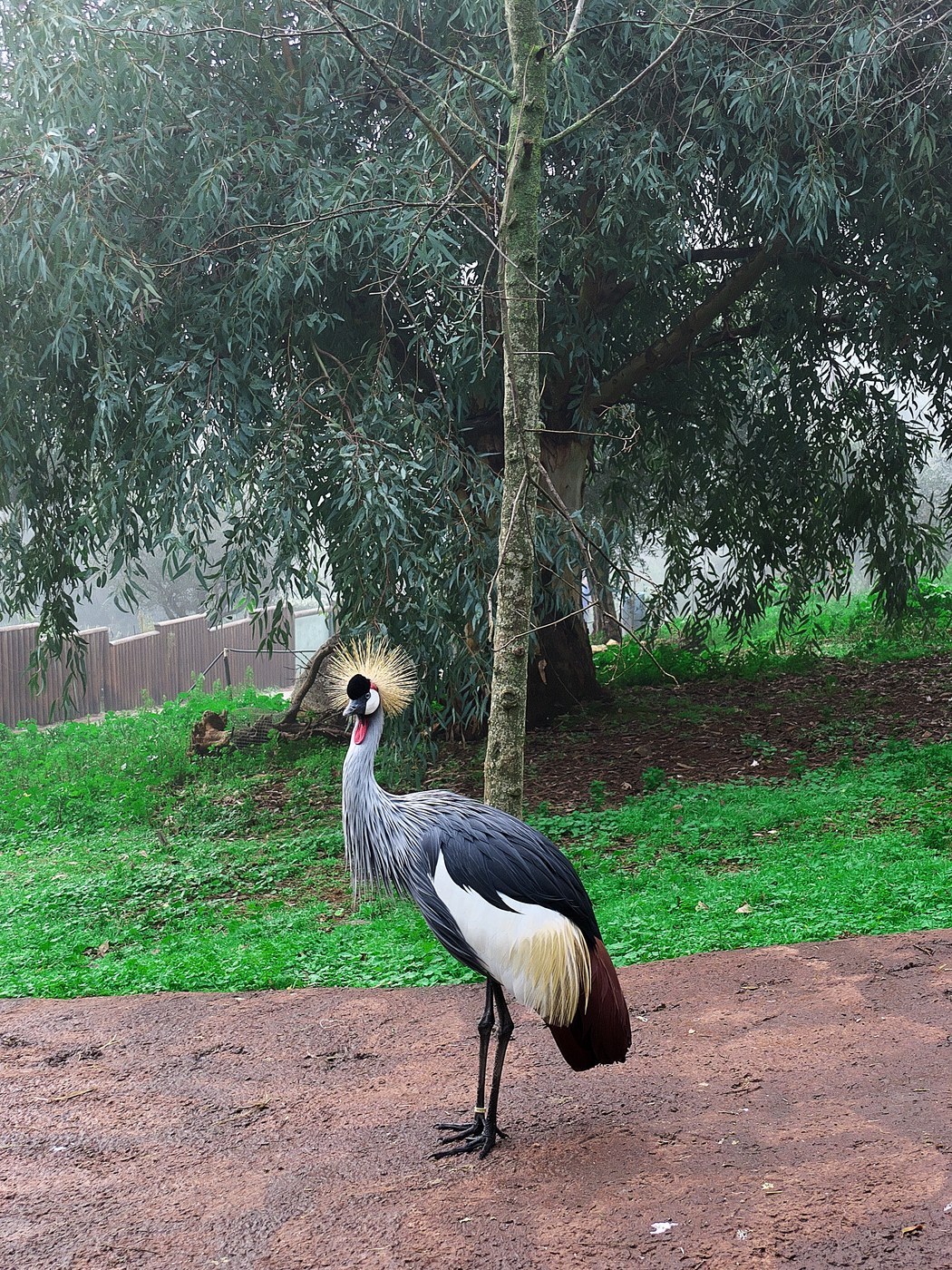
Grey Crowned Crane
Grey body feathers with white wing coverts, chestnut flight feathers, and stiff golden crown bristles
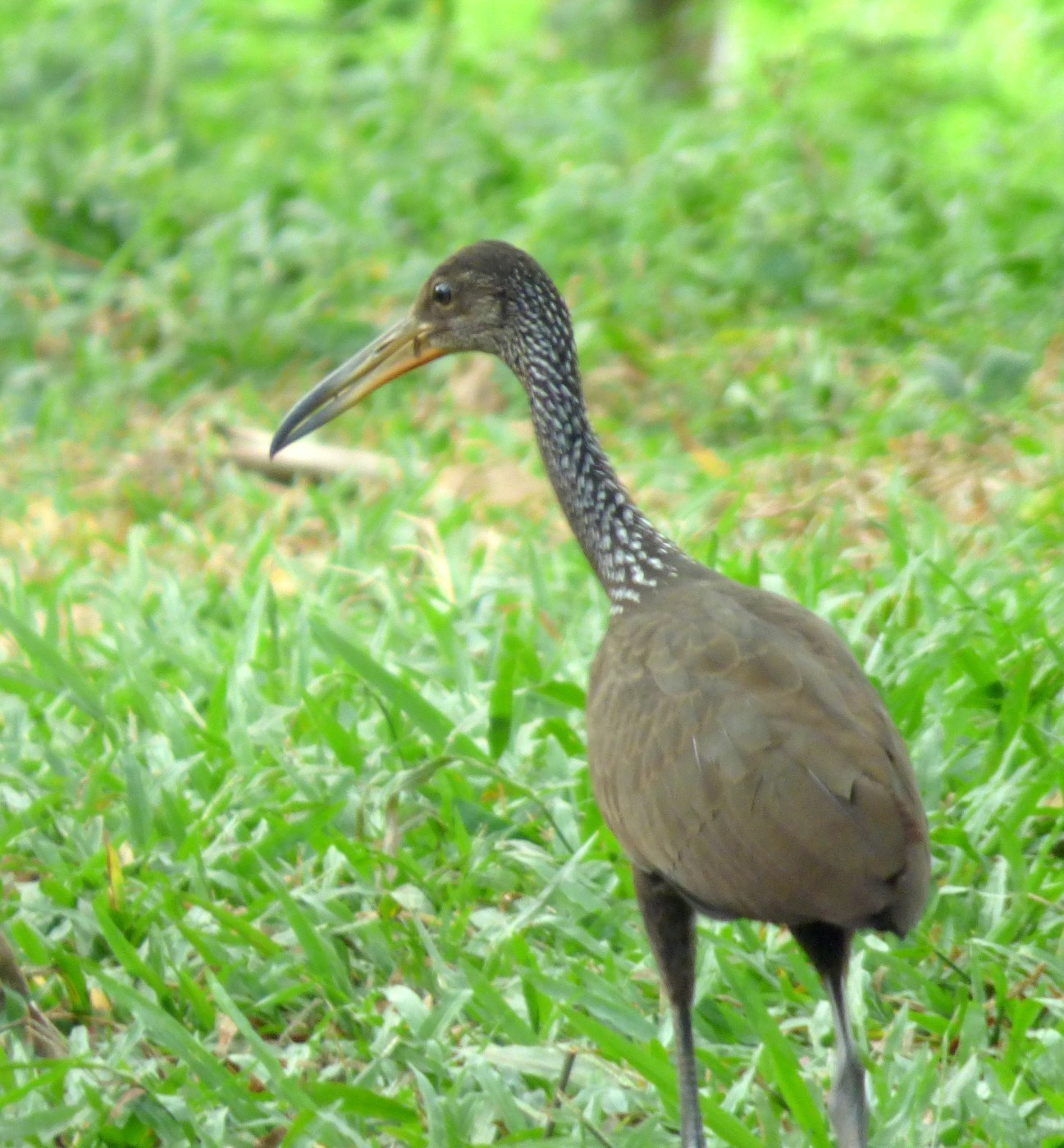
Limpkin
Brown contour feathers with white teardrop-shaped spots and streaks
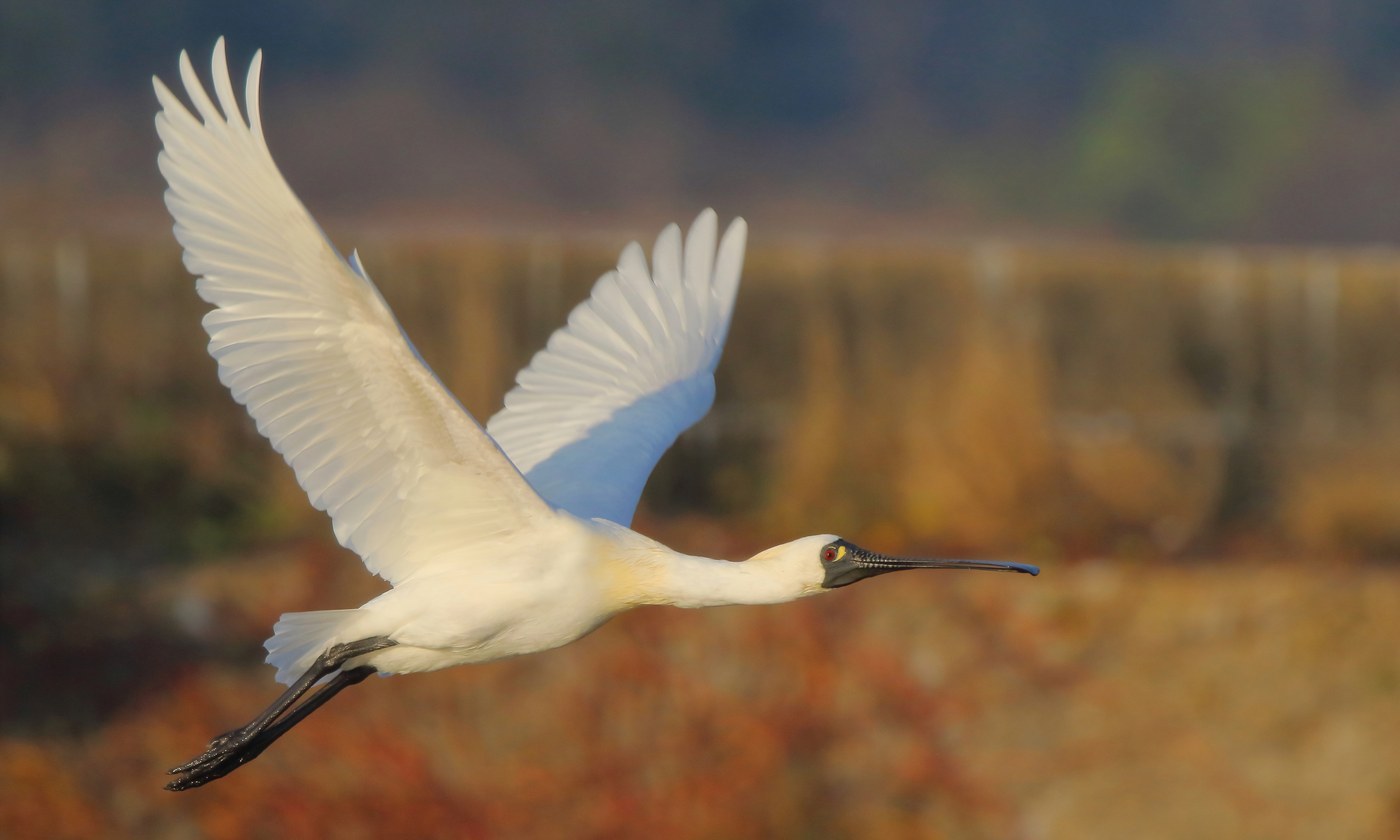
Black-faced Spoonbill
White contour and flight feathers with fine breeding crest and breast plumes
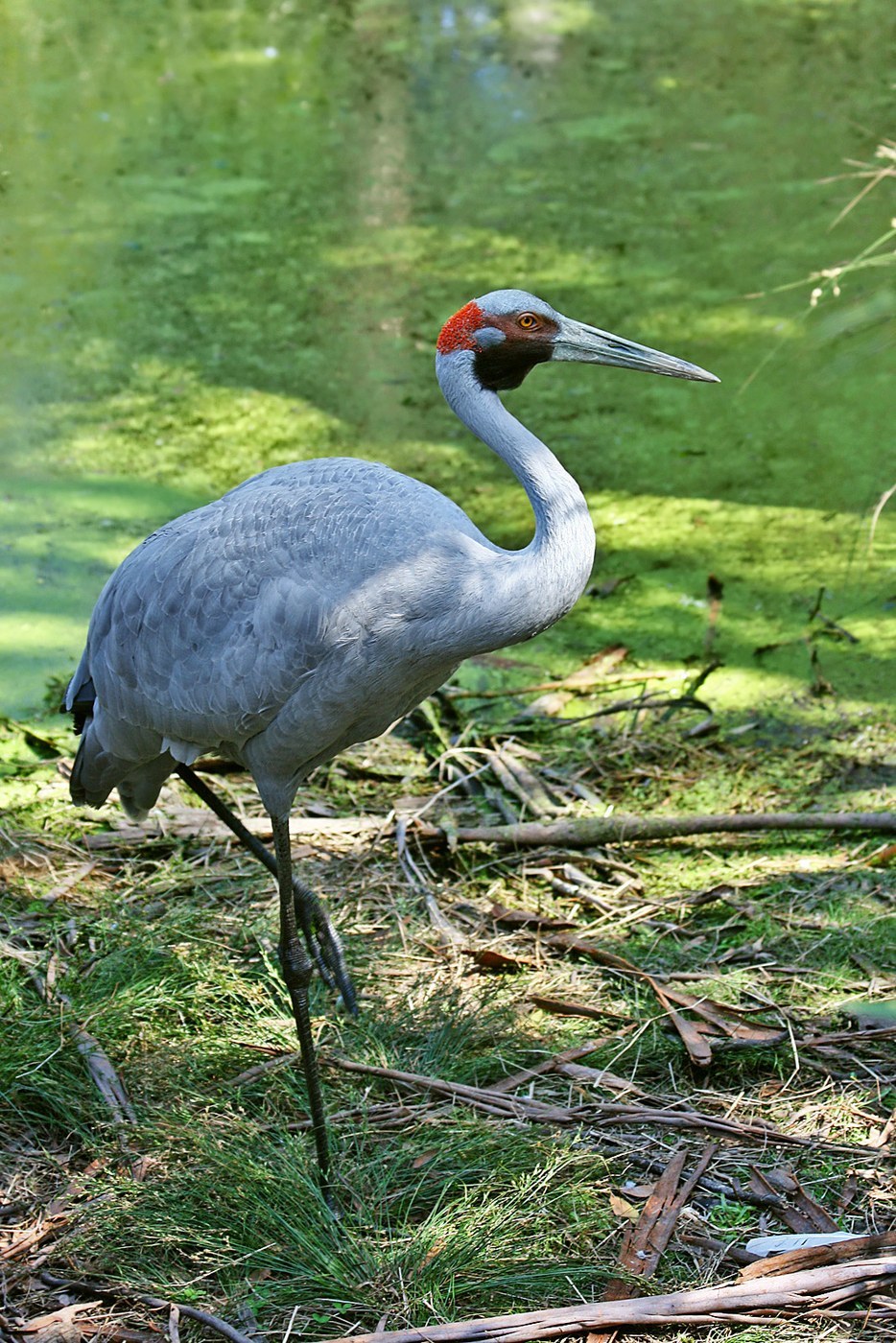
Brolga
Grey contour feathers with drooping bustle plumes
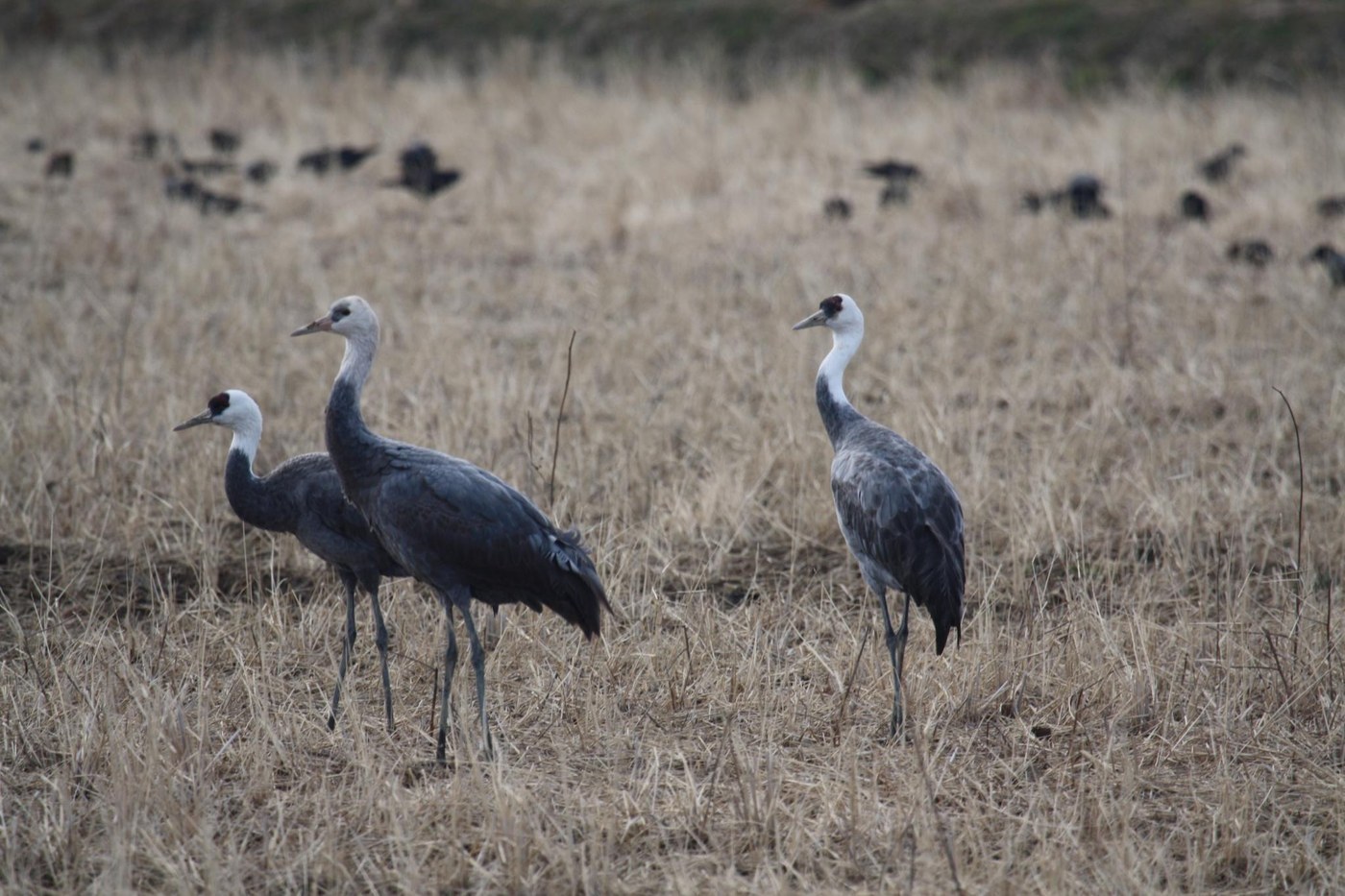
Hooded Crane
Dark slate-grey body feathers with a white head/upper neck 'hood' and black bustle plumes
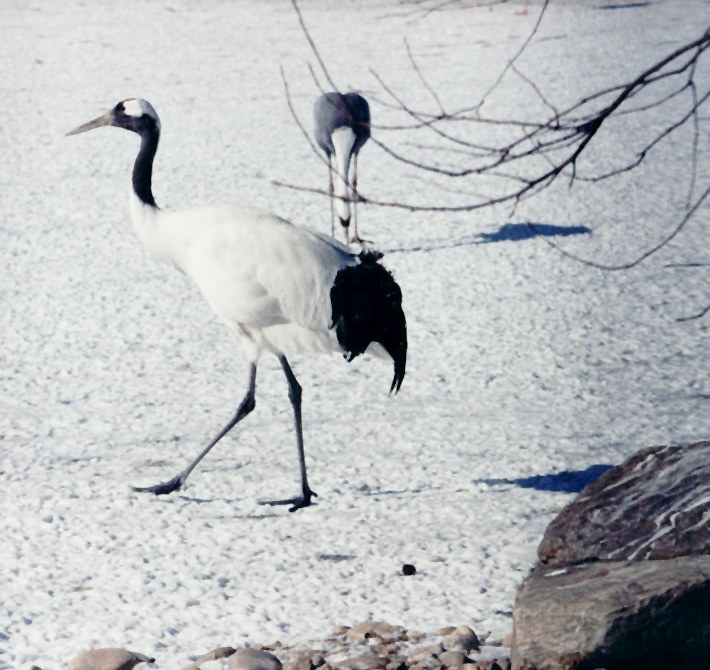
Red-crowned Crane
White contour feathers with black secondary/tertial bustle feathers and a bare red crown

Common Crane
Grey contour feathers with black head/neck feathers and drooping bustle plumes
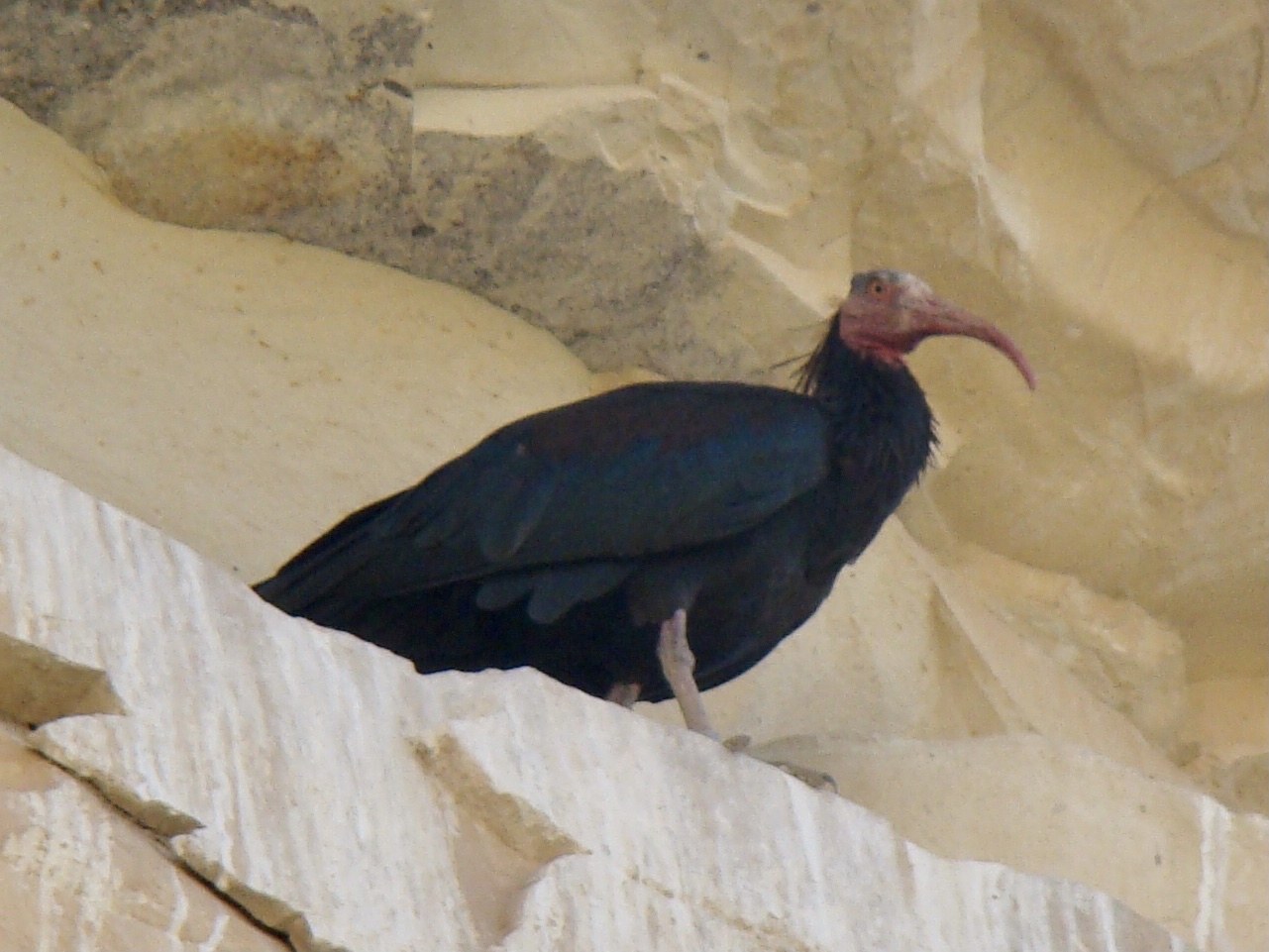
Northern Bald Ibis
Glossy black contour feathers with elongated nape plumes
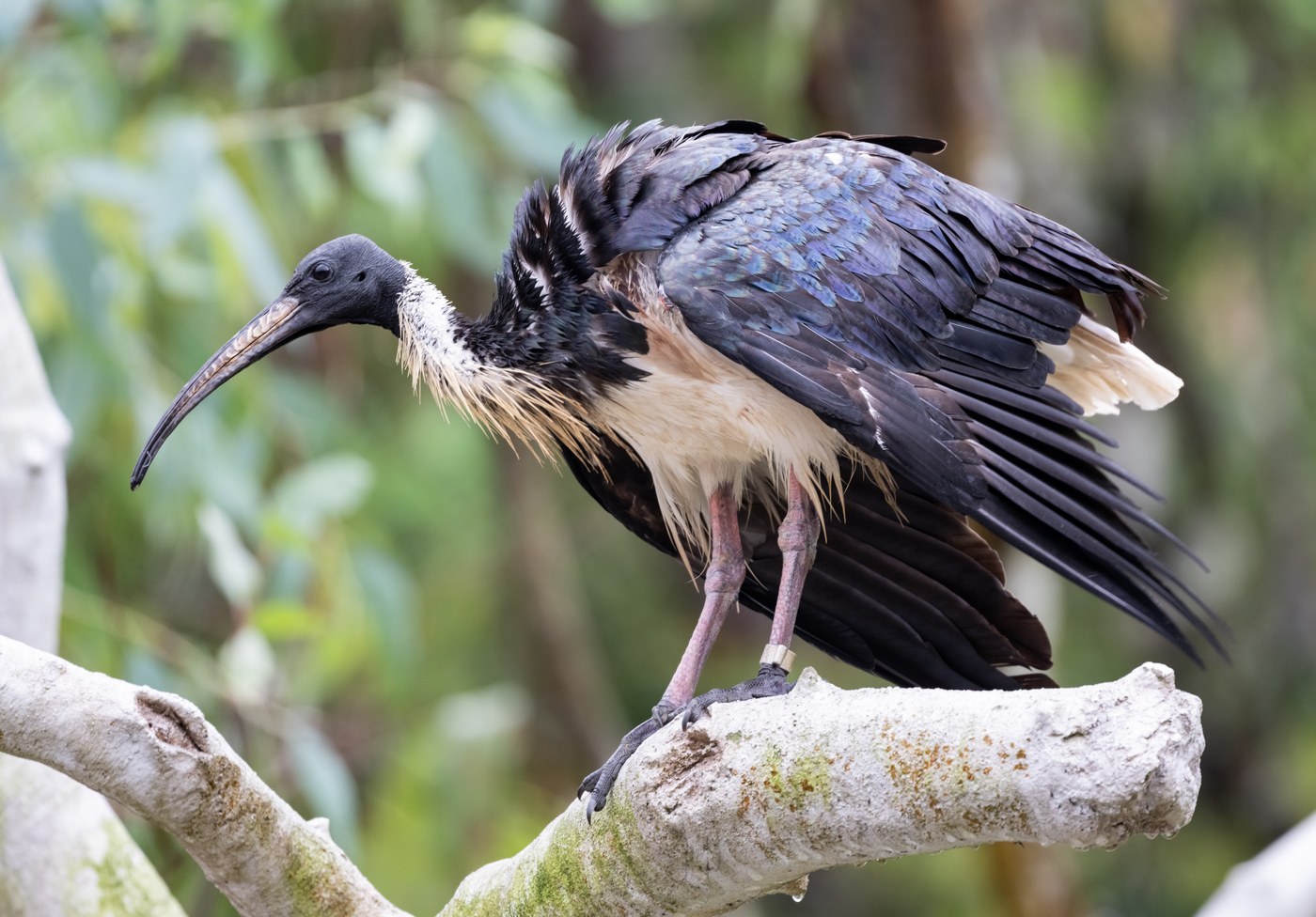
Straw-necked Ibis
Glossy contour feathers with unique straw-like neck plumes
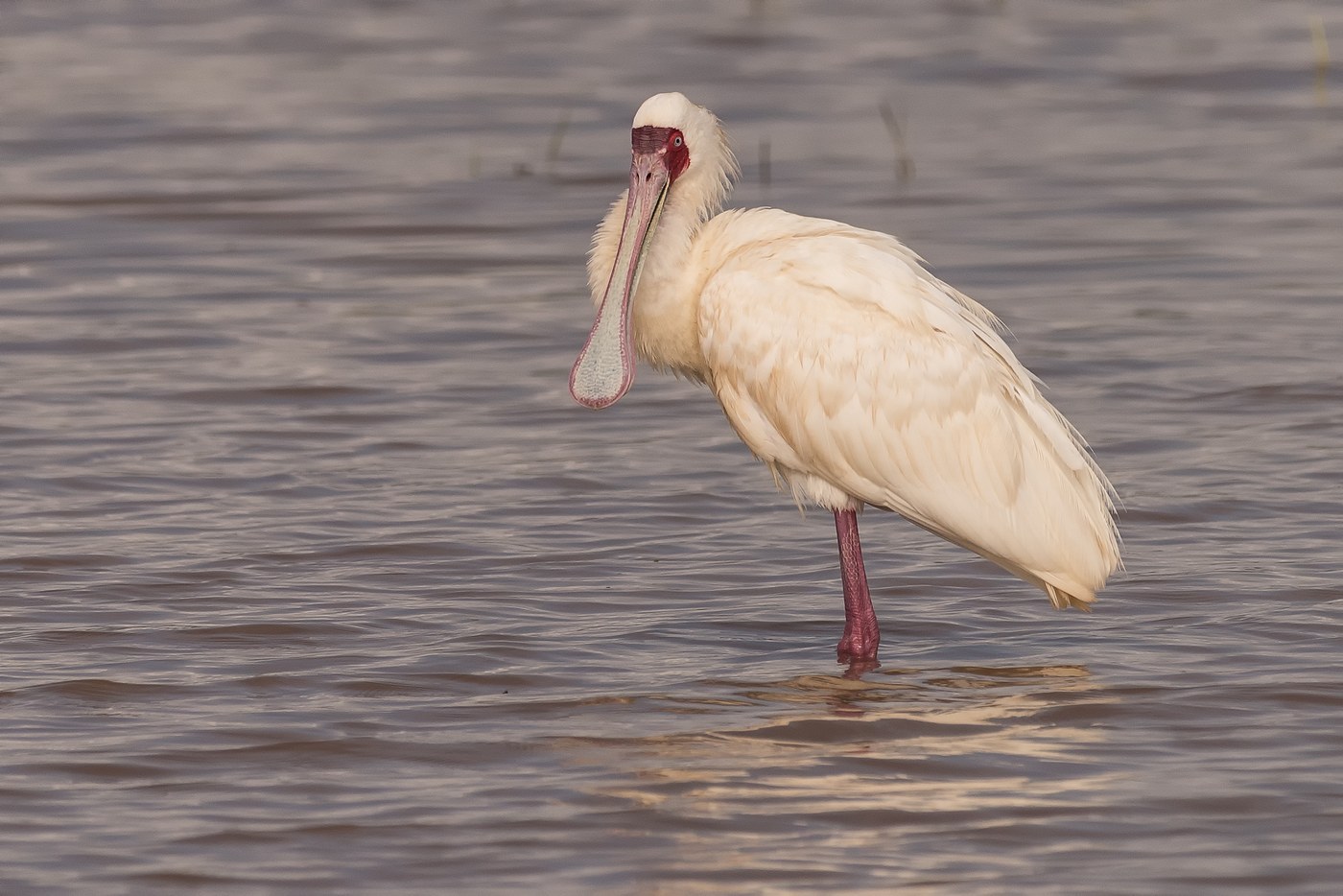
African Spoonbill
White contour and flight feathers, unmarked by black tips

Roseate Spoonbill
Pink and white contour and flight feathers with a carmine shoulder patch