
Altamira Oriole
Icterus gularis
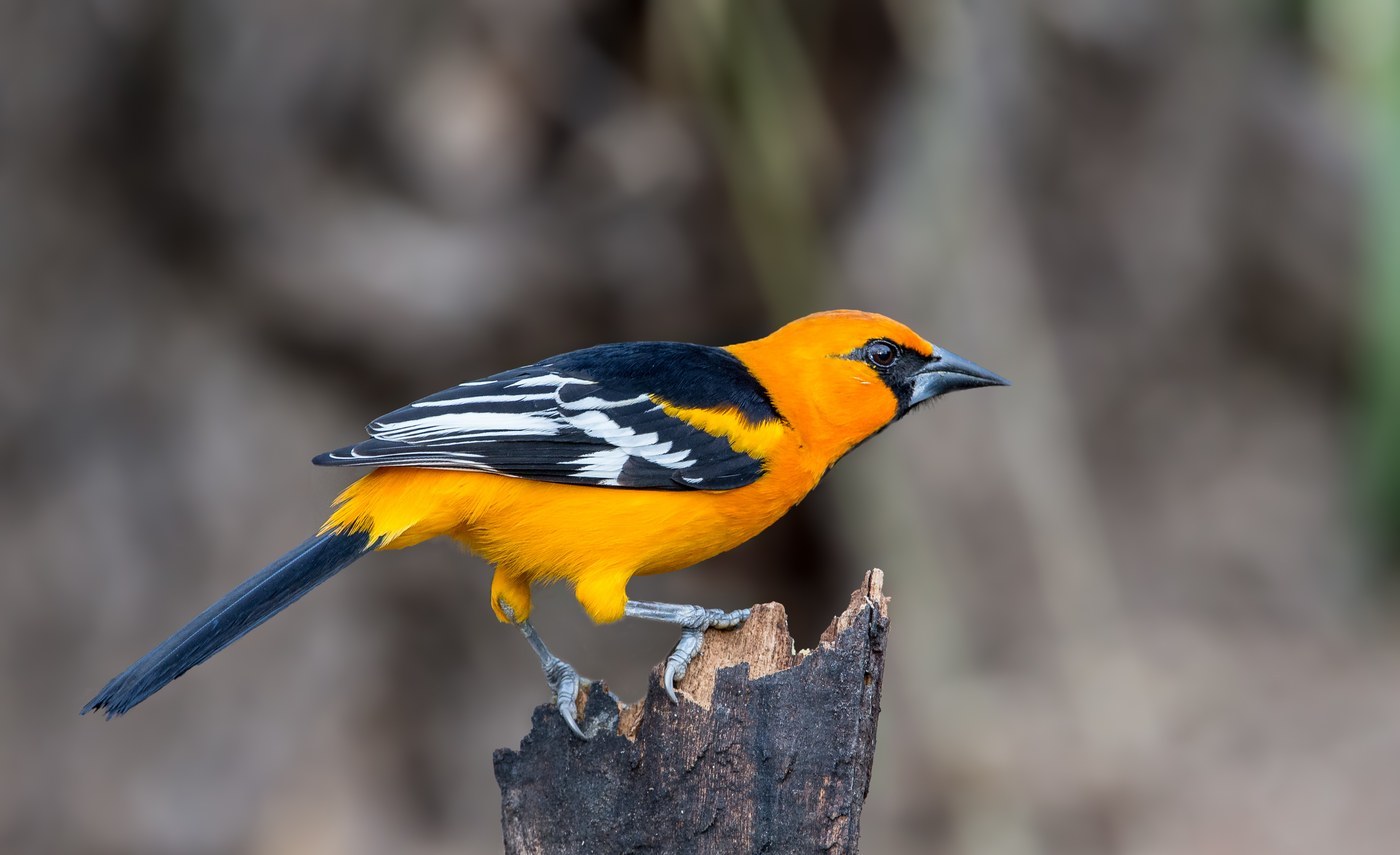
The largest oriole regularly found in the United States, showing a bright orange body, black back and wings, and a bold orange shoulder patch, and known for building the longest hanging nests among North American orioles.
- Feather type
- Large body feathers, orange shoulder patch
- Colours
- Orange body with black back, wings, and bib
- Bird size
- Large oriole, ~20-25 cm
Found a feather like this?
Identify any feather from a photo, free.
Overview
Overview
The Altamira Oriole is a large, striking oriole found from southern Texas through Mexico into northern Central America. It shows a vivid orange body contrasting with a black back, wings, and bib, along with a distinctive orange patch on the shoulder. The species is well known for weaving exceptionally long, sock-like hanging nests, often the longest of any oriole in its range.
Identifying the Feather
Feather Identification
- Body feathers: Bright orange overall with a black back, black wings, and a black bib on the throat
- Shoulder feathers: Distinctive orange patch on the lesser wing coverts, a key field mark
- Wing feathers: White wing bar contrasting with black flight feathers
- Size: Notably larger and bulkier than Hooded or Orchard Oriole
- Similar species: Similar in color to Hooded Oriole but larger, with a straighter bill and the diagnostic orange shoulder patch
Plumage & Molt
Plumage Details
Adults of both sexes look broadly similar, with bright orange body plumage, a black back, black wings with a white wing bar and orange shoulder patch, and a black throat bib. Females are slightly duller than males but show the same overall pattern, unlike many oriole species with strongly dimorphic plumage. Juveniles are duller and more olive, lacking the black bib until their first molt into adult-like plumage.
Habitat & Range
Habitat & Range
Altamira Orioles are found in riparian woodlands, scrub, and open woodland edges from the Lower Rio Grande Valley of southern Texas through Mexico and into northern Central America. The species is largely resident throughout its range, showing little seasonal movement.
Behavior & Field Notes
Behavior & Field Notes
Altamira Orioles forage for insects, fruit, and nectar in the canopy and understory. They are famous for weaving remarkably long, pendulous hanging nests, sometimes exceeding two feet in length, suspended from the tips of tree branches. Their song is a series of loud, clear whistled phrases, often given in duet between paired birds.
Frequently asked questions
How can I identify Altamira Oriole feathers?
Look for a bright orange body combined with a black back, black wings with a white bar, an orange shoulder patch, and a black throat bib.
What is distinctive about Altamira Oriole nests?
They weave some of the longest hanging nests of any oriole, sometimes exceeding two feet in length, suspended from branch tips.
How does the Altamira Oriole compare in size to other orioles?
It is the largest oriole regularly found in the United States, noticeably bulkier than Hooded or Orchard Oriole.
Where is the Altamira Oriole found in the US?
It occurs in the Lower Rio Grande Valley of southern Texas, at the northern edge of a range extending through Mexico and Central America.
Altamira Oriole guides
In-depth guides for identifying and understanding Altamira Oriole.
Other feathers you may enjoy

Yellow-breasted Bunting
Contour and flight feathers, chestnut-and-yellow breeding pattern
Sedge Wren
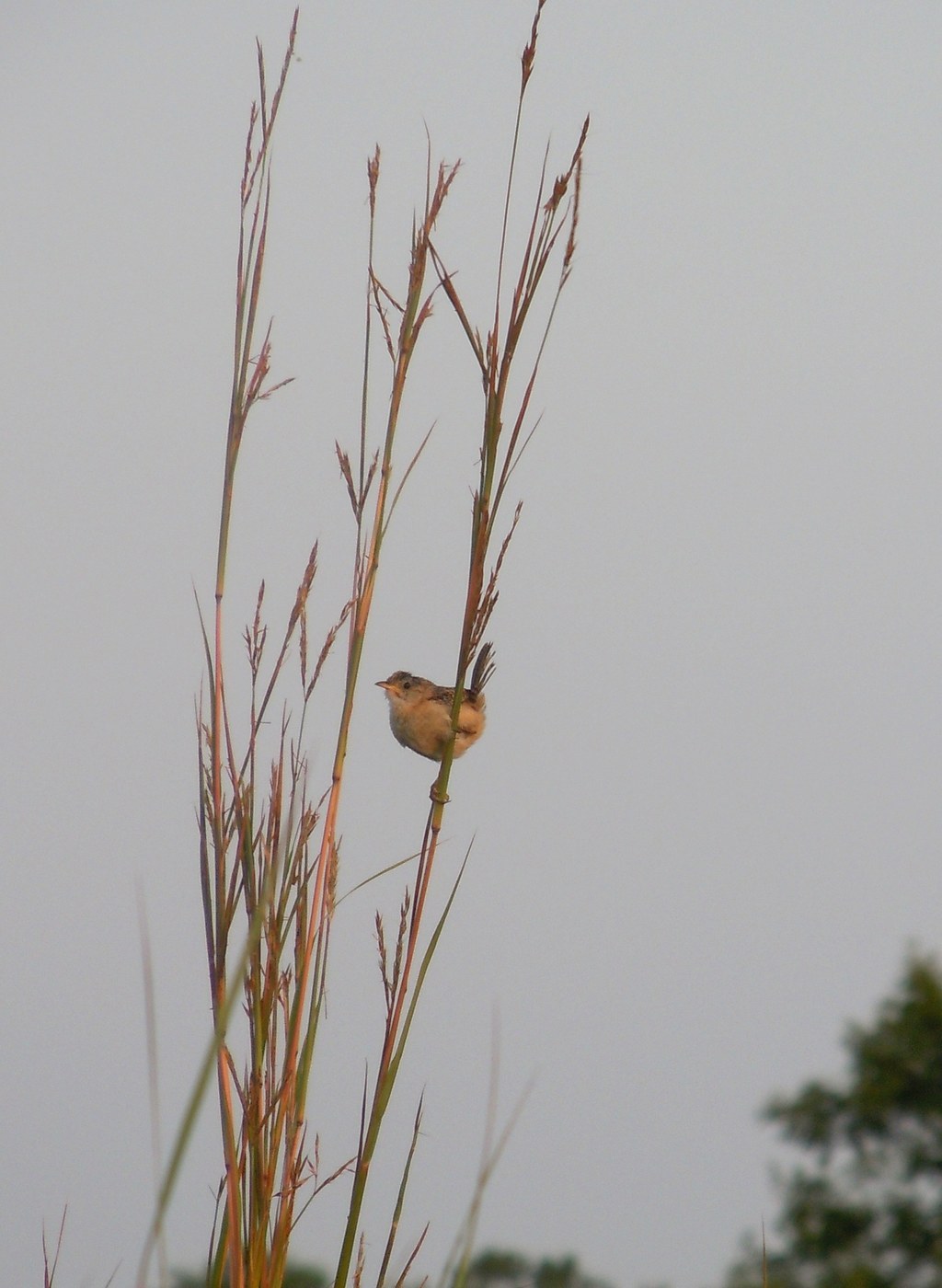
Tiny streaked crown and back feathers

Yellow-winged Cacique
Glossy black body feathers, yellow wing patch, shaggy crest

Yellow Warbler
Small contour and flight feathers
Yellow-throated Warbler
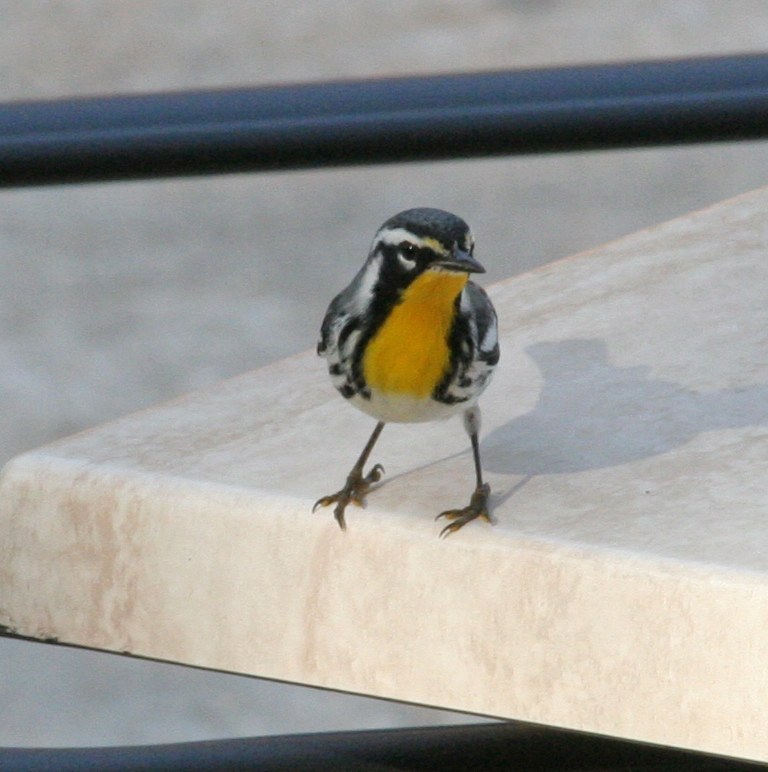
Small contour and flight feathers
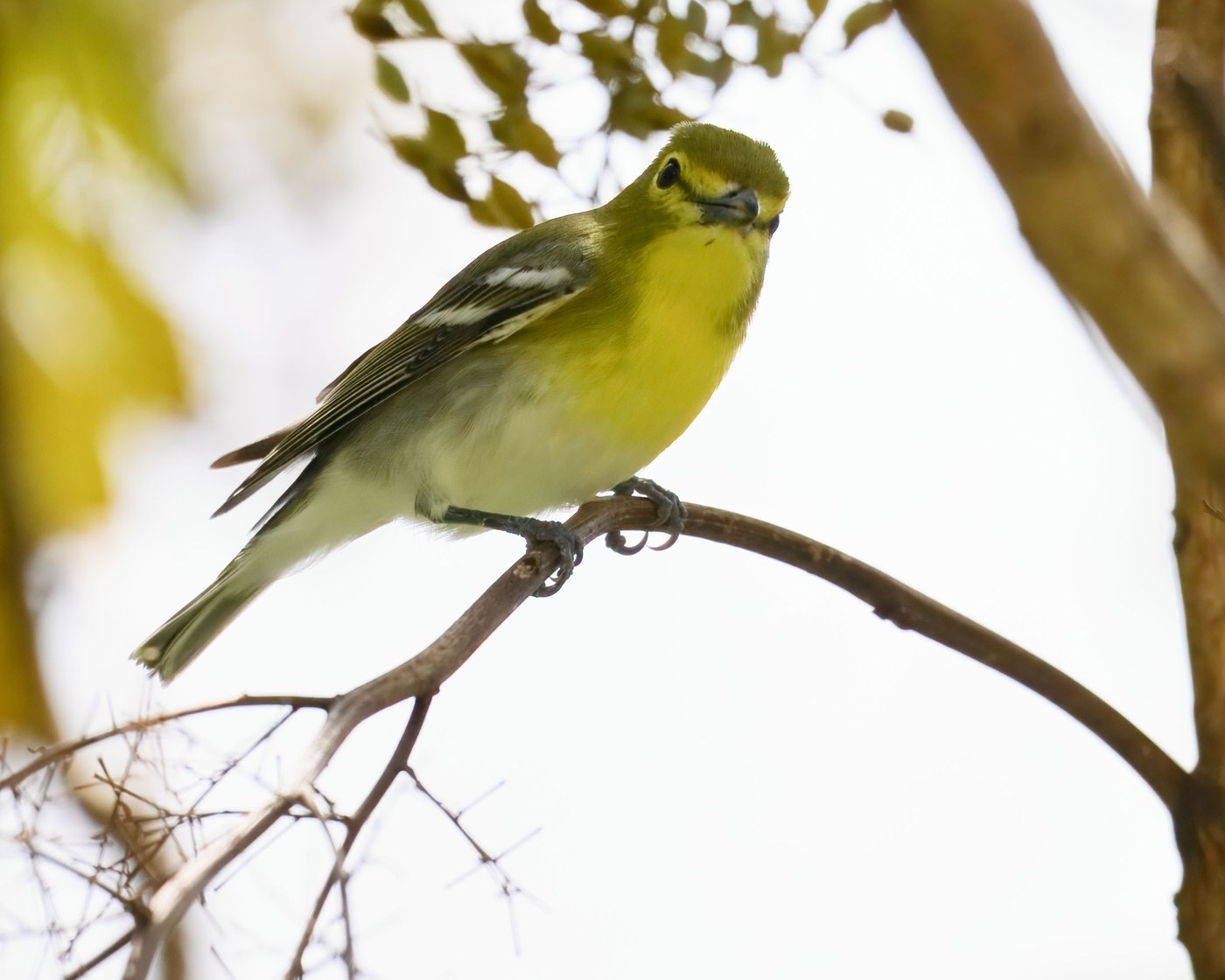
Yellow-throated Vireo
Bright yellow throat and spectacle feathers; olive-green back feathers; two white wing-bar feathers

Yellow-rumped Warbler
Small contour and flight feathers
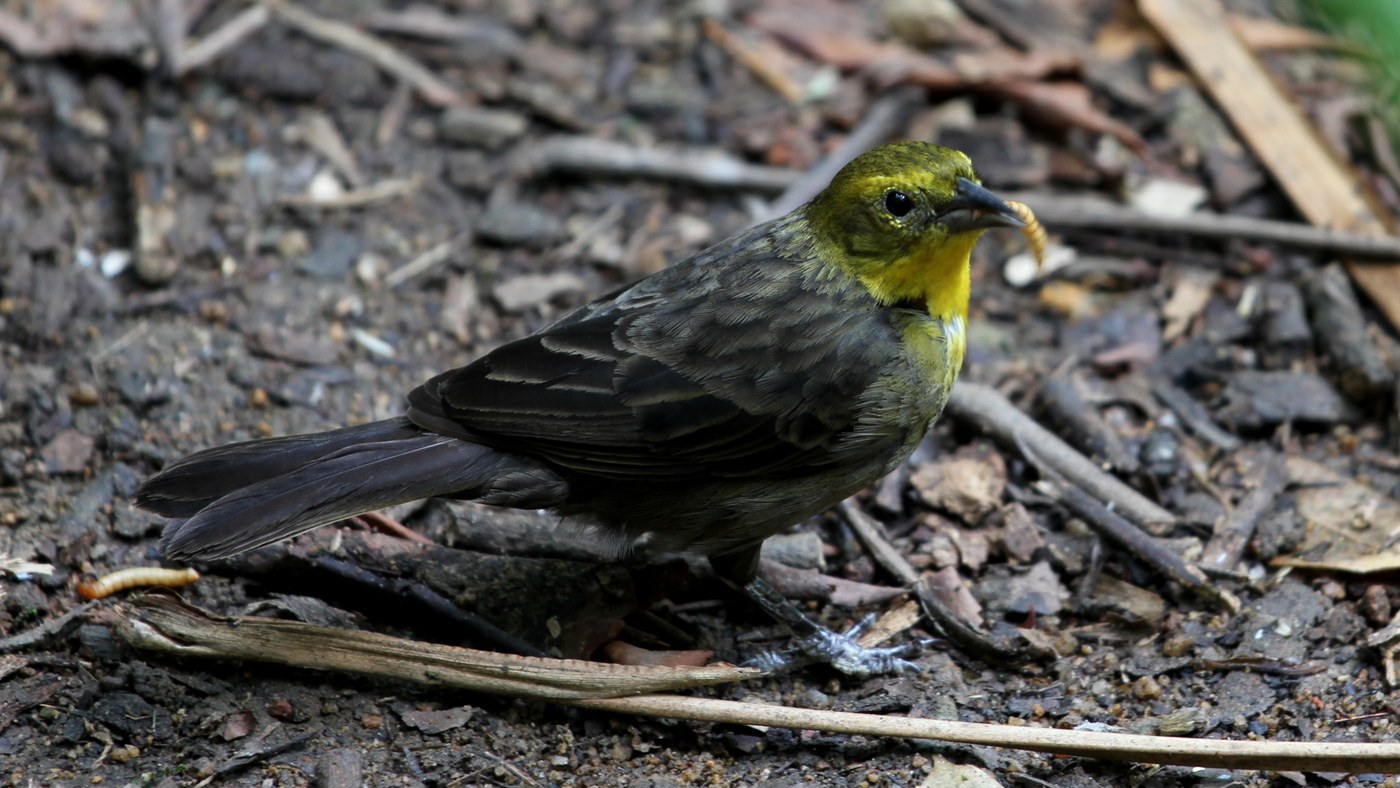
Yellow-hooded Blackbird
Contrasting hood and body feathers
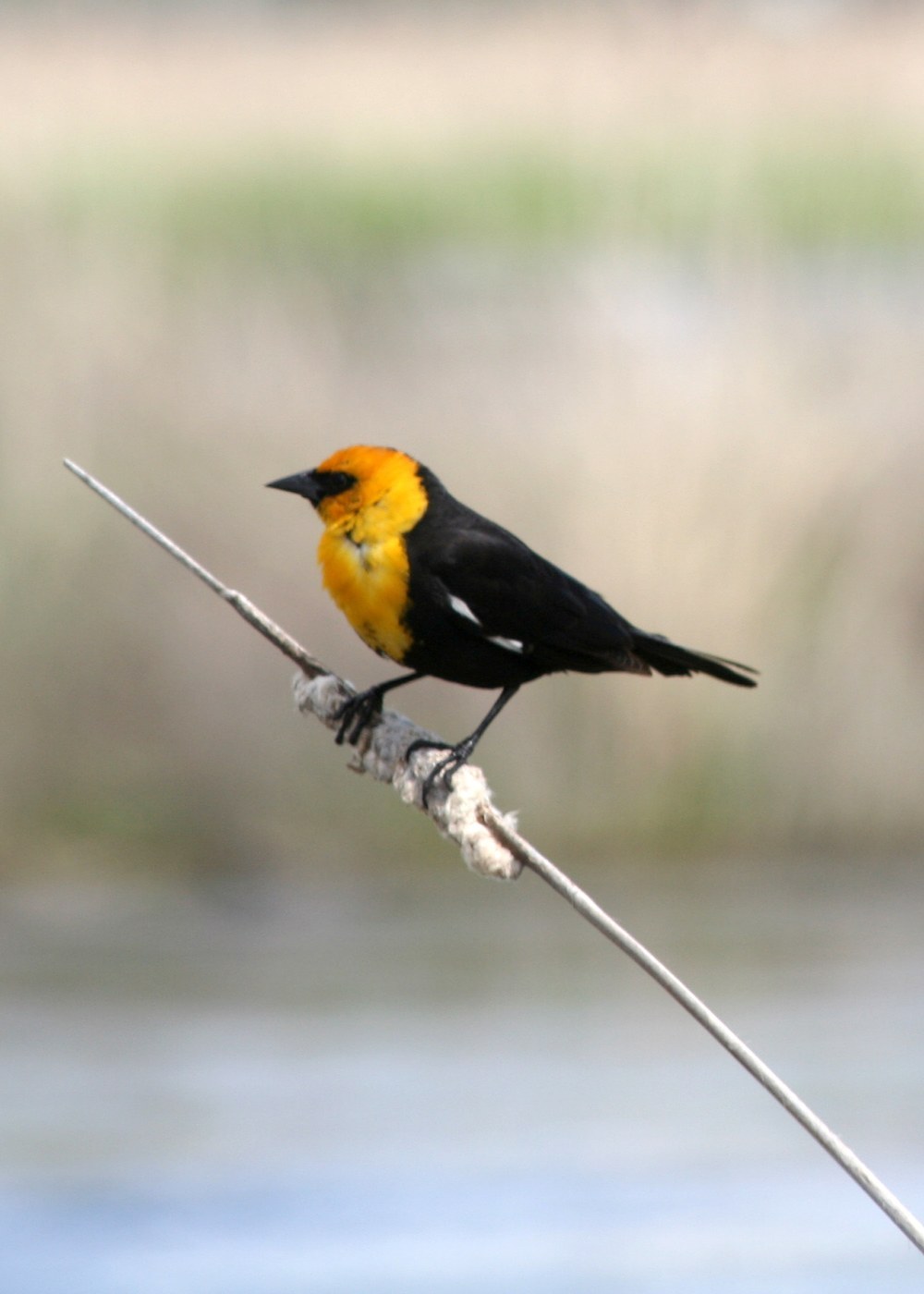
Yellow-headed Blackbird
Glossy black body plumage with a bright yellow head and breast

Yellow-eyed Junco
Contour and flight feathers

Yellow-fronted Canary
Small, smooth body plumage

Yellow-breasted Greenfinch
Compact, smooth body plumage