

Amur Falcon
Falco amurensis
The Amur Falcon is a small migratory falcon breeding in eastern Asia and famed for an enormous transoceanic migration to southern Africa, closely resembling the related Red-footed Falcon.
- Feather type
- Slender pointed flight feathers; soft slate or orange-buff contour feathers
- Colours
- Males dark slate-grey with white underwing coverts; females orange-buff below with grey barring above
- Bird size
- Small falcon, ~28-30 cm
Found a feather like this?
Identify any feather from a photo, free.
Overview
The Amur Falcon breeds in far eastern Russia, Mongolia, and northern China, and is renowned for one of the longest migrations of any raptor, crossing the Arabian Sea in vast numbers en route to wintering grounds in southern Africa, with a major staging area in northeastern India. It closely resembles the Red-footed Falcon in size and general pattern.
Feathers are most likely encountered near massive communal roosts during migration stopovers or near breeding colonies in open steppe habitat.
Identifying the Feather
Recognizing Amur Falcon feathers
- Flight feathers (male): Dark slate-grey above, with underwing coverts more extensively rufous-white than the Red-footed Falcon.
- Flight feathers (female): Grey with dark barring above, paler and more lightly marked than a female Red-footed Falcon in some individuals.
- Tail feathers: Grey, males fairly plain, females finely barred.
- Body feathers: Males mostly slate-grey with rufous thigh/vent feathers similar to Red-footed Falcon; females orange-buff below with a whiter throat.
- Shaft color: Dark grey in males, pale in females.
- Compared to similar species: Nearly identical to Red-footed Falcon; the clearest feather-level clue is the underwing covert pattern, more solidly rufous-orange in male Amur Falcons versus whiter in male Red-footed Falcons — a distinction that can be subtle on isolated feathers.
Plumage & Molt
Adult males are dark slate-grey overall with red legs, cere, and eye-ring, and rufous thighs, closely resembling the male Red-footed Falcon but with more extensively rufous underwing coverts. Adult females are orange-buff below with a whiter throat and grey, barred upperparts. Juveniles resemble females but duller, molting to adult plumage over roughly two years.
Habitat & Range
Breeds in open steppe, grassland, and light woodland of far eastern Russia, Mongolia, and northern China. An extreme long-distance migrant, funneling through northeastern India in massive numbers before crossing the Arabian Sea to winter across southern and eastern Africa.
Behavior & Field Notes
Feeds heavily on large flying insects, especially termites and locusts, caught on the wing, supplemented by small vertebrates. Nests colonially in trees, often using old corvid nests. Vocal near colonies with sharp, repeated calls similar to the Red-footed Falcon. A grey or orange-buff falcon feather found near a communal roost site during migration season in South or East Asia, or in southern African wintering grounds, could belong to this species.
Frequently asked questions
What is special about the Amur Falcon's migration?
It undertakes one of the longest migrations of any raptor, flying from breeding grounds in eastern Asia across the Arabian Sea to winter in southern Africa.
How similar are Amur Falcon and Red-footed Falcon feathers?
Extremely similar; the main distinguishing feature is the underwing covert coloring, more solidly rufous in male Amur Falcons versus whiter in male Red-footed Falcons.
Where would I likely find Amur Falcon feathers?
Near breeding colonies in eastern Asian steppe, at major migratory staging areas such as northeastern India, or on southern African wintering grounds.
What do Amur Falcons mainly eat?
Large flying insects such as termites and locusts, caught in agile aerial flight.
Amur Falcon guides
In-depth guides for identifying and understanding Amur Falcon.

Other feathers you may enjoy

Australian Hobby
Long, narrow pointed flight feathers; slender tail feathers

California Condor
Massive flight feathers; long broad primaries; large tail feathers

Brown Falcon
Broad, rounded flight feathers; variable-toned contour feathers
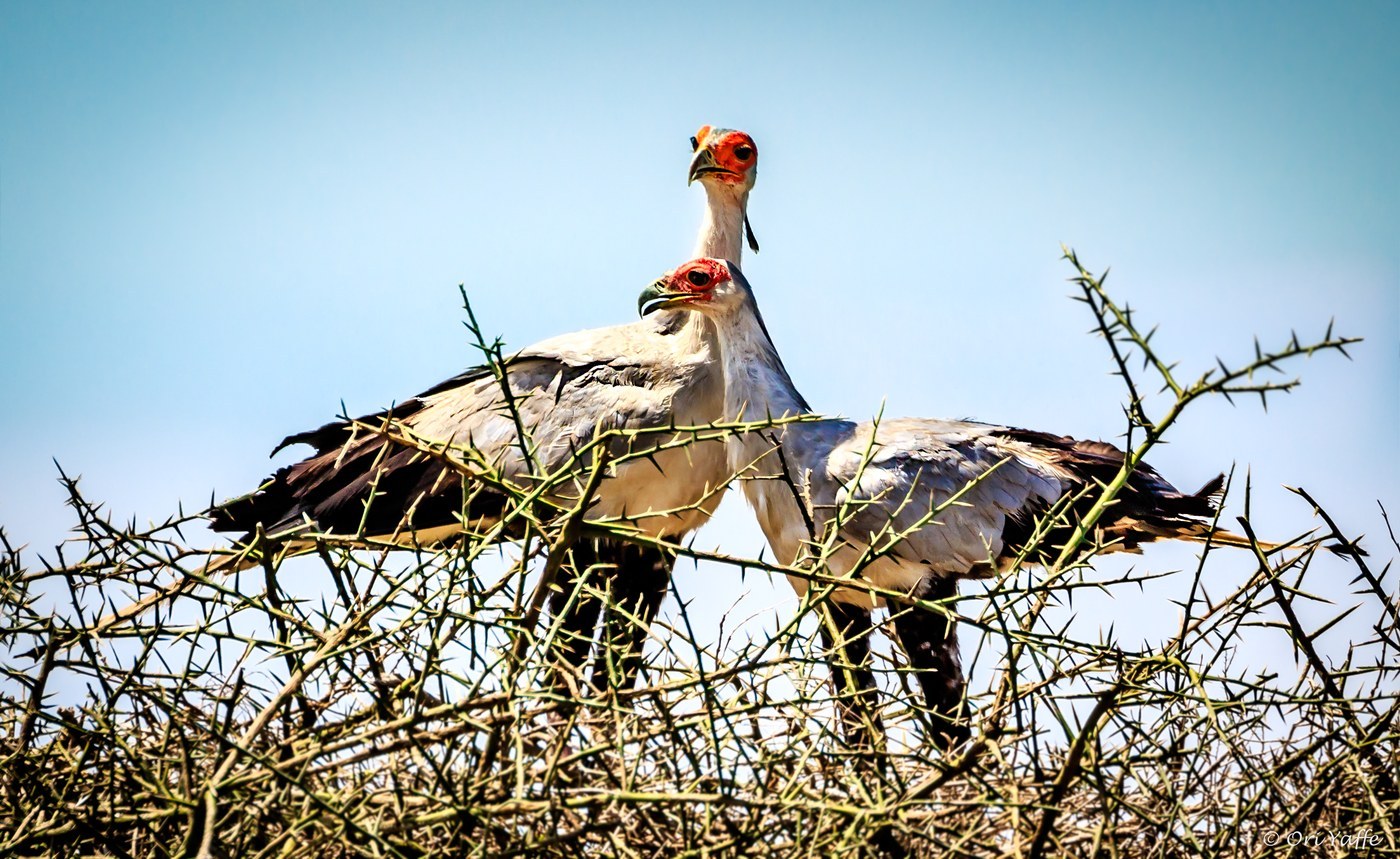
Secretarybird
Long crest feathers; broad flight feathers; elongated central tail feathers

Orange-breasted Falcon
Broad-based pointed flight feathers; bold breast and belly feathers
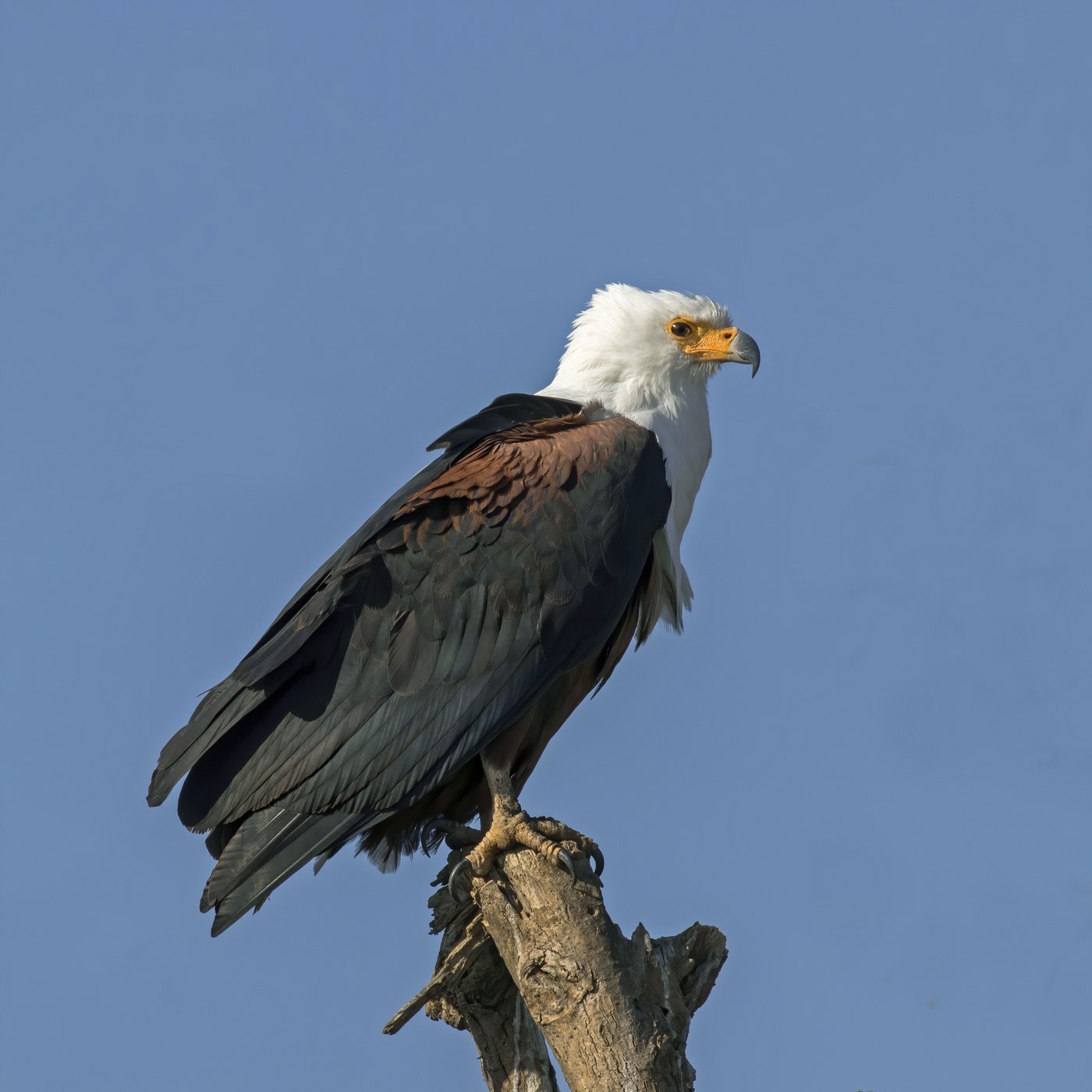
African Fish Eagle
Flight, tail, and body feathers
Red Kite
Flight (wing) and tail feathers
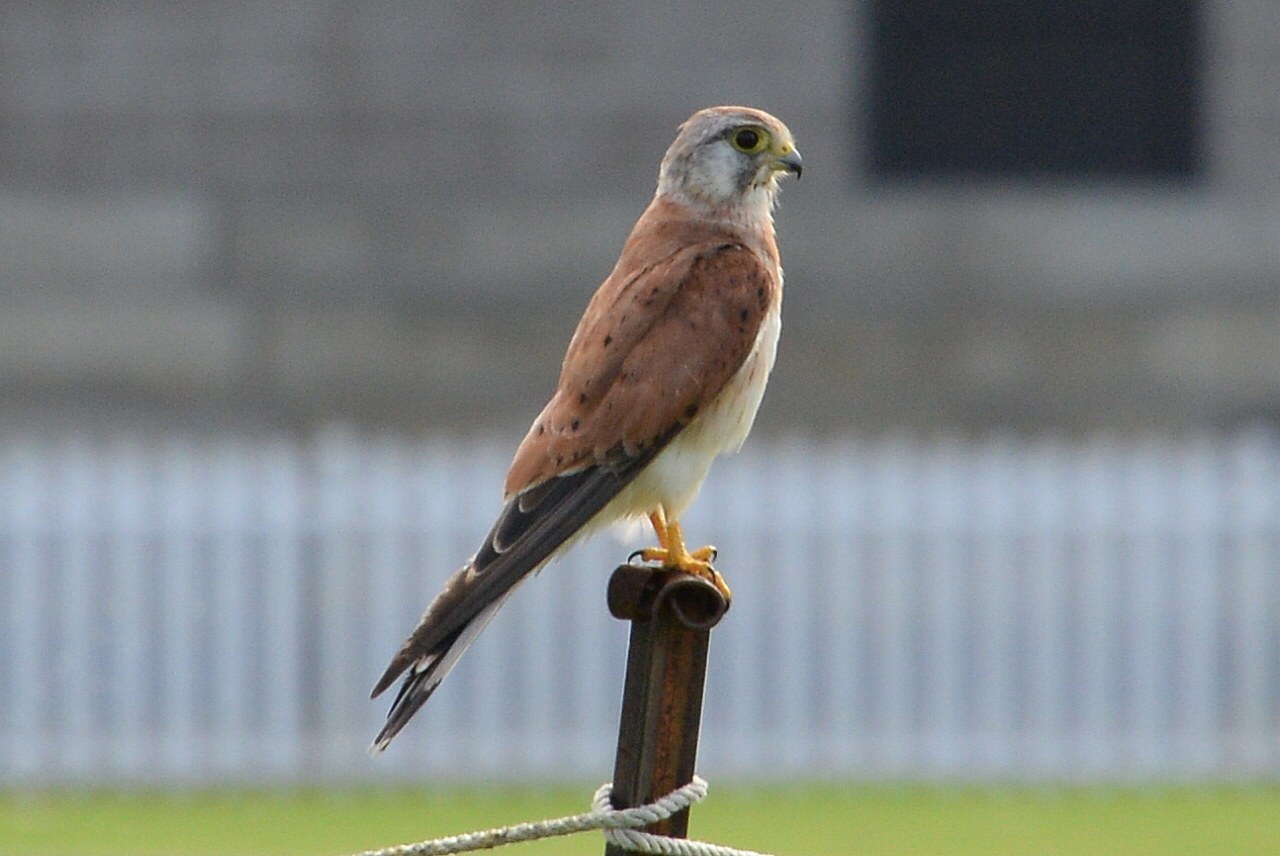
Nankeen Kestrel
Slim pointed flight feathers; lightly marked contour feathers

Andean Condor
Massive flight feathers; broad primaries and secondaries; sturdy tail feathers

Plumbeous Forest Falcon
Short rounded flight feathers; finely barred tail feathers

Sooty Falcon
Long pointed flight feathers; slim tail feathers
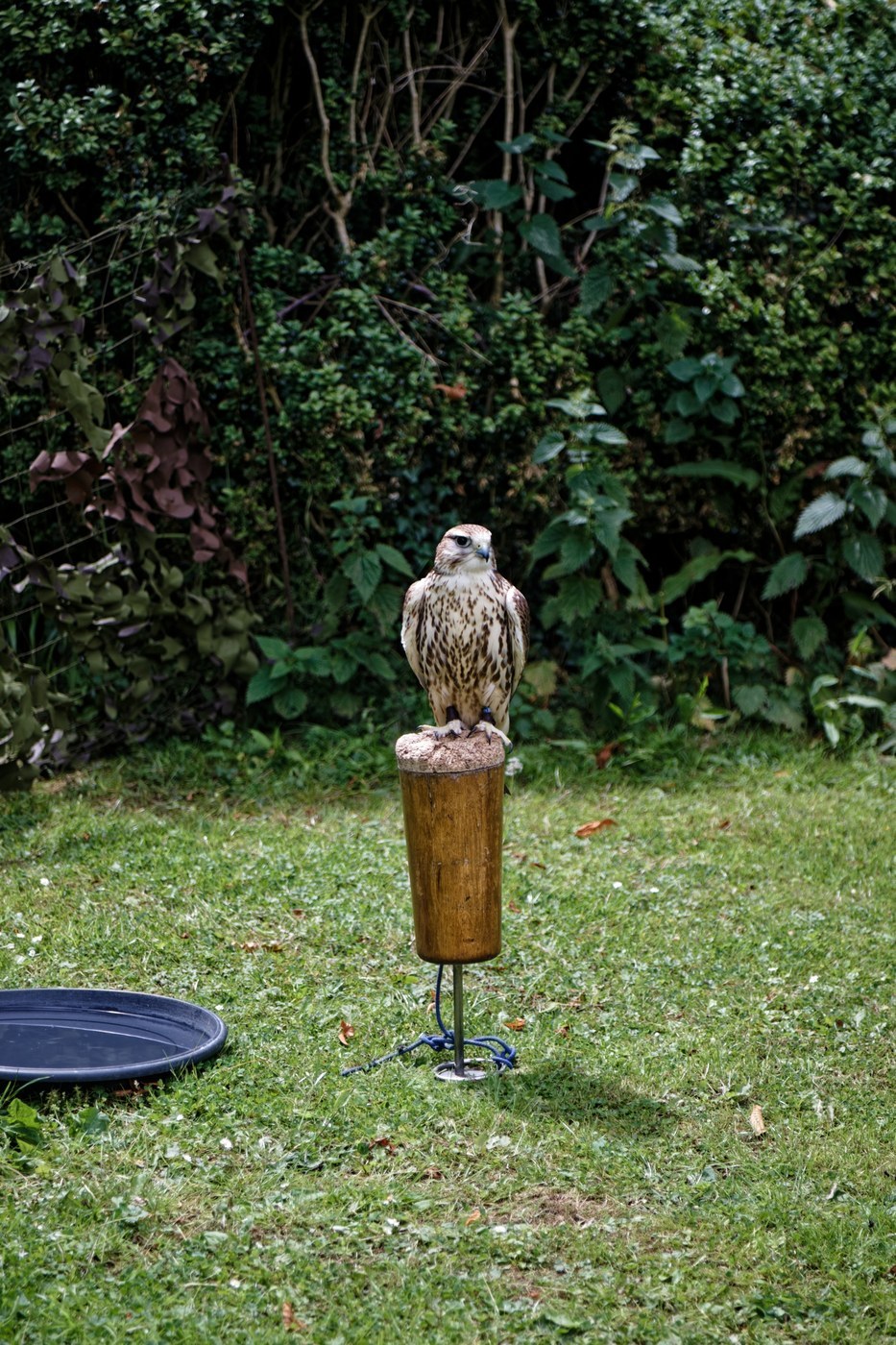
Saker Falcon
Long pointed flight feathers & squared tail; dense back and covert feathers