

Yellow-headed Caracara
Milvago chimachima
A pale-headed, adaptable caracara commonly seen around cattle and open farmland across Central and South America, easily told by its creamy-yellow head and dark eye-stripe.
- Feather type
- Broad rounded flight feathers; lightly barred tail; pale creamy-yellow head feathers
- Colours
- Pale creamy-yellow head and underparts; brown back and wings; dark eye-stripe
- Bird size
- Medium raptor, ~41-46 cm
Found a feather like this?
Identify any feather from a photo, free.
Overview
The Yellow-headed Caracara is a common and highly adaptable raptor found from Central America through much of tropical South America, frequently seen perched on fence posts, cattle, or roadside trees in open agricultural country.
Its feathers show a pale creamy-yellow head and underparts contrasting with a brown back and wings, along with a dark stripe through the eye, a combination that makes it one of the easier caracaras to identify from feathers alone.
Because it is closely associated with cattle pasture and open farmland, feathers are frequently found in such human-modified landscapes rather than deep forest.
Identifying the Feather
Shape and size
- Flight feathers are broad and rounded, moderate in length for its body size, primaries around 24-28 cm.
- Tail feathers are light brown with fine barring.
Color and pattern
- Head and underparts feathers are pale creamy-yellow to buff, unmarked except for a dark stripe through the eye.
- Back and wing feathers are brown.
- Shafts are pale on head/underparts feathers, brown on back and wing feathers.
Similar species
- Distinguished from the Chimango Caracara by its much paler, creamy-yellow head and underparts versus the Chimango's uniformly brown plumage; also generally found further north into Central America, where the Chimango does not occur.
Plumage & Molt
Adults show a pale creamy-yellow head and underparts, brown back and wings, and a dark eye-stripe, sexes similar. Juveniles are browner and more streaked overall, gradually paling toward the adult head color with age.
Habitat & Range
Found in open savanna, farmland, and cattle pasture from Central America (including Panama and Costa Rica) through much of tropical South America. It is largely resident and thrives in human-modified agricultural landscapes.
Behavior & Field Notes
An opportunistic feeder often seen perched on or near cattle, removing ticks and other parasites, as well as taking insects, small vertebrates, and carrion. Nests in trees, sometimes using old nests of other birds. Calls are a distinctive, repeated 'chimachima'-like note.
Field note: a pale creamy-yellow head feather with a dark eye-stripe found in open cattle pasture or farmland in Central or South America is a strong match for this species.
Frequently asked questions
How does this differ from the Chimango Caracara?
This species has a much paler, creamy-yellow head and underparts, while the Chimango Caracara is more uniformly brown throughout.
Why is it often seen near cattle?
It commonly forages around livestock, taking ticks and insects disturbed by grazing animals, a well-documented ecological association.
Where is it found?
Open savanna and farmland from Central America through much of tropical South America.
What does its call sound like?
A distinctive repeated note that gives rise to its local name 'chimachima.'
Yellow-headed Caracara guides
In-depth guides for identifying and understanding Yellow-headed Caracara.

Yellow-headed Caracara identified by the community
Real feathers identified with Feather Identifier.

Other feathers you may enjoy

Australian Hobby
Long, narrow pointed flight feathers; slender tail feathers

California Condor
Massive flight feathers; long broad primaries; large tail feathers

Brown Falcon
Broad, rounded flight feathers; variable-toned contour feathers
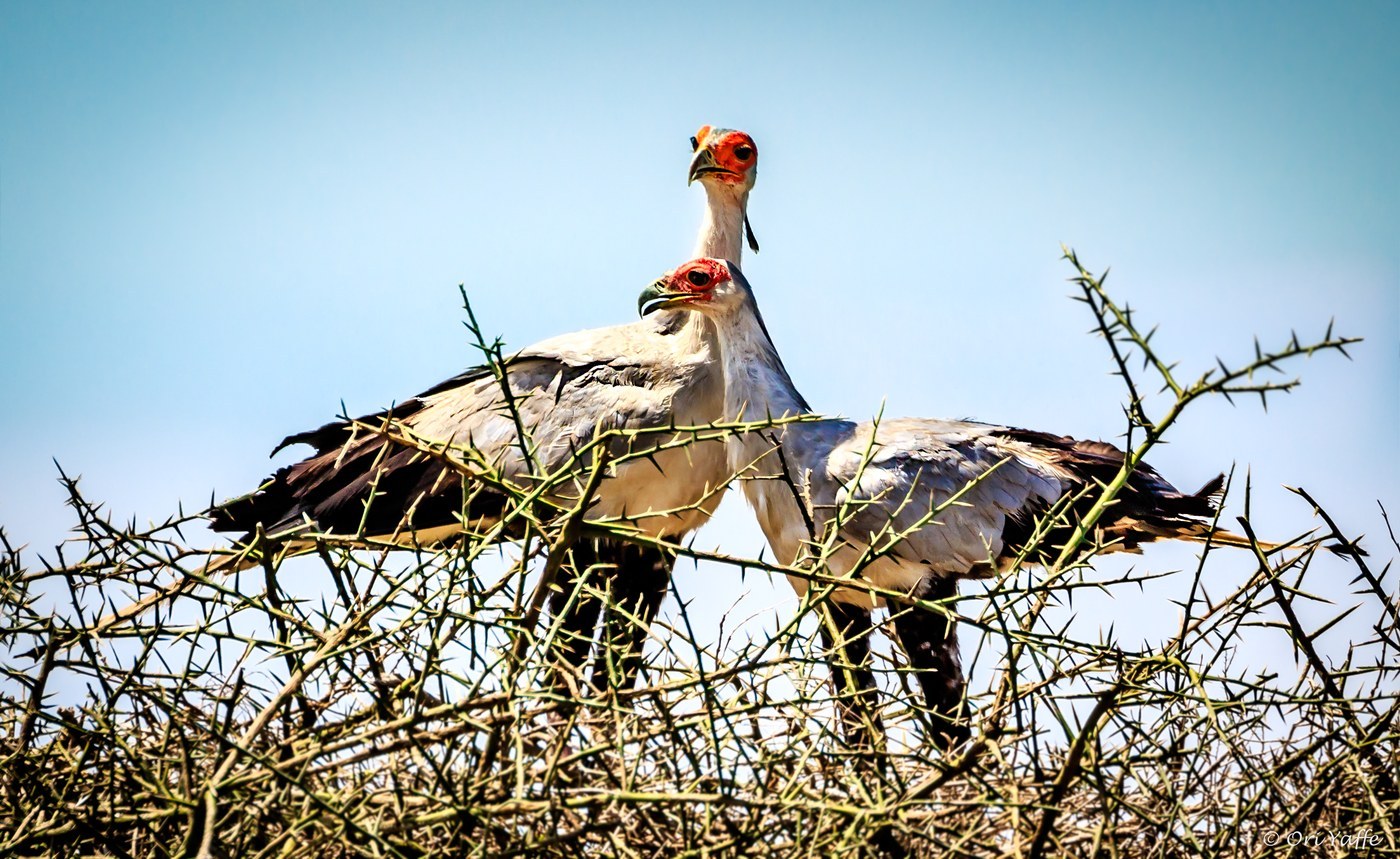
Secretarybird
Long crest feathers; broad flight feathers; elongated central tail feathers

Orange-breasted Falcon
Broad-based pointed flight feathers; bold breast and belly feathers
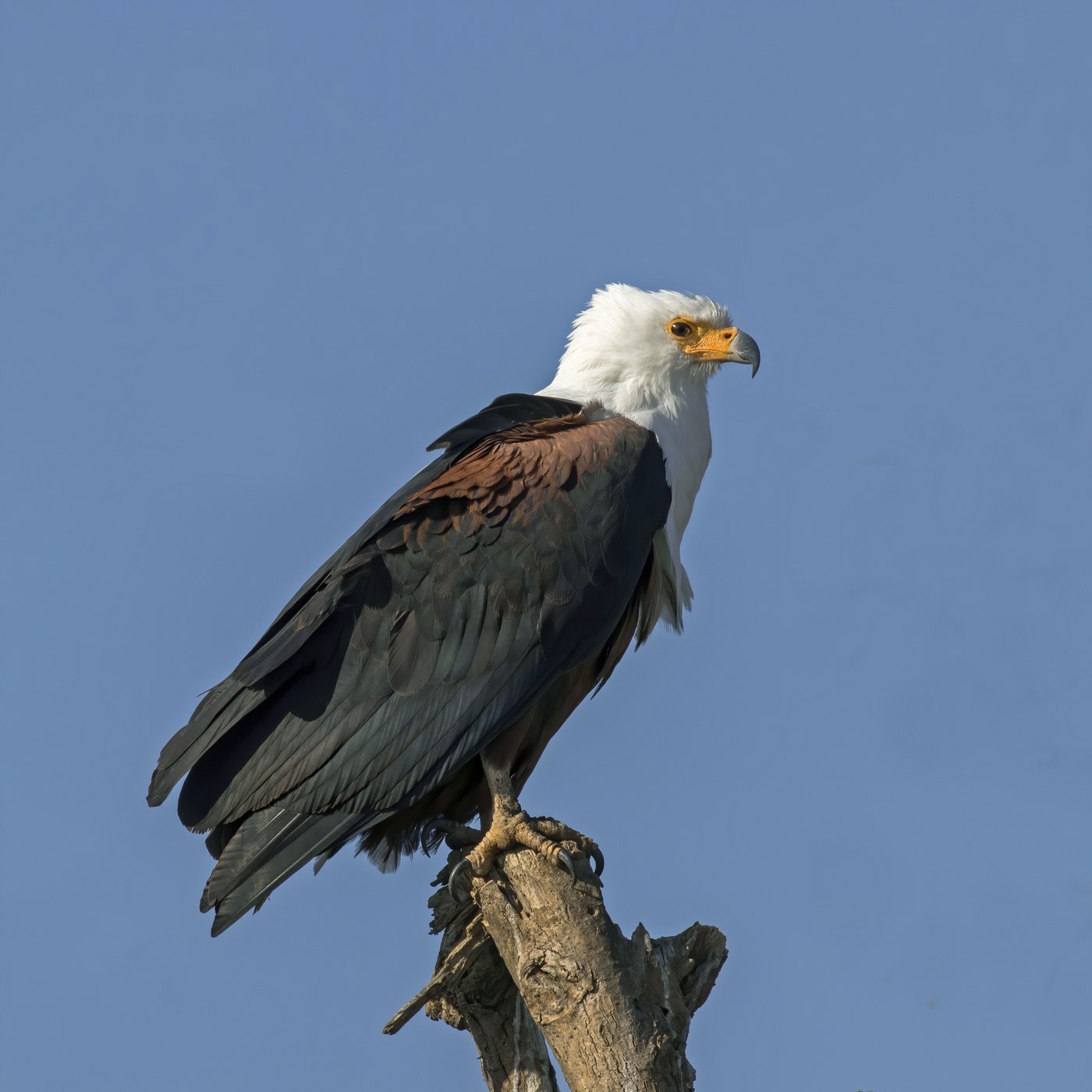
African Fish Eagle
Flight, tail, and body feathers

Amur Falcon
Slender pointed flight feathers; soft slate or orange-buff contour feathers
Red Kite
Flight (wing) and tail feathers
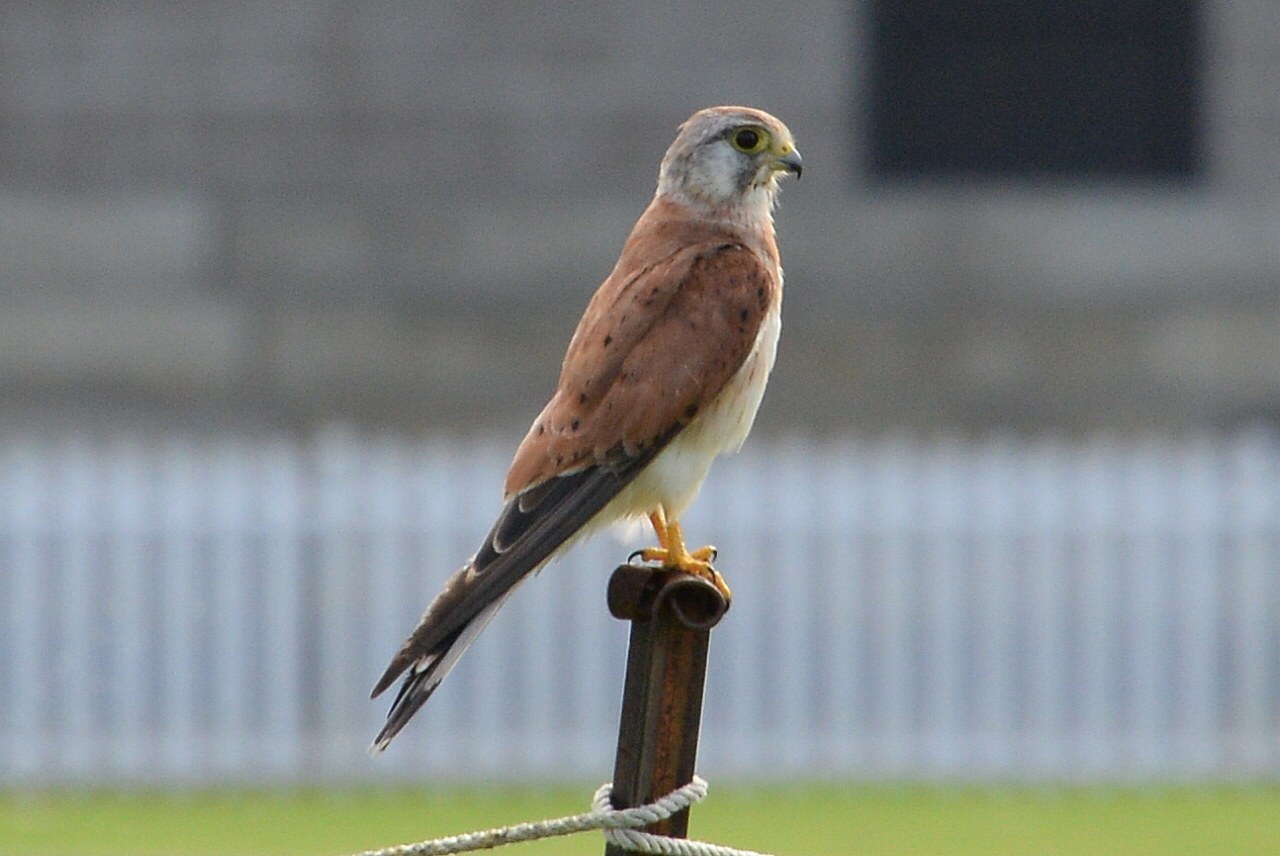
Nankeen Kestrel
Slim pointed flight feathers; lightly marked contour feathers

Andean Condor
Massive flight feathers; broad primaries and secondaries; sturdy tail feathers

Plumbeous Forest Falcon
Short rounded flight feathers; finely barred tail feathers

Sooty Falcon
Long pointed flight feathers; slim tail feathers