
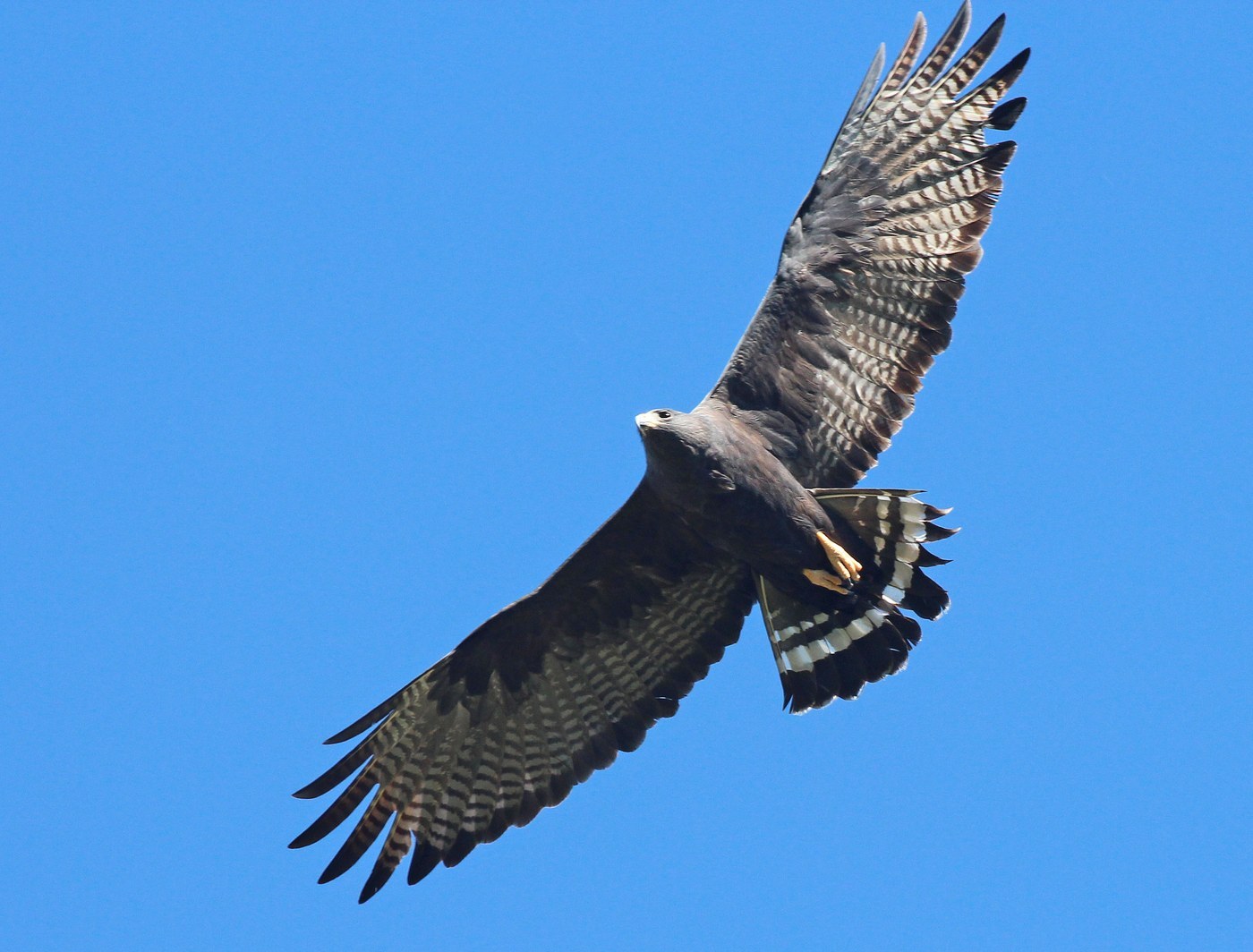
Zone-tailed Hawk
Buteo albonotatus
A blackish hawk that closely mimics the flight silhouette and dark coloring of the Turkey Vulture, distinguished mainly by its banded tail feathers.
- Feather type
- Broad flight feathers; banded tail feathers; dense dark body feathers
- Colours
- Blackish overall plumage with light gray bands across the tail feathers
- Bird size
- Medium raptor, ~46-56 cm
Found a feather like this?
Identify any feather from a photo, free.
Overview
The Zone-tailed Hawk is a fascinating example of apparent mimicry among raptors, closely resembling the Turkey Vulture in both overall dark coloring and flight style, including holding its wings in a shallow V and rocking or teetering in flight. This resemblance is thought to help it approach prey without alarming them, since many animals do not perceive vultures as an immediate threat.
Found from the southwestern United States through Mexico, Central America, and into South America, it favors canyon country, riparian corridors, and open woodland.
The clearest feather-based distinction from the similarly dark Turkey Vulture is the presence of light gray bands on the tail feathers, a pattern the vulture lacks entirely.
Identifying the Feather
Shape and Size
Wings are broad, and the tail is of moderate length, generally more compact than the very large flight feathers of a Turkey Vulture despite superficially similar overall dark coloring.
Color and Pattern
- Body and covert feathers: blackish to dark sooty-gray
- Flight feathers: blackish, unlike the pale-based flight feathers of the Turkey Vulture
- Tail feathers: blackish with two or three light gray bands, a key identifying feature
- Shafts: dark
Distinguishing from Similar Species
While overall dark coloring closely resembles the Turkey Vulture, this species' tail feathers show distinct pale gray bands, which the vulture's plain dark tail lacks; additionally, this hawk's flight feathers are more uniformly dark rather than showing the vulture's pale silvery underside.
Plumage & Molt
Adults are blackish overall with two to three pale gray tail bands; sexes look alike. Juveniles show more numerous, narrower, and less distinct tail bands along with some fine white speckling on the underparts, becoming bolder-banded as adults.
Molt occurs on a roughly annual schedule tied to the breeding season.
Habitat & Range
Found in canyon country, riparian woodland along rivers, and adjacent open terrain from the southwestern United States (Arizona, New Mexico, Texas) through Mexico, Central America, and into parts of South America.
Northern populations are migratory, moving south for winter, while more southern populations tend to be resident.
Behavior & Field Notes
Hunts by soaring low over canyons and woodland edges in a vulture-like manner, using the resemblance to Turkey Vultures to approach small mammals, birds, and reptiles before stooping suddenly to catch them.
Nests in tall trees along canyons or rivers. Calls include a thin, descending whistle.
A blackish feather with light gray tail banding, found in canyon or riparian habitat of the southwestern Americas, indicates this species rather than the superficially similar Turkey Vulture.
Frequently asked questions
How can I tell this apart from a Turkey Vulture feather?
Look at the tail: Zone-tailed Hawk tail feathers show two or three pale gray bands, while Turkey Vulture tail feathers are plain dark brown-black without banding.
Why does this hawk resemble a vulture so closely?
It is thought to benefit from mimicking the Turkey Vulture's appearance and flight style, allowing it to approach prey that does not perceive vultures as a threat.
Do juvenile tail feathers look different from adult ones?
Juveniles typically show more numerous, narrower, and less distinct tail bands than the bolder two-to-three-band pattern seen in adults.
Where would I most likely find this feather?
Canyon country and riparian woodland in the southwestern United States, Mexico, Central America, and parts of South America.
Zone-tailed Hawk guides
In-depth guides for identifying and understanding Zone-tailed Hawk.
Other feathers you may enjoy

Australian Hobby
Long, narrow pointed flight feathers; slender tail feathers

California Condor
Massive flight feathers; long broad primaries; large tail feathers

Brown Falcon
Broad, rounded flight feathers; variable-toned contour feathers
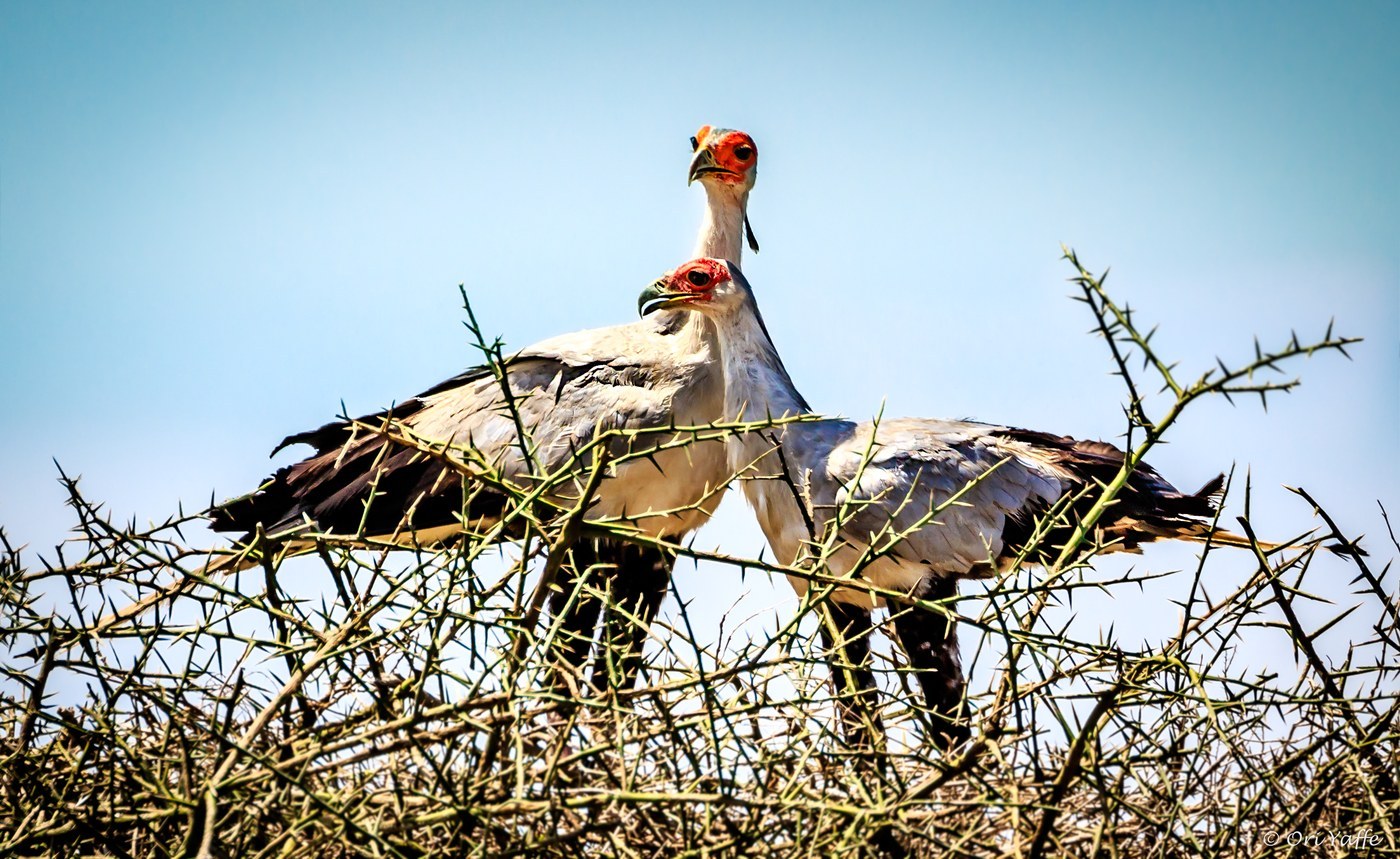
Secretarybird
Long crest feathers; broad flight feathers; elongated central tail feathers

Orange-breasted Falcon
Broad-based pointed flight feathers; bold breast and belly feathers
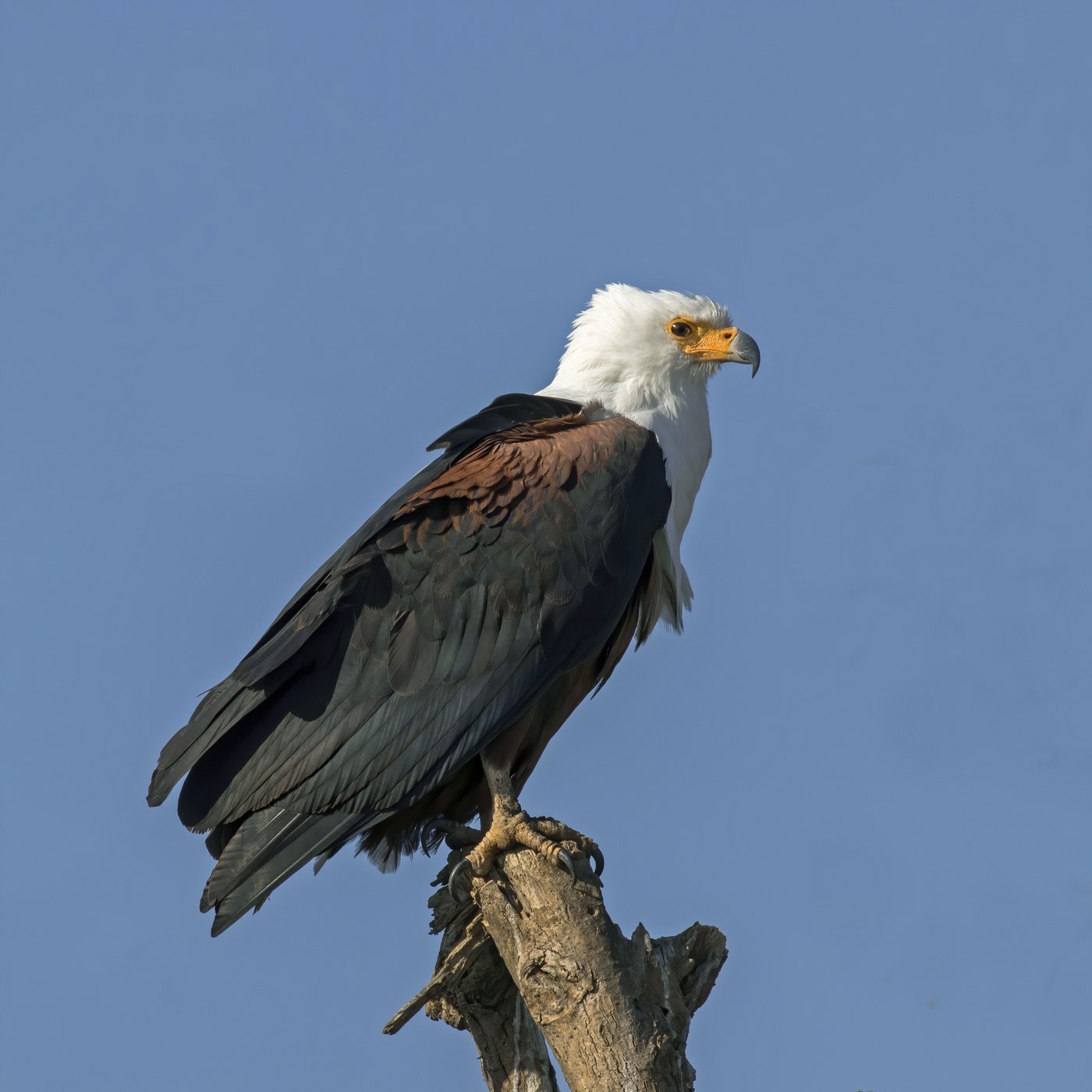
African Fish Eagle
Flight, tail, and body feathers

Amur Falcon
Slender pointed flight feathers; soft slate or orange-buff contour feathers
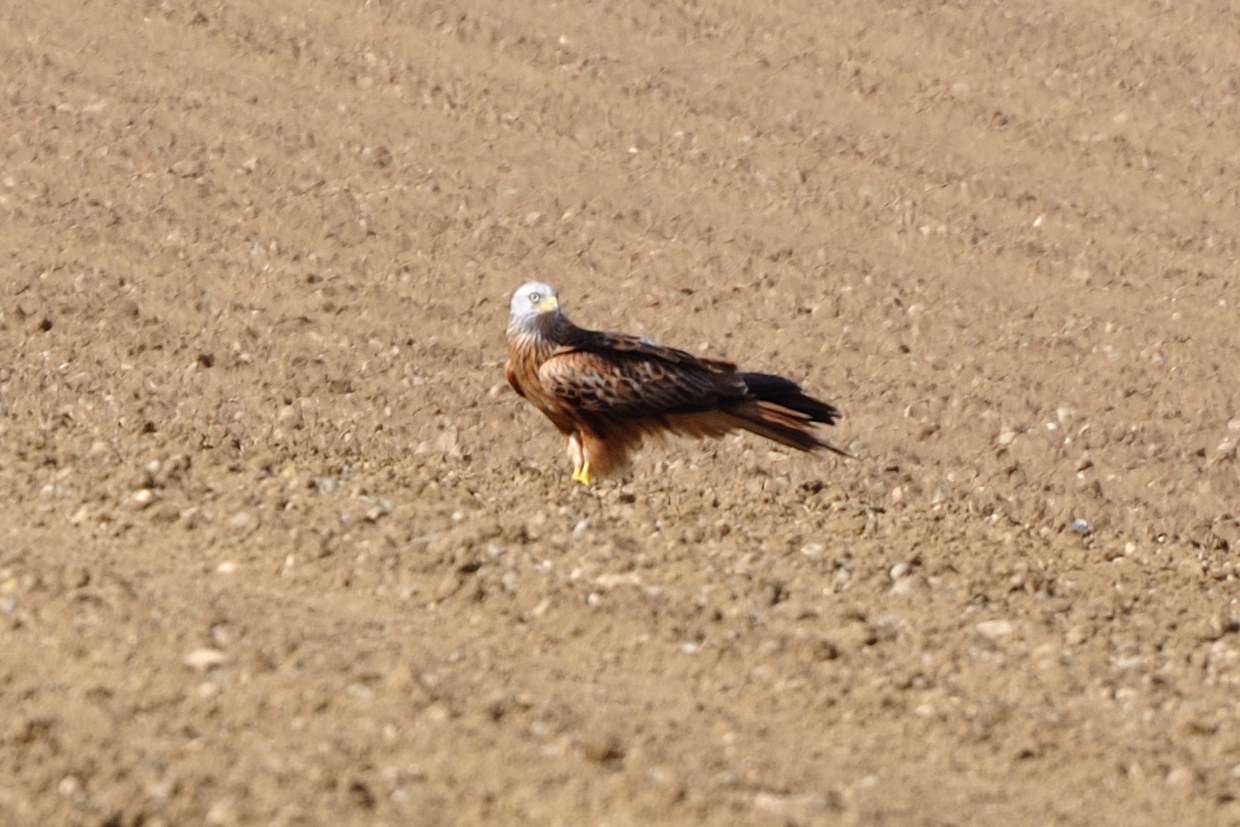
Red Kite
Flight (wing) and tail feathers
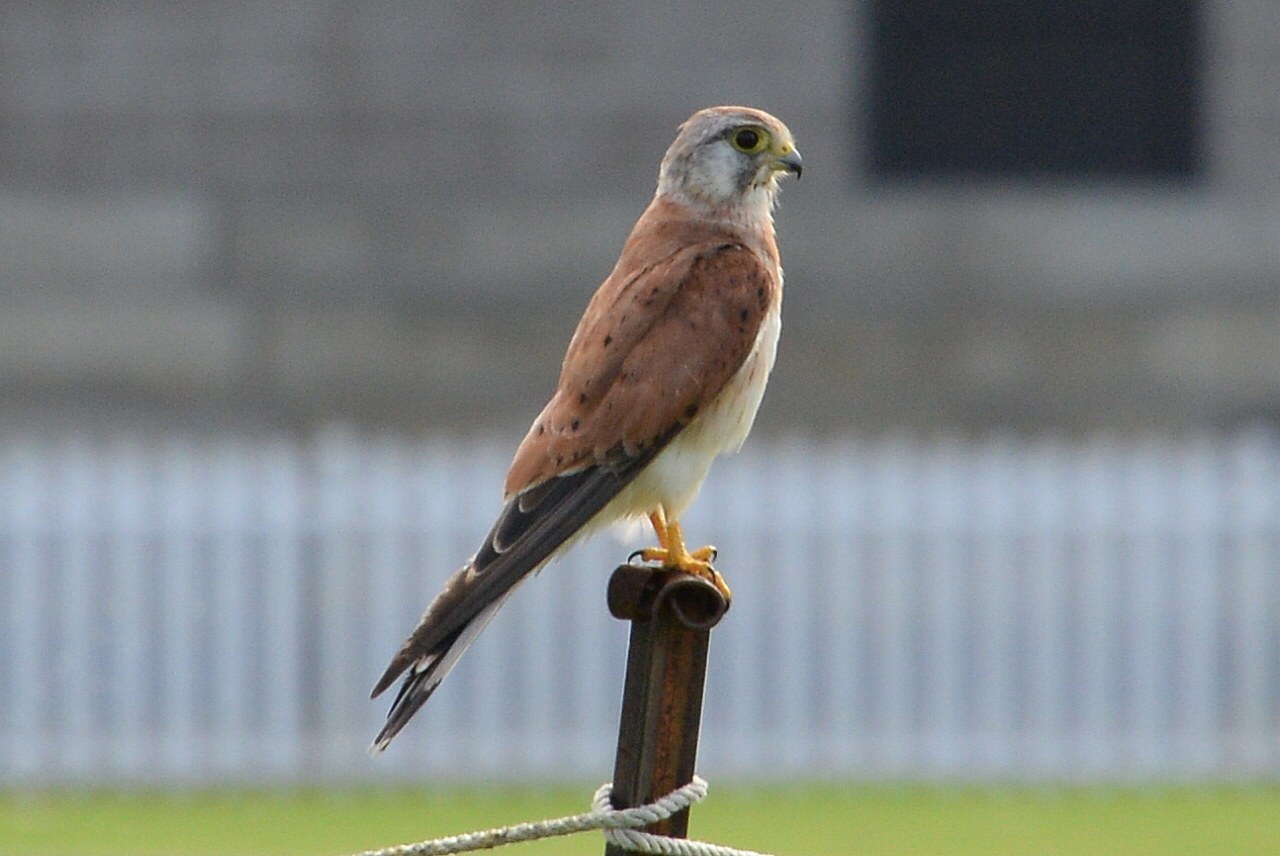
Nankeen Kestrel
Slim pointed flight feathers; lightly marked contour feathers

Andean Condor
Massive flight feathers; broad primaries and secondaries; sturdy tail feathers

Plumbeous Forest Falcon
Short rounded flight feathers; finely barred tail feathers

Sooty Falcon
Long pointed flight feathers; slim tail feathers