
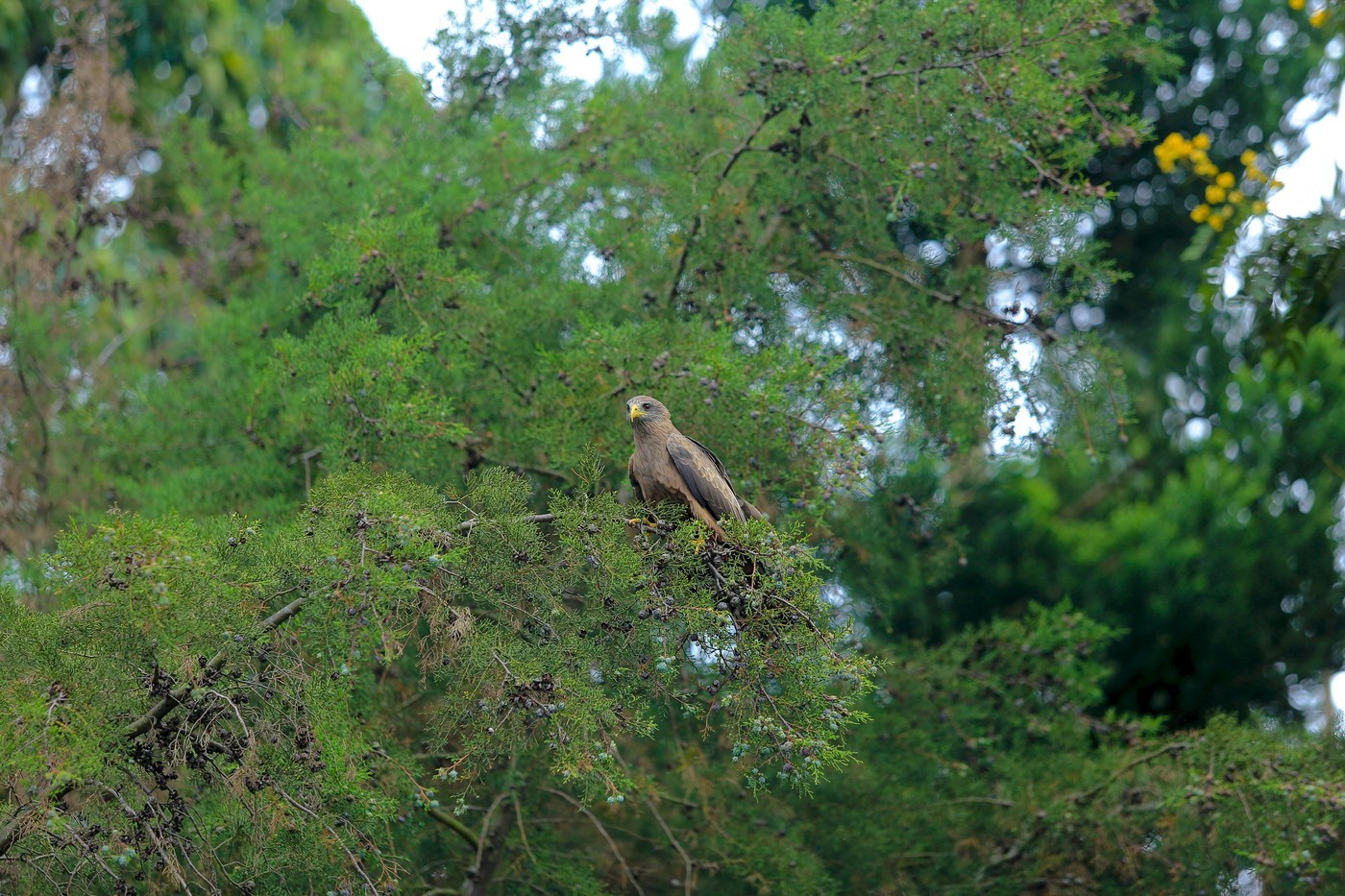
Yellow-billed Kite
Milvus aegyptius
A widespread African kite closely related to the Black Kite, distinguished by its bright yellow bill and dark brown plumage, common around towns, wetlands, and open savanna.
- Feather type
- Long angled wings, shallow notched tail
- Colours
- Dark brown overall with a bright yellow bill
- Bird size
- Medium kite, ~55-60 cm
Found a feather like this?
Identify any feather from a photo, free.
Overview
The Yellow-billed Kite is one of the most abundant and familiar raptors across sub-Saharan Africa, closely related to the Black Kite and until relatively recently often treated as a subspecies of it. It thrives around human settlements as well as natural open country and wetlands, taking advantage of a wide range of food sources.
Identifying the Feather
Body and covert feathers are a fairly uniform dark brown, with a shallow notch rather than a deep fork visible in the tail during flight. The bill is bright yellow at all ages in adults, a key feature distinguishing this species from the dark-billed Black Kite where ranges might otherwise cause confusion. In flight, a pale panel is often visible across the primaries, and the wings are held angled back at the wrist.
Plumage & Molt
Adults are sooty to medium brown overall, with some individuals showing a somewhat paler head, and the bill is bright yellow. Juveniles are more streaked with buff overall and have a dark bill that gradually yellows with age as the bird matures. There is little strong seasonal variation in adult plumage beyond typical feather wear.
Habitat & Range
This kite occupies open savanna, farmland, wetlands, and towns and refuse sites across sub-Saharan Africa. Many populations undertake intra-African migratory movements tied to rainfall and food availability, while others remain resident.
Behavior & Field Notes
It is an opportunistic scavenger and hunter, taking insects, small vertebrates, and carrion, and is frequently seen around human settlements and rubbish sites. Flight is buoyant with frequent twisting of the tail, and the species gives a shrill, whinnying call. Nests are stick platforms built in trees, often near human activity.
Frequently asked questions
How is Yellow-billed Kite told from Black Kite?
Yellow-billed Kite has a bright yellow bill at all ages in adults, while Black Kite has a dark bill.
What tail shape does this species show in flight?
A shallow notch rather than the deep fork found in some other kites.
Where does Yellow-billed Kite commonly occur?
Open savanna, farmland, wetlands, and towns across sub-Saharan Africa, often near human settlements and refuse sites.
What does it eat?
It is an opportunistic feeder on insects, small vertebrates, and carrion.
Yellow-billed Kite guides
In-depth guides for identifying and understanding Yellow-billed Kite.
Other feathers you may enjoy

Australian Hobby
Long, narrow pointed flight feathers; slender tail feathers

California Condor
Massive flight feathers; long broad primaries; large tail feathers

Brown Falcon
Broad, rounded flight feathers; variable-toned contour feathers
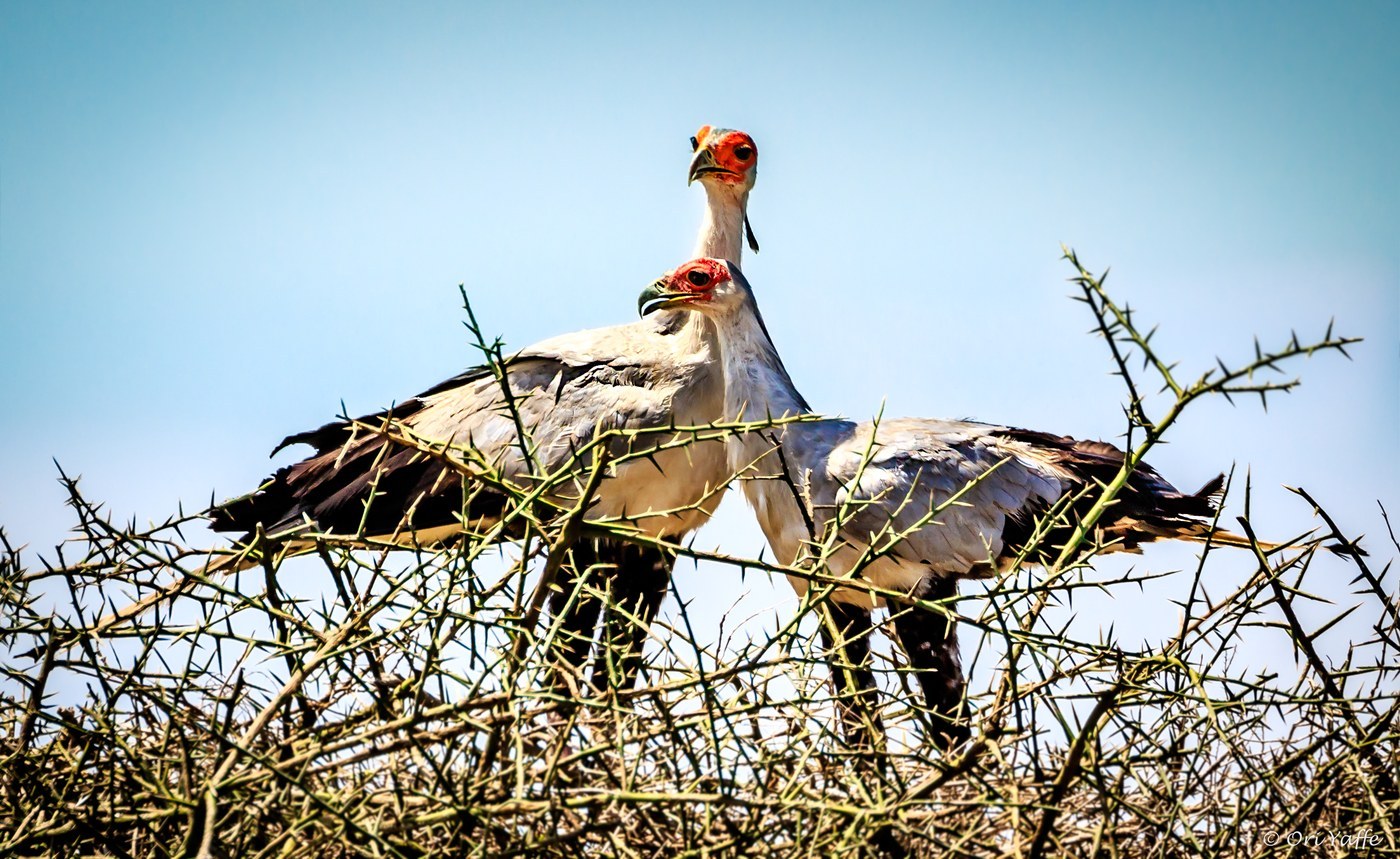
Secretarybird
Long crest feathers; broad flight feathers; elongated central tail feathers

Orange-breasted Falcon
Broad-based pointed flight feathers; bold breast and belly feathers
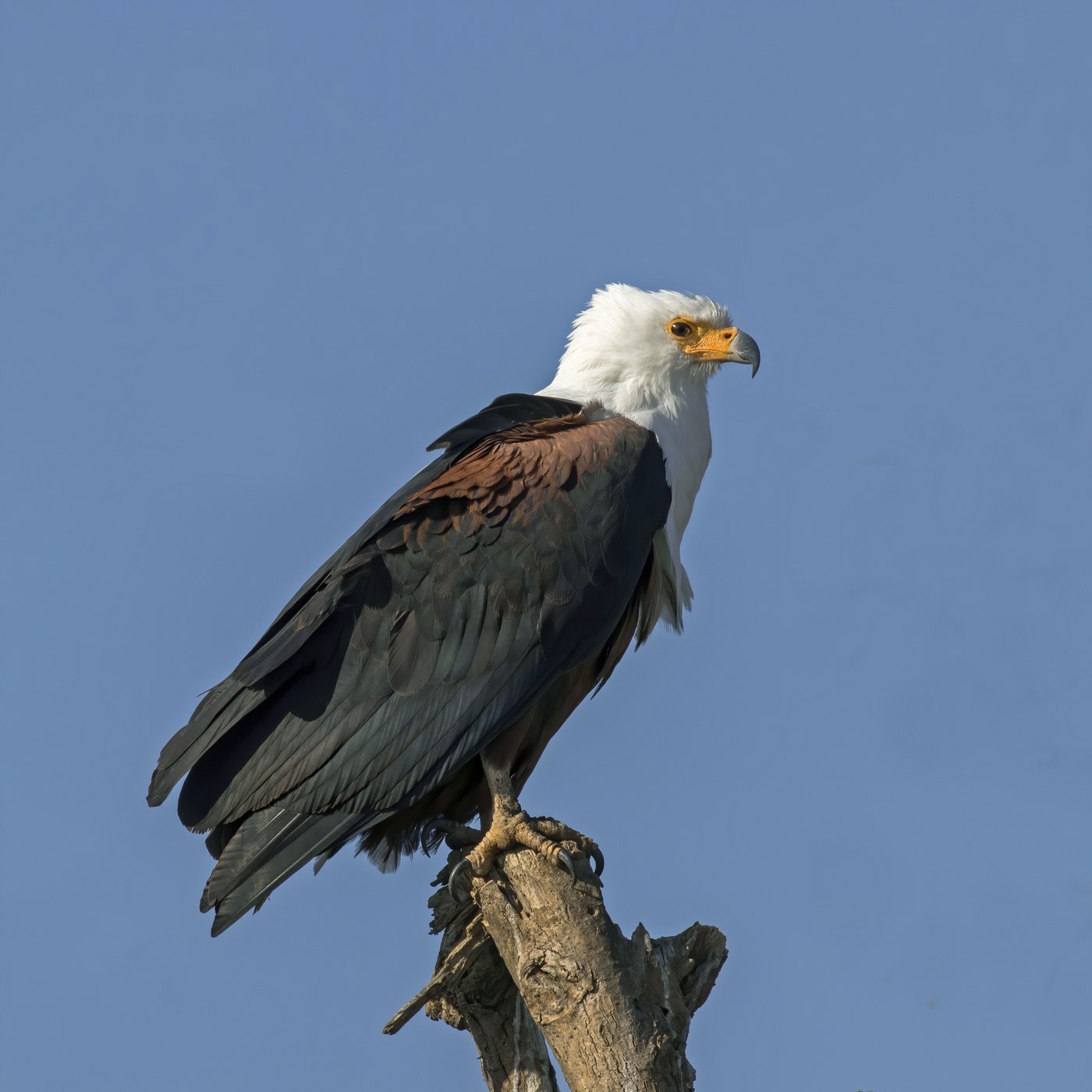
African Fish Eagle
Flight, tail, and body feathers

Amur Falcon
Slender pointed flight feathers; soft slate or orange-buff contour feathers
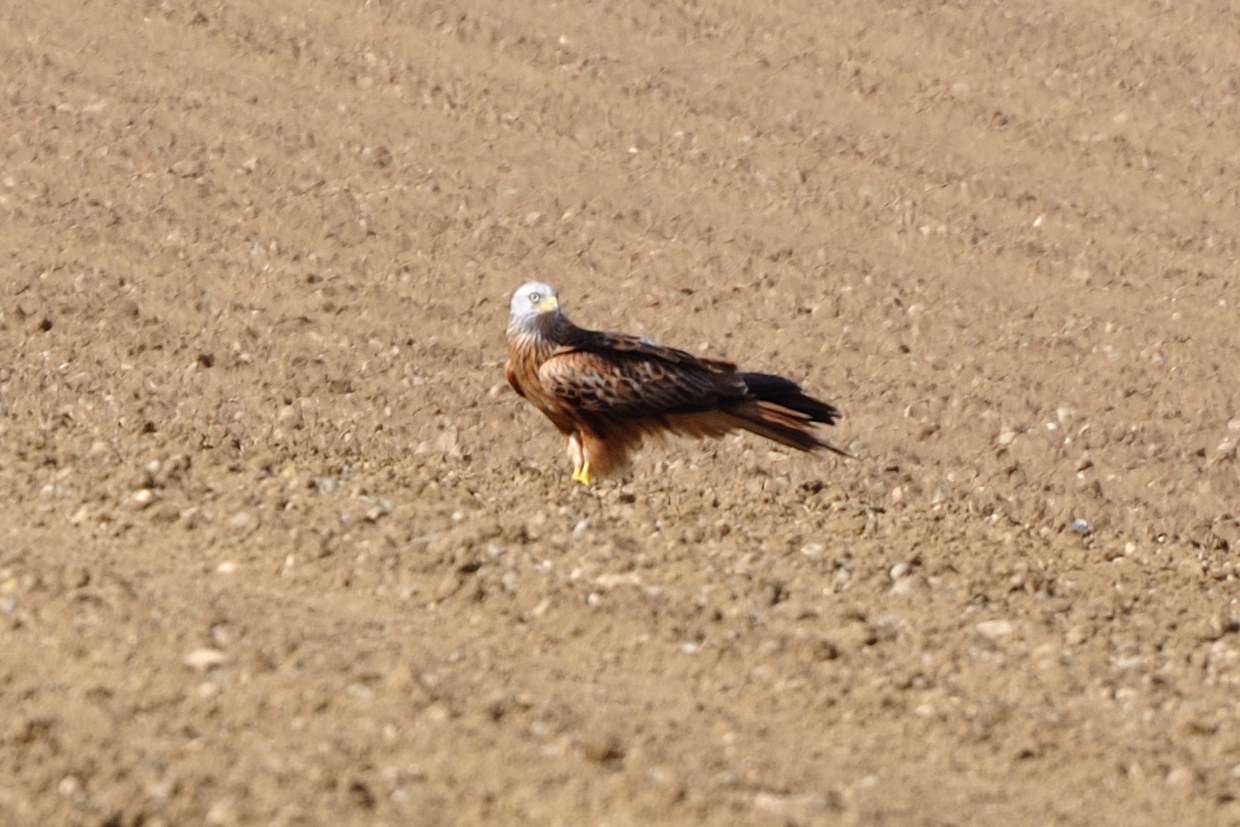
Red Kite
Flight (wing) and tail feathers
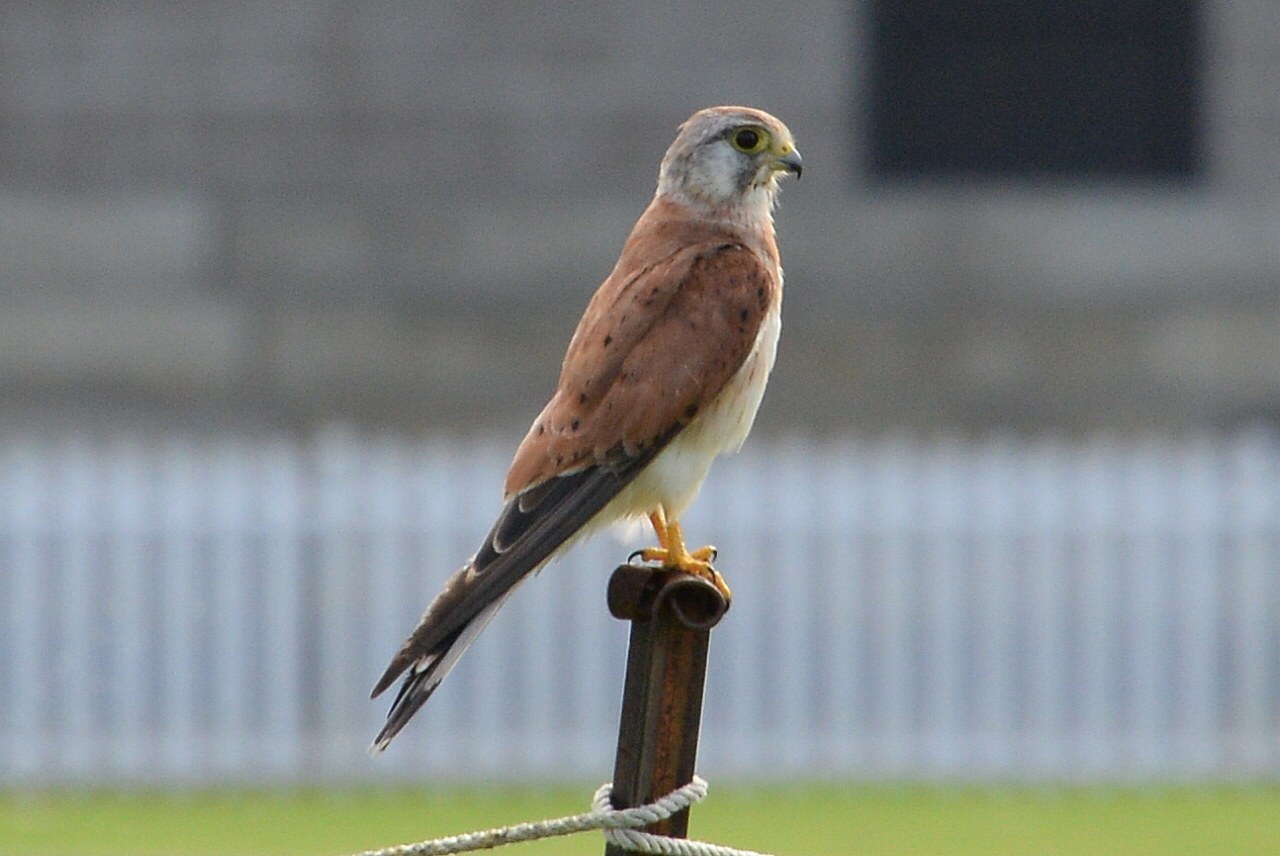
Nankeen Kestrel
Slim pointed flight feathers; lightly marked contour feathers

Andean Condor
Massive flight feathers; broad primaries and secondaries; sturdy tail feathers

Plumbeous Forest Falcon
Short rounded flight feathers; finely barred tail feathers

Sooty Falcon
Long pointed flight feathers; slim tail feathers