

Andean Condor
Vultur gryphus
The largest raptor by wingspan in the world, with mostly black plumage set off by a white neck ruff and bold white upperwing patches in males.
- Feather type
- Massive flight feathers; broad primaries and secondaries; sturdy tail feathers
- Colours
- Black body plumage with a white neck ruff and, in males, large white patches on the upperwing coverts
- Bird size
- Very large raptor, ~100-130 cm, wingspan up to 3.3 m
Found a feather like this?
Identify any feather from a photo, free.
Overview
The Andean Condor holds the record for the largest wingspan of any raptor, soaring effortlessly over the high peaks and valleys of the Andes mountains in South America. Its overall black plumage is offset by a distinctive white feather ruff around the base of the neck and, in males, large white patches on the upper surface of the wings.
It is a national symbol in several Andean countries and is often seen riding thermals along mountain ridges and coastal cliffs, sometimes traveling great distances without a single wingbeat.
Its feathers are enormous, among the largest of any bird, and the combination of white neck ruff feathers with solid black body feathers is highly distinctive.
Identifying the Feather
Shape and Size
Flight feathers are extremely long and broad, rivaling or exceeding those of the California Condor in some measurements; the tail feathers are shorter in proportion but still substantial.
Color and Pattern
- Body feathers: solid black
- Neck ruff feathers: white, forming a distinctive downy collar at the base of the neck
- Upperwing covert feathers: white in adult males, forming a large pale patch on the wing (females lack or show much reduced white patches)
- Flight feathers: black
- Shafts: thick and pale
Distinguishing from Similar Species
The white neck ruff feather is essentially unique among South American raptors of this size, and the combination with the enormous flight feather size separates it from vultures such as the King Vulture, whose ruff and body pattern differ.
Plumage & Molt
Adult males are black with a white neck ruff, white upperwing patches, and a fleshy comb on the head; adult females lack the comb and typically show reduced or absent white wing patches. Juveniles are brownish overall, taking several years to reach full black adult plumage.
Molt is slow given the enormous feather size, and full adult plumage is not reached until roughly five to six years of age.
Habitat & Range
Found along the length of the Andes mountain range in South America, from Venezuela and Colombia south to Tierra del Fuego, favoring high-elevation grasslands, cliffs, and, in some areas, coastal cliffs and desert.
The species is largely resident but can range over huge distances daily while foraging.
Behavior & Field Notes
Feeds on carrion, often of large mammals, and can travel long distances at high altitude riding thermals and ridge lift with minimal flapping. Frequently roosts communally on cliff ledges.
Nests on inaccessible cliff ledges rather than building a stick nest, laying a single egg only every other year in many populations. Mostly silent, given the lack of a well-developed voice box in New World vultures.
An immense black feather, especially one paired with white ruff or wing-patch feathers, found in high Andean terrain, is a strong indicator of this species.
Frequently asked questions
How can I tell male from female feathers?
Adult males typically show white patches on the upperwing coverts that are reduced or absent in females, though this can only be assessed if the feather's position on the wing is known.
What is the single best identifying clue?
A white, downy neck-ruff feather paired with otherwise solid black body feathers, combined with the sheer size of the flight feathers, is a strong clue for this species within its Andean range.
How old must a bird be to reach full adult plumage?
Andean Condors take roughly five to six years to acquire the full black adult plumage with white ruff and wing patches.
Is this the same species as the California Condor?
No, these are two distinct species of New World vulture; the Andean Condor has the larger wingspan and different ruff and wing-patch pattern.
Andean Condor guides
In-depth guides for identifying and understanding Andean Condor.

Andean Condor identified by the community
Real feathers identified with Feather Identifier.

Other feathers you may enjoy

Australian Hobby
Long, narrow pointed flight feathers; slender tail feathers

California Condor
Massive flight feathers; long broad primaries; large tail feathers

Brown Falcon
Broad, rounded flight feathers; variable-toned contour feathers
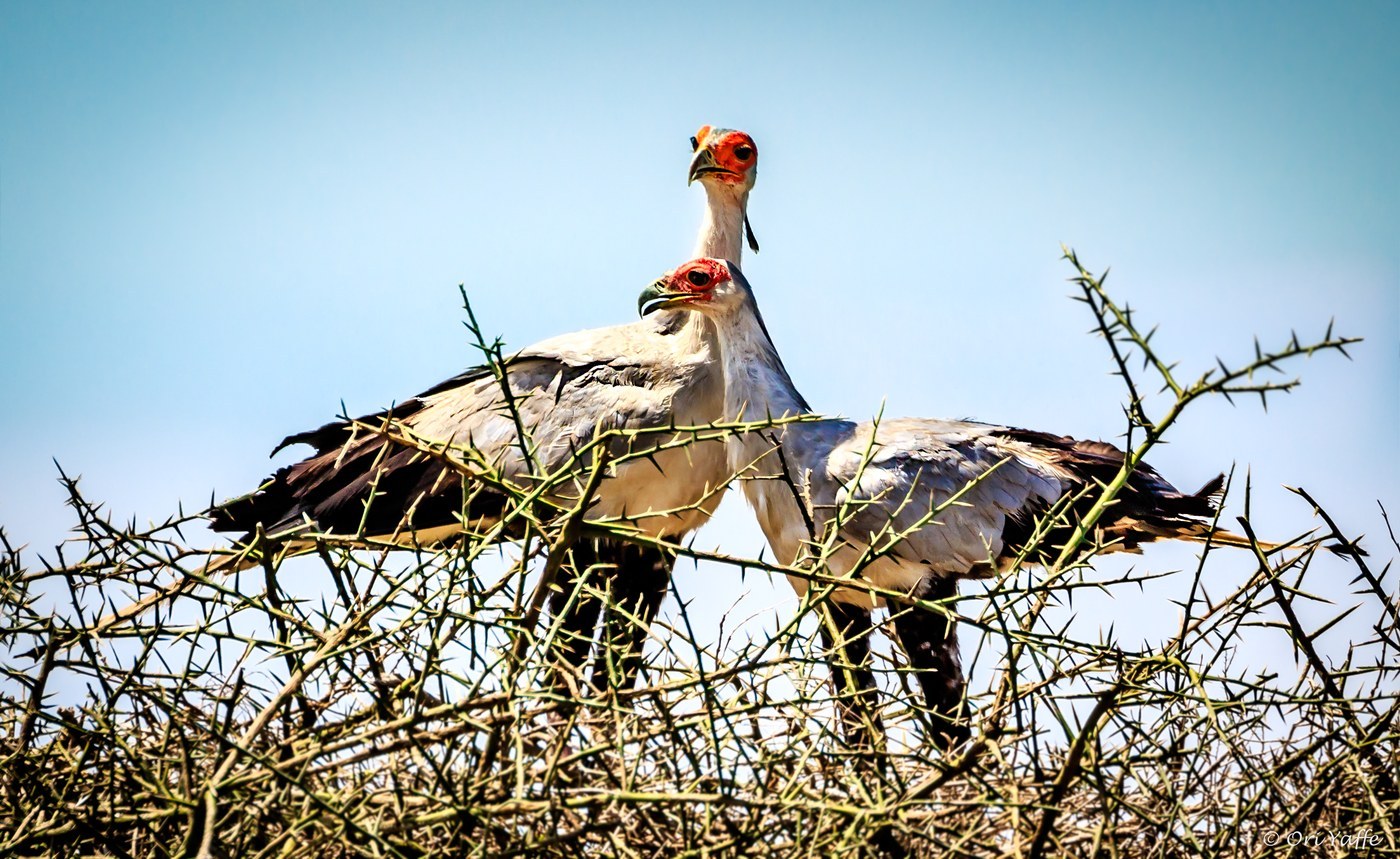
Secretarybird
Long crest feathers; broad flight feathers; elongated central tail feathers

Orange-breasted Falcon
Broad-based pointed flight feathers; bold breast and belly feathers
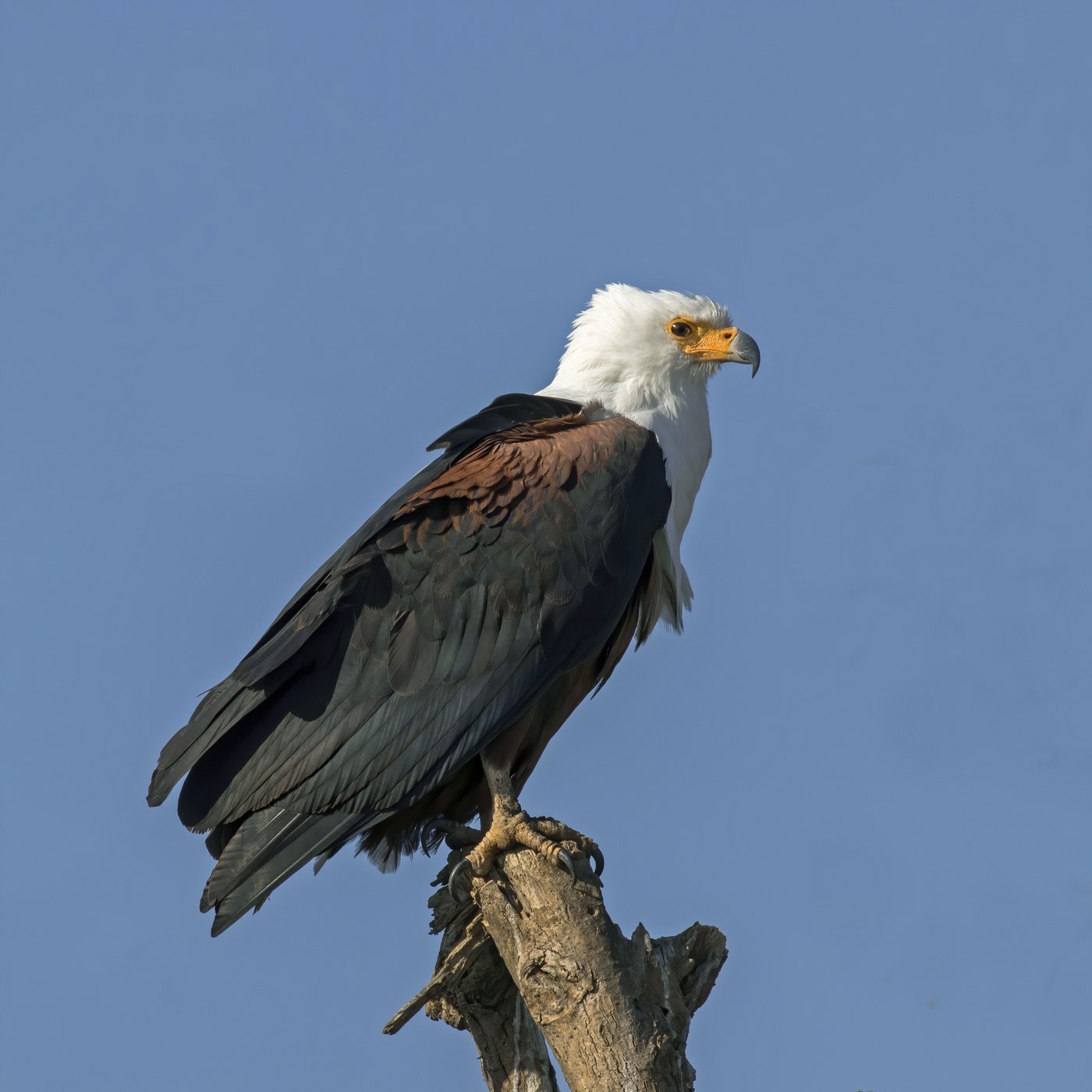
African Fish Eagle
Flight, tail, and body feathers

Amur Falcon
Slender pointed flight feathers; soft slate or orange-buff contour feathers
Red Kite
Flight (wing) and tail feathers
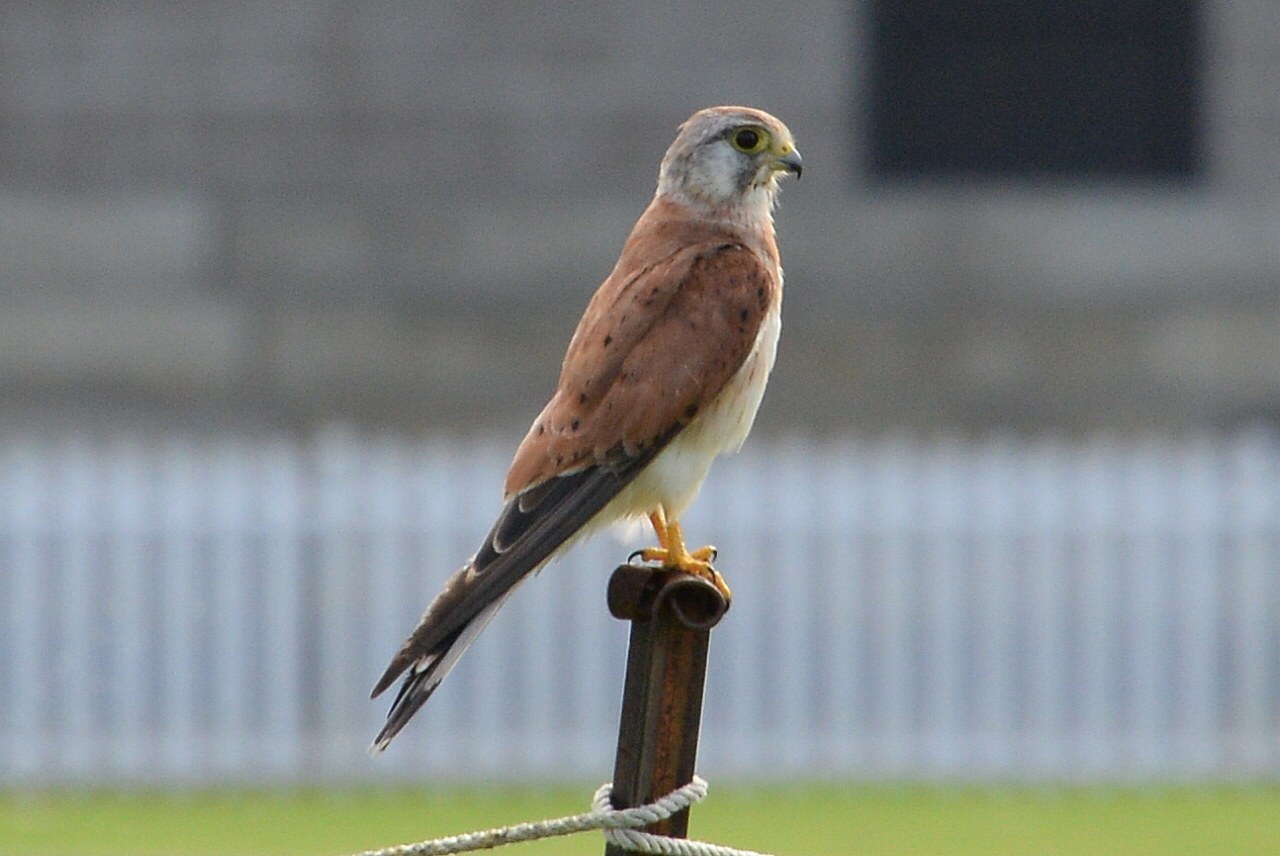
Nankeen Kestrel
Slim pointed flight feathers; lightly marked contour feathers

Plumbeous Forest Falcon
Short rounded flight feathers; finely barred tail feathers

Sooty Falcon
Long pointed flight feathers; slim tail feathers
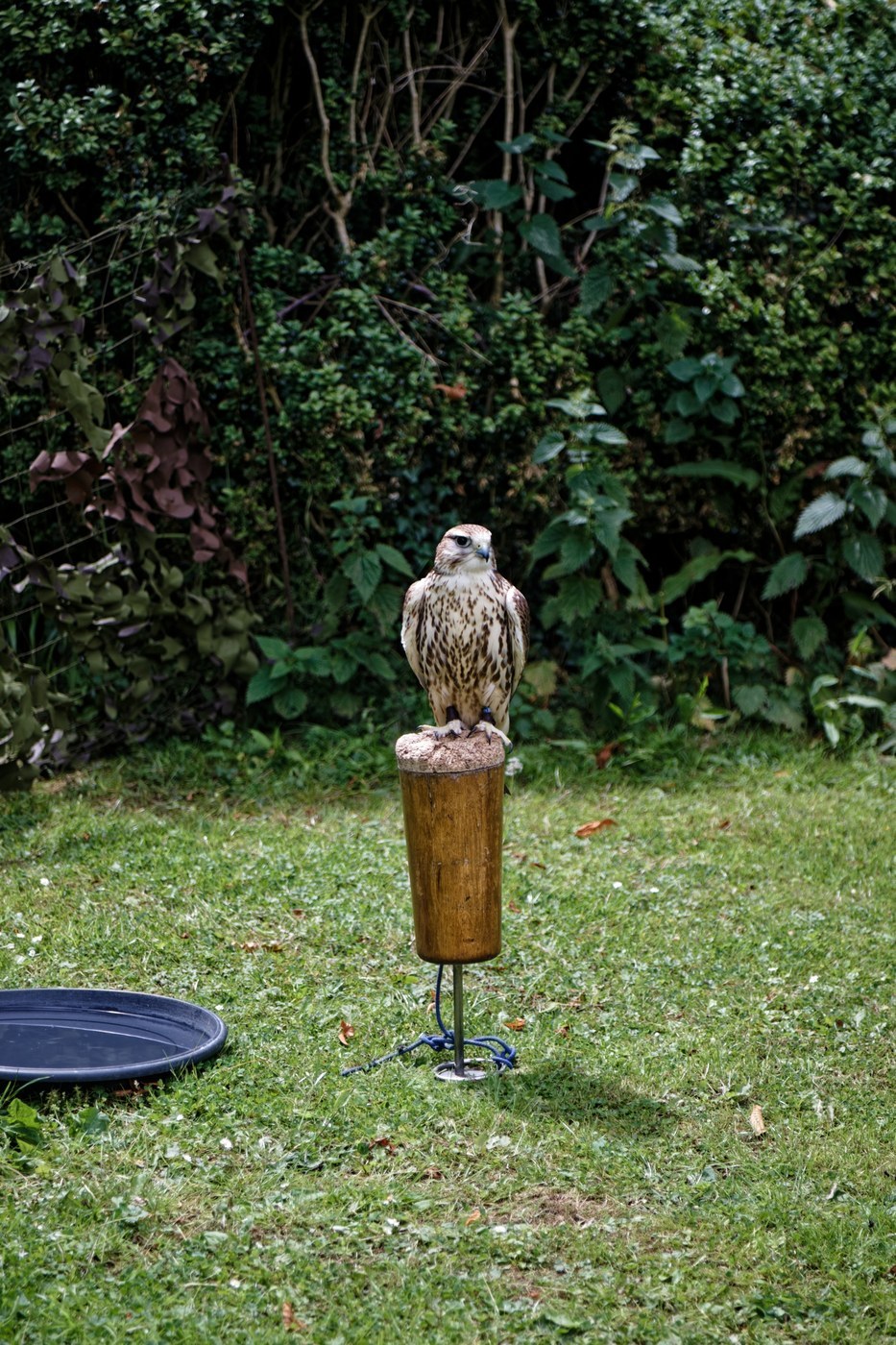
Saker Falcon
Long pointed flight feathers & squared tail; dense back and covert feathers