
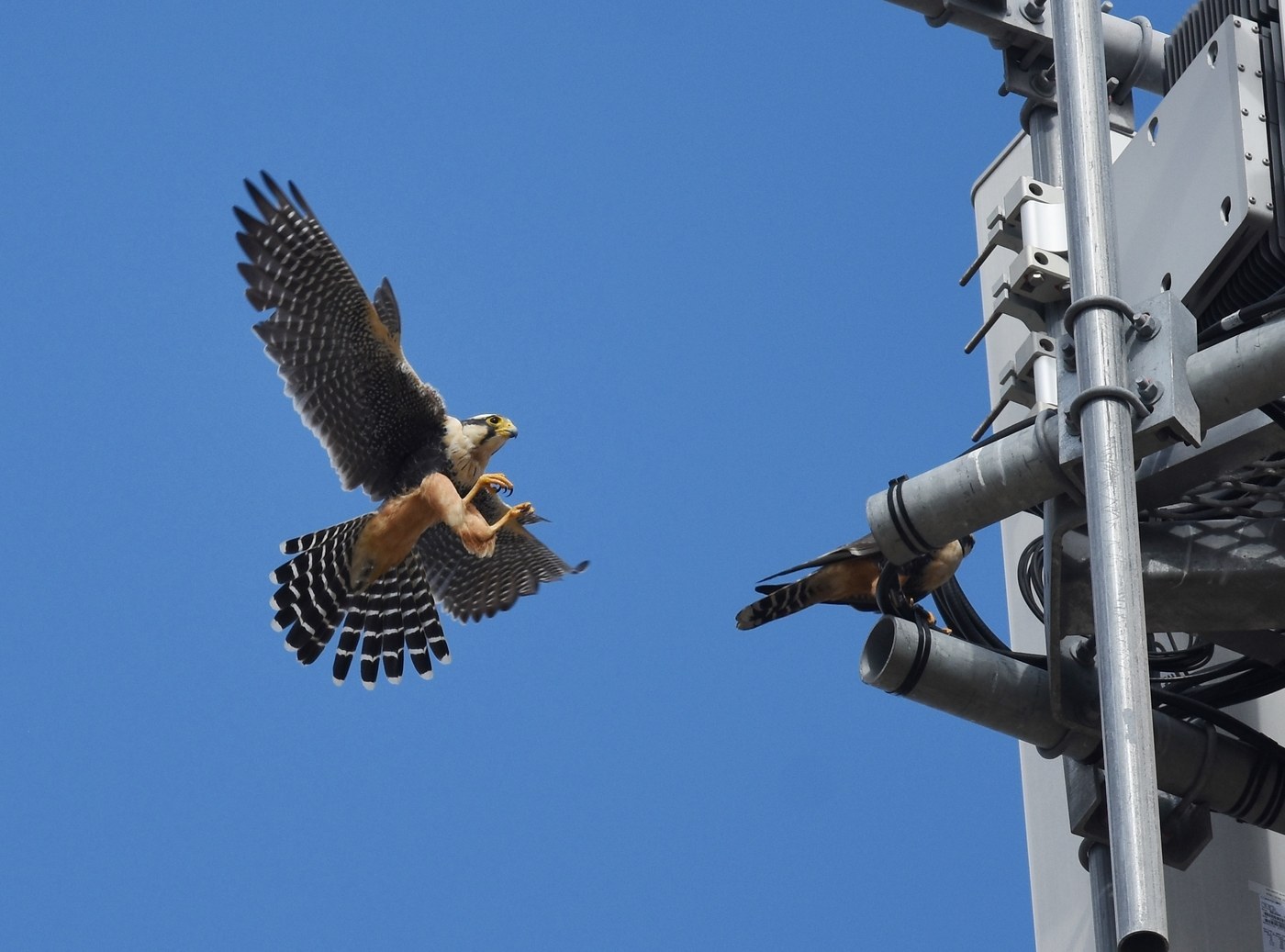
Aplomado Falcon
Falco femoralis
The Aplomado Falcon is a striking, slender falcon of open grasslands from the southern US through Central and South America, with a distinctive black chest band and rufous belly.
- Feather type
- Long, pointed flight feathers; boldly marked facial and breast feathers
- Colours
- Slate-grey back, black chest band, rufous belly, and a bold pale facial pattern
- Bird size
- Medium falcon, ~35-45 cm
Found a feather like this?
Identify any feather from a photo, free.
Overview
The Aplomado Falcon is a slim, long-tailed falcon found from the southwestern United States and Mexico south through Central America into much of South America, favoring open grassland, savanna, and scrub. Its striking tricolor pattern — pale face and throat, black chest band, and rufous lower belly — makes both the living bird and its feathers relatively distinctive.
Once nearly extirpated from parts of its northern range, reintroduction efforts in Texas and elsewhere have helped restore local populations, and feathers may be found near coastal prairie and desert grassland reintroduction sites.
Identifying the Feather
Recognizing Aplomado Falcon feathers
- Flight feathers: Slate-grey to blackish above with fine pale barring, long and tapered.
- Tail feathers: Long, narrow, dark with numerous thin white or pale bands — notably more heavily and finely banded than many other falcons of similar size.
- Body feathers: Chest feathers black, forming a distinct dark band; belly and leg feathers rich rufous-orange; facial and throat feathers pale buff to white with bold black facial markings.
- Shaft color: Dark grey to blackish on back feathers, pale on breast and belly feathers.
- Compared to similar species: The combination of a black chest band with rufous belly feathers is unique among North and South American falcons; the long, finely barred tail separates it from the stockier Peregrine.
Plumage & Molt
Adults show blue-grey upperparts, a bold facial pattern of pale supercilium and dark mustache, a pale throat and upper breast, a black band across the chest, and rufous-orange lower underparts and thighs. Sexes look similar, though females are notably larger. Juveniles are browner above with buffier underparts and a less crisp chest band, developing the sharp adult pattern after their first molt.
Habitat & Range
Found in open grassland, coastal prairie, savanna, and desert grassland from the southwestern United States and Mexico south through Central America and much of South America. Largely resident, though some populations shift locally with seasonal prey availability.
Behavior & Field Notes
Hunts small birds and large insects in fast, low flight over open ground, often in pairs. Nests in old stick nests built by other birds, typically placed in isolated trees or yuccas within open grassland. Calls include sharp, repeated cackling notes near the nest. A grey feather with fine white tail-banding, alongside a rufous-orange body feather, found in open grassland within its range suggests this species.
Frequently asked questions
What makes an Aplomado Falcon feather easy to identify?
The strong combination of a black chest band, rufous-orange belly feathers, and a finely white-banded tail is distinctive among falcons in its range.
Is the Aplomado Falcon found in the United States?
Yes, though historically reduced, it survives and has been reintroduced in parts of coastal Texas and other southwestern grasslands.
How does an Aplomado Falcon tail feather compare to a Peregrine's?
The Aplomado's tail feathers are longer, narrower, and more finely and numerously banded than the broader, less finely barred tail of a Peregrine Falcon.
Do juvenile Aplomado Falcons look different from adults?
Yes, juveniles are browner above and buffier below with a less defined chest band, sharpening into the bold adult pattern after molting.
Aplomado Falcon guides
In-depth guides for identifying and understanding Aplomado Falcon.
Other feathers you may enjoy

Australian Hobby
Long, narrow pointed flight feathers; slender tail feathers

California Condor
Massive flight feathers; long broad primaries; large tail feathers

Brown Falcon
Broad, rounded flight feathers; variable-toned contour feathers
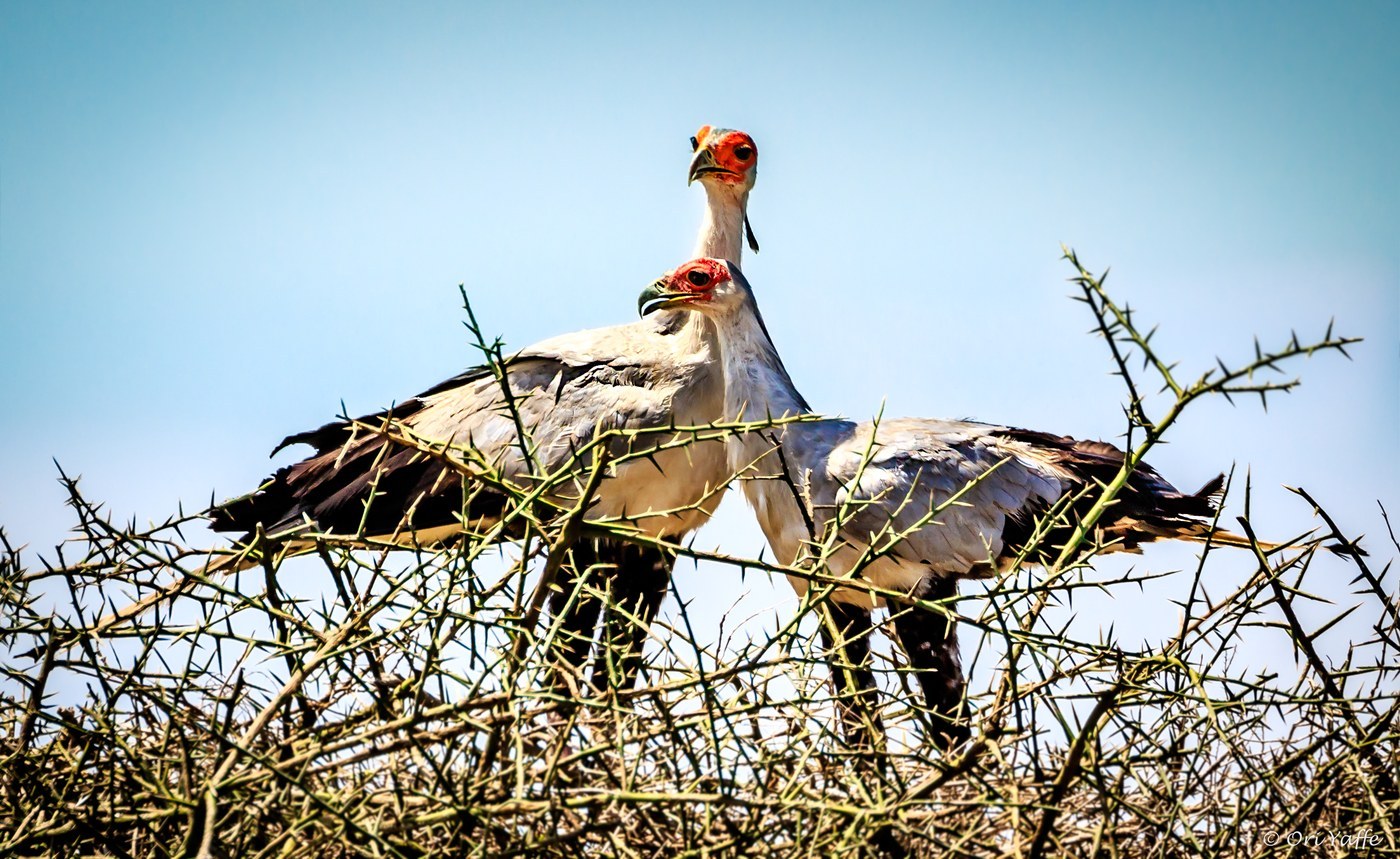
Secretarybird
Long crest feathers; broad flight feathers; elongated central tail feathers

Orange-breasted Falcon
Broad-based pointed flight feathers; bold breast and belly feathers
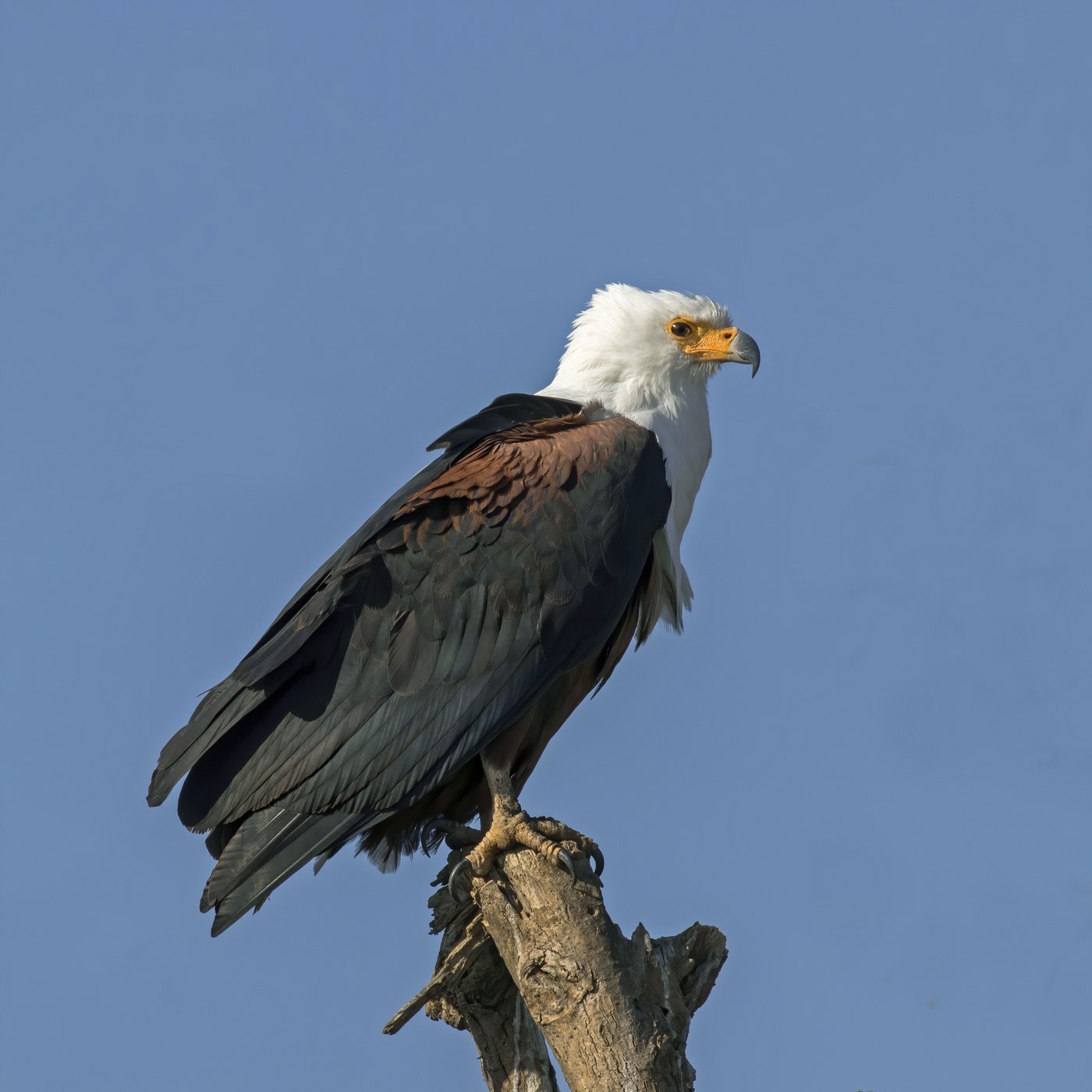
African Fish Eagle
Flight, tail, and body feathers

Amur Falcon
Slender pointed flight feathers; soft slate or orange-buff contour feathers
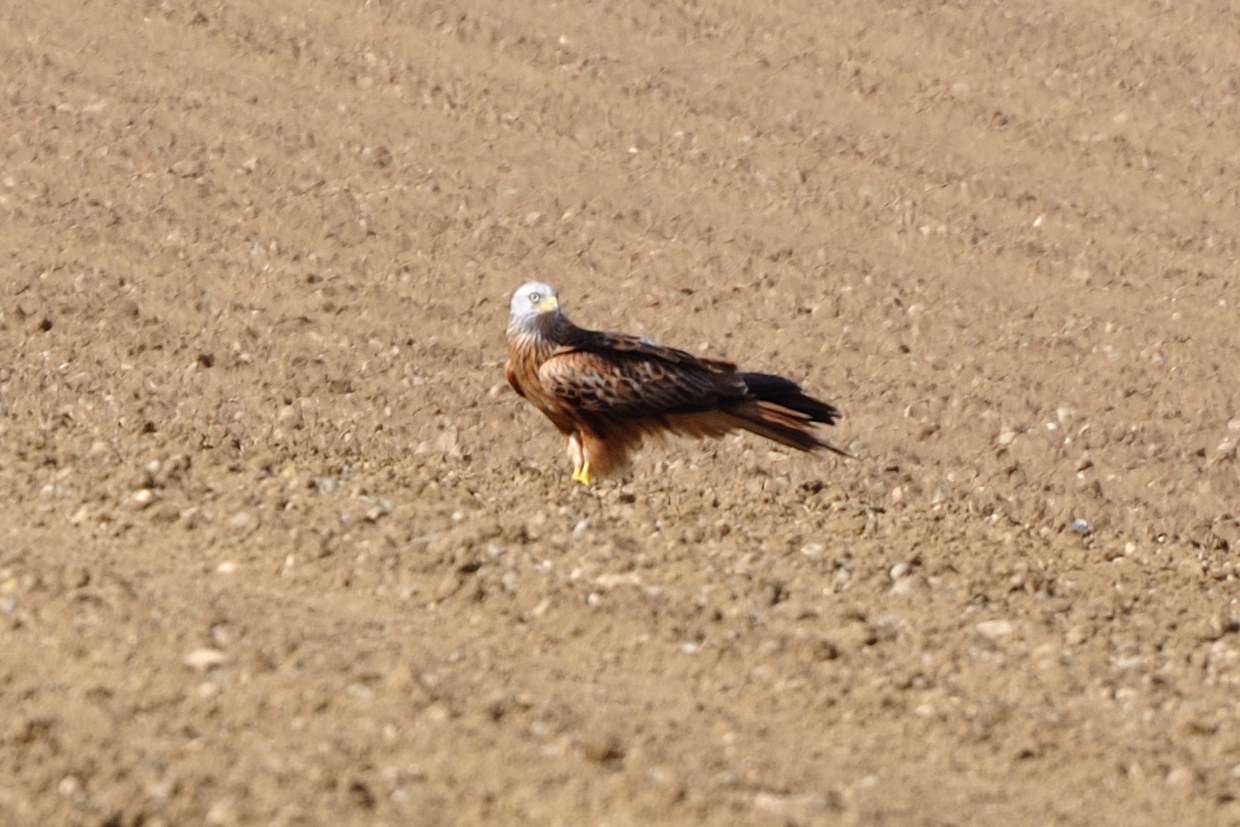
Red Kite
Flight (wing) and tail feathers
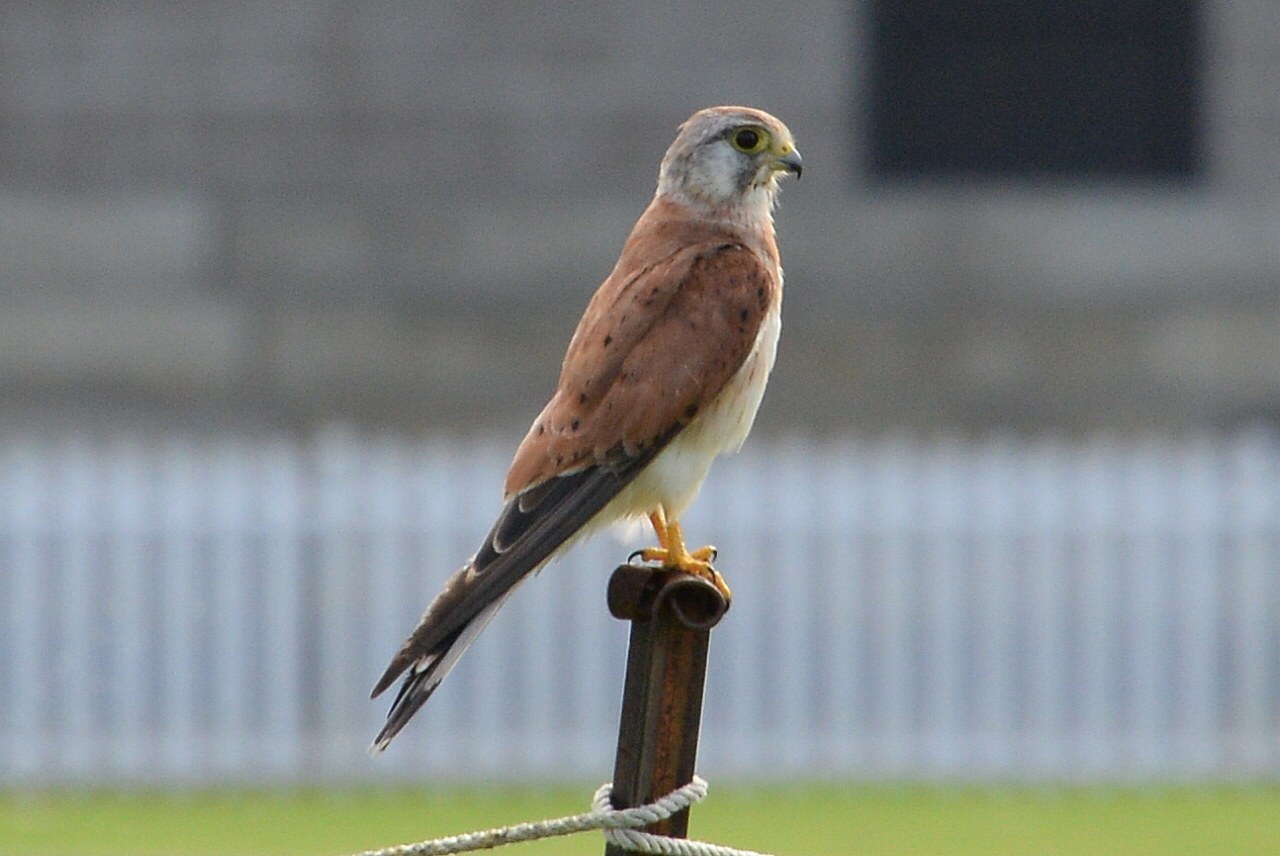
Nankeen Kestrel
Slim pointed flight feathers; lightly marked contour feathers

Andean Condor
Massive flight feathers; broad primaries and secondaries; sturdy tail feathers

Plumbeous Forest Falcon
Short rounded flight feathers; finely barred tail feathers

Sooty Falcon
Long pointed flight feathers; slim tail feathers