

Asian Openbill
Anastomus oscitans
A medium-sized South and Southeast Asian stork named for the distinctive gap between its upper and lower mandibles, an adaptation for handling its favored prey, with greyish-white plumage and black flight feathers.
- Feather type
- Contour feathers with a specialized gapped bill (not a feather feature)
- Colours
- Greyish-white with black flight feathers
- Bird size
- Medium stork, ~68-81 cm
Found a feather like this?
Identify any feather from a photo, free.
Overview
Overview
The Asian Openbill is named for the unusual gap that remains between the upper and lower mandibles when the bill is closed, a specialized adaptation believed to help the bird handle its prey. In plumage terms it is a relatively plain grey-white stork with black flight feathers, common and conspicuous across the wetlands of South and Southeast Asia, often nesting in large colonies close to villages.
- Greyish-white body plumage, sometimes appearing pale grey overall
- Black flight feathers contrasting with the paler body
- Distinctive gap between the mandibles, visible when the bill is closed
- Medium-sized stork, smaller than most of its relatives
Identifying the Feather
Feather Identification
Asian Openbill feathers are relatively plain, showing a pale greyish-white body tone paired with black flight feathers, without the bright colors or plumes seen in some other storks.
- Body contour feathers: pale grey to greyish-white
- Flight feathers: black, contrasting with the paler body
- Breeding plumage: body feathers can appear slightly darker or more uniformly grey during the breeding season
- Shaft color: pale in body feathers, dark in flight feathers
- Vs. African Openbill: Asian Openbill feathers are notably paler and greyer, while the African species is much darker overall
- Vs. Painted Stork: lacks the black breast band and pink-tinged plumes of the Painted Stork
Plumage & Molt
Plumage Details
Adults are greyish-white with black flight feathers, and during the breeding season the plumage can take on a slightly more uniform grey tone with a subtle sheen. The bill shows the characteristic gap between the mandibles at all ages once mature. Juveniles are browner and duller overall, lacking the more defined grey tone of adults, and the bill gap develops as the bird matures. Molt is gradual and linked loosely to the breeding season.
Habitat & Range
Habitat & Range
Asian Openbills inhabit freshwater marshes, rice paddies, and shallow wetlands across the Indian subcontinent and into Southeast Asia, often nesting in large colonies in trees near villages and agricultural areas. The species shows local seasonal movements tied to water levels and food availability, with some populations expanding their range in recent decades alongside the spread of irrigated agriculture.
Behavior & Field Notes
Behavior & Field Notes
Asian Openbills forage in shallow water and wet fields, using their specialized bill gap to grip and manipulate certain freshwater prey items efficiently. They nest colonially, often in large numbers in trees close to human habitation, sometimes causing localized conflicts due to noise and mess but also tolerated for their role in local ecosystems. Vocalizations are limited mostly to bill-clattering and grunting at nest sites. The pale grey-white body, black flight feathers, and distinctive bill gap make this a readily identifiable stork within its South and Southeast Asian range.
Frequently asked questions
Why does the Asian Openbill have a gap in its bill?
The gap between the upper and lower mandibles is a specialized adaptation believed to help the bird grip and manipulate certain freshwater prey more efficiently.
What color are Asian Openbill feathers?
Mostly pale greyish-white on the body with black flight feathers, without the bright colors or plumes found in some related storks.
How can I tell Asian Openbill feathers from African Openbill feathers?
Asian Openbill feathers are notably paler and greyer overall, while African Openbill feathers are much darker, with a more uniform blackish-brown tone.
Where would an Asian Openbill feather most likely be found?
Near freshwater marshes, rice paddies, and wetland nesting colonies across the Indian subcontinent and Southeast Asia.
Asian Openbill guides
In-depth guides for identifying and understanding Asian Openbill.

Other feathers you may enjoy

Yellow-billed Spoonbill
White contour and flight feathers with fine breeding plumes on the back and breast
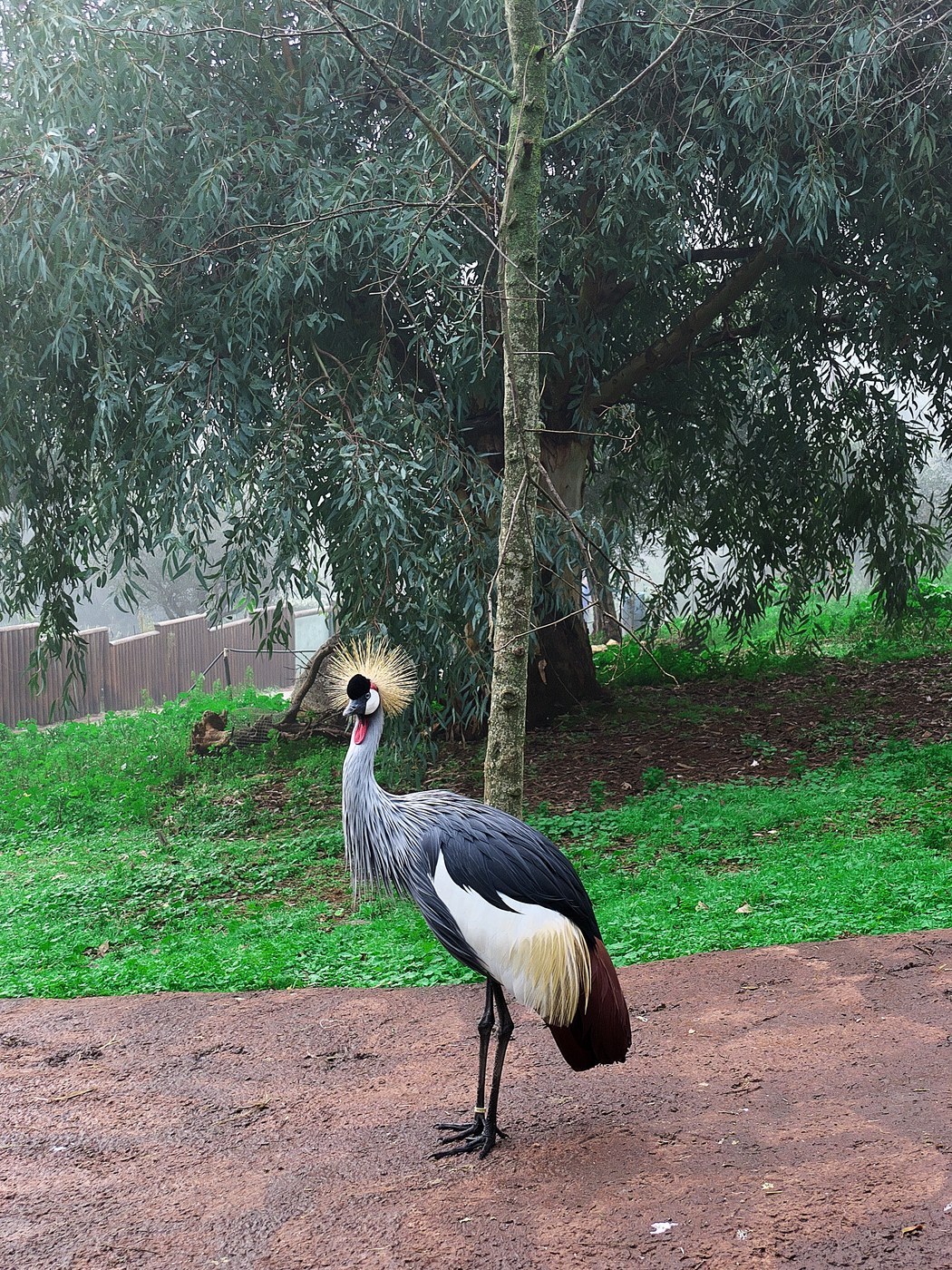
Grey Crowned Crane
Grey body feathers with white wing coverts, chestnut flight feathers, and stiff golden crown bristles
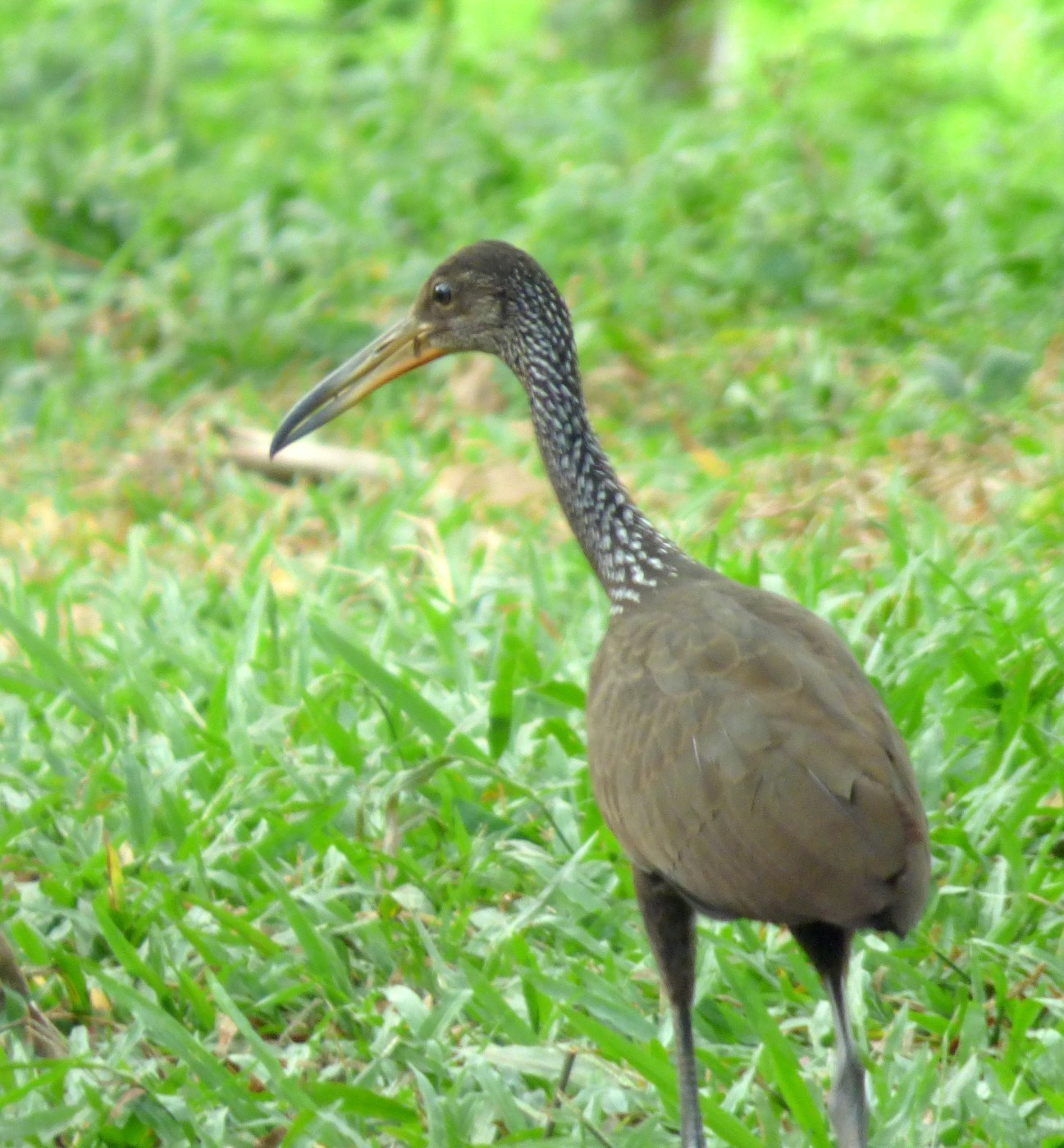
Limpkin
Brown contour feathers with white teardrop-shaped spots and streaks
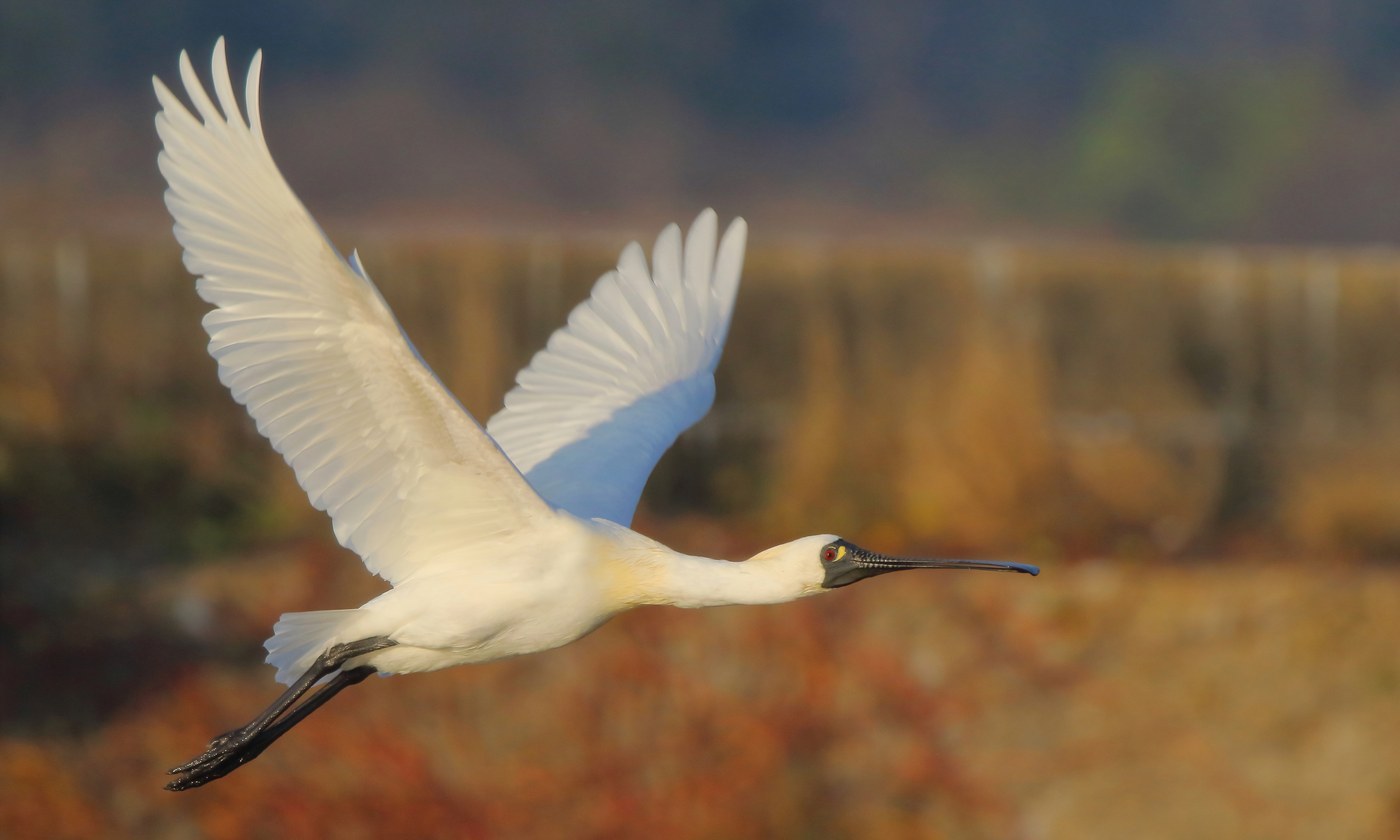
Black-faced Spoonbill
White contour and flight feathers with fine breeding crest and breast plumes
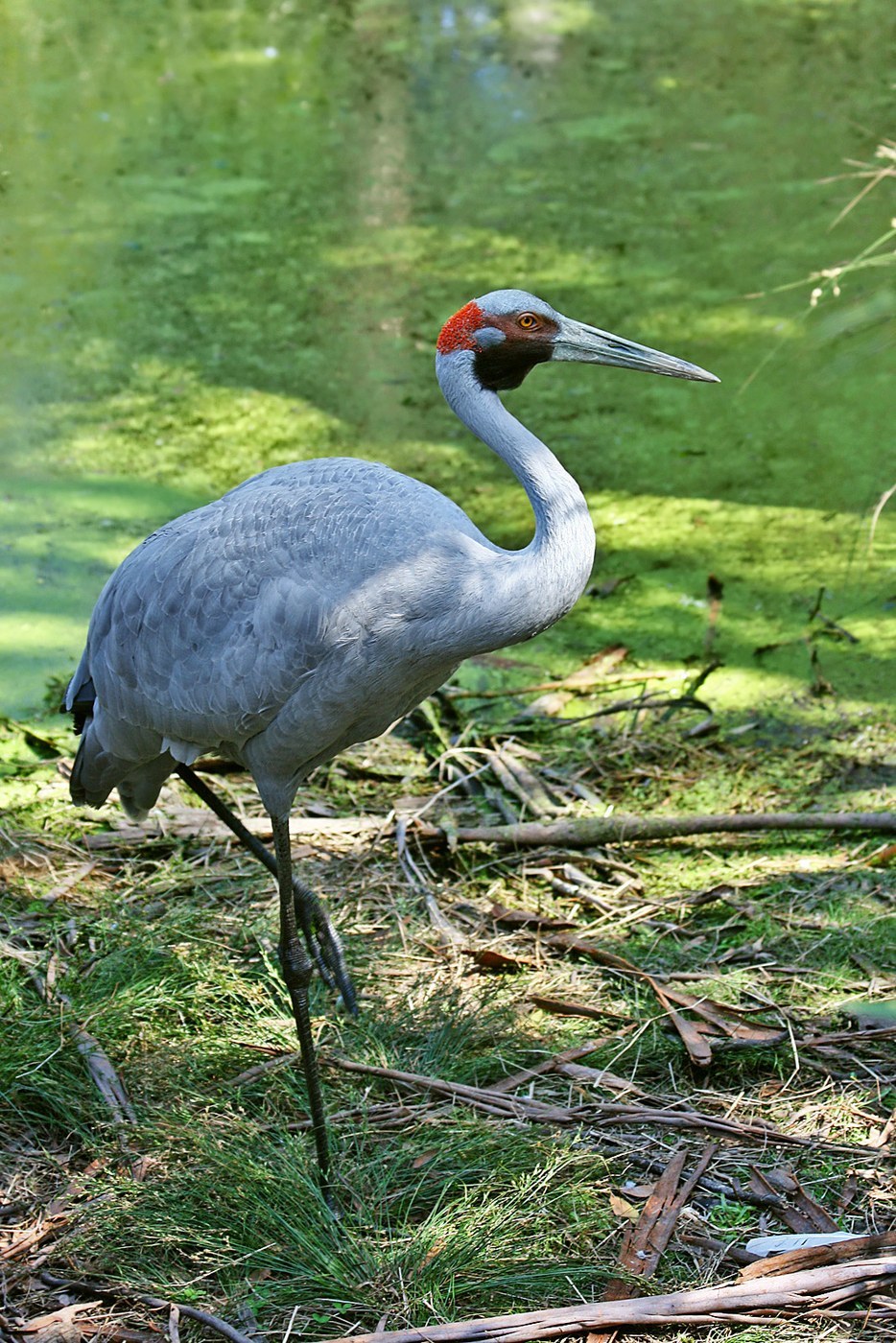
Brolga
Grey contour feathers with drooping bustle plumes
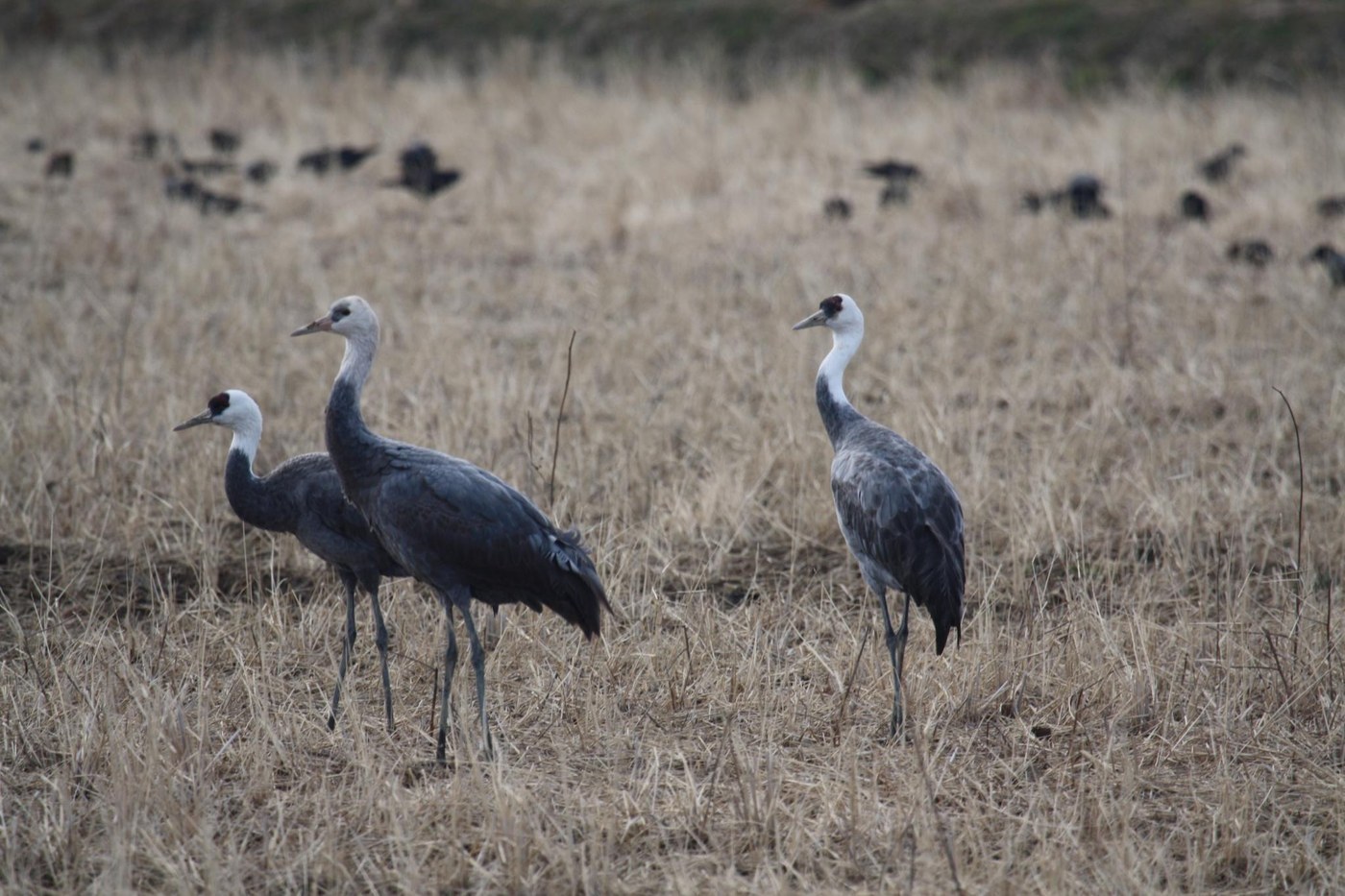
Hooded Crane
Dark slate-grey body feathers with a white head/upper neck 'hood' and black bustle plumes
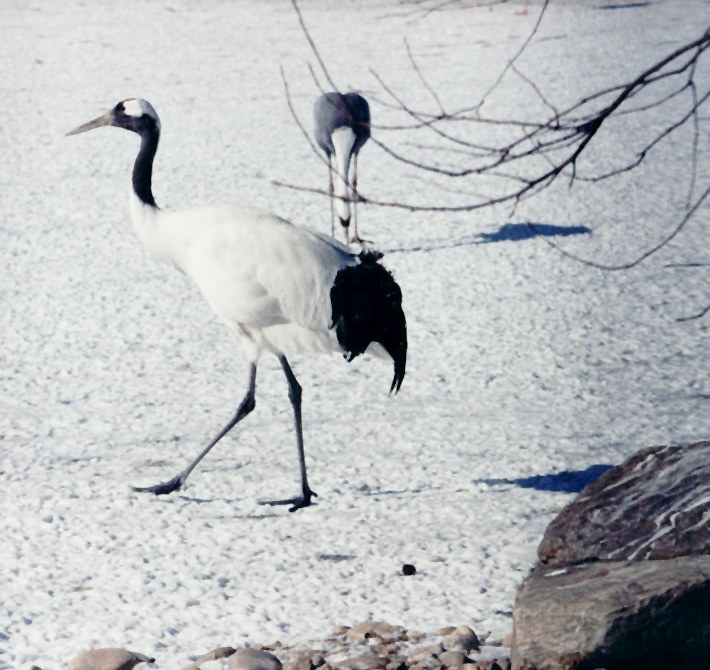
Red-crowned Crane
White contour feathers with black secondary/tertial bustle feathers and a bare red crown

Common Crane
Grey contour feathers with black head/neck feathers and drooping bustle plumes
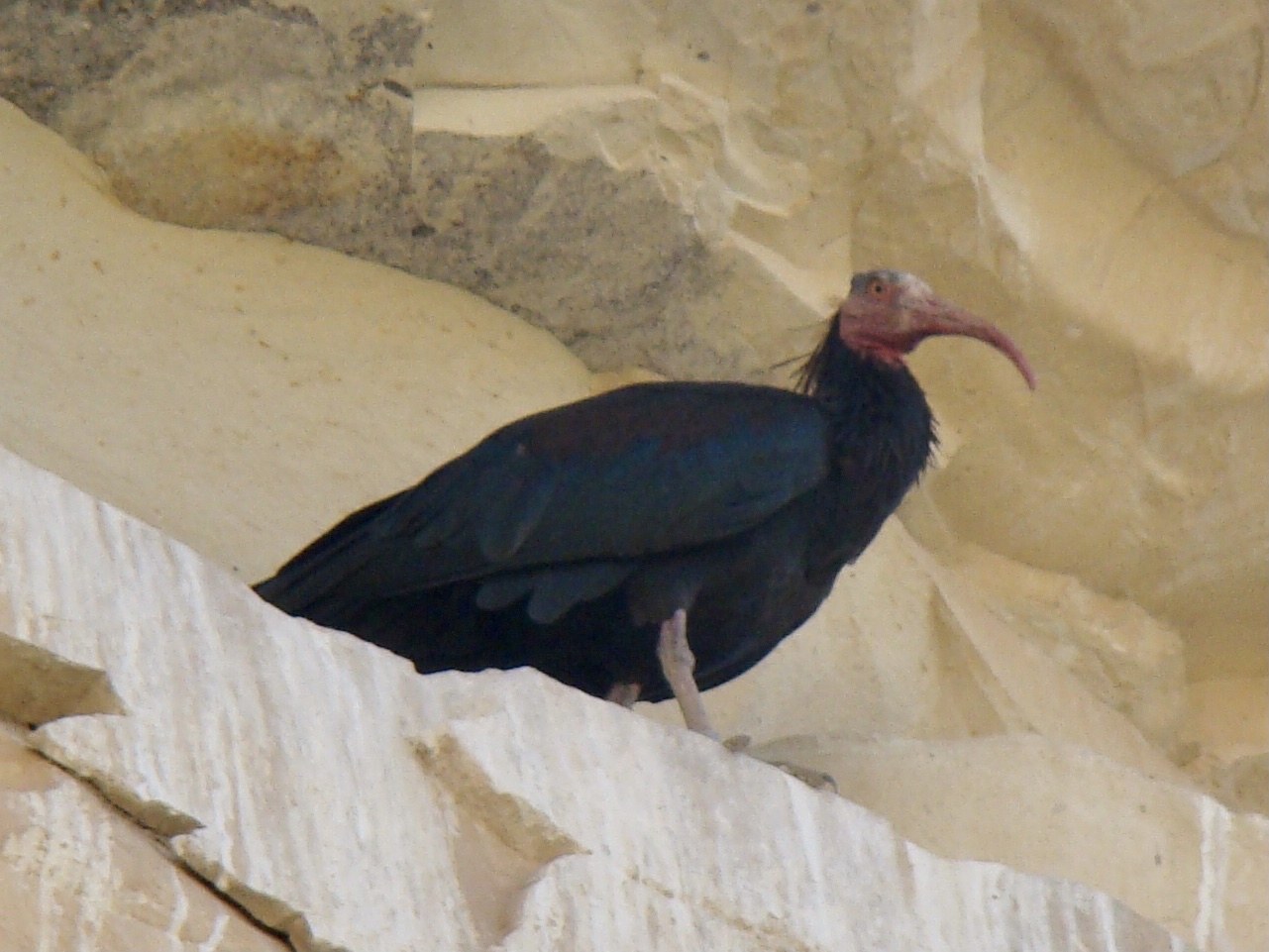
Northern Bald Ibis
Glossy black contour feathers with elongated nape plumes
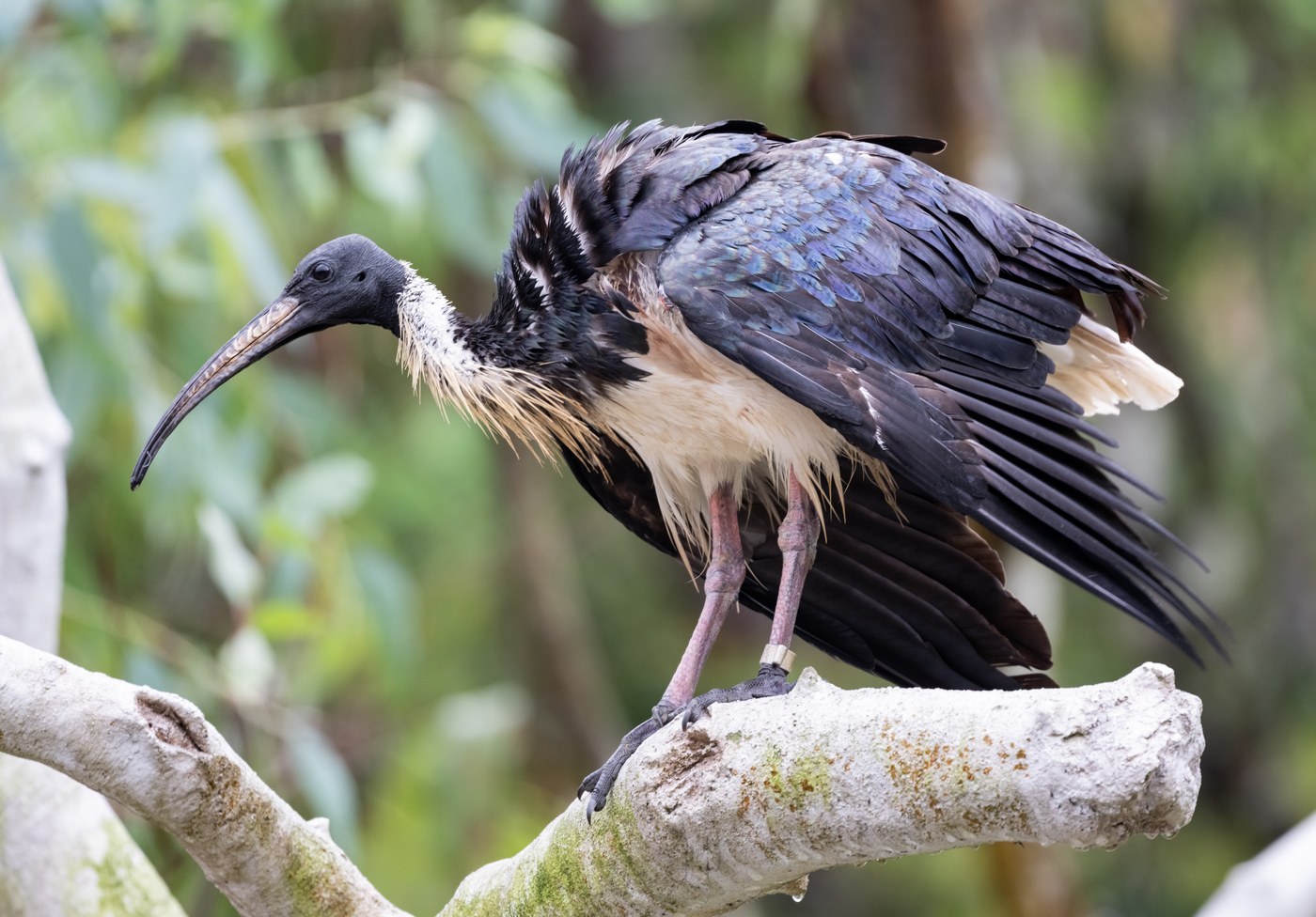
Straw-necked Ibis
Glossy contour feathers with unique straw-like neck plumes
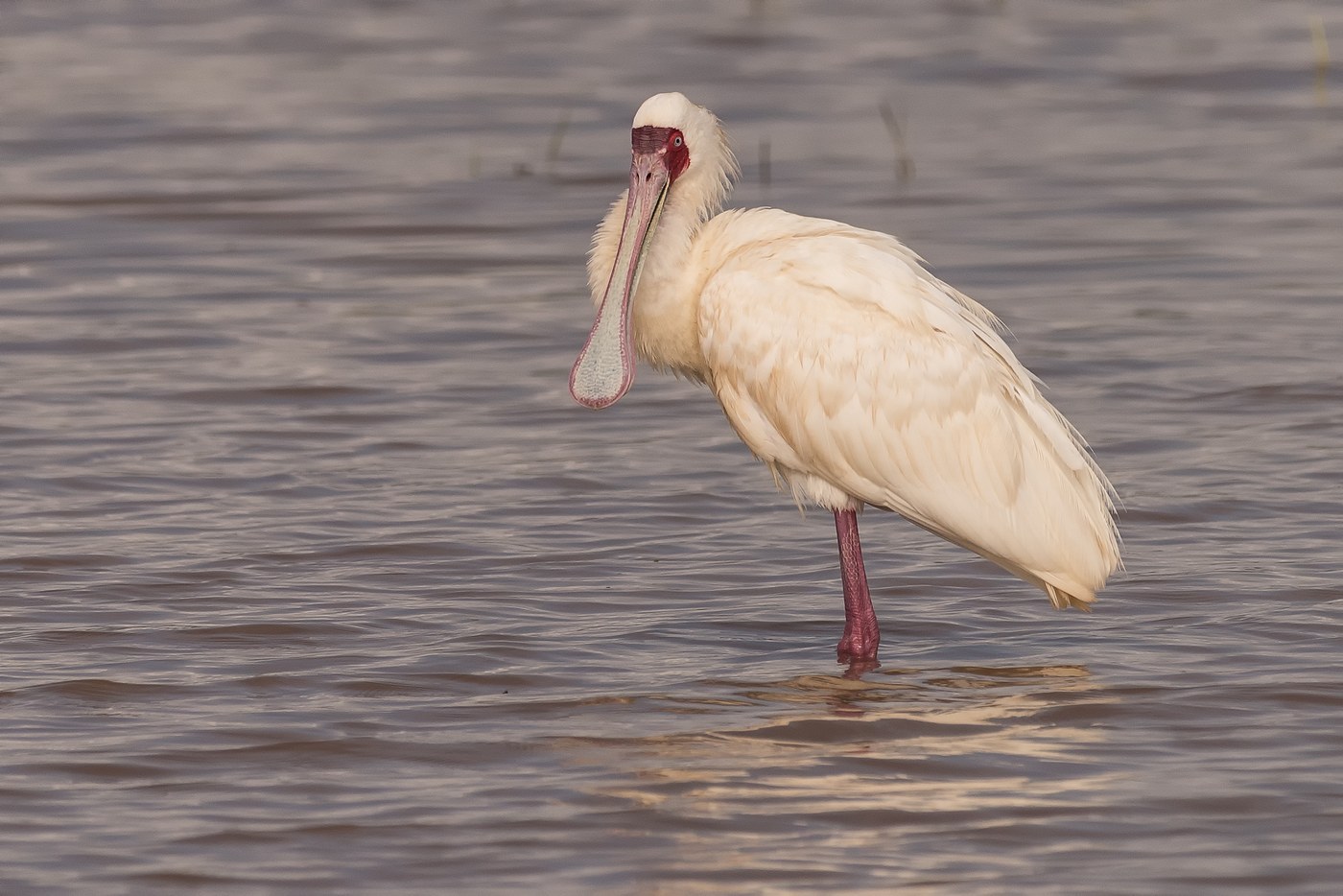
African Spoonbill
White contour and flight feathers, unmarked by black tips

Roseate Spoonbill
Pink and white contour and flight feathers with a carmine shoulder patch