
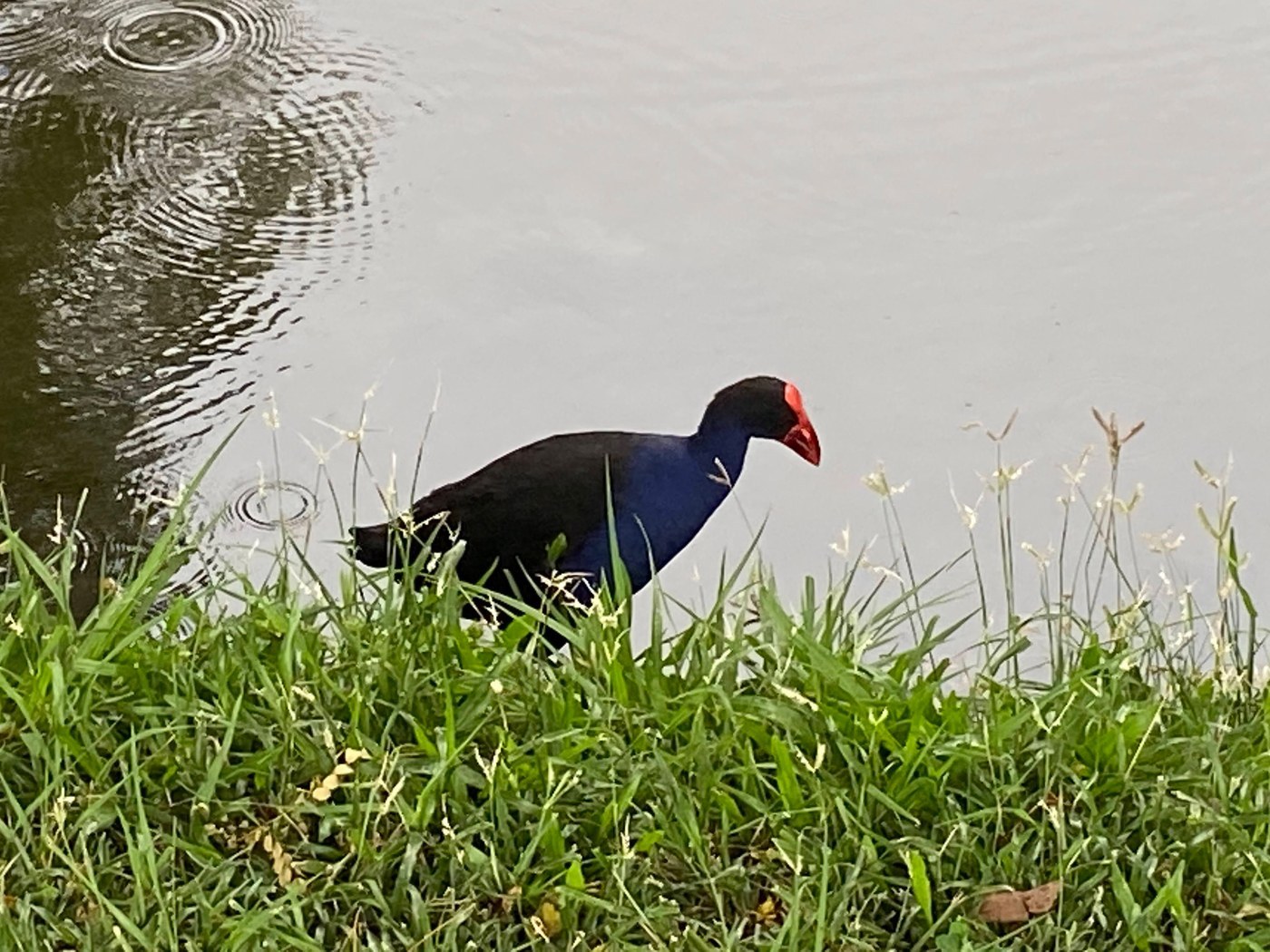
Australasian Swamphen
Porphyrio melanotus
The Australasian Swamphen is a large, deep blue-purple rail with a red bill and shield, a familiar sight striding through wetlands and adjacent grassy areas.
- Feather type
- Dense, glossy contour feathers with a soft, fluffy white undertail patch
- Colours
- Deep blue-purple body with a black head and back
- Bird size
- Large rail, ~48 cm
Found a feather like this?
Identify any feather from a photo, free.
Overview
Overview
The Australasian Swamphen is a bold, conspicuous rail found across a wide range from Australia through New Zealand (where it is known as Pukeko) and into the Pacific. It is closely related to the widespread Purple Swamphen complex found across Africa, Europe, and Asia, from which it was more recently split as a distinct species.
- Family: Rallidae (rails, crakes, and swamphens)
- Distribution: Australia, New Zealand, and parts of the southwestern Pacific
- Notable trait: bright red bill and frontal shield contrasting with deep blue-purple plumage
Identifying the Feather
Feather Identification
Body feathers are a rich, deep blue to purple, with a blackish head, neck, and back providing subtle contrast against the more vivid blue underparts. The undertail coverts are fluffy and white, frequently flicked upward and conspicuous as the bird walks or when alarmed. The bill and bare frontal shield are bright red, and the legs are long and red-orange.
- Overall tone: deep blue-purple body with a blackish head/back
- Key mark: white undertail flicked while walking, plus red bill and shield
- Compare with: Takahe (much larger, flightless, stockier bill, restricted range) and other rails lacking the vivid blue-purple colour
Plumage & Molt
Plumage
Sexes look similar, with males averaging slightly larger. Juveniles are duller, sooty grey-brown, gradually acquiring the vivid blue-purple adult plumage and red bill colour as they mature. There is no strong seasonal plumage change in adults.
Habitat & Range
Habitat & Range
This species inhabits freshwater wetlands, swamps, and adjacent pasture or grassland across much of Australia, New Zealand, and parts of the southwestern Pacific, often adapting well to modified and urban wetland habitats. Most populations are sedentary, with some local movement in response to water levels.
Behavior & Field Notes
Behavior & Field Notes
Australasian Swamphens forage by walking through wetland vegetation and adjacent grass, using their long toes to grip reeds while feeding on plant material and small animal prey, often holding food in one foot while eating. They frequently flick the white undertail while walking, a conspicuous social signal. Calls include loud, harsh, trumpeting or shrieking notes. Nests are built as platforms of reeds and grass low over water.
- Diet: plant shoots, seeds, and small invertebrates or other small animal prey
- Voice: loud, harsh trumpeting and shrieking calls
- Field note: often seen walking boldly across open grass near wetlands, flicking its white undertail
Frequently asked questions
Is the Pukeko the same bird as the Australasian Swamphen?
Yes, Pukeko is the New Zealand common name for the same species, Porphyrio melanotus.
How can I tell it from the Takahe?
The Australasian Swamphen is smaller, capable of flight, and has a slimmer bill, while the Takahe is much larger, flightless, and has a stockier bill and restricted range.
Why does it flick its tail while walking?
It repeatedly flicks its white undertail coverts upward, a conspicuous visual signal frequently shown while foraging or walking.
Where does it live?
In freshwater wetlands, swamps, and adjacent grassy areas across Australia, New Zealand, and parts of the Pacific.
Australasian Swamphen guides
In-depth guides for identifying and understanding Australasian Swamphen.
Other feathers you may enjoy

Yellow-billed Spoonbill
White contour and flight feathers with fine breeding plumes on the back and breast
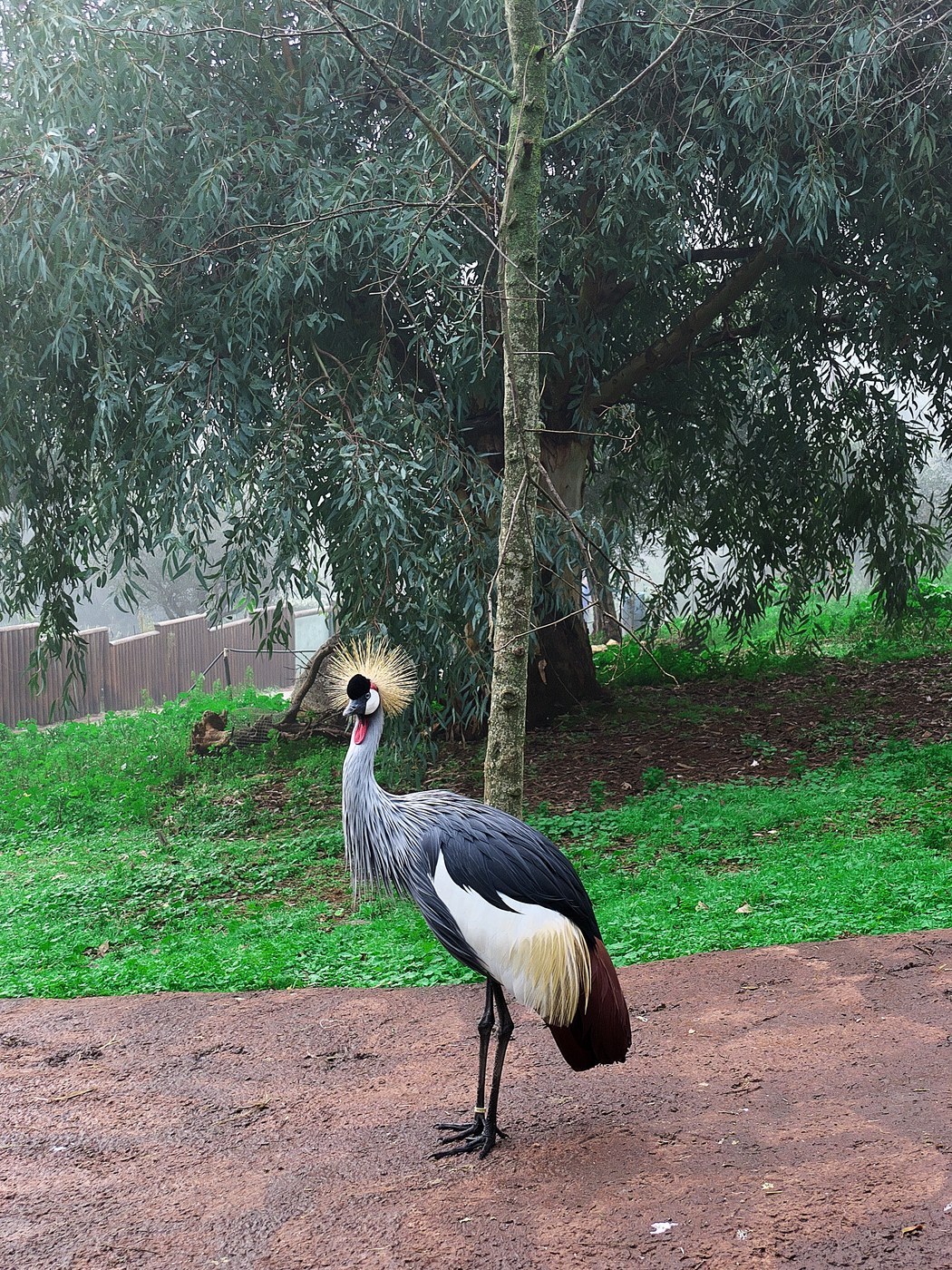
Grey Crowned Crane
Grey body feathers with white wing coverts, chestnut flight feathers, and stiff golden crown bristles
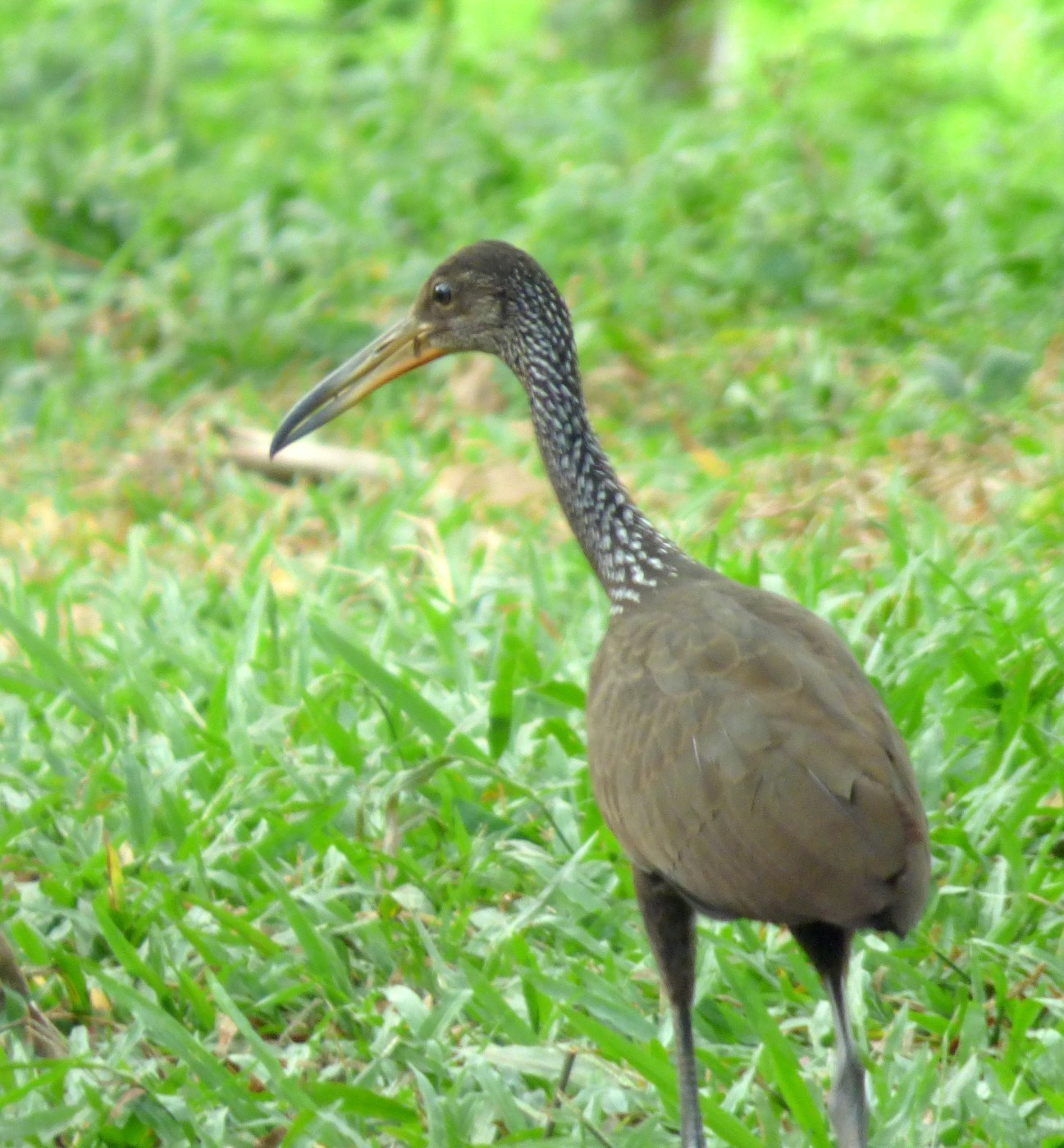
Limpkin
Brown contour feathers with white teardrop-shaped spots and streaks
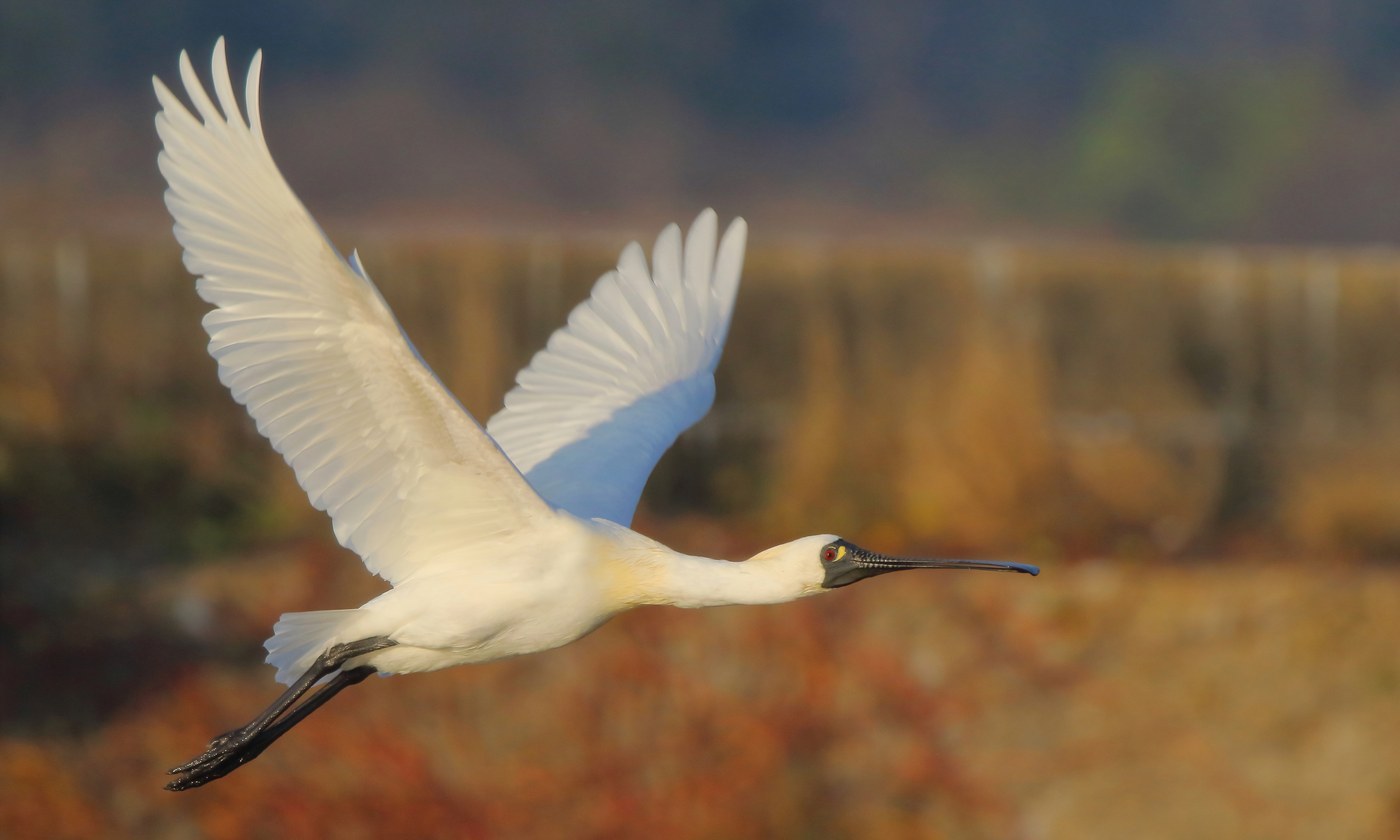
Black-faced Spoonbill
White contour and flight feathers with fine breeding crest and breast plumes
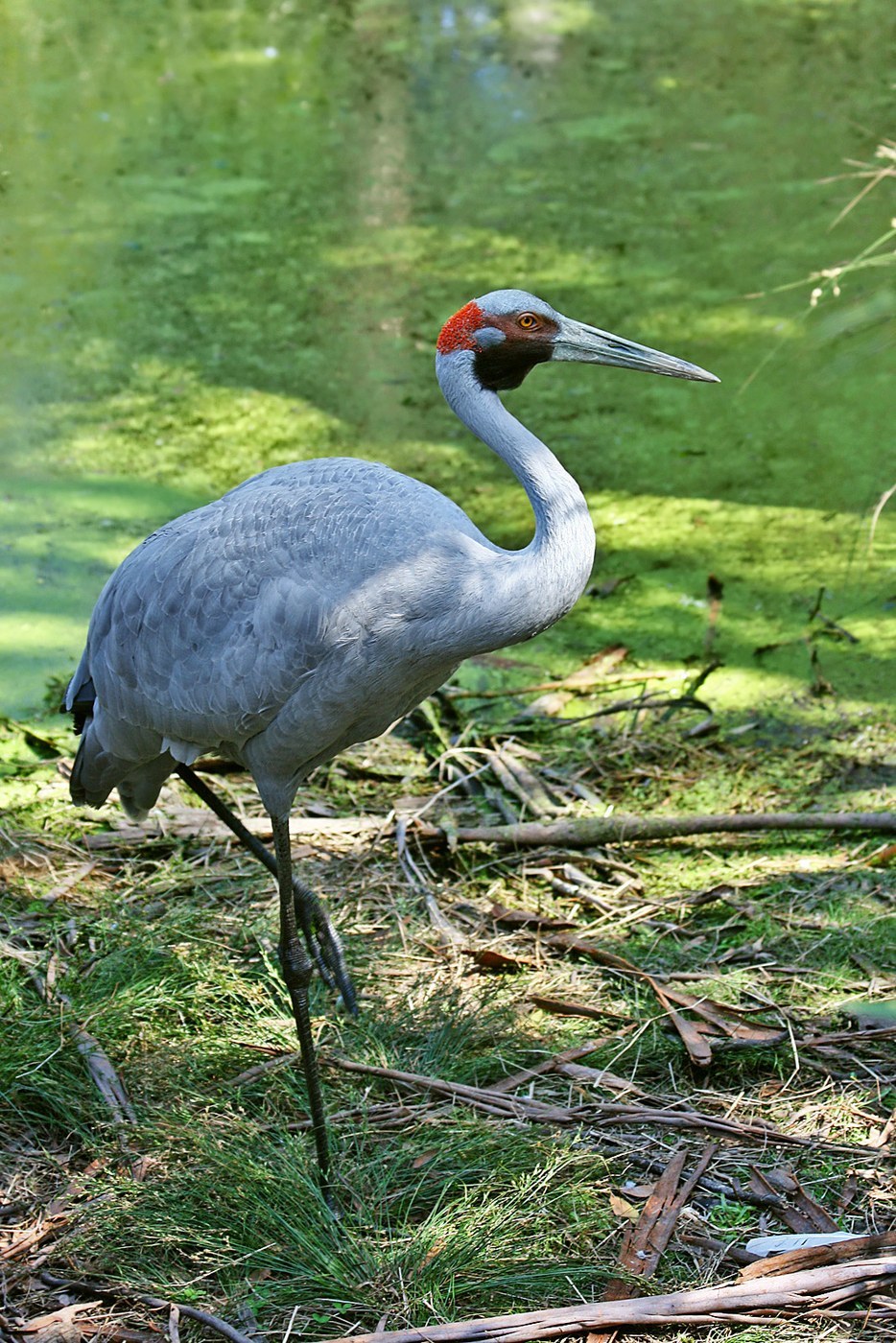
Brolga
Grey contour feathers with drooping bustle plumes
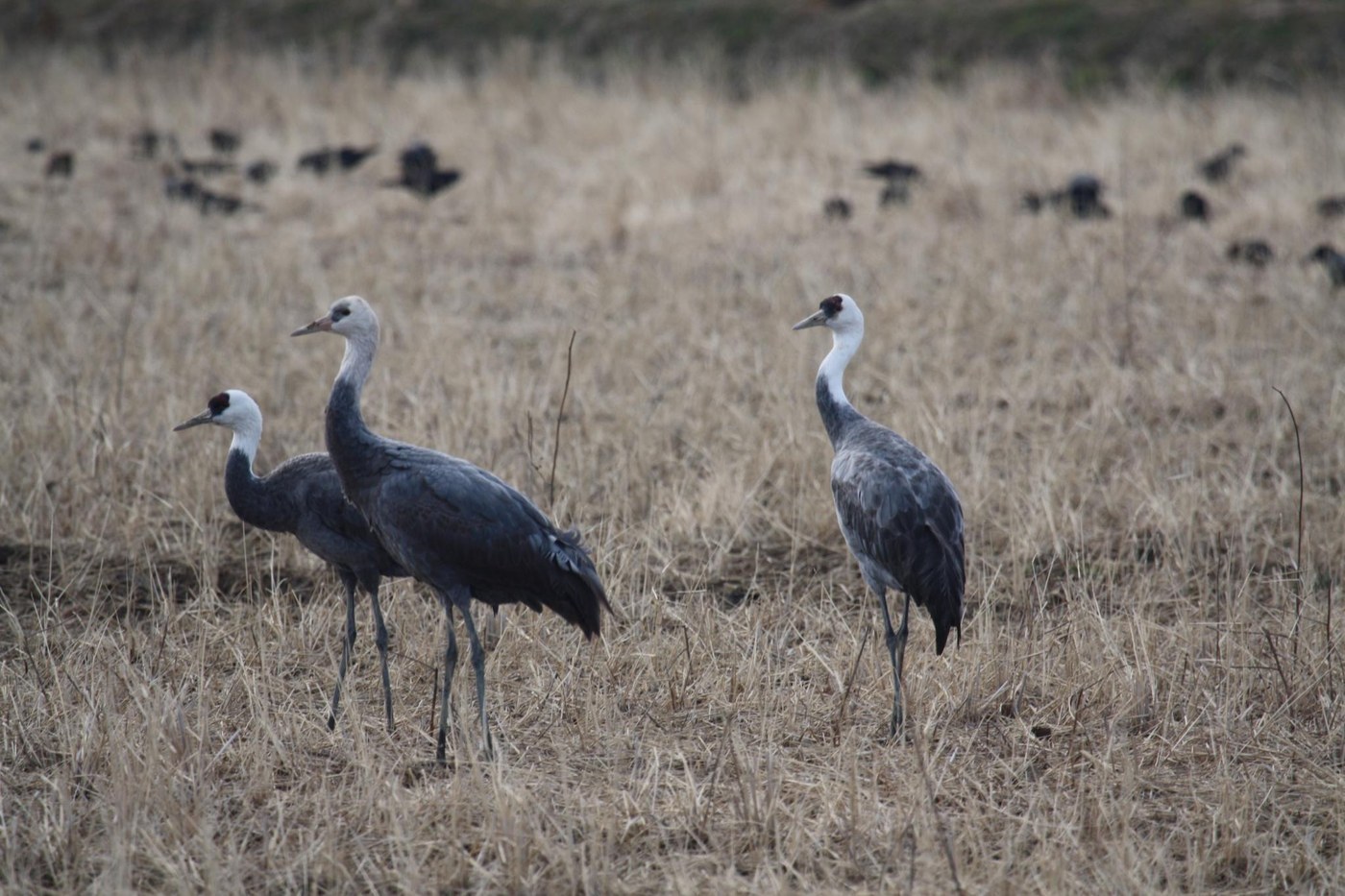
Hooded Crane
Dark slate-grey body feathers with a white head/upper neck 'hood' and black bustle plumes
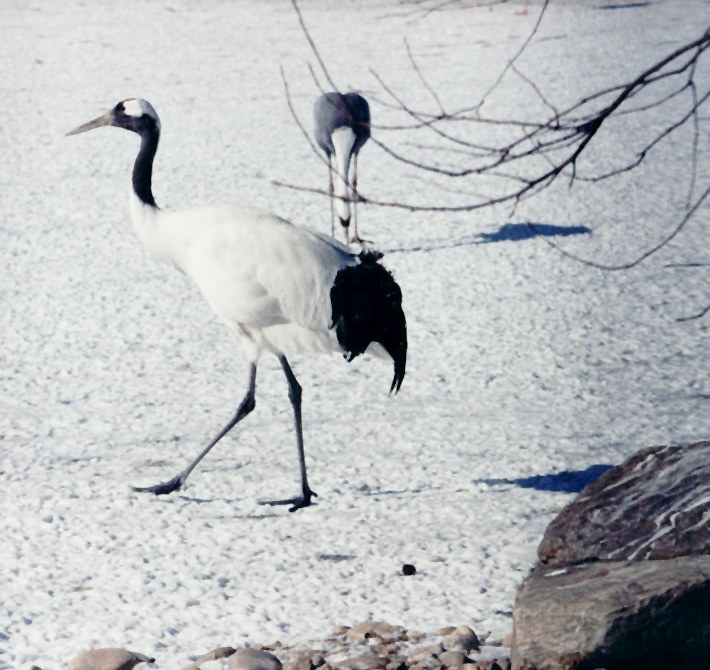
Red-crowned Crane
White contour feathers with black secondary/tertial bustle feathers and a bare red crown

Common Crane
Grey contour feathers with black head/neck feathers and drooping bustle plumes
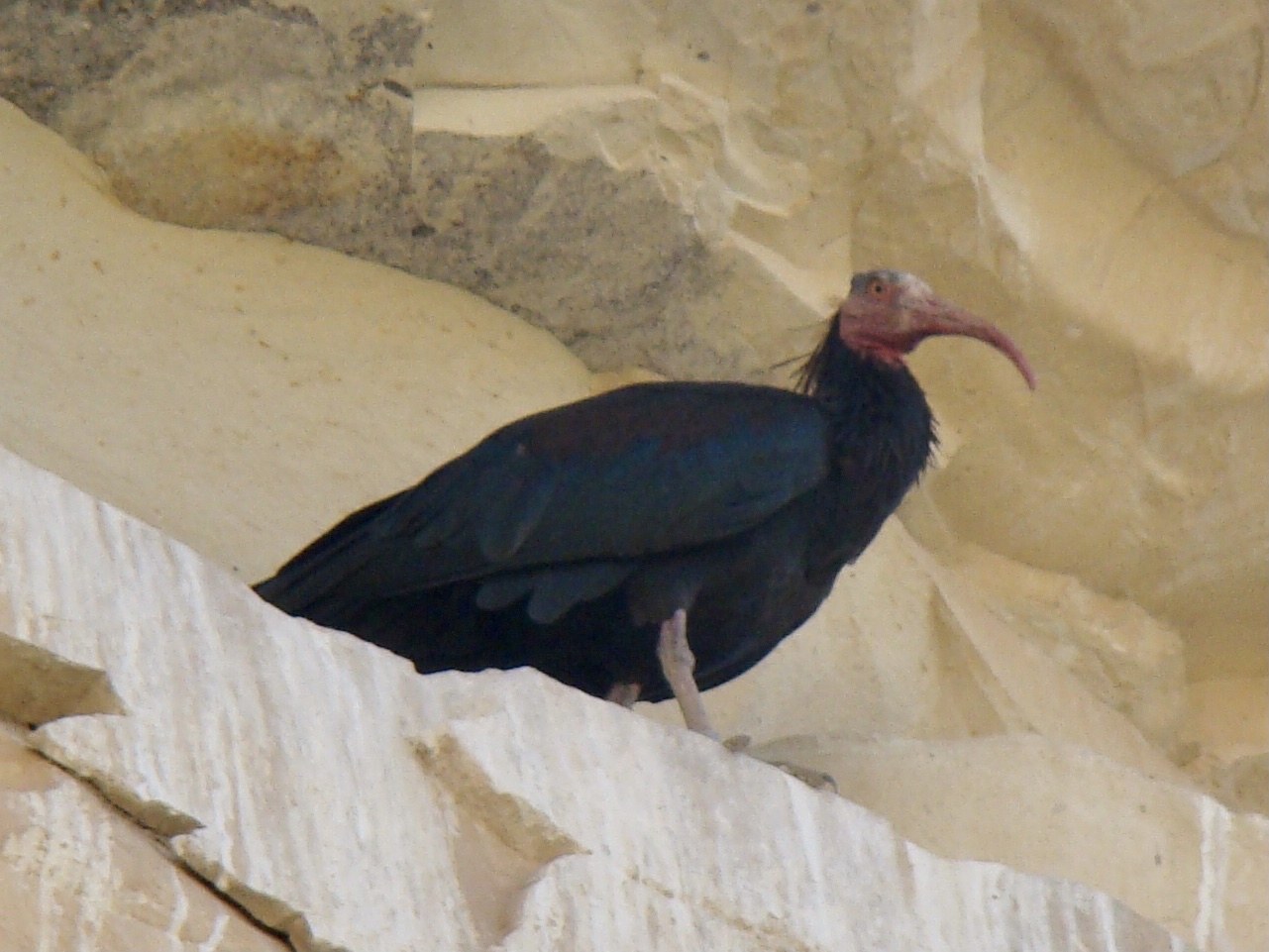
Northern Bald Ibis
Glossy black contour feathers with elongated nape plumes
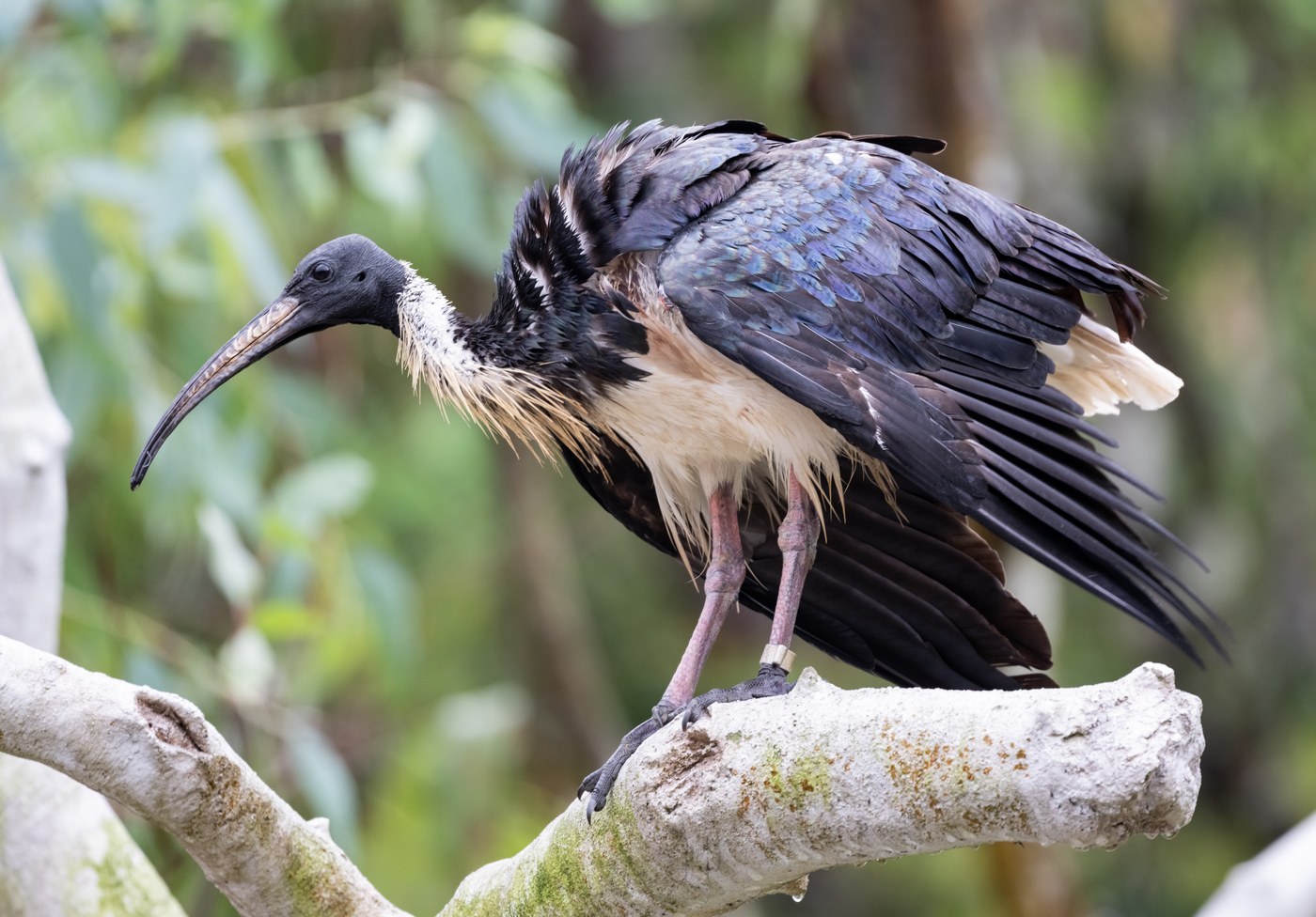
Straw-necked Ibis
Glossy contour feathers with unique straw-like neck plumes
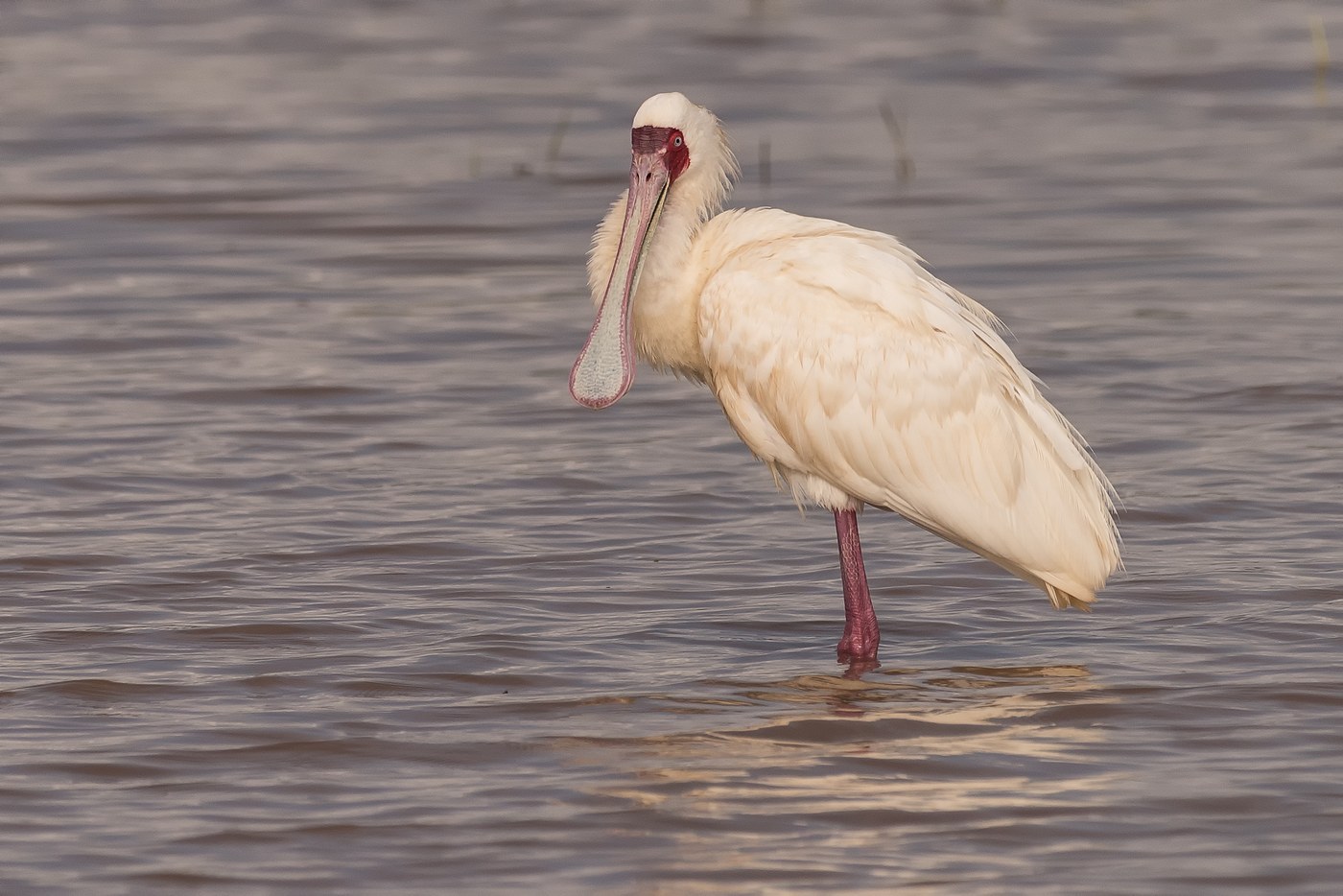
African Spoonbill
White contour and flight feathers, unmarked by black tips

Roseate Spoonbill
Pink and white contour and flight feathers with a carmine shoulder patch