

Bald Eagle
Haliaeetus leucocephalus
North America's national bird, whose pure white head and tail feathers contrasting with dark brown body plumage make the adult unmistakable, though immatures take years to acquire this pattern.
- Feather type
- Flight (primary/secondary) and tail feathers
- Colours
- Dark brown body and wing feathers with a pure white head and tail in full adults
- Bird size
- Very large raptor, ~70-100 cm, wingspan up to 2.3 m
Found a feather like this?
Identify any feather from a photo, free.
Overview
The Bald Eagle is a large fish-eating raptor found throughout North America, closely associated with coastlines, rivers, and large lakes. Its iconic white head and tail, achieved only at full maturity, have made it a widely recognized national symbol.
Identifying the Feather
Adult Bald Eagle tail feathers are entirely pure white, a feature shared with few other large raptors in the same range, combined with a solidly dark brown body and wing plumage and a white head. Flight feathers are broad, with deep notching (emargination) at the tips of the outer primaries typical of large soaring raptors, and are uniformly dark brown lacking any pale windows. Immature birds, however, show a highly variable, mottled mix of brown and white on the body, underwing, and tail that can persist for several years, often causing confusion with the similarly large Golden Eagle, whose juveniles show cleaner, more sharply defined white patches at the base of the flight and tail feathers rather than the messier mottling of a young Bald Eagle.
Plumage & Molt
Bald Eagles take about four to five years to reach the full adult plumage of white head and tail against dark brown body, progressing through several distinct immature plumages with varying amounts of white mottling in the interim. Sexes look alike, though females are notably larger. Adults undergo a slow, sequential molt of flight feathers over more than a year.
Habitat & Range
Bald Eagles are strongly tied to water, nesting and foraging along coastlines, rivers, and large lakes across most of North America. Northern populations are migratory, moving south or to open water in winter, while southern populations are largely resident year-round.
Behavior & Field Notes
Bald Eagles feed primarily on fish, caught by swooping to the water's surface, but also scavenge carrion and take waterbirds opportunistically. The call is a surprisingly high, thin chattering or piping series of notes rather than a powerful screech. Nests are massive stick structures built high in trees or on cliffs, often reused and enlarged over many years.
Frequently asked questions
How can I tell an immature Bald Eagle feather from an adult one?
Adult tail and head feathers are pure white against dark brown body plumage, while immature birds show a variable, often messy mix of brown and white until full adult plumage develops around four to five years of age.
How do I distinguish a young Bald Eagle feather from a young Golden Eagle feather?
Young Golden Eagle flight and tail feathers typically show cleaner, sharply defined white patches at the base with a crisp black terminal band, while young Bald Eagle feathers tend to show more irregular, mottled white patterning.
Why are Bald Eagle flight feathers so broad?
The broad shape with deeply notched primary tips supports slow, efficient soaring flight typical of large raptors that spend long periods gliding over water and open habitat.
Where would I likely find Bald Eagle feathers?
Near coastlines, large rivers, and lakes across North America, particularly close to nest sites or favored fishing perches.
Bald Eagle guides
In-depth guides for identifying and understanding Bald Eagle.

Bald Eagle identified by the community
Real feathers identified with Feather Identifier.


Other feathers you may enjoy

Australian Hobby
Long, narrow pointed flight feathers; slender tail feathers

California Condor
Massive flight feathers; long broad primaries; large tail feathers

Brown Falcon
Broad, rounded flight feathers; variable-toned contour feathers
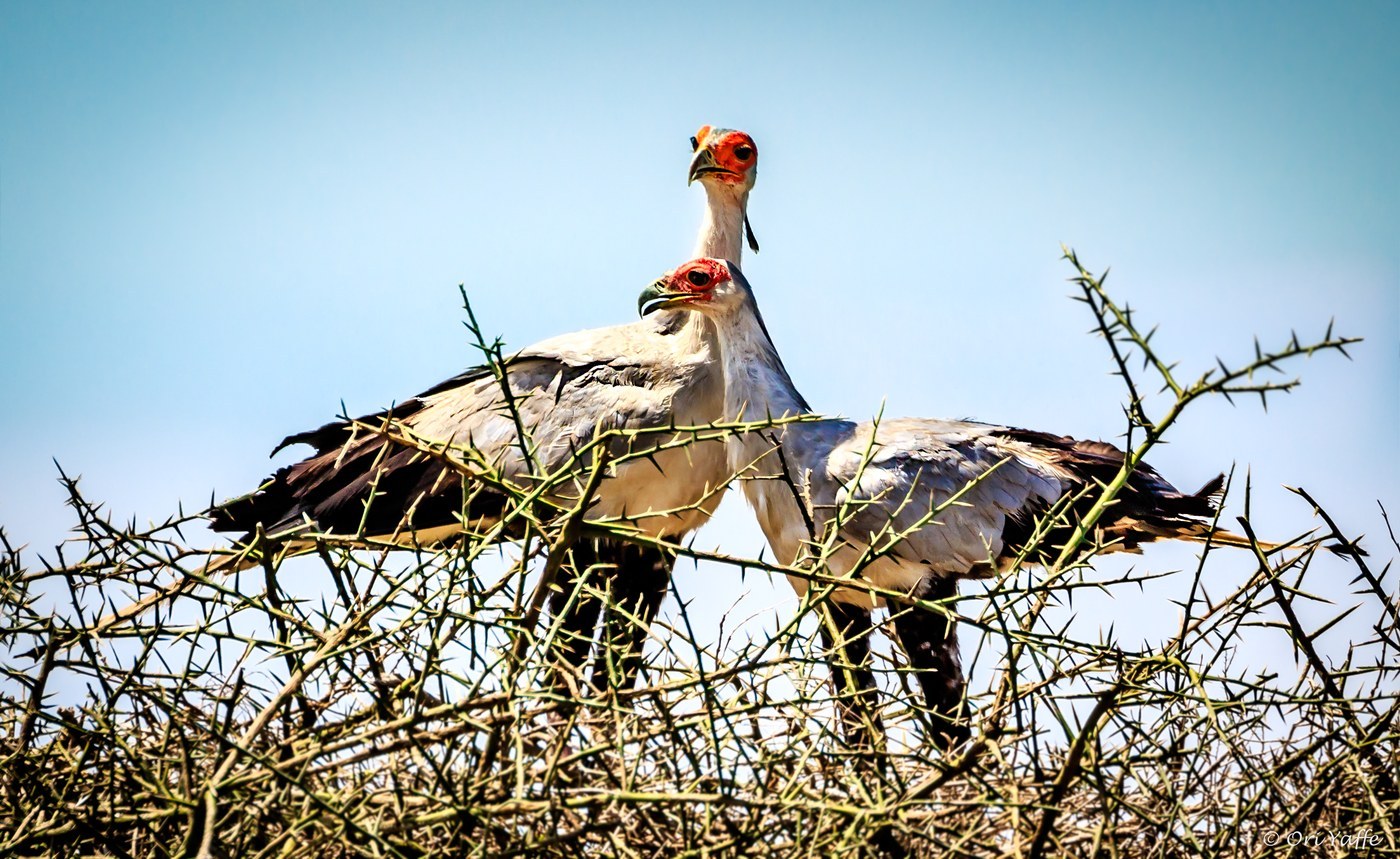
Secretarybird
Long crest feathers; broad flight feathers; elongated central tail feathers

Orange-breasted Falcon
Broad-based pointed flight feathers; bold breast and belly feathers
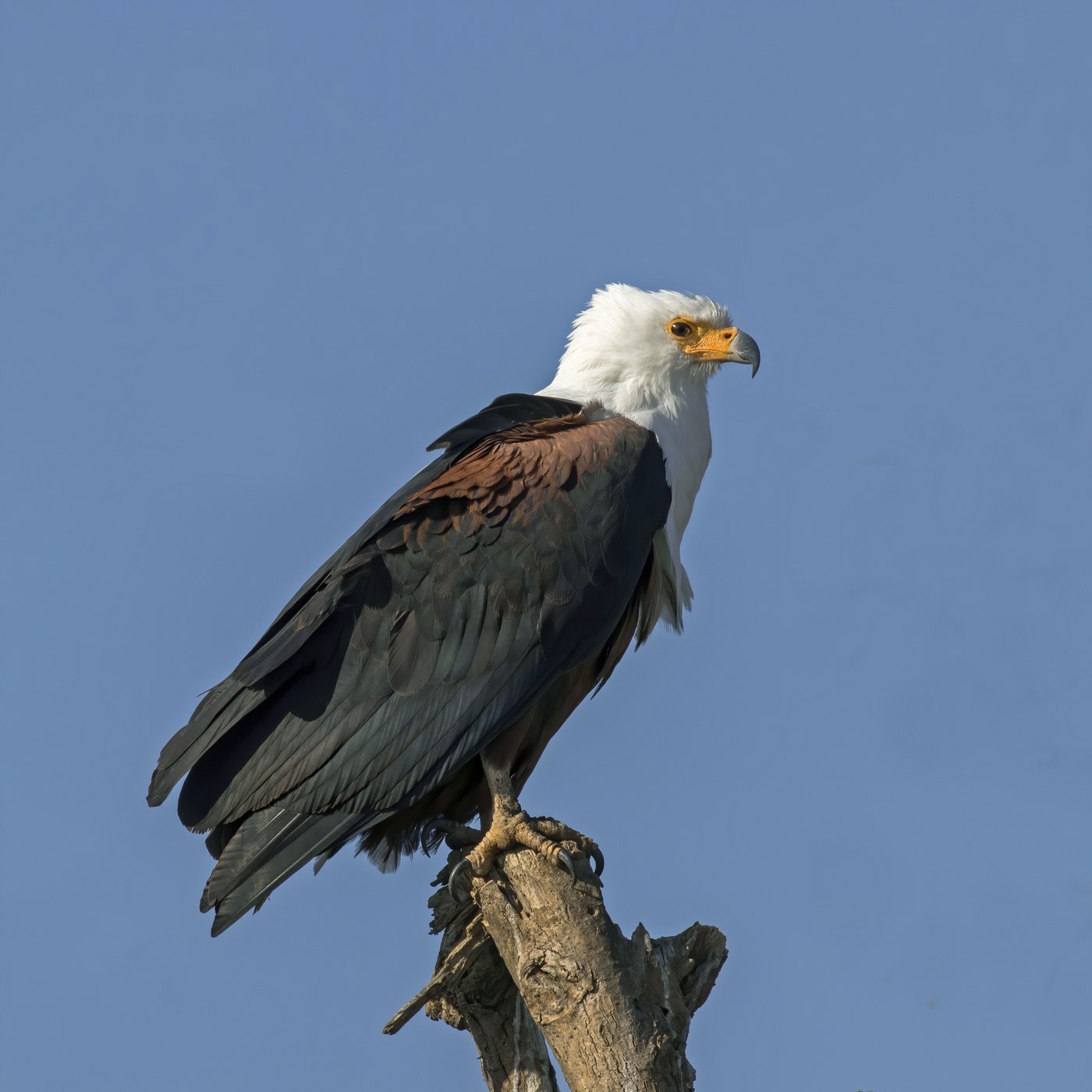
African Fish Eagle
Flight, tail, and body feathers

Amur Falcon
Slender pointed flight feathers; soft slate or orange-buff contour feathers
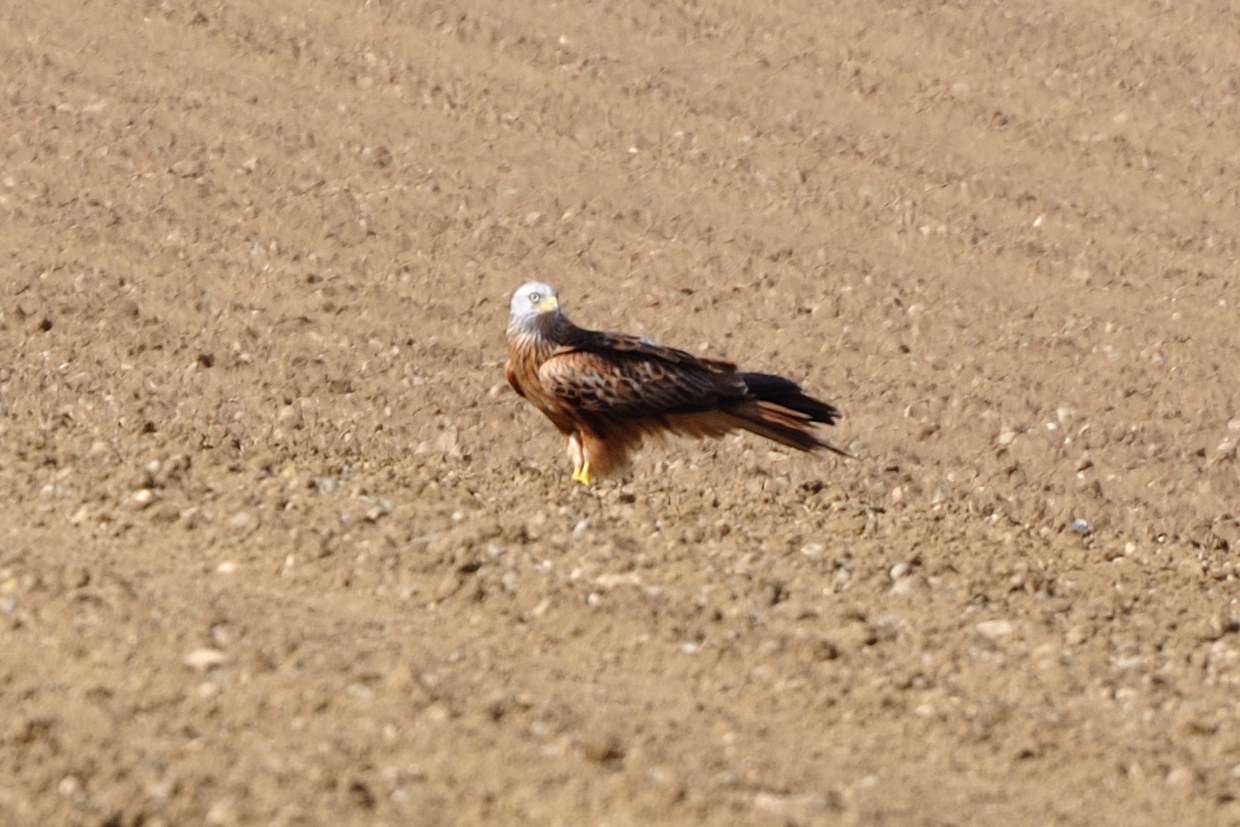
Red Kite
Flight (wing) and tail feathers
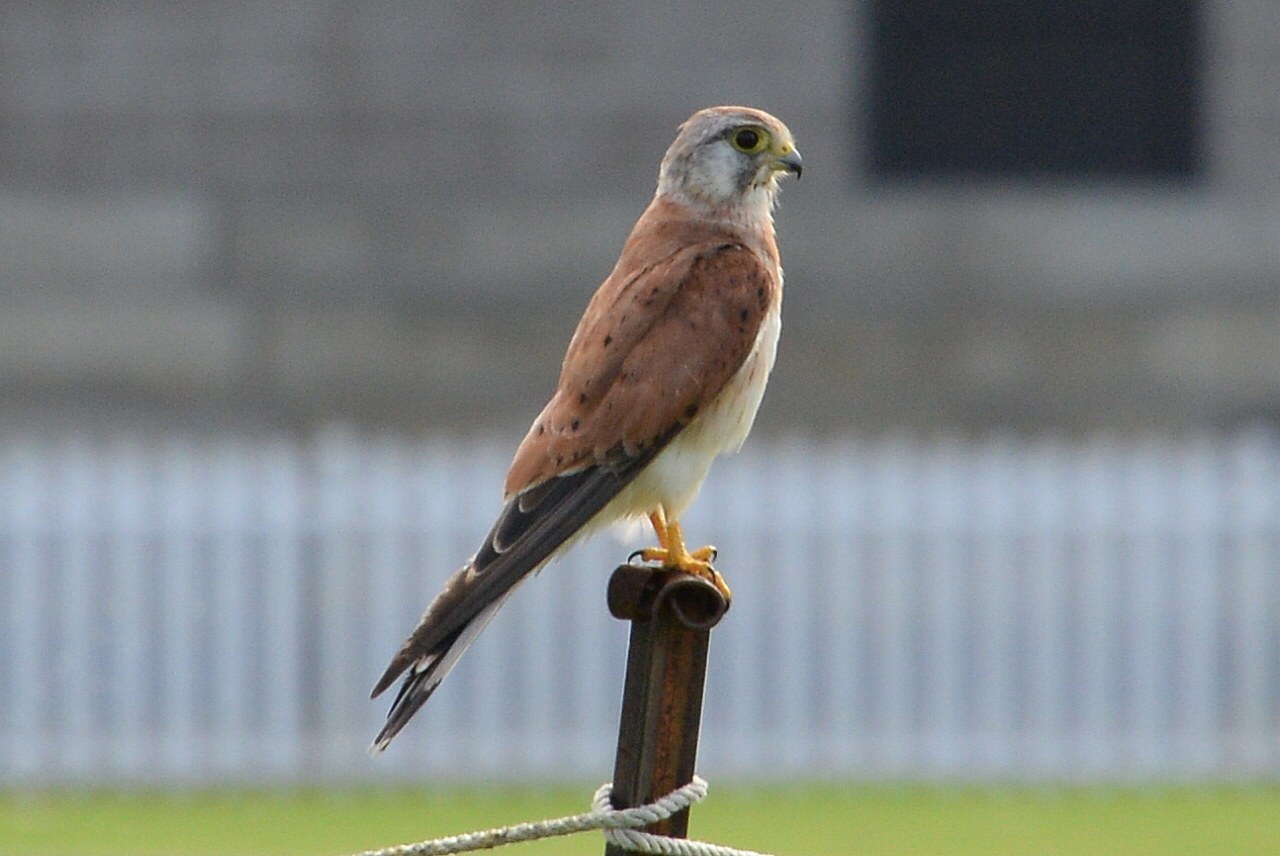
Nankeen Kestrel
Slim pointed flight feathers; lightly marked contour feathers

Andean Condor
Massive flight feathers; broad primaries and secondaries; sturdy tail feathers

Plumbeous Forest Falcon
Short rounded flight feathers; finely barred tail feathers

Sooty Falcon
Long pointed flight feathers; slim tail feathers