

Barred Forest Falcon
Micrastur ruficollis
A secretive Neotropical raptor of the forest understory, known for its loud repeated dawn calls and short, rounded wings built for chasing prey through dense vegetation.
- Feather type
- Short rounded flight feathers; long barred tail feathers
- Colours
- Slate-grey to brown above, fine white barring below with dark shaft streaks
- Bird size
- Crow-sized, ~30-38 cm
Found a feather like this?
Identify any feather from a photo, free.
Overview
The Barred Forest Falcon is a stealthy, forest-dwelling raptor found from Mexico south through much of tropical South America. Despite the name it is not a true falcon behaviorally - it hunts by ambush from low perches inside dense understory rather than open-air pursuit.
It is heard far more often than seen, giving a rhythmic, far-carrying "gow-gow-gow" song at dawn and dusk. Two color morphs exist, grey and rufous-brown, both showing fine pale barring below.
Because it lives its whole life inside closed-canopy forest, its short wings and long tail are the key feather clues - built for tight turns, not speed.
Identifying the Feather
Recognizing the feathers
- Flight feathers are short, broad, and strongly rounded at the tip - an adaptation for maneuvering between trunks and vines rather than fast open flight.
- Tail feathers are long relative to the wing, boldly barred with alternating dark and pale bands, aiding balance in dense cover.
- Body feathers show fine, even barring on a whitish to buffy ground color, with darker grey-brown upperside feathers.
- Shafts are pale on underside feathers, dark on upperside feathers.
Similar species
- Very similar to Lined and Cryptic Forest-Falcons; barring on Barred Forest Falcon tends to be slightly bolder and more widely spaced than the finer barring of Lined Forest Falcon.
- Differs from open-country falcons (e.g., kestrels) by proportionally shorter, more rounded wingtips rather than pointed ones.
Plumage & Molt
Plumage
Adults occur in two morphs: a grey morph with slate-grey upperparts and fine blackish barring on white underparts, and a rarer rufous-brown morph. Bare facial skin and legs are yellow-orange, contrasting with the barred body plumage.
Juveniles are browner overall with more diffuse, buffier barring below and duller bare parts.
Molt is gradual and not tightly seasonal in this tropical resident, occurring over an extended period rather than a single sharp molt window.
Habitat & Range
Habitat & range
Found from northern Mexico through Central America and much of tropical South America, including the Amazon basin, in humid lowland and foothill forest, forest edge, and secondary growth.
It is a year-round resident throughout its range, not undertaking long migrations, though local movements in response to food availability are possible.
Behavior & Field Notes
Behavior & field notes
Hunts by sitting quietly on a low to mid-level perch, watching for lizards, small birds, and large insects, then dashing out in a short pursuit through tangled vegetation.
Its voice - a loud, evenly paced series of barking notes - is the most reliable way to detect its presence in the field, since the bird itself stays hidden in foliage.
Nests in tree cavities or old stick nests of other birds. A short, barred body feather or a rounded flight feather found on the forest floor is a strong clue this species, or one of its close relatives, has been in the area.
Frequently asked questions
How can I tell a Barred Forest Falcon feather from a hawk's?
Forest-falcon flight feathers are shorter and more rounded at the tip than most forest hawks, reflecting a life spent maneuvering through dense understory rather than soaring.
What color are the tail feathers?
Long, with clear alternating dark and pale bands running across the width of each feather.
Is this bird easy to see in the wild?
Rarely - it is detected mainly by its loud, repetitive vocalizations rather than by sight.
Does it have distinct male/female plumage?
Sexes look alike in plumage pattern, though females average larger, as in most raptors.
Barred Forest Falcon guides
In-depth guides for identifying and understanding Barred Forest Falcon.

Other feathers you may enjoy

Australian Hobby
Long, narrow pointed flight feathers; slender tail feathers

California Condor
Massive flight feathers; long broad primaries; large tail feathers

Brown Falcon
Broad, rounded flight feathers; variable-toned contour feathers
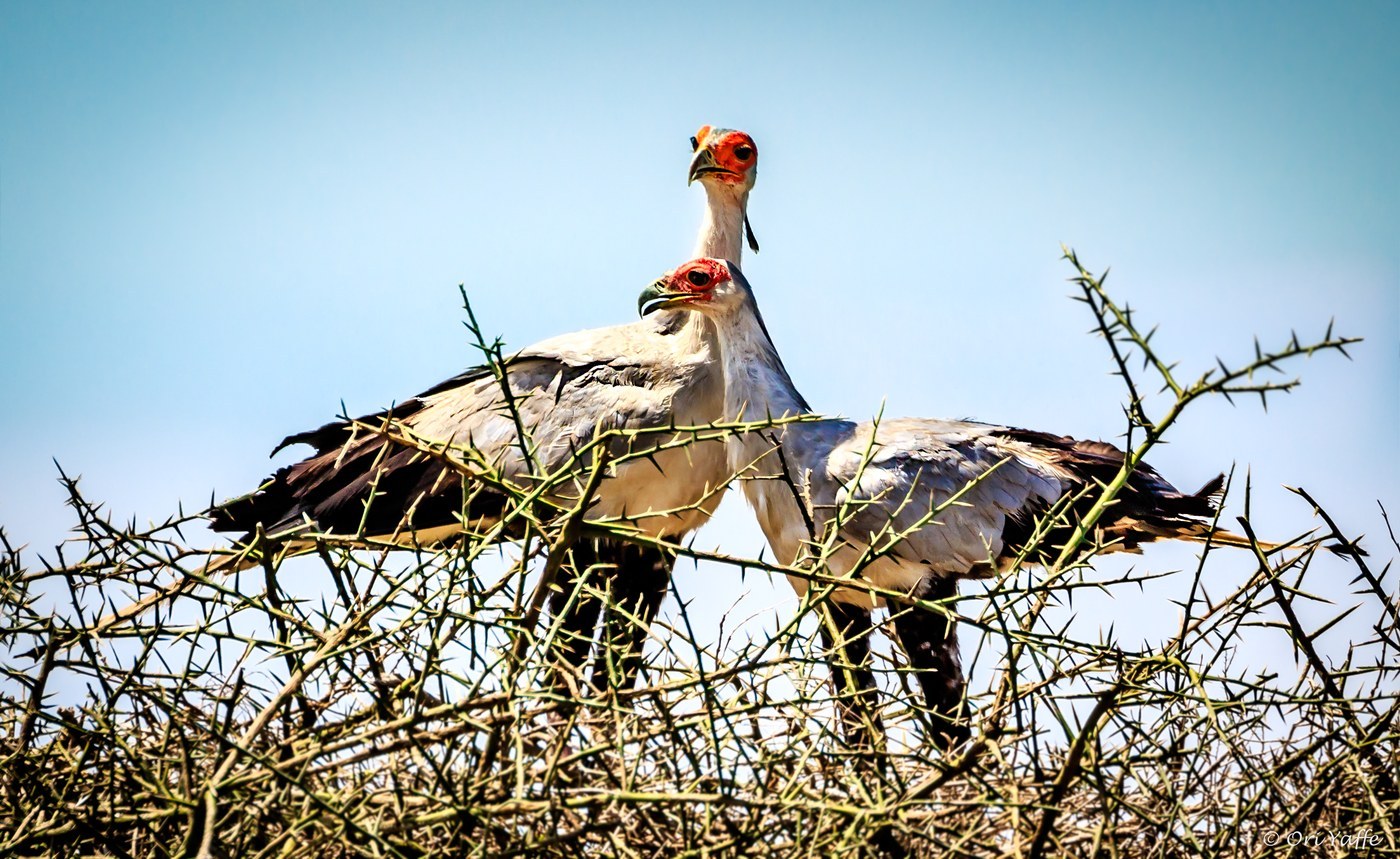
Secretarybird
Long crest feathers; broad flight feathers; elongated central tail feathers

Orange-breasted Falcon
Broad-based pointed flight feathers; bold breast and belly feathers
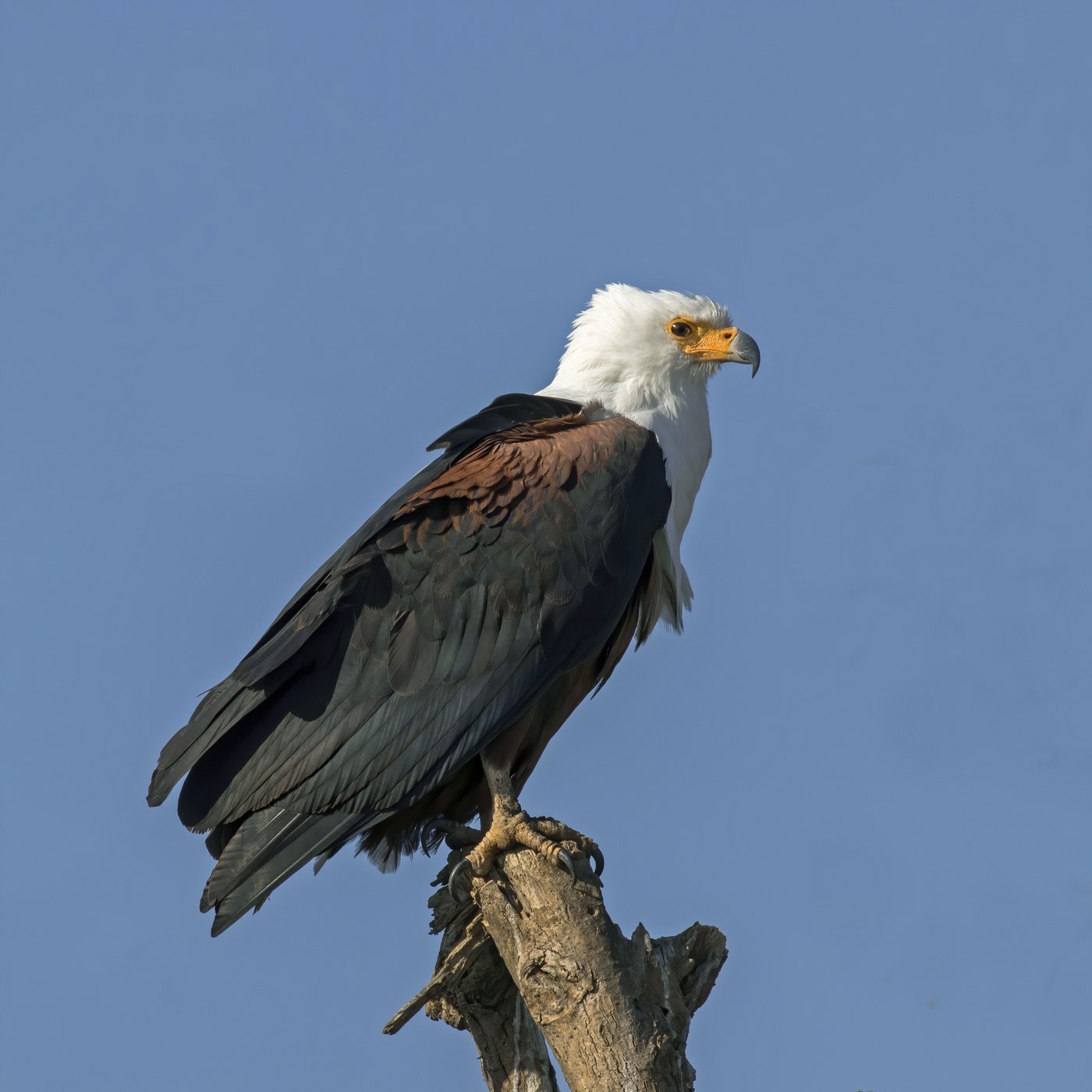
African Fish Eagle
Flight, tail, and body feathers

Amur Falcon
Slender pointed flight feathers; soft slate or orange-buff contour feathers
Red Kite
Flight (wing) and tail feathers
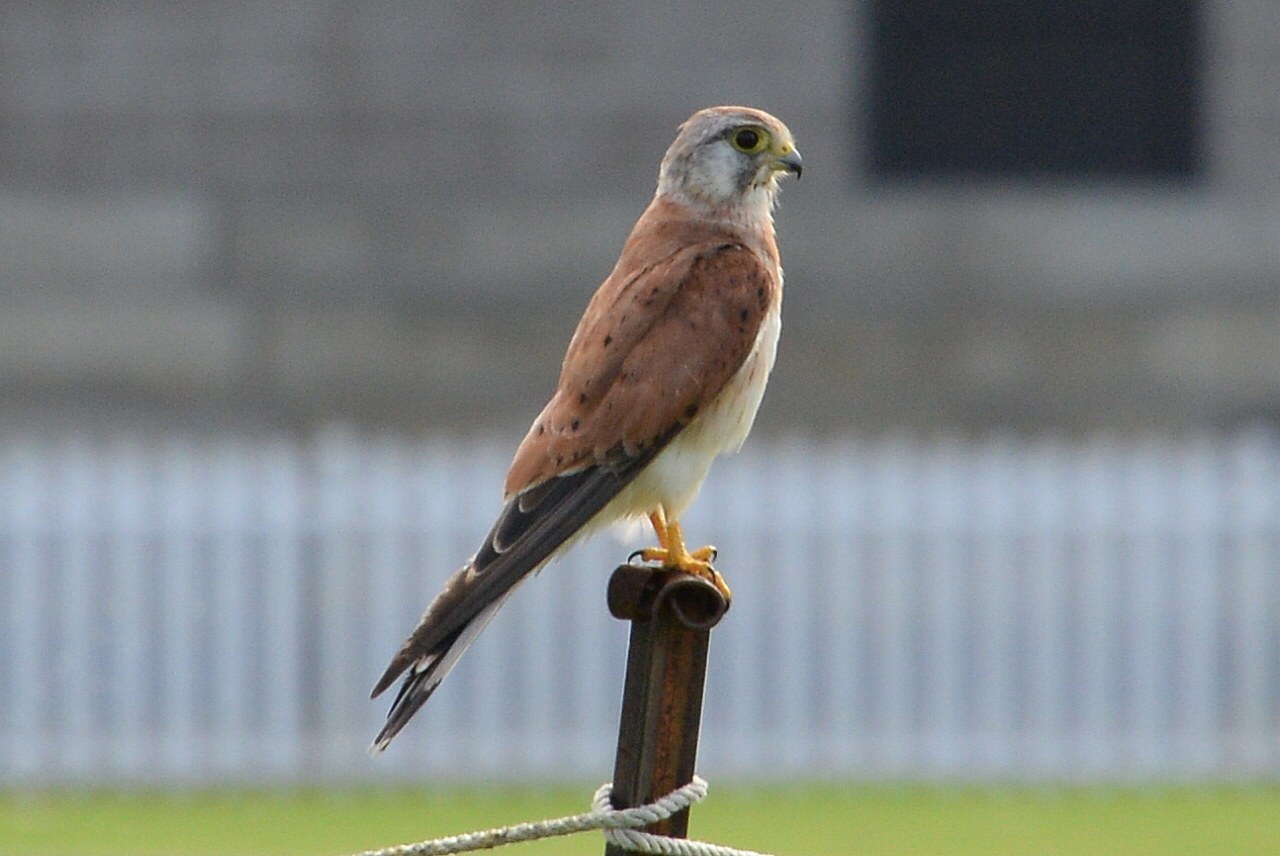
Nankeen Kestrel
Slim pointed flight feathers; lightly marked contour feathers

Andean Condor
Massive flight feathers; broad primaries and secondaries; sturdy tail feathers

Plumbeous Forest Falcon
Short rounded flight feathers; finely barred tail feathers

Sooty Falcon
Long pointed flight feathers; slim tail feathers