

Black-and-chestnut Eagle
Spizaetus isidori
A rare and powerful Andean raptor with a blackish head and upperparts contrasting sharply against rich chestnut underparts, found in high-elevation cloud forest.
- Feather type
- Broad rounded wing feathers; long banded tail feathers; short crest
- Colours
- Blackish head and upperparts with rich chestnut underparts
- Bird size
- Large raptor, ~63-74 cm
Found a feather like this?
Identify any feather from a photo, free.
Overview
The Black-and-chestnut Eagle is a large, powerful raptor restricted to high-elevation montane forest along the Andes mountain range in South America. Its striking two-tone plumage, combining blackish upperparts with deep chestnut underparts, makes it one of the more visually dramatic raptors of its high-altitude habitat.
Rare and elusive across a naturally patchy range, this species depends on large tracts of intact Andean forest, and it is considered one of the more threatened large raptors in South America due to habitat loss.
Identifying the Feather
- Head and upperparts are blackish overall, including a short crest on the crown
- Underparts are rich chestnut, extending across the breast, belly, and thighs, a solid color rather than barred
- Tail is long, blackish with pale gray bands, visible in flight and at rest
- Wings are broad and rounded, suited to soaring and maneuvering above steep Andean forest terrain
- Distinguished from the Ornate Hawk-Eagle by the blackish (rather than rufous) head and by solid chestnut (rather than barred black-and-white) underparts
Plumage & Molt
Adults show the blackish head and upperparts paired with solid chestnut underparts described above, with females larger than males but similar in plumage, as typical for raptors. Juveniles differ substantially, appearing paler overall with a whitish head and underparts showing only a wash of buff, gradually darkening and developing the chestnut tones through successive molts over several years to reach adult plumage. There is no seasonal plumage variation in adults.
Habitat & Range
This species is restricted to high-elevation montane and cloud forest along the Andes, from Colombia and Venezuela south through Ecuador, Peru, Bolivia, and into northern Argentina, typically at higher elevations than many other Neotropical eagles. It is resident and non-migratory, generally remaining within large forested territories, and its populations are naturally sparse and patchily distributed.
Behavior & Field Notes
Black-and-chestnut Eagles hunt medium-sized mammals and birds, using powerful flight to surprise prey along forest edges and ridgelines. Nests are large stick platforms built high in tall trees, often used across multiple breeding attempts. The species gives loud, far-carrying calls during territorial and courtship displays, and pairs are known to perform soaring display flights above the forest canopy.
Frequently asked questions
What does a Black-and-chestnut Eagle feather look like?
Head and upperpart feathers are blackish, including a short crest, while underpart feathers are a solid rich chestnut rather than barred, with a long blackish tail showing pale gray bands.
How is the Black-and-chestnut Eagle different from the Ornate Hawk-Eagle?
It has a blackish head rather than rufous head sides, and solid chestnut underparts rather than black-and-white barring.
Where does the Black-and-chestnut Eagle live?
It inhabits high-elevation montane and cloud forest along the Andes from Colombia and Venezuela south to Argentina.
Is the Black-and-chestnut Eagle rare?
Yes, it is considered one of the more threatened large raptors in South America due to its naturally sparse distribution and ongoing habitat loss.
Black-and-chestnut Eagle guides
In-depth guides for identifying and understanding Black-and-chestnut Eagle.

Other feathers you may enjoy

Australian Hobby
Long, narrow pointed flight feathers; slender tail feathers

California Condor
Massive flight feathers; long broad primaries; large tail feathers

Brown Falcon
Broad, rounded flight feathers; variable-toned contour feathers
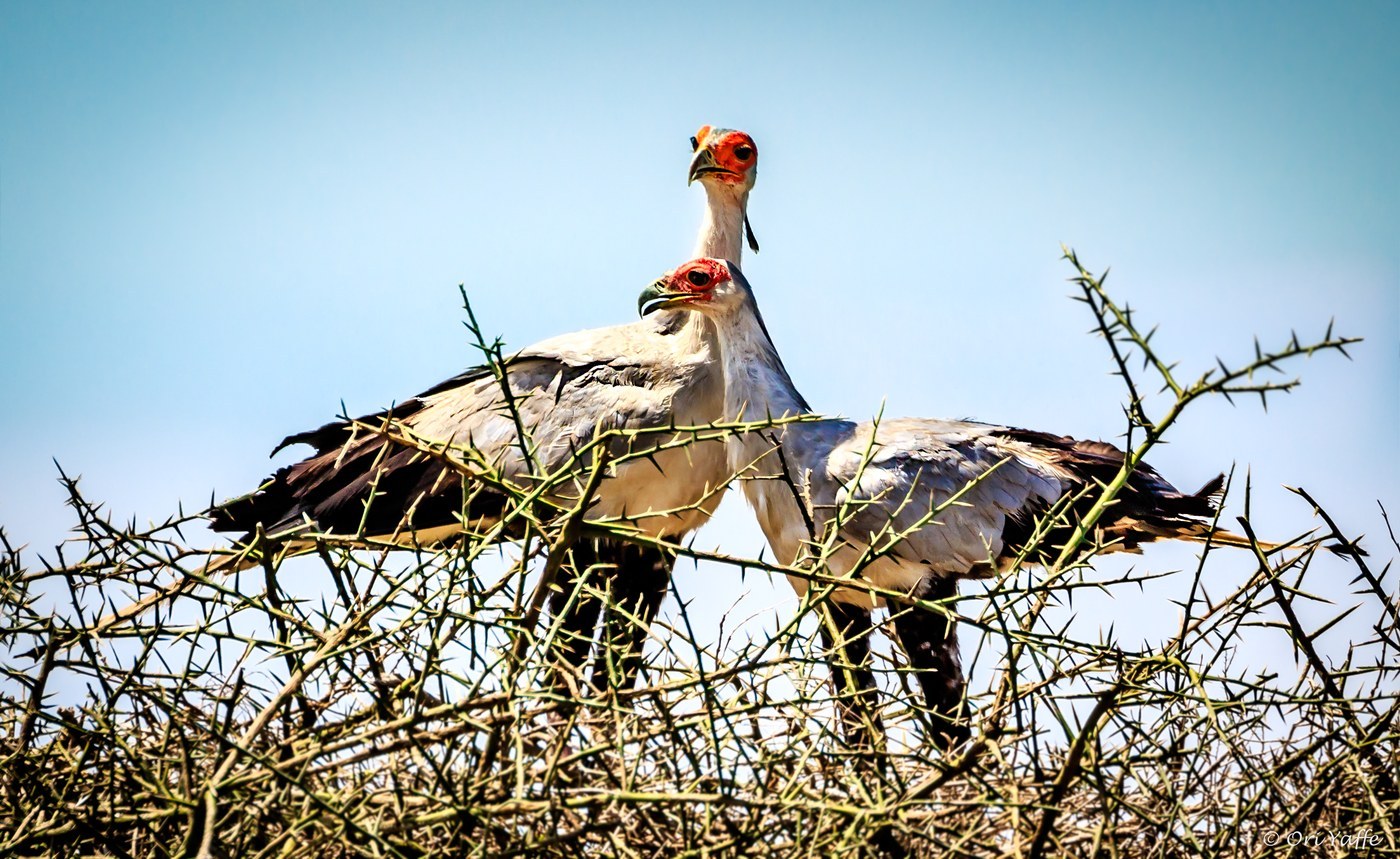
Secretarybird
Long crest feathers; broad flight feathers; elongated central tail feathers

Orange-breasted Falcon
Broad-based pointed flight feathers; bold breast and belly feathers
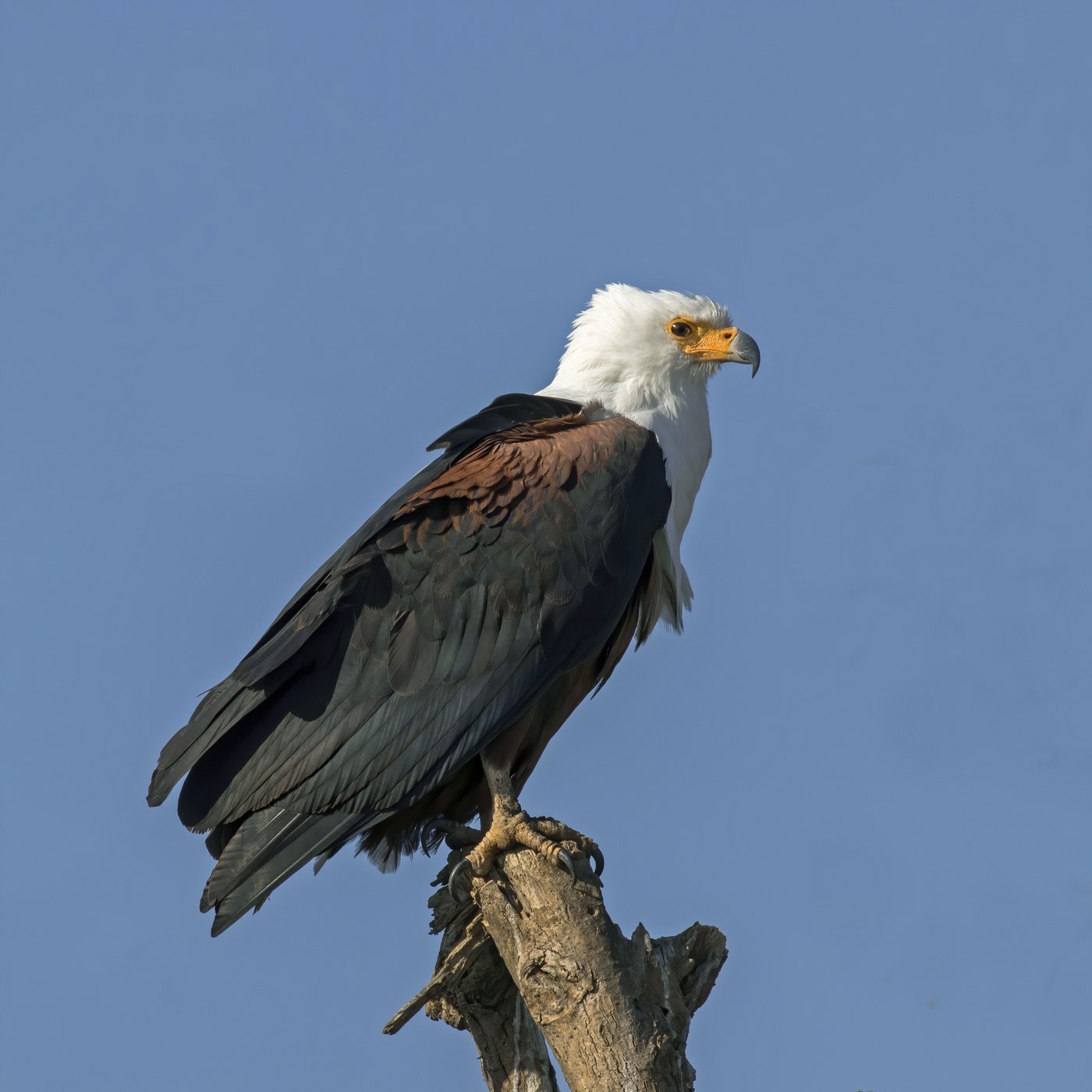
African Fish Eagle
Flight, tail, and body feathers

Amur Falcon
Slender pointed flight feathers; soft slate or orange-buff contour feathers
Red Kite
Flight (wing) and tail feathers
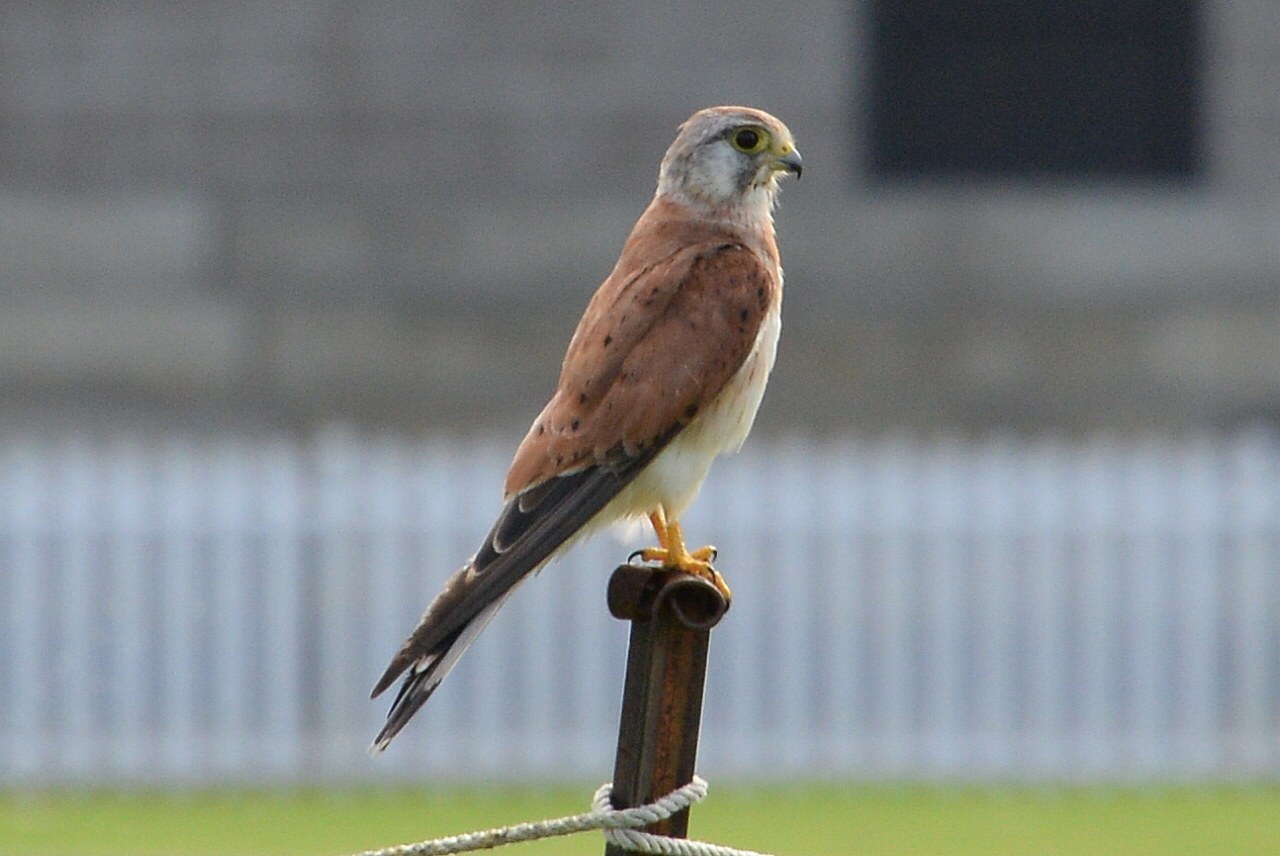
Nankeen Kestrel
Slim pointed flight feathers; lightly marked contour feathers

Andean Condor
Massive flight feathers; broad primaries and secondaries; sturdy tail feathers

Plumbeous Forest Falcon
Short rounded flight feathers; finely barred tail feathers

Sooty Falcon
Long pointed flight feathers; slim tail feathers