
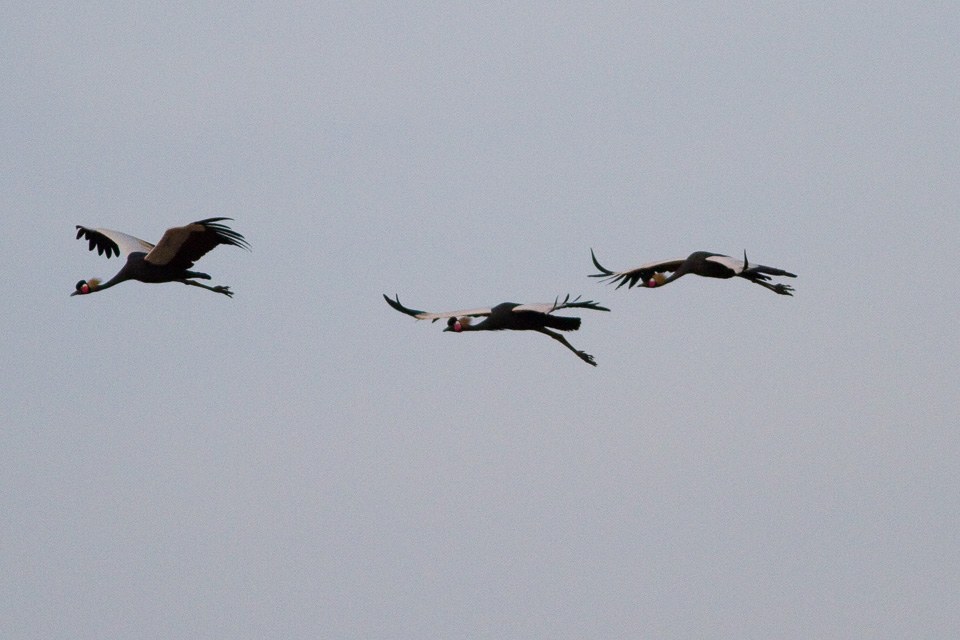
Black Crowned Crane
Balearica pavonina
A West and Central African crane closely related to the Grey Crowned Crane, distinguished by darker neck feathering and the same striking golden crest and boldly patterned wings.
- Feather type
- Dark grey-black body feathers with white wing coverts, chestnut flight feathers, and stiff golden crown bristles
- Colours
- Dark grey-black neck and body, white wing patch, chestnut flight feathers, and a golden crest
- Bird size
- Large crane, ~100-105 cm tall
Found a feather like this?
Identify any feather from a photo, free.
Overview
The Black Crowned Crane occupies wetlands and savanna across West and Central Africa's Sahel region, where it fills a similar ecological role to its close relative, the Grey Crowned Crane, found further east and south. The two species share the same striking crown of stiff golden bristle feathers, red facial patch, and bold white-and-chestnut wing pattern, but the Black Crowned Crane shows darker, more blackish feathering on the neck and upper body.
Identifying the Feather
- Wing covert feathers are white, forming a bold patch on the folded wing and in flight, similar to the Grey Crowned Crane.
- Flight feathers are chestnut to reddish-brown, contrasting with the white coverts.
- Neck and upper body feathers are darker grey-black, distinguishing this species from the paler grey neck of the Grey Crowned Crane.
- Crown feathers are stiff, wiry, golden-yellow bristles forming an erect crest, structurally identical to those of the Grey Crowned Crane.
- Distinguish from the Grey Crowned Crane primarily by the darker, more blackish tone of the neck and upper body feathers and by West/Central African range.
Plumage & Molt
Adults have a dark grey to blackish neck and body, white wing coverts, chestnut flight feathers, a stiff golden crest, and a bare red-and-white cheek patch. Sexes look alike. Juveniles are duller and browner overall, with a smaller, less developed crest, gradually acquiring the full adult pattern over their first couple of years. Molt is not sharply seasonal given the species' largely resident habits across its tropical range.
Habitat & Range
Black Crowned Cranes are found across the Sahel belt of West and Central Africa, inhabiting wetlands, floodplains, and adjacent savanna. Most populations are resident, with local movements tied to seasonal flooding and rainfall patterns rather than long-distance migration; like its close relative, it regularly roosts in trees.
Behavior & Field Notes
This crane forages on the ground and in shallow wetlands for a varied diet of seeds, grains, insects, and small invertebrates. It nests on the ground in wetland vegetation, laying a small clutch. Its call is a resonant honking sound produced with the aid of an inflatable red throat wattle, similar to the Grey Crowned Crane. Elaborate dancing and jumping displays occur in courtship, and the species' habit of roosting in trees distinguishes its behavior from most other cranes.
Frequently asked questions
How can you identify a Black Crowned Crane feather?
Look for white wing coverts, chestnut flight feathers, darker grey-black neck feathers, and, if present, the stiff golden crown bristles shared with the Grey Crowned Crane.
How is this species different from the Grey Crowned Crane?
It has darker, more blackish neck and body feathering and occurs in West and Central Africa rather than East and Southern Africa.
Does the Black Crowned Crane roost in trees?
Yes, like the Grey Crowned Crane, it regularly roosts in trees, unusual behavior among cranes.
Is the Black Crowned Crane migratory?
It is mostly resident, with local movements tied to seasonal flooding rather than long-distance migration.
Black Crowned Crane guides
In-depth guides for identifying and understanding Black Crowned Crane.
Other feathers you may enjoy

Yellow-billed Spoonbill
White contour and flight feathers with fine breeding plumes on the back and breast
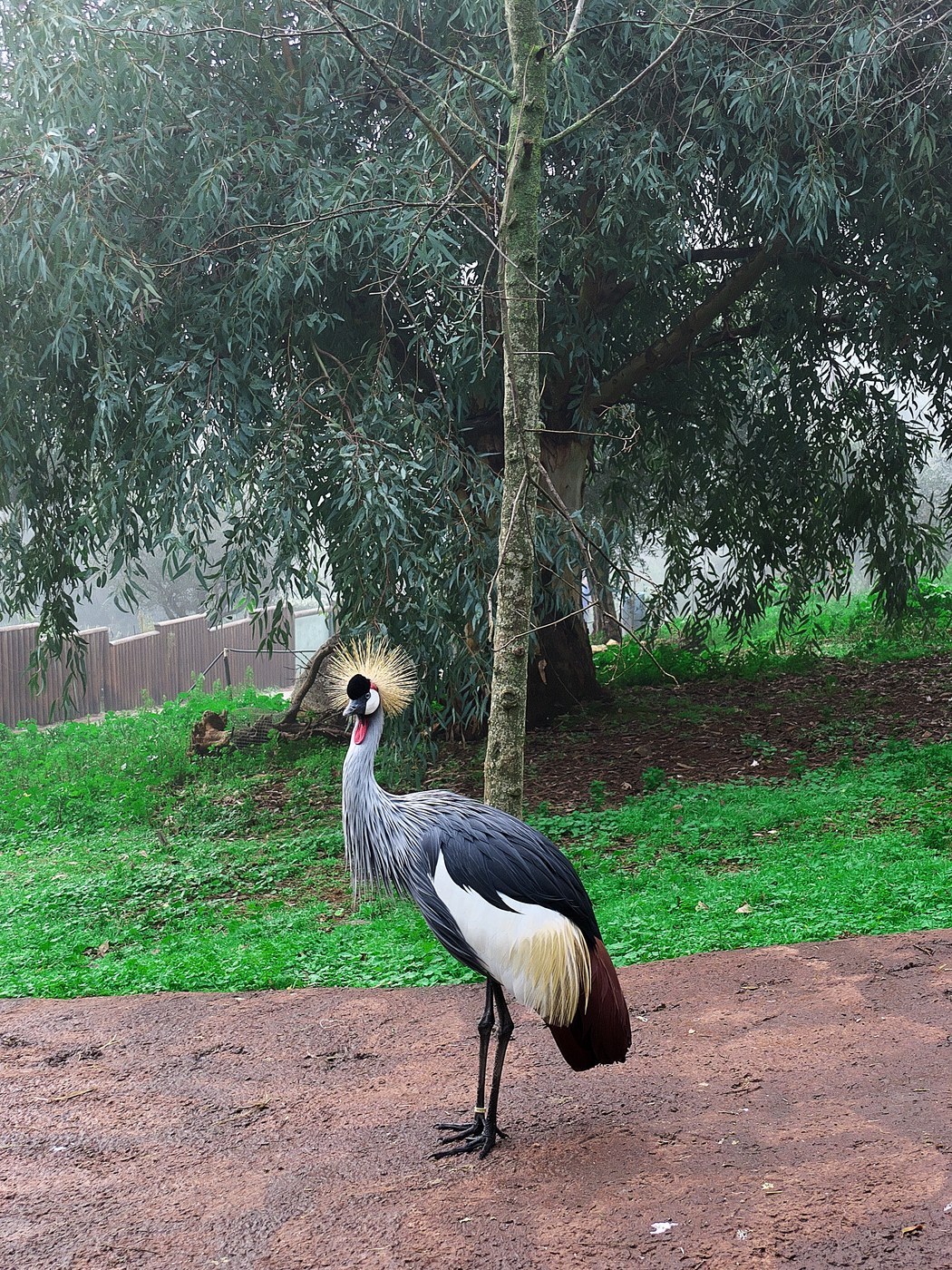
Grey Crowned Crane
Grey body feathers with white wing coverts, chestnut flight feathers, and stiff golden crown bristles
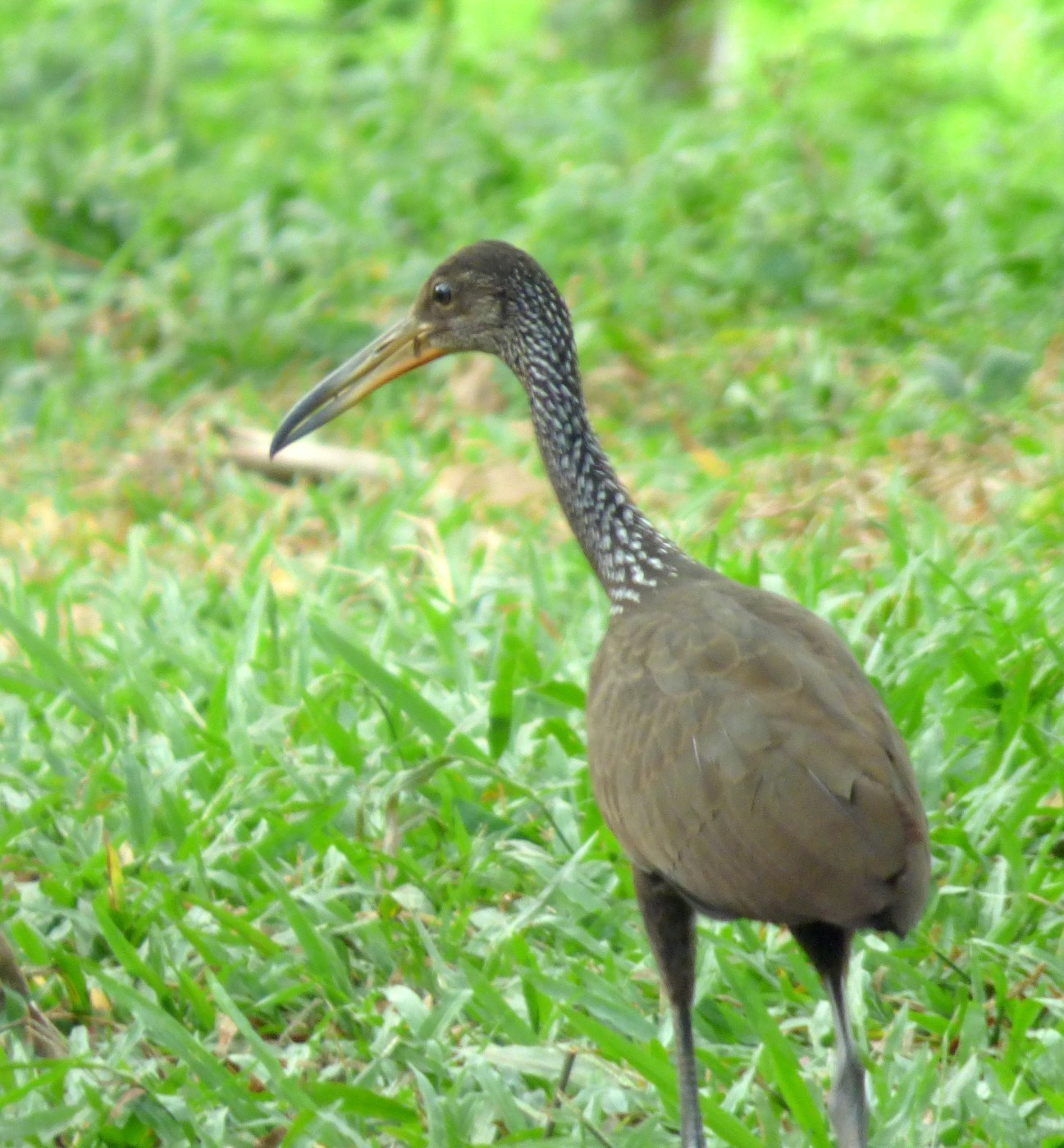
Limpkin
Brown contour feathers with white teardrop-shaped spots and streaks
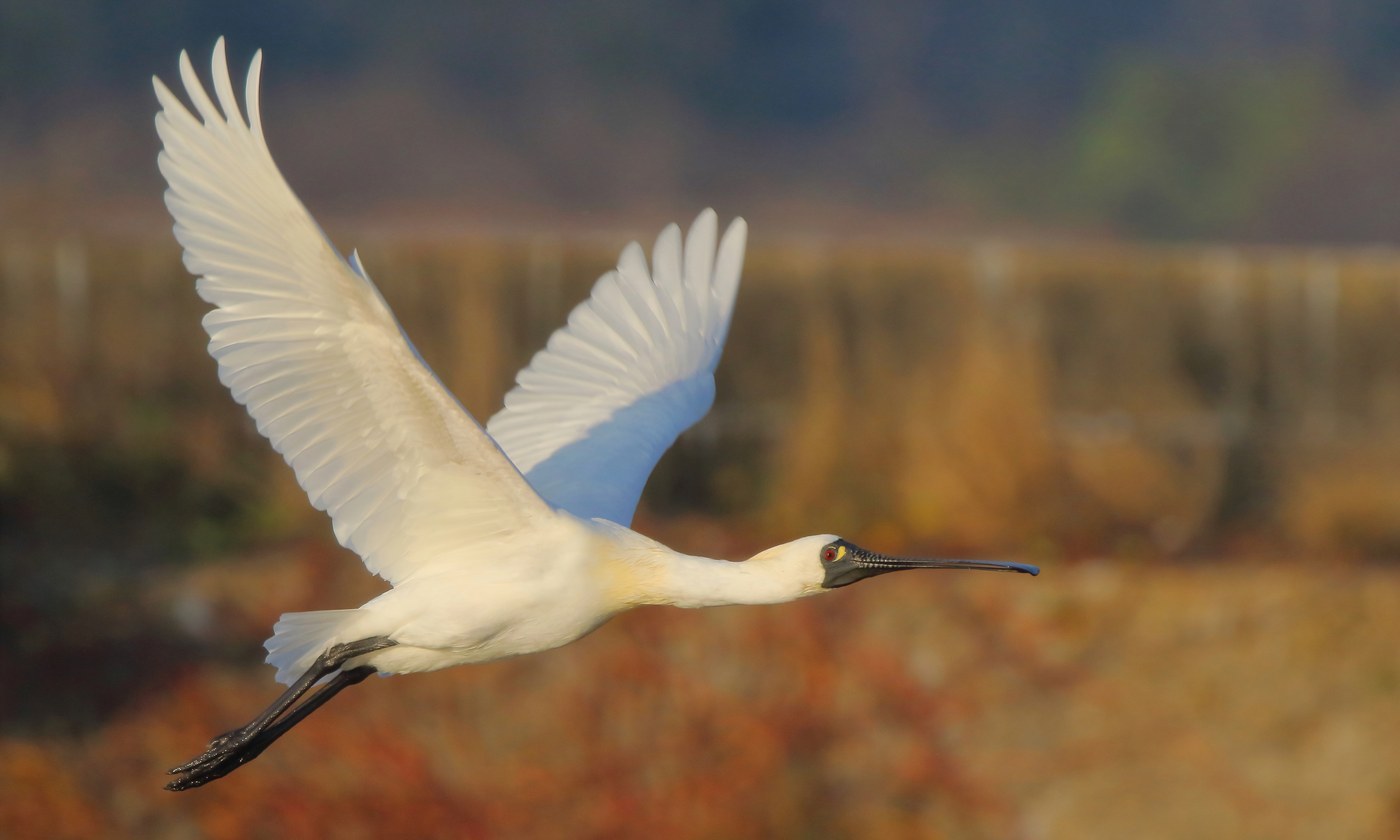
Black-faced Spoonbill
White contour and flight feathers with fine breeding crest and breast plumes
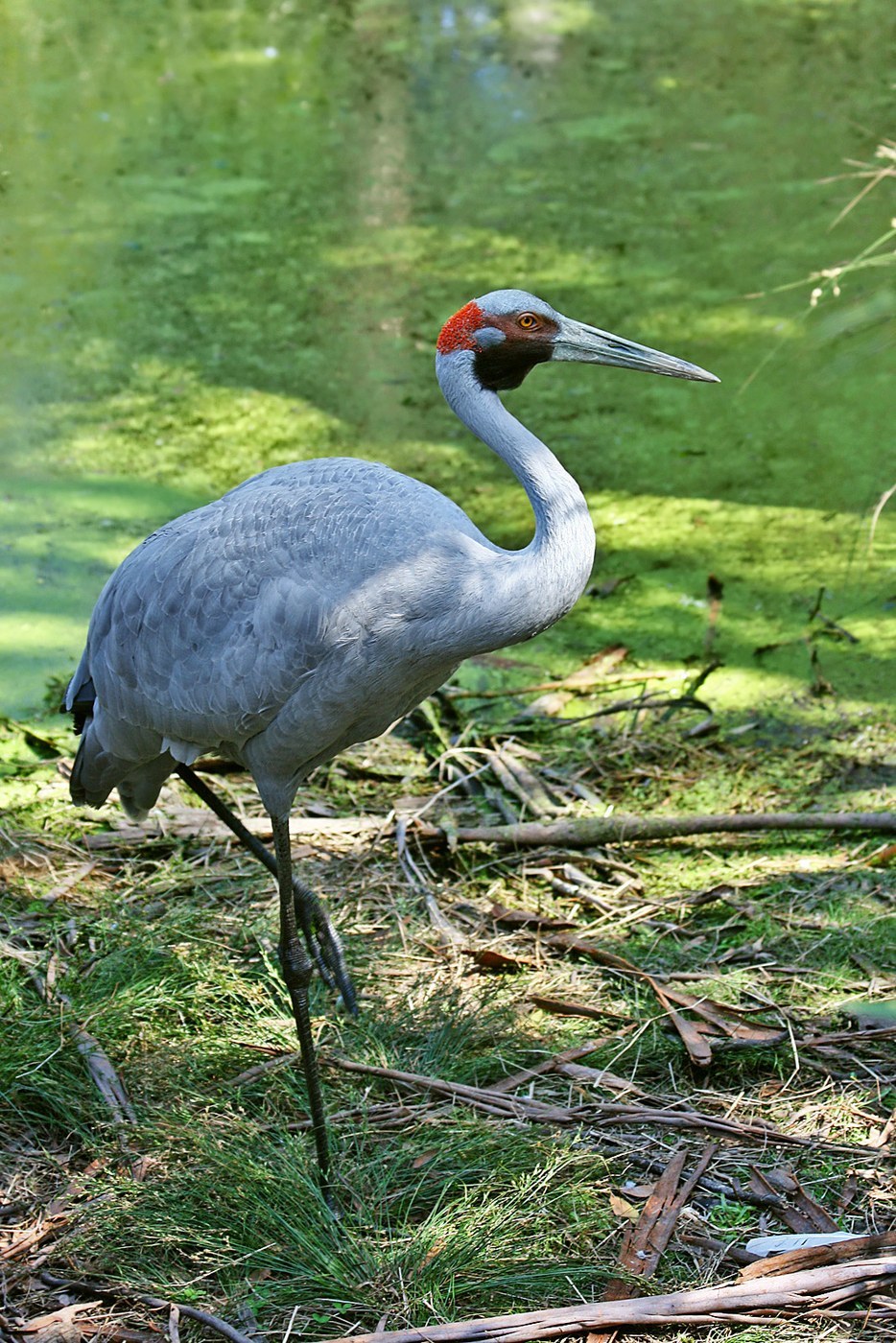
Brolga
Grey contour feathers with drooping bustle plumes
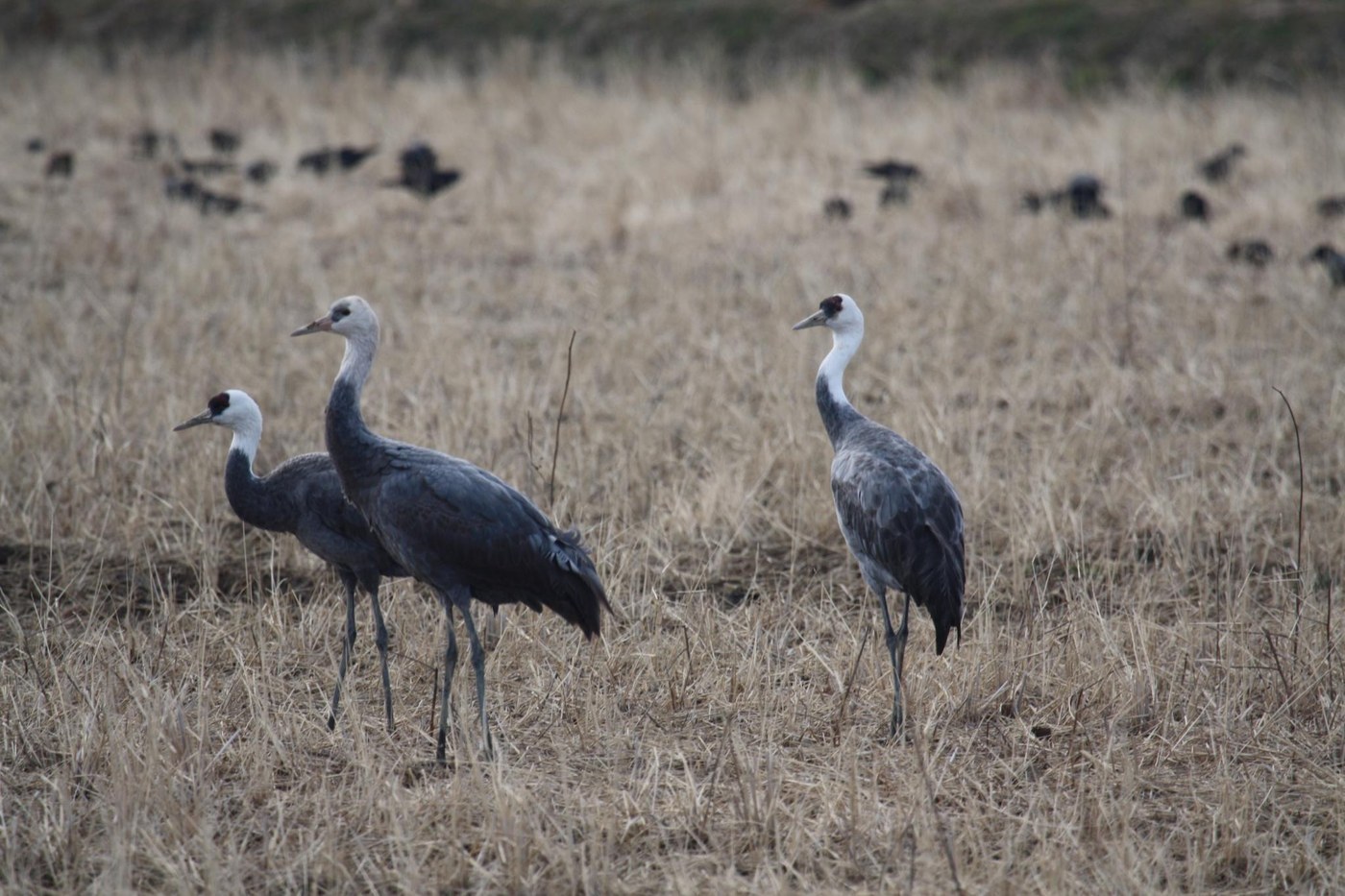
Hooded Crane
Dark slate-grey body feathers with a white head/upper neck 'hood' and black bustle plumes
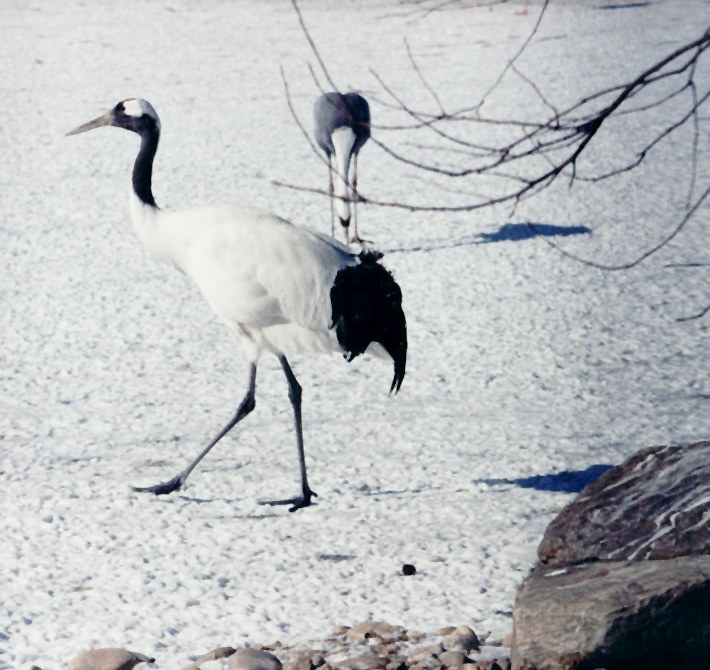
Red-crowned Crane
White contour feathers with black secondary/tertial bustle feathers and a bare red crown

Common Crane
Grey contour feathers with black head/neck feathers and drooping bustle plumes
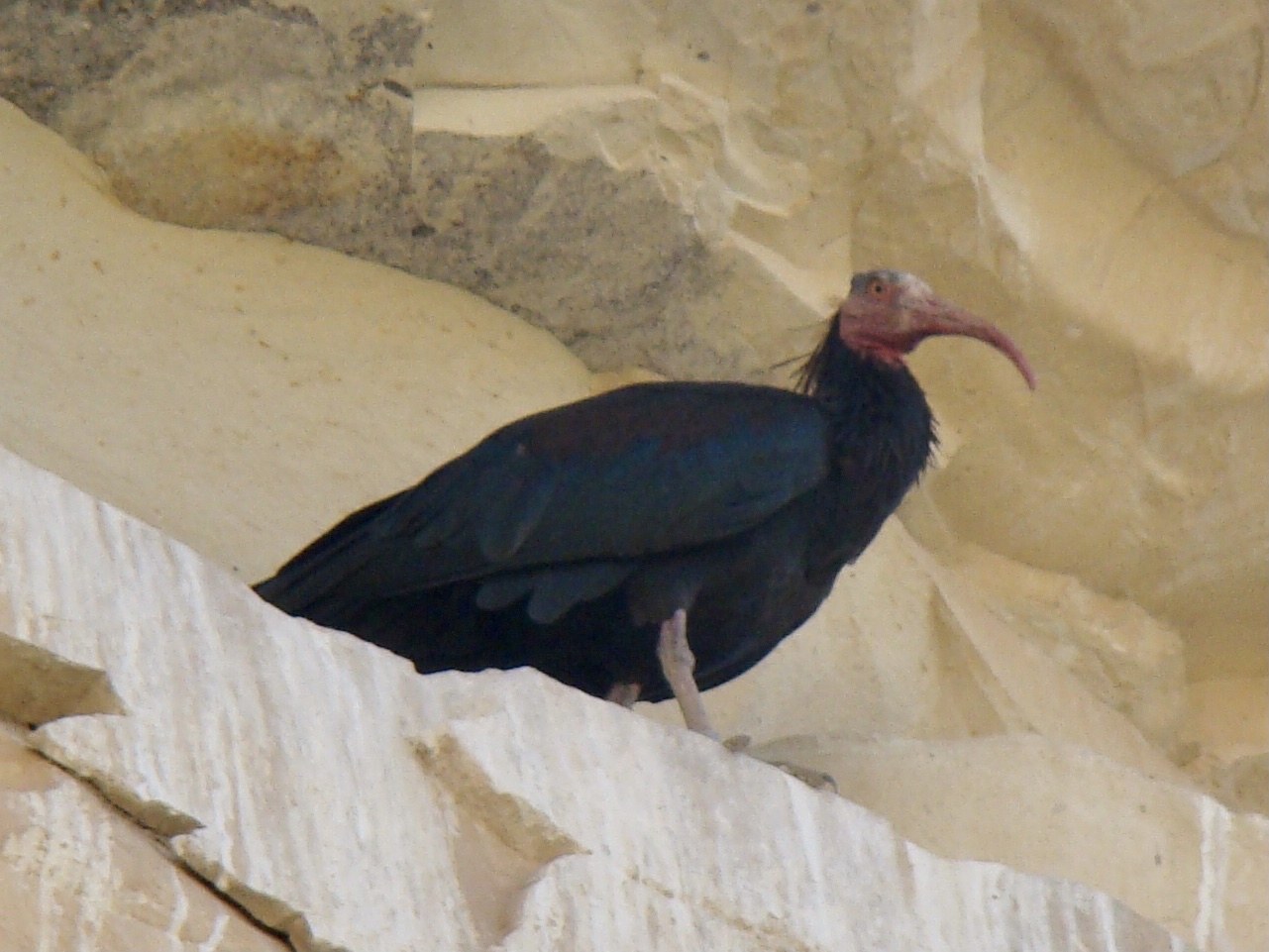
Northern Bald Ibis
Glossy black contour feathers with elongated nape plumes
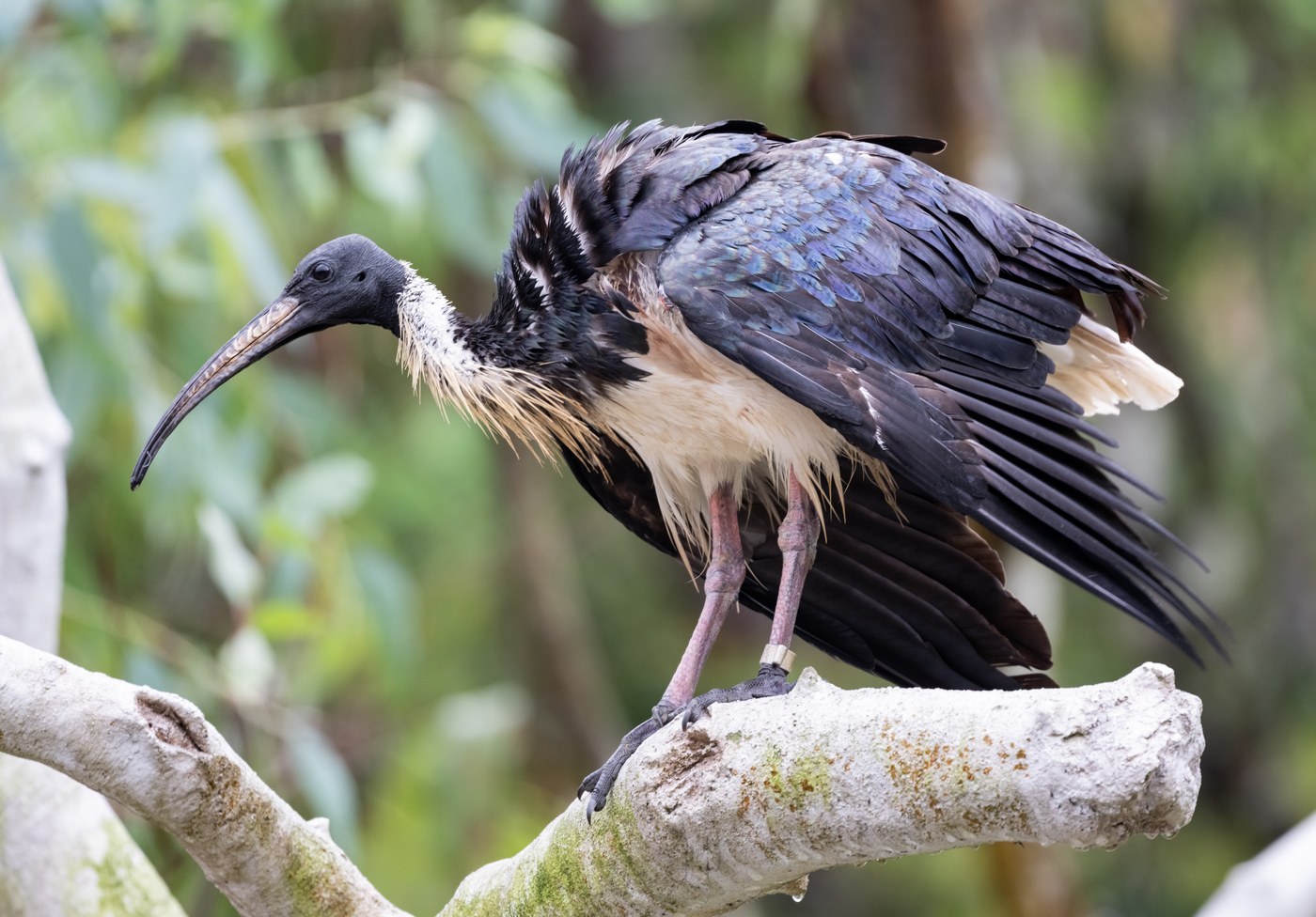
Straw-necked Ibis
Glossy contour feathers with unique straw-like neck plumes
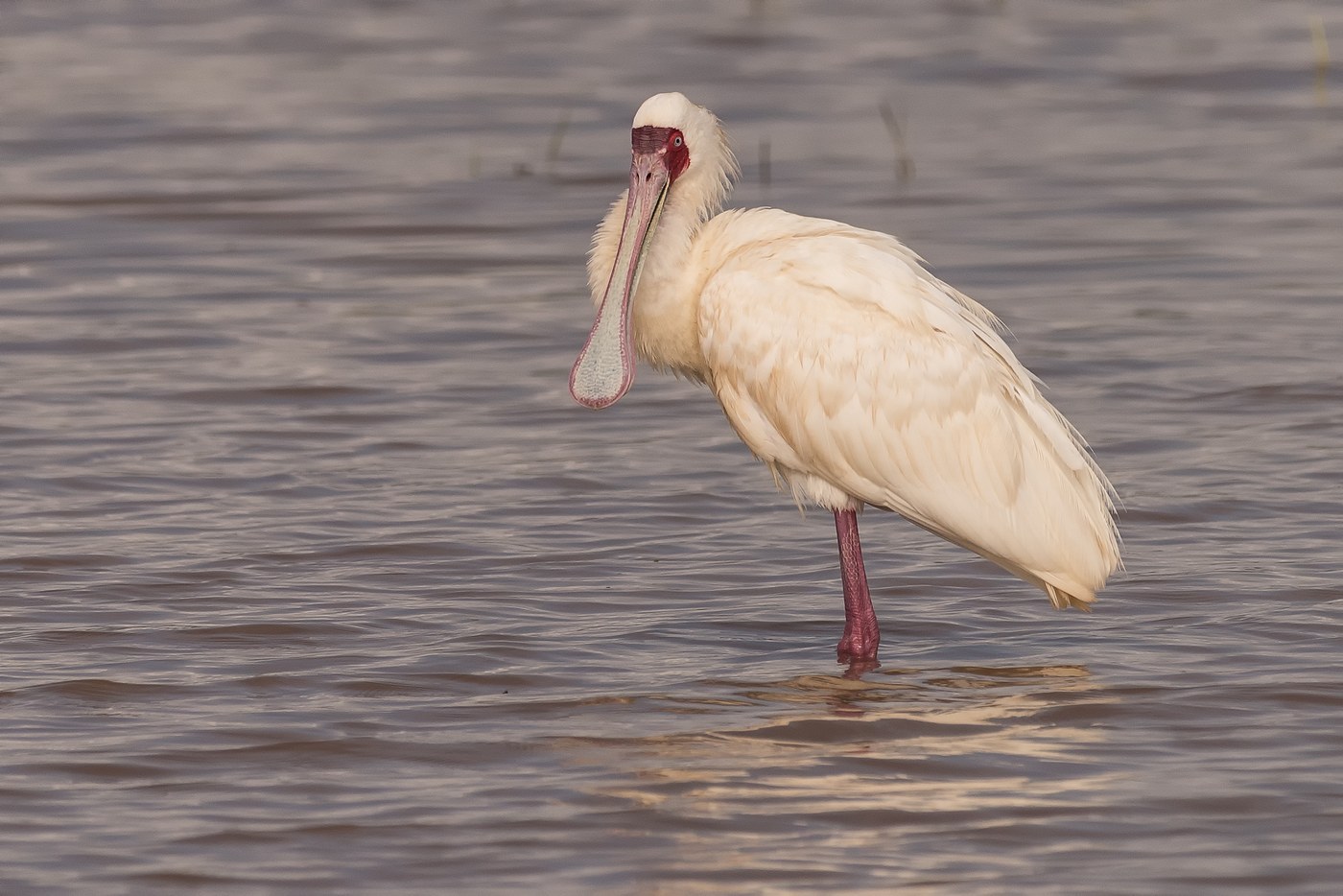
African Spoonbill
White contour and flight feathers, unmarked by black tips

Roseate Spoonbill
Pink and white contour and flight feathers with a carmine shoulder patch