

Black-crowned Night Heron
Nycticorax nycticorax
A stocky, short-necked heron with striking red eyes, most active at dusk and night, sporting a glossy black cap and back against pale gray wings.
- Feather type
- Stocky contour feathers with long white head plumes in breeding adults
- Colours
- Black crown and back, gray wings, white underparts
- Bird size
- Medium, stocky, ~58-65 cm tall
Found a feather like this?
Identify any feather from a photo, free.
Overview
Overview
The Black-crowned Night Heron is a stocky, thick-necked heron found on nearly every continent, distinguished by its largely nocturnal and crepuscular habits. Unlike the tall, slender herons that hunt by day, it spends daylight hours roosting quietly in trees, becoming active as dusk falls.
- Stocky, short-necked heron with a hunched resting posture
- Glossy black crown and back contrast with pale gray wings and white underparts
- Active mainly at dusk and night, roosting in trees by day
Identifying the Feather
Feather Identification
Black-crowned Night Heron feathers show a strong contrast between the glossy black crown and back feathers and the much paler, plain gray wing covert and flight feathers. Underpart feathers are white to very pale gray. Breeding adults grow two or three very long, narrow, white plumes from the back of the head, distinct in shape from the shorter body feathers.
- Strong black-versus-gray contrast between crown/back and wing feathers is a key clue
- Long, thin white head plumes (breeding) are unlike the plumes of most other herons in being few in number but very elongated
- Compare with Yellow-crowned Night Heron: that species shows an overall grayer body without the same sharp black-crown-and-back versus pale-wing contrast
- Feather size is moderate, consistent with the bird's stocky, medium body
Plumage & Molt
Plumage
Adults have a black crown and back, pale gray wings, and white to very pale gray underparts, with red eyes and, in the breeding season, two or three long, slender white plumes trailing from the nape. Juveniles look entirely different, being brown and heavily streaked with buffy-white spotting on the wing coverts, taking two to three years to reach full adult plumage through a series of increasingly gray-and-black transitional plumages. Molt is gradual, tracking the multi-year maturation process.
Habitat & Range
Habitat & Range
The Black-crowned Night Heron has one of the broadest distributions of any heron, found across the Americas, Europe, Africa, and Asia. It occupies a wide range of wetlands, including marshes, riverbanks, lake edges, and both freshwater and coastal habitats, typically roosting communally in dense trees or thickets during the day. Many temperate populations are migratory, while others in warmer climates are resident year-round.
Behavior & Field Notes
Behavior & Field Notes
This heron is primarily active from dusk through night, when it forages for fish, amphibians, and other small aquatic animals, standing quietly at the water's edge before striking. By day, it typically roosts in large communal groups in trees, sometimes alongside other heron species, becoming active again as evening approaches. Its voice is a distinctive short, harsh "quok" often heard overhead in flight after dark. Its stocky shape, short neck, hunched posture, and crepuscular habits set it apart from the taller, day-active herons sharing its habitat.
Frequently asked questions
What is the most distinctive feather clue for a Black-crowned Night Heron?
A strong contrast between glossy black crown/back feathers and much paler gray wing feathers, along with long, thin white head plumes in breeding adults.
Why might I not see Black-crowned Night Herons during the day?
They are primarily active at dusk and night, spending daylight hours roosting quietly in trees.
How long does it take a Black-crowned Night Heron to reach adult plumage?
Typically two to three years, passing through brown, heavily streaked juvenile plumages before attaining the black-and-gray adult pattern.
How does the Black-crowned Night Heron differ from the Yellow-crowned Night Heron?
It shows a sharper contrast between a black crown/back and pale gray wings, while the Yellow-crowned Night Heron is more uniformly gray-bodied.
Black-crowned Night Heron guides
In-depth guides for identifying and understanding Black-crowned Night Heron.

Other feathers you may enjoy

Yellow-billed Spoonbill
White contour and flight feathers with fine breeding plumes on the back and breast
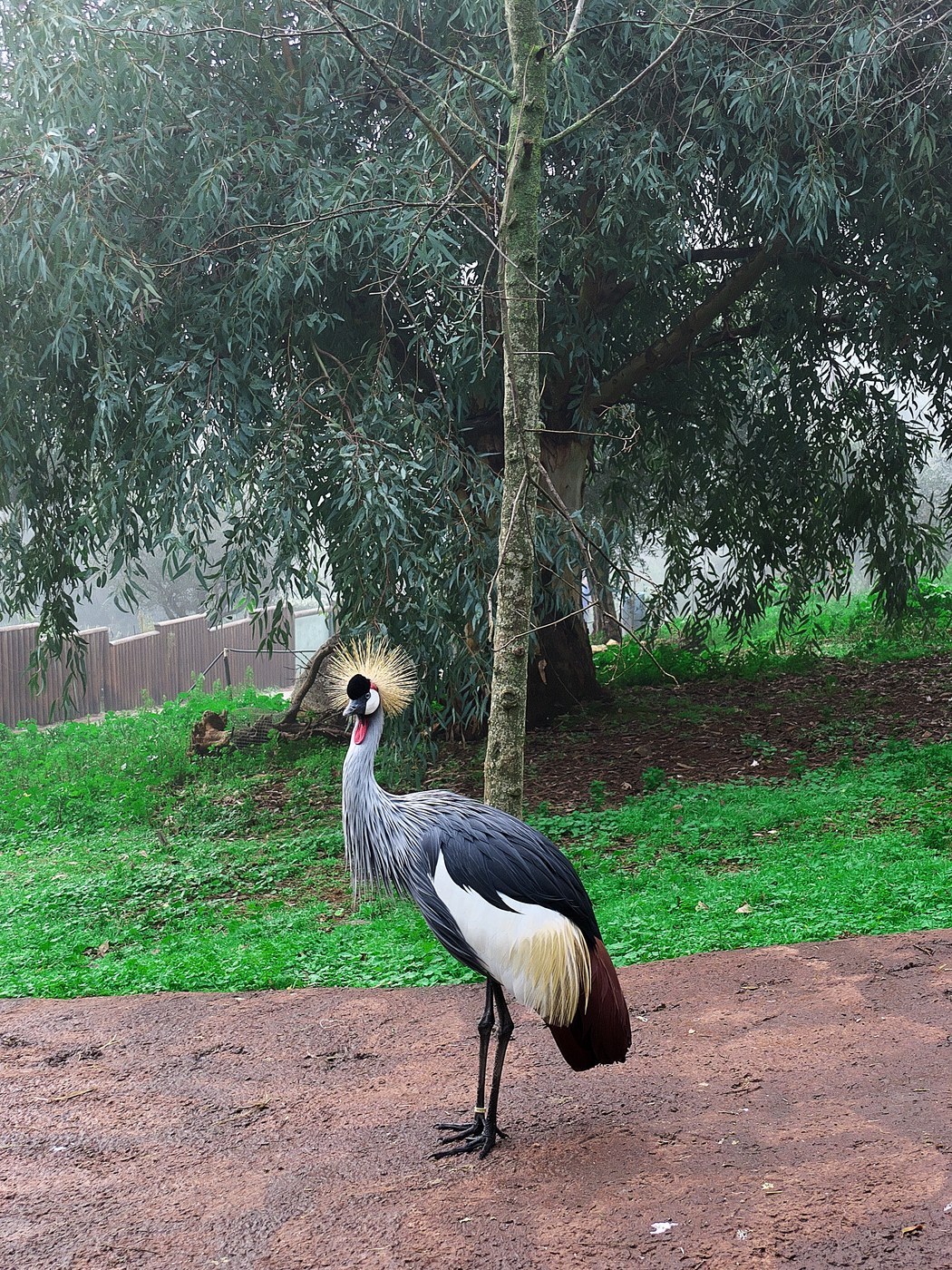
Grey Crowned Crane
Grey body feathers with white wing coverts, chestnut flight feathers, and stiff golden crown bristles
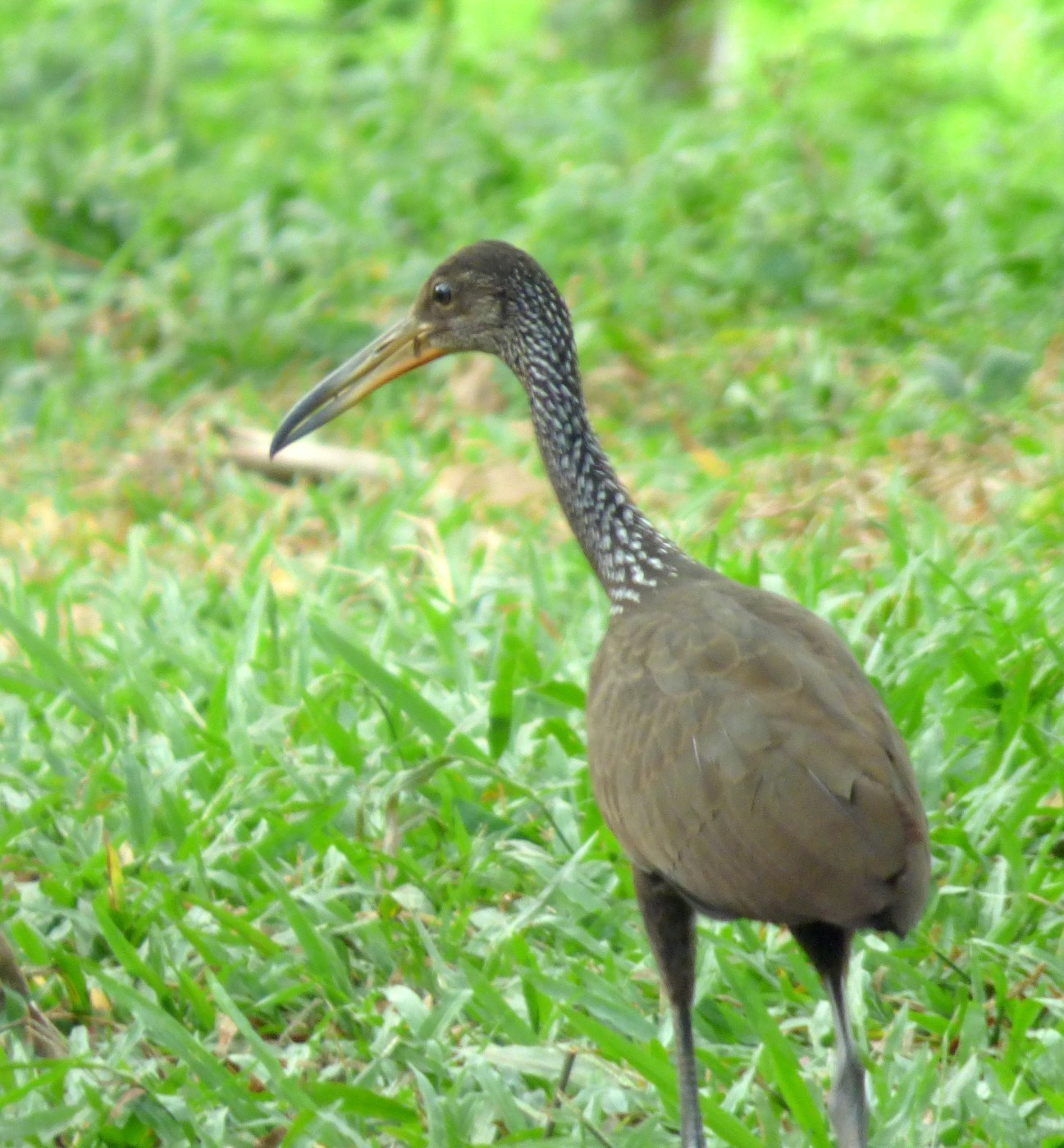
Limpkin
Brown contour feathers with white teardrop-shaped spots and streaks
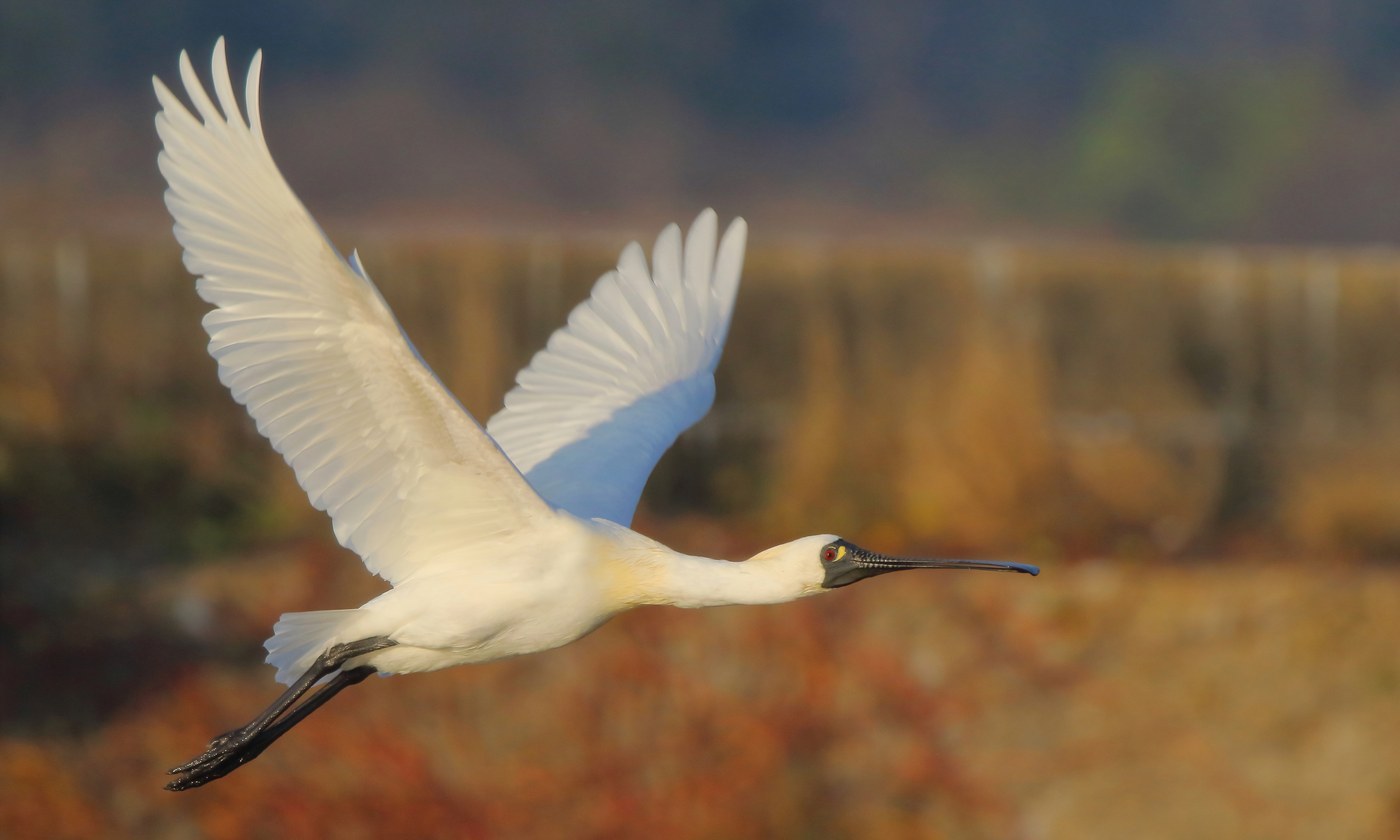
Black-faced Spoonbill
White contour and flight feathers with fine breeding crest and breast plumes
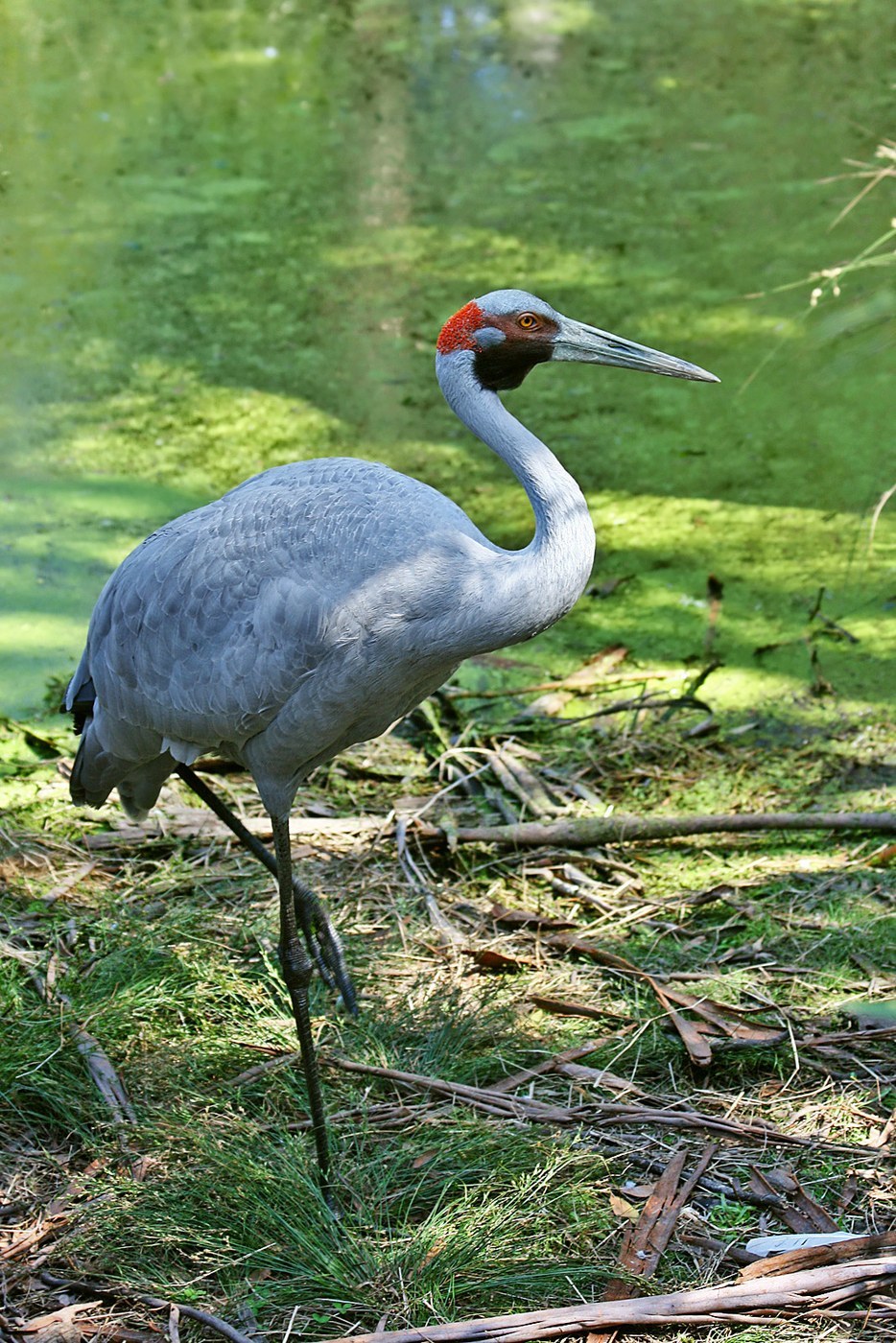
Brolga
Grey contour feathers with drooping bustle plumes
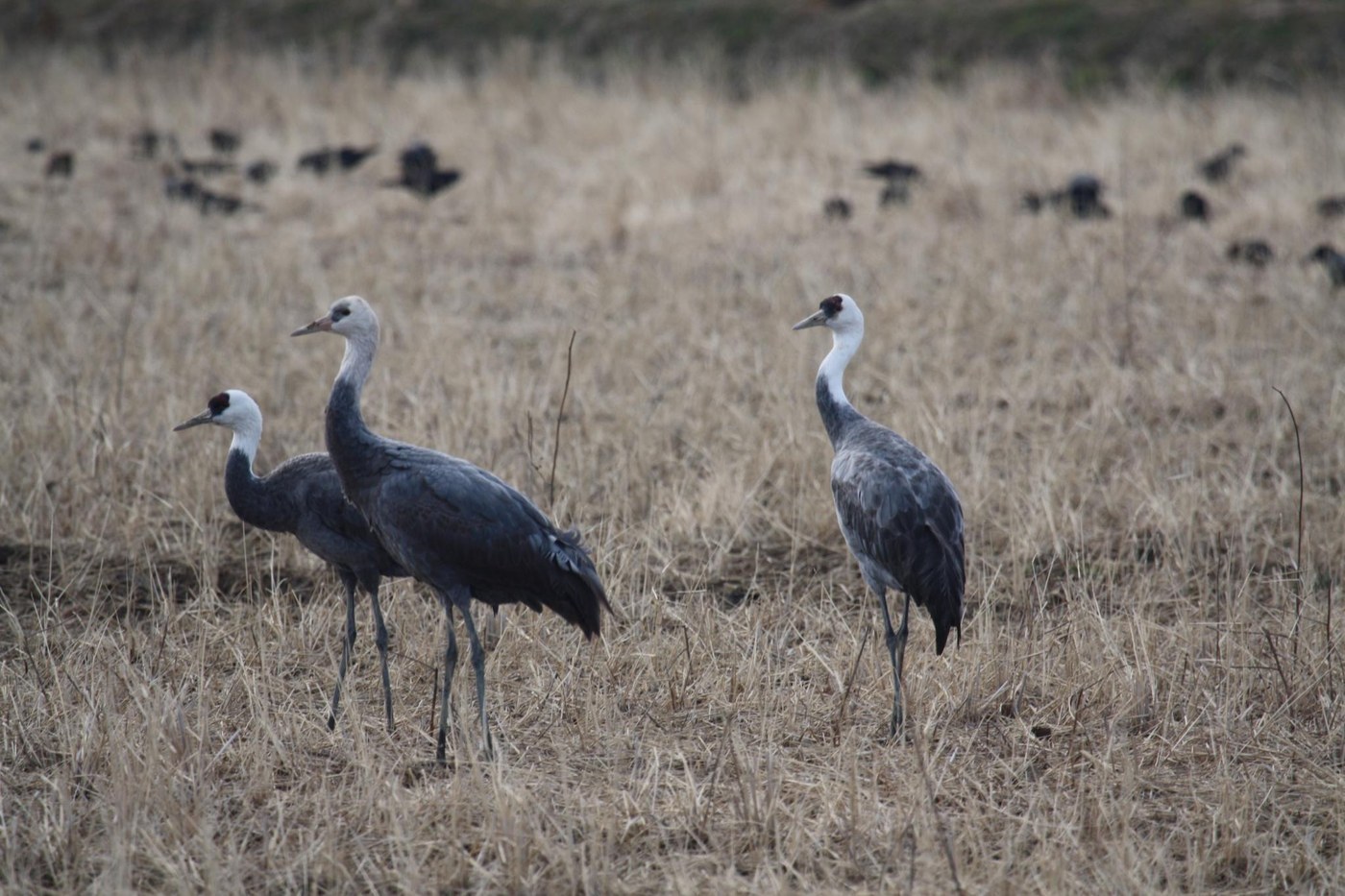
Hooded Crane
Dark slate-grey body feathers with a white head/upper neck 'hood' and black bustle plumes
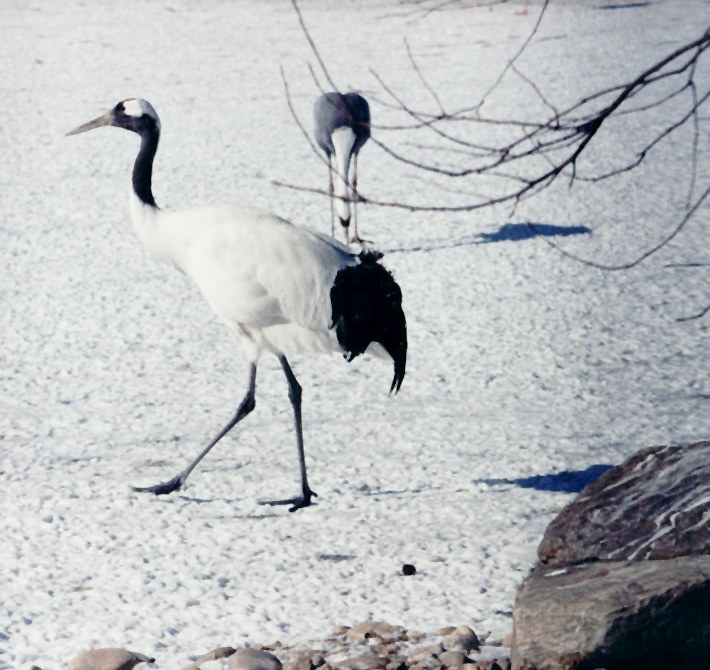
Red-crowned Crane
White contour feathers with black secondary/tertial bustle feathers and a bare red crown

Common Crane
Grey contour feathers with black head/neck feathers and drooping bustle plumes
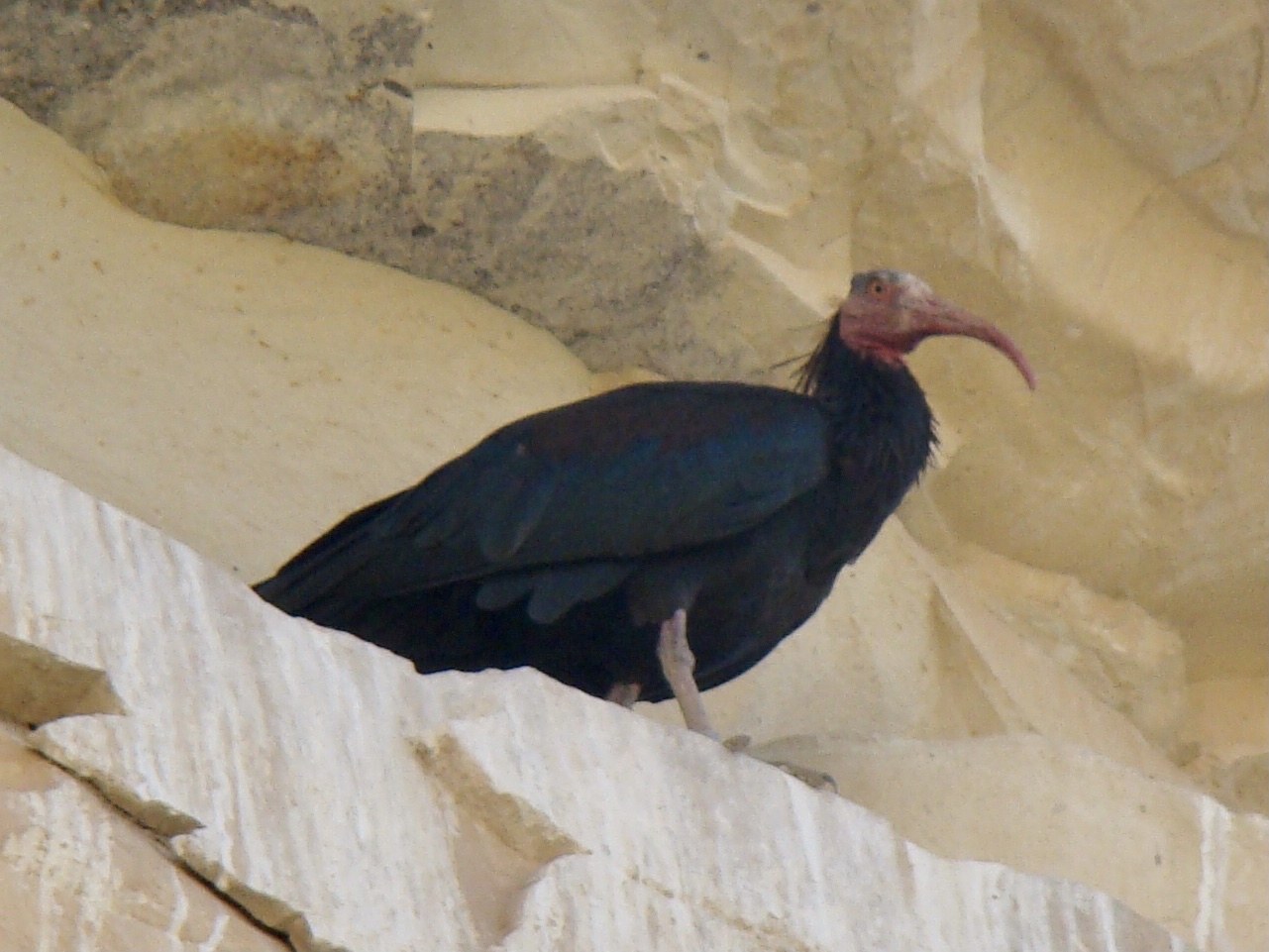
Northern Bald Ibis
Glossy black contour feathers with elongated nape plumes
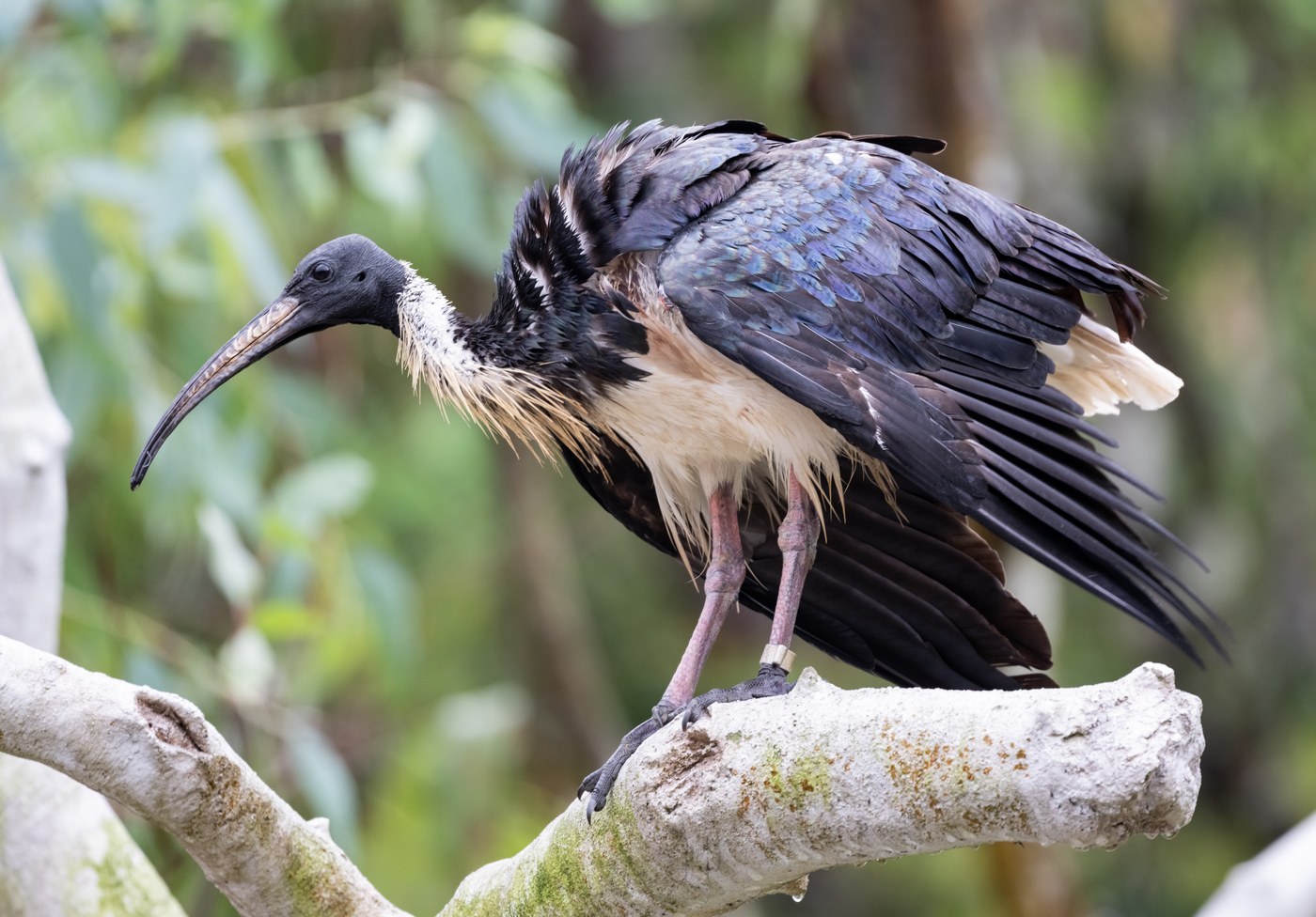
Straw-necked Ibis
Glossy contour feathers with unique straw-like neck plumes
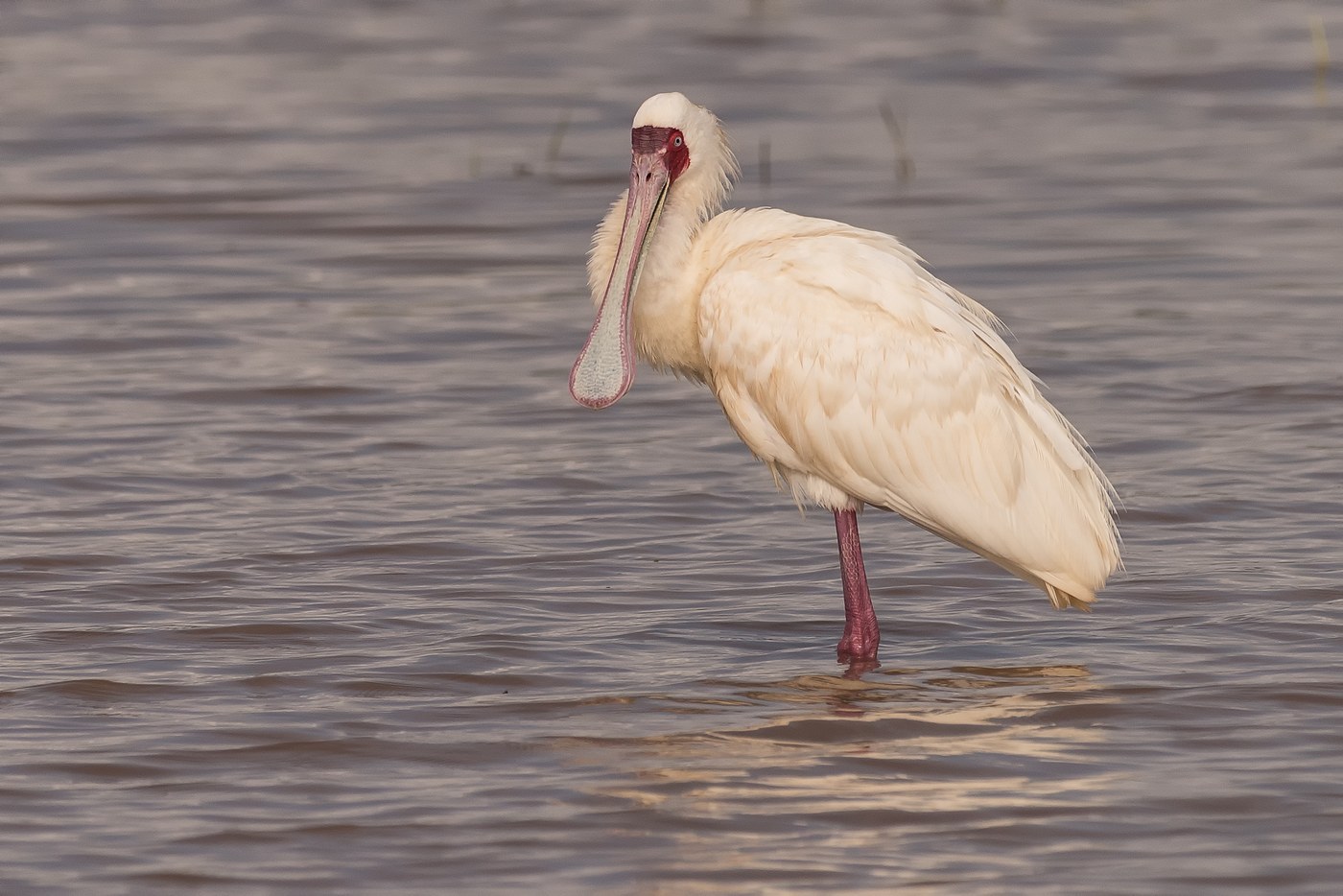
African Spoonbill
White contour and flight feathers, unmarked by black tips

Roseate Spoonbill
Pink and white contour and flight feathers with a carmine shoulder patch