

Black Heron
Egretta ardesiaca
An African heron cloaked entirely in slate-black plumage, famous for spreading its wings into a feeding "umbrella" over the water to lure fish into shade.
- Feather type
- Slender, fine-plumed body feathers; delicate elongated crest and back plumes in breeding condition
- Colours
- Uniform slaty-black throughout, with bright yellow feet
- Bird size
- Slim heron, ~42-66 cm
Found a feather like this?
Identify any feather from a photo, free.
Overview
The Black Heron is a slender, all-dark heron of African wetlands, instantly recognizable both for its uniform slaty-black plumage and for its unusual foraging trick of arching its wings forward over the water to form a shaded canopy, thought to reduce glare and draw fish into the shadow. This behavior, sometimes called canopy or umbrella feeding, makes it one of the more distinctive herons to watch even before considering its feathers.
Its plumage is unusual among herons for being essentially black from head to tail, broken only by bright yellow feet, giving it a striking silhouette against pale water. Fine, delicate plumes develop on the crest, neck, and back during the breeding season, adding a wispy texture to an otherwise sleek profile.
Because almost no other heron in its range shares this solid black coloration, an all-dark, softly plumed feather found near African shallow wetlands is a strong indicator of this species.
Identifying the Feather
Shape and Size
Body feathers are slender and finely textured, with delicate, loosely webbed plumes on the crest, lower neck, and back during breeding condition. Flight feathers are moderately long and narrow, suited to a light, buoyant flight style.
Color and Pattern
- Plumage is essentially uniform slaty-black across the entire body, wings, and tail, with little to no contrasting pattern.
- Breeding plumes on the crest and back are thin, wispy, and slightly elongated compared to ordinary body feathers, but remain the same dark color.
- There is no barring, spotting, or pale patterning typical of many other heron species.
Shaft and Vane
Shafts are dark, blending closely with the vane color. Barbs are fine and closely knit on body feathers, looser and more open on the ornamental breeding plumes.
Distinguishing from Similar Species
Few African herons show this solid black coloration; the similarly dark Slaty Egret and dark morphs of other egrets can approach it in tone, but the Black Heron's plumage is more uniformly and deeply black with no pale flecking, and its feathers are notably fine and silky compared to coarser-plumed relatives.
Plumage & Molt
Adults are uniformly slaty-black across the body, wings, and tail, with fine, elongated plumes developing on the crest, lower neck, and back in breeding condition. The bill is black and the legs are dark with contrasting bright yellow feet, though this soft-tissue coloration is not present on shed feathers. Sexes look alike. Juveniles are similarly dark but with shorter, less developed plumes and slightly duller overall tone. Molt follows the breeding season, with ornamental plumes shed once nesting activity concludes.
Habitat & Range
The Black Heron is found across much of sub-Saharan Africa, favoring shallow freshwater lakes, marshes, flooded grassland, and the edges of rivers and lagoons. It is largely resident within its range, though some populations shift locally in response to seasonal flooding and water levels.
Behavior & Field Notes
This species forages using a distinctive canopy or umbrella-feeding technique, arching its wings forward over the water to create shade that appears to concentrate small fish beneath it, which it then strikes with a quick jab of the bill. It typically forages alone or in loose groups in shallow water. Its voice is generally quiet, with occasional low croaking notes at breeding colonies. Nests are built in trees or reedbeds, often alongside other herons and egrets in mixed colonies. For feather finders, a fine, uniformly black feather found near shallow African wetlands, especially where herons are seen canopy-feeding, is a strong indicator of this species.
Frequently asked questions
What makes the Black Heron's feeding behavior unusual?
It arches its wings forward into a shaded canopy over the water, a technique thought to reduce glare and concentrate fish beneath the shade before it strikes.
How can I tell a Black Heron feather from other dark herons or egrets?
Its feathers are uniformly and deeply slaty-black with a fine, silky texture, lacking the pale flecking or coarser plumage seen in other dark-toned herons.
Do Black Herons have colorful soft parts?
Yes, in life they show bright yellow feet, though this coloration is not present on shed feathers themselves.
Where should I look for this species' feathers?
Check shallow freshwater lakes, marshes, and flooded grassland across sub-Saharan Africa, where the species forages in open water.
Black Heron guides
In-depth guides for identifying and understanding Black Heron.

Other feathers you may enjoy

Yellow-billed Spoonbill
White contour and flight feathers with fine breeding plumes on the back and breast
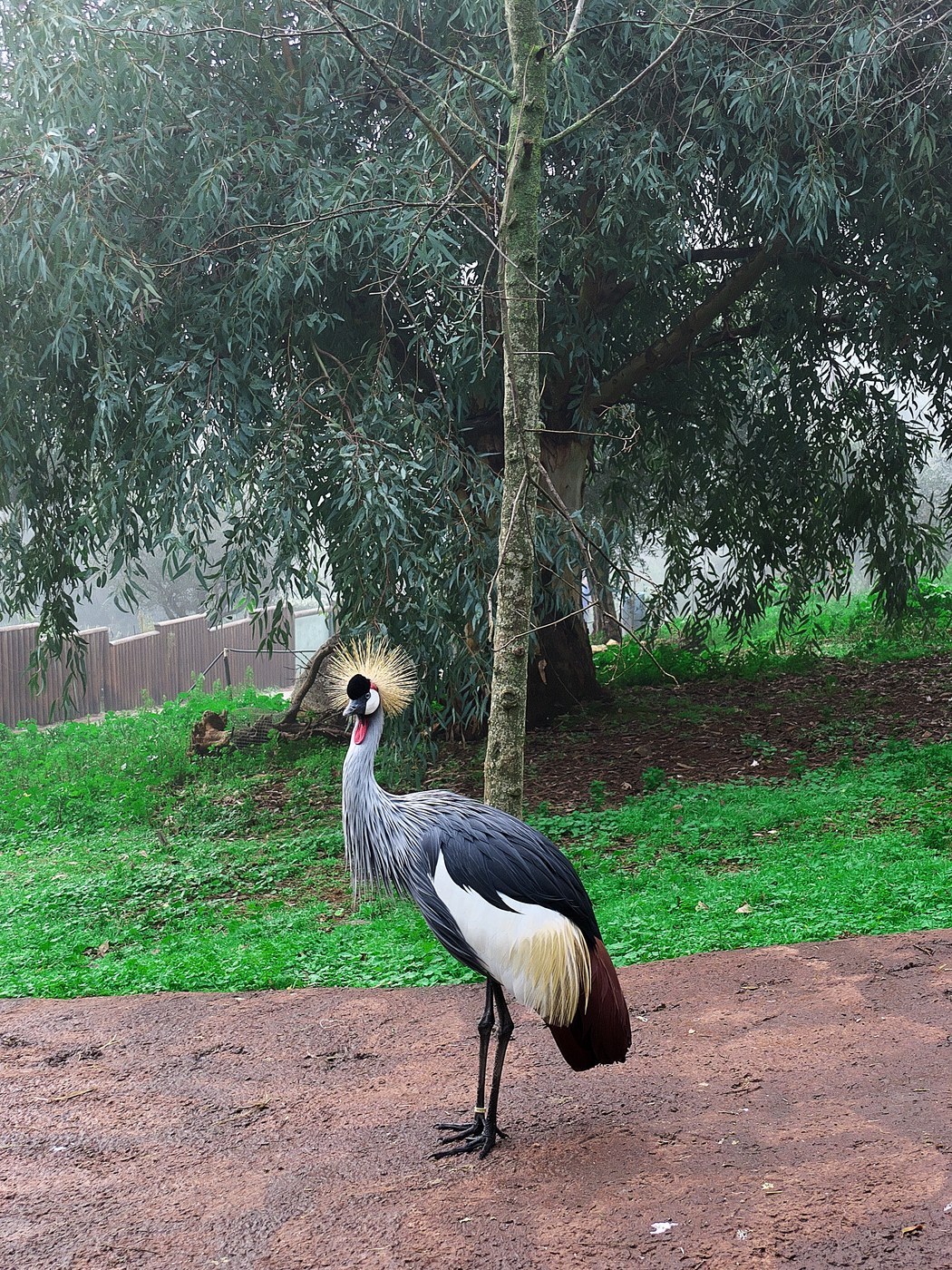
Grey Crowned Crane
Grey body feathers with white wing coverts, chestnut flight feathers, and stiff golden crown bristles
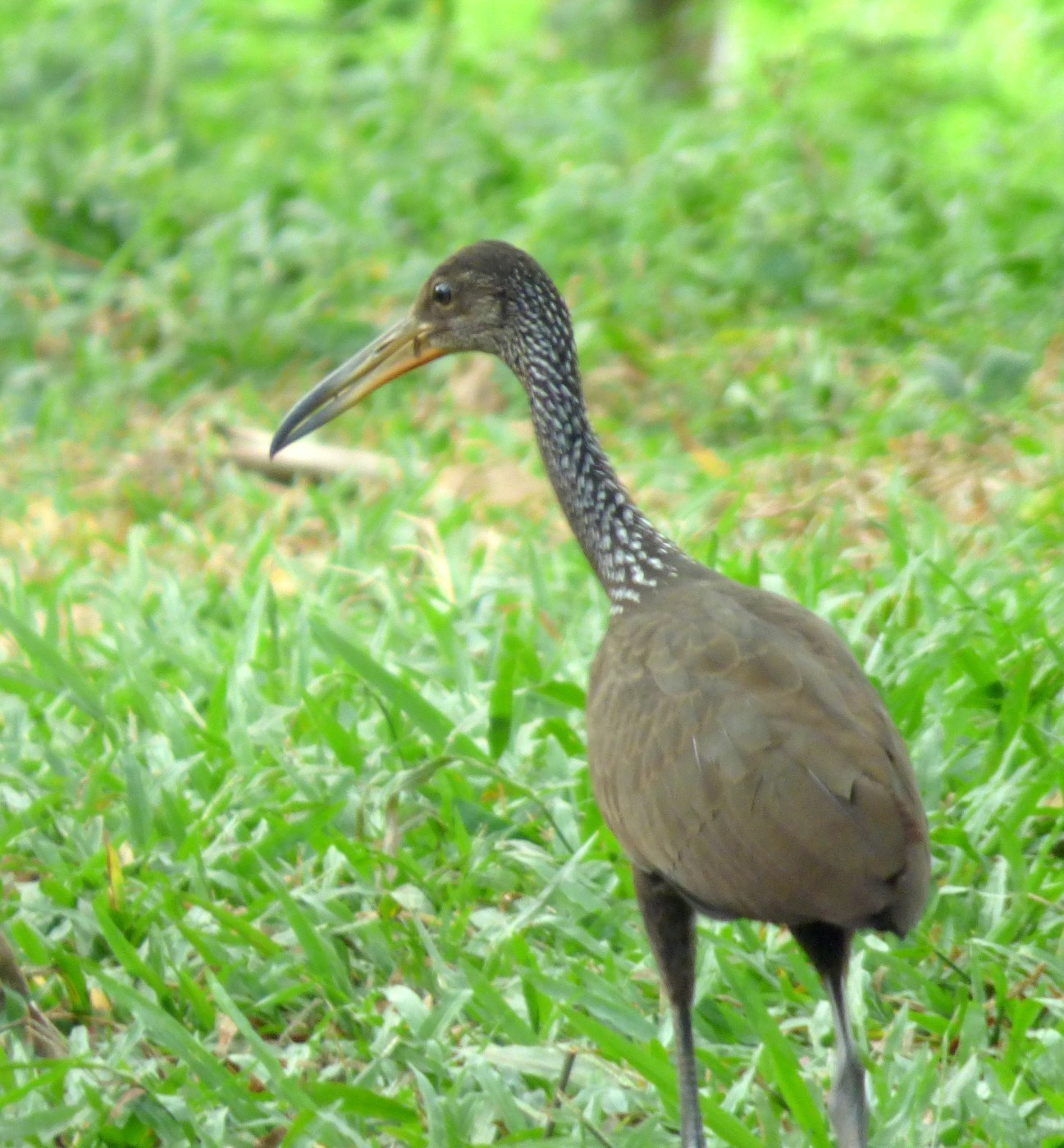
Limpkin
Brown contour feathers with white teardrop-shaped spots and streaks
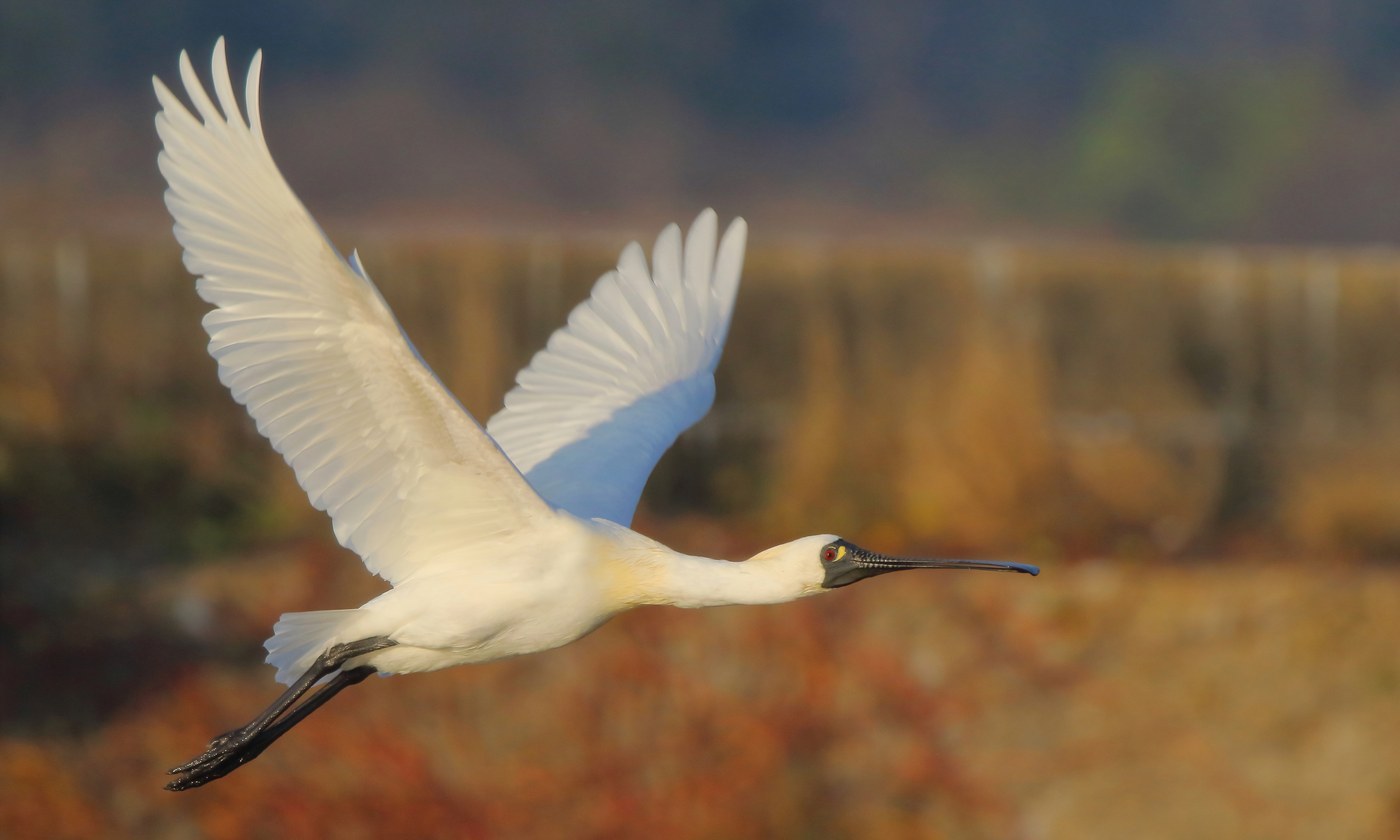
Black-faced Spoonbill
White contour and flight feathers with fine breeding crest and breast plumes
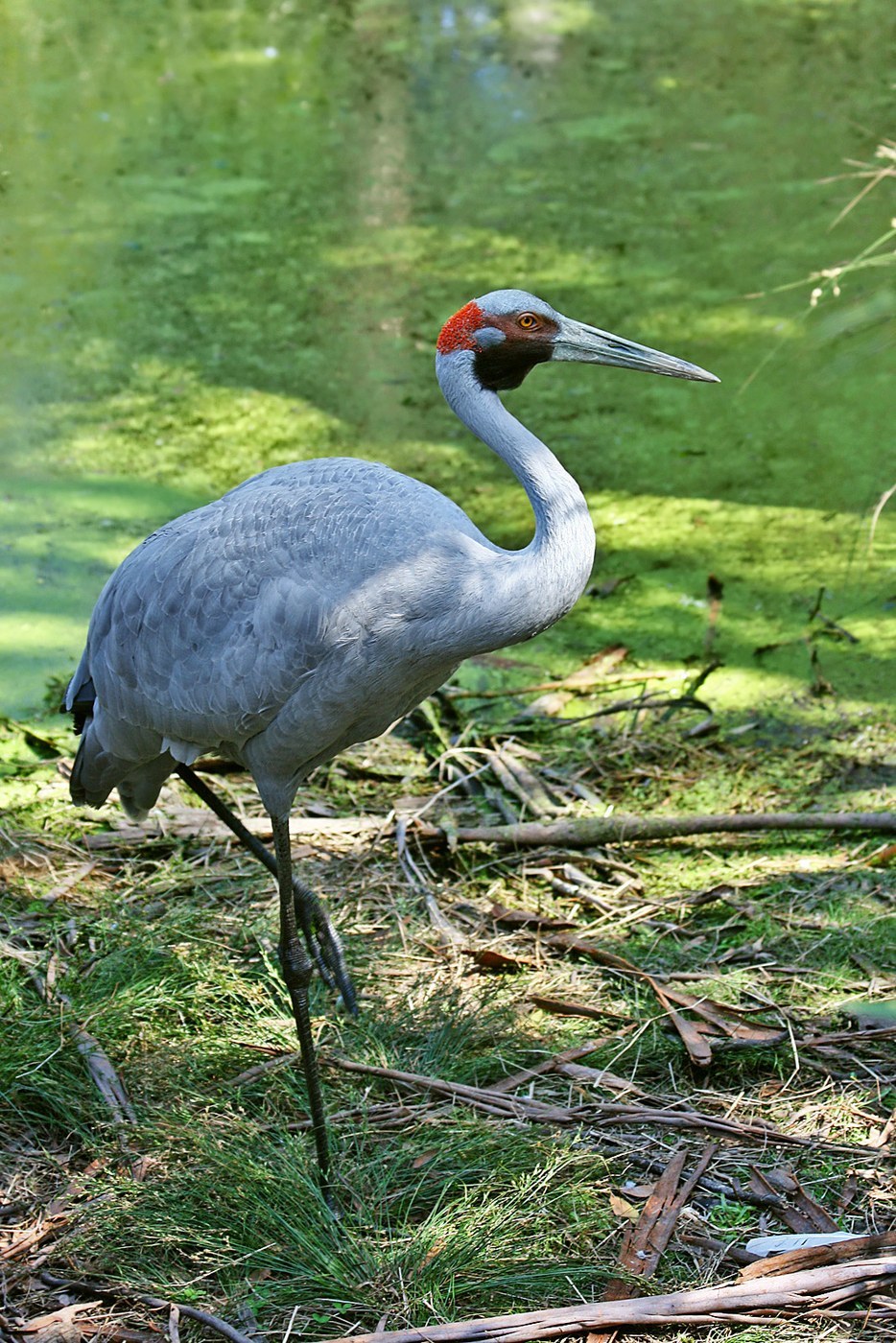
Brolga
Grey contour feathers with drooping bustle plumes
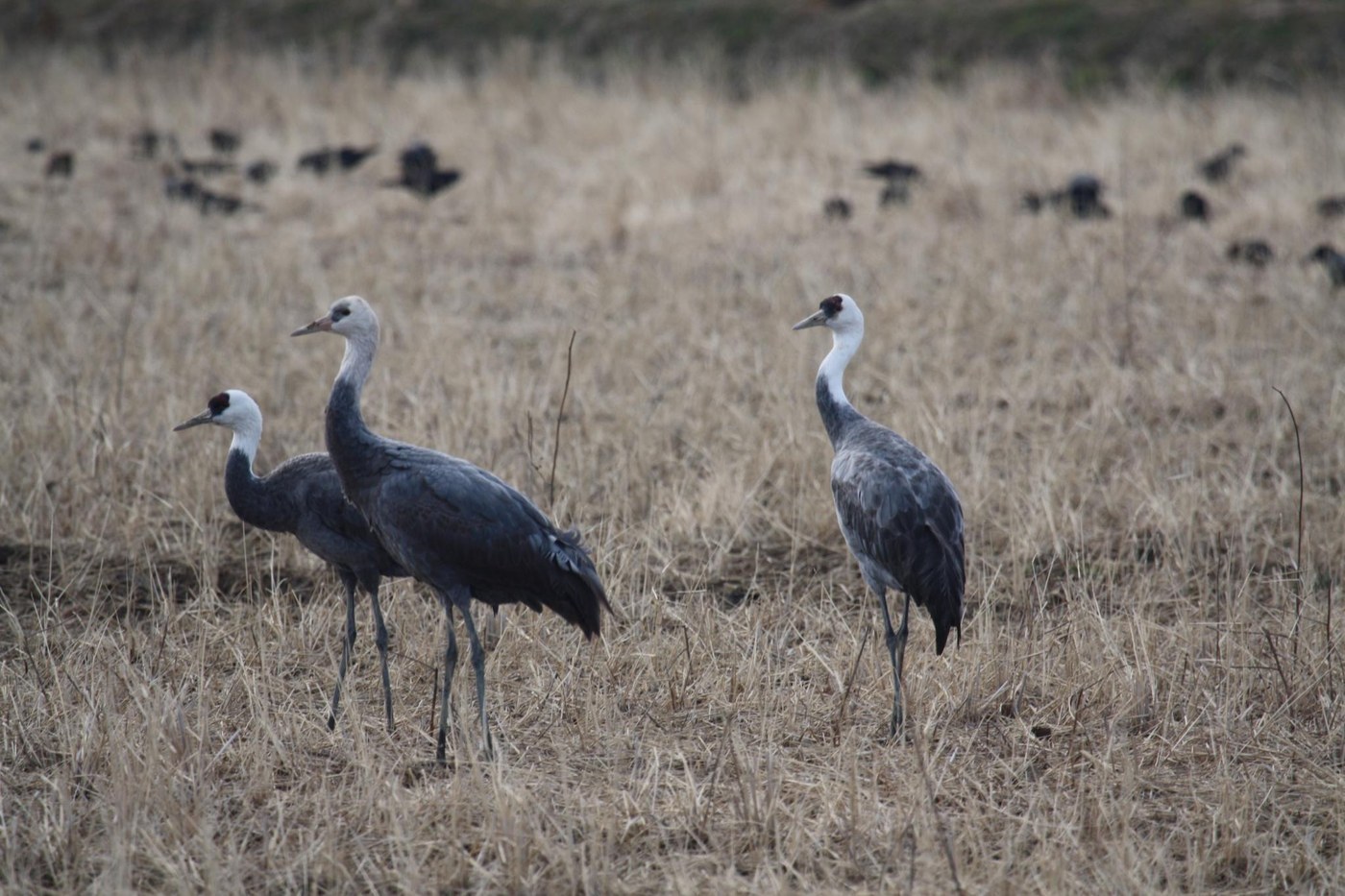
Hooded Crane
Dark slate-grey body feathers with a white head/upper neck 'hood' and black bustle plumes
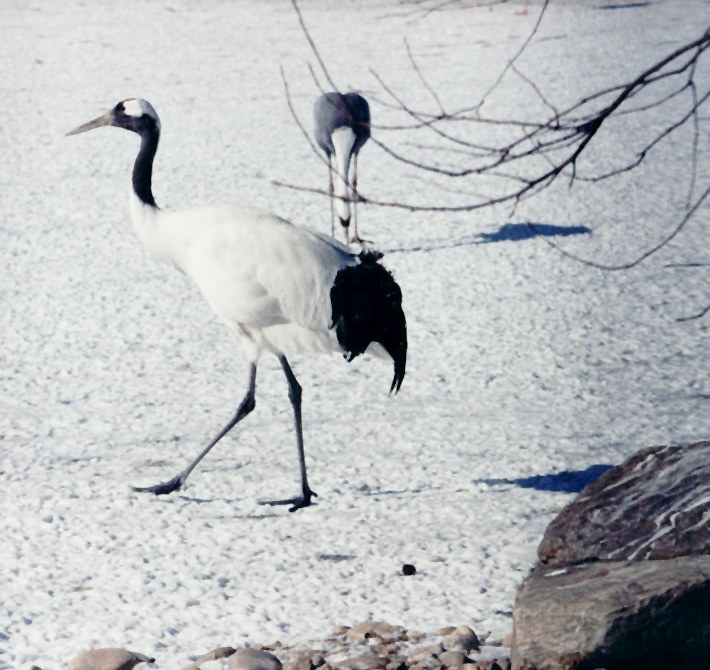
Red-crowned Crane
White contour feathers with black secondary/tertial bustle feathers and a bare red crown

Common Crane
Grey contour feathers with black head/neck feathers and drooping bustle plumes
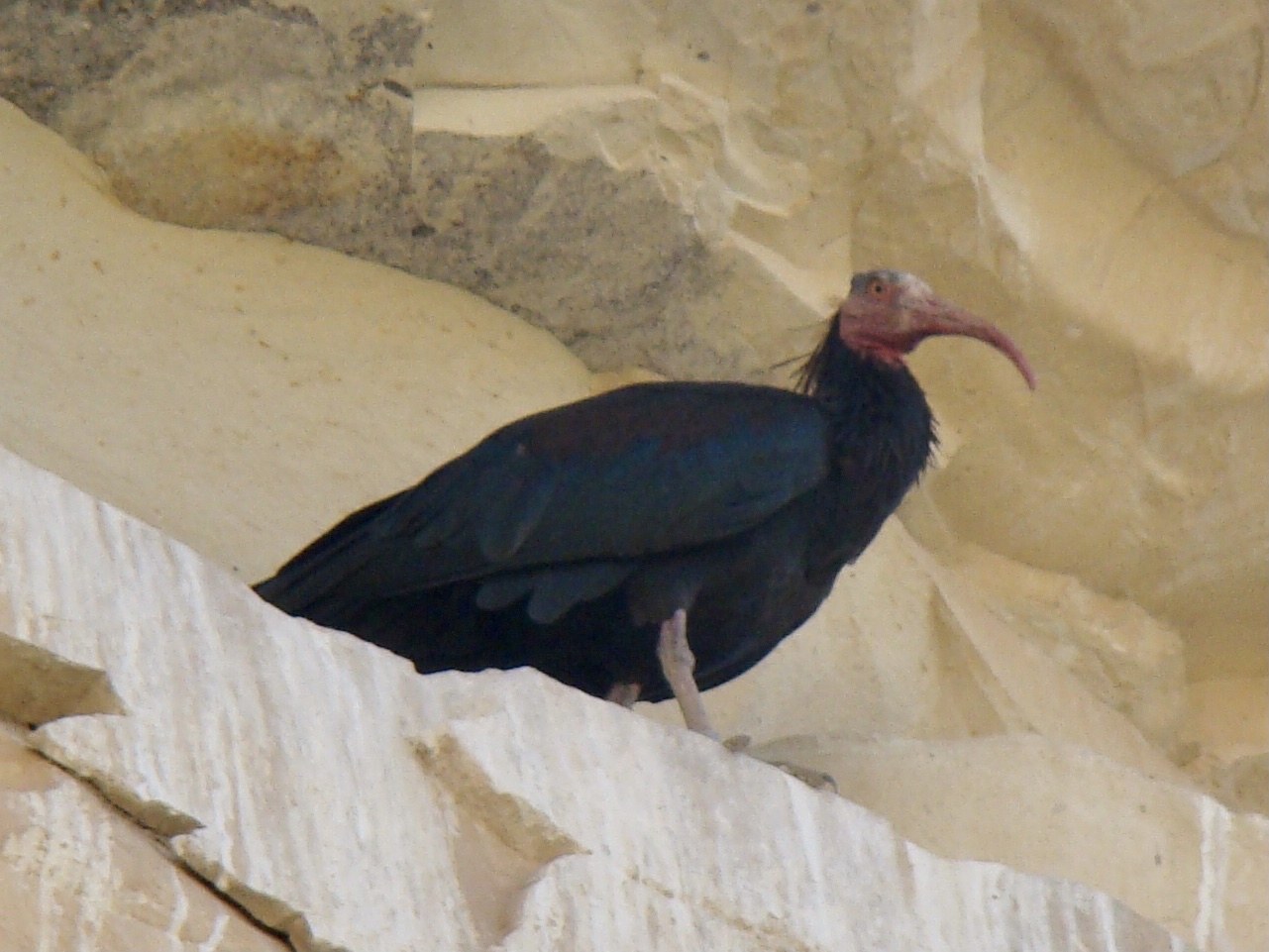
Northern Bald Ibis
Glossy black contour feathers with elongated nape plumes
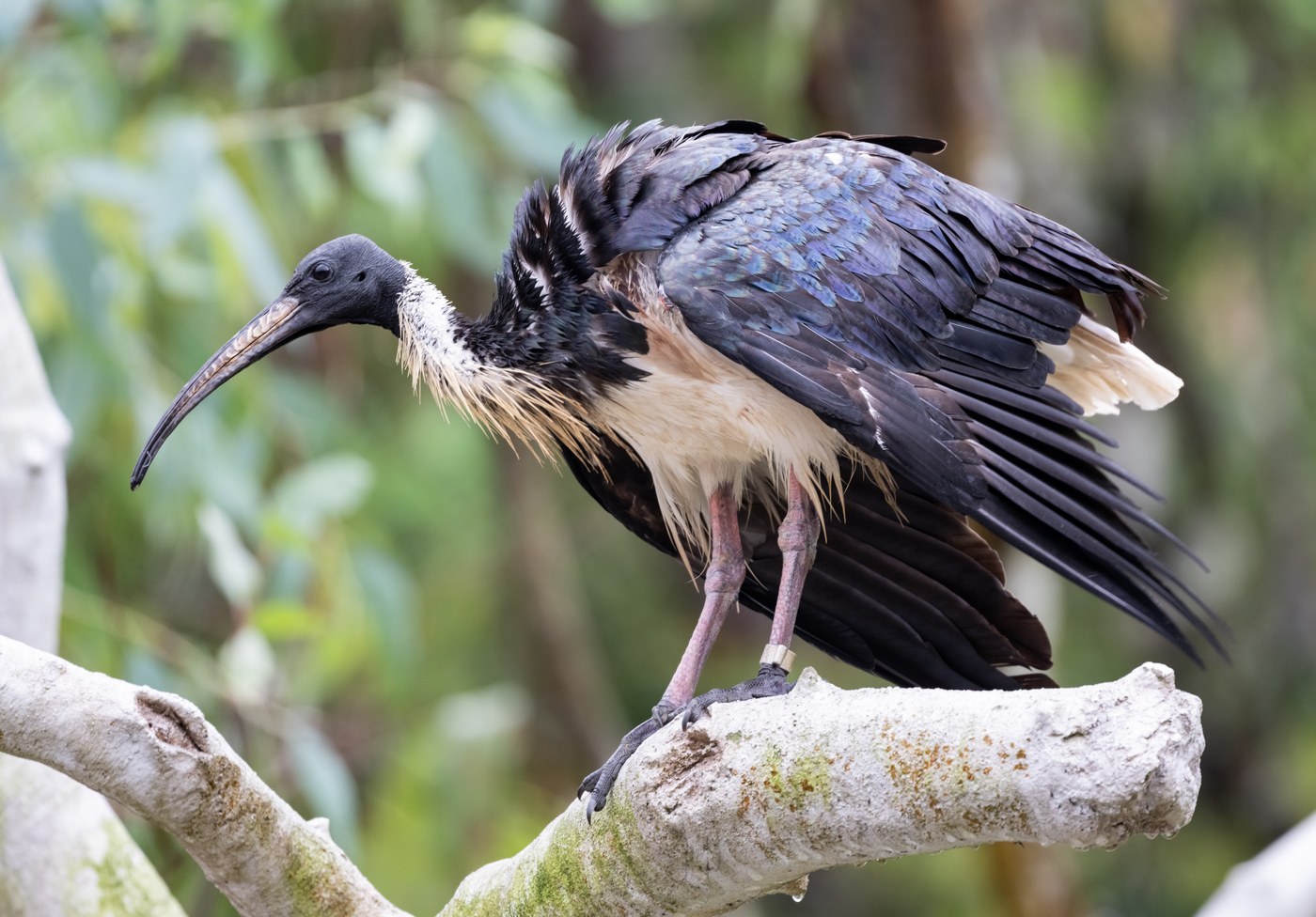
Straw-necked Ibis
Glossy contour feathers with unique straw-like neck plumes
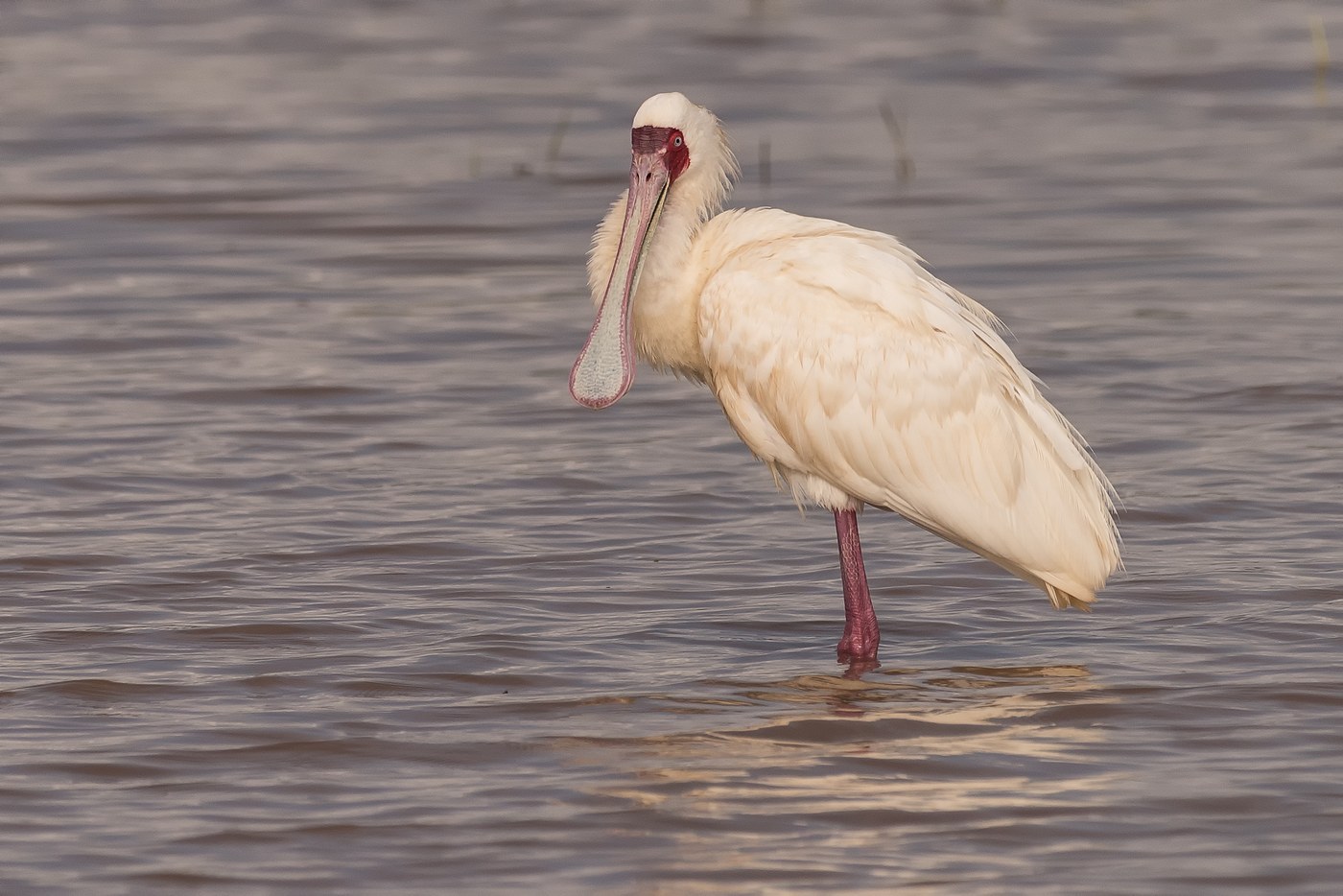
African Spoonbill
White contour and flight feathers, unmarked by black tips

Roseate Spoonbill
Pink and white contour and flight feathers with a carmine shoulder patch