
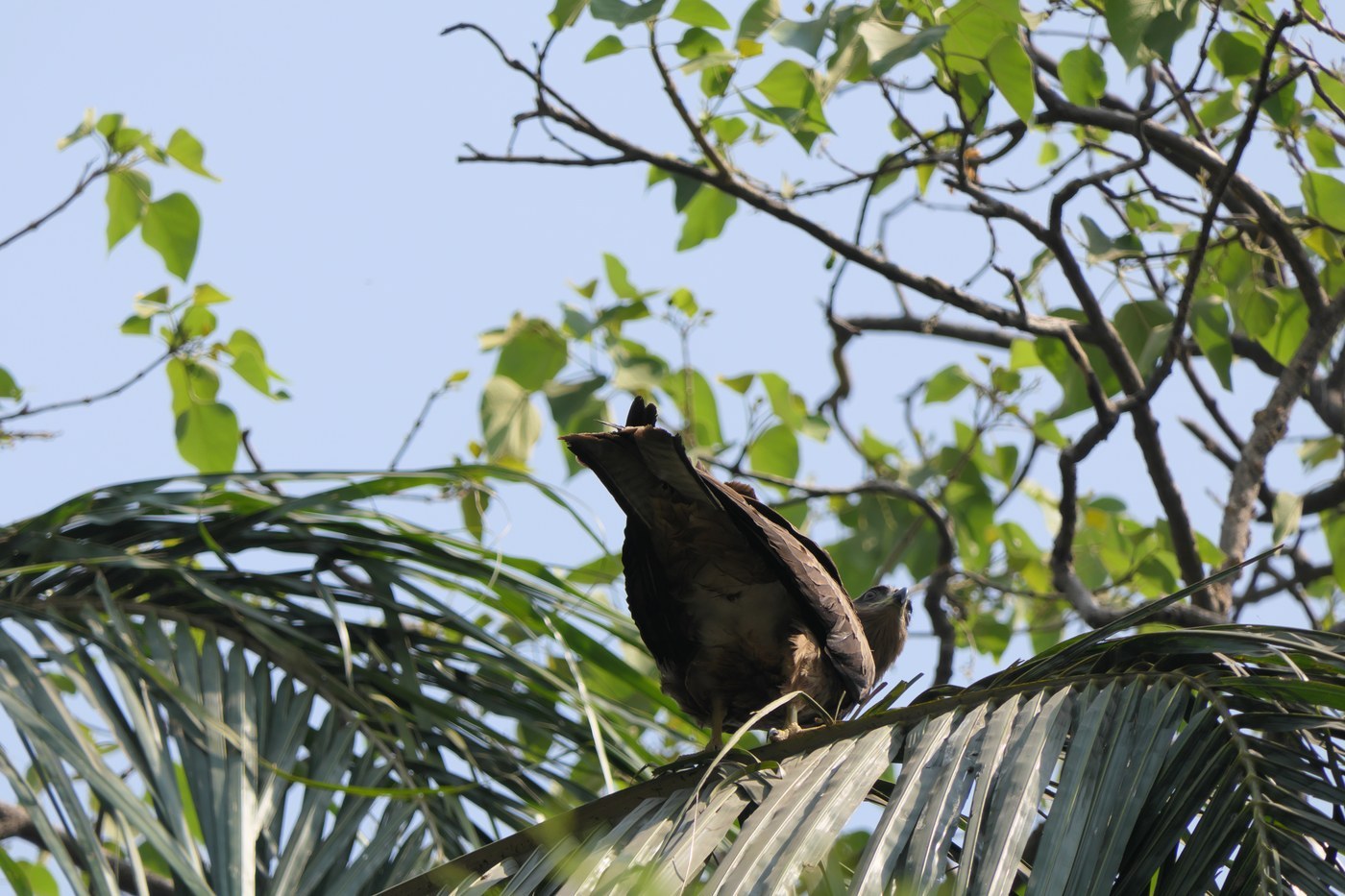
Black Kite
Milvus migrans
The Black Kite is a widespread Old World raptor with dull dark brown plumage, a slightly forked tail, and finely barred flight feathers, notable for its adaptability to human-altered landscapes including cities and rubbish sites.
- Feather type
- Long angled wings with a shallowly forked tail; finely barred flight feathers; dull brown body feathers throughout
- Colours
- Overall dull dark brown plumage with a paler head in some populations; finely barred flight feathers; notched or shallow-forked tail
- Bird size
- Medium-sized raptor, ~55-60 cm, wingspan around 1.3-1.6 m
Found a feather like this?
Identify any feather from a photo, free.
Overview
Black Kite
The Black Kite is one of the most widespread and abundant raptors in the world, found across Europe, Asia, Africa, and Australia, and remarkably adaptable to human-modified environments including cities, farmland, and rubbish dumps. Its generally dull, uniform dark brown plumage and shallowly forked tail distinguish it in flight from other similarly sized raptors sharing its range.
Unlike more strictly forest- or grassland-dependent raptors, the Black Kite thrives around human settlements, and its feathers are correspondingly plain and unspectacular compared to more boldly patterned species.
Identifying the Feather
Identifying Black Kite Feathers
- Primaries/secondaries: long, brown above, finely and somewhat indistinctly barred below, without strong contrast.
- Tail feathers: notably shallow-forked (notched) at the tip compared to many other raptors, brown with faint darker barring.
- Body feathers: dull dark brown throughout, sometimes with a slightly paler, streaked head, lacking bold patterning.
- The shallow tail fork combined with overall plain dark brown coloring, and finding the feather in an urban or human-modified setting, are the most useful clues for this widespread and adaptable species.
Plumage & Molt
Plumage
Adults are dull dark brown overall with a somewhat paler, streaked head and a shallowly forked tail. Juveniles are similar but often show more pale streaking on the breast and head. Plumage varies subtly among the many geographic subspecies across its huge range, though all share the generally plain brown tone and forked tail shape. Sexes look alike.
Habitat & Range
Habitat & Range
Extremely widespread across Europe, Asia, Africa, and Australia, occupying an enormous range of habitats from wetlands and farmland to cities and rubbish sites, wherever food is available. Northern populations are migratory, wintering in Africa and southern Asia, while many populations in warmer regions are resident.
Behavior & Field Notes
Behavior & Field Notes
Black Kites are opportunistic feeders, taking a wide range of small prey and scavenged food, and are especially conspicuous around human settlements, landfill sites, and fishing areas where food waste is available. They often nest colonially or in loose aggregations in trees. Calls include a distinctive whinnying, high-pitched whistle. A plain dark brown feather with a shallowly forked tail shape, found near urban areas, farmland, or waterways across its huge Old World range, is consistent with this highly adaptable species.
Frequently asked questions
What is the most useful shape clue for a Black Kite feather?
The tail feathers show a shallow fork or notch at the tip, a useful shape distinction from the deeper fork of some other kite species and the rounded or squared tails of many hawks.
Why might I find Black Kite feathers in a city?
The species is highly adaptable and commonly forages around human settlements, rubbish sites, and waterways, making it one of the more likely raptors to leave feathers in urban or semi-urban settings across its range.
Is Black Kite plumage brightly patterned?
No, it is generally plain, dull dark brown throughout with only subtle head streaking, quite unlike more boldly marked raptors.
How widespread is this species?
It is one of the most widespread raptors in the world, found across Europe, Asia, Africa, and Australia in an enormous variety of habitats.
Black Kite guides
In-depth guides for identifying and understanding Black Kite.
Black Kite identified by the community
Real feathers identified with Feather Identifier.

Other feathers you may enjoy

Australian Hobby
Long, narrow pointed flight feathers; slender tail feathers

California Condor
Massive flight feathers; long broad primaries; large tail feathers

Brown Falcon
Broad, rounded flight feathers; variable-toned contour feathers
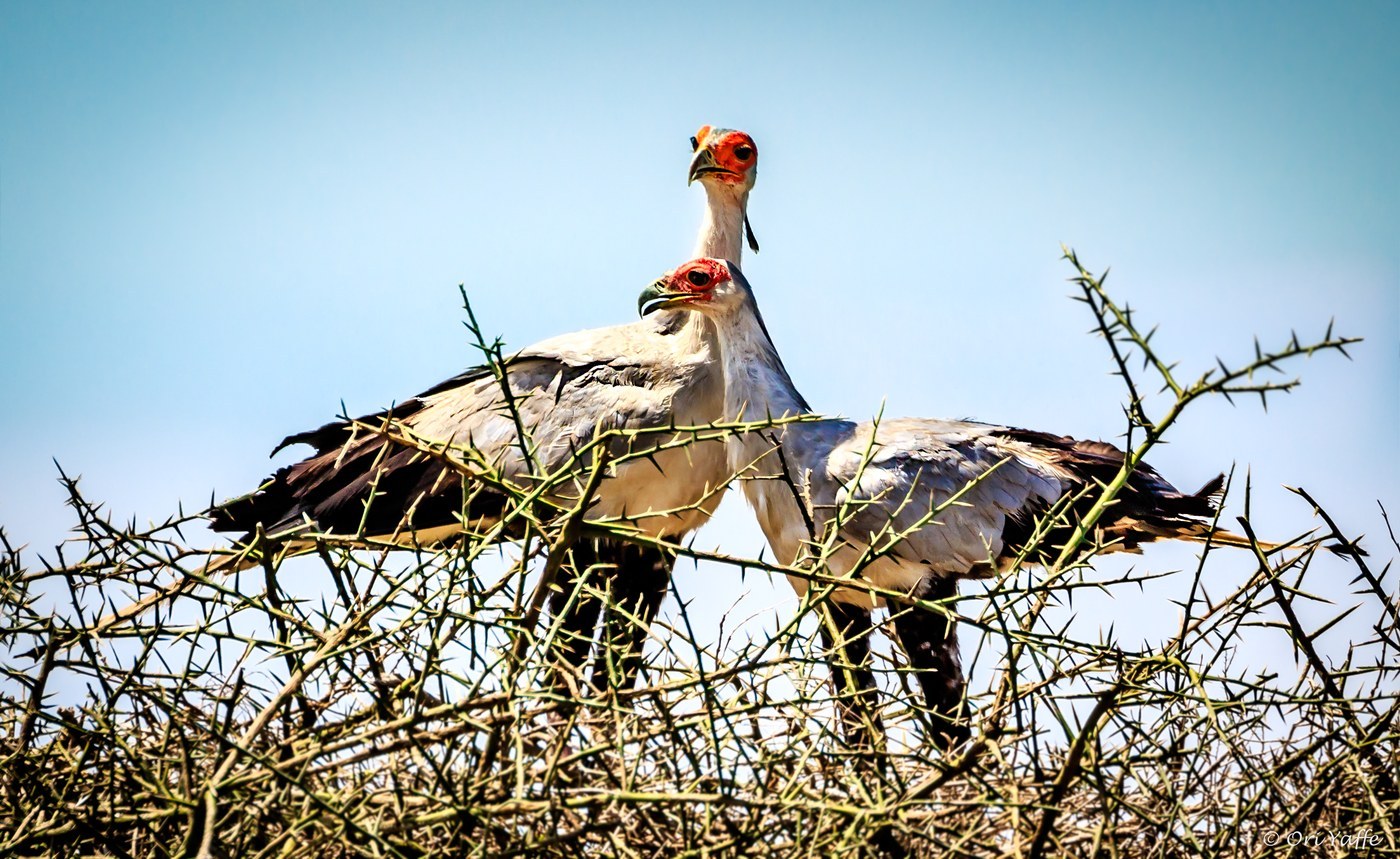
Secretarybird
Long crest feathers; broad flight feathers; elongated central tail feathers

Orange-breasted Falcon
Broad-based pointed flight feathers; bold breast and belly feathers
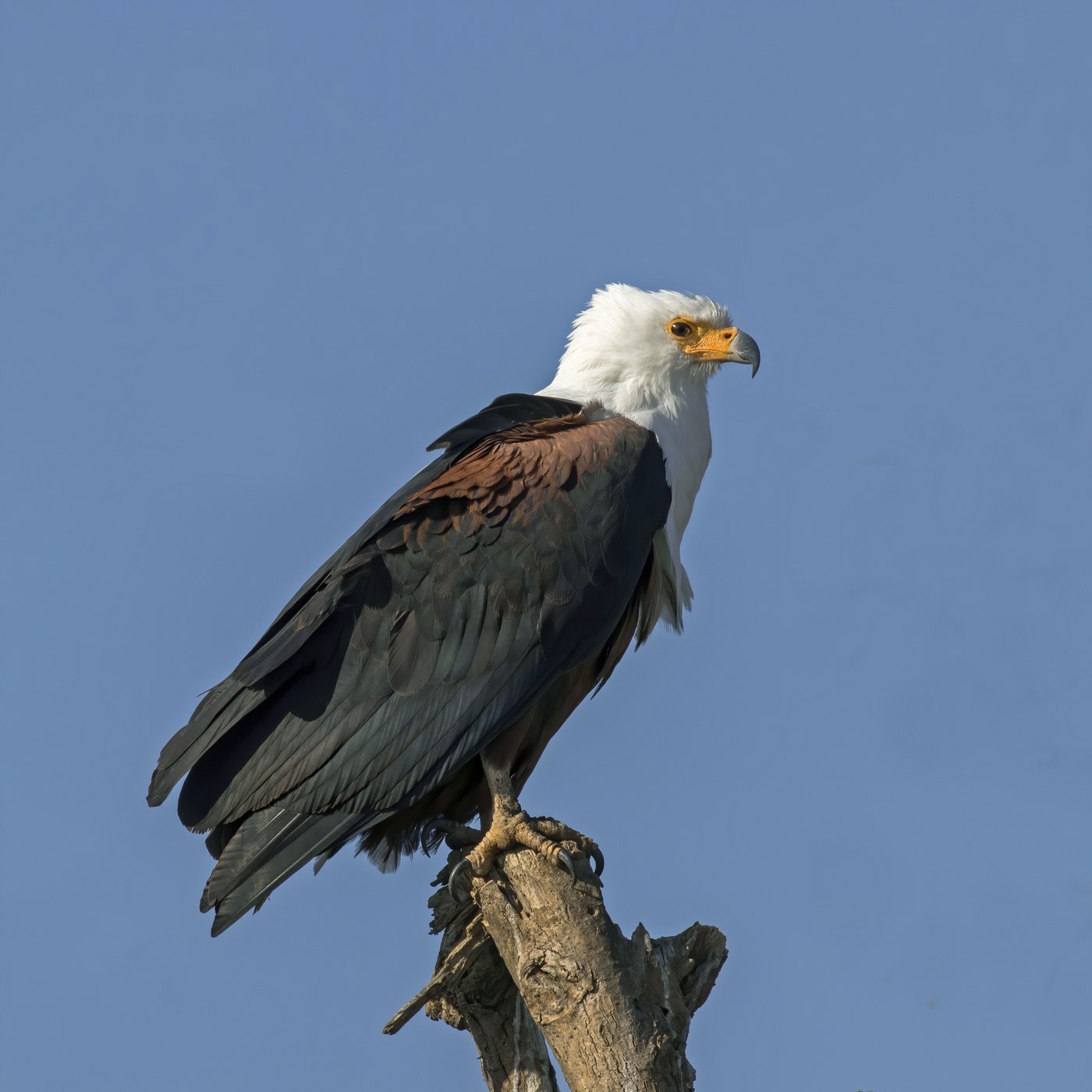
African Fish Eagle
Flight, tail, and body feathers

Amur Falcon
Slender pointed flight feathers; soft slate or orange-buff contour feathers
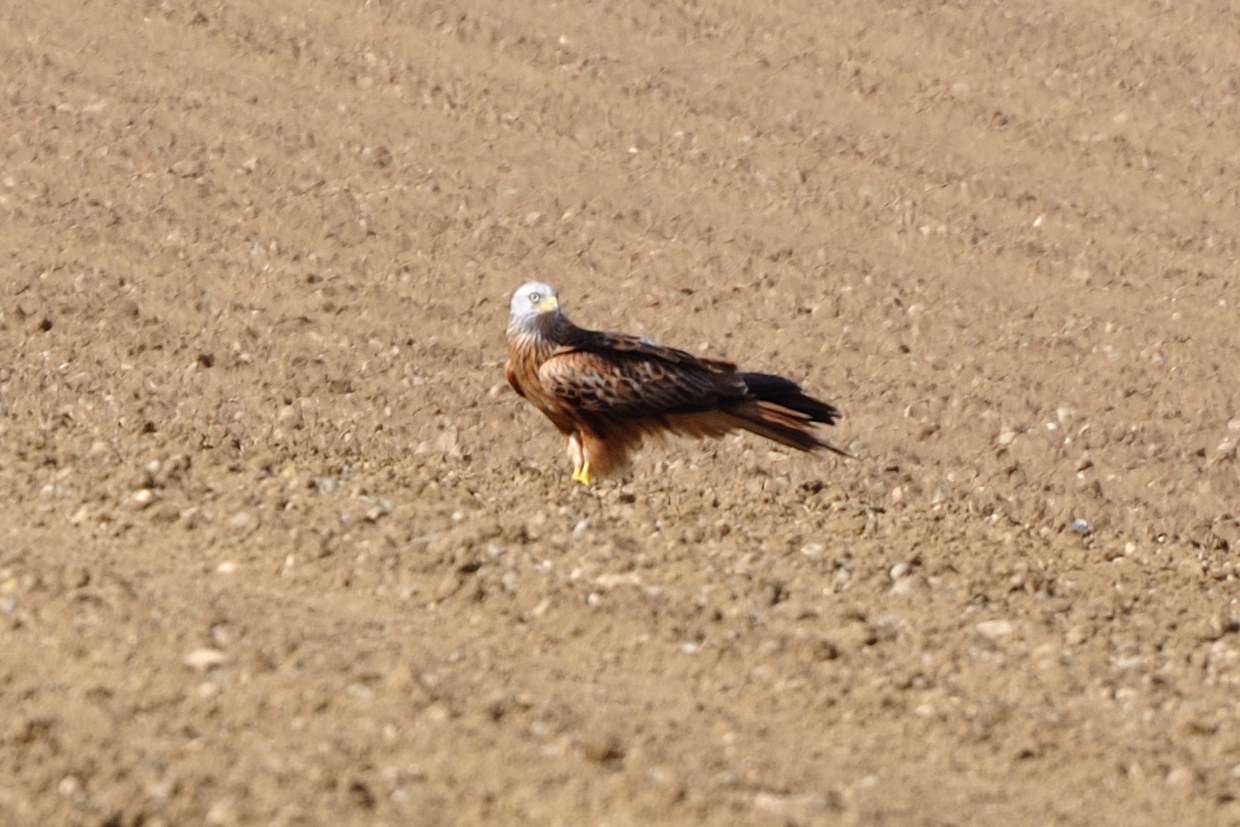
Red Kite
Flight (wing) and tail feathers
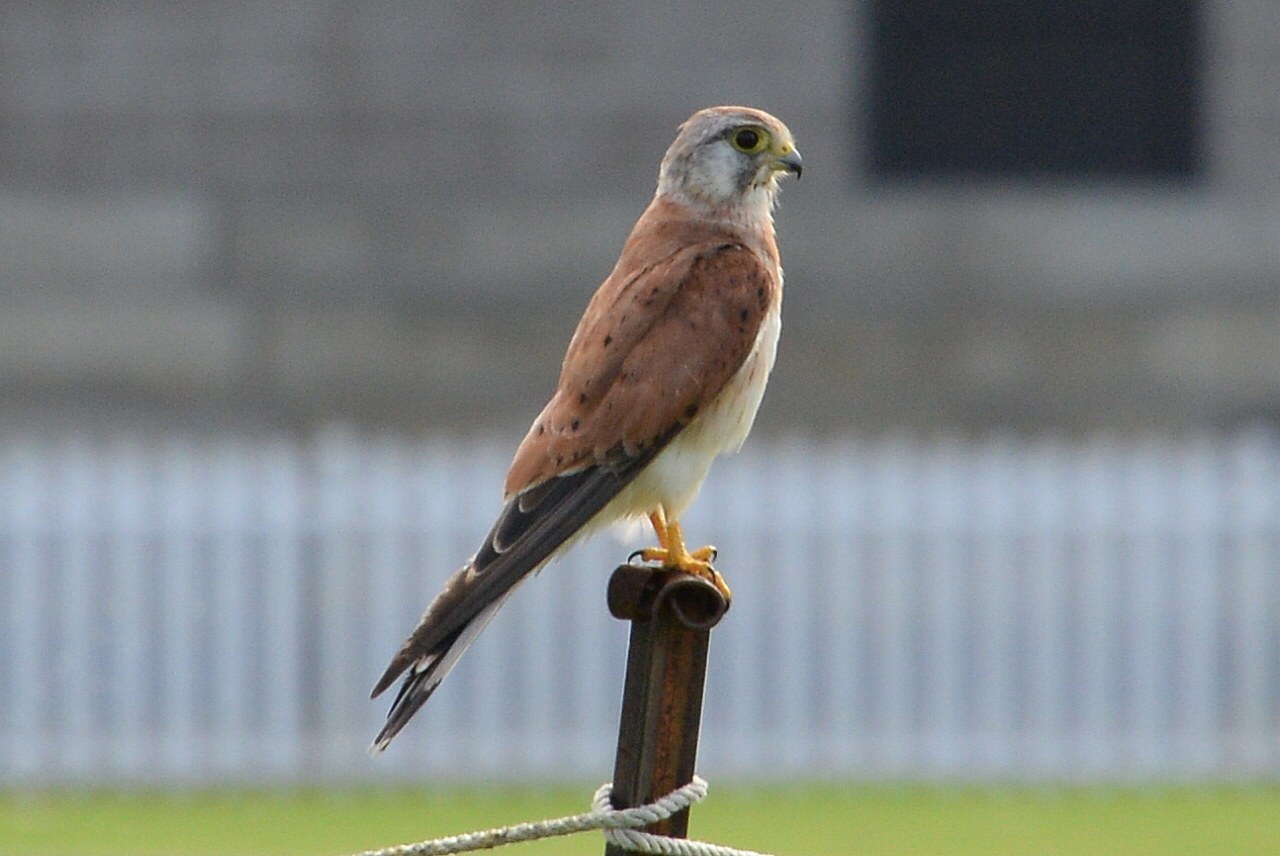
Nankeen Kestrel
Slim pointed flight feathers; lightly marked contour feathers

Andean Condor
Massive flight feathers; broad primaries and secondaries; sturdy tail feathers

Plumbeous Forest Falcon
Short rounded flight feathers; finely barred tail feathers

Sooty Falcon
Long pointed flight feathers; slim tail feathers