
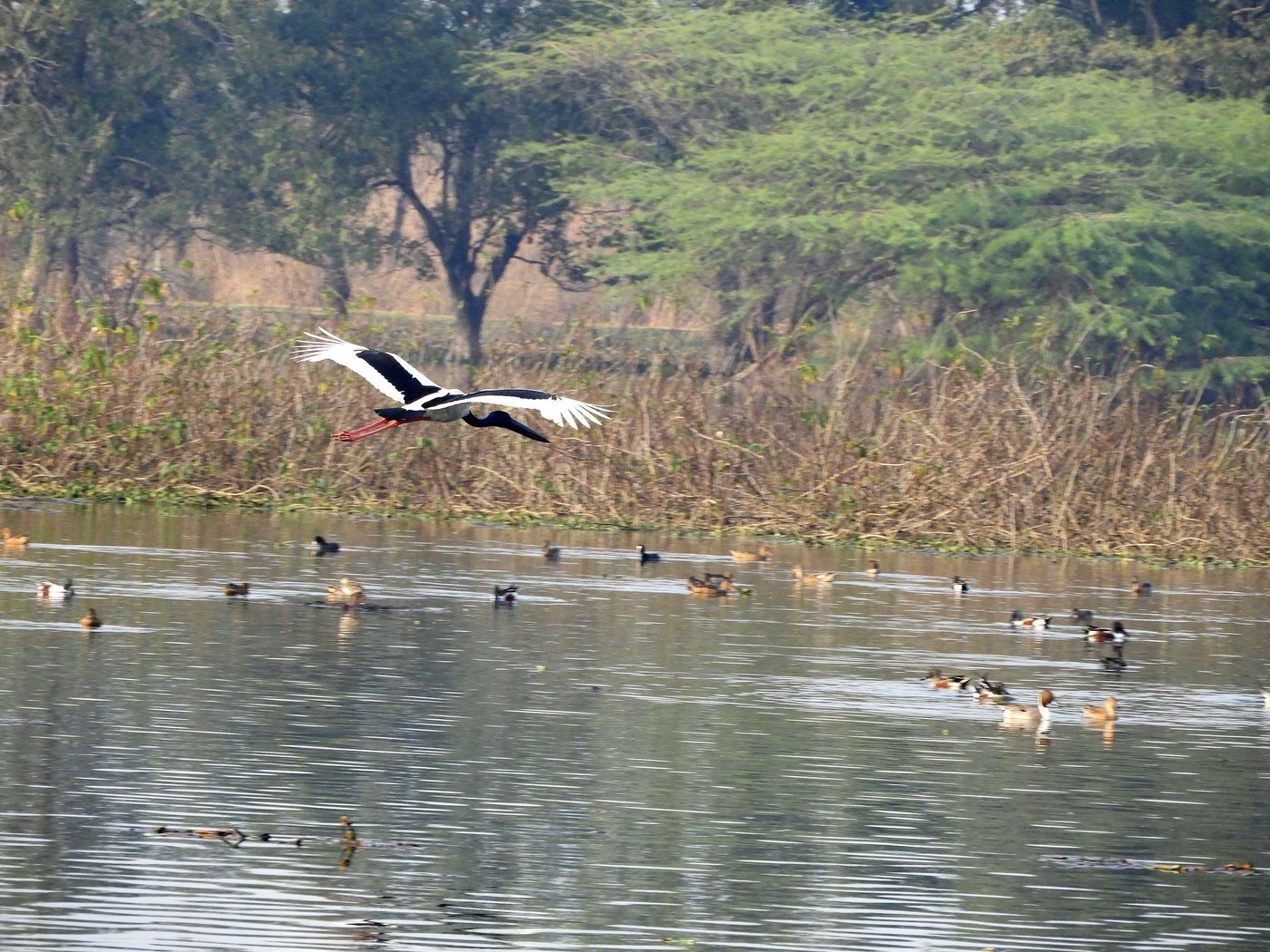
Black-necked Stork
Ephippiorhynchus asiaticus
A tall, striking stork of India and Australia with a glossy iridescent black head and neck, a white body, and bold black-and-white wings, sometimes locally called the Jabiru despite being unrelated to the true American species.
- Feather type
- Contour feathers and long glossy flight feathers
- Colours
- Iridescent black head and neck with a white body
- Bird size
- Very tall stork, ~110-150 cm
Found a feather like this?
Identify any feather from a photo, free.
Overview
Overview
The Black-necked Stork is a tall, elegant wading bird found across South Asia and Australia, easily recognized by its glossy iridescent black head and neck set against an otherwise white body, with the wings showing a bold black-and-white pattern in flight. In Australia the species is often colloquially called 'Jabiru,' though it is not closely related to the true Jabiru of the Americas.
- Glossy iridescent black head and neck, shining green-purple in good light
- White body plumage contrasting with black-and-white wings
- Long, heavy black bill
- Tall stature with long legs, among the tallest storks in its range
Identifying the Feather
Feather Identification
Black-necked Stork feathers show a striking division between the glossy black head and neck feathers and the white body plumage, with the wings adding further black-and-white contrast.
- Head and neck feathers: glossy black with an iridescent green-purple sheen
- Body contour feathers: white over the breast, back, and belly
- Wing feathers: a mix of black and white, forming a bold pattern visible especially in flight
- Shaft color: dark in black feathers, pale in white feathers
- Vs. Saddle-billed Stork: overall pattern is similar, but Black-necked Stork lacks the bright bill coloration reflected in any feather clues and is generally somewhat smaller
- Vs. Jabiru: unrelated species with a very different, bare-necked appearance, so feathered black neck plumage is a useful distinguishing point
Plumage & Molt
Plumage Details
Adults show a glossy iridescent black head, neck, and much of the wing, contrasting with white body plumage and a black-and-white wing pattern, with a long black bill and long red-pink legs. Males and females can be told apart by eye color, with males having dark brown eyes and females yellow eyes, though this is not reflected in feather appearance. Juveniles are duller brownish-grey overall, gradually acquiring the glossy black adult plumage over a few years. Molt is gradual, without a sharply defined single molting period.
Habitat & Range
Habitat & Range
Black-necked Storks inhabit freshwater wetlands, floodplains, grasslands, and shallow lakes across South Asia, mainland Southeast Asia, and northern and eastern Australia. The species is largely resident or shows only local nomadic movements tied to water availability rather than long-distance migration. It typically occurs singly or in pairs rather than large flocks.
Behavior & Field Notes
Behavior & Field Notes
Black-necked Storks forage by wading through shallow water, hunting fish, amphibians, reptiles, and other prey with slow, deliberate movements and sudden strikes. Pairs typically remain together on stable territories and build large stick nests in tall trees near wetlands. The species is largely silent, communicating mainly through bill-clattering displays. Its combination of a glossy black head and neck, tall stature, and solitary or paired habits helps distinguish it in the field from the more colonial storks and egrets sharing its wetland habitats.
Frequently asked questions
Is the Australian 'Jabiru' the same species as the true Jabiru?
No, the bird commonly called Jabiru in Australia is actually the Black-necked Stork, a different and unrelated species from the true Jabiru of Central and South America.
What gives Black-necked Stork feathers their shine?
The black head and neck feathers have an iridescent structure that reflects green and purple tones in direct light, similar to the sheen seen in some crows and grackles.
How can I tell male and female Black-necked Storks apart?
The plumage looks the same in both sexes; the reliable difference is eye color, with males having dark eyes and females yellow eyes.
Where would a Black-necked Stork feather most likely be found?
Near freshwater wetlands, floodplains, and grasslands across South Asia, Southeast Asia, or northern and eastern Australia.
Black-necked Stork guides
In-depth guides for identifying and understanding Black-necked Stork.
Other feathers you may enjoy

Yellow-billed Spoonbill
White contour and flight feathers with fine breeding plumes on the back and breast
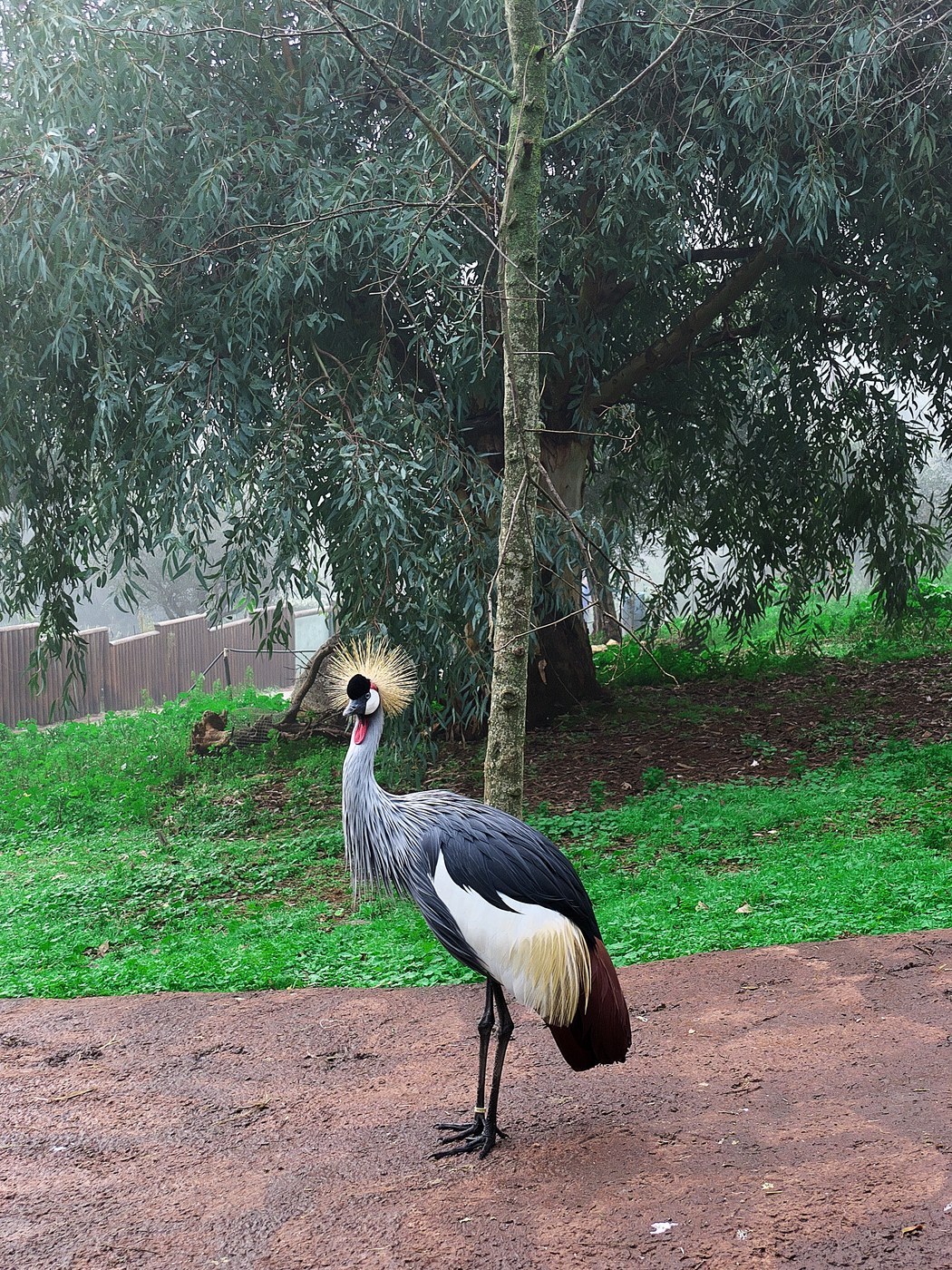
Grey Crowned Crane
Grey body feathers with white wing coverts, chestnut flight feathers, and stiff golden crown bristles
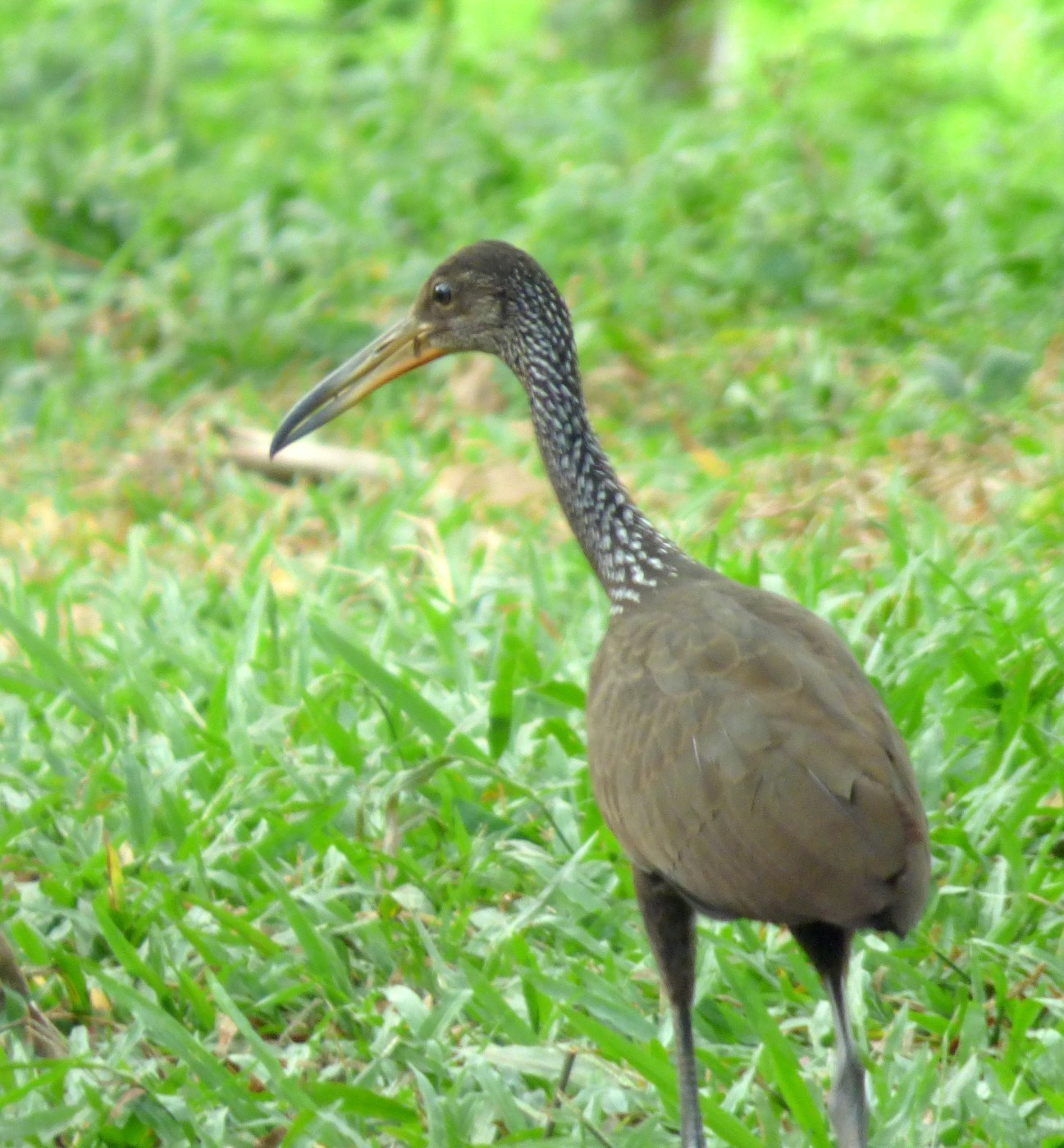
Limpkin
Brown contour feathers with white teardrop-shaped spots and streaks
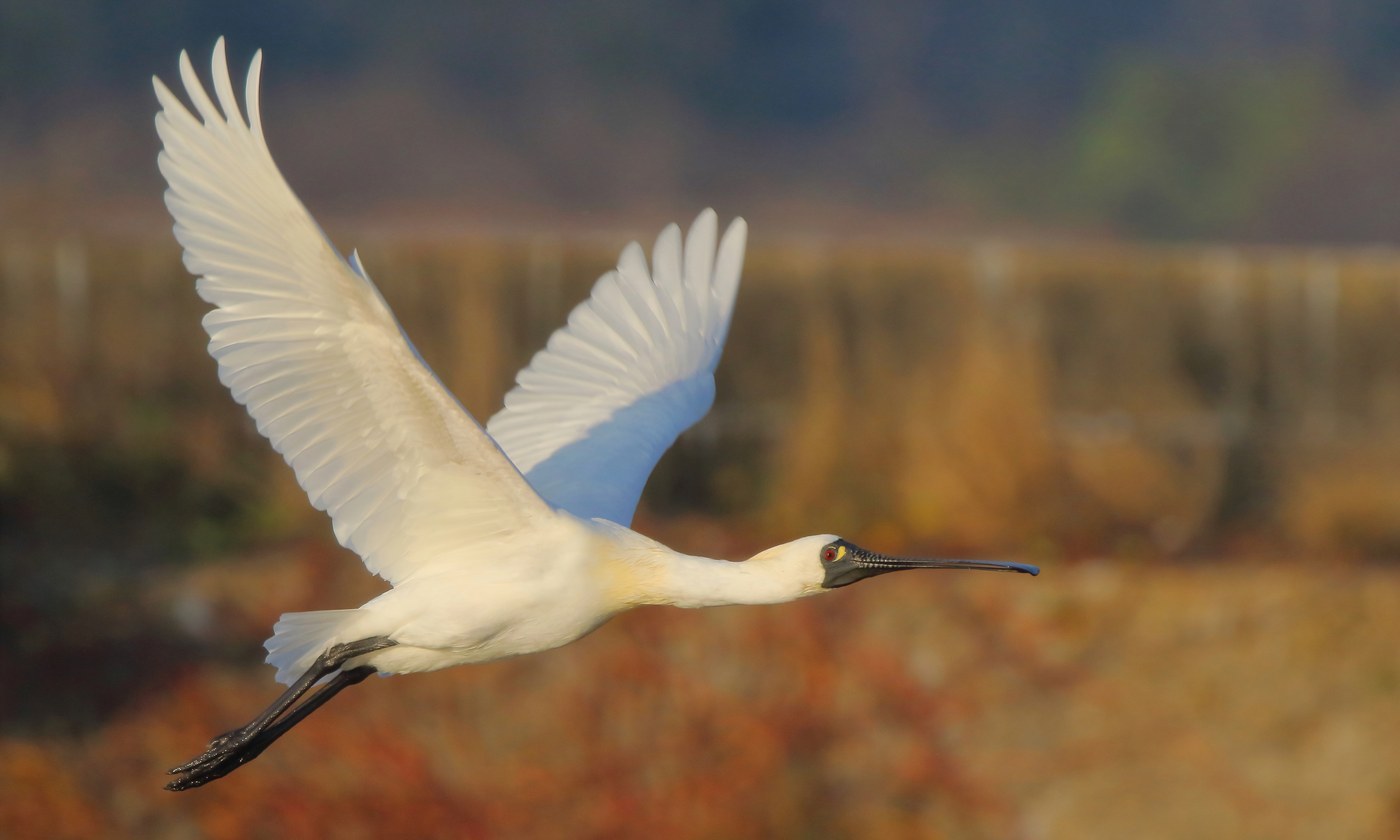
Black-faced Spoonbill
White contour and flight feathers with fine breeding crest and breast plumes
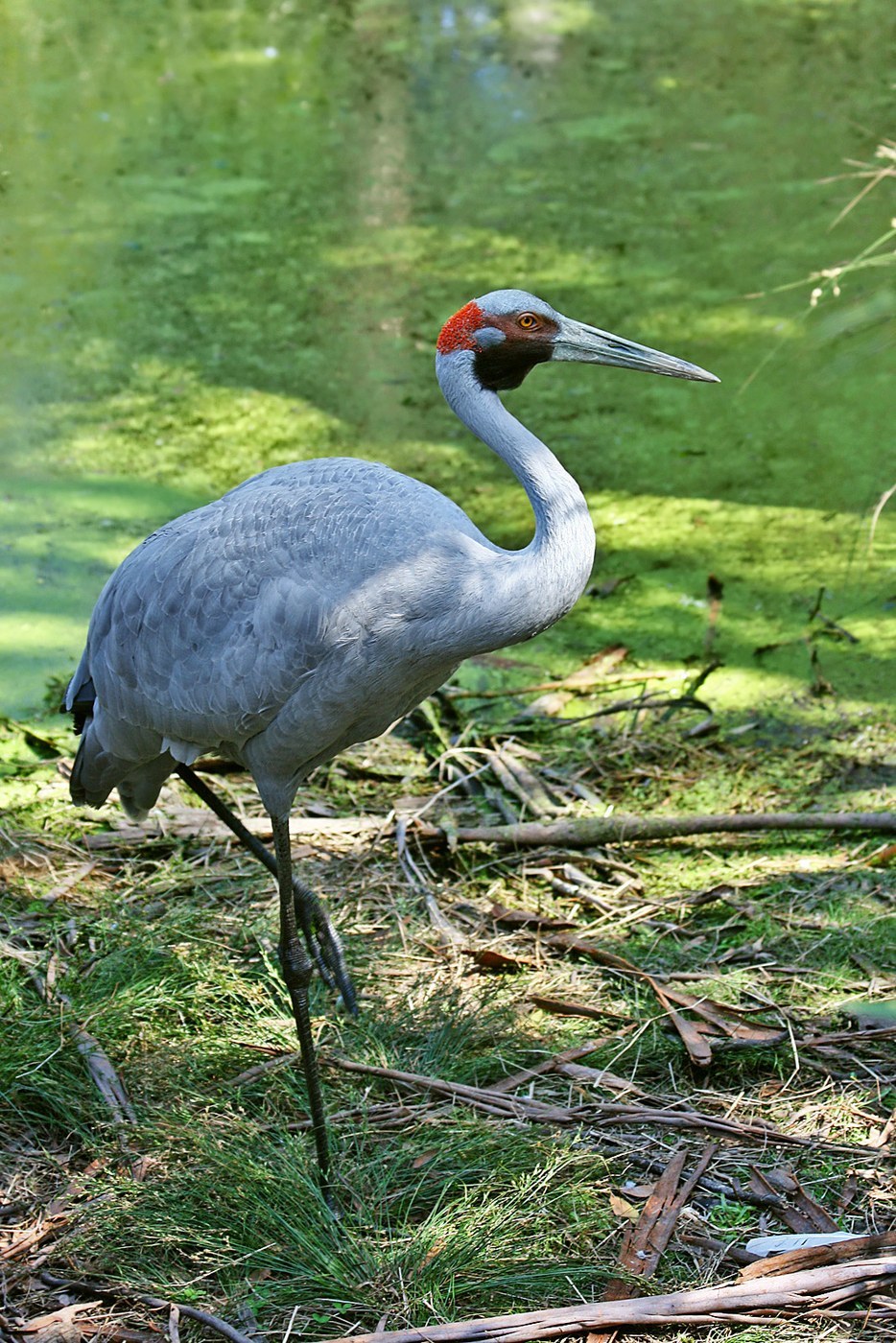
Brolga
Grey contour feathers with drooping bustle plumes
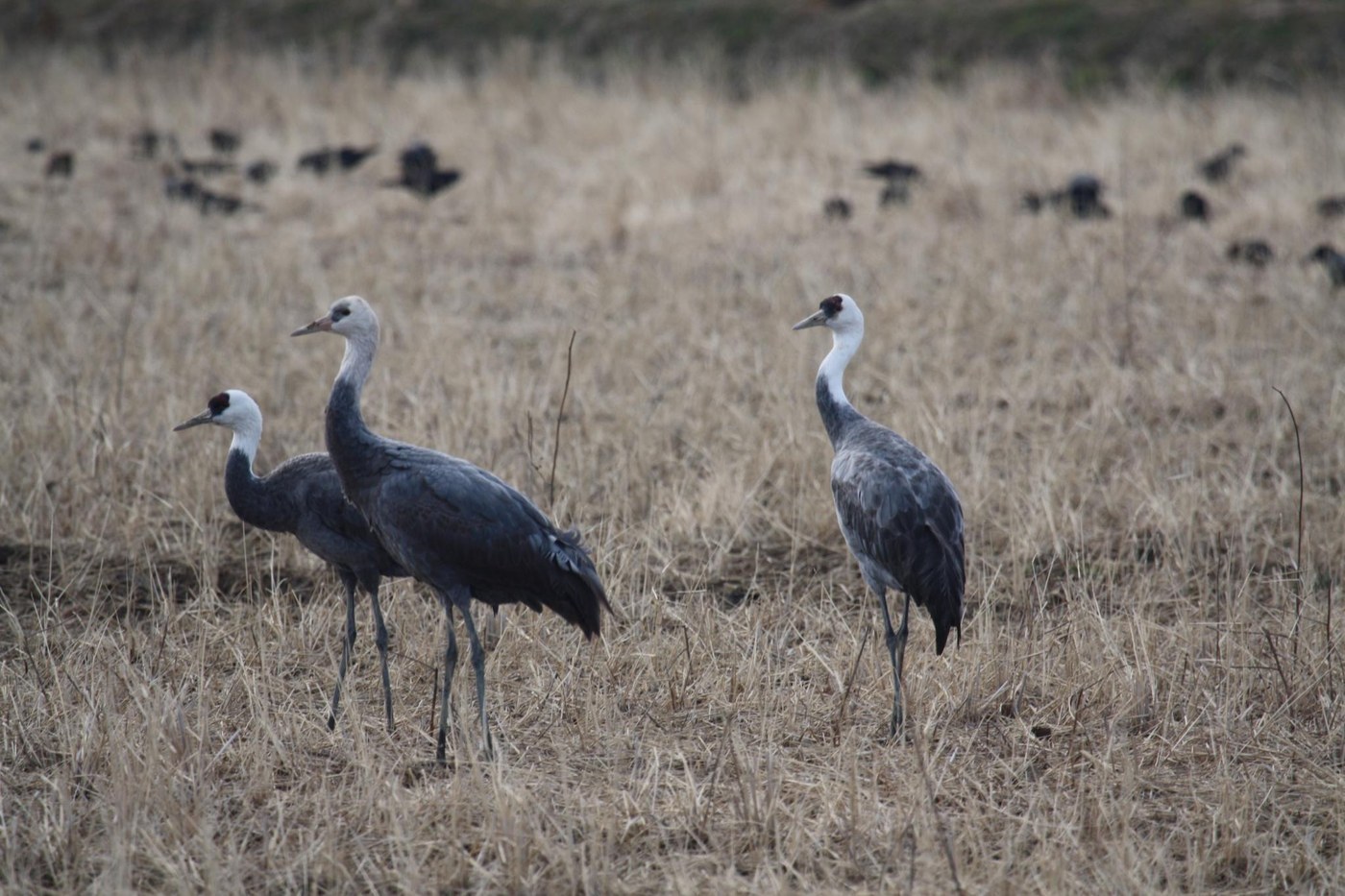
Hooded Crane
Dark slate-grey body feathers with a white head/upper neck 'hood' and black bustle plumes
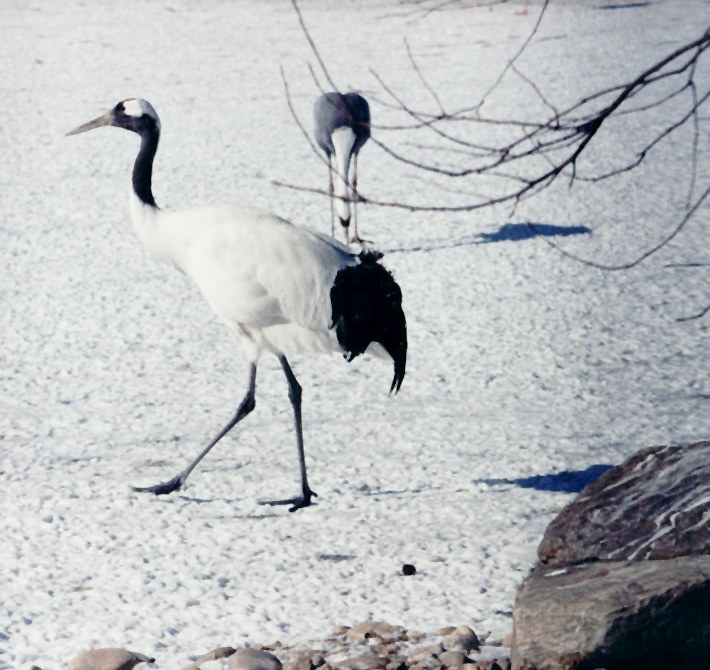
Red-crowned Crane
White contour feathers with black secondary/tertial bustle feathers and a bare red crown

Common Crane
Grey contour feathers with black head/neck feathers and drooping bustle plumes
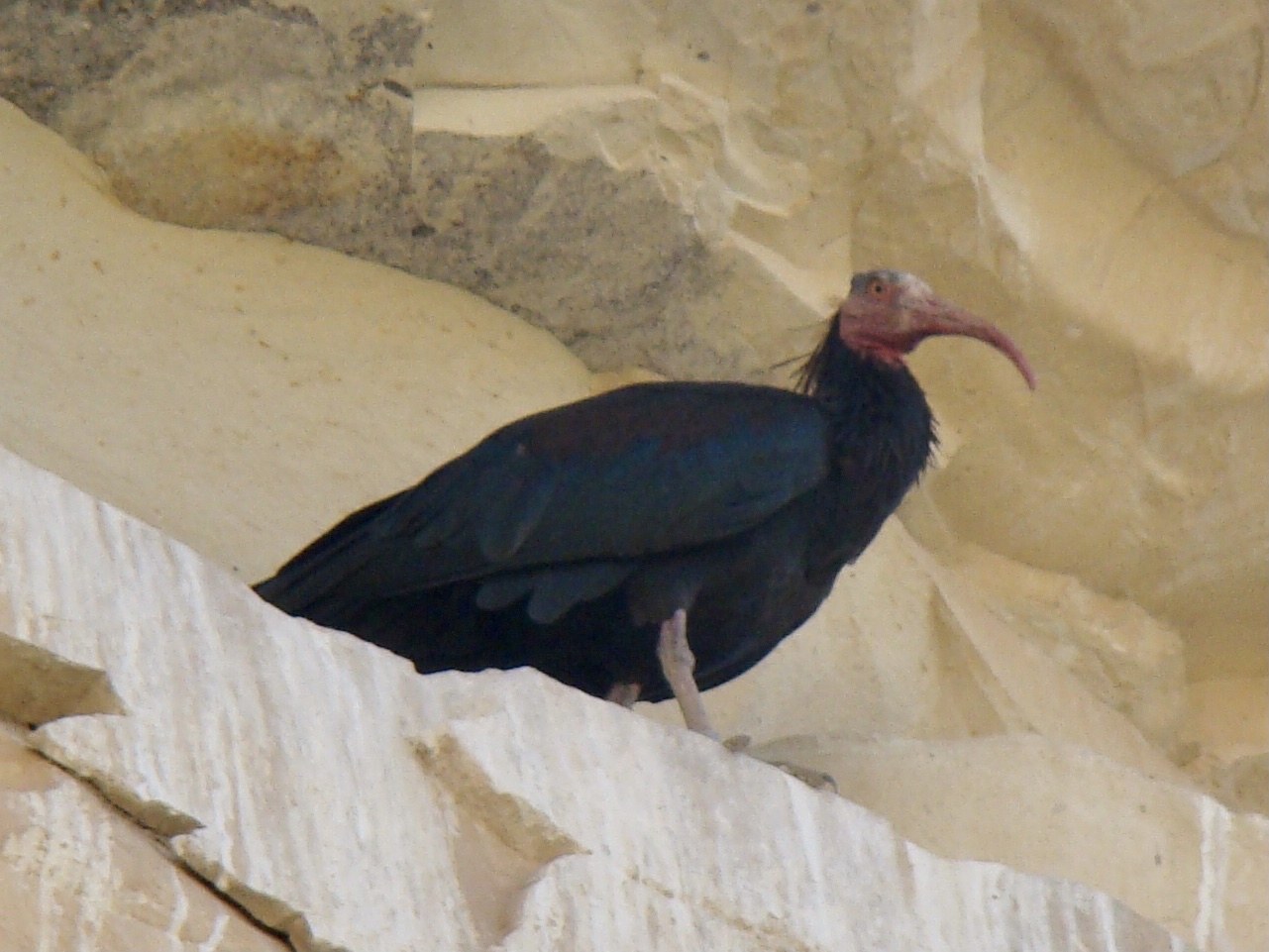
Northern Bald Ibis
Glossy black contour feathers with elongated nape plumes
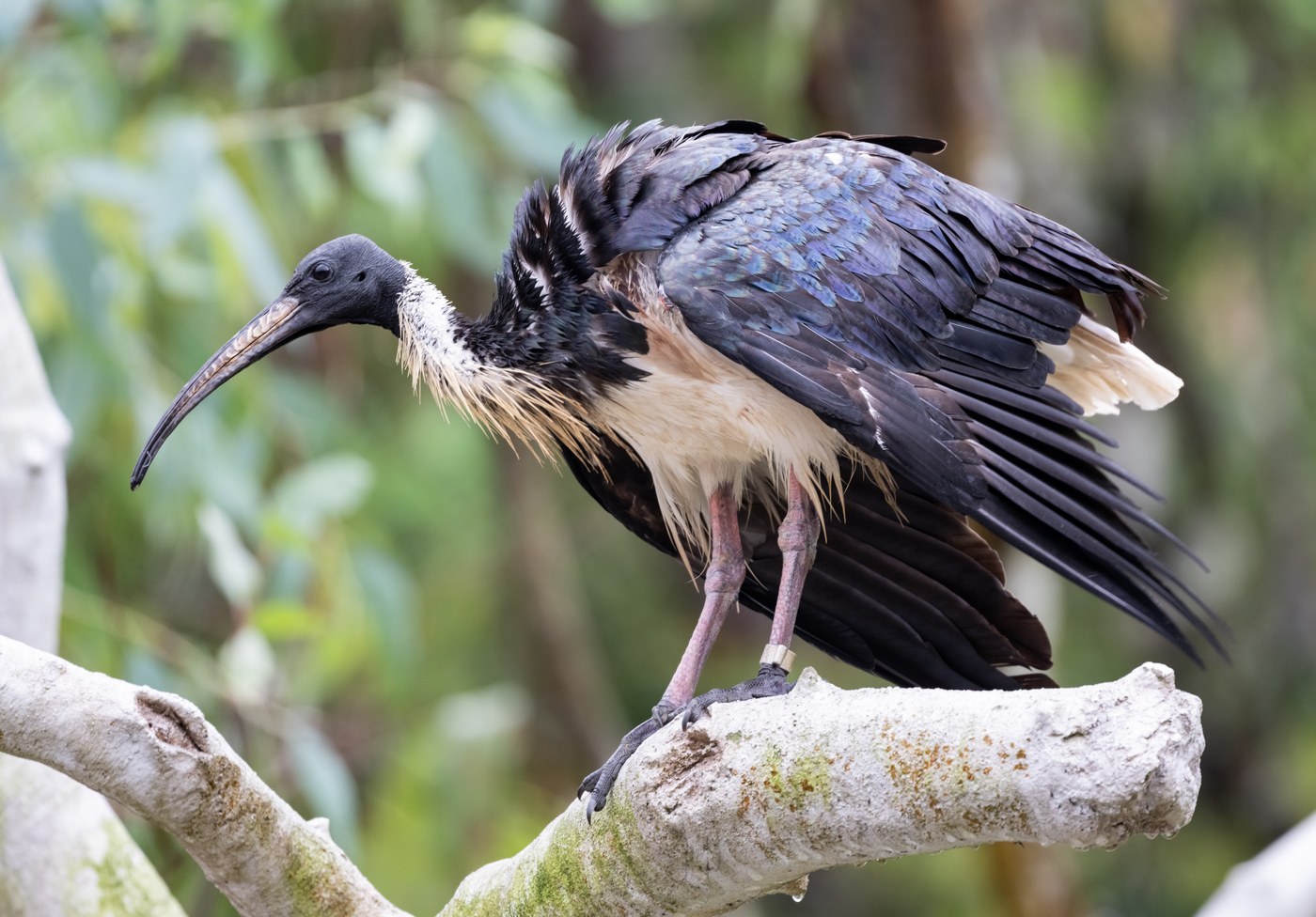
Straw-necked Ibis
Glossy contour feathers with unique straw-like neck plumes
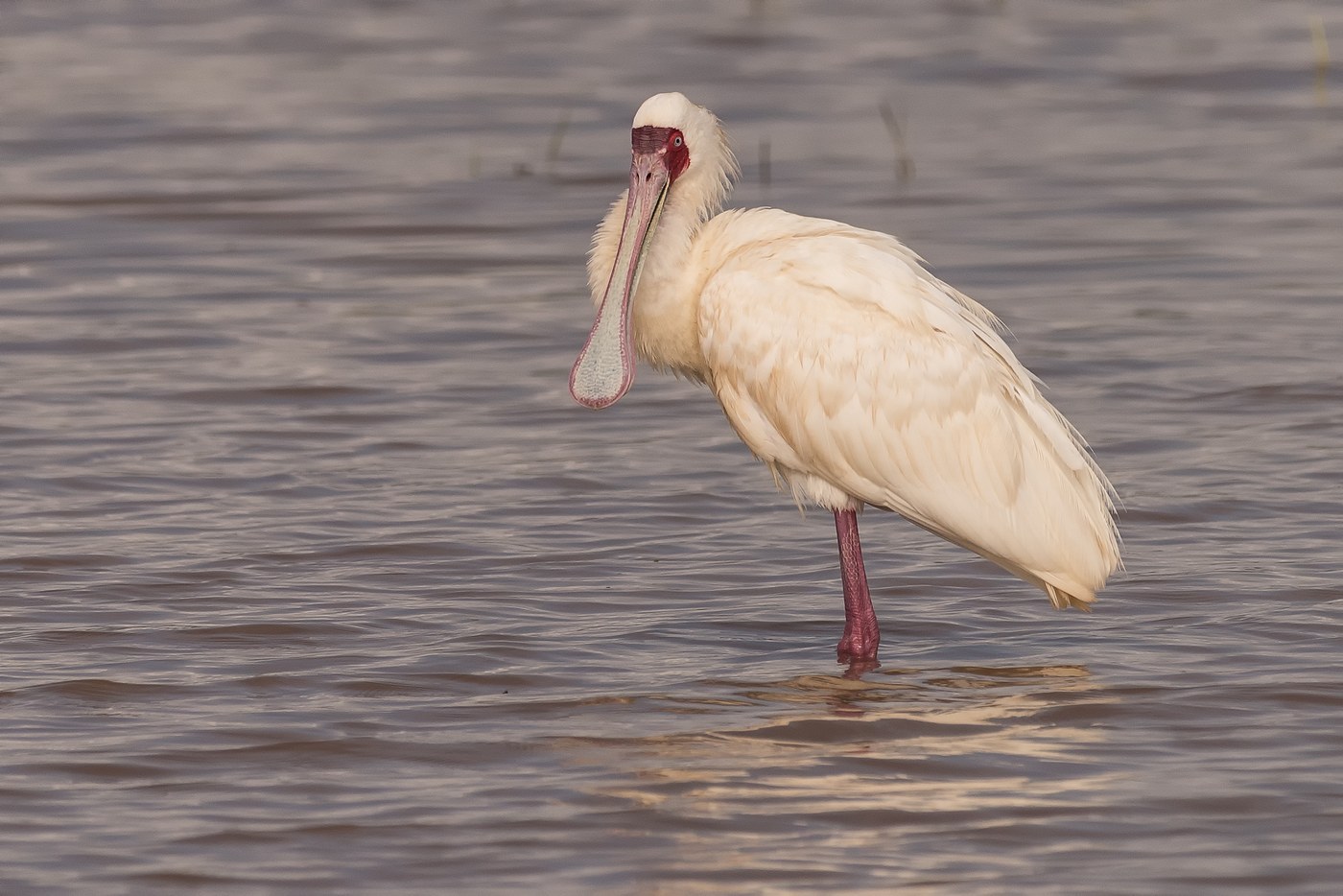
African Spoonbill
White contour and flight feathers, unmarked by black tips

Roseate Spoonbill
Pink and white contour and flight feathers with a carmine shoulder patch