

Black Sparrowhawk
Accipiter melanoleucus
The largest African accipiter, occurring in a striking pied form with sharply demarcated black upperparts and white underparts as well as an all-black melanistic form, both built for fast pursuit through forest canopy.
- Feather type
- Broad-for-accipiter rounded wings, long banded tail
- Colours
- Glossy black above and white below (pied form), or entirely sooty black (dark morph)
- Bird size
- Large accipiter, ~46-58 cm
Found a feather like this?
Identify any feather from a photo, free.
Overview
The Black Sparrowhawk is the biggest member of the accipiter group in Africa, occupying forest, forest edge, and wooded plantations across much of sub-Saharan Africa. Unusually for the genus, it occurs in two distinct plumage morphs, a boldly pied black-and-white form and an entirely dark form, both sharing the same powerful, forest-adapted build.
Identifying the Feather
In the pied morph, back and crown feathers are glossy black with sharply demarcated white underparts, and a narrow black streak runs down the white throat. Tail feathers are long and barred, broader than smaller accipiters given the species' greater size. In the dark (melanistic) morph, body feathers are uniformly sooty black throughout, lacking the white underparts of the pied form, and this morph is proportionally more common in tropical parts of the range.
Plumage & Molt
The pied adult form is black above and white below with a distinctive black stripe down the white throat, while the melanistic form is entirely blackish. Juveniles of both morphs are browner and less crisply patterned than adults, gradually acquiring adult coloration through successive molts. Sexes are similar in pattern, though females are notably larger than males, as typical for accipiters.
Habitat & Range
This species occupies forest, forest edge, wooded plantations, and increasingly wooded suburbs across much of sub-Saharan Africa. It is largely resident, defending forest territories throughout the year.
Behavior & Field Notes
It hunts birds up to the size of pigeons and doves, pursuing them in fast, agile flight through and around forest canopy. Nests are built high in tall forest trees, and the species gives sharp, often repeated calls around the nest site, particularly during the breeding season.
Frequently asked questions
What are the two plumage morphs of Black Sparrowhawk?
A pied morph with black upperparts and white underparts, and an entirely sooty black melanistic morph.
How large is Black Sparrowhawk compared to other accipiters?
It is the largest accipiter in Africa, notably bigger than species like Shikra or Eurasian Sparrowhawk.
What habitat does it prefer?
Forest, forest edge, and wooded plantations, with increasing use of wooded suburban areas.
What does it typically hunt?
Birds up to the size of pigeons and doves, captured in fast pursuit through canopy.
Black Sparrowhawk guides
In-depth guides for identifying and understanding Black Sparrowhawk.

Other feathers you may enjoy

Australian Hobby
Long, narrow pointed flight feathers; slender tail feathers

California Condor
Massive flight feathers; long broad primaries; large tail feathers

Brown Falcon
Broad, rounded flight feathers; variable-toned contour feathers
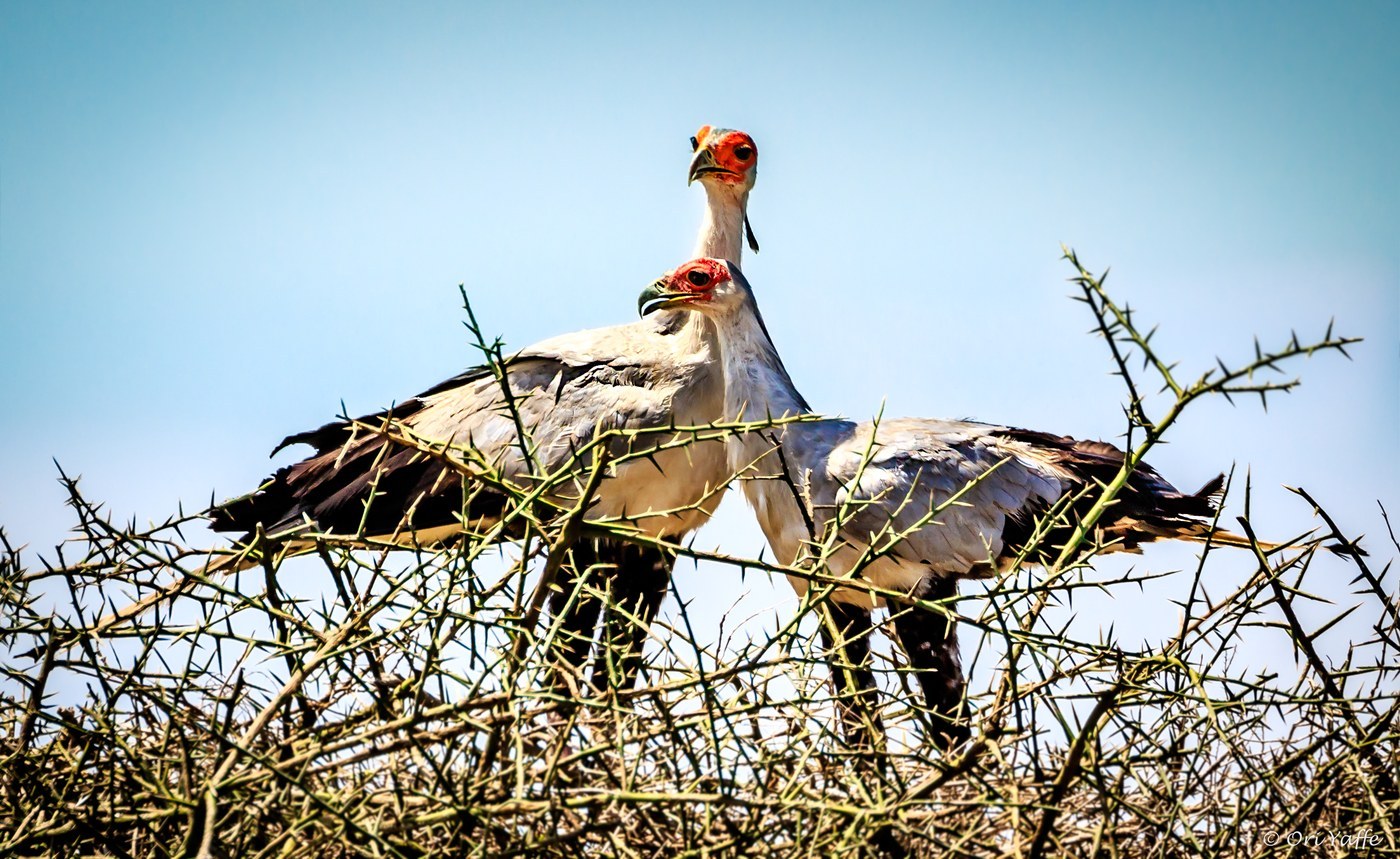
Secretarybird
Long crest feathers; broad flight feathers; elongated central tail feathers

Orange-breasted Falcon
Broad-based pointed flight feathers; bold breast and belly feathers
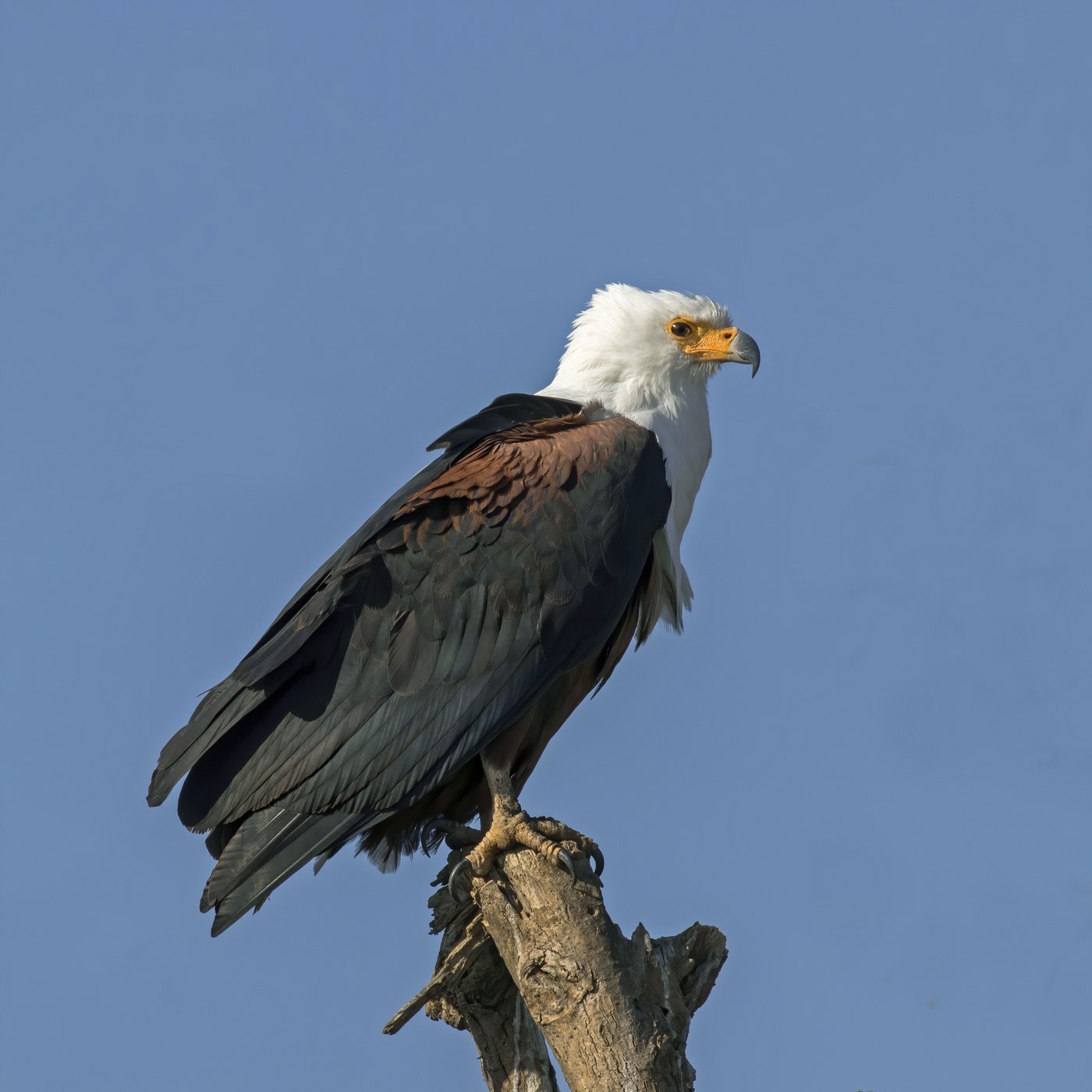
African Fish Eagle
Flight, tail, and body feathers

Amur Falcon
Slender pointed flight feathers; soft slate or orange-buff contour feathers
Red Kite
Flight (wing) and tail feathers
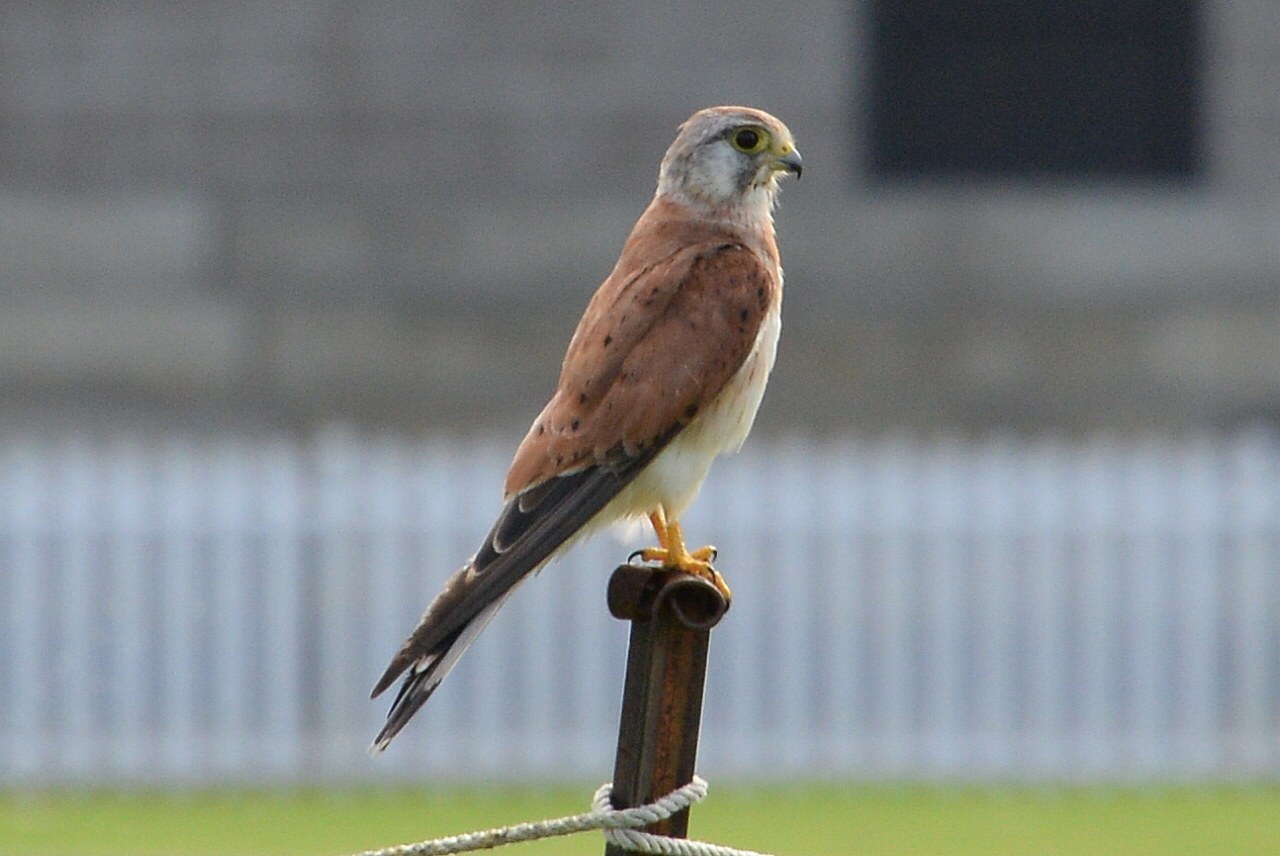
Nankeen Kestrel
Slim pointed flight feathers; lightly marked contour feathers

Andean Condor
Massive flight feathers; broad primaries and secondaries; sturdy tail feathers

Plumbeous Forest Falcon
Short rounded flight feathers; finely barred tail feathers

Sooty Falcon
Long pointed flight feathers; slim tail feathers