
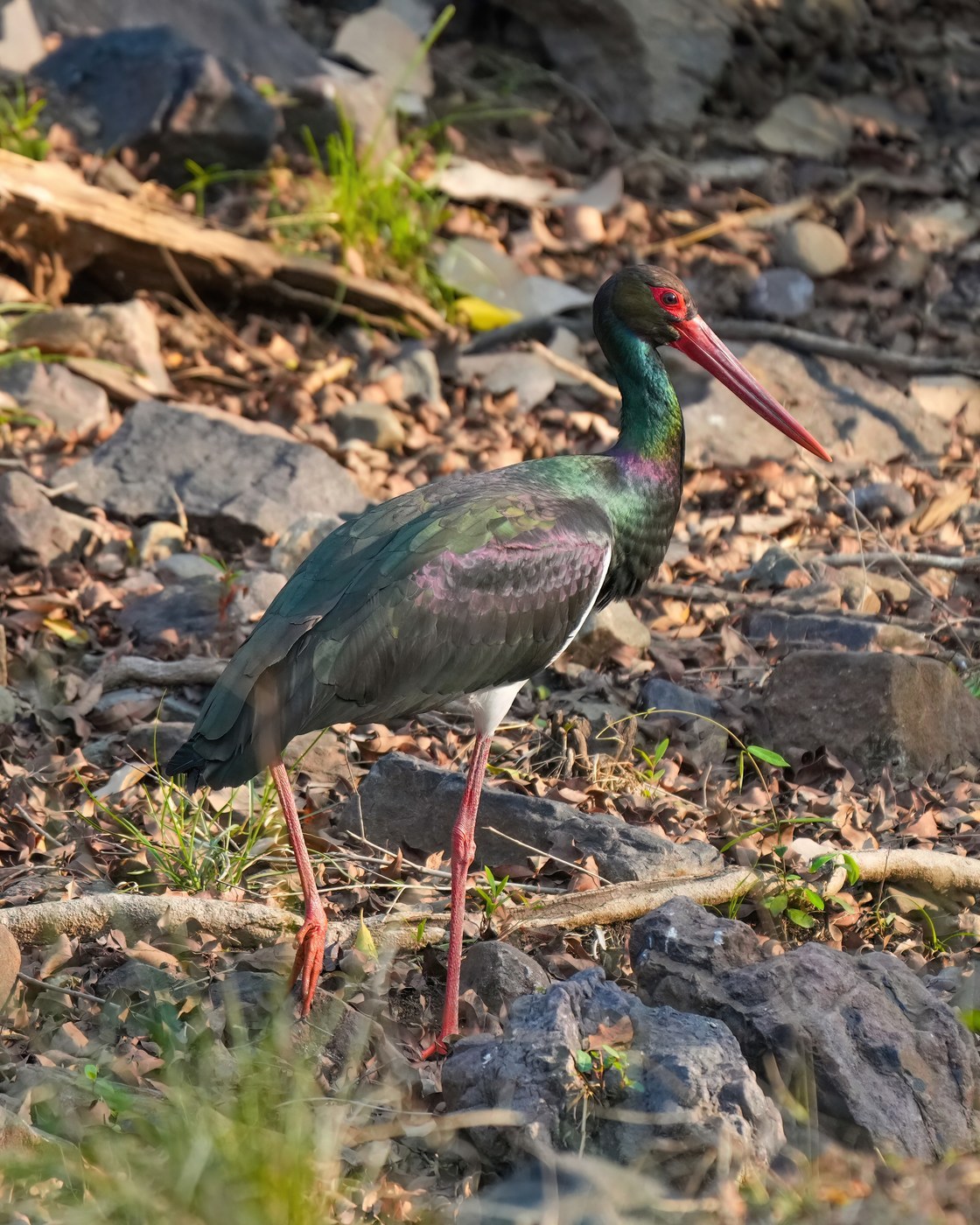
Black Stork
Ciconia nigra
A shy, forest-loving relative of the White Stork with glossy black plumage, a white belly, and a red bill and legs, favoring quiet rivers and wetlands far from people.
- Feather type
- Glossy body contour feathers with black flight feathers
- Colours
- Iridescent black with a white belly
- Bird size
- Large stork, ~95-100 cm
Found a feather like this?
Identify any feather from a photo, free.
Overview
Overview
The Black Stork is a more secretive counterpart to the familiar White Stork, breeding in forested and undisturbed wetland habitats across parts of Europe and Asia rather than around villages. Its plumage is a glossy black over most of the body with a sharply contrasting white belly and underwing coverts, paired with a bright red bill and legs similar to its relative. This striking dark plumage, combined with its avoidance of human settlement, makes it a memorable if less often seen species.
- Glossy black plumage over the head, neck, back, and breast
- Sharp white belly and lower underwing contrasting with the black chest
- Red bill and red legs, similar in color to White Stork
- More wary and habitat-shy than the White Stork, avoiding villages
Identifying the Feather
Feather Identification
Black Stork feathers are best recognized by their glossy, iridescent black sheen across the body, quite different from the flat white body feathers of the White Stork, even though both species share black flight feathers.
- Body contour feathers: black with a greenish-purple iridescent sheen in good light
- Belly and vent feathers: pure white, forming a clear contrast zone
- Flight feathers: black, similar in shape and size to White Stork primaries
- Shaft color: dark in the black feathers, pale in the white belly feathers
- Vs. White Stork: body feathers are the key difference, black and iridescent rather than plain white
- Vs. Glossy Ibis: Black Stork feathers are considerably larger and stiffer, from a much bigger bird
Plumage & Molt
Plumage Details
Adults show glossy black plumage across the head, neck, upperparts, and breast, with an iridescent green and purple sheen visible at close range, contrasting with a clean white lower breast, belly, and undertail. The bill, facial skin, and legs are bright red in breeding adults, duller in non-breeding birds. Juveniles are browner and duller overall, with a greenish-grey bill and legs that brighten with maturity, and lack the strong iridescence of adults. A full molt occurs after breeding, timed around the species' migratory schedule.
Habitat & Range
Habitat & Range
Black Storks breed in mature forests near rivers, lakes, and marshes across scattered parts of Europe, and more widely through temperate and boreal Asia, nesting in large trees or occasionally on cliffs, generally far from human disturbance. The species is migratory, with European and Asian breeders wintering mainly in sub-Saharan Africa or South Asia. It is far less numerous and more thinly distributed than the White Stork, and its populations are considered more sensitive to habitat disturbance.
Behavior & Field Notes
Behavior & Field Notes
Black Storks forage alone or in small groups along quiet streams, river margins, and shallow wetlands, hunting fish, amphibians, and aquatic invertebrates with slow, deliberate wading. Unlike the colonial and often noisy White Stork, this species nests solitarily and behaves cautiously around people, quickly abandoning disturbed sites. Vocalizations are limited, mostly bill-clattering at the nest and occasional soft calls. Migrating birds soar on thermals like White Storks but tend to travel in smaller, less conspicuous groups, and their preference for forested, undisturbed wetlands is a useful behavioral clue distinguishing the species from its more urban relative.
Frequently asked questions
What makes Black Stork feathers different from White Stork feathers?
Black Stork body feathers are a glossy, iridescent black rather than plain white, while both species share black flight feathers.
Do Black Stork feathers have any white on them?
Yes, the lower belly and vent area is white, creating a sharp contrast with the black chest and upperparts.
Why is the Black Stork harder to see than the White Stork?
It nests in forests and avoids human settlements, in contrast to the White Stork's habit of nesting on rooftops and towers, so it is encountered far less often.
Where would a Black Stork feather most likely be found?
Near quiet, forested rivers, lakes, and marshes across its European and Asian breeding range, or wetland stopover sites on migration toward Africa or South Asia.
Black Stork guides
In-depth guides for identifying and understanding Black Stork.
Black Stork identified by the community
Real feathers identified with Feather Identifier.


Other feathers you may enjoy

Yellow-billed Spoonbill
White contour and flight feathers with fine breeding plumes on the back and breast
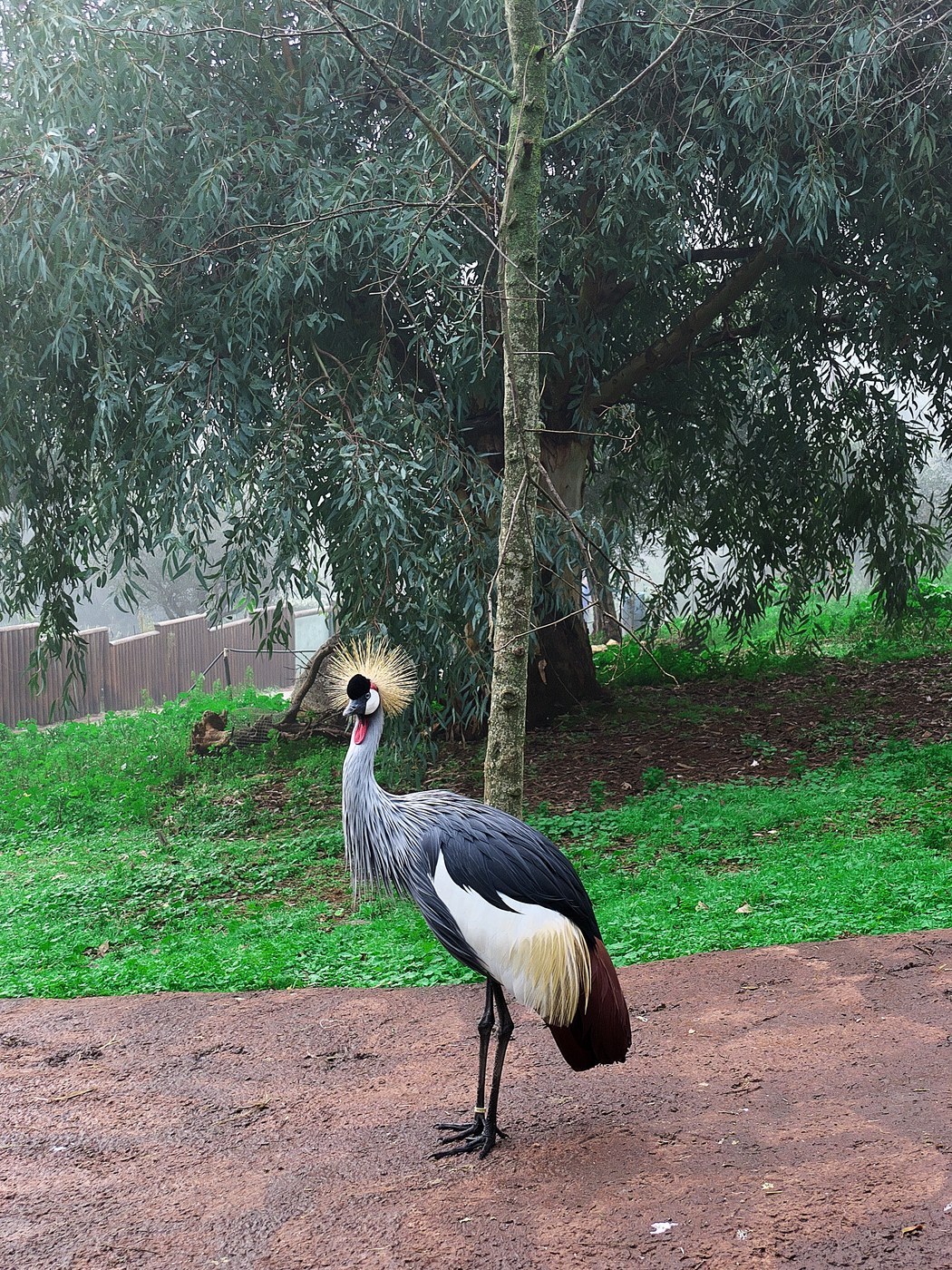
Grey Crowned Crane
Grey body feathers with white wing coverts, chestnut flight feathers, and stiff golden crown bristles
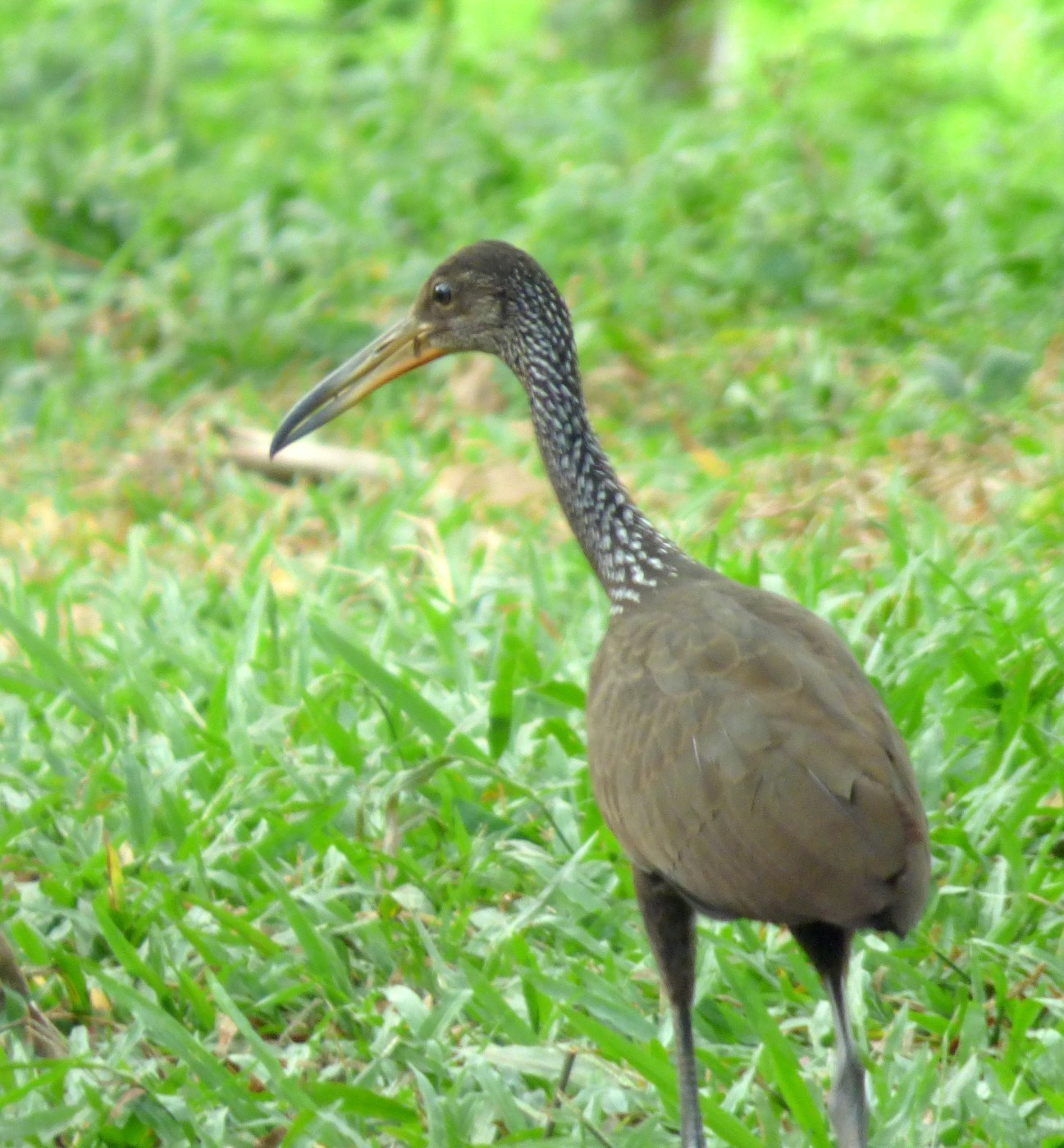
Limpkin
Brown contour feathers with white teardrop-shaped spots and streaks
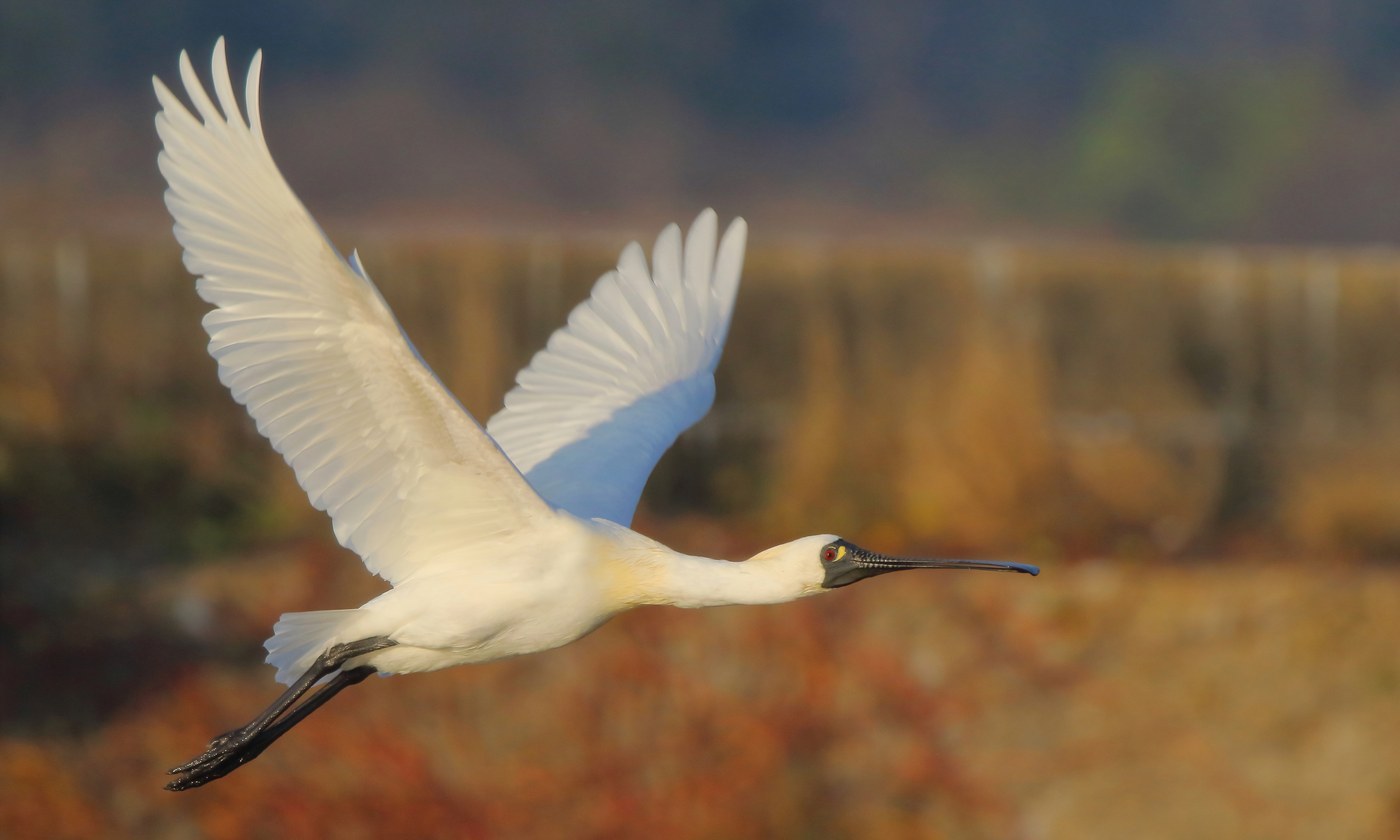
Black-faced Spoonbill
White contour and flight feathers with fine breeding crest and breast plumes
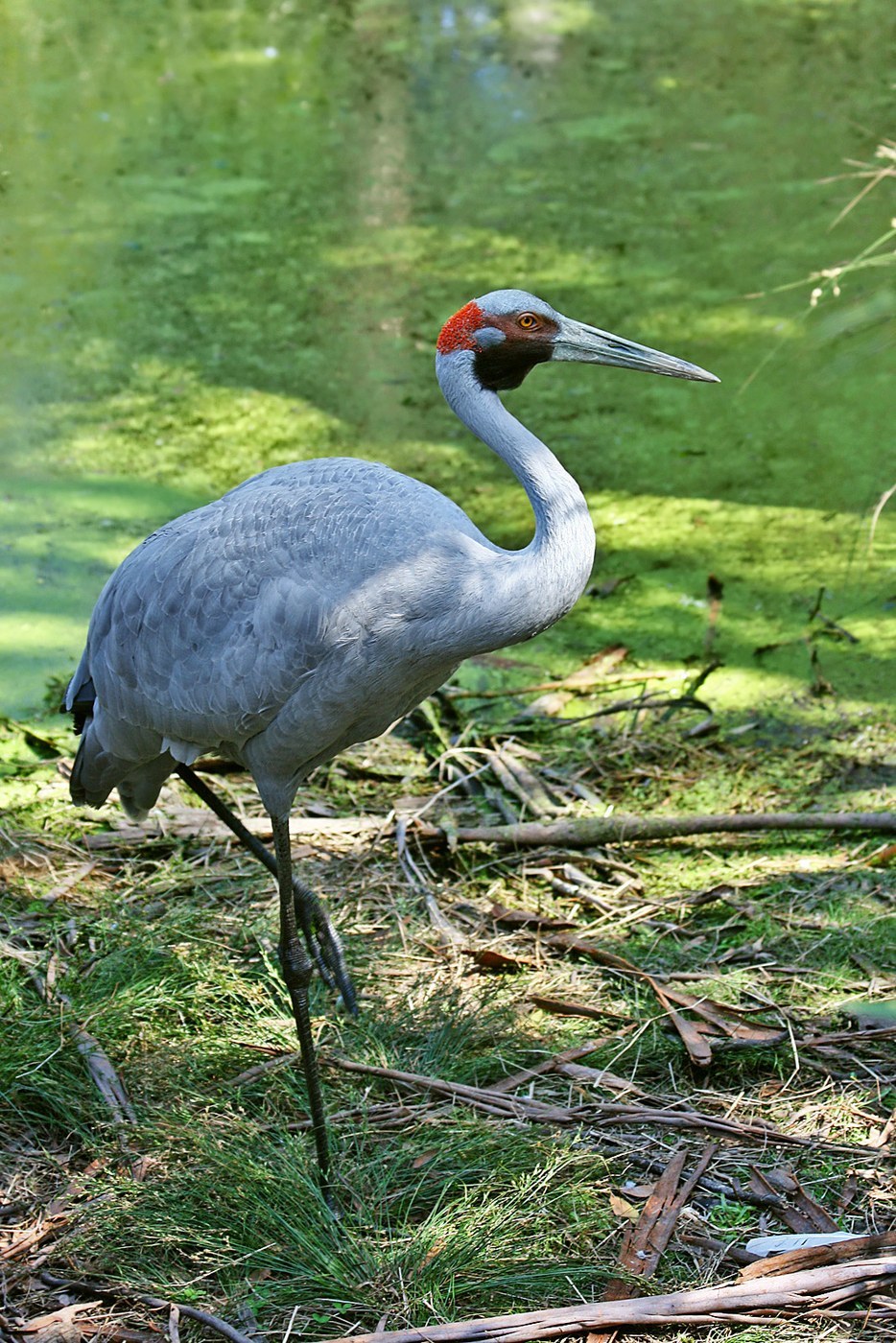
Brolga
Grey contour feathers with drooping bustle plumes
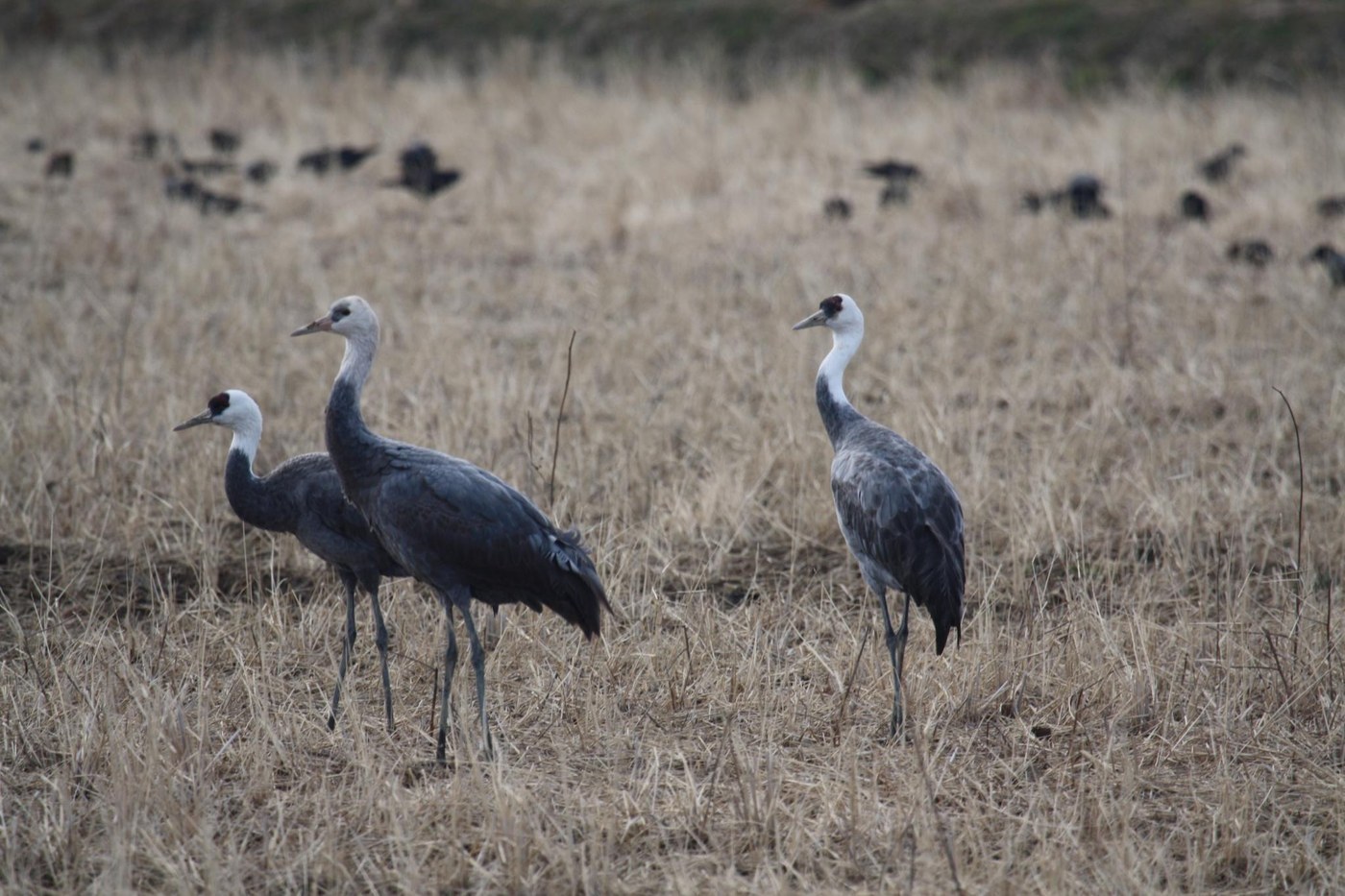
Hooded Crane
Dark slate-grey body feathers with a white head/upper neck 'hood' and black bustle plumes
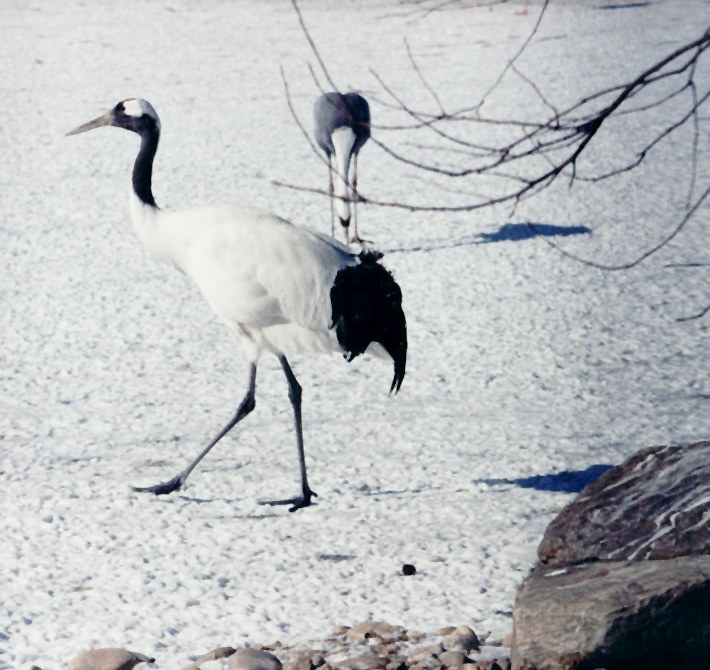
Red-crowned Crane
White contour feathers with black secondary/tertial bustle feathers and a bare red crown

Common Crane
Grey contour feathers with black head/neck feathers and drooping bustle plumes
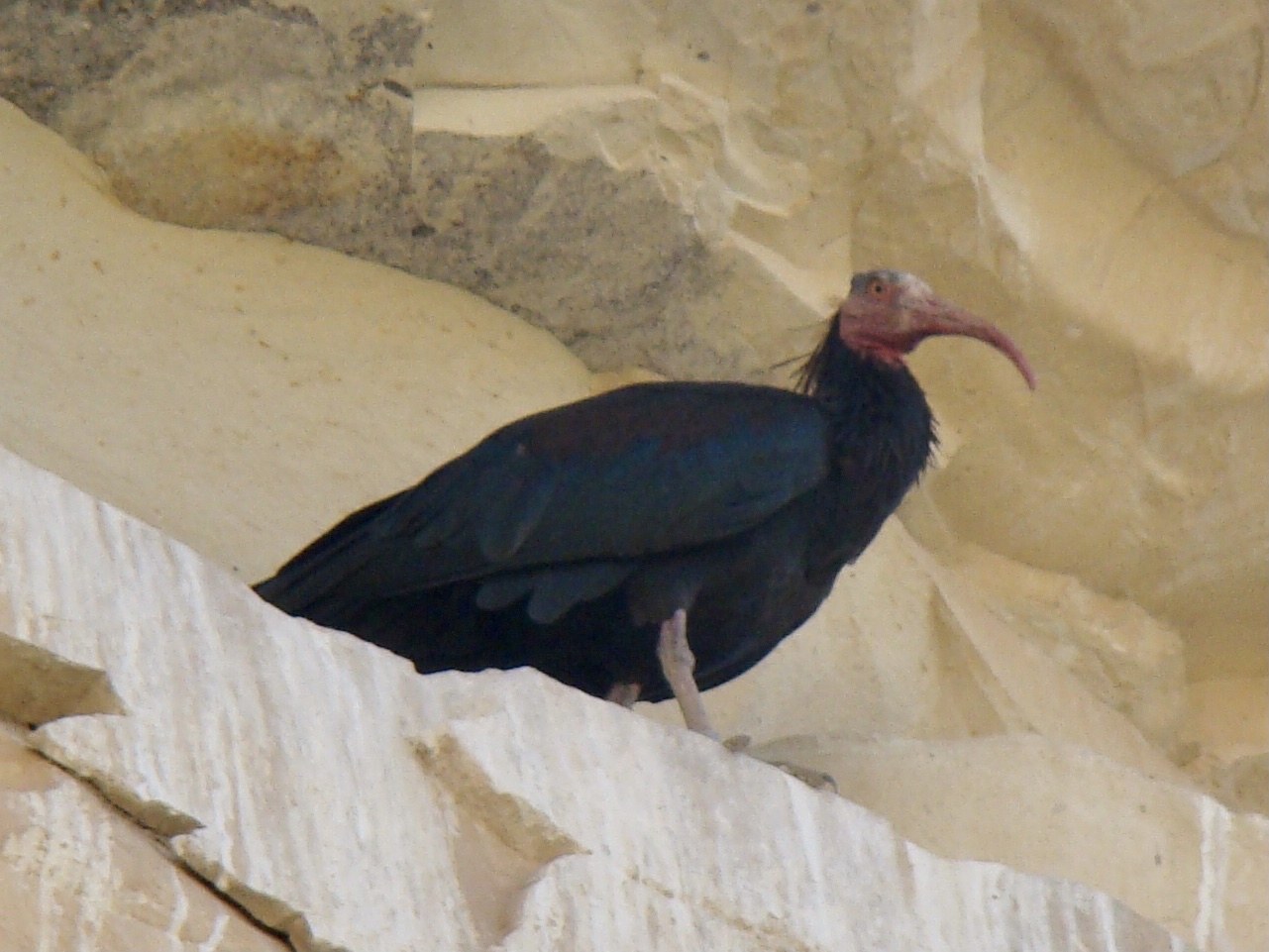
Northern Bald Ibis
Glossy black contour feathers with elongated nape plumes
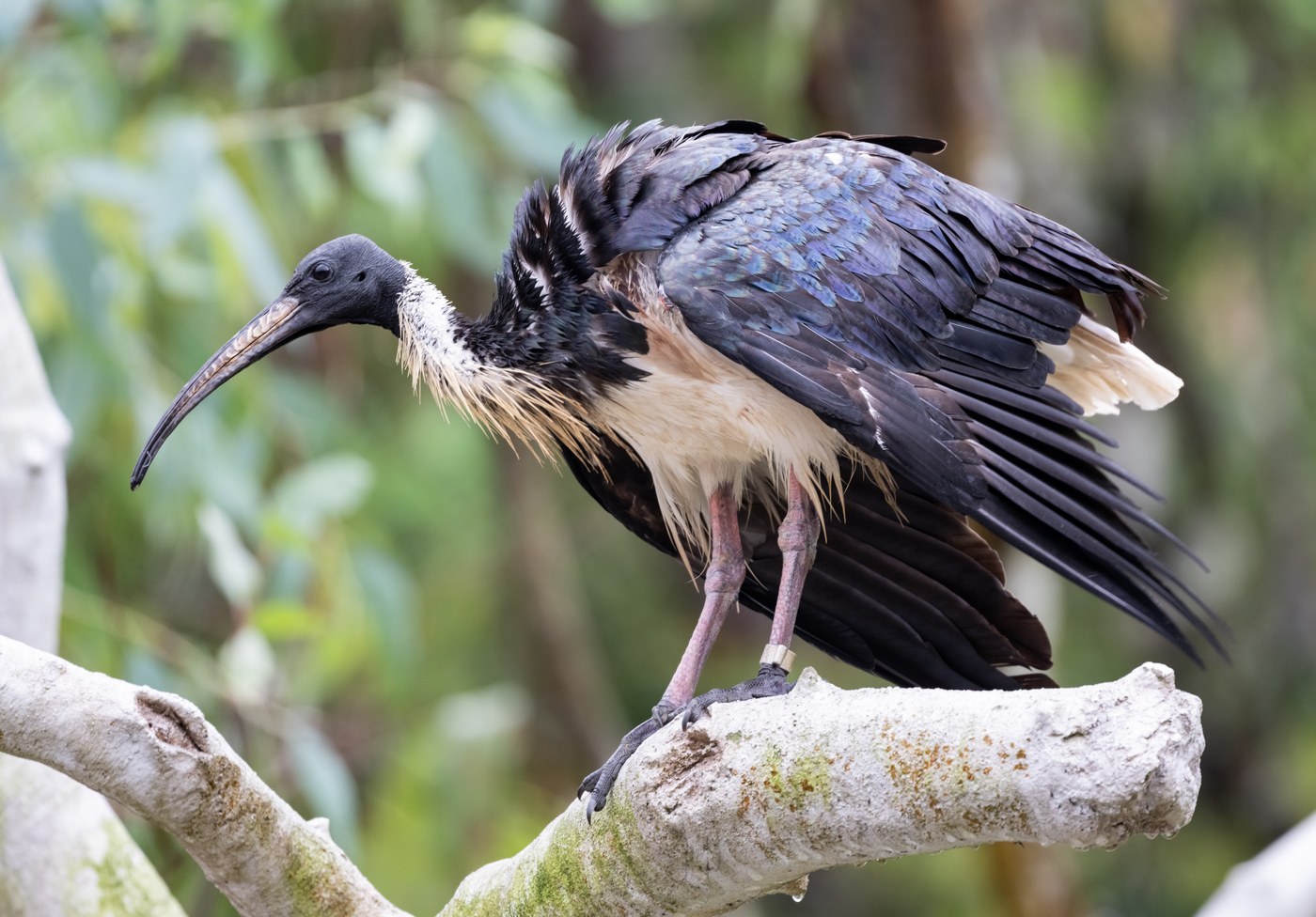
Straw-necked Ibis
Glossy contour feathers with unique straw-like neck plumes
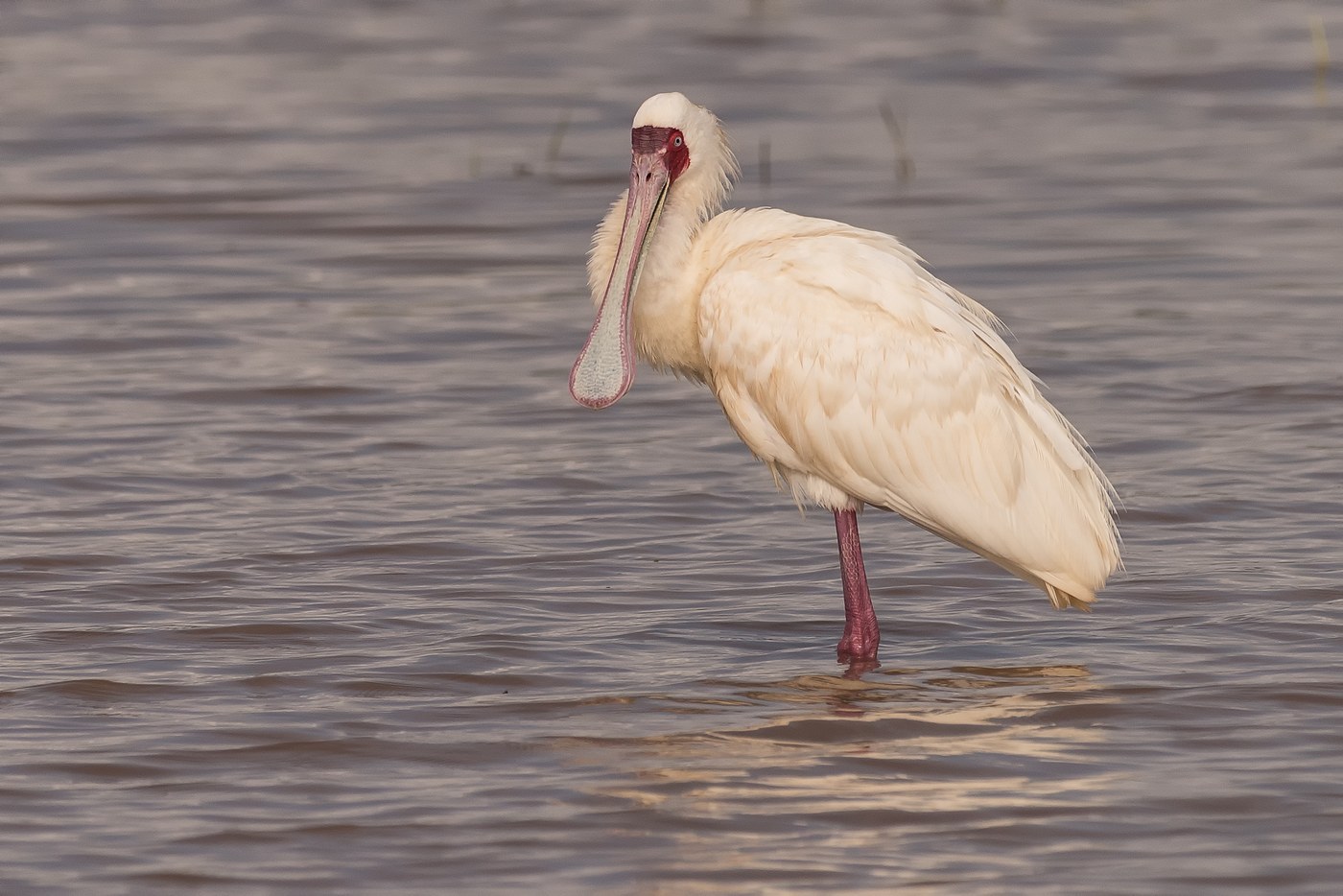
African Spoonbill
White contour and flight feathers, unmarked by black tips

Roseate Spoonbill
Pink and white contour and flight feathers with a carmine shoulder patch