
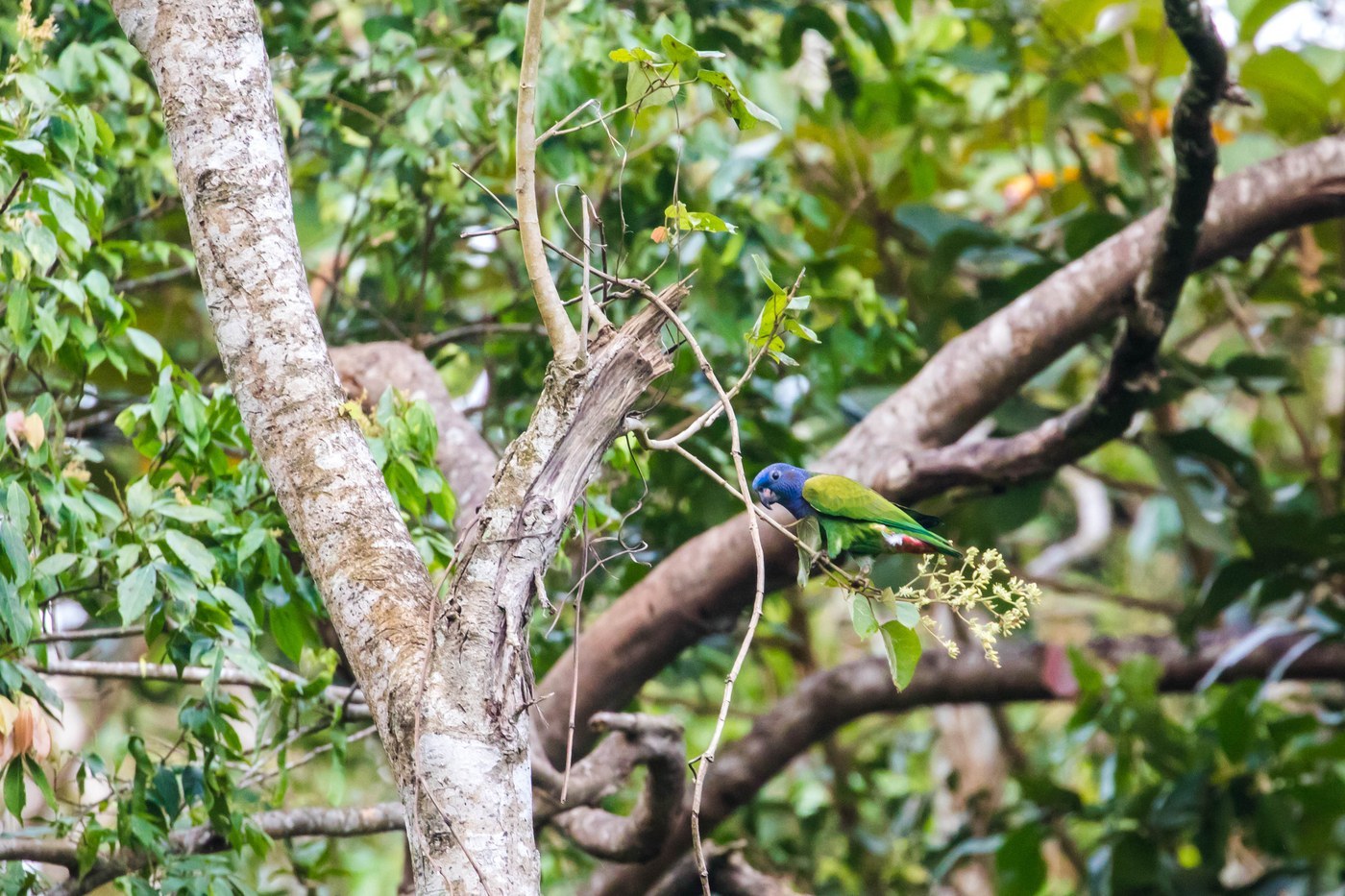
Blue-headed Parrot
Pionus menstruus
A stocky, short-tailed parrot with a striking sky-blue head contrasting against green body plumage.
- Feather type
- Dense contour feathers and short, squared tail feathers
- Colours
- Blue head, green body, red undertail coverts
- Bird size
- Pigeon-sized, ~28 cm
Found a feather like this?
Identify any feather from a photo, free.
Overview
Overview
The Blue-headed Parrot is a medium-sized member of the Pionus group, recognized by its bright blue head set against otherwise green plumage. It is a widespread and often common parrot across much of tropical Central and South America.
- Compact, short-tailed body typical of Pionus parrots
- Distinctive blue head color present in both sexes
- Often seen in fast, direct flocks over forest canopy
Identifying the Feather
Feather Identification
Blue-headed Parrot feathers are short and rounded, consistent with the stocky, short-tailed build of Pionus parrots.
- Head feathers: bright blue, covering the crown, nape, and upper throat
- Body feathers: green overall, often with a slightly bronzy or scaled look on the neck and breast from darker feather edging
- Undertail covert feathers: red, a useful field mark visible when the tail is fanned or from below in flight
- Flight feathers: dark blue-green, edged darker along the trailing edge
- Compared to similar species: the White-capped Pionus has a white patch on the forehead rather than an all-blue head, and other Pionus species lack the blue head entirely, making head feather color the quickest way to separate this species
Plumage & Molt
Plumage Notes
Adult males and females look similar, both showing the blue head and green body, making this species difficult to sex by plumage alone. Juveniles show a duller, more restricted blue on the head that brightens with maturity.
- Sexes are essentially alike in coloring
- Juvenile plumage is a subdued version of the adult pattern
- Molt is gradual, without a distinct seasonal plumage phase
Habitat & Range
Habitat & Range
Widely distributed across the lowland tropics of Central and South America, from southern Central America through much of the Amazon basin.
- Found in humid forest, forest edge, and semi-open wooded habitats
- Generally non-migratory, though local movements occur in response to food availability
- One of the more frequently encountered Pionus parrots across its extensive range
Behavior & Field Notes
Behavior & Field Notes
Blue-headed Parrots are often seen in pairs or small flocks flying rapidly over the forest canopy, typically in the early morning or late afternoon.
- Diet: fruits, seeds, and blossoms gathered from canopy trees
- Nesting: nests in tree cavities, often reusing natural hollows in tall trees
- Voice: sharp, screeching calls given in flight, distinct from the more musical calls of some other parrot groups
- Field notes: the blue head is often the first feature noticed in flight, even when overall body color blends with foliage
Frequently asked questions
What is the easiest way to identify Blue-headed Parrot feathers?
The bright blue head feathers combined with green body plumage and red undertail coverts are the clearest identifying features.
Do male and female Blue-headed Parrots look different?
No, both sexes show the same blue head and green body plumage, making visual sexing difficult.
How does this species differ from the White-capped Pionus?
The White-capped Pionus has a white patch on the forehead instead of the fully blue head seen in the Blue-headed Parrot.
Where does the Blue-headed Parrot live?
It ranges widely through lowland tropical forests of Central and South America, especially the Amazon basin.
Blue-headed Parrot guides
In-depth guides for identifying and understanding Blue-headed Parrot.
Other feathers you may enjoy
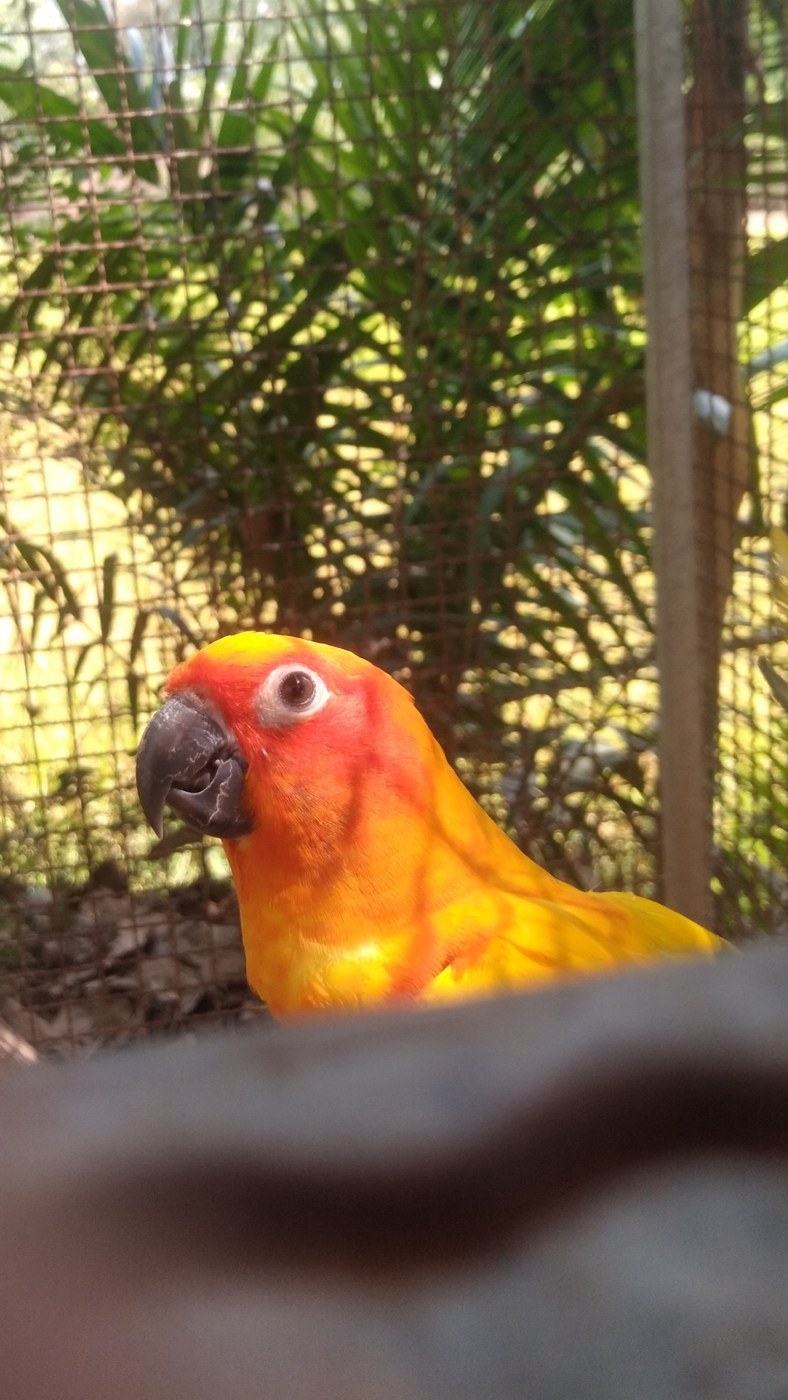
Sun Parakeet
Bright, dense body contour feathers; medium pointed tail feathers

Yellow-naped Amazon
Broad rounded contour feathers with sturdy flight feathers
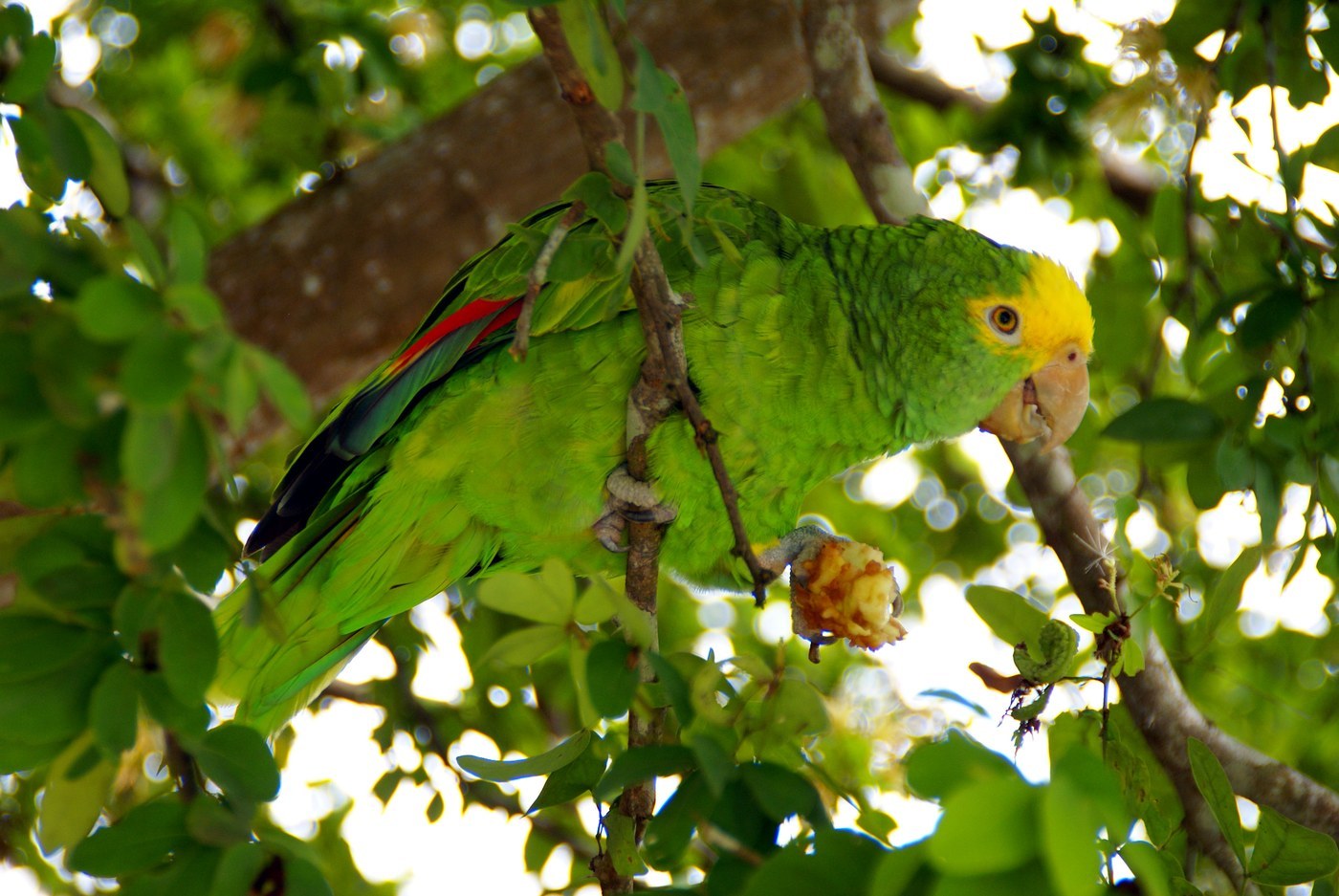
Yellow-headed Amazon
Dense, rounded body contour feathers; broad flight feathers
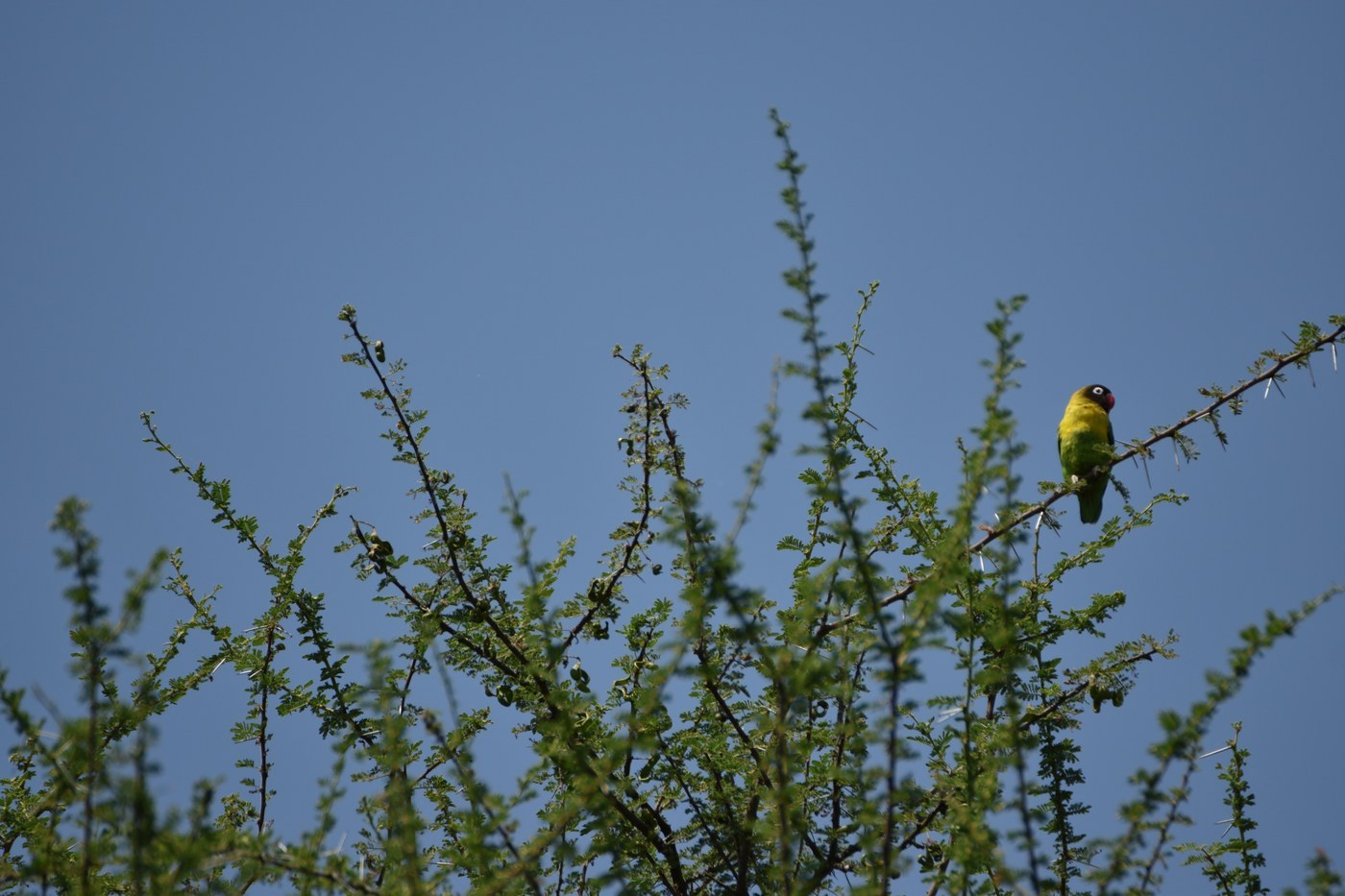
Yellow-collared Lovebird
Small compact flight feathers, short rounded tail

White-eyed Conure
Medium contour and long, graduated tail feathers

Yellow-tailed Black Cockatoo
Large, sturdy contour and flight feathers; short crest

Scarlet-chested Parrot
Small contour and flight feathers

Timneh Parrot
Broad flight feathers, scalloped body feathers with pale edges
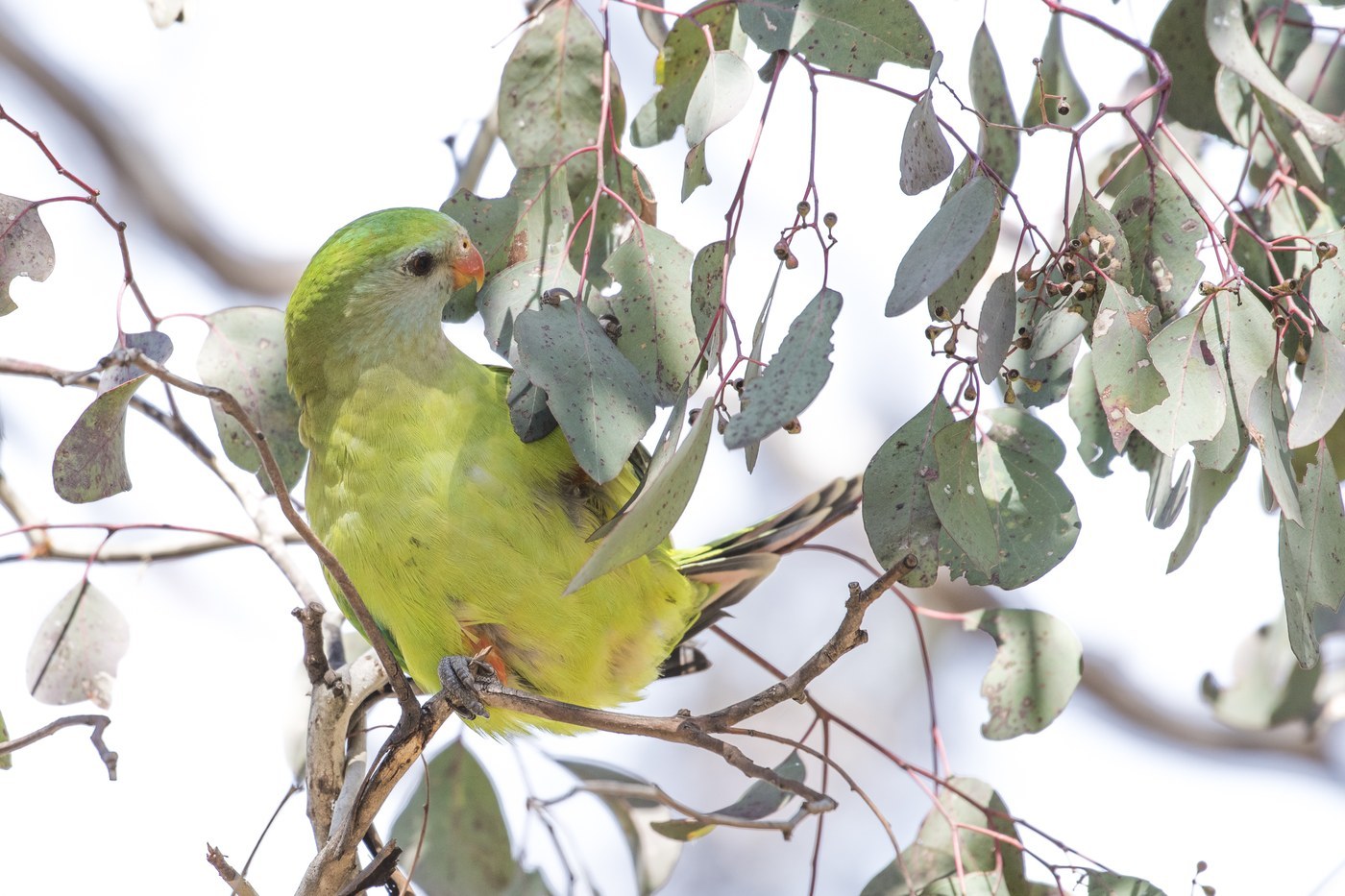
Superb Parrot
Sleek contour feathers with a long tapering tail

Red-shouldered Macaw
Compact body contour feathers; medium flight and tail feathers
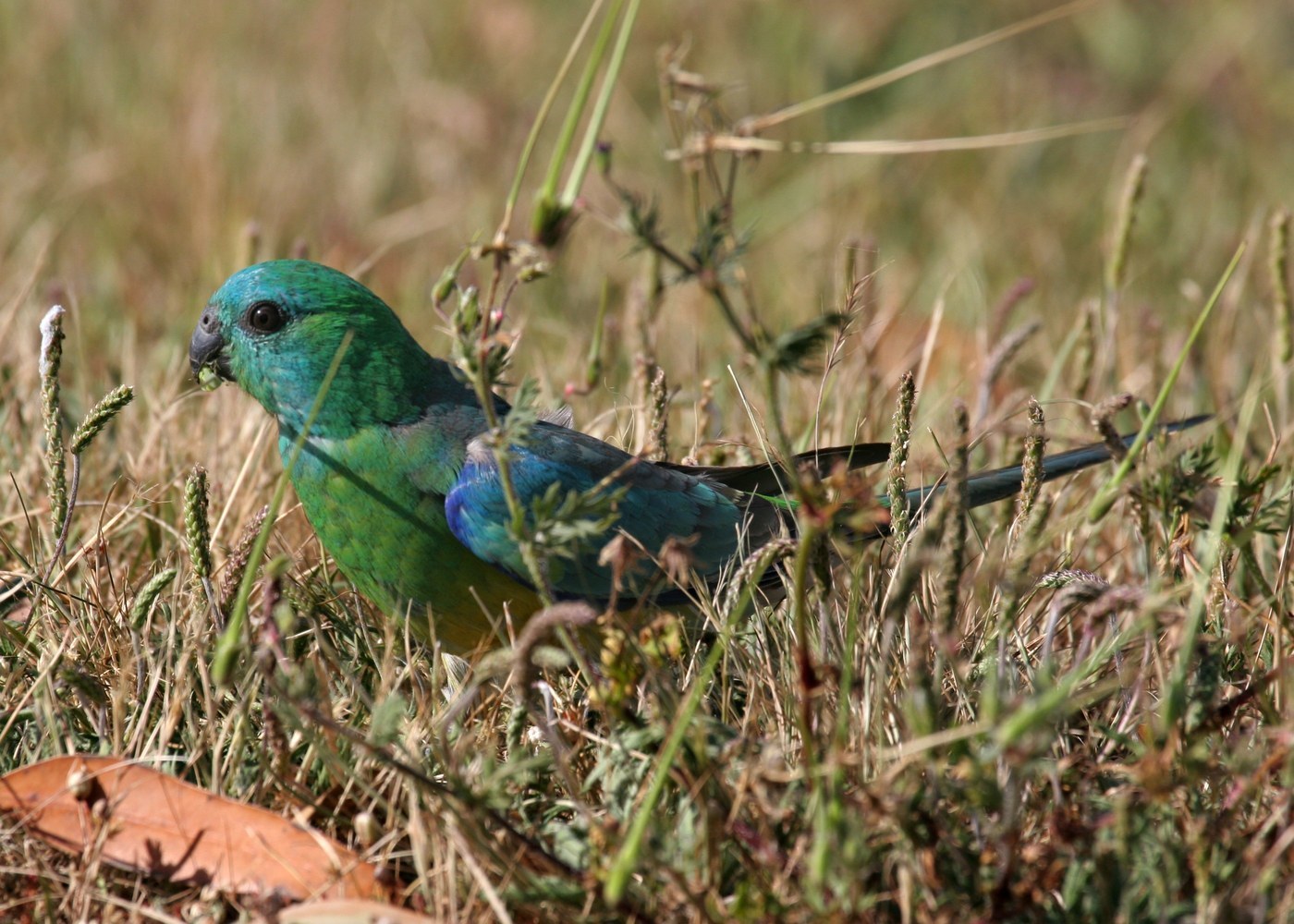
Red-rumped Parrot
Sleek contour feathers with a bright rump patch in males

White-capped Pionus
Compact contour feathers and short, squared tail feathers