
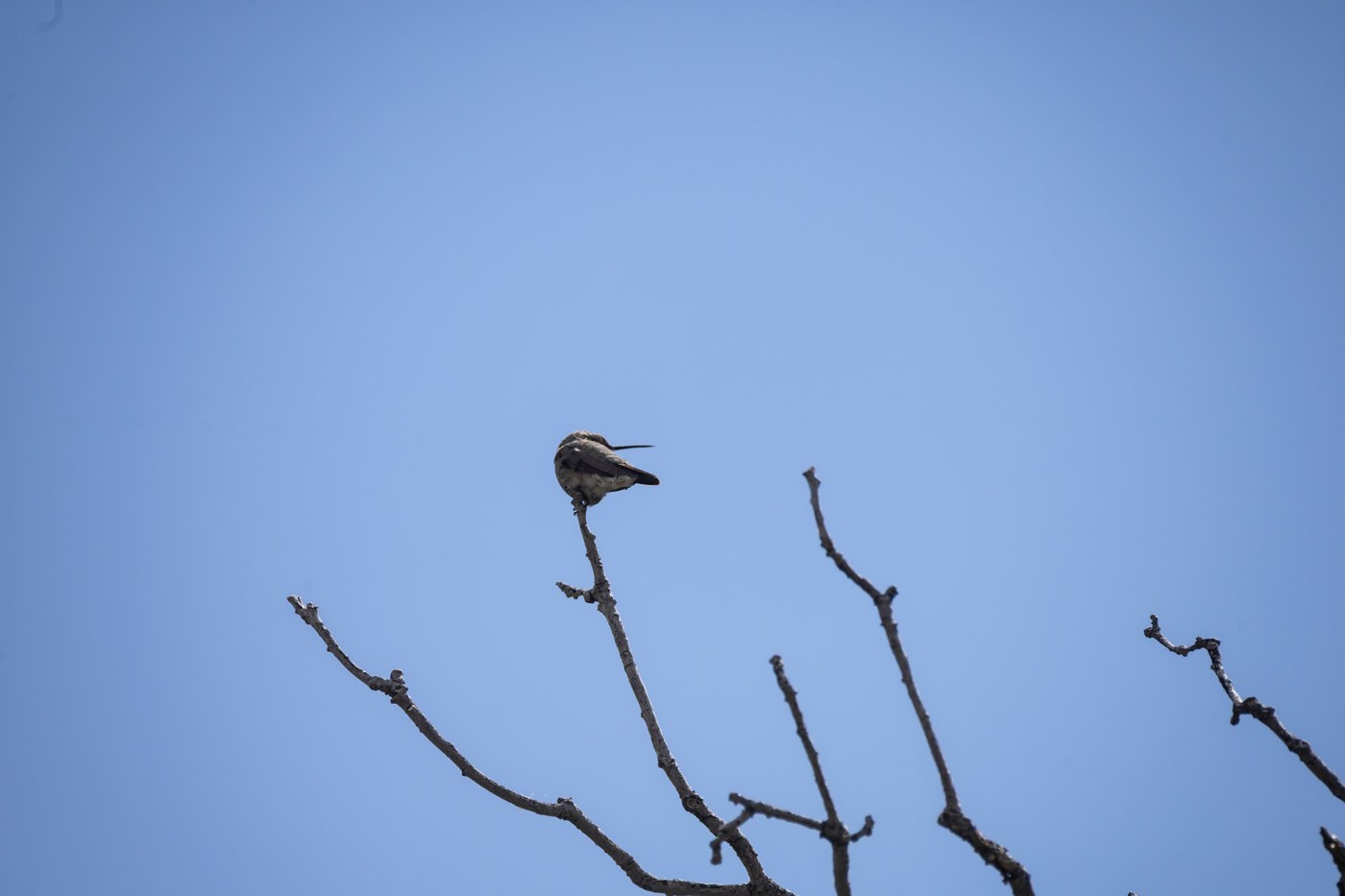
Broad-tailed Hummingbird
Selasphorus platycercus
A mountain hummingbird of the western United States, its male showing a glowing rose-magenta throat and producing a distinctive metallic trill from its wings in flight.
- Feather type
- Iridescent gorget feathers, broad rounded tail feathers
- Colours
- Rose-magenta gorget, green back, whitish underparts
- Bird size
- Small, ~9-10.5 cm
Found a feather like this?
Identify any feather from a photo, free.
Overview
The Broad-tailed Hummingbird breeds in high-elevation meadows and forest edges of the Rocky Mountains and surrounding ranges, often at altitudes where few other hummingbirds are found. Males are best known not only for their glowing rose-magenta gorget but also for the distinctive metallic trilling sound produced by their wings in flight, audible well before the bird is seen.
Identifying the Feather
The male's gorget is a bright rose-magenta to pinkish-red, set against a green back and crown, with whitish underparts washed lightly with buff on the flanks. The tail is somewhat broader and more rounded than in some other Selasphorus hummingbirds, giving the species its name. Females lack the colored gorget, showing a plain whitish throat sometimes lightly spotted, a green back, and buffy-white underparts. Compare with the Rufous Hummingbird, which shows extensive rufous coloring on the back, flanks, or tail that the Broad-tailed Hummingbird generally lacks.
Plumage & Molt
Males display the rose-magenta gorget and green back described above; females and immatures are green-backed with a plain or lightly spotted whitish throat and buffy underparts. Juveniles resemble females, with young males acquiring gorget color gradually through their first year. The male's wing feathers are structurally modified to produce the species' distinctive trilling flight sound, a feature tied to specific primary feather shape rather than color.
Habitat & Range
Breeds in mountain meadows, open pine and aspen forest edges, and shrubby slopes across the Rocky Mountains and other ranges of the western United States, extending into Mexico. It is a migratory species, moving to Mexico for the winter and returning to high-elevation breeding grounds each spring.
Behavior & Field Notes
Feeds on nectar from mountain wildflowers and small insects, often seen at high elevation meadows during the breeding season. Males produce a distinctive metallic trilling sound with their wings during normal flight, a useful identification clue independent of plumage. Its call includes sharp, high chip notes. Nests are small cups of plant down and lichen, typically placed on a low branch, often reused or built upon in subsequent years.
Frequently asked questions
What sound helps identify a Broad-tailed Hummingbird?
Males produce a distinctive metallic trilling sound with their wings during normal flight, audible even before the bird is seen.
What does the male's throat look like?
It is a bright rose-magenta to pinkish-red iridescent gorget, set against a green back.
Where does it breed?
In mountain meadows and forest edges of the Rocky Mountains and other western ranges, often at high elevation.
How does it differ from the Rufous Hummingbird?
The Rufous Hummingbird shows much more extensive rufous coloring on the back, flanks, or tail, which the Broad-tailed Hummingbird generally lacks.
Broad-tailed Hummingbird guides
In-depth guides for identifying and understanding Broad-tailed Hummingbird.
Other feathers you may enjoy

Speckled Hummingbird
Small contour feathers with fine speckled underpart markings
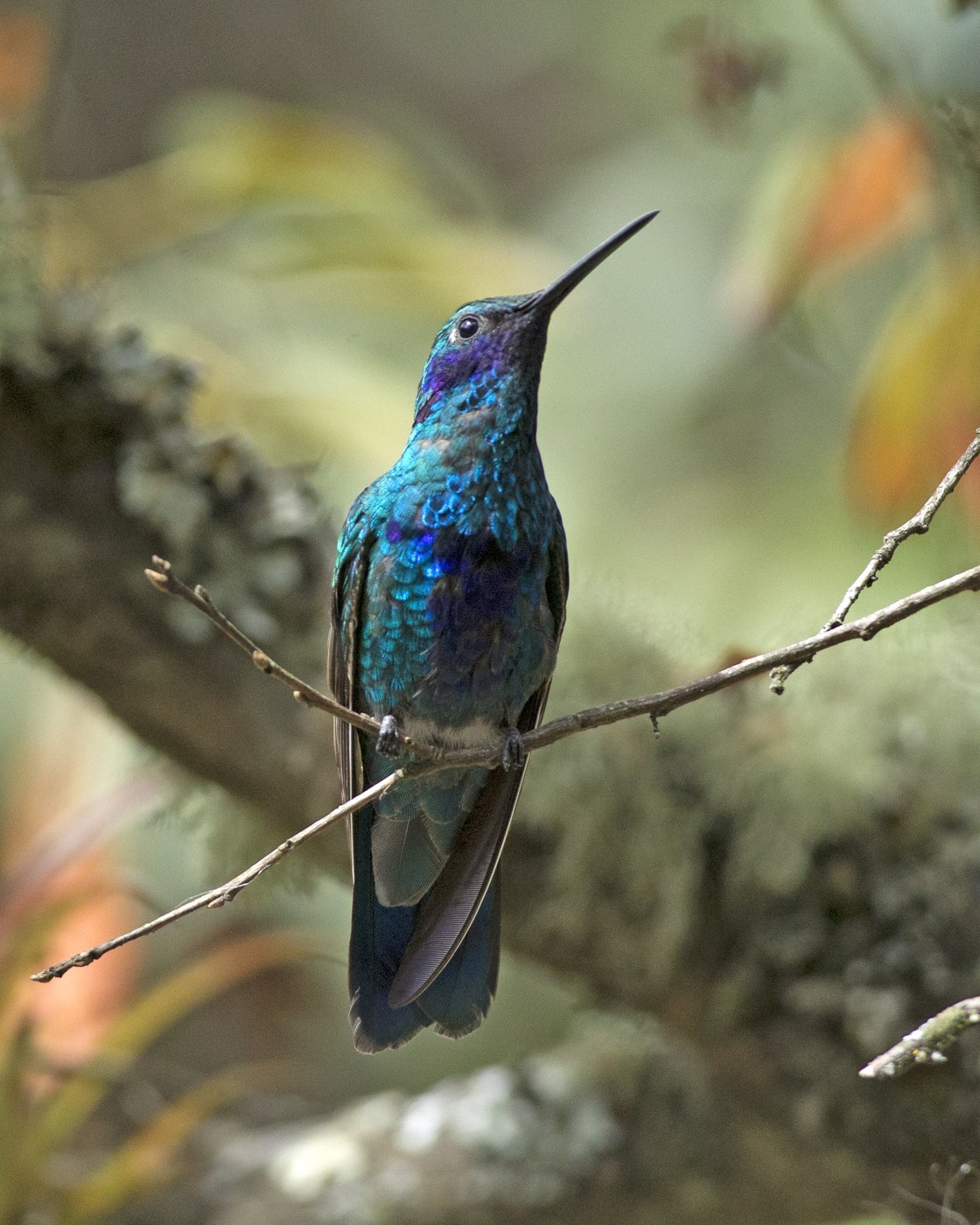
Sparkling Violetear
Iridescent body feathers, large violet ear and chest patches
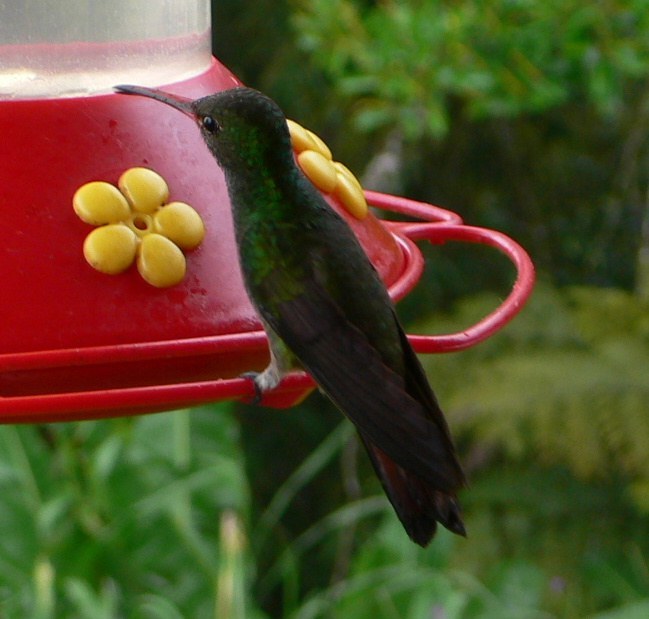
Rufous-tailed Hummingbird
Iridescent throat and breast feathers, rufous tail feathers

Rufous-breasted Hermit
Slightly decurved bill with rufous-washed contour feathers
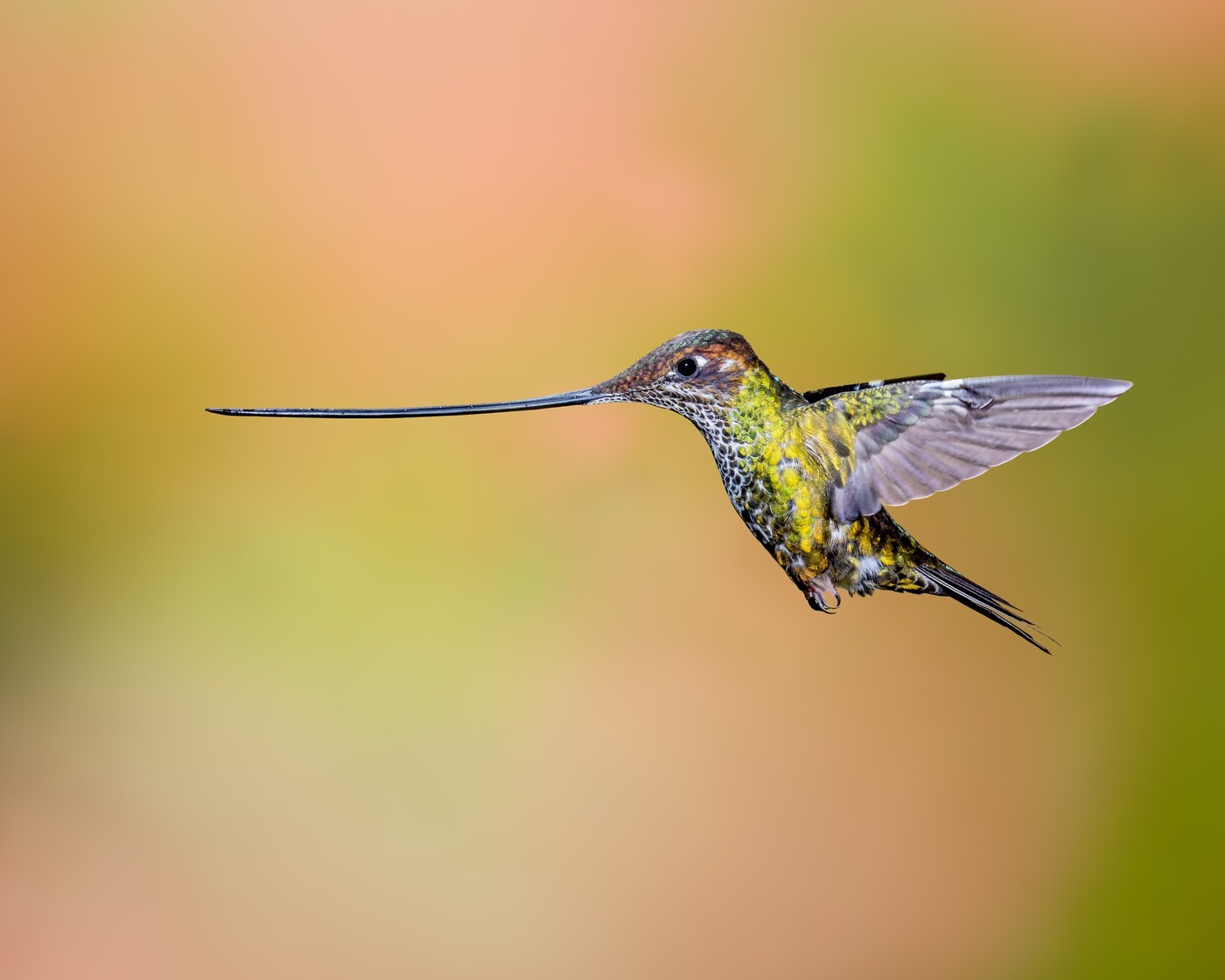
Sword-billed Hummingbird
Iridescent body feathers, extraordinarily long bill (non-feather feature)
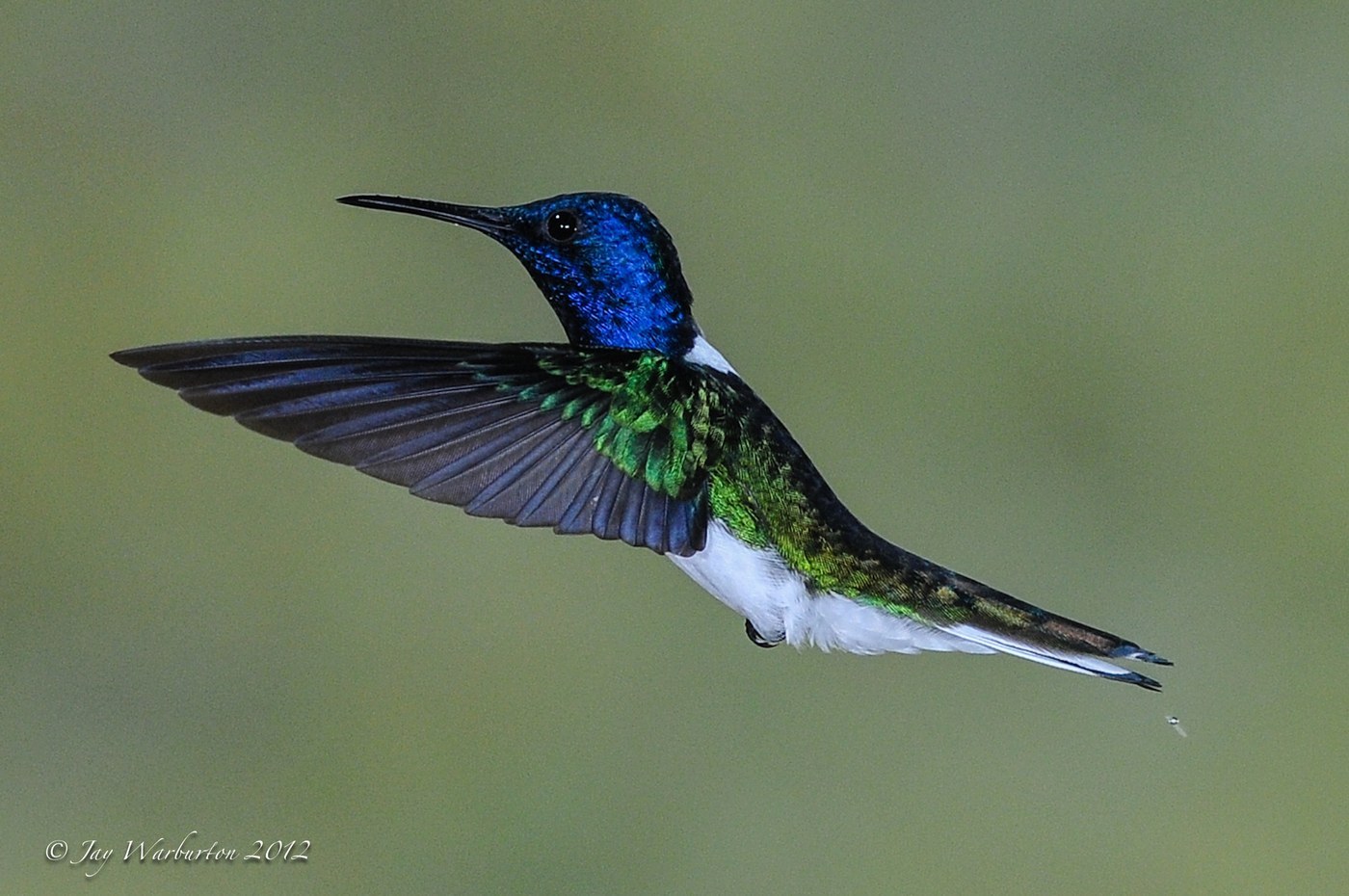
White-necked Jacobin
Iridescent head feathers, contrasting white nape and belly

White-eared Hummingbird
Iridescent gorget feathers, bold facial stripe
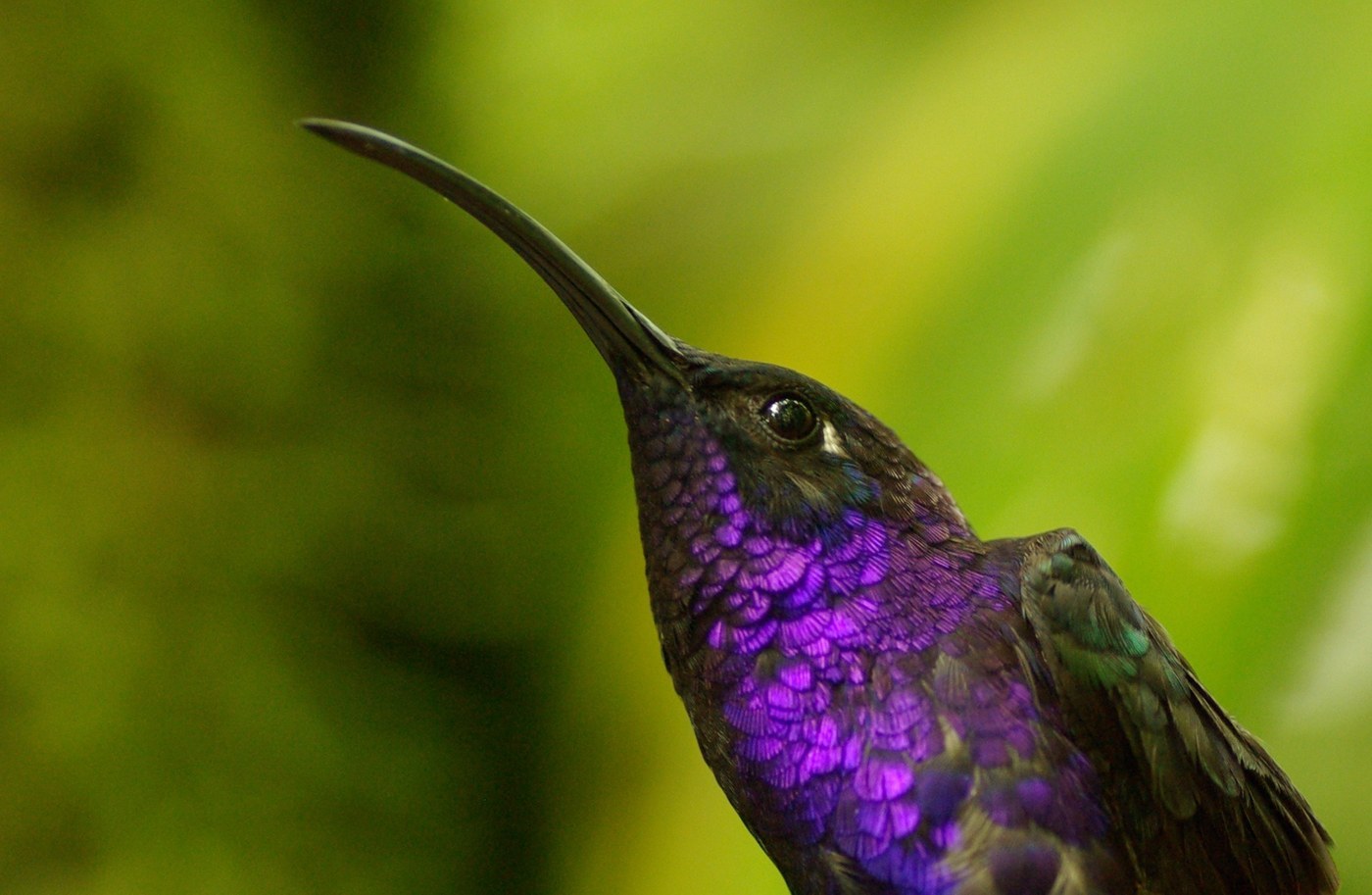
Violet Sabrewing
Iridescent body feathers, thickened curved primary shafts

Velvet-purple Coronet
Dense, velvety contour feathers with iridescent crown patch

Violet-crowned Hummingbird
Iridescent crown feathers, clean white underparts

Shining Sunbeam
Iridescent contour feathers with coppery-bronze wing sheen

Rufous Hummingbird
Tiny contour, gorget, and narrow flight feathers