

Brown Falcon
Falco berigora
The Brown Falcon is a common and highly variable Australian falcon with broader, more buzzard-like proportions than most falcons, ranging in tone from dark chocolate-brown to pale cream morphs.
- Feather type
- Broad, rounded flight feathers; variable-toned contour feathers
- Colours
- Highly variable brown, from dark chocolate-brown to pale cream morphs
- Bird size
- Medium-large falcon, ~41-51 cm
Found a feather like this?
Identify any feather from a photo, free.
Overview
The Brown Falcon is one of the most familiar and widespread raptors of Australia, often seen perched on roadside poles and fence posts across open farmland and woodland. Unlike the sleek, pointed-wing build of many falcons, it has relatively broad, rounded wings and long legs, giving it a somewhat buzzard-like silhouette in flight.
Its plumage is unusually variable, ranging from dark blackish-brown individuals to pale, almost cream-colored birds, so feather tone alone can span a wide range even within the same population.
Identifying the Feather
Recognizing Brown Falcon feathers
- Flight feathers: Broader and more rounded at the tip than typical falcons, brown with variable barring depending on individual color morph.
- Tail feathers: Long, brown, with numerous darker bars, often more strongly banded than the wing feathers.
- Body feathers: Highly variable, ranging from dark chocolate-brown with little contrast to pale cream-brown with scattered darker markings; a pale patch is often visible around the throat/upper breast in many individuals.
- Shaft color: Brown to pale tan depending on morph.
- Compared to similar species: Notably broader-winged and less streamlined than other Australian falcons like the Australian Hobby; leg feathers are longer, reflecting its more terrestrial hunting habits.
Plumage & Molt
Plumage varies enormously between individuals, from very dark blackish-brown birds to pale cream or tawny-brown birds, with most falling somewhere in between and showing a pale throat/chest patch bordered by darker breast sides. Juveniles tend to resemble a darker morph initially, with plumage variability apparent from a young age rather than through a simple adult/juvenile transition.
Habitat & Range
Widespread across Australia and southern New Guinea in open farmland, grassland, woodland edge, and semi-arid country. Largely resident, though some local or nomadic movement occurs in response to prey availability, especially in arid regions.
Behavior & Field Notes
Often hunts from a perch, dropping to the ground for reptiles, large insects, small mammals, and birds, and is notably more terrestrial in hunting style than most falcons. Nests in old stick nests of other birds in isolated trees. Calls include a distinctive cackling, almost gull-like screech. A broad, rounded brown flight feather found on farmland or roadside habitat in Australia, in any shade from dark to pale, is a likely candidate for this variable species.
Frequently asked questions
Why are Brown Falcon feathers so variable in color?
The species has unusually wide individual variation in plumage tone, ranging naturally from dark blackish-brown to pale cream morphs, unrelated to age or sex alone.
How can I tell a Brown Falcon feather from other Australian falcons?
Brown Falcon flight feathers are broader and more rounded, reflecting its buzzard-like flight style, compared to the narrower, more pointed feathers of the Australian Hobby or Peregrine Falcon.
Is the Brown Falcon common in Australia?
Yes, it is one of the most frequently seen raptors across open Australian farmland and roadside habitat.
Does the Brown Falcon hunt like other falcons?
Not entirely — it hunts more often from a perch and on the ground for reptiles and insects, unlike the aerial pursuit typical of many falcons.
Brown Falcon guides
In-depth guides for identifying and understanding Brown Falcon.

Other feathers you may enjoy

Australian Hobby
Long, narrow pointed flight feathers; slender tail feathers

California Condor
Massive flight feathers; long broad primaries; large tail feathers
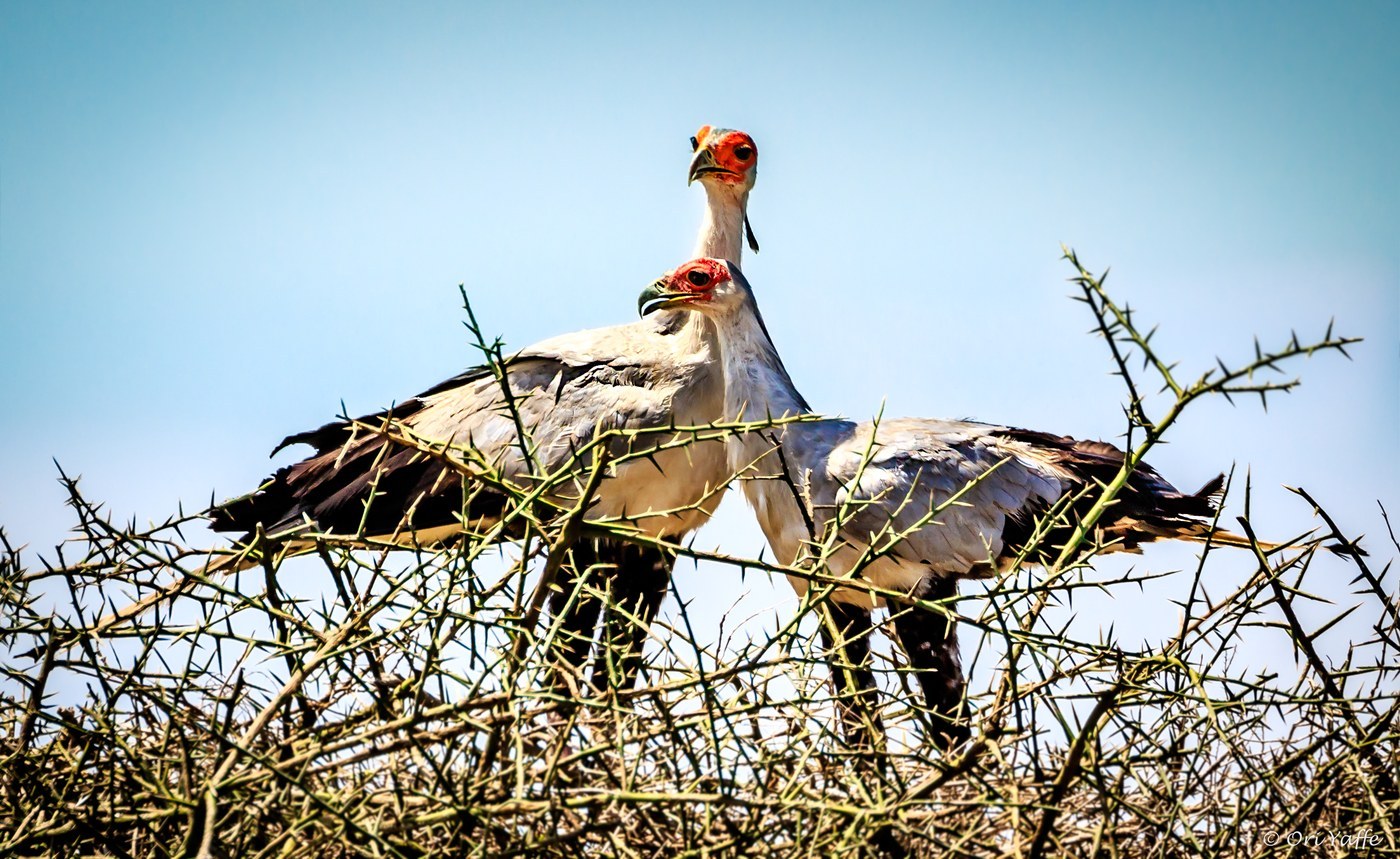
Secretarybird
Long crest feathers; broad flight feathers; elongated central tail feathers

Orange-breasted Falcon
Broad-based pointed flight feathers; bold breast and belly feathers
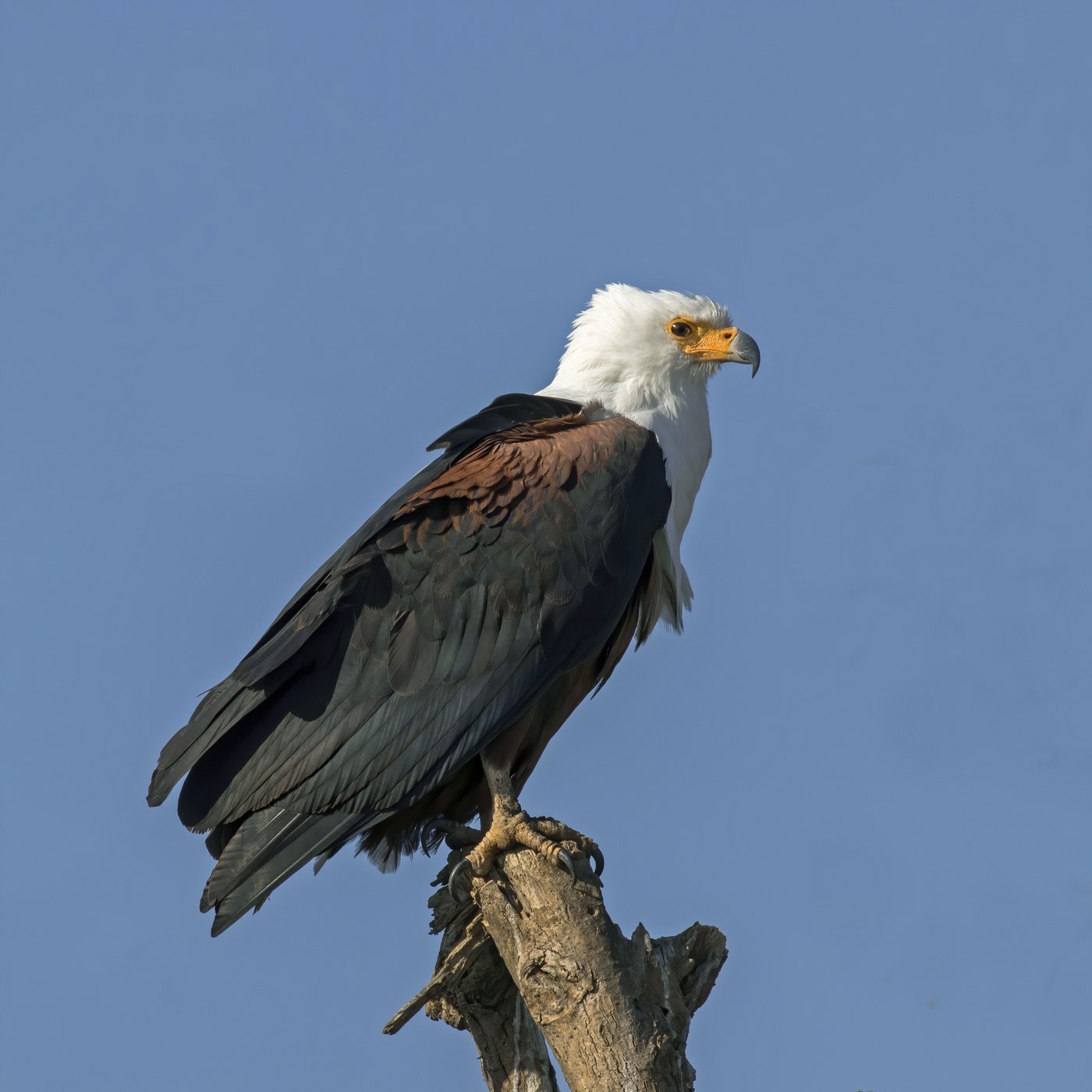
African Fish Eagle
Flight, tail, and body feathers

Amur Falcon
Slender pointed flight feathers; soft slate or orange-buff contour feathers
Red Kite
Flight (wing) and tail feathers
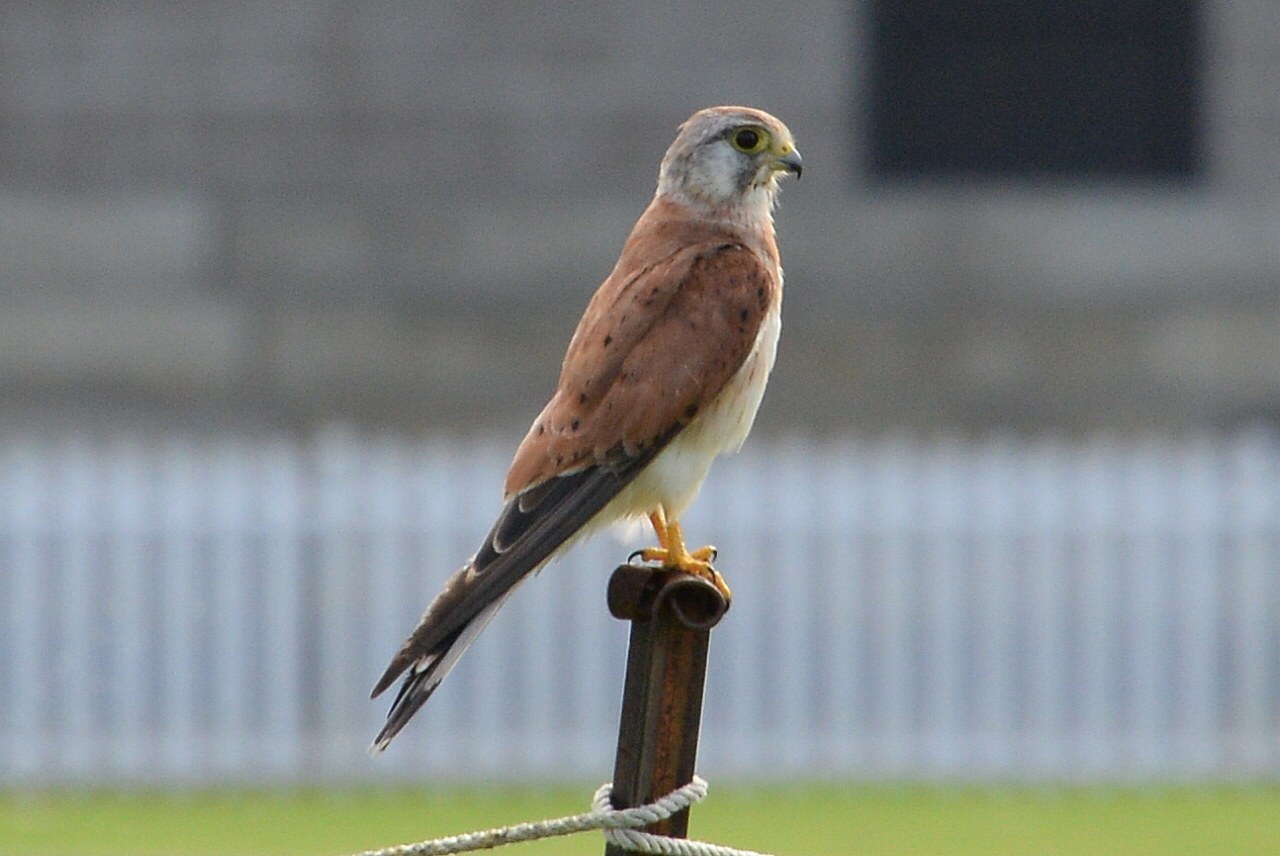
Nankeen Kestrel
Slim pointed flight feathers; lightly marked contour feathers

Andean Condor
Massive flight feathers; broad primaries and secondaries; sturdy tail feathers

Plumbeous Forest Falcon
Short rounded flight feathers; finely barred tail feathers

Sooty Falcon
Long pointed flight feathers; slim tail feathers
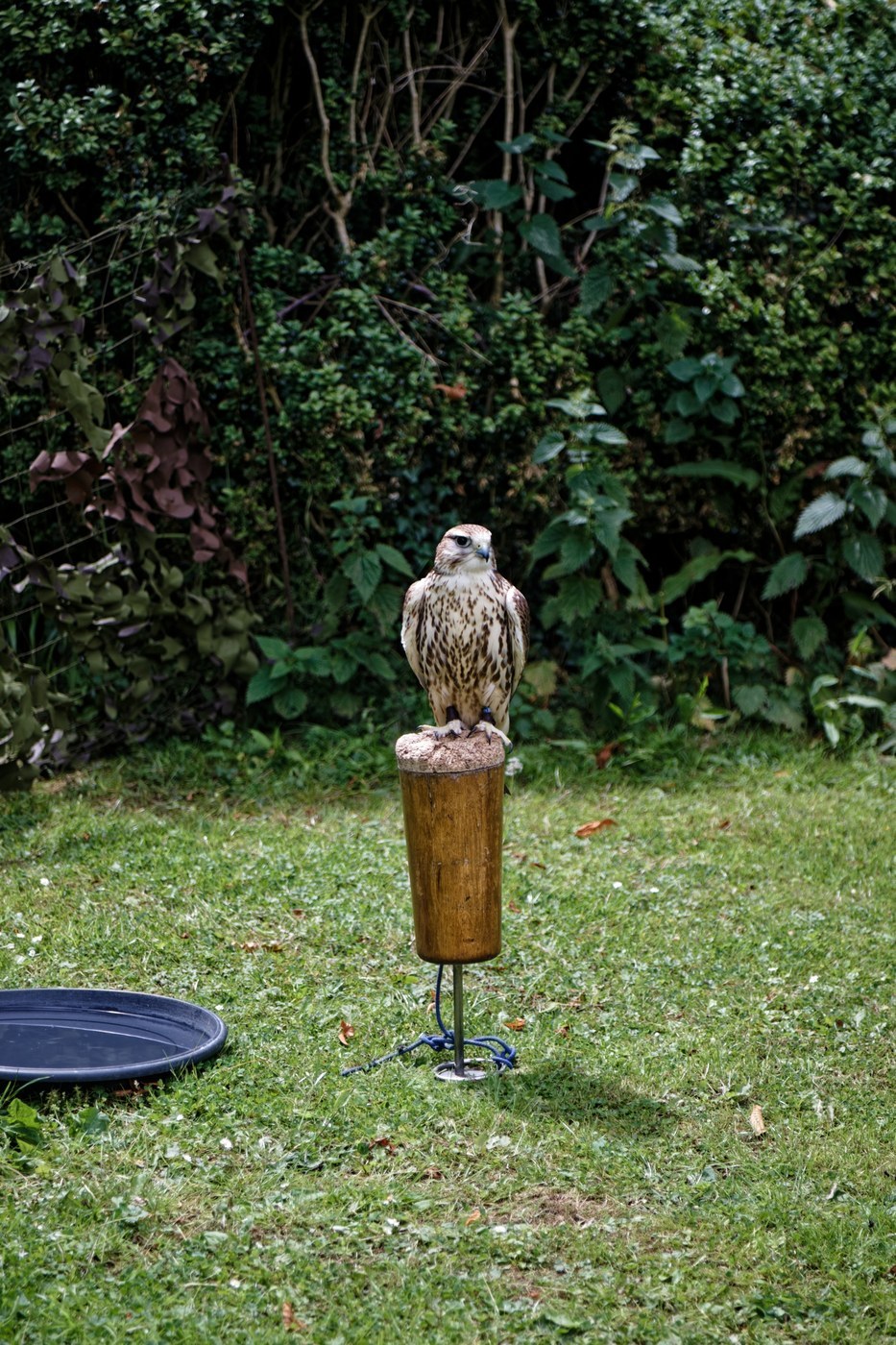
Saker Falcon
Long pointed flight feathers & squared tail; dense back and covert feathers