

Buckley's Forest Falcon
Micrastur buckleyi
A large, rarely seen forest-falcon of the western Amazon, with dark upperparts and bold, wide white barring below that helps separate it from smaller relatives.
- Feather type
- Broad rounded flight feathers; boldly barred tail feathers
- Colours
- Blackish-grey above with bold white barring on the underparts
- Bird size
- Large, crow-sized, ~46-56 cm
Found a feather like this?
Identify any feather from a photo, free.
Overview
Buckley's Forest Falcon is among the largest members of its genus, restricted to the western Amazon basin where it inhabits the interior of tall, undisturbed rainforest. It is one of the rarest and least-observed forest-falcons.
It closely resembles the Slaty-backed and Collared Forest-Falcons in overall build but is best told apart by its size and voice; its bold white barring below is broader and more contrasting than in the smaller barred species.
Because it is so seldom recorded, much of what is known about its feathers comes from museum specimens rather than frequent field sightings.
Identifying the Feather
Recognizing the feathers
- Body feathers below show bold, wide white bars on a blackish ground - broader and more strongly contrasting than the finer barring of smaller forest-falcons like Barred or Lined.
- Upperside feathers are dark blackish-grey, plain and unmarked.
- Flight feathers are broad and rounded, larger overall than smaller relatives, reflecting its bigger body size.
- Tail feathers are long with strong, evenly spaced dark and white bands.
Similar species
- Larger overall size and bolder, wider barring separate it from Barred and Lined Forest-Falcons; closely resembles Slaty-backed Forest Falcon in build but that species is mostly unbarred below, while Buckley's is boldly barred.
Plumage & Molt
Plumage
Adults are blackish-grey above with bold white barring below, and bright orange-yellow bare facial skin and legs.
Juvenile plumage is less well documented due to the species' rarity, but is presumed browner with more diffuse barring, following the general pattern in this genus.
Molt timing is poorly known but likely gradual and non-seasonal, consistent with other resident tropical forest-falcons.
Habitat & Range
Habitat & range
Restricted to the western Amazon basin, including parts of Ecuador, Peru, Colombia, and Brazil, in tall, humid lowland primary forest.
A non-migratory resident considered uncommon to rare throughout its limited range.
Behavior & Field Notes
Behavior & field notes
Little is recorded of its hunting behavior, but like other forest-falcons it is presumed to be a perch-and-ambush predator of small vertebrates within the dense forest interior.
Its call is a deep, resonant series of notes, useful for detection since sightings are infrequent.
A large, boldly white-barred blackish body feather found in western Amazonian primary forest is a plausible match for this scarce species.
Frequently asked questions
How large is this forest-falcon compared to others?
It is one of the largest in its genus, noticeably bigger than Barred or Lined Forest-Falcons.
What makes its feathers distinctive?
Bold, wide white barring on a blackish body, broader and more contrasting than smaller relatives.
Is this an easy species to encounter?
No, it is considered rare and rarely recorded, even by experienced observers.
Where does it live?
Tall primary rainforest of the western Amazon basin.
Buckley's Forest Falcon guides
In-depth guides for identifying and understanding Buckley's Forest Falcon.

Other feathers you may enjoy

Australian Hobby
Long, narrow pointed flight feathers; slender tail feathers

California Condor
Massive flight feathers; long broad primaries; large tail feathers

Brown Falcon
Broad, rounded flight feathers; variable-toned contour feathers
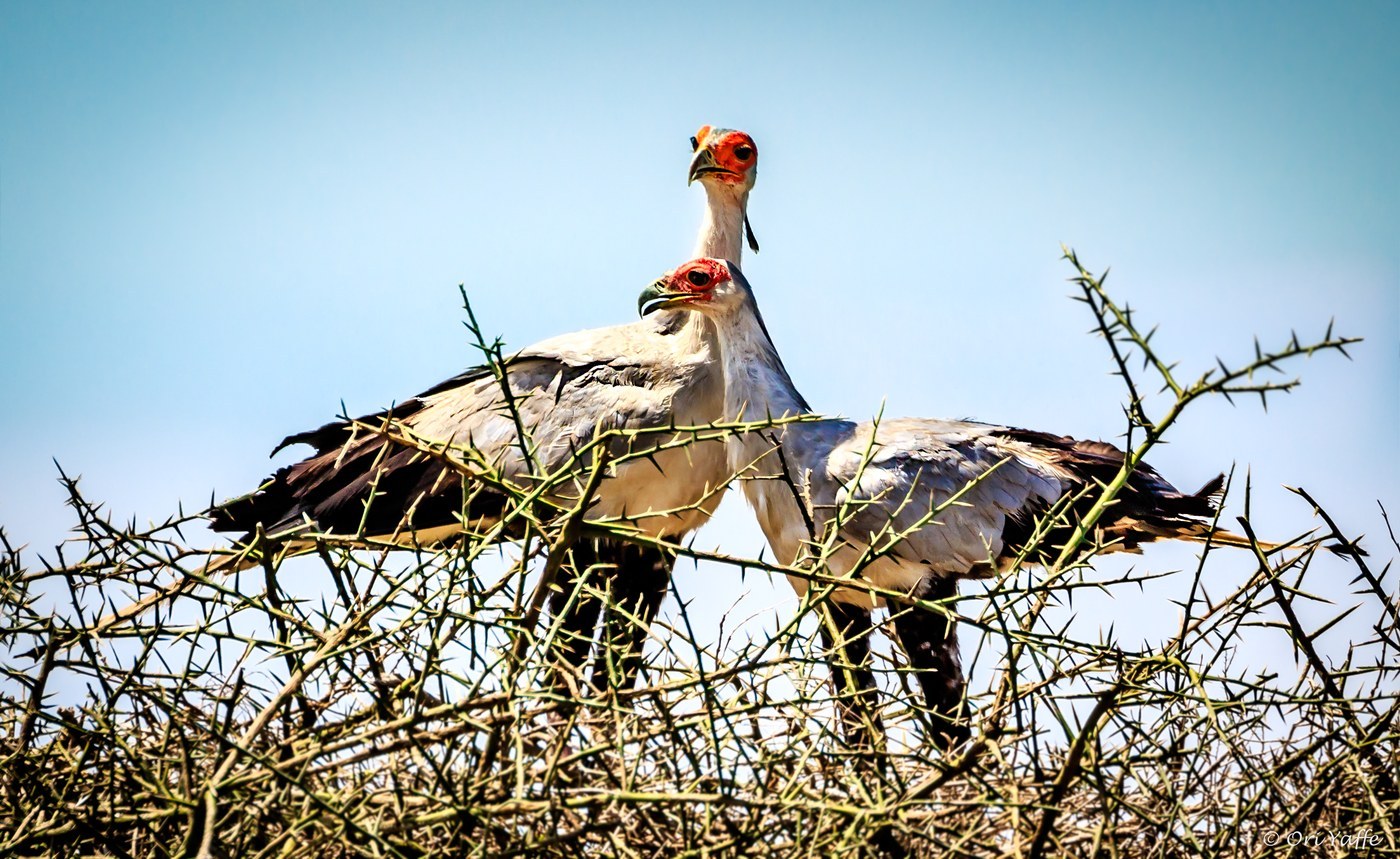
Secretarybird
Long crest feathers; broad flight feathers; elongated central tail feathers

Orange-breasted Falcon
Broad-based pointed flight feathers; bold breast and belly feathers
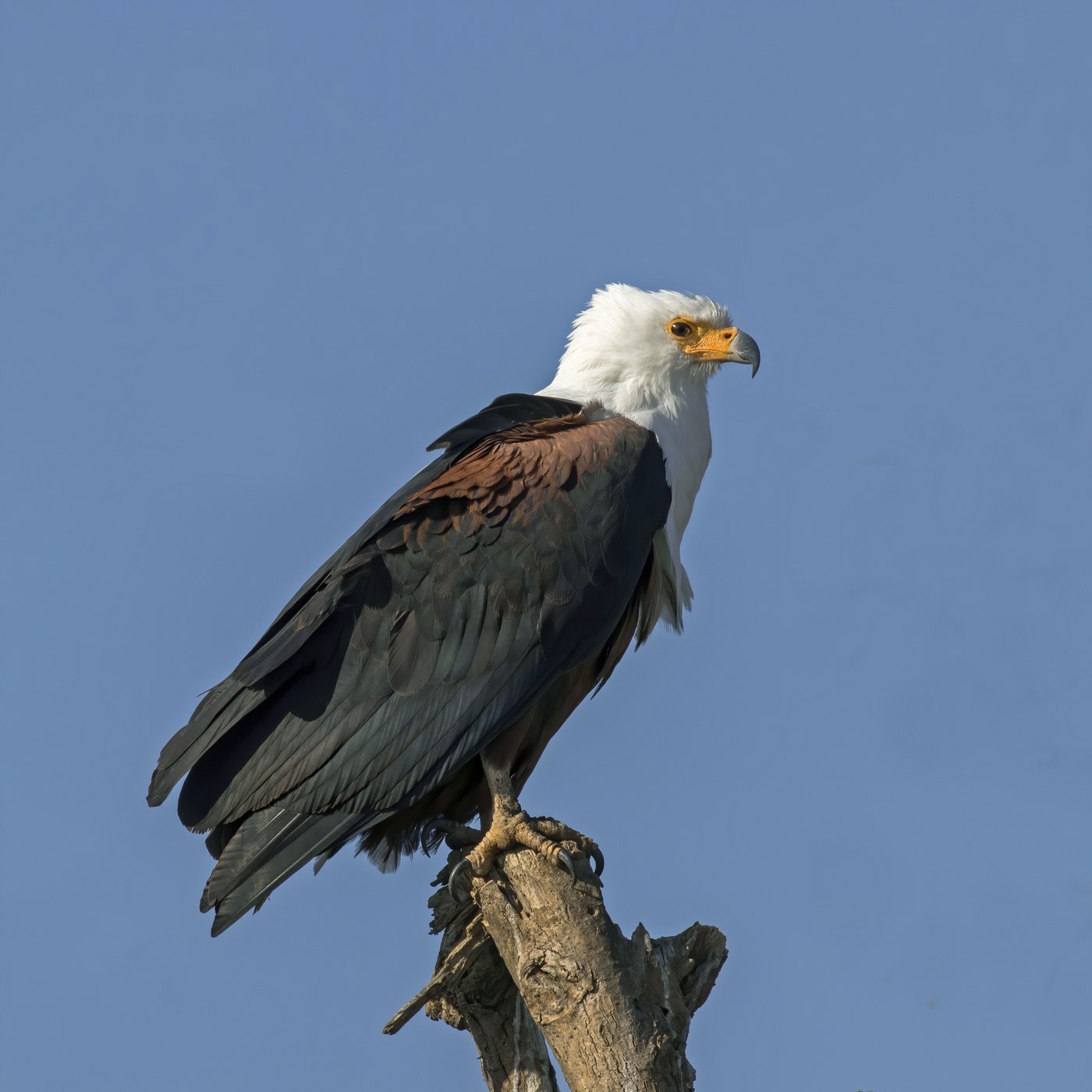
African Fish Eagle
Flight, tail, and body feathers

Amur Falcon
Slender pointed flight feathers; soft slate or orange-buff contour feathers
Red Kite
Flight (wing) and tail feathers
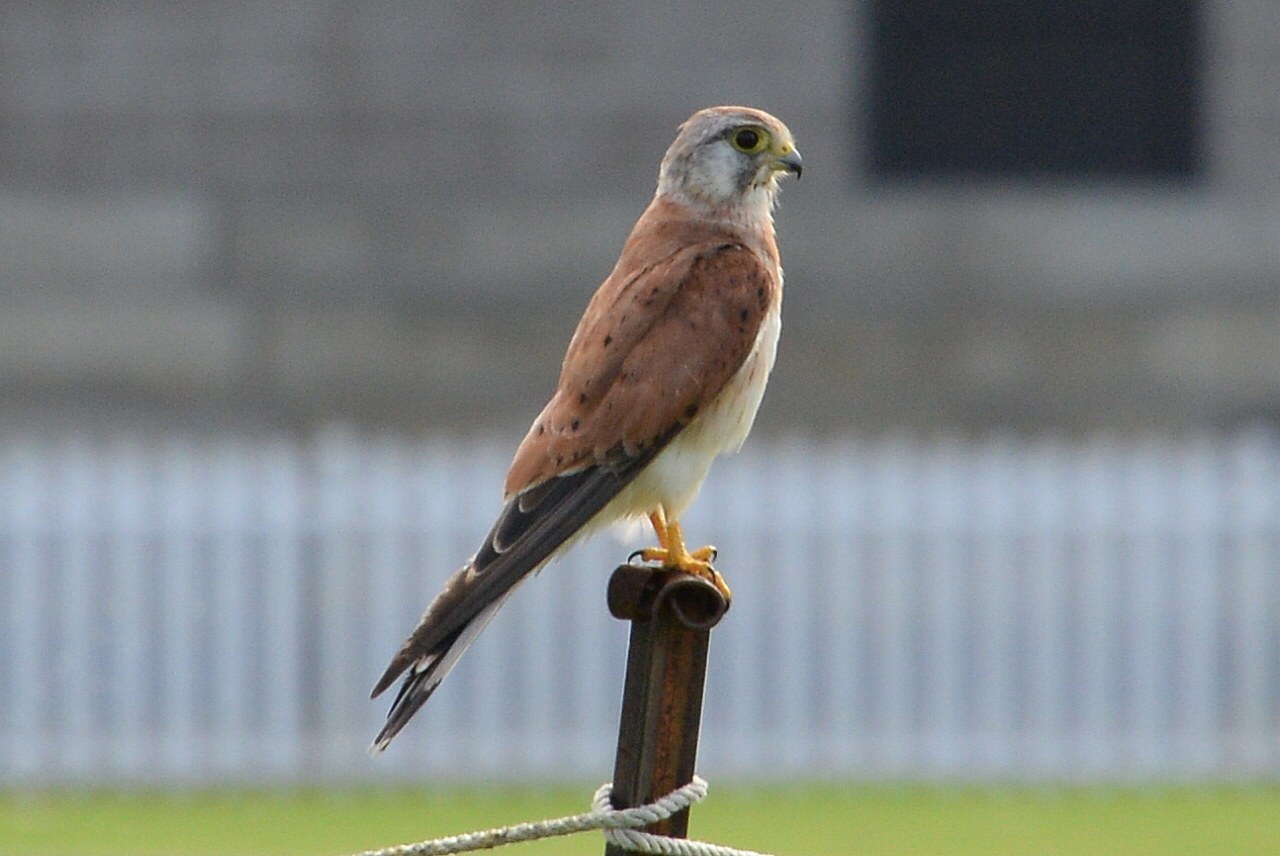
Nankeen Kestrel
Slim pointed flight feathers; lightly marked contour feathers

Andean Condor
Massive flight feathers; broad primaries and secondaries; sturdy tail feathers

Plumbeous Forest Falcon
Short rounded flight feathers; finely barred tail feathers

Sooty Falcon
Long pointed flight feathers; slim tail feathers