

Buff-bellied Hummingbird
Amazilia yucatanensis
A Gulf Coast hummingbird recognized by its warm buffy belly and rufous tail contrasting with an iridescent green throat and back.
- Feather type
- Iridescent throat feathers, rufous tail feathers
- Colours
- Green throat and upperparts, buffy-cinnamon belly, rufous tail
- Bird size
- Small to medium, ~10 cm
Found a feather like this?
Identify any feather from a photo, free.
Overview
Overview
The Buff-bellied Hummingbird is found along the Gulf Coast of Texas and northeastern Mexico, extending into the Yucatan Peninsula and parts of Central America, where it inhabits woodland edges, thorn scrub, and brushy gardens. It is one of the few hummingbirds regularly present in the U.S. during winter months.
Its plumage combines a green throat and back with a warm, buffy-cinnamon wash across the belly and a notably rufous tail, a color combination that helps separate it from other Amazilia-type hummingbirds sharing similar red-based bills.
Identifying the Feather
Feather ID Notes
Throat and upper breast feathers show iridescent green, while the lower belly carries a buffy to cinnamon wash rather than gray or white. The tail is a key feature - rufous overall, contrasting with the green back and standing out clearly in flight.
- Throat feathers: iridescent green, not sharply demarcated
- Belly feathers: buffy-cinnamon, warmer than most similar species
- Tail feathers: rufous, contrasting with green back
- Bill: red with a dark tip The rufous tail combined with a buffy belly separates this species from Buff-bellied's close relatives, most of which show grayer underparts or duller tails.
Plumage & Molt
Plumage Details
Sexes are similar in the Buff-bellied Hummingbird, both showing the green throat, buffy belly, and rufous tail, though females can be marginally duller. Juveniles resemble adults but with less saturated color and some pale feather edging early in life. No distinct seasonal plumage is present, with plumage refreshed by an annual molt.
Habitat & Range
Habitat & Range
This species inhabits woodland edges, thorn scrub, and brushy gardens along the Gulf Coast of Texas and coastal northeastern Mexico, ranging south through the Yucatan Peninsula and into parts of Central America. Many populations are resident, and it is one of the few hummingbirds that regularly overwinters within the southern United States.
Behavior & Field Notes
Behavior & Field Notes
Buff-bellied Hummingbirds feed on nectar from a range of native and garden flowers and readily use hummingbird feeders, along with taking small insects for protein. Nests are small cups built in shrubs or low trees, often near woodland edges. Calls include sharp, dry chip notes, and the species can be territorial around productive nectar sources.
Frequently asked questions
How can you identify a Buff-bellied Hummingbird's feathers?
Look for a green throat and back paired with a buffy-cinnamon belly and a distinctly rufous tail.
Where is this hummingbird commonly found?
Along the Gulf Coast of Texas and northeastern Mexico, extending into the Yucatan Peninsula and Central America.
Is the Buff-bellied Hummingbird migratory?
Many populations are resident, and it is one of the few hummingbirds regularly seen wintering in the southern United States.
Do males and females look alike?
Yes, both sexes show similar green, buffy, and rufous coloring, though females can be slightly duller.
Buff-bellied Hummingbird guides
In-depth guides for identifying and understanding Buff-bellied Hummingbird.
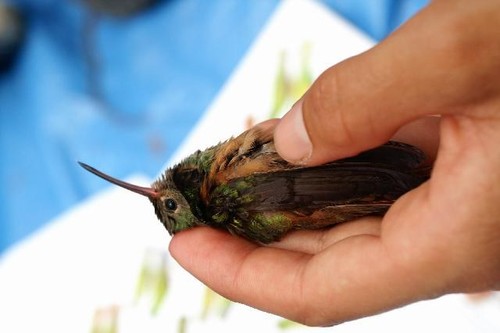
Other feathers you may enjoy

Speckled Hummingbird
Small contour feathers with fine speckled underpart markings
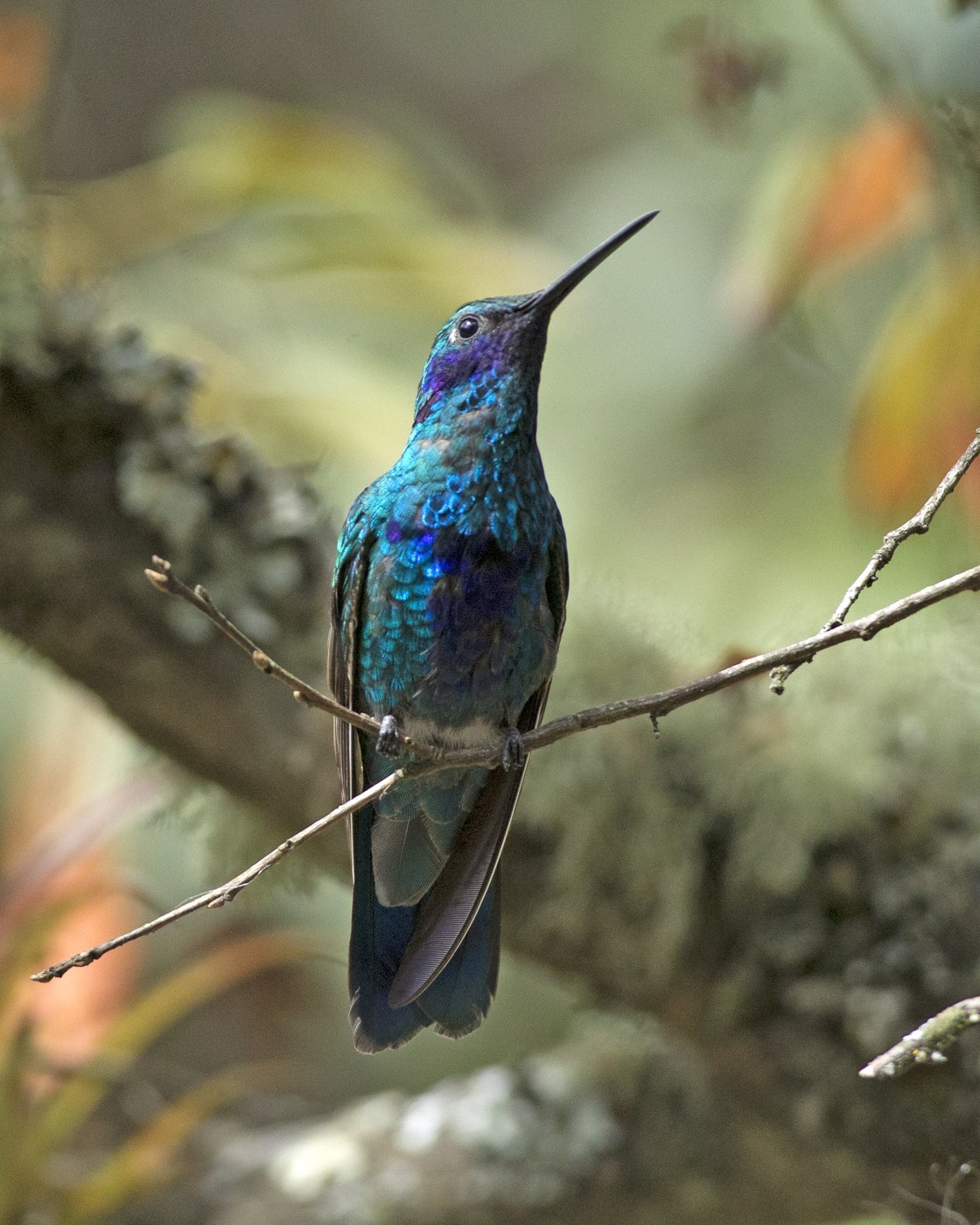
Sparkling Violetear
Iridescent body feathers, large violet ear and chest patches
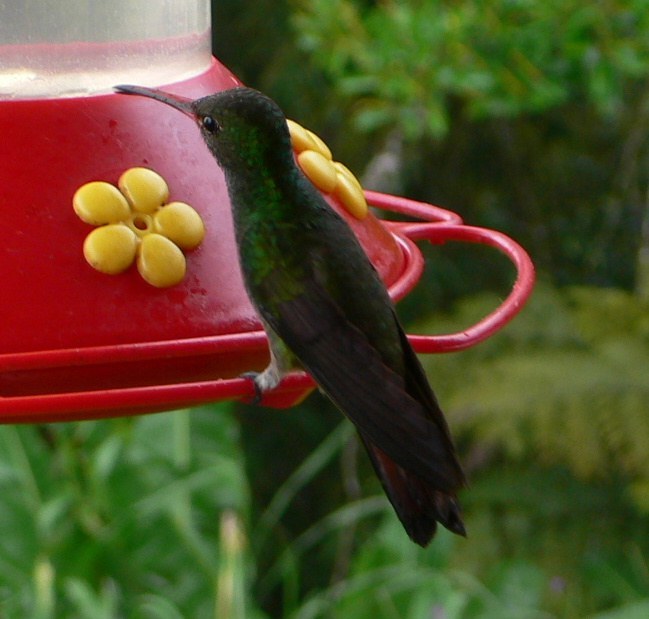
Rufous-tailed Hummingbird
Iridescent throat and breast feathers, rufous tail feathers

Rufous-breasted Hermit
Slightly decurved bill with rufous-washed contour feathers
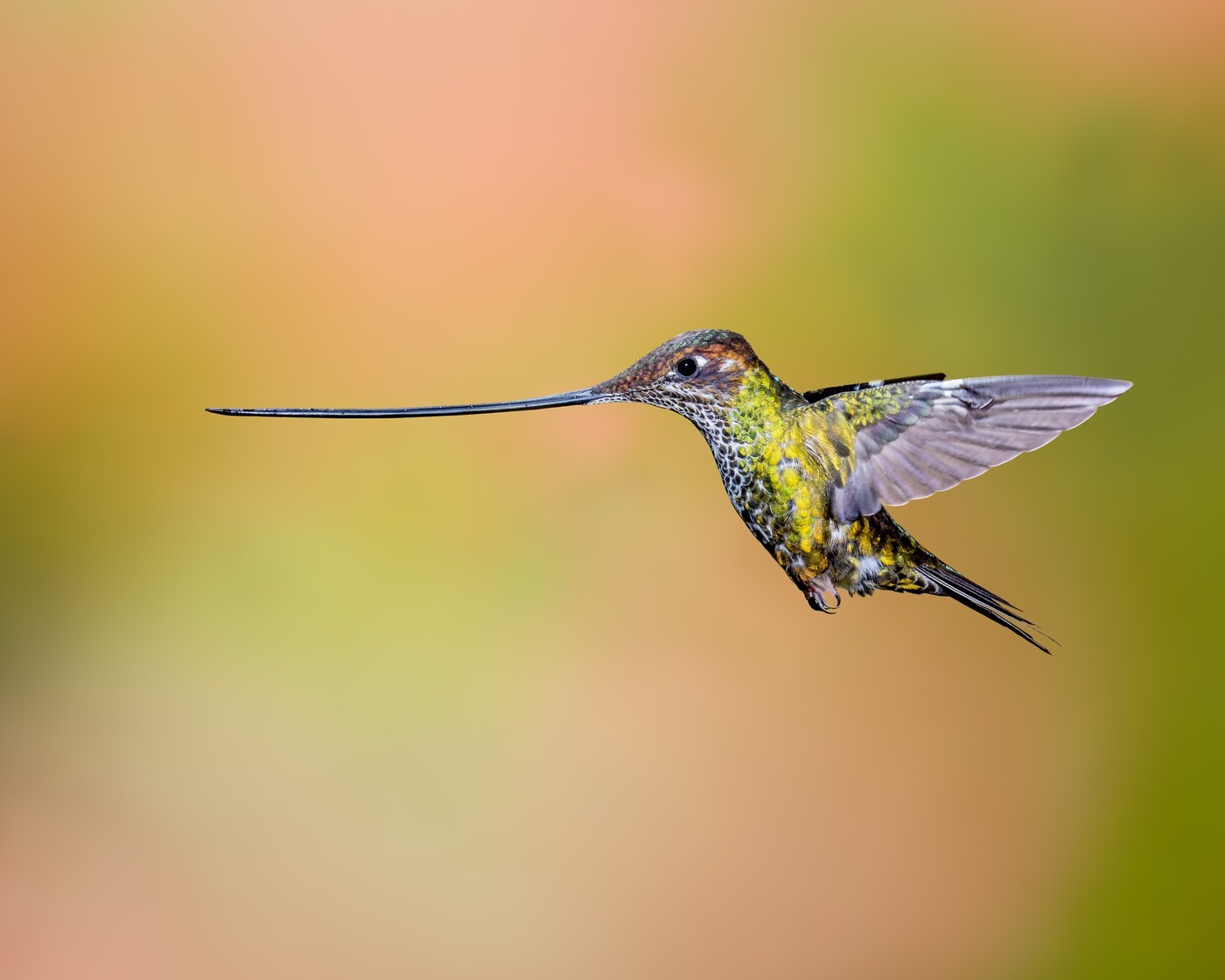
Sword-billed Hummingbird
Iridescent body feathers, extraordinarily long bill (non-feather feature)
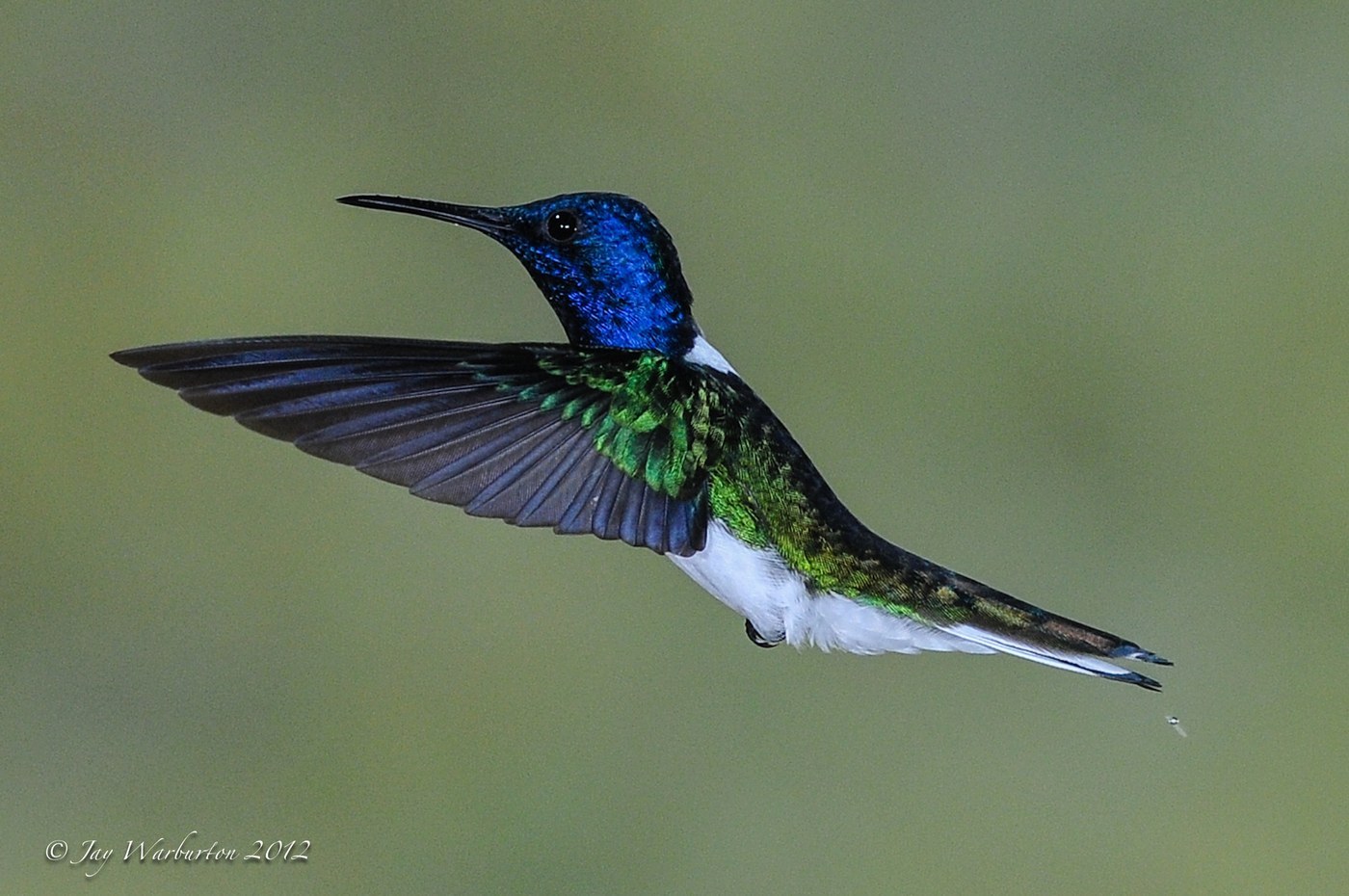
White-necked Jacobin
Iridescent head feathers, contrasting white nape and belly

White-eared Hummingbird
Iridescent gorget feathers, bold facial stripe
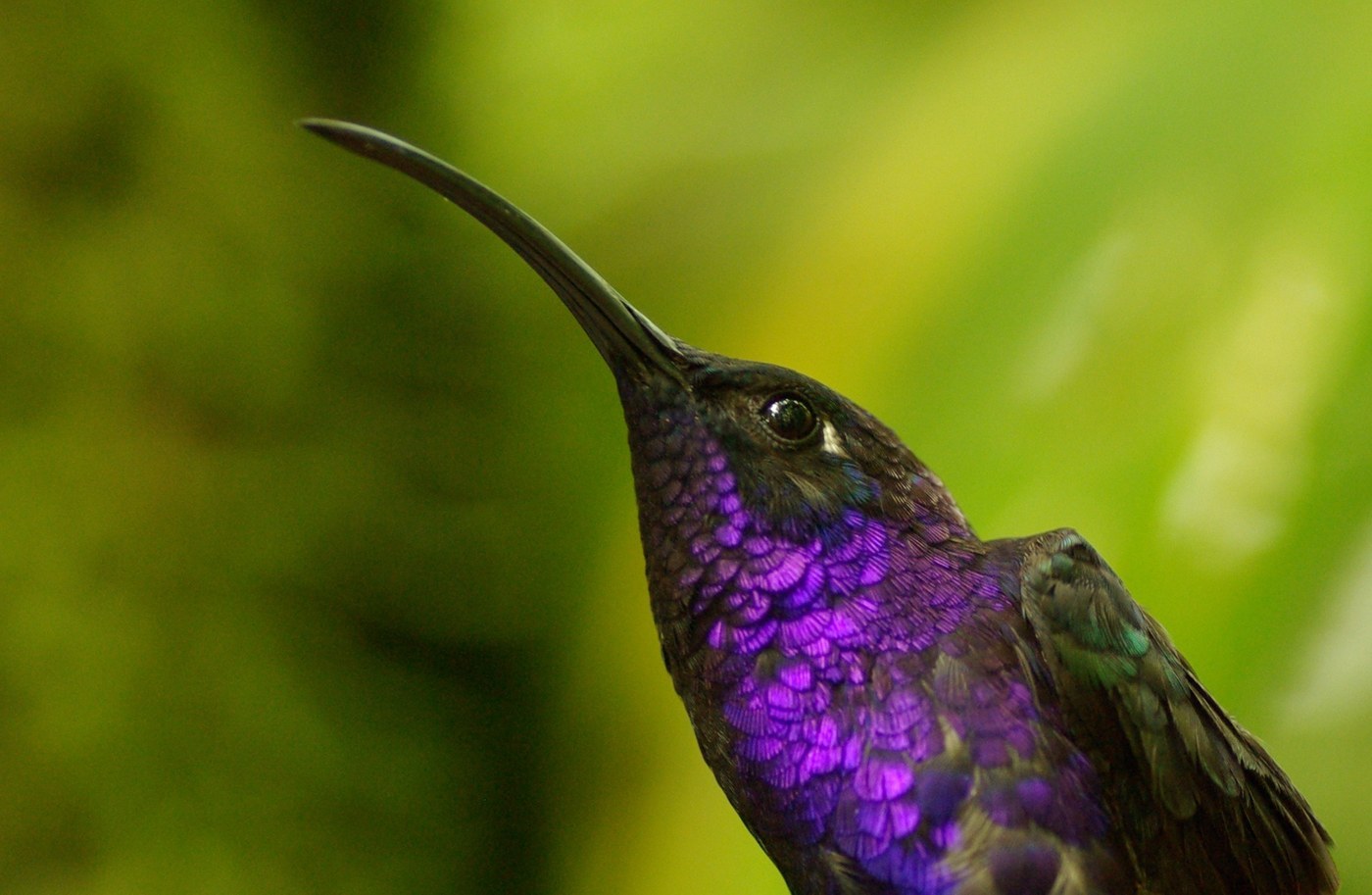
Violet Sabrewing
Iridescent body feathers, thickened curved primary shafts

Velvet-purple Coronet
Dense, velvety contour feathers with iridescent crown patch

Violet-crowned Hummingbird
Iridescent crown feathers, clean white underparts

Shining Sunbeam
Iridescent contour feathers with coppery-bronze wing sheen

Rufous Hummingbird
Tiny contour, gorget, and narrow flight feathers