

Carunculated Caracara
Phalcoboenus carunculatus
A northern Andean caracara with a black head and upperparts contrasting against a clean white breast and belly, named for the fleshy yellow-orange caruncles on its face.
- Feather type
- Broad rounded flight feathers; dark tail with a pale base; black upperparts and white breast/belly feathers
- Colours
- Black head and upperparts; white breast and belly
- Bird size
- Large raptor, ~52-55 cm
Found a feather like this?
Identify any feather from a photo, free.
Overview
The Carunculated Caracara is found in the high-altitude paramo and grassland of the northern Andes, primarily in Ecuador and southern Colombia, generally above the Mountain Caracara's range in more equatorial latitudes.
Its feathers show a clean black-and-white pattern, with a solid black head and upperparts contrasting against a white breast and belly, similar in broad pattern to some other Phalcoboenus caracaras but distinguished by range and the bird's distinctive fleshy facial caruncles (a soft-tissue feature not preserved in feathers themselves).
Because it favors high-elevation paramo grassland, feathers are most likely found in this specific habitat type in Ecuador and adjacent Colombia.
Identifying the Feather
Shape and size
- Flight feathers are broad and rounded, with a pale patch near the base of the primaries, primaries reaching roughly 28-32 cm.
- Tail feathers are dark with a pale base.
Color and pattern
- Head and upperpart feathers are solid black.
- Breast and belly feathers are clean white.
- Shafts are pale on white feathers, dark on black feathers.
Similar species
- Similar in overall pattern to the Mountain Caracara but found further north in Ecuador and Colombia's high paramo rather than the central/southern Andes; range is the most reliable separator from feathers alone.
Plumage & Molt
Adults show a black head and upperparts with a white breast and belly, sexes similar. Juveniles are browner and less crisply patterned, developing the adult contrast with age.
Habitat & Range
Found in high-altitude paramo and grassland of the northern Andes, primarily in Ecuador and southern Colombia. It is largely resident at these high elevations.
Behavior & Field Notes
An opportunistic forager that scavenges carrion and hunts small animals in open paramo grassland, often seen in pairs or small groups. Nests on rocky outcrops or cliff ledges. Calls are harsh and raucous, typical of the genus.
Field note: a black-and-white feather found in high paramo grassland in Ecuador or southern Colombia is a good match for this species over its more southerly relatives.
Frequently asked questions
How can I tell this apart from the Mountain Caracara by feather alone?
The two are similar in pattern; range is the most useful clue, with this species restricted to the northern Andes of Ecuador and southern Colombia.
What gives this species its name?
Fleshy yellow-orange caruncles (soft facial skin growths) around the face, a feature not visible in shed feathers themselves.
What habitat does it favor?
High-altitude paramo grassland in the northern Andes.
Is it a social species?
It is often seen in pairs or small groups foraging together in open paramo.
Carunculated Caracara guides
In-depth guides for identifying and understanding Carunculated Caracara.

Other feathers you may enjoy

Australian Hobby
Long, narrow pointed flight feathers; slender tail feathers

California Condor
Massive flight feathers; long broad primaries; large tail feathers

Brown Falcon
Broad, rounded flight feathers; variable-toned contour feathers
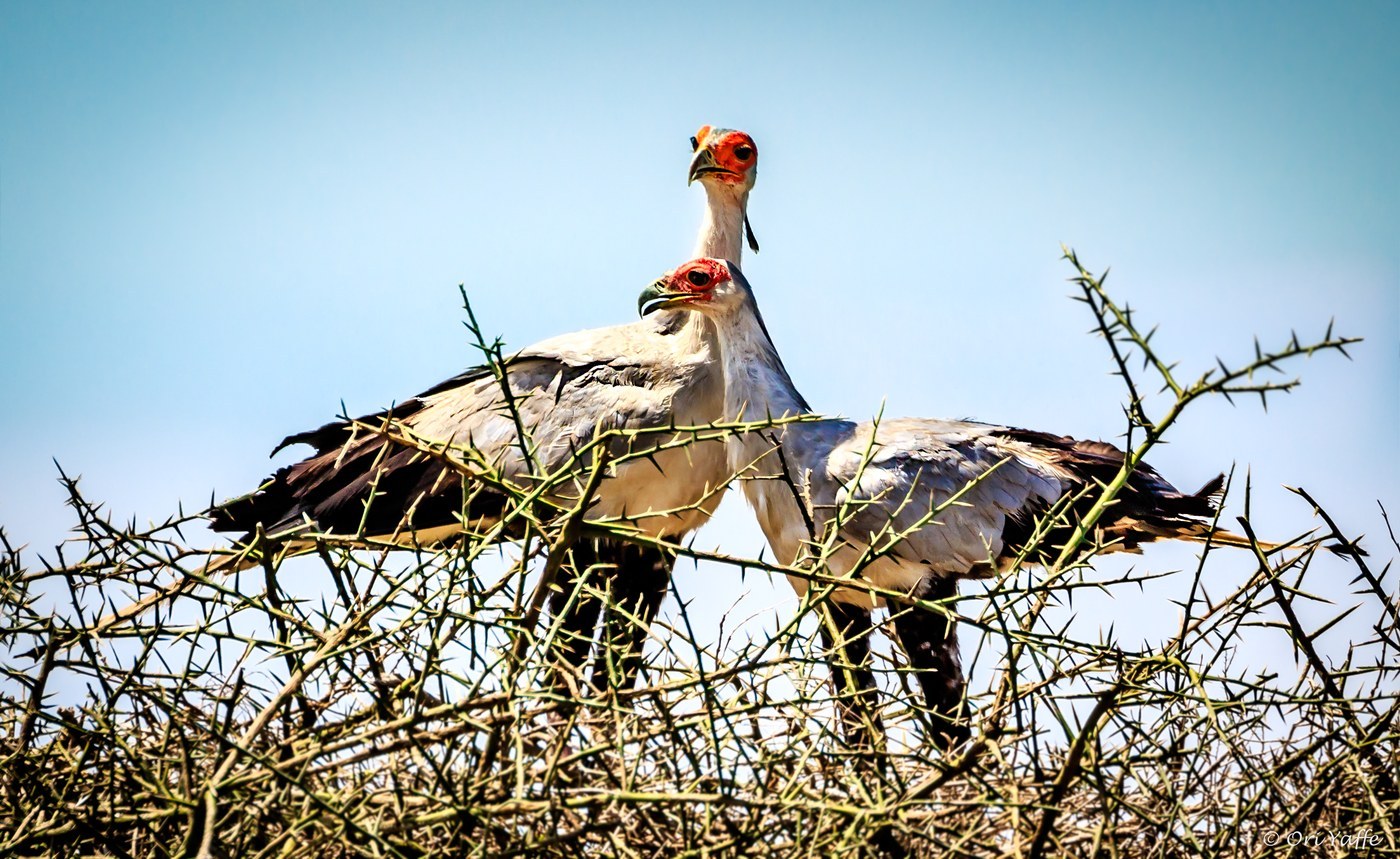
Secretarybird
Long crest feathers; broad flight feathers; elongated central tail feathers

Orange-breasted Falcon
Broad-based pointed flight feathers; bold breast and belly feathers
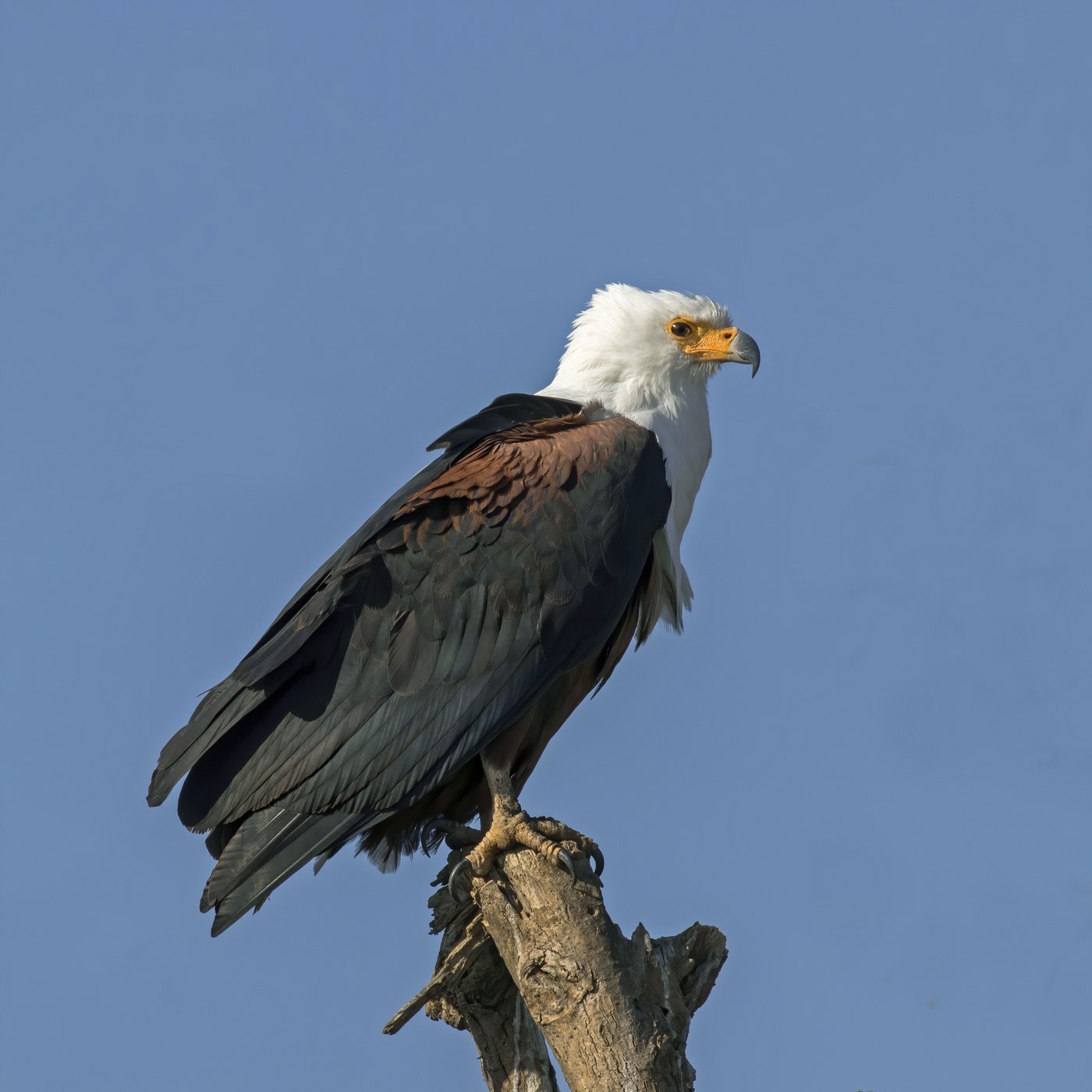
African Fish Eagle
Flight, tail, and body feathers

Amur Falcon
Slender pointed flight feathers; soft slate or orange-buff contour feathers
Red Kite
Flight (wing) and tail feathers
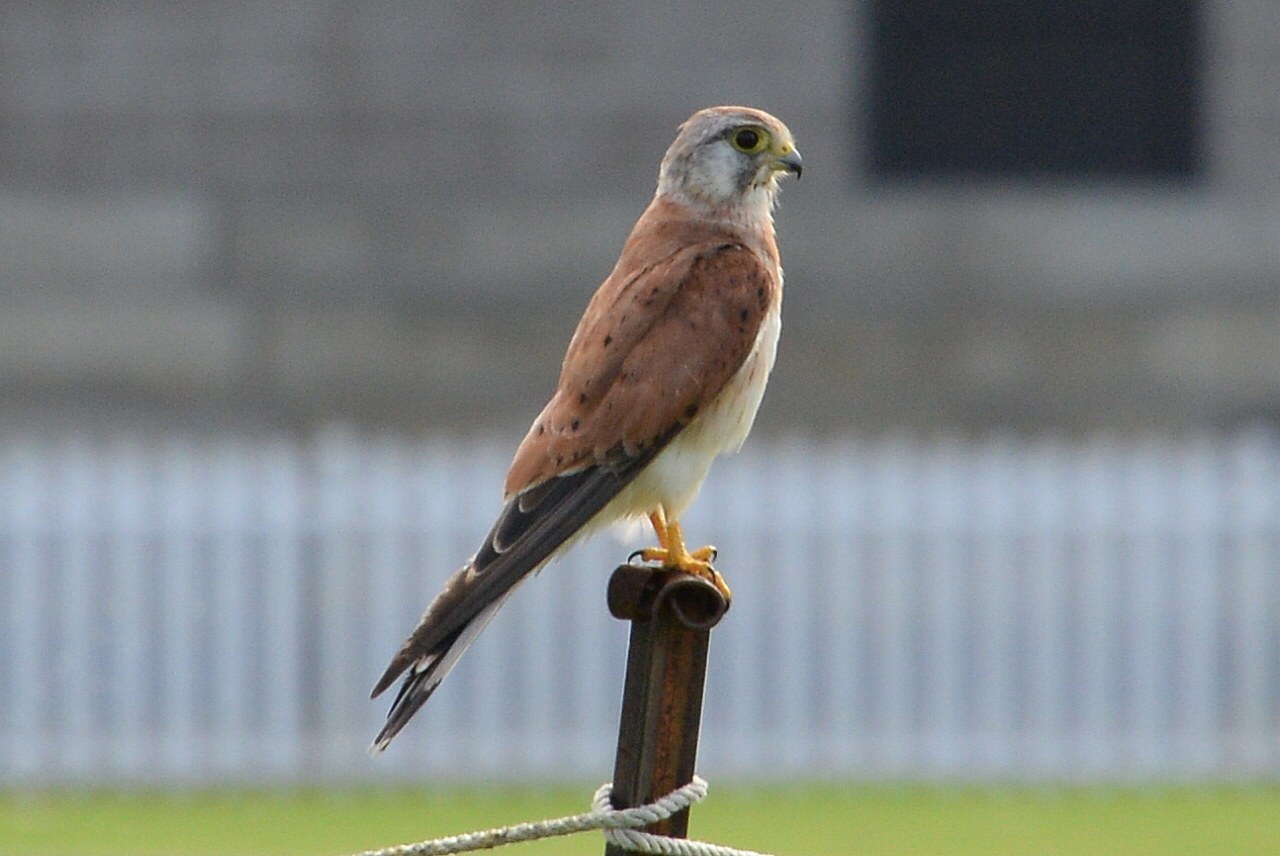
Nankeen Kestrel
Slim pointed flight feathers; lightly marked contour feathers

Andean Condor
Massive flight feathers; broad primaries and secondaries; sturdy tail feathers

Plumbeous Forest Falcon
Short rounded flight feathers; finely barred tail feathers

Sooty Falcon
Long pointed flight feathers; slim tail feathers