

Collared Falconet
Microhierax caerulescens
One of the tiniest falcons in the world, showing glossy black upperparts, a crisp white collar, and a small rufous forehead patch across forest edges of South and Southeast Asia.
- Feather type
- Tiny rounded flight feathers; short tail; glossy black and white body feathers with a rufous forehead
- Colours
- Glossy black upperparts; white collar and underparts; rufous forehead and flanks
- Bird size
- Very small falcon, ~15-18 cm
Found a feather like this?
Identify any feather from a photo, free.
Overview
The Collared Falconet is among the smallest raptors on Earth, found in open forest and forest-edge habitats from the eastern Himalayan foothills through parts of Southeast Asia. Despite its tiny size, it hunts actively, often taking dragonflies and other flying insects on the wing.
Its feathers show a striking, glossy black-and-white pattern set off by a small but distinct rufous patch on the forehead and flanks, a combination that helps separate it from other similarly tiny falconets in the region.
Given its habit of perching conspicuously on bare branches at forest edges, feathers are most often found in such semi-open habitat rather than deep closed-canopy forest.
Identifying the Feather
Shape and size
- Flight feathers are extremely small, often under 8 cm, reflecting its status as one of the world's tiniest falcons.
- Tail feathers are short and mostly blackish with narrow white markings.
Color and pattern
- Back and wing feathers are glossy black.
- A crisp white collar band separates the black crown from the black back.
- Forehead feathers show a small rufous patch, and flank feathers carry a rufous wash.
- Underparts feathers are otherwise white.
- Shafts are dark on black feathers, pale on white ones.
Similar species
- The rufous forehead patch combined with a white collar distinguishes it from the Black-thighed Falconet (which lacks the white collar) and Pied Falconet (which lacks rufous coloring entirely).
Plumage & Molt
Adults of both sexes show glossy black upperparts, a white collar, a rufous forehead patch, white underparts, and rufous-washed flanks. Juveniles are similar but with slightly duller, less glossy black feathering that sharpens after the first molt.
Habitat & Range
Found in open forest, forest edge, and clearings from the eastern Himalayas through northeastern India, Myanmar, Thailand, Laos, Vietnam, and parts of southern China. It is a non-migratory resident.
Behavior & Field Notes
Hunts flying insects such as dragonflies and small birds from an exposed perch, sallying out and returning to the same spot. Nests in old woodpecker or barbet holes. Calls are high, thin, and given in short series.
Field note: a tiny glossy black feather with a rufous-tinged flank or forehead patch found at a forest edge in South or Southeast Asia is a good match for this species.
Frequently asked questions
How do I tell this species' feathers from the Black-thighed Falconet's?
The Collared Falconet shows a white collar band across the hindneck that the Black-thighed Falconet lacks.
How tiny are its feathers?
Extremely small; flight feathers are often under 8 cm, among the smallest of any falcon.
What habitat is best for finding its feathers?
Open forest edges and clearings, where it perches conspicuously to hunt flying insects.
Do juveniles look different from adults?
Only slightly duller in gloss; the overall pattern of black, white, and rufous is present from a young age.
Collared Falconet guides
In-depth guides for identifying and understanding Collared Falconet.

Other feathers you may enjoy

Australian Hobby
Long, narrow pointed flight feathers; slender tail feathers

California Condor
Massive flight feathers; long broad primaries; large tail feathers

Brown Falcon
Broad, rounded flight feathers; variable-toned contour feathers
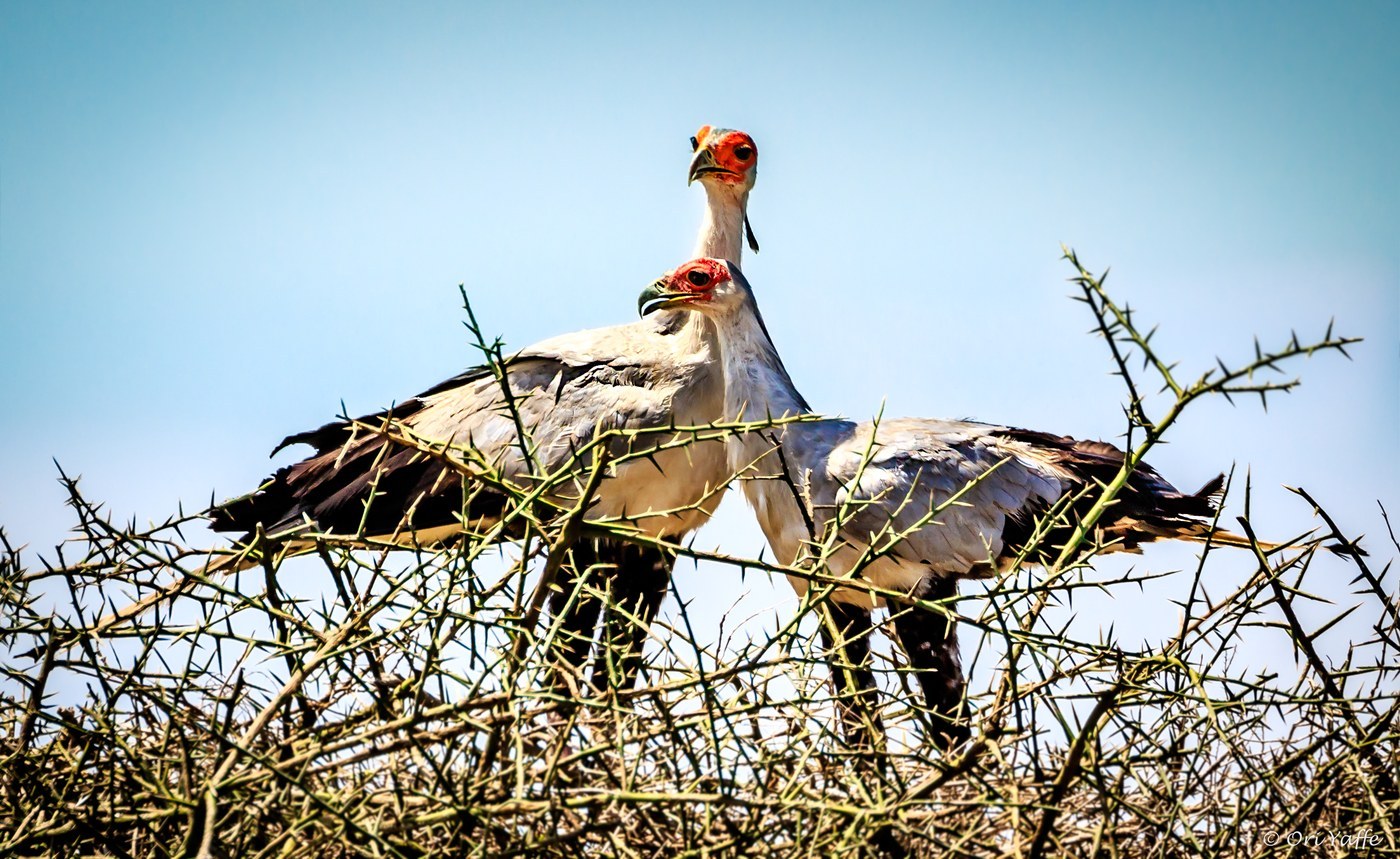
Secretarybird
Long crest feathers; broad flight feathers; elongated central tail feathers

Orange-breasted Falcon
Broad-based pointed flight feathers; bold breast and belly feathers
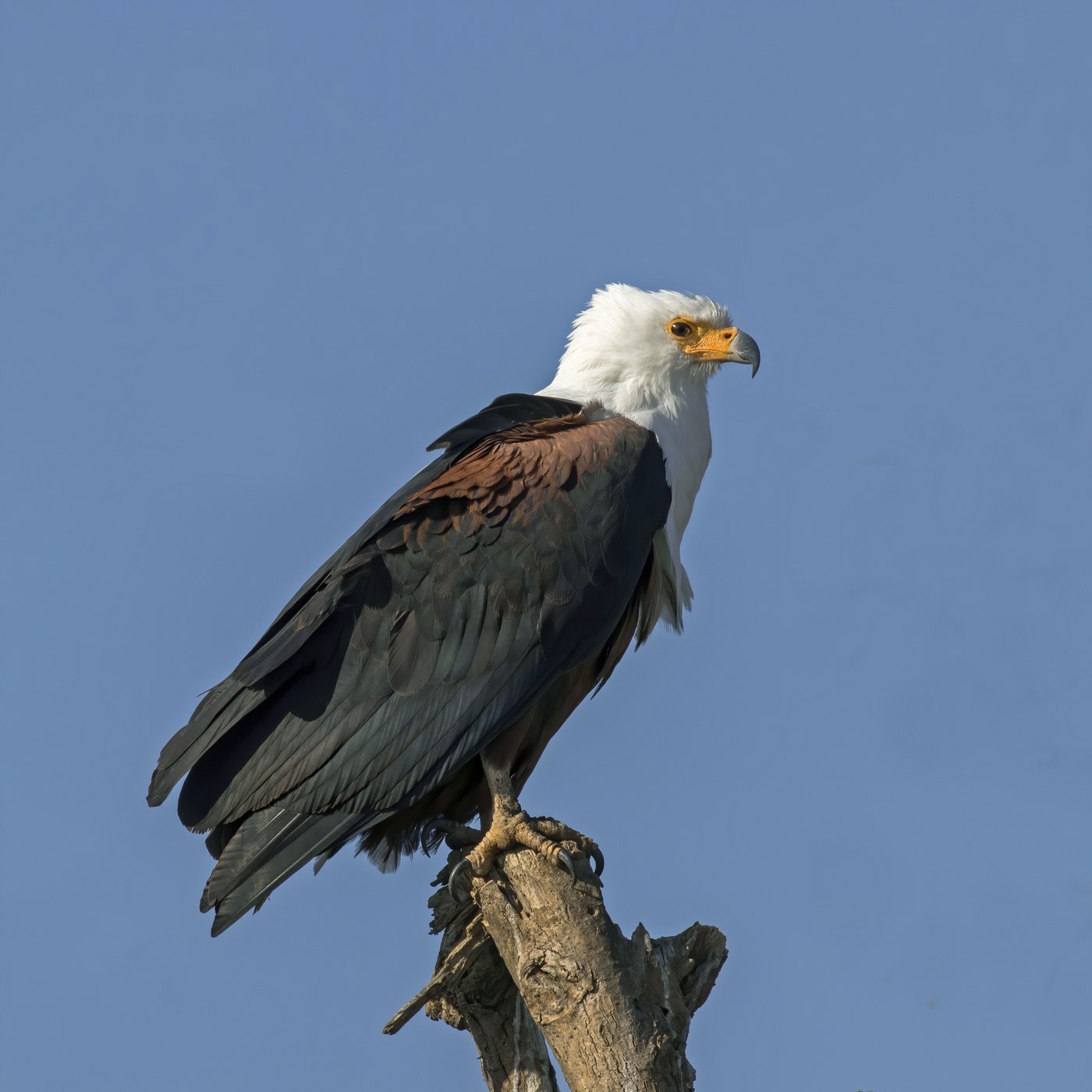
African Fish Eagle
Flight, tail, and body feathers

Amur Falcon
Slender pointed flight feathers; soft slate or orange-buff contour feathers
Red Kite
Flight (wing) and tail feathers
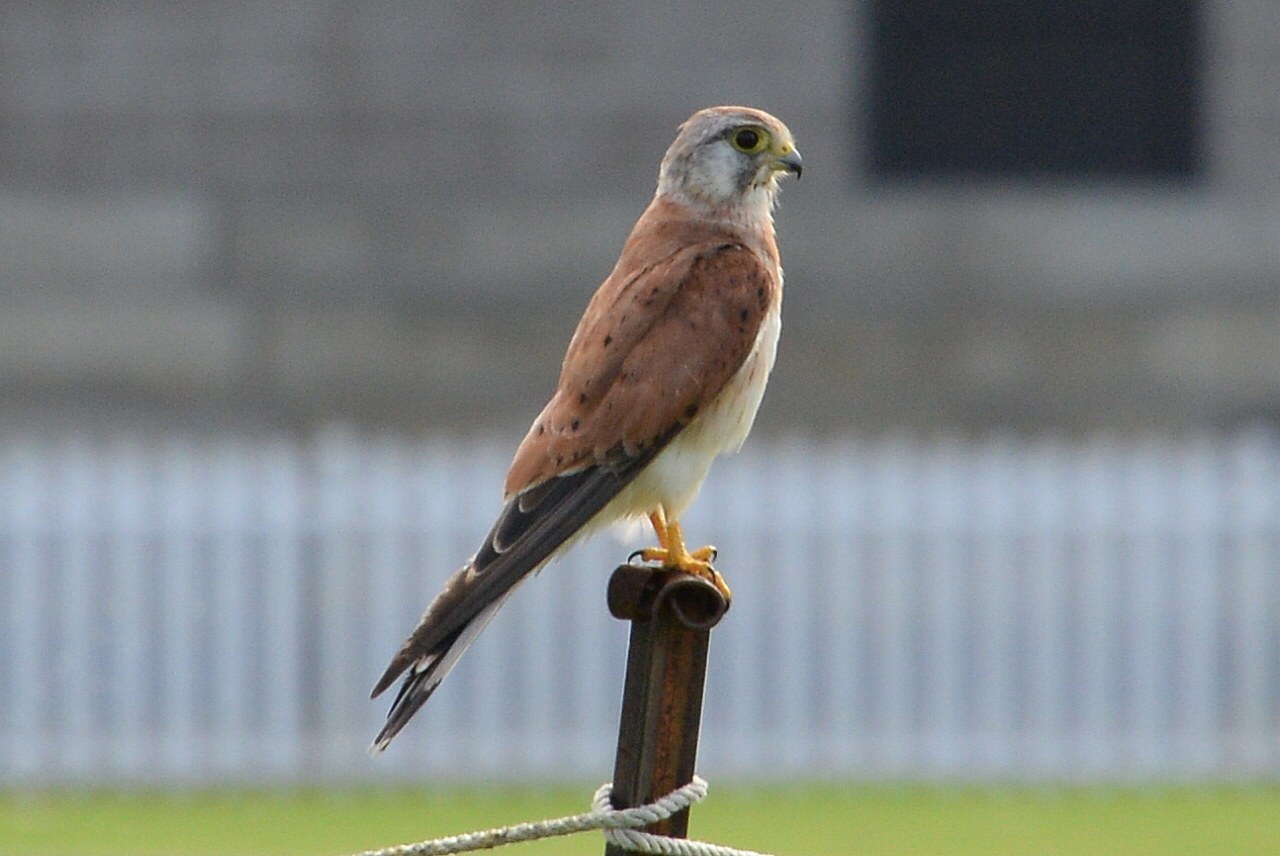
Nankeen Kestrel
Slim pointed flight feathers; lightly marked contour feathers

Andean Condor
Massive flight feathers; broad primaries and secondaries; sturdy tail feathers

Plumbeous Forest Falcon
Short rounded flight feathers; finely barred tail feathers

Sooty Falcon
Long pointed flight feathers; slim tail feathers