

Common Buzzard
Buteo buteo
The Common Buzzard is a medium-large soaring raptor with broad, fingered wing feathers and a highly variable brown plumage, ranging from very dark to pale, that makes each individual's feathers somewhat distinct.
- Feather type
- Broad, long, fingered flight feathers for soaring; broad rounded tail feathers
- Colours
- Highly variable brown plumage, from dark chocolate-brown to pale cream, usually with darker barring
- Bird size
- Medium-large raptor, ~51-57 cm, broad wingspan ~113-128 cm
Found a feather like this?
Identify any feather from a photo, free.
Overview
The Common Buzzard is one of the most widespread and frequently seen birds of prey across Europe, often observed soaring in circles over farmland and woodland edge.
Its plumage is exceptionally variable between individuals, ranging from very dark chocolate-brown to pale, almost whitish birds, all showing some form of darker barring.
Broad, long, deeply fingered flight feathers and a broad, rounded tail reflect its soaring, thermal-riding flight style rather than the fast pursuit flight of woodland hawks.
Identifying the Feather
Size & Shape
- Flight feathers are broad and long, with deep notching (fingering) at the tips, an adaptation for soaring on thermals with minimal effort.
- Tail feathers are broad and rounded, fanned during soaring flight, typically pale with numerous fine dark bars and a broader dark subterminal band.
Color & Pattern
- Plumage is highly variable individual to individual: base color ranges from dark chocolate-brown through rufous-brown to pale cream or whitish.
- Underwing (covert) feathers typically show a pale patch at the base of the flight feathers, contrasting with darker barred flight feather tips.
- Breast feathers often show a variable dark band or patch, but this varies enormously between individuals.
Similar Species
- Larger and broader-winged than Sparrowhawk or Kestrel, with deeply fingered wingtip feathers; best separated from other large raptors by its broad, rounded (not long and pointed) wing and tail shape, though color alone is unreliable given high individual variation.
Plumage & Molt
Overall Plumage
Highly variable brown plumage from very dark to pale cream, typically with darker barring on the flight feathers and tail, and a variable dark breast band.
Sex & Age Differences
Sexes look similar, though females average slightly larger. Juveniles show more streaked (rather than barred) underparts and paler eyes, gaining adult barring after their first complete molt.
Molt
One complete molt annually, spread over several months during spring through autumn due to the size and number of feathers involved.
Habitat & Range
Habitat
Farmland, woodland edge, hedgerows, and open country with hills or thermals suitable for soaring flight.
Range
Widespread across Europe and into western Asia.
Movements
Mostly resident in milder regions; some northern and eastern populations migrate to warmer areas in winter.
Behavior & Field Notes
Behavior
Often seen soaring in wide circles over open country, or perched prominently on fence posts and roadside poles watching for prey.
Diet
Feeds on small mammals, and opportunistically on other prey items found in open country.
Nesting
Builds a large stick nest in a tree, often reused and added to over multiple years.
Voice
A distinctive, mewing 'peeeay' call, often given while soaring.
Field Notes
A broad, deeply fingered flight feather or a broad barred tail feather found in farmland or woodland-edge habitat, in any shade from dark brown to pale cream, is consistent with Common Buzzard.
Frequently asked questions
Why is Common Buzzard plumage so hard to describe by color alone?
Individual buzzards vary enormously, from very dark chocolate-brown to pale cream, so shape and structure are more reliable identification features than color.
What wing feather shape indicates a soaring raptor like the Buzzard?
Broad, long flight feathers with deep notching (fingering) at the tips, suited to riding thermals with minimal effort.
How do juvenile Buzzard feathers differ from adults?
Juveniles show more streaked underparts rather than the barred pattern typical of adults.
Where are Common Buzzard feathers commonly found?
In farmland, woodland edges, and open country with hills or ridges that generate soaring thermals.
Common Buzzard guides
In-depth guides for identifying and understanding Common Buzzard.

Common Buzzard identified by the community
Real feathers identified with Feather Identifier.


Other feathers you may enjoy

Australian Hobby
Long, narrow pointed flight feathers; slender tail feathers

California Condor
Massive flight feathers; long broad primaries; large tail feathers

Brown Falcon
Broad, rounded flight feathers; variable-toned contour feathers
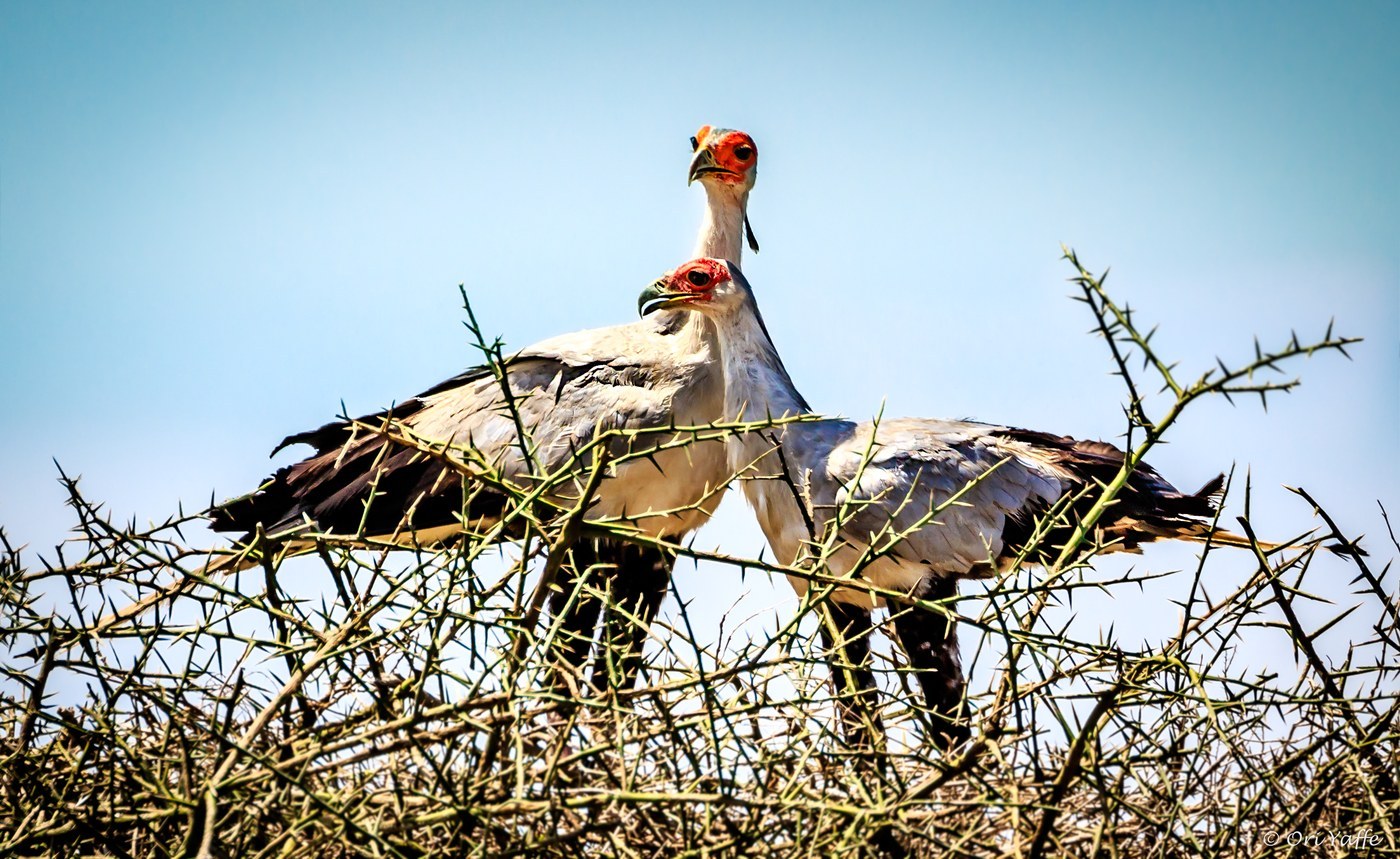
Secretarybird
Long crest feathers; broad flight feathers; elongated central tail feathers

Orange-breasted Falcon
Broad-based pointed flight feathers; bold breast and belly feathers
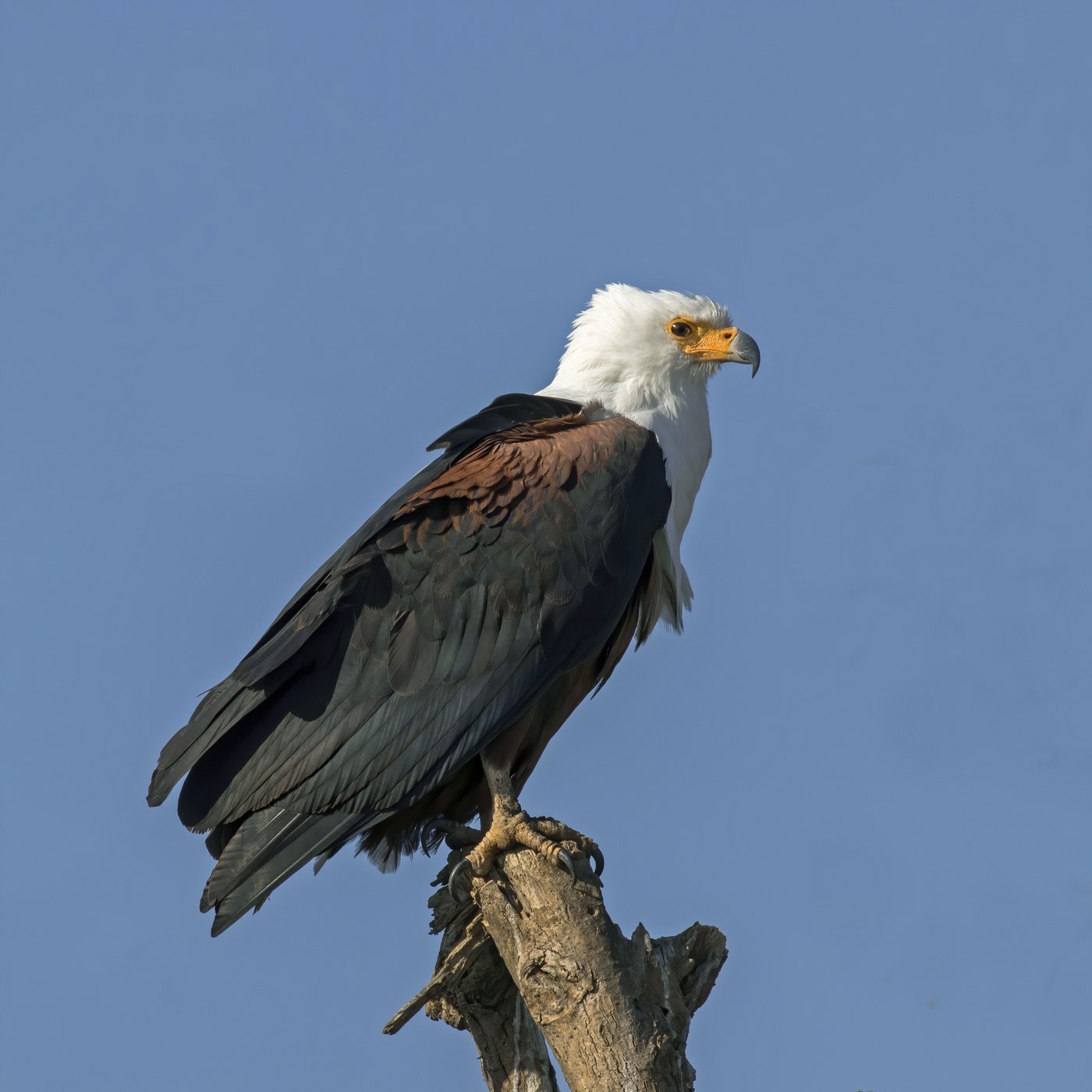
African Fish Eagle
Flight, tail, and body feathers

Amur Falcon
Slender pointed flight feathers; soft slate or orange-buff contour feathers
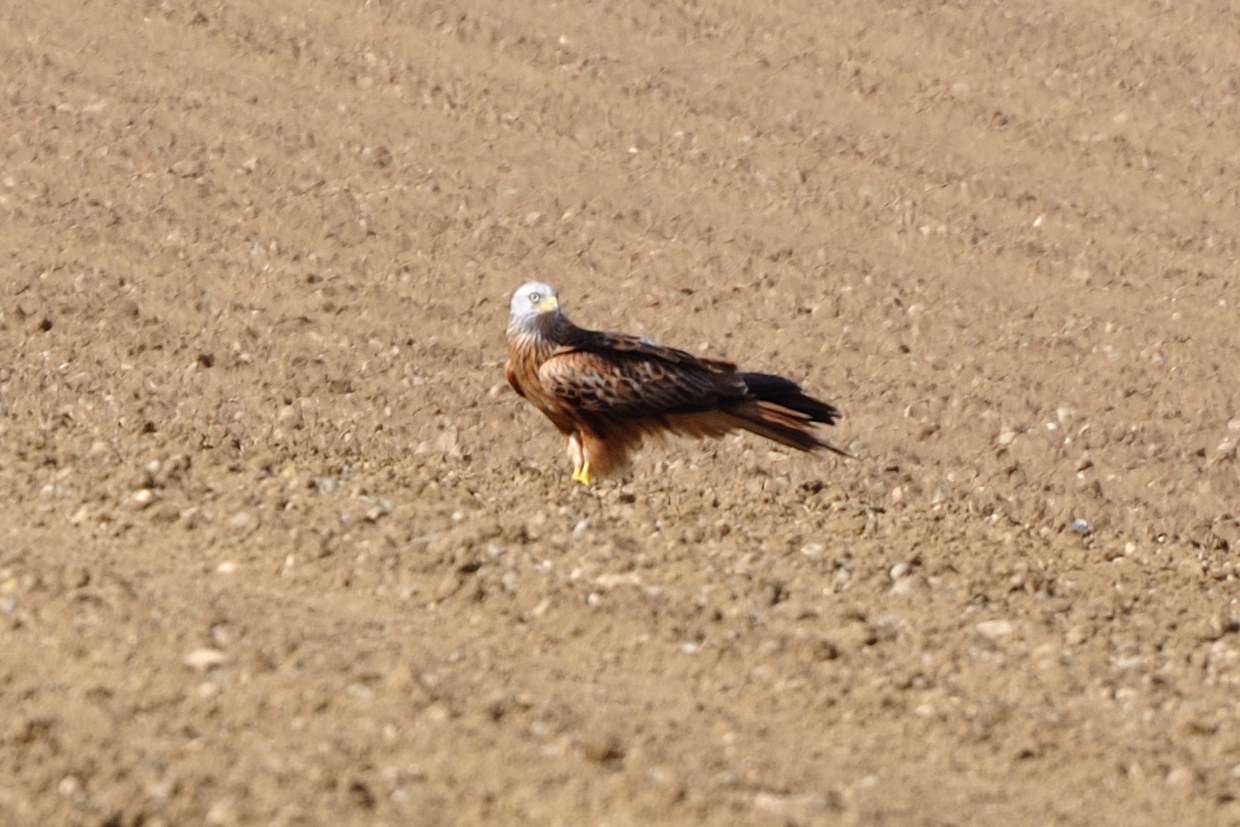
Red Kite
Flight (wing) and tail feathers
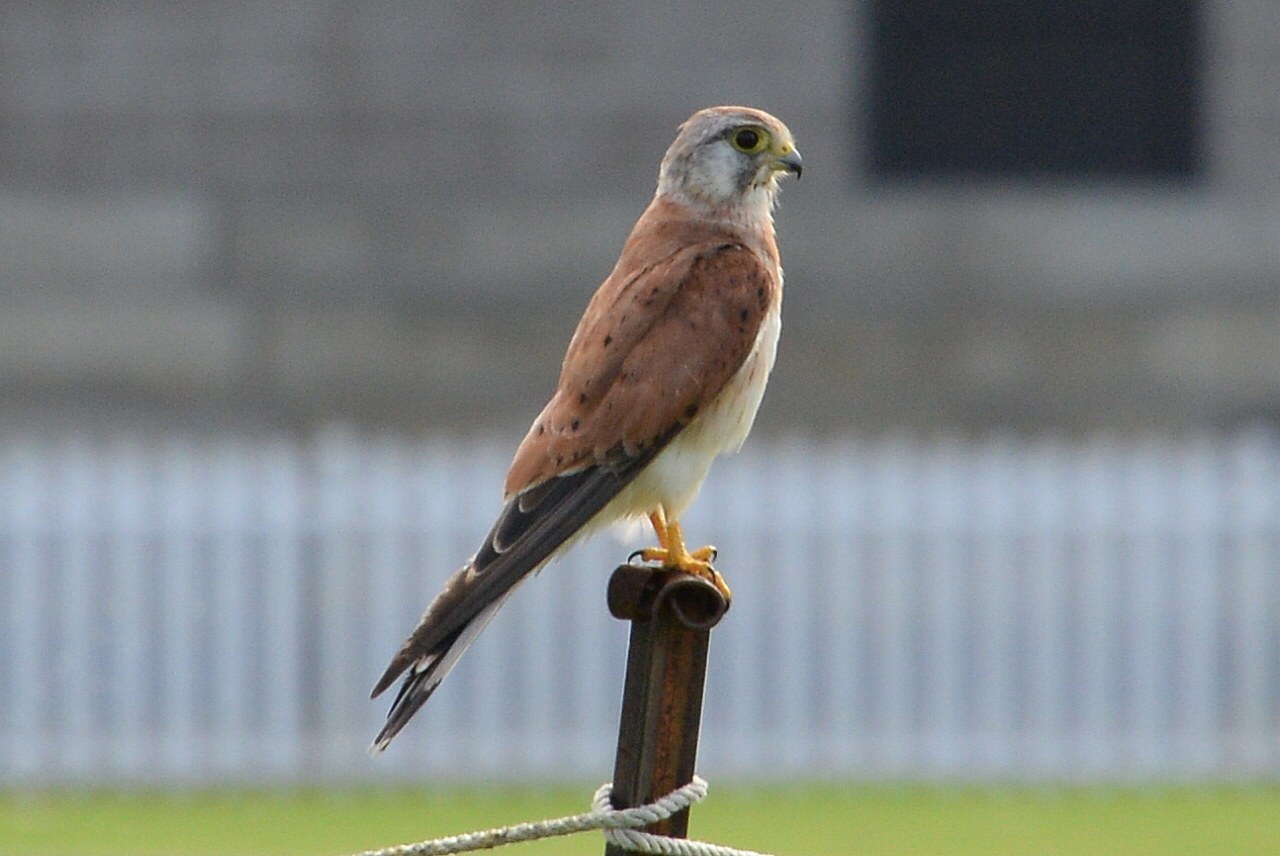
Nankeen Kestrel
Slim pointed flight feathers; lightly marked contour feathers

Andean Condor
Massive flight feathers; broad primaries and secondaries; sturdy tail feathers

Plumbeous Forest Falcon
Short rounded flight feathers; finely barred tail feathers

Sooty Falcon
Long pointed flight feathers; slim tail feathers