
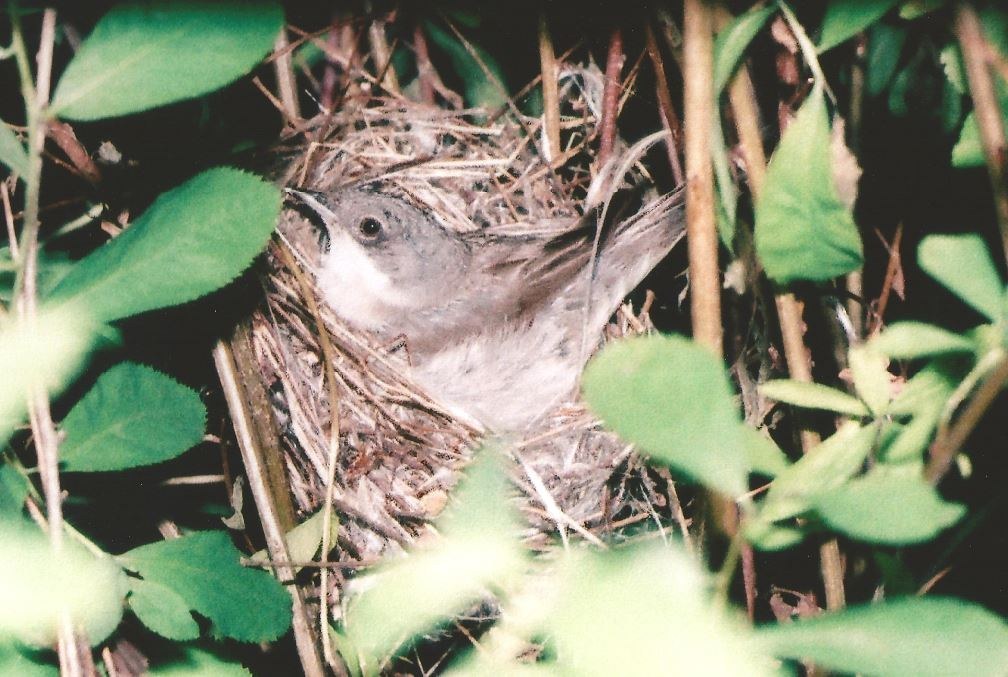
Common Whitethroat
Curruca communis
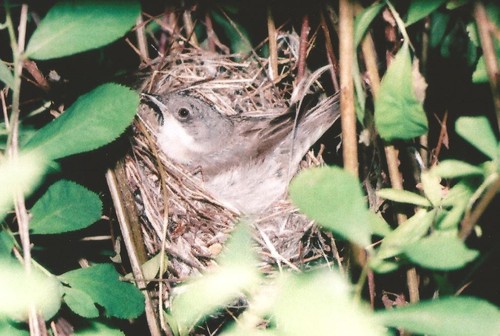
A small, active warbler with a bright white throat contrasting a grey head, and warm chestnut fringes on the wing feathers that add color to an otherwise modest bird.
- Feather type
- Grey head feathers; white throat feathers; chestnut-fringed wing covert feathers; long tail feathers with white edges
- Colours
- Grey head, white throat, pinkish-buff breast, rufous-chestnut edged wing feathers
- Bird size
- Small songbird, ~13-14 cm
Found a feather like this?
Identify any feather from a photo, free.
Overview
The Common Whitethroat is a small, energetic warbler of scrubby habitats, named for its clean white throat, which it often shows off during scratchy song flights from low perches. It is a long-distance migrant, breeding across Europe and wintering in Africa.
Its wing feathers are noticeably warmer and more colorful than many other small warblers, with rufous-chestnut fringes giving the closed wing a subtly bright, textured look compared to the plainer wings of Blackcap or the Phylloscopus warblers.
A Whitethroat feather is best recognized by the combination of a grey head feather, a bright white throat feather, and chestnut-fringed wing covert feathers — together forming a distinctive palette not shared by the very similarly sized Chiffchaff or Willow Warbler.
Identifying the Feather
Head and throat feathers
- Head feathers are grey, particularly in males; throat feathers are bright white and contrast sharply with the rest of the underparts.
Wing feathers
- Covert and tertial feathers show warm rufous-chestnut fringes, giving the wing a brighter, more patterned look than many similarly sized warblers.
Breast feathers
- Soft pinkish-buff, fading paler toward the belly.
Tail feathers
- Fairly long relative to body size, with white edges on the outer feathers.
Confusion species
Chiffchaff and Willow Warbler are plainer olive-toned without chestnut wing fringes or a bright white throat; the grey head plus white throat plus chestnut wing fringe combination is distinctive for Whitethroat.
Plumage & Molt
Adult males have a grey head, bright white throat, pinkish-buff breast, and chestnut-fringed wing feathers, with a relatively long tail showing white outer edges. Females and juveniles are similar but with a browner, less contrasting head instead of clean grey.
Whitethroats undergo a complete post-breeding molt, with some molt also occurring after arrival on African wintering grounds.
Habitat & Range
Common Whitethroats favor scrub, hedgerows, bramble patches, and farmland edges with dense low cover, rather than tall woodland. They are widespread summer breeders across most of Europe.
The species is a long-distance migrant, wintering in sub-Saharan Africa, and populations can fluctuate significantly depending on conditions encountered during migration and on the wintering grounds.
Behavior & Field Notes
Whitethroats feed mainly on invertebrates during the breeding season, supplemented by berries later in the year, foraging actively low in scrub and hedgerows. Males often perform a brief, scratchy song flight from a low perch, flashing the white throat.
They build a well-hidden cup nest low in dense scrub or bramble.
A feather combining a grey head tone, bright white throat color, and warm chestnut wing fringing, found in scrub or hedgerow habitat during the breeding season, is characteristic of Common Whitethroat.
Frequently asked questions
What makes a Whitethroat feather distinctive?
The combination of a grey head feather, a bright white throat feather, and chestnut-fringed wing feathers together form a palette not shared by similarly sized warblers like Chiffchaff or Willow Warbler.
Are Whitethroat wing feathers plain?
No, they show warm rufous-chestnut fringes, giving the wing more color and texture than many other small European warblers.
How can I tell male and female Whitethroat feathers apart?
Males typically show a cleaner, more contrasting grey head, while females and juveniles have a browner, less strongly contrasting head.
Is the Whitethroat a migratory bird?
Yes, it is a long-distance migrant that breeds in Europe and winters in sub-Saharan Africa.
Where would I find a Whitethroat feather?
In scrub, hedgerows, and farmland edges with dense low cover, during the breeding season in Europe.
Common Whitethroat guides
In-depth guides for identifying and understanding Common Whitethroat.
Other feathers you may enjoy

Yellow-breasted Bunting
Contour and flight feathers, chestnut-and-yellow breeding pattern
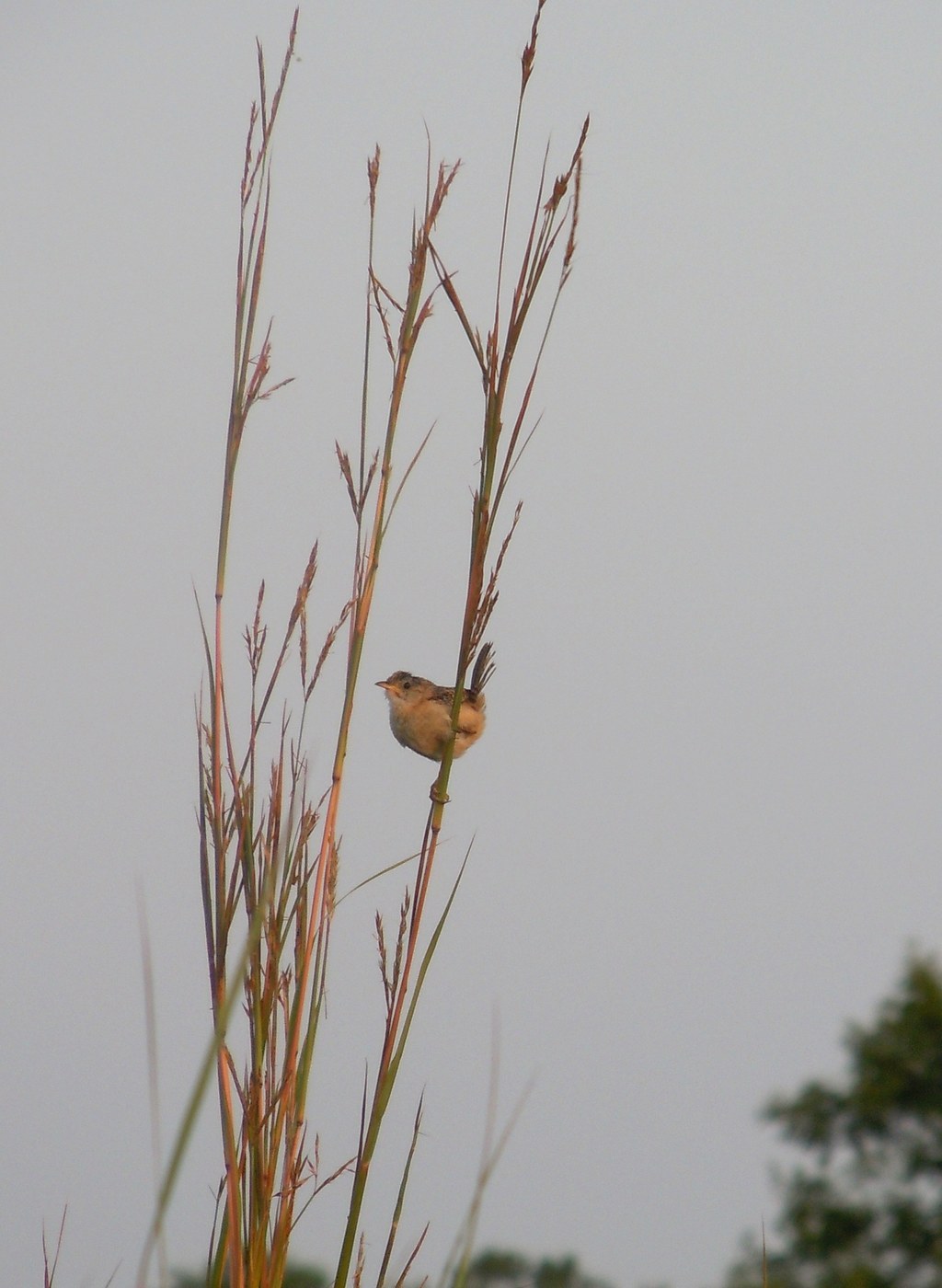
Sedge Wren
Tiny streaked crown and back feathers

Yellow-winged Cacique
Glossy black body feathers, yellow wing patch, shaggy crest

Yellow Warbler
Small contour and flight feathers
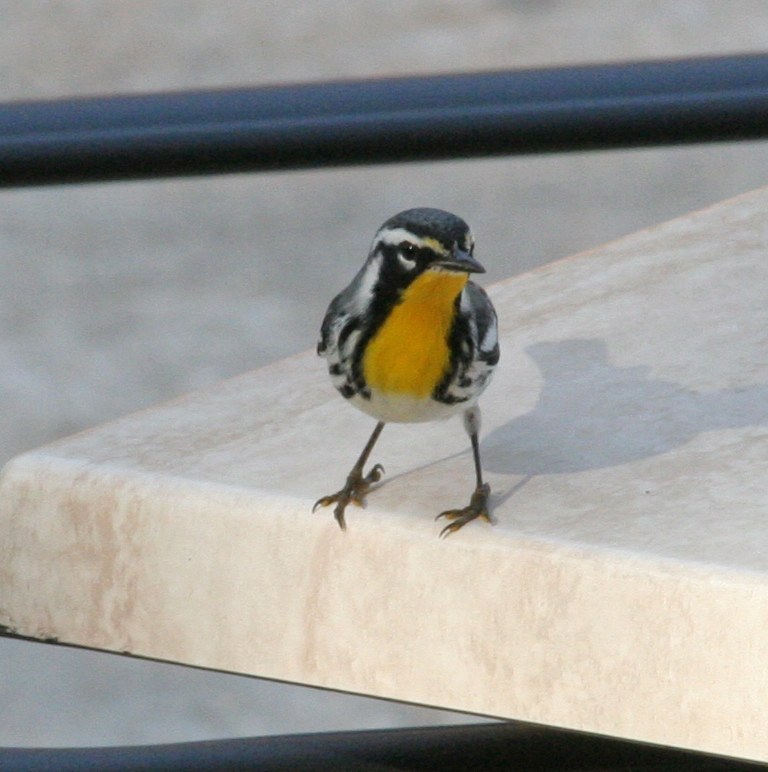
Yellow-throated Warbler
Small contour and flight feathers
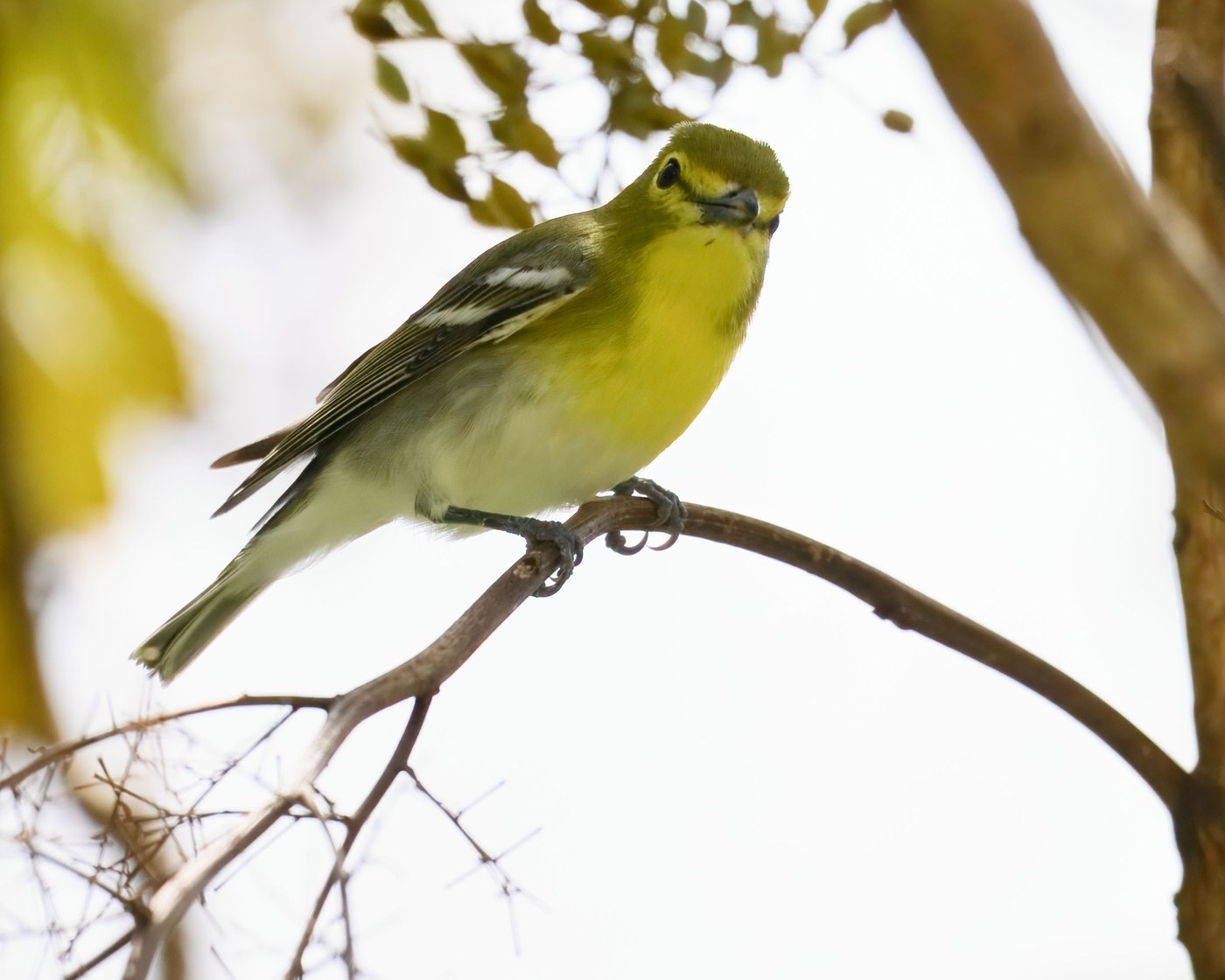
Yellow-throated Vireo
Bright yellow throat and spectacle feathers; olive-green back feathers; two white wing-bar feathers

Yellow-rumped Warbler
Small contour and flight feathers
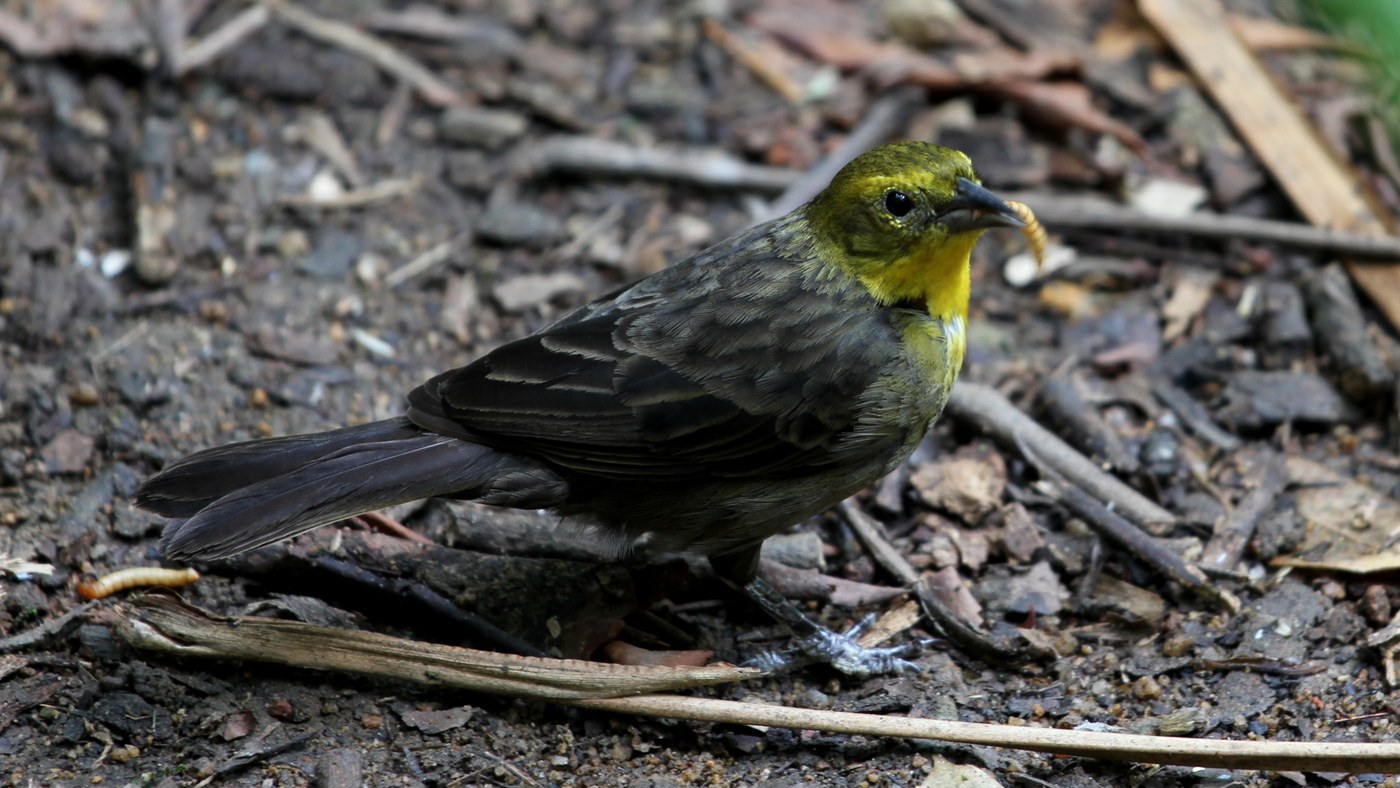
Yellow-hooded Blackbird
Contrasting hood and body feathers
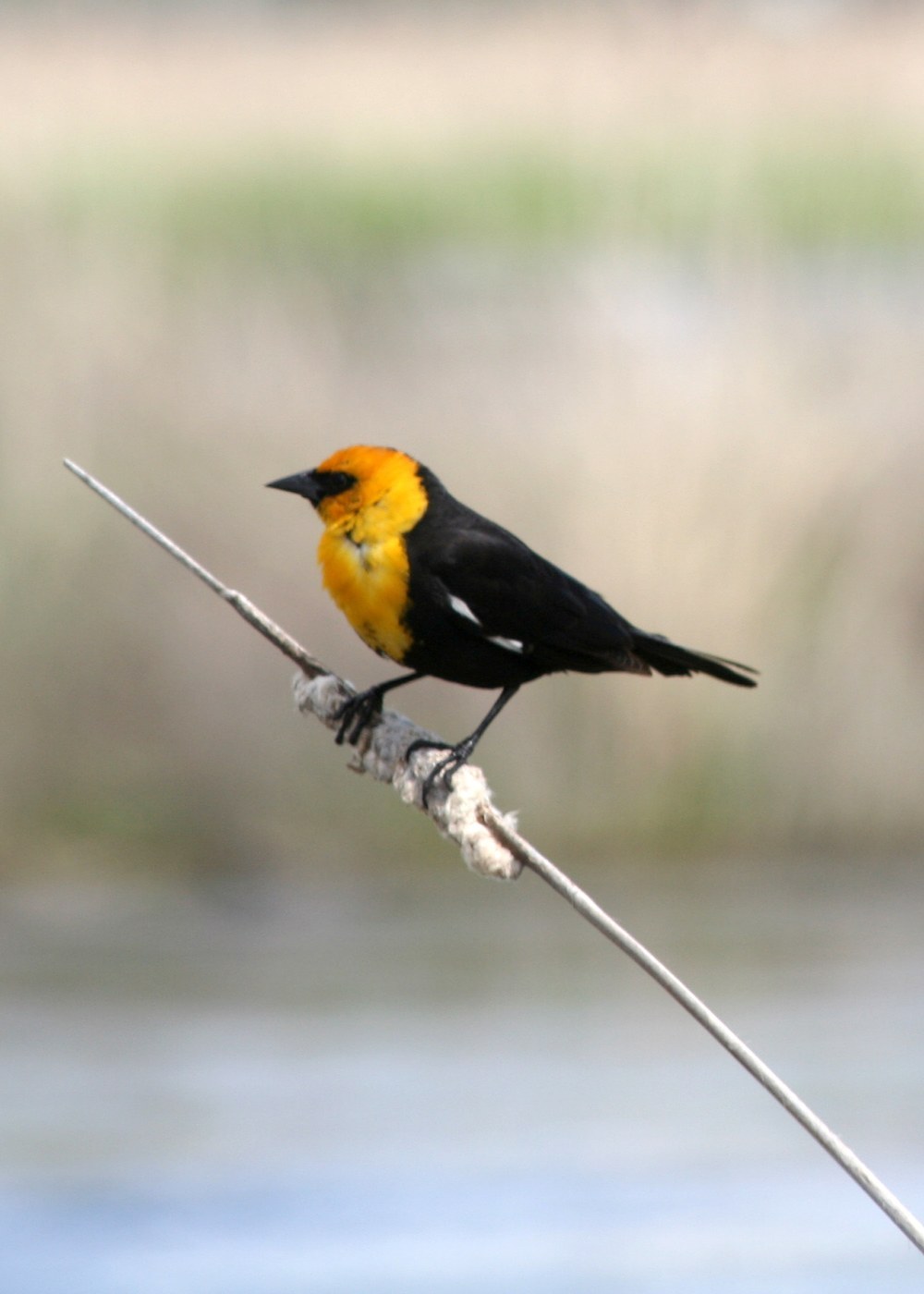
Yellow-headed Blackbird
Glossy black body plumage with a bright yellow head and breast

Yellow-eyed Junco
Contour and flight feathers

Yellow-fronted Canary
Small, smooth body plumage

Yellow-breasted Greenfinch
Compact, smooth body plumage