

Cooper's Hawk
Accipiter cooperii
Cooper's Hawk is a woodland accipiter with short rounded wings and a long, broadly banded tail, adult plumage showing blue-grey upperparts and fine rufous barring below, well suited to fast pursuit through trees.
- Feather type
- Short rounded wings; long rounded tail with broad dark banding and a white terminal band; fine barring on underparts
- Colours
- Blue-grey upperparts in adults; rufous barring on white underparts; brown upperparts with dark streaking in juveniles
- Bird size
- Medium accipiter, crow-sized, ~35-46 cm, wingspan around 62-90 cm
Found a feather like this?
Identify any feather from a photo, free.
Overview
Cooper's Hawk
Cooper's Hawk is a mid-sized woodland accipiter found across North America, well known for its agile, fast pursuit flight through dense cover as it hunts smaller birds. Once considered strictly a forest bird, it has increasingly adapted to wooded suburban neighborhoods, where it often hunts around bird feeders.
Its short, rounded wings and long, rudder-like tail give exceptional maneuverability among trees, a build shared with other accipiters but at a size intermediate between the smaller Sharp-shinned Hawk and larger Northern Goshawk.
Identifying the Feather
Identifying Cooper's Hawk Feathers
- Primaries/secondaries: short and rounded, blue-grey above in adults (brown in juveniles), pale below with fine dark barring.
- Tail feathers: long and rounded at the tip, with several broad dark bands and a distinct wide white terminal band, generally more evenly rounded than the Sharp-shinned Hawk's more squared tail tip.
- Body feathers: adult underparts feathers are white finely barred with rufous; juveniles show brown streaking rather than barring on a whiter background.
- Crown feathers: adults often show a darker cap contrasting with paler grey-blue nape, a subtle field mark.
- Size overlap with Sharp-shinned Hawk makes exact identification difficult from a single feather, but Cooper's Hawk feathers average larger, with a more rounded tail tip and thicker shaft.
Plumage & Molt
Plumage
Adults have blue-grey upperparts, a darker crown, red eyes, and white underparts finely barred with rufous. Juveniles are brown above with heavy dark streaking on a whitish or buffy breast, taking about two years to reach full adult plumage. Females are notably larger than males, though plumage pattern is similar between the sexes. Molt typically occurs during the breeding season.
Habitat & Range
Habitat & Range
Found across most of the United States, southern Canada, and Mexico, in deciduous and mixed woodland, forest edge, and, increasingly, wooded suburban and urban areas. Northern populations migrate south for winter, while many populations further south are resident year-round.
Behavior & Field Notes
Behavior & Field Notes
Cooper's Hawks hunt primarily by ambush, using dense cover and fast, agile flight to surprise birds and small mammals, and are frequently observed near bird feeders where prey congregates. They build a stick nest in a tree, often reusing or rebuilding near previous nest sites. Calls include a sharp, repeated 'kek-kek-kek' near the nest. A blue-grey or brown-streaked feather with a broadly banded, rounded tail tip found near woodland or suburban trees is consistent with this species, though care should be taken to rule out the smaller Sharp-shinned Hawk.
Frequently asked questions
How can I tell a Cooper's Hawk feather from a Sharp-shinned Hawk feather?
Cooper's Hawk feathers average larger with a more rounded tail-feather tip and thicker shaft, though considerable size overlap between the two species can make certainty difficult from a single feather alone.
What color are adult Cooper's Hawk feathers?
Adults have blue-grey upperpart feathers and white underparts finely barred with rufous, quite different from the brown, dark-streaked feathers of juveniles.
Why might I find this species' feathers in a suburban yard?
Cooper's Hawks have increasingly adapted to wooded suburban areas, often hunting near bird feeders where smaller birds gather, making feather encounters in yards fairly common.
Is this a forest or open-country hawk?
It is primarily a woodland and forest-edge species, relying on trees and cover for its ambush hunting style, unlike open-country buteos.
Cooper's Hawk guides
In-depth guides for identifying and understanding Cooper's Hawk.

Cooper's Hawk identified by the community
Real feathers identified with Feather Identifier.


Other feathers you may enjoy

Australian Hobby
Long, narrow pointed flight feathers; slender tail feathers

California Condor
Massive flight feathers; long broad primaries; large tail feathers

Brown Falcon
Broad, rounded flight feathers; variable-toned contour feathers
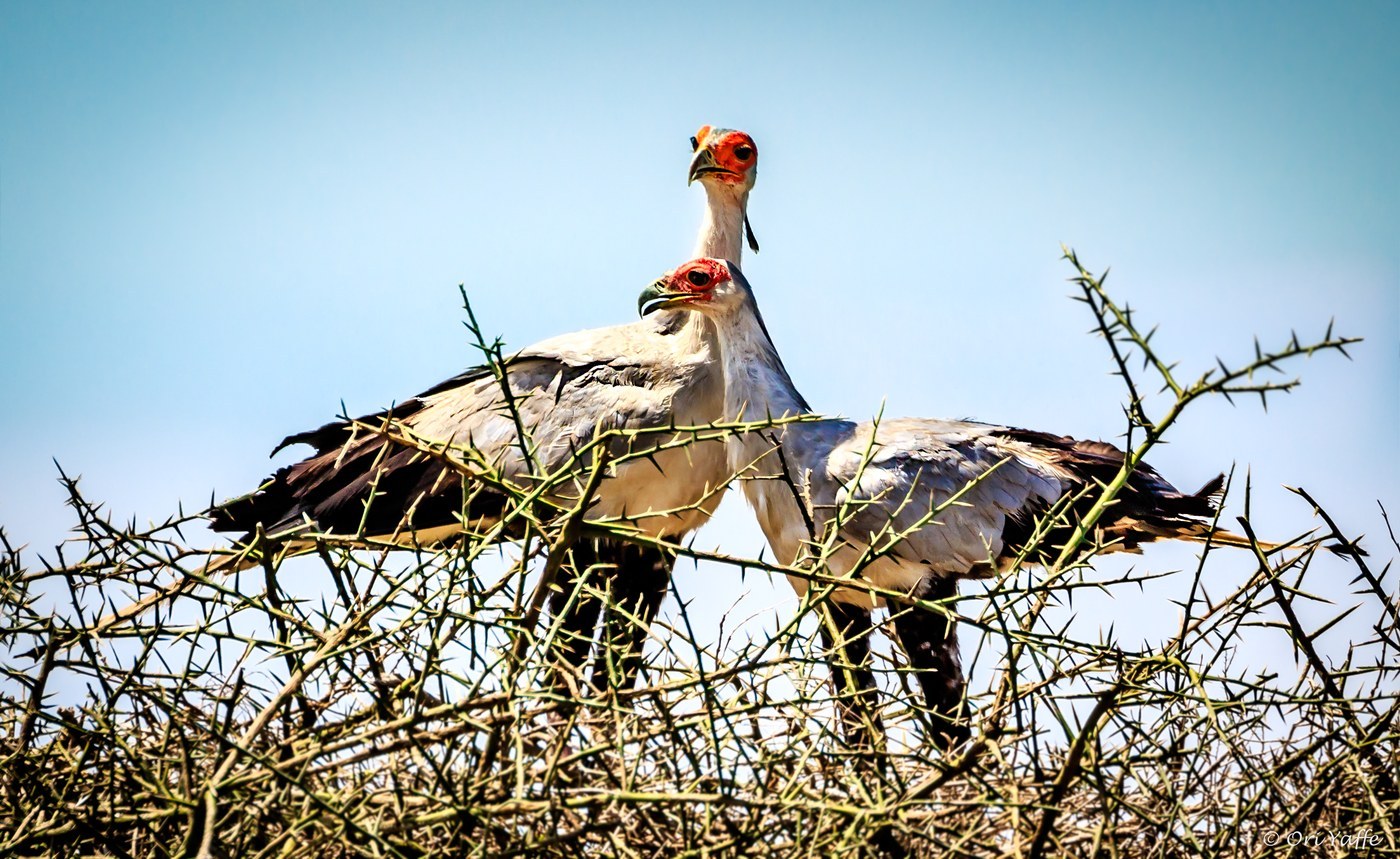
Secretarybird
Long crest feathers; broad flight feathers; elongated central tail feathers

Orange-breasted Falcon
Broad-based pointed flight feathers; bold breast and belly feathers
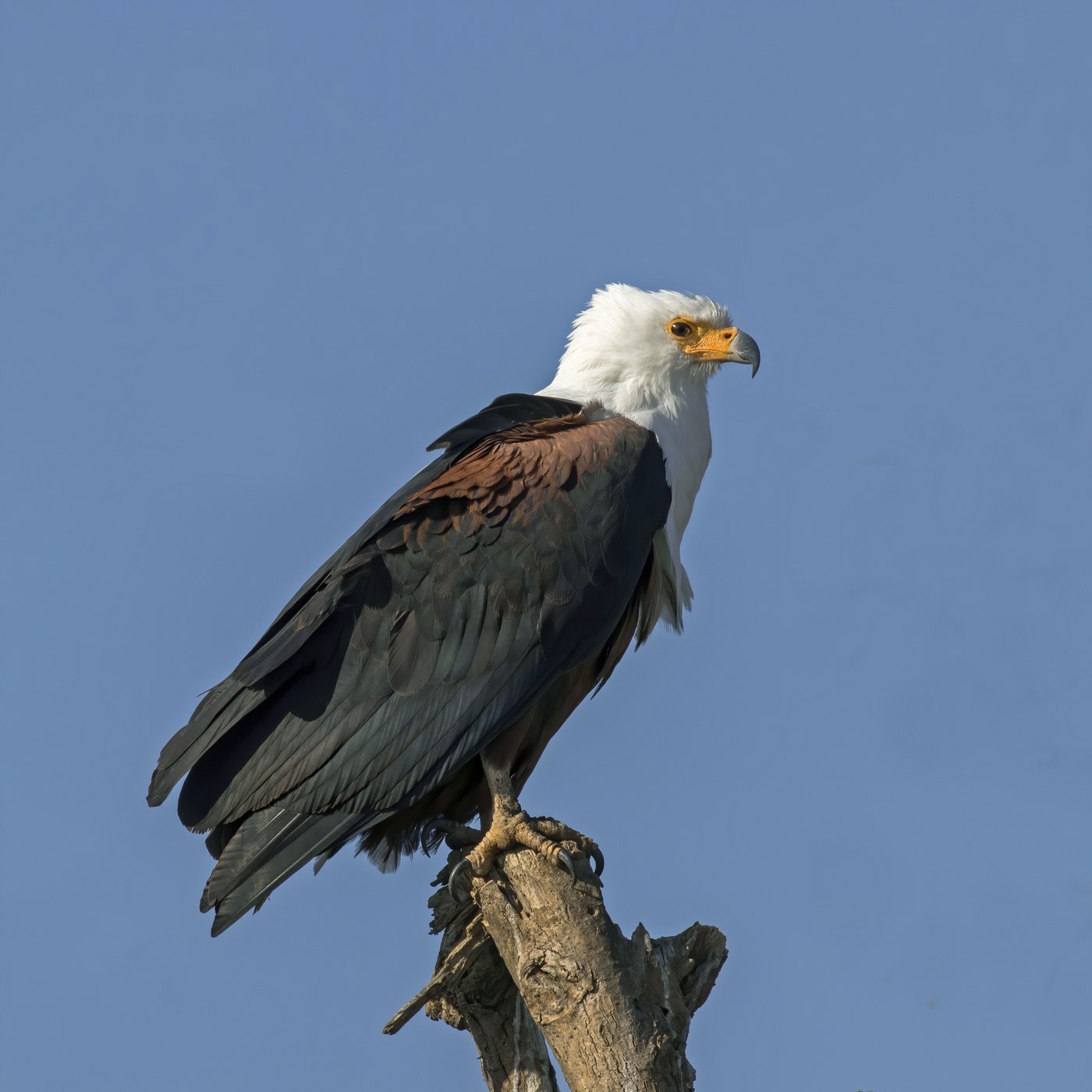
African Fish Eagle
Flight, tail, and body feathers

Amur Falcon
Slender pointed flight feathers; soft slate or orange-buff contour feathers
Red Kite
Flight (wing) and tail feathers
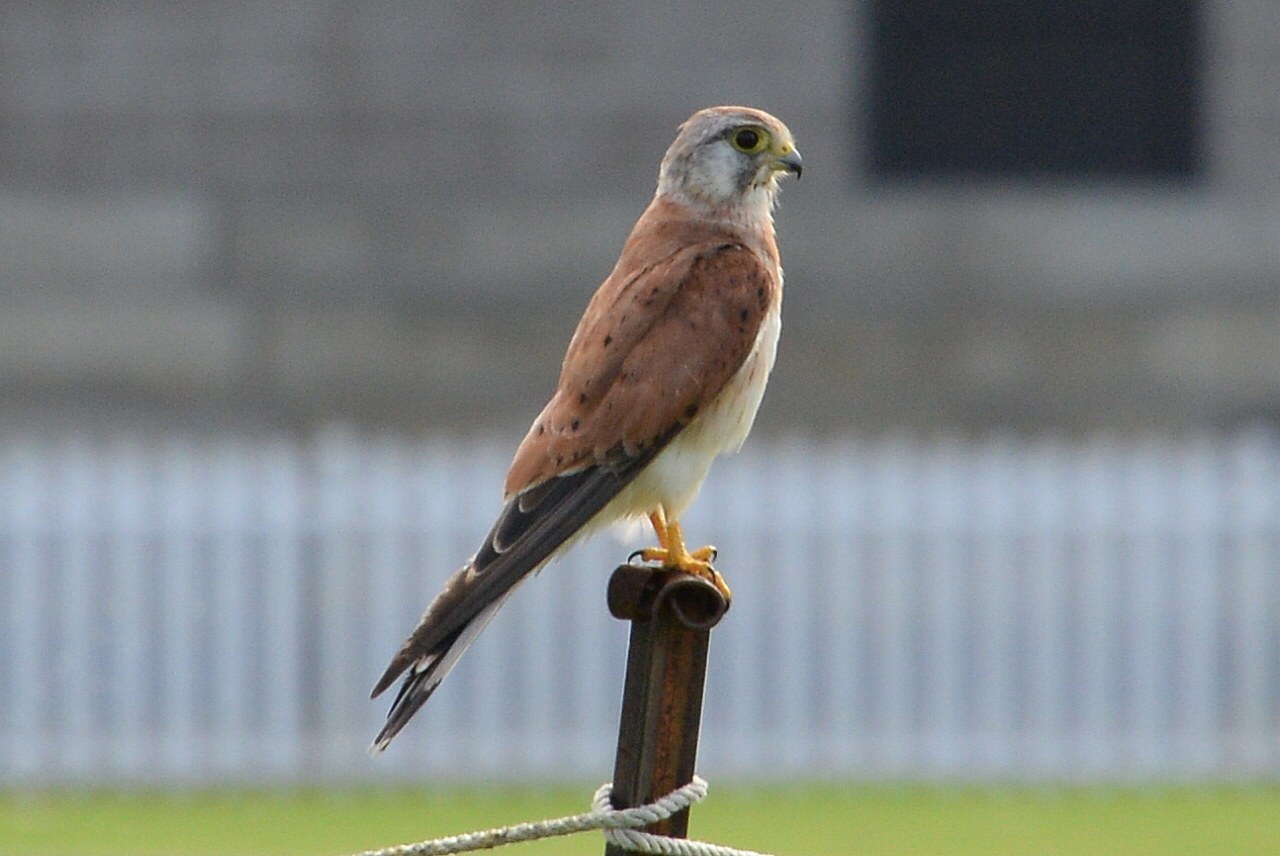
Nankeen Kestrel
Slim pointed flight feathers; lightly marked contour feathers

Andean Condor
Massive flight feathers; broad primaries and secondaries; sturdy tail feathers

Plumbeous Forest Falcon
Short rounded flight feathers; finely barred tail feathers

Sooty Falcon
Long pointed flight feathers; slim tail feathers