

Cryptic Forest Falcon
Micrastur mintoni
A recently described forest-falcon so visually similar to its relatives that it was only distinguished by its distinct voice - its feathers are essentially indistinguishable from those of the Barred Forest Falcon complex.
- Feather type
- Short rounded flight feathers; barred tail feathers
- Colours
- Grey-brown above with fine barring below, nearly identical to close relatives
- Bird size
- Pigeon-sized, ~30-36 cm
Found a feather like this?
Identify any feather from a photo, free.
Overview
The Cryptic Forest Falcon was formally recognized as distinct from the Barred Forest Falcon only in the early 2000s, based primarily on differences in vocalization rather than appearance - hence the name "cryptic."
It occurs in parts of the Amazon basin and the Atlantic Forest of eastern Brazil, overlapping in range with visually near-identical relatives.
Because plumage differences from its close relatives are subtle to nonexistent, identification in the field - and especially from a single feather - relies heavily on range and, when the bird is heard, its call.
Identifying the Feather
Recognizing the feathers
- Body feathers are barred grey-brown and white, closely matching the pattern of the Barred Forest Falcon - barring width and spacing are not reliably distinguishable between the two.
- Flight feathers are short and rounded, standard for the forest-falcon group.
- Tail feathers show alternating dark and pale bands similar to close relatives.
- Because plumage overlaps so heavily with related species, a feather alone usually cannot be assigned to this species with confidence - only range and associated calls help narrow it down.
Similar species
- Virtually identical in feather pattern to the Barred Forest Falcon; separation in the field depends on voice, not plumage.
Plumage & Molt
Plumage
Adults closely resemble Barred Forest Falcon, with grey-brown upperparts and whitish underparts marked by fine dark barring, plus yellow-orange bare facial skin and legs.
Juveniles are browner with softer barring, as in related species.
Molt is gradual and non-seasonal, typical of resident tropical raptors.
Habitat & Range
Habitat & range
Occurs patchily in parts of the Amazon basin and the Atlantic Forest of eastern Brazil, in humid lowland forest interior.
A non-migratory resident throughout its known range.
Behavior & Field Notes
Behavior & field notes
Behaves much like other forest-falcons, hunting from concealed perches and calling with a distinctive, evenly paced voice that was the key trait used to separate it from the Barred Forest Falcon.
Because of its extreme similarity to relatives, any feather tentatively linked to this species should be treated as a probable rather than certain match unless paired with a recorded call or confirmed local records.
A barred grey-and-white body feather found within its known Brazilian or Amazonian range is consistent with, but not proof of, this species.
Frequently asked questions
Can feathers reliably distinguish this species from the Barred Forest Falcon?
Not with confidence - the two are nearly identical in plumage and were separated mainly by differences in voice.
Why is it called 'cryptic'?
Because it remained hidden within what was thought to be a single species (Barred Forest Falcon) until vocal differences revealed it was distinct.
Where is it found?
Parts of the Amazon basin and the Atlantic Forest of eastern Brazil.
Is it a migratory species?
No, it is a non-migratory tropical forest resident.
Cryptic Forest Falcon guides
In-depth guides for identifying and understanding Cryptic Forest Falcon.

Other feathers you may enjoy

Australian Hobby
Long, narrow pointed flight feathers; slender tail feathers

California Condor
Massive flight feathers; long broad primaries; large tail feathers

Brown Falcon
Broad, rounded flight feathers; variable-toned contour feathers
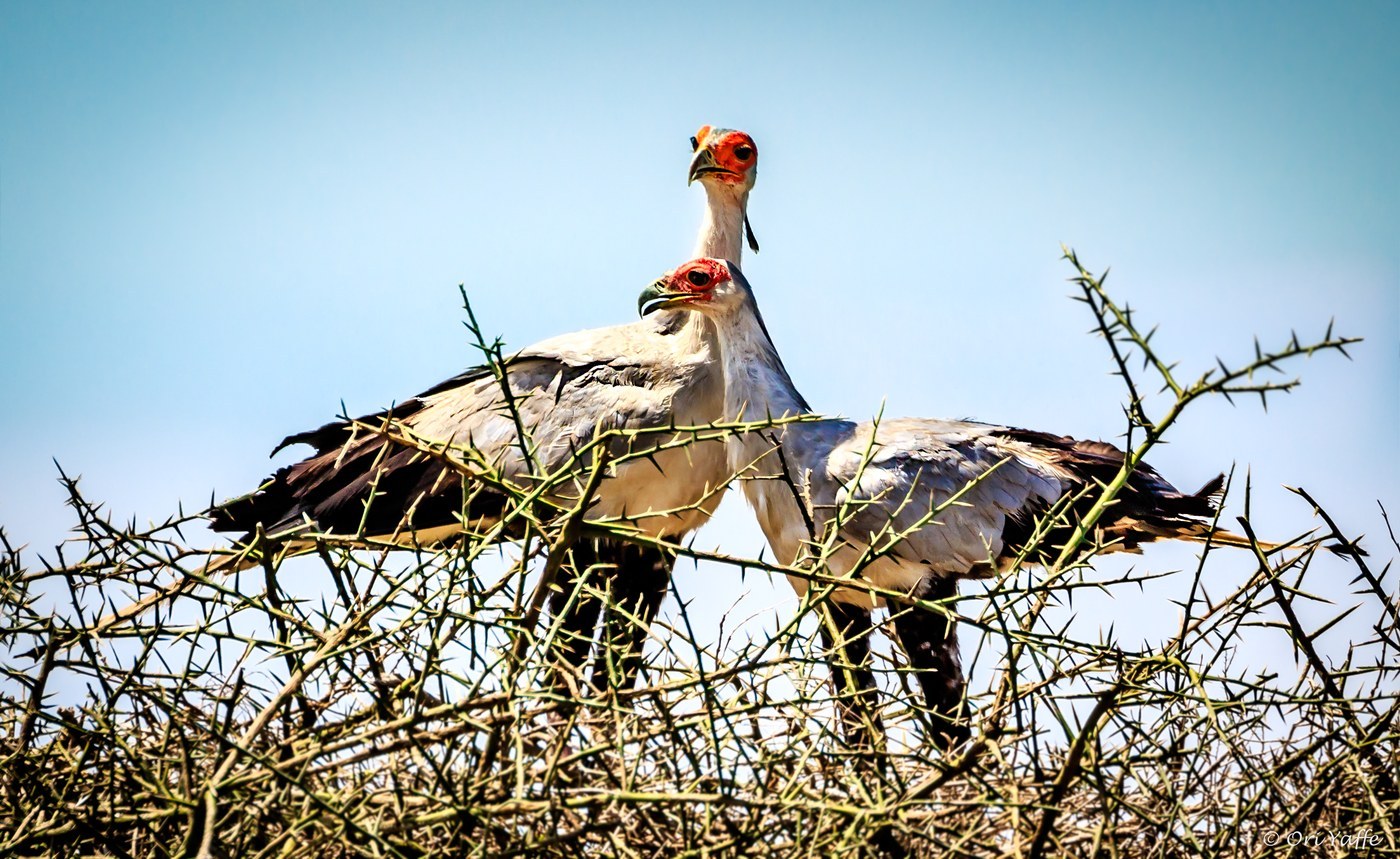
Secretarybird
Long crest feathers; broad flight feathers; elongated central tail feathers

Orange-breasted Falcon
Broad-based pointed flight feathers; bold breast and belly feathers
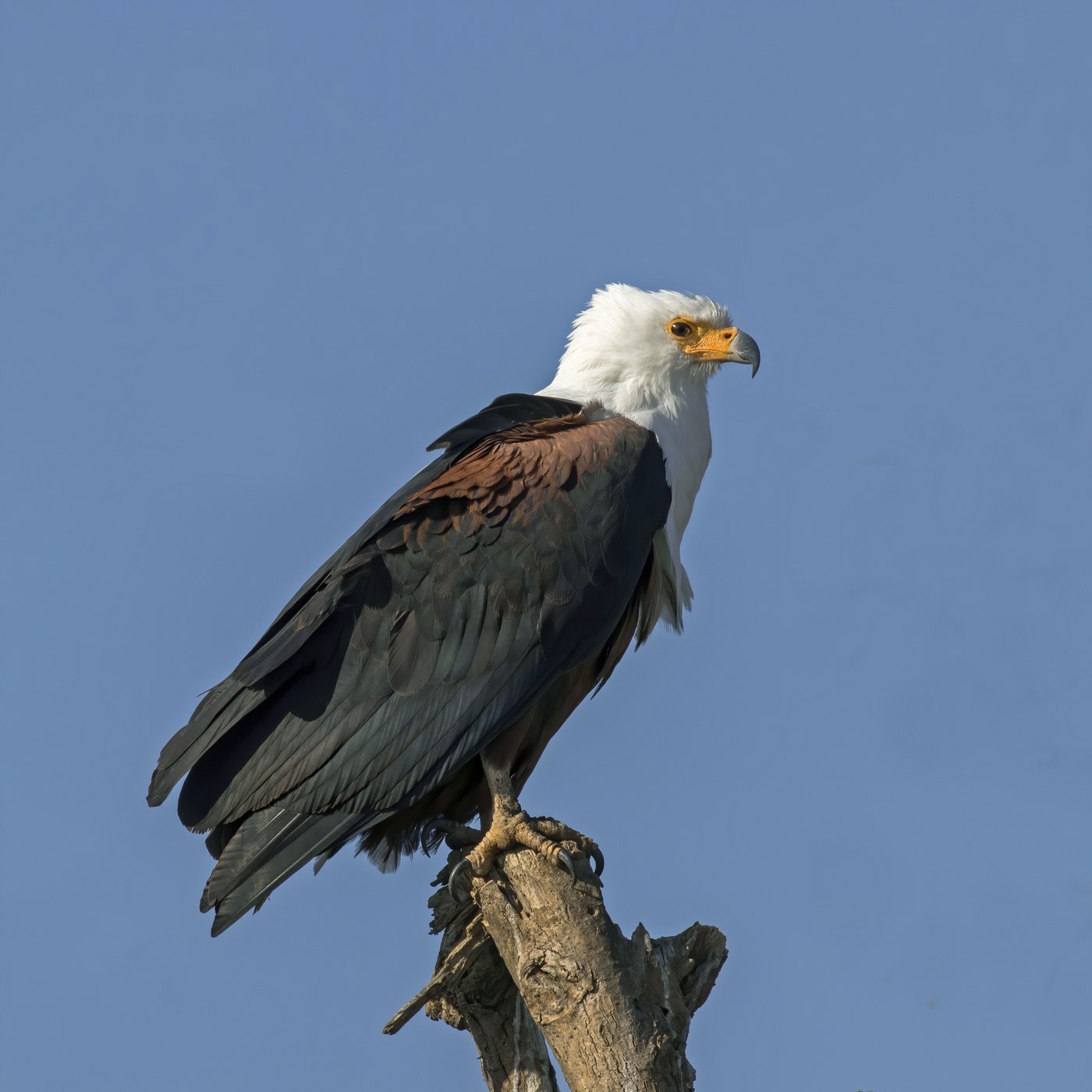
African Fish Eagle
Flight, tail, and body feathers

Amur Falcon
Slender pointed flight feathers; soft slate or orange-buff contour feathers
Red Kite
Flight (wing) and tail feathers
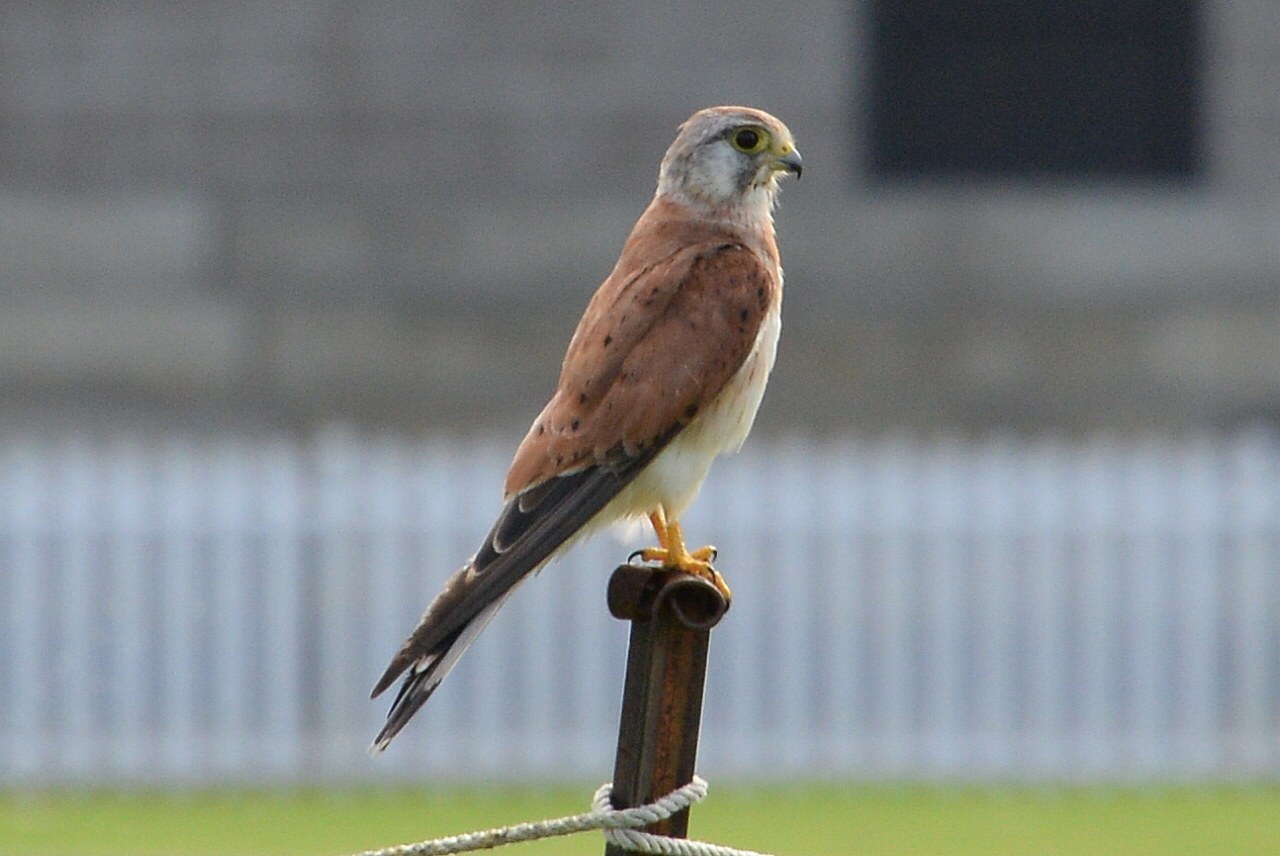
Nankeen Kestrel
Slim pointed flight feathers; lightly marked contour feathers

Andean Condor
Massive flight feathers; broad primaries and secondaries; sturdy tail feathers

Plumbeous Forest Falcon
Short rounded flight feathers; finely barred tail feathers

Sooty Falcon
Long pointed flight feathers; slim tail feathers