

Dickinson's Kestrel
Falco dickinsoni
Dickinson's Kestrel is a small, short-tailed African kestrel with grey plumage overall and a finely scaled pale back, often associated with palm trees in savanna and woodland of southeastern Africa.
- Feather type
- Compact pointed flight feathers; pale scaled back feathers
- Colours
- Grey head and underparts, pale grey back finely scaled with darker markings
- Bird size
- Small falcon, ~27-30 cm
Found a feather like this?
Identify any feather from a photo, free.
Overview
Dickinson's Kestrel is found across parts of southeastern and south-central Africa, frequently in association with palm trees scattered through savanna and open woodland, where it perches conspicuously and nests in cavities. It is a relatively short-tailed, compact kestrel compared to some relatives.
Feathers found near palm groves or scattered trees in open African savanna within its range, showing pale grey scaling on the back, suggest this species.
Identifying the Feather
Recognizing Dickinson's Kestrel feathers
- Flight feathers: Grey, relatively short and compact compared to many kestrels.
- Tail feathers: Grey, notably short relative to body size, with narrow darker banding.
- Body feathers: Head and underparts feathers pale to medium grey; back feathers pale grey finely scaled or vermiculated with darker grey markings, distinct from the plain uniform grey of the Grey Kestrel.
- Shaft color: Grey.
- Compared to similar species: The finely scaled pale back distinguishes it from the plain uniform Grey Kestrel; shorter tail feathers relative to body size compared to most other African kestrels.
Plumage & Molt
Adults have a grey head and underparts with a pale grey back showing fine dark scaling or vermiculation, and a notably short tail for a kestrel. Sexes are similar. Juveniles show browner tones with slightly heavier barring, molting toward the grey adult plumage within their first year.
Habitat & Range
Found in savanna and open woodland with scattered palms across parts of southeastern and south-central Africa, including areas near rivers and floodplains. Resident, generally not undertaking long migrations.
Behavior & Field Notes
Hunts insects, small reptiles, and occasionally small birds from a perch, often associated closely with palm trees for both hunting perches and nesting cavities. Nests in tree cavities or old nests, frequently in palms. Calls include high, sharp chattering notes. A grey feather with fine pale scaling on the back, found near palm-dotted savanna in southeastern Africa, is consistent with this species.
Frequently asked questions
What habitat is Dickinson's Kestrel associated with?
It is closely associated with palm trees scattered through savanna and open woodland in southeastern and south-central Africa.
How can I tell Dickinson's Kestrel feathers from Grey Kestrel feathers?
Dickinson's Kestrel shows fine pale scaling on the back, while the Grey Kestrel's back feathers are plain, uniform slate-grey.
Is Dickinson's Kestrel tail long or short?
Notably short relative to body size compared to most other kestrels.
What does Dickinson's Kestrel eat?
Mainly insects and small reptiles, with occasional small birds, typically caught from a perch.
Dickinson's Kestrel guides
In-depth guides for identifying and understanding Dickinson's Kestrel.

Other feathers you may enjoy

Australian Hobby
Long, narrow pointed flight feathers; slender tail feathers

California Condor
Massive flight feathers; long broad primaries; large tail feathers

Brown Falcon
Broad, rounded flight feathers; variable-toned contour feathers
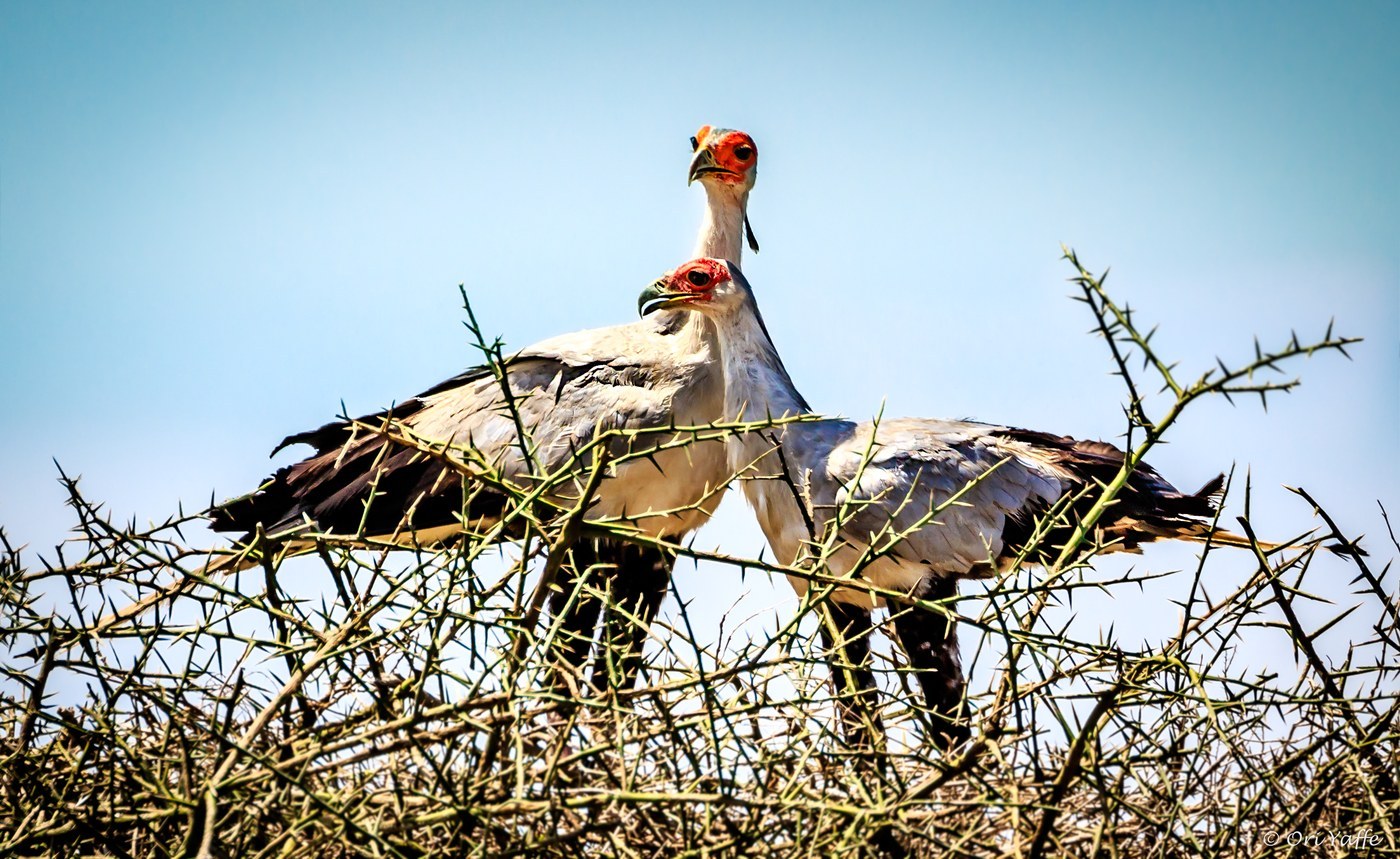
Secretarybird
Long crest feathers; broad flight feathers; elongated central tail feathers

Orange-breasted Falcon
Broad-based pointed flight feathers; bold breast and belly feathers
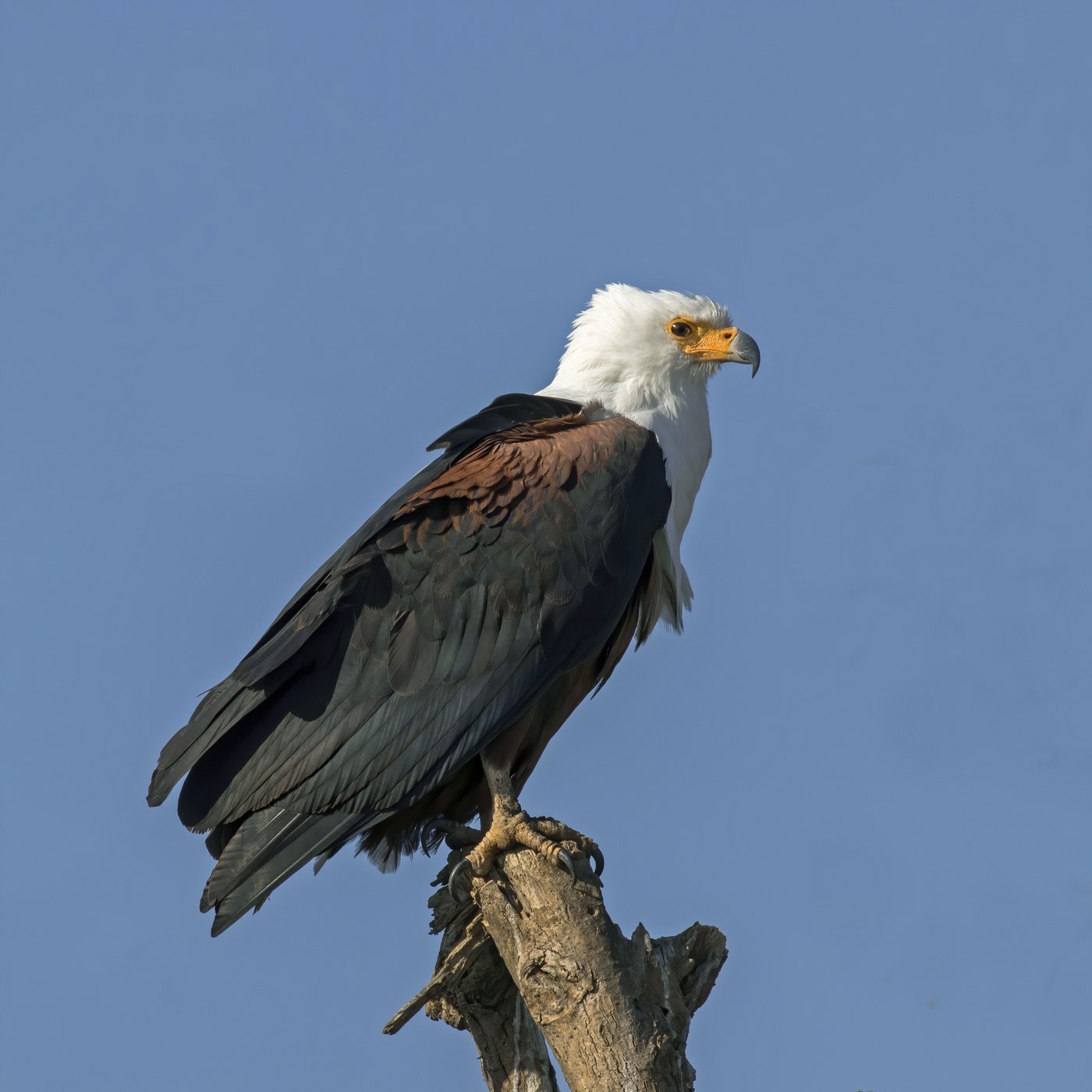
African Fish Eagle
Flight, tail, and body feathers

Amur Falcon
Slender pointed flight feathers; soft slate or orange-buff contour feathers
Red Kite
Flight (wing) and tail feathers
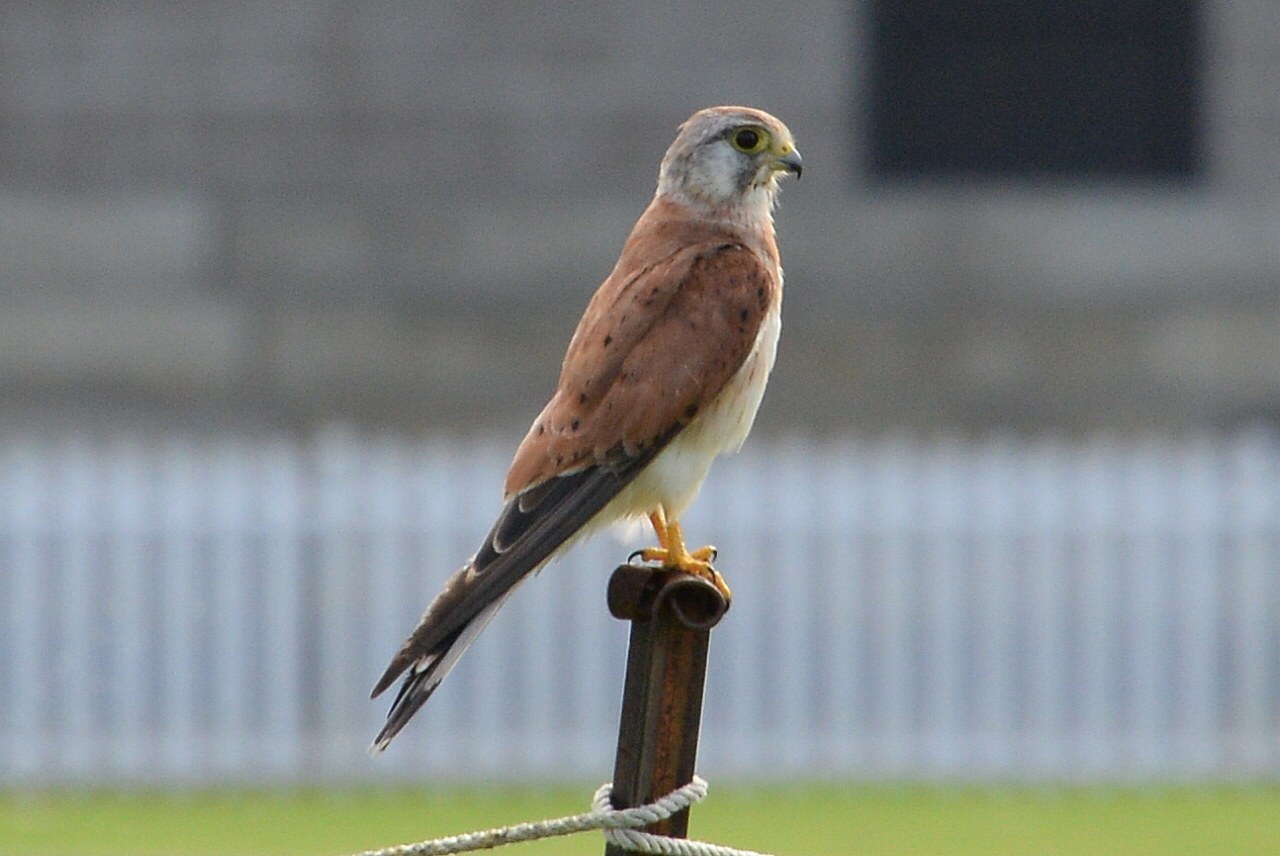
Nankeen Kestrel
Slim pointed flight feathers; lightly marked contour feathers

Andean Condor
Massive flight feathers; broad primaries and secondaries; sturdy tail feathers

Plumbeous Forest Falcon
Short rounded flight feathers; finely barred tail feathers

Sooty Falcon
Long pointed flight feathers; slim tail feathers