
Eastern Rosella
Platycercus eximius
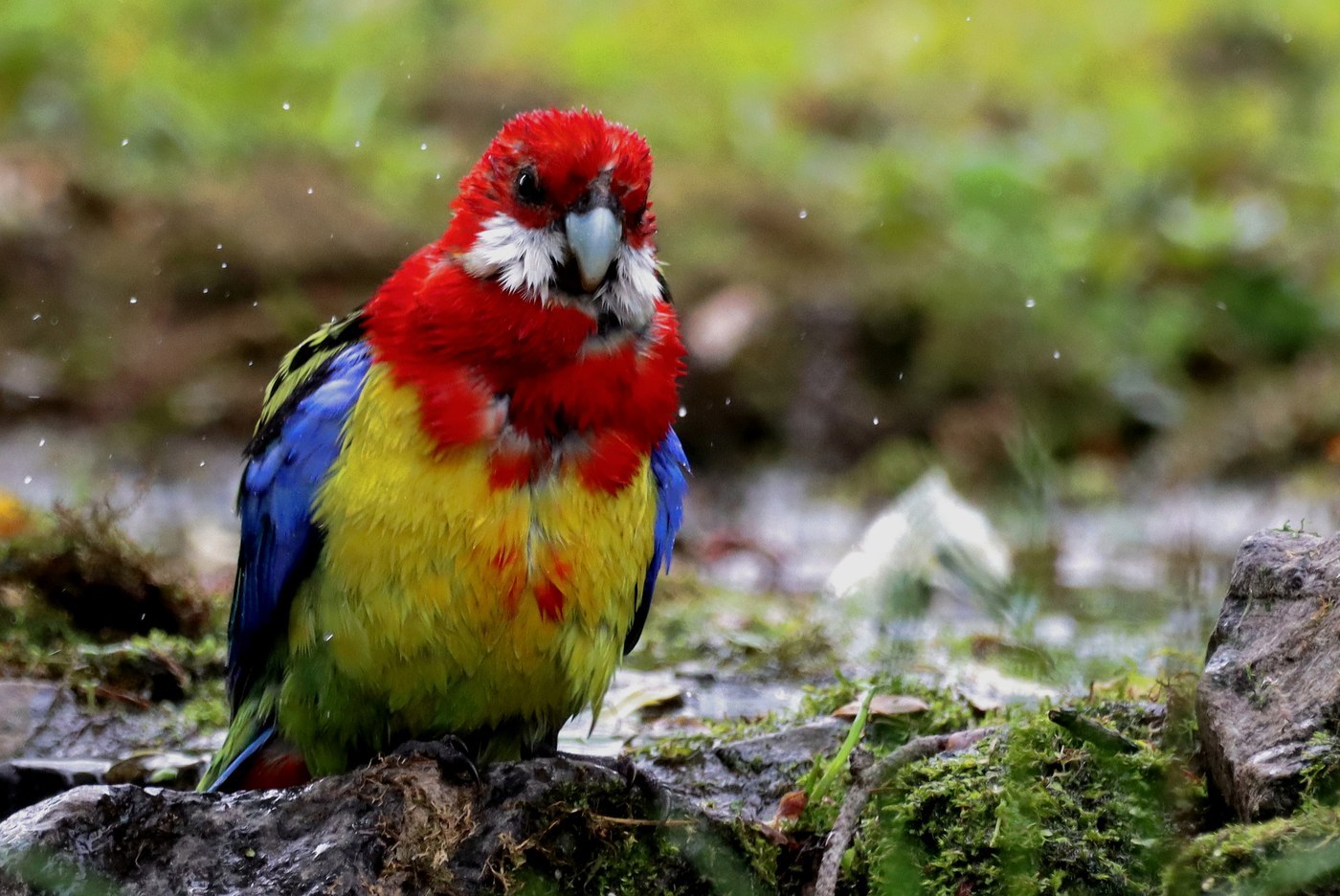
The Eastern Rosella is a strikingly patterned Australian parrot with a red head and breast, a scalloped yellow-green back, a white cheek patch, and blue wings.
- Feather type
- Broad contour feathers with black-scalloped edging on the back
- Colours
- Red head and breast, yellow-green back with black scalloping, a white cheek patch, and blue wings
- Bird size
- Medium, ~30 cm
Found a feather like this?
Identify any feather from a photo, free.
Overview
Overview
The Eastern Rosella is common across open woodland, grassland, and parkland of southeastern Australia, including many urban and suburban areas. Its bold, multi-colored pattern makes it one of the most recognizable rosellas.
- Slim body with a long, graduated tail
- Distinctive white patch on the cheek
- Often seen foraging on the ground as well as in trees
Identifying the Feather
Feather Identification
Head, throat, and breast feathers are bright red, with a clean white patch on the cheek. Back feathers are yellow-green, each broadly edged in black, producing a strongly scalloped pattern; the wings show patches of blue, and the rump is a paler yellow-green.
- Flight feathers: Blue-edged primaries and secondaries
- Tail feathers: Long, blue-green, graduated, with the central feathers longest
- Cheek patch: The clean white cheek patch is a key mark separating this species from the Crimson Rosella, which lacks a white cheek and instead shows blue
The combination of a red head/breast, black-scalloped yellow-green back, and white cheek patch is diagnostic for the Eastern Rosella.
Plumage & Molt
Sexes are similar, though females and immatures often show slightly duller red and a smaller or less clean white cheek patch. Juveniles are notably duller overall, with more green mixed into the head and breast, brightening as they mature over the first year or so. Molt is gradual through the year.
Habitat & Range
This species occupies open woodland, grassland with scattered trees, farmland, and parkland across southeastern Australia and Tasmania. It is largely resident, though some local seasonal movement occurs in response to food availability.
Behavior & Field Notes
Eastern Rosellas often forage on the ground for seeds as well as in trees for fruit, blossoms, and seeds. They nest in tree hollows, with the female typically incubating while both parents help feed the chicks. Calls include a bell-like, ringing contact call along with harsher chattering notes, especially when disturbed.
Frequently asked questions
What cheek marking distinguishes an Eastern Rosella from a Crimson Rosella?
The Eastern Rosella has a clean white cheek patch, while the Crimson Rosella shows blue cheeks instead of white.
What back pattern is typical of this species?
The back is yellow-green with each feather broadly edged in black, producing a strongly scalloped appearance.
How does juvenile plumage differ from adult plumage?
Juveniles are duller overall, with more green mixed into the red areas of the head and breast, brightening as they mature.
Where does blue appear on this species?
Blue is present on the wings, with the tail also showing blue-green tones.
Eastern Rosella guides
In-depth guides for identifying and understanding Eastern Rosella.
Other feathers you may enjoy
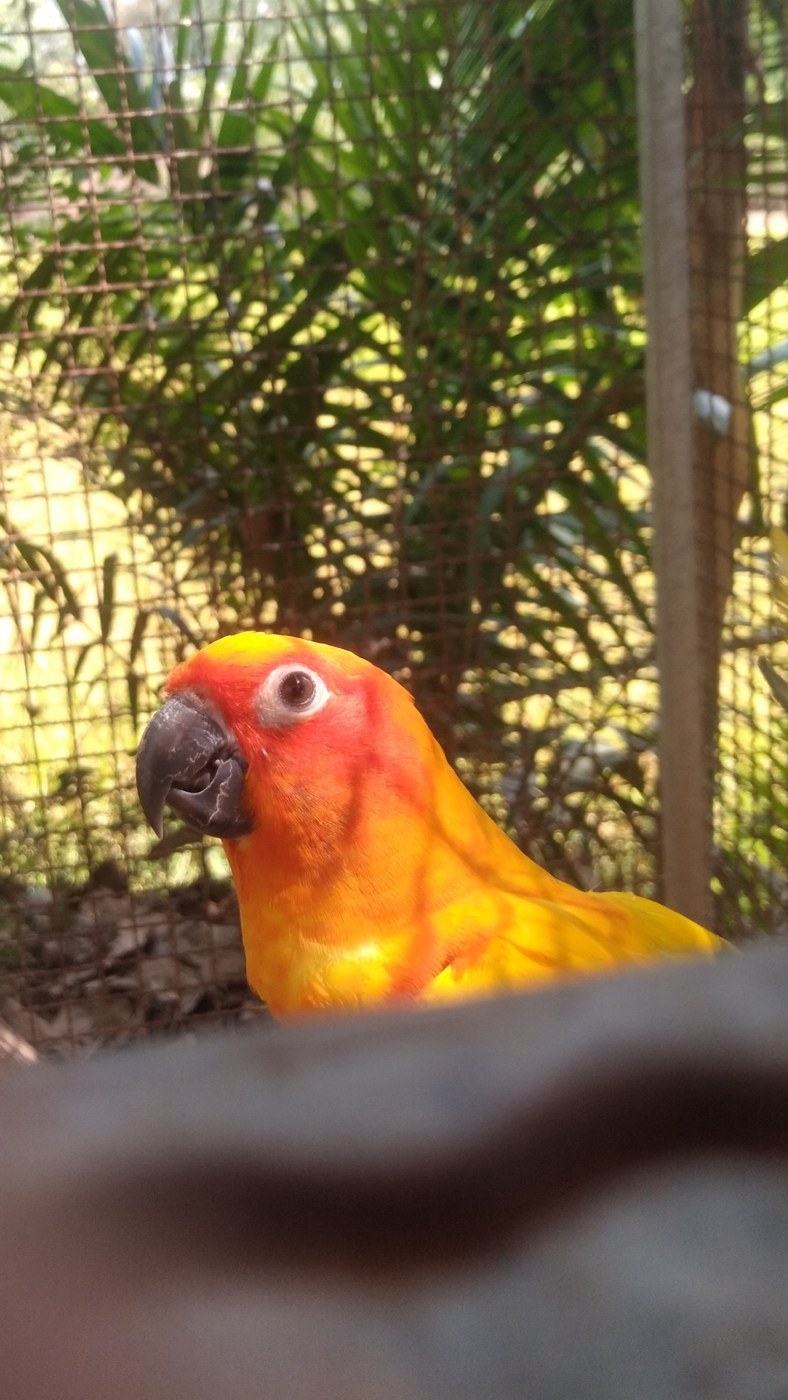
Sun Parakeet
Bright, dense body contour feathers; medium pointed tail feathers

Yellow-naped Amazon
Broad rounded contour feathers with sturdy flight feathers
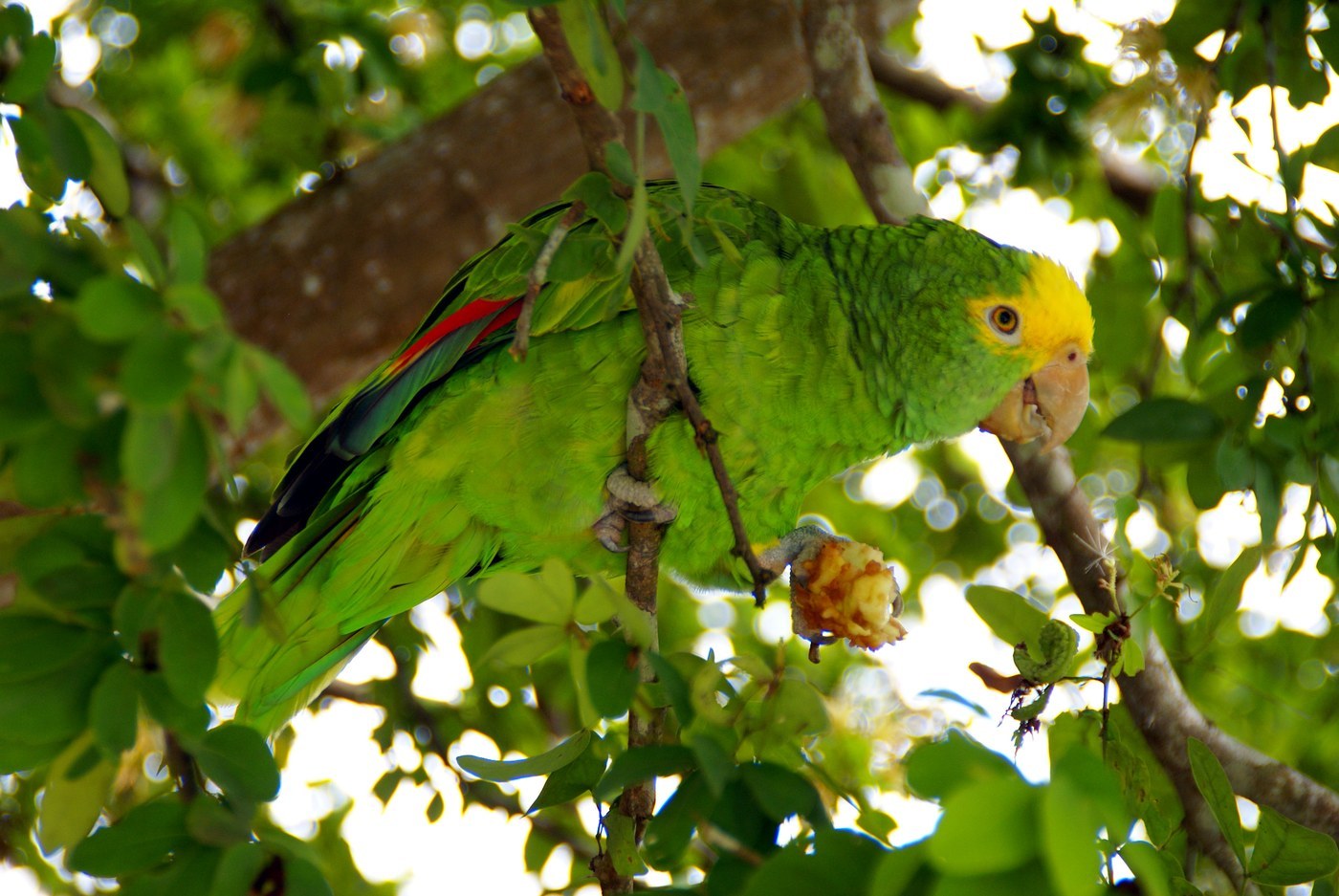
Yellow-headed Amazon
Dense, rounded body contour feathers; broad flight feathers
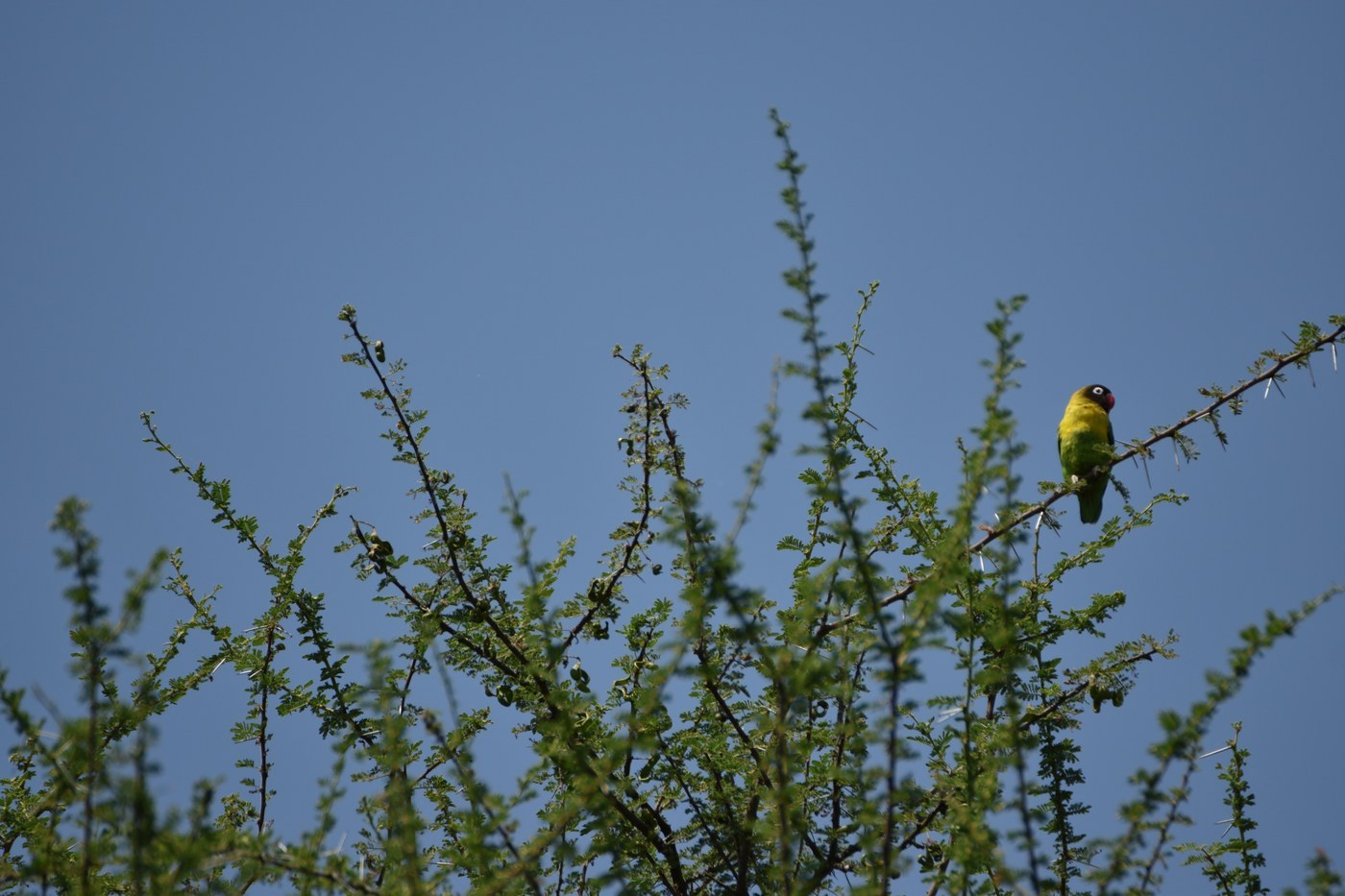
Yellow-collared Lovebird
Small compact flight feathers, short rounded tail

White-eyed Conure
Medium contour and long, graduated tail feathers

Yellow-tailed Black Cockatoo
Large, sturdy contour and flight feathers; short crest

Scarlet-chested Parrot
Small contour and flight feathers

Timneh Parrot
Broad flight feathers, scalloped body feathers with pale edges
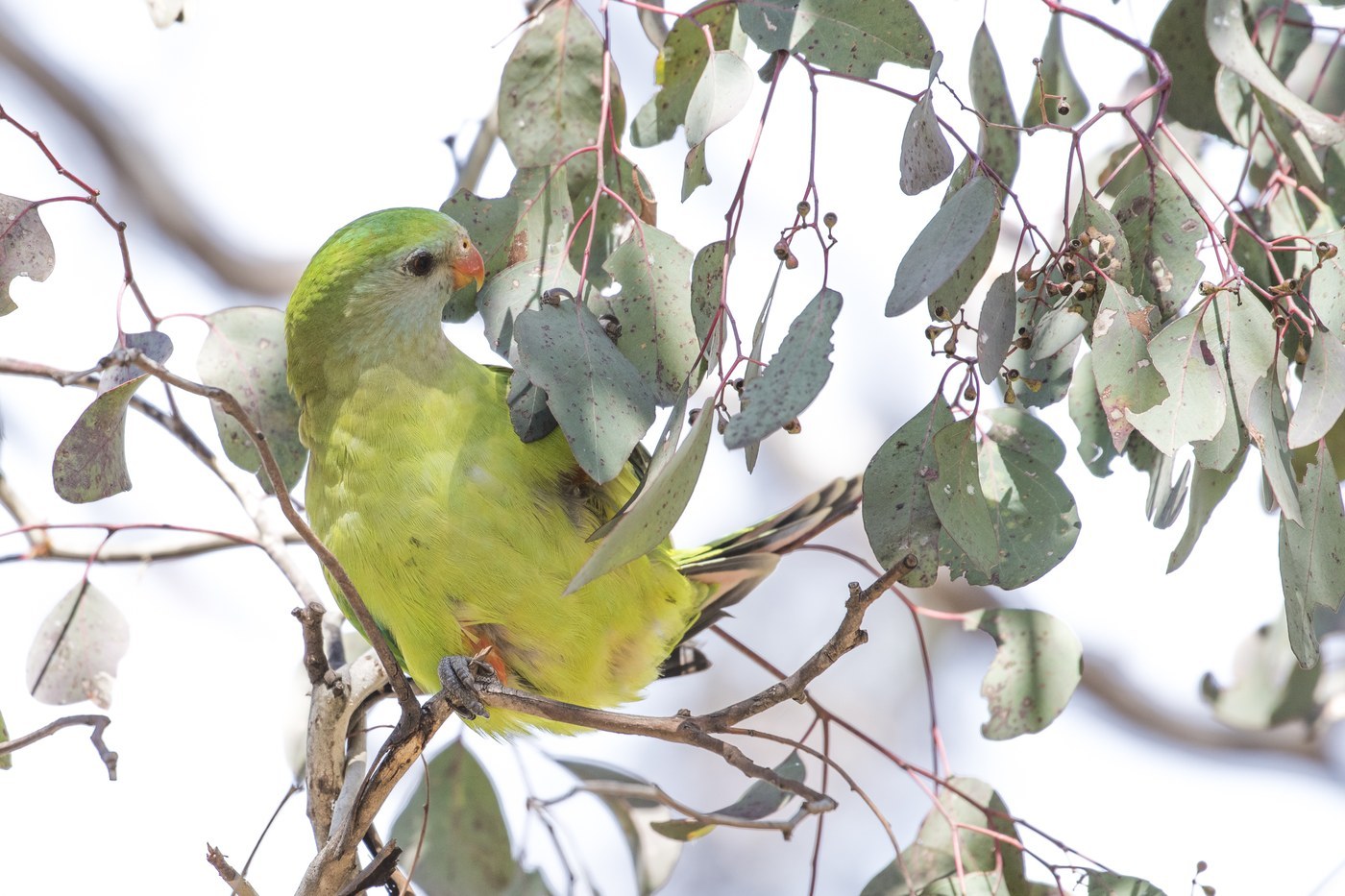
Superb Parrot
Sleek contour feathers with a long tapering tail

Red-shouldered Macaw
Compact body contour feathers; medium flight and tail feathers
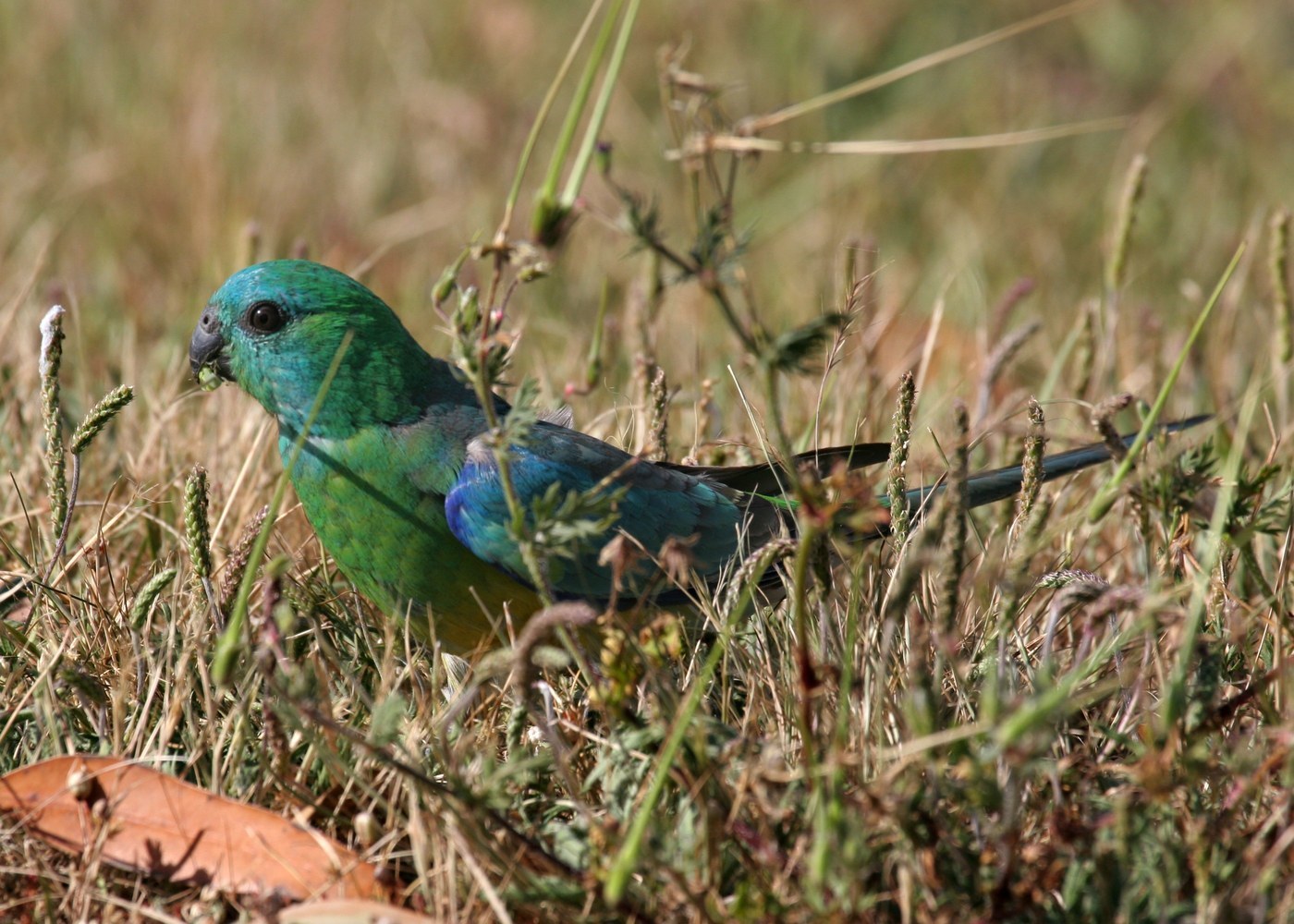
Red-rumped Parrot
Sleek contour feathers with a bright rump patch in males

White-capped Pionus
Compact contour feathers and short, squared tail feathers