

Egyptian Vulture
Neophron percnopterus
The smallest and most lightly built Old World vulture, with creamy-white body feathers, black flight feathers, and a distinctive wedge-shaped tail.
- Feather type
- Slender pointed flight feathers; wedge-shaped tail feathers; fine body feathers
- Colours
- Creamy white to buff body plumage with black flight feathers
- Bird size
- Small vulture, ~58-70 cm
Found a feather like this?
Identify any feather from a photo, free.
Overview
The Egyptian Vulture is a small, agile vulture found across a wide range spanning southern Europe, Africa, the Middle East, and parts of South Asia. Unlike the bulkier vultures it is often seen alongside, it has a more slender build and a diamond- or wedge-shaped tail unique among vultures.
Adults are largely creamy white with contrasting black flight feathers, giving a striking pattern that is unlike most other scavenging birds in its range.
Its relatively small size and distinctive tail shape make its feathers reasonably distinguishable from the larger, bulkier vultures it shares habitat with.
Identifying the Feather
Shape and Size
Flight feathers are slender and more pointed than in larger vultures, reflecting its smaller size; the tail feathers form a wedge shape when spread, tapering to a point rather than being squared or rounded.
Color and Pattern
- Body and covert feathers: creamy white to pale buff in adults
- Flight feathers: solid black, sharply contrasting with the pale body
- Tail feathers: white, contributing to the wedge shape
- Shafts: pale on white feathers, dark on black ones
Distinguishing from Similar Species
The combination of small overall feather size, creamy white body plumage, and a wedge-shaped white tail separates this species from all the larger vultures in its range, whose tails are squared and whose body tones are gray or brown rather than whitish.
Plumage & Molt
Adults are creamy white with black flight feathers and a bare yellow face; sexes look alike. Juveniles are dark brown overall, gradually molting to the pale adult plumage over four to five years, passing through mottled intermediate stages.
Molt in adults occurs gradually, while juveniles undergo a more dramatic multi-year transformation from dark to pale plumage.
Habitat & Range
Breeds across southern Europe, North Africa, the Middle East, and parts of Central and South Asia, favoring cliffs, gorges, and open semi-desert or savanna for foraging.
Northern breeding populations are migratory, wintering in sub-Saharan Africa or South Asia, while some southern populations are resident.
Behavior & Field Notes
Feeds on carrion, offal, and refuse, and is notable for using stones as tools to break open ostrich eggs, one of the few documented cases of tool use among birds. Often forages around human settlements and rubbish sites.
Nests on cliff ledges or in caves. Calls are generally weak, limited to hisses and occasional squeaks.
A creamy white feather with black flight feathers, especially one showing a tapering wedge shape from the tail, found near cliffs in its range, indicates this species.
Frequently asked questions
What makes the tail feather distinctive?
It tapers to a point, forming a wedge or diamond shape when the tail is spread, unlike the squared tails of most other vultures.
How do juvenile feathers compare to adult feathers?
Juveniles are dark brown overall and only gradually acquire the creamy white adult plumage over four to five years.
Does this species migrate?
Northern populations are migratory, wintering in sub-Saharan Africa or South Asia, while some southern populations remain resident year-round.
Is this the smallest vulture in its range?
Yes, it is notably smaller and more lightly built than the other vultures it often shares habitat with, such as Griffon or Cinereous Vultures.
Egyptian Vulture guides
In-depth guides for identifying and understanding Egyptian Vulture.

Other feathers you may enjoy

Australian Hobby
Long, narrow pointed flight feathers; slender tail feathers

California Condor
Massive flight feathers; long broad primaries; large tail feathers

Brown Falcon
Broad, rounded flight feathers; variable-toned contour feathers
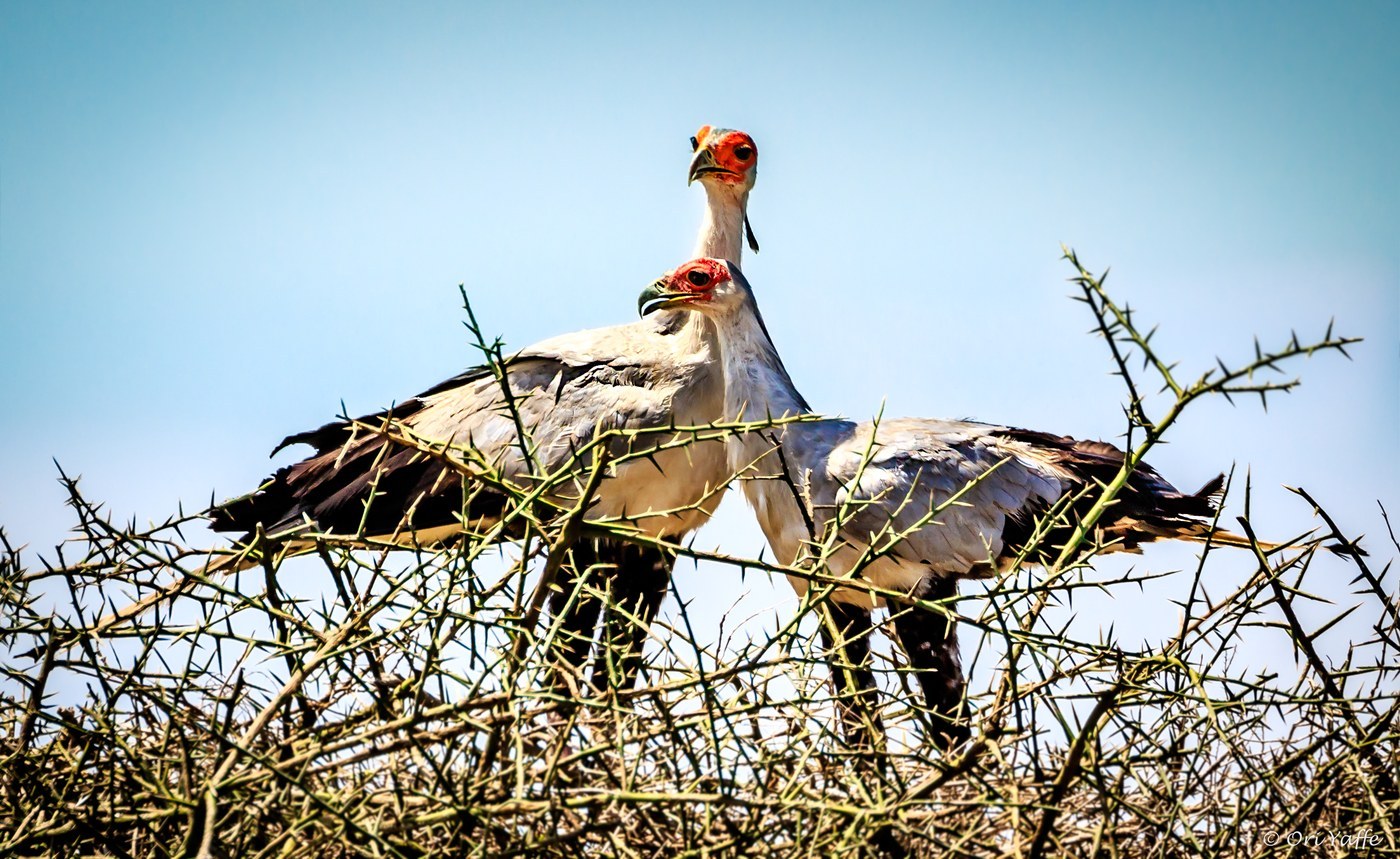
Secretarybird
Long crest feathers; broad flight feathers; elongated central tail feathers

Orange-breasted Falcon
Broad-based pointed flight feathers; bold breast and belly feathers
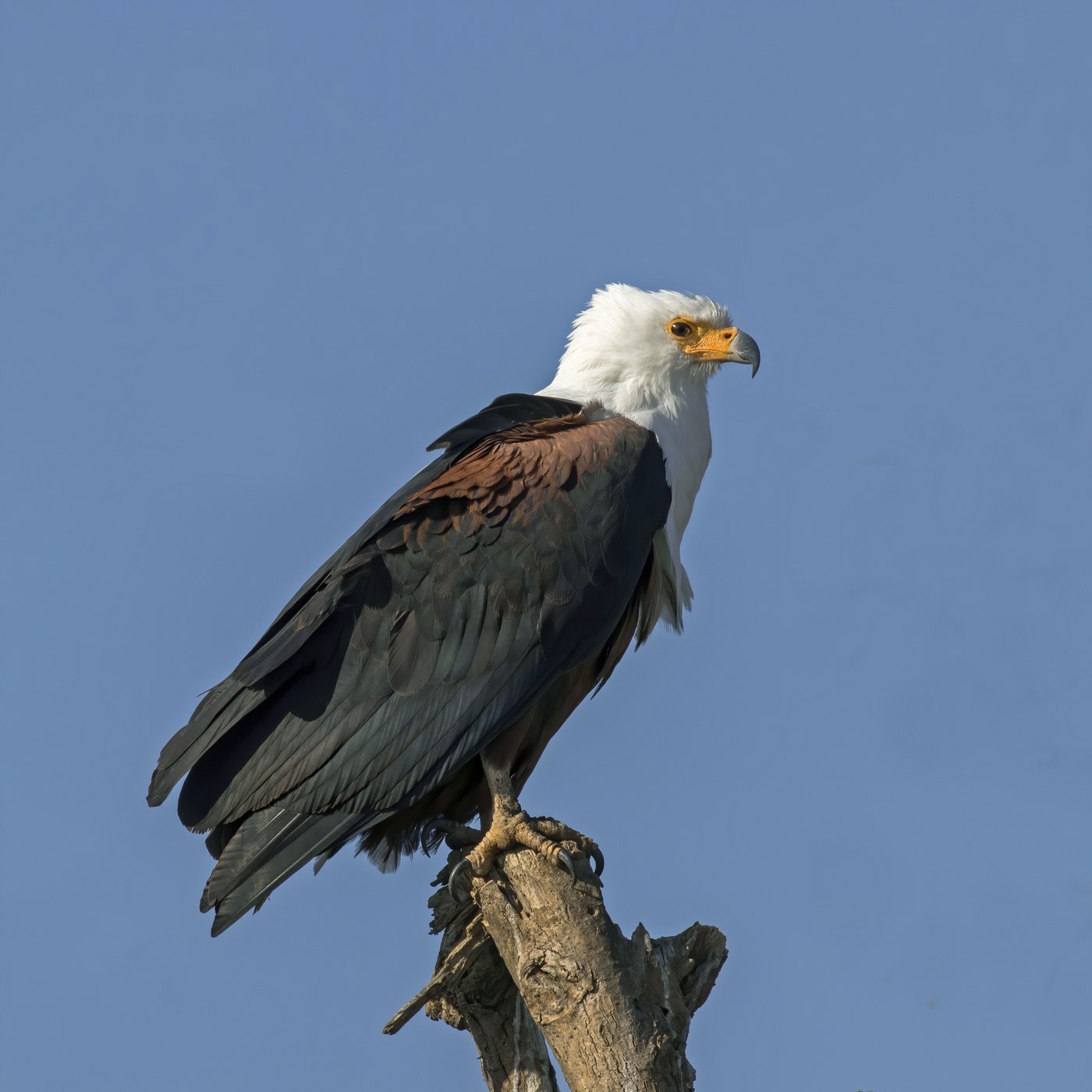
African Fish Eagle
Flight, tail, and body feathers

Amur Falcon
Slender pointed flight feathers; soft slate or orange-buff contour feathers
Red Kite
Flight (wing) and tail feathers
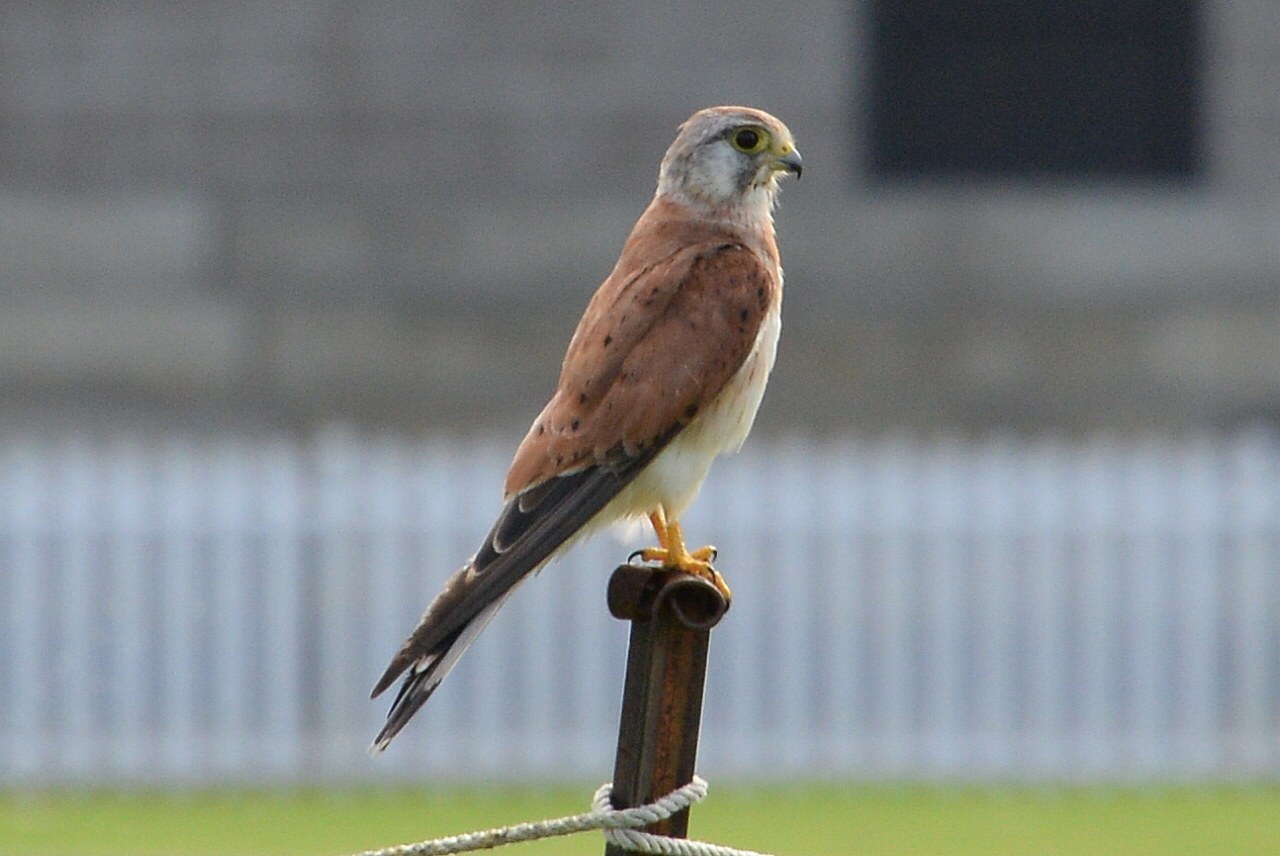
Nankeen Kestrel
Slim pointed flight feathers; lightly marked contour feathers

Andean Condor
Massive flight feathers; broad primaries and secondaries; sturdy tail feathers

Plumbeous Forest Falcon
Short rounded flight feathers; finely barred tail feathers

Sooty Falcon
Long pointed flight feathers; slim tail feathers