

Fox Kestrel
Falco alopex
The Fox Kestrel is a distinctive, richly colored African kestrel named for its overall fox-red plumage, with an unusually long rufous tail among kestrels.
- Feather type
- Long pointed flight feathers; rich rufous contour and tail feathers
- Colours
- Rich fox-red/rufous overall with a long, similarly rufous tail
- Bird size
- Medium-small falcon, ~32-36 cm
Found a feather like this?
Identify any feather from a photo, free.
Overview
The Fox Kestrel is found across the Sahel and parts of sub-Saharan Africa, often nesting on rocky cliffs and hunting over adjacent savanna and open country. Its name reflects the warm, fox-red tone that covers nearly its entire plumage, a striking departure from the more grey-and-rufous patterning of many other kestrels.
Its notably long tail, proportionally longer than most kestrels, adds to its distinctive silhouette, and feathers of this rich rufous tone found near rocky cliff habitat in its Sahelian range are a good match.
It is locally common in suitable rocky habitat.
Identifying the Feather
Recognizing Fox Kestrel feathers
- Flight feathers: Rich rufous-red above and below, with darker wingtips, longer and more pointed than in many kestrels.
- Tail feathers: Notably long and rufous, with fine darker barring, longer relative to body size than most kestrels.
- Body feathers: Nearly uniform fox-red to rufous across back, breast, and belly, without strong contrasting patches.
- Shaft color: Rufous to reddish-brown.
- Compared to similar species: More uniformly and richly rufous than the Rock Kestrel or Greater Kestrel, which both show more contrast between grey head and spotted or barred rufous back; tail is proportionally longer than in most other kestrels.
Plumage & Molt
Adults are almost uniformly rich rufous-red over the entire body, with somewhat darker wingtips and fine dark barring on the long tail. Sexes look broadly similar. Juveniles are slightly duller with more diffuse barring, gaining the richer adult rufous tone with maturity.
Habitat & Range
Found across the Sahel belt and parts of sub-Saharan Africa, closely associated with rocky outcrops, cliffs, and gorges adjacent to savanna and open country. Resident, with some local movement tied to rocky nesting habitat availability.
Behavior & Field Notes
Hunts insects, small reptiles, and occasionally small birds, often from cliff-edge perches, and can also hunt on the wing. Nests on rocky cliff ledges and crevices. Calls include sharp, repeated chattering notes. A uniformly rich rufous-red feather with a notably long, finely barred tail, found near rocky cliffs in Sahelian or sub-Saharan Africa, is characteristic of this species.
Frequently asked questions
Why is it called the Fox Kestrel?
It is named for its overall rich fox-red or rufous plumage, unusually uniform compared to most other kestrels.
How long is the Fox Kestrel's tail compared to other kestrels?
Proportionally longer, giving it a distinctive silhouette among African kestrels.
Where does the Fox Kestrel typically nest?
On rocky cliff ledges and crevices in gorges and outcrops across the Sahel and sub-Saharan Africa.
How does a Fox Kestrel feather differ from a Rock Kestrel feather?
Fox Kestrel feathers are more uniformly and richly rufous, lacking the grey head and more contrasting, spotted back seen in Rock Kestrel feathers.
Fox Kestrel guides
In-depth guides for identifying and understanding Fox Kestrel.

Other feathers you may enjoy

Australian Hobby
Long, narrow pointed flight feathers; slender tail feathers

California Condor
Massive flight feathers; long broad primaries; large tail feathers

Brown Falcon
Broad, rounded flight feathers; variable-toned contour feathers
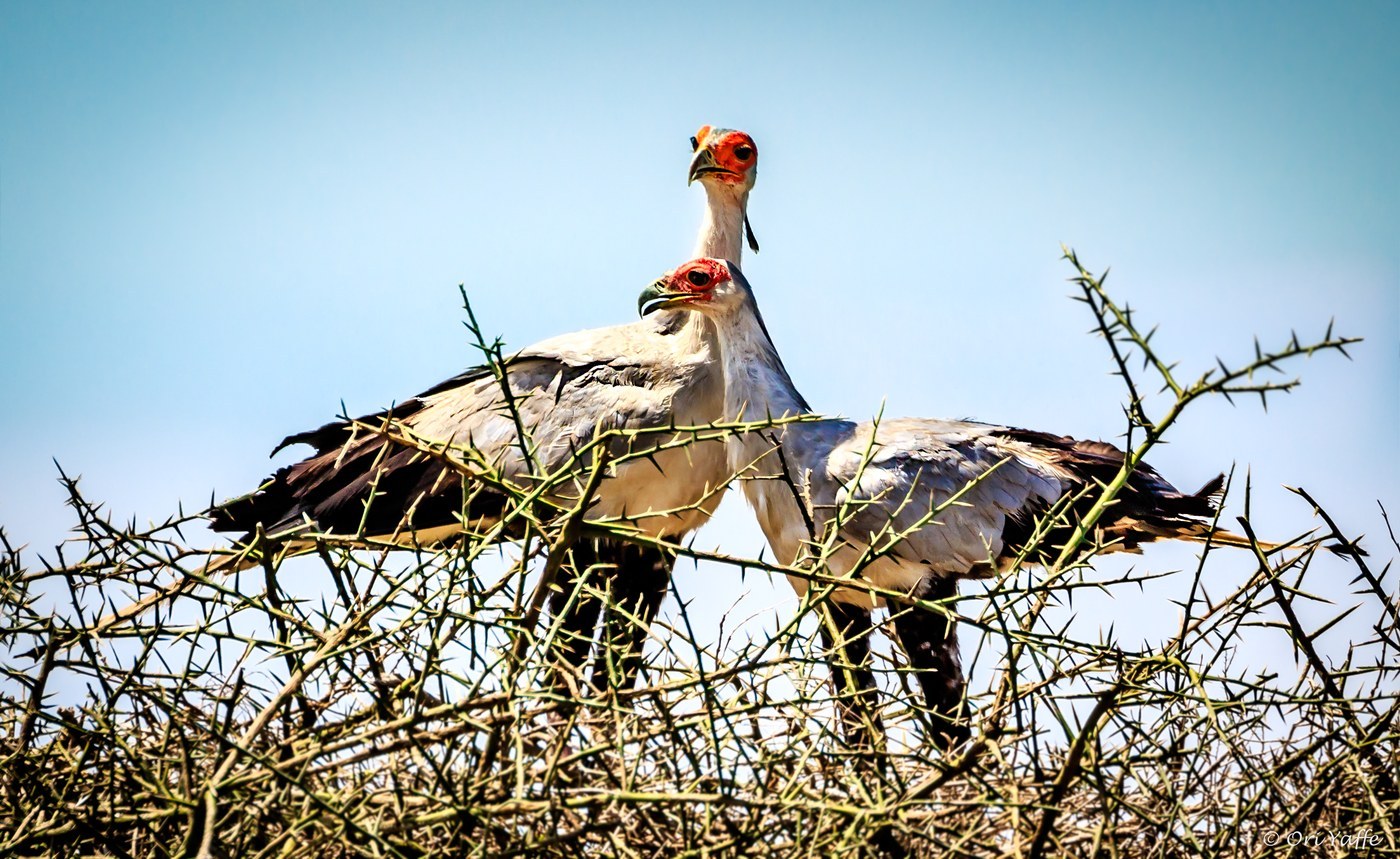
Secretarybird
Long crest feathers; broad flight feathers; elongated central tail feathers

Orange-breasted Falcon
Broad-based pointed flight feathers; bold breast and belly feathers
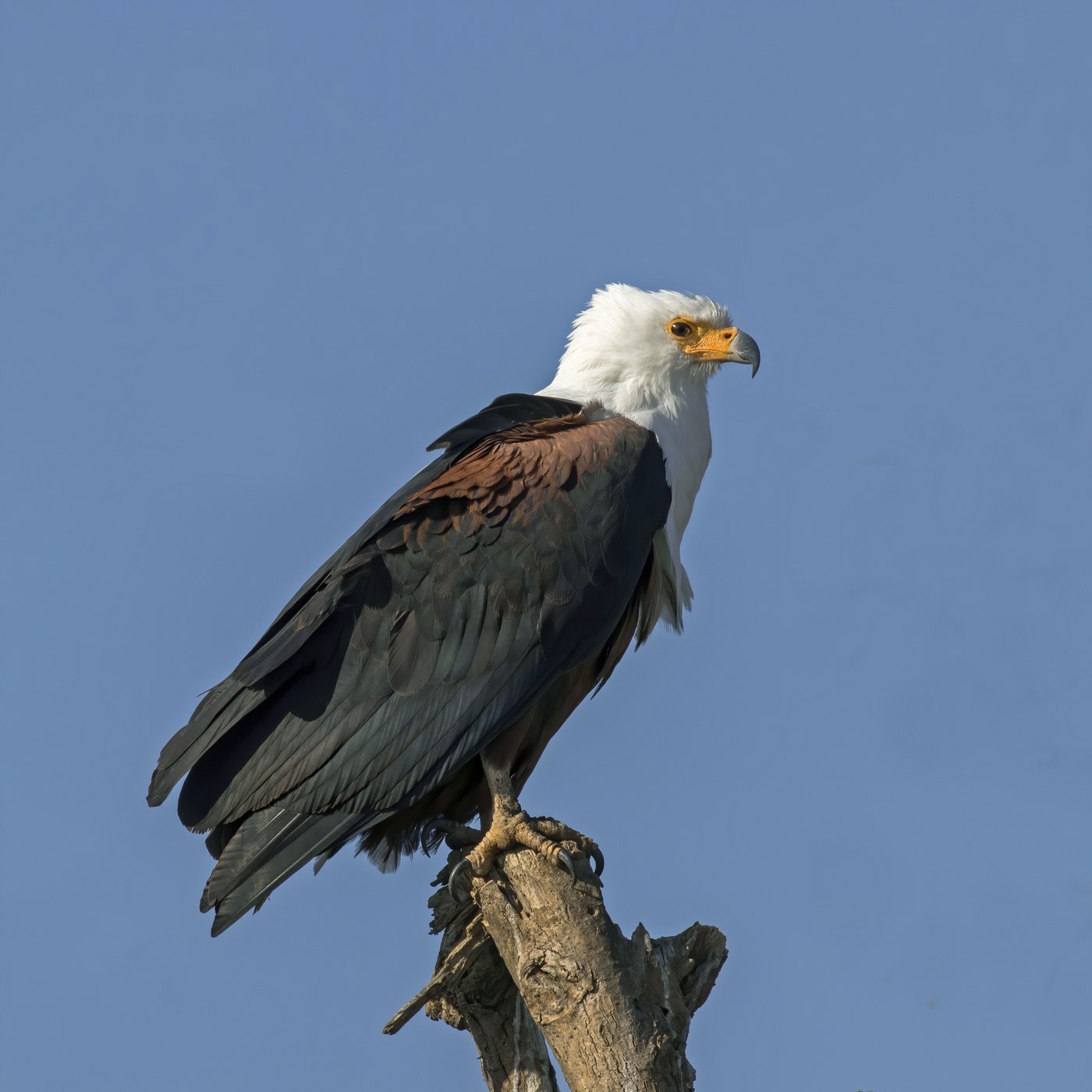
African Fish Eagle
Flight, tail, and body feathers

Amur Falcon
Slender pointed flight feathers; soft slate or orange-buff contour feathers
Red Kite
Flight (wing) and tail feathers
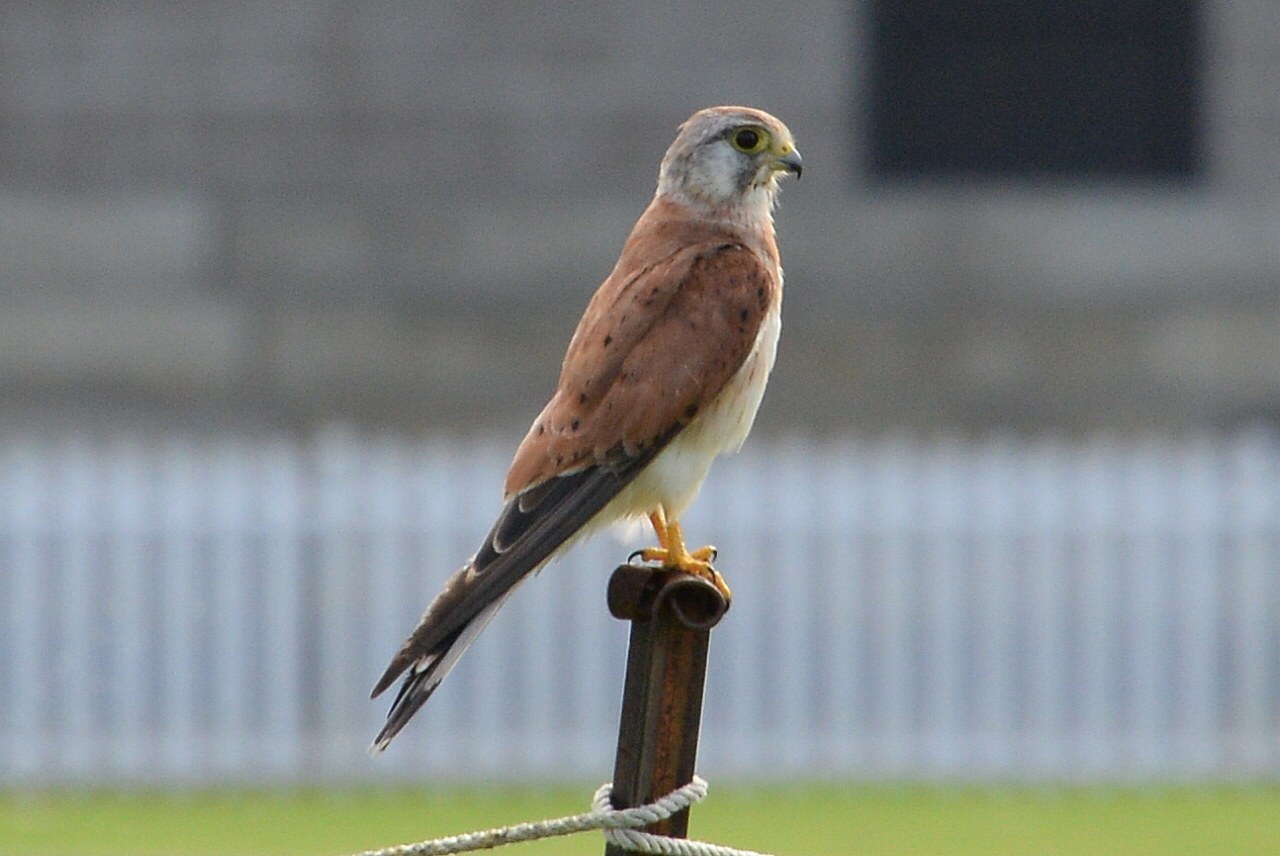
Nankeen Kestrel
Slim pointed flight feathers; lightly marked contour feathers

Andean Condor
Massive flight feathers; broad primaries and secondaries; sturdy tail feathers

Plumbeous Forest Falcon
Short rounded flight feathers; finely barred tail feathers

Sooty Falcon
Long pointed flight feathers; slim tail feathers