

Glossy Ibis
Plegadis falcinellus
A widespread, richly colored ibis with deep chestnut body plumage and an iridescent green-and-purple sheen on the wings, found in wetlands across much of the world.
- Feather type
- Iridescent contour feathers with a long decurved bill (not a feather feature)
- Colours
- Deep chestnut with iridescent green and purple wing sheen
- Bird size
- Medium ibis, ~48-66 cm
Found a feather like this?
Identify any feather from a photo, free.
Overview
Overview
The Glossy Ibis is among the most widely distributed of all ibises, found on nearly every continent except Antarctica, and is easily recognized by its combination of deep chestnut body plumage and a glossy, iridescent green-and-purple sheen across the wings that gives the species its name. Its long, downcurved bill is typical of the ibis family, used for probing soft mud and shallow water for prey.
- Deep chestnut-brown body plumage
- Iridescent green and purple sheen across the wings and back, especially visible in good light
- Long, slender, downcurved bill
- Found on nearly every continent, one of the most widespread ibis species
Identifying the Feather
Feather Identification
Glossy Ibis feathers combine a rich chestnut base color with a strong iridescent sheen, a distinctive combination among wading birds in wetland habitats.
- Body contour feathers: deep chestnut brown, appearing almost blackish in dim light
- Wing and back feathers: show a glossy green-purple iridescence layered over the chestnut base
- Flight feathers: dark, glossy, blending with the wing coverts
- Shaft color: dark, blending with the vane
- Vs. White-faced Ibis: very similar in feather color; White-faced Ibis breeding adults show a white border of feathers around the bare facial skin that Glossy Ibis lacks
- Size: feathers are notably smaller than those of storks found in similar wetland habitats
Plumage & Molt
Plumage Details
Breeding adults show deep chestnut plumage on the head, neck, and underparts with a strong iridescent green-purple gloss on the wings and back, while non-breeding adults appear duller and browner with some streaking on the head and neck. Juveniles are duller still, lacking the rich chestnut tone and showing more mottled, brownish plumage that develops into the adult pattern over subsequent molts. A complete molt follows the breeding season, refreshing the iridescent sheen for the next cycle.
Habitat & Range
Habitat & Range
Glossy Ibis inhabit freshwater and brackish marshes, flooded fields, and shallow wetland margins across a remarkably broad range spanning parts of the Americas, Europe, Africa, Asia, and Australia, making it one of the most cosmopolitan wading bird species. Many populations are migratory or nomadic, shifting in response to water availability and breeding opportunities, while others are resident where conditions remain favorable year-round.
Behavior & Field Notes
Behavior & Field Notes
Glossy Ibis forage by probing soft mud and shallow water with their long decurved bill, feeling for invertebrates, small fish, and amphibians rather than relying primarily on sight. They breed colonially, often alongside herons and egrets in mixed wetland heronries, and fly in orderly lines or V-formations with steady, shallow wingbeats. Vocalizations include low, guttural croaking notes given mainly around the nest colony. The combination of chestnut plumage with a glossy sheen and a long downcurved bill make this one of the more readily recognized ibises across its broad global range.
Frequently asked questions
Why do Glossy Ibis feathers look different colors depending on the light?
The feathers have a structural iridescence layered over a chestnut base color, so they can appear deep brown in shade but flash green and purple in direct sunlight.
How can I tell a Glossy Ibis feather from a White-faced Ibis feather?
The feather colors are very similar; the clearest distinguishing feature is on the live bird, where breeding White-faced Ibis show a band of white feathers bordering the bare facial skin that Glossy Ibis lacks.
Is the Glossy Ibis found worldwide?
It has one of the broadest distributions of any ibis, occurring across parts of the Americas, Europe, Africa, Asia, and Australia.
Where would a Glossy Ibis feather most likely be found?
Near freshwater or brackish marshes and flooded fields almost anywhere within its very wide global range, often close to mixed-species wetland breeding colonies.
Glossy Ibis guides
In-depth guides for identifying and understanding Glossy Ibis.

Other feathers you may enjoy

Yellow-billed Spoonbill
White contour and flight feathers with fine breeding plumes on the back and breast
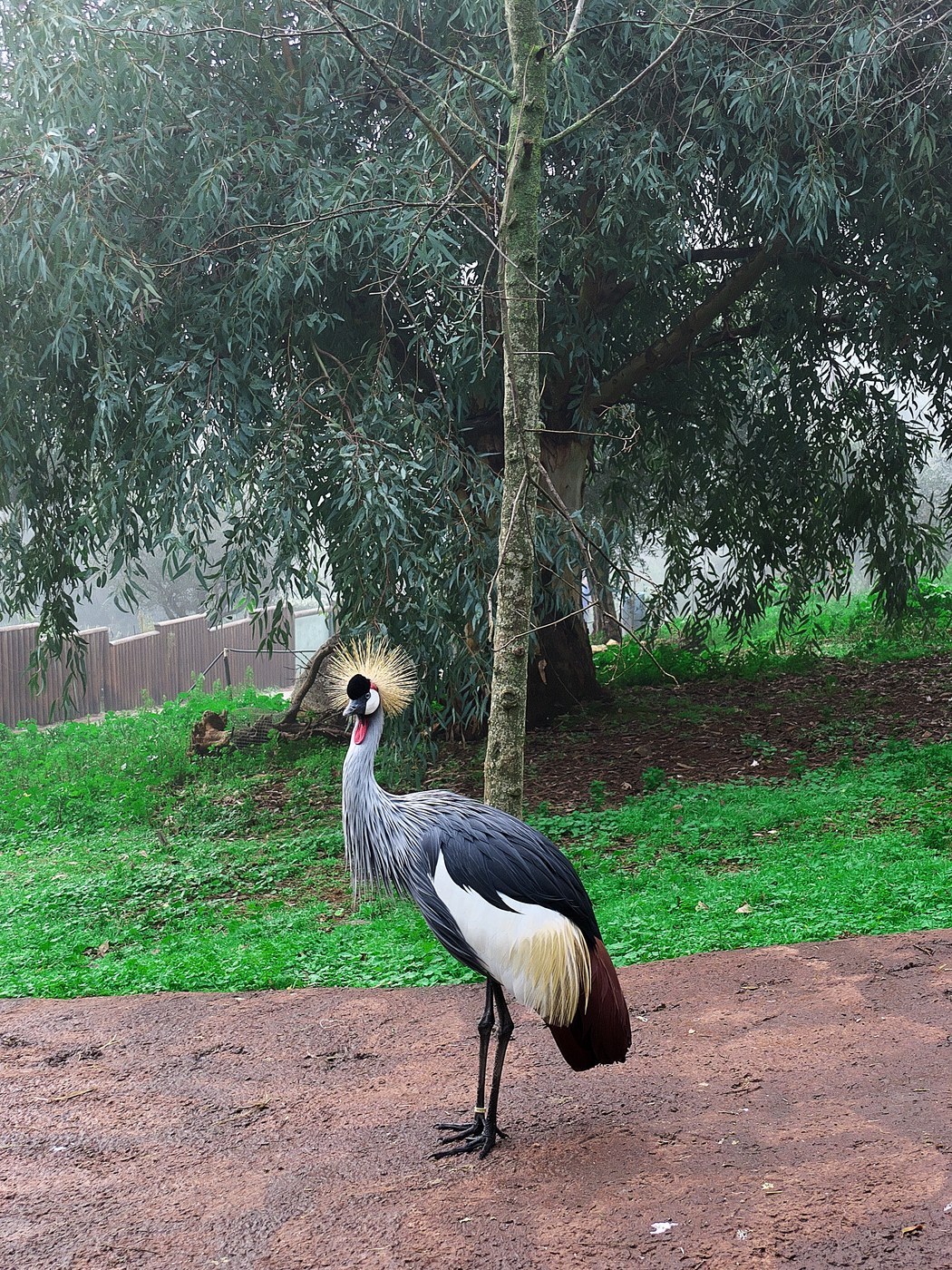
Grey Crowned Crane
Grey body feathers with white wing coverts, chestnut flight feathers, and stiff golden crown bristles
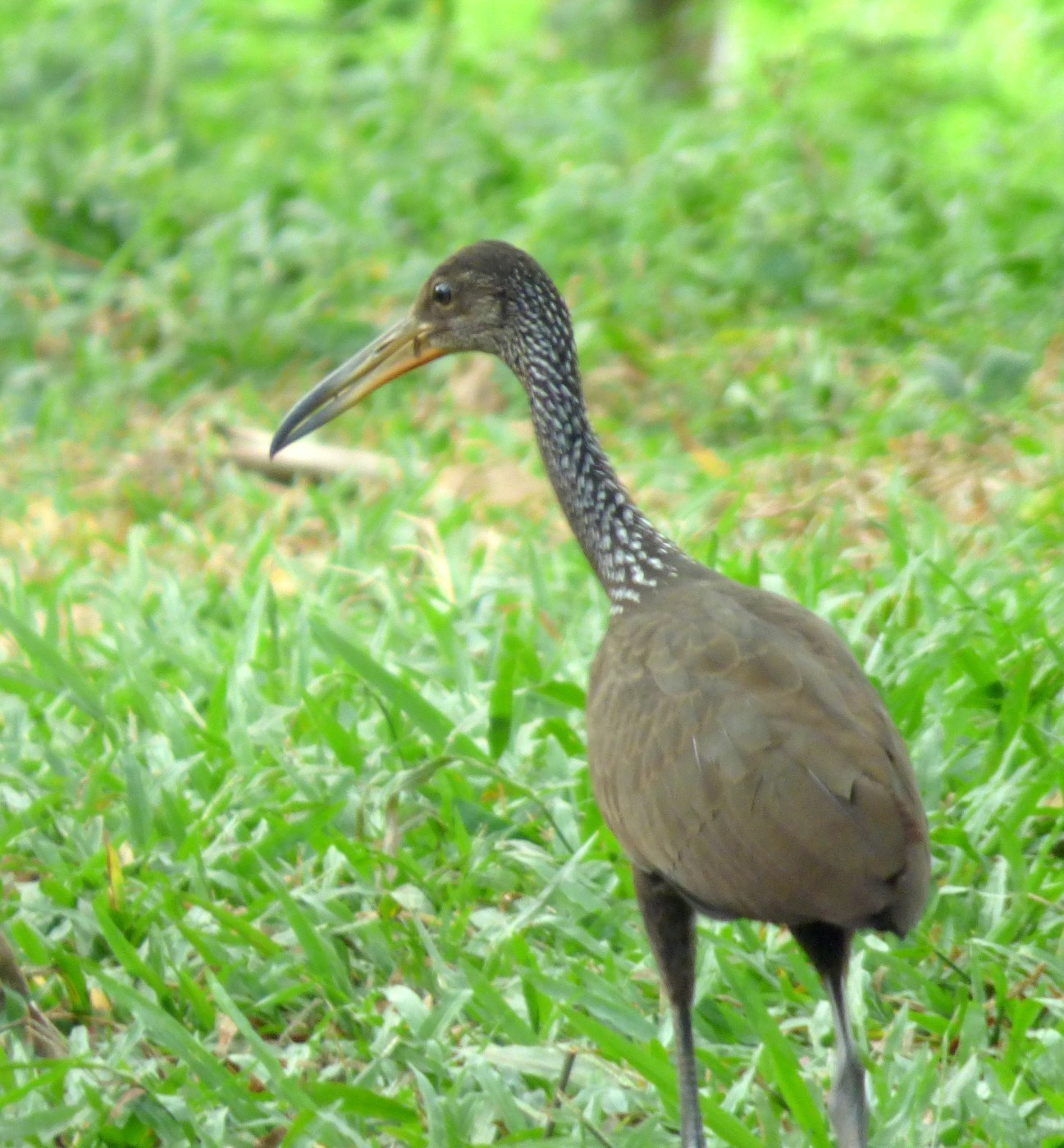
Limpkin
Brown contour feathers with white teardrop-shaped spots and streaks
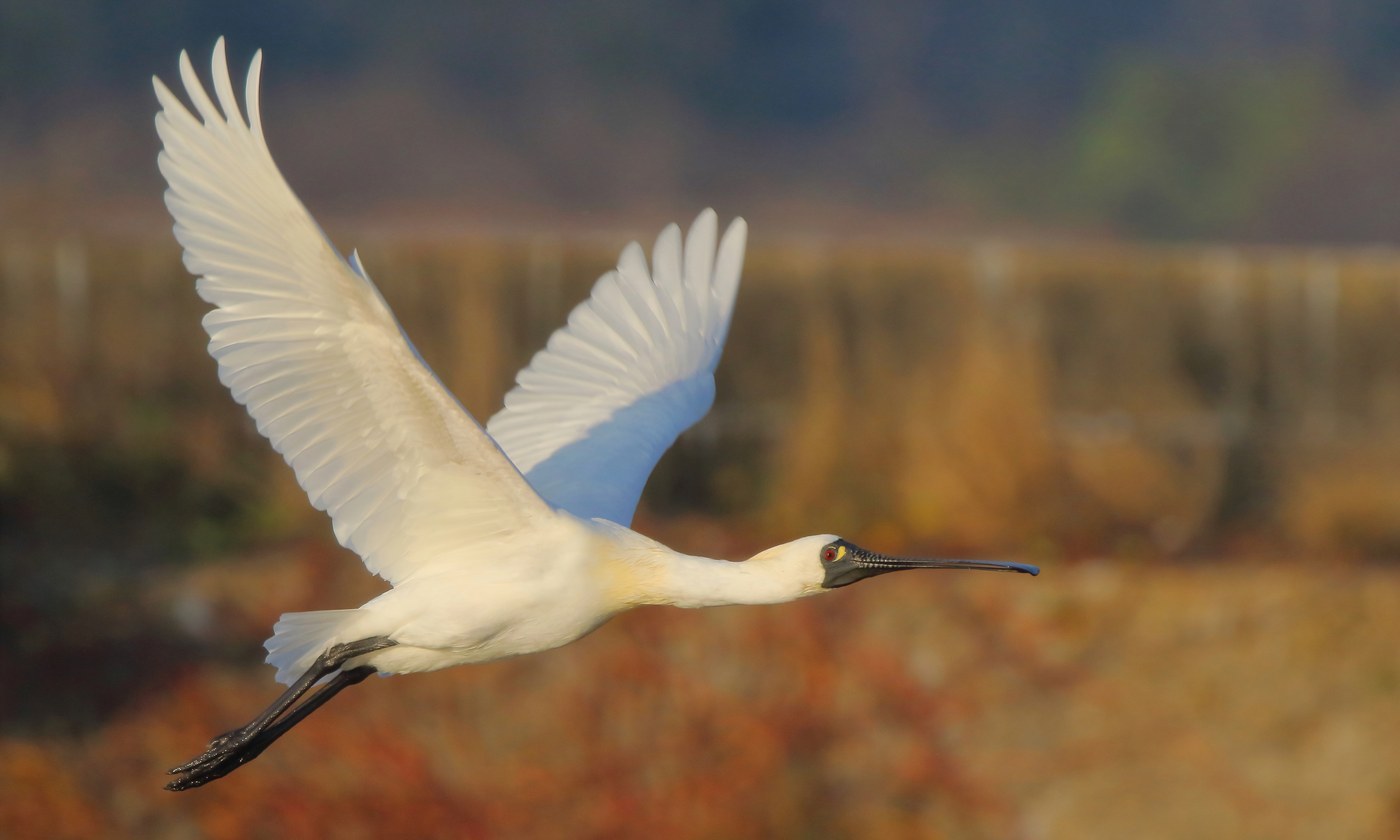
Black-faced Spoonbill
White contour and flight feathers with fine breeding crest and breast plumes
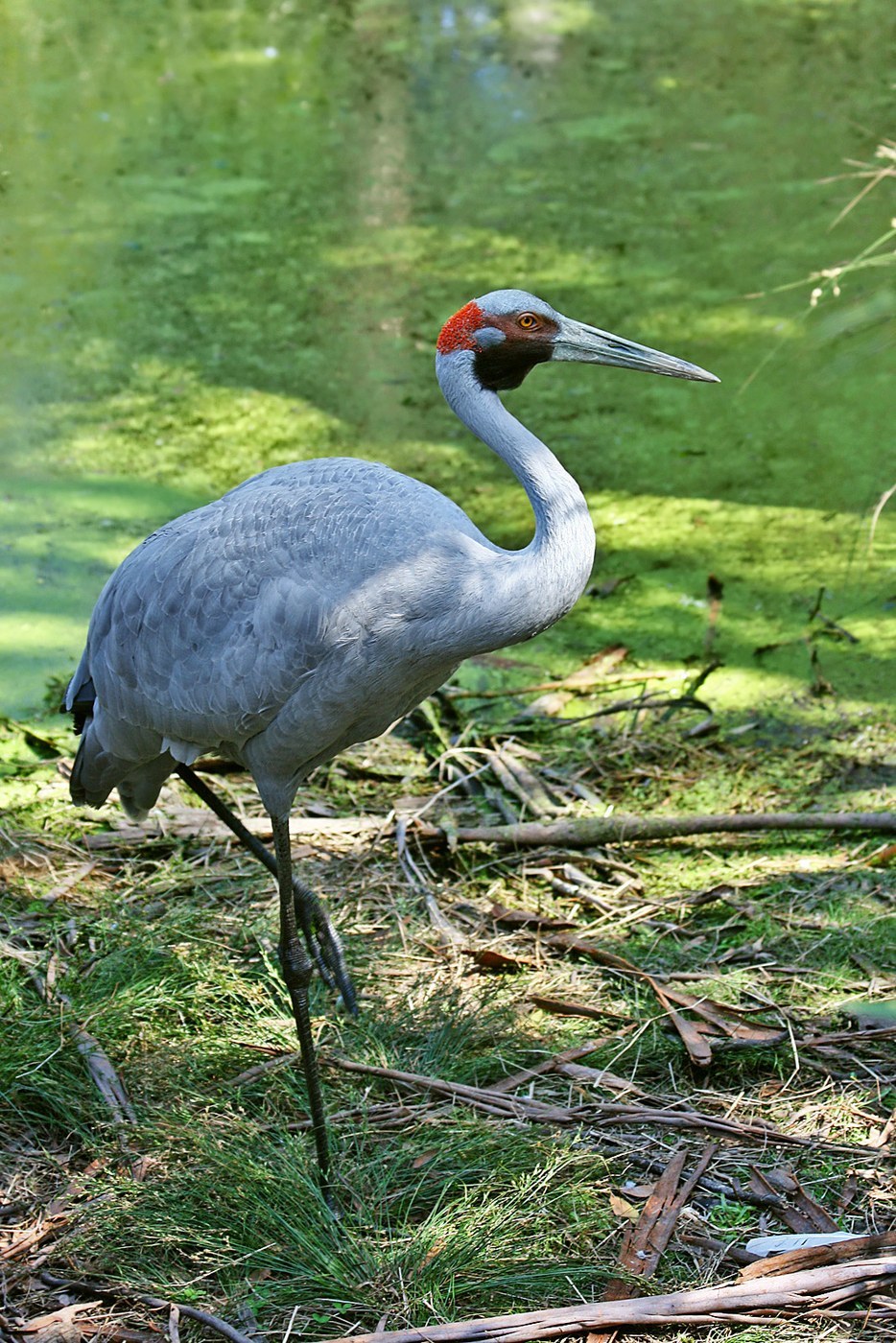
Brolga
Grey contour feathers with drooping bustle plumes
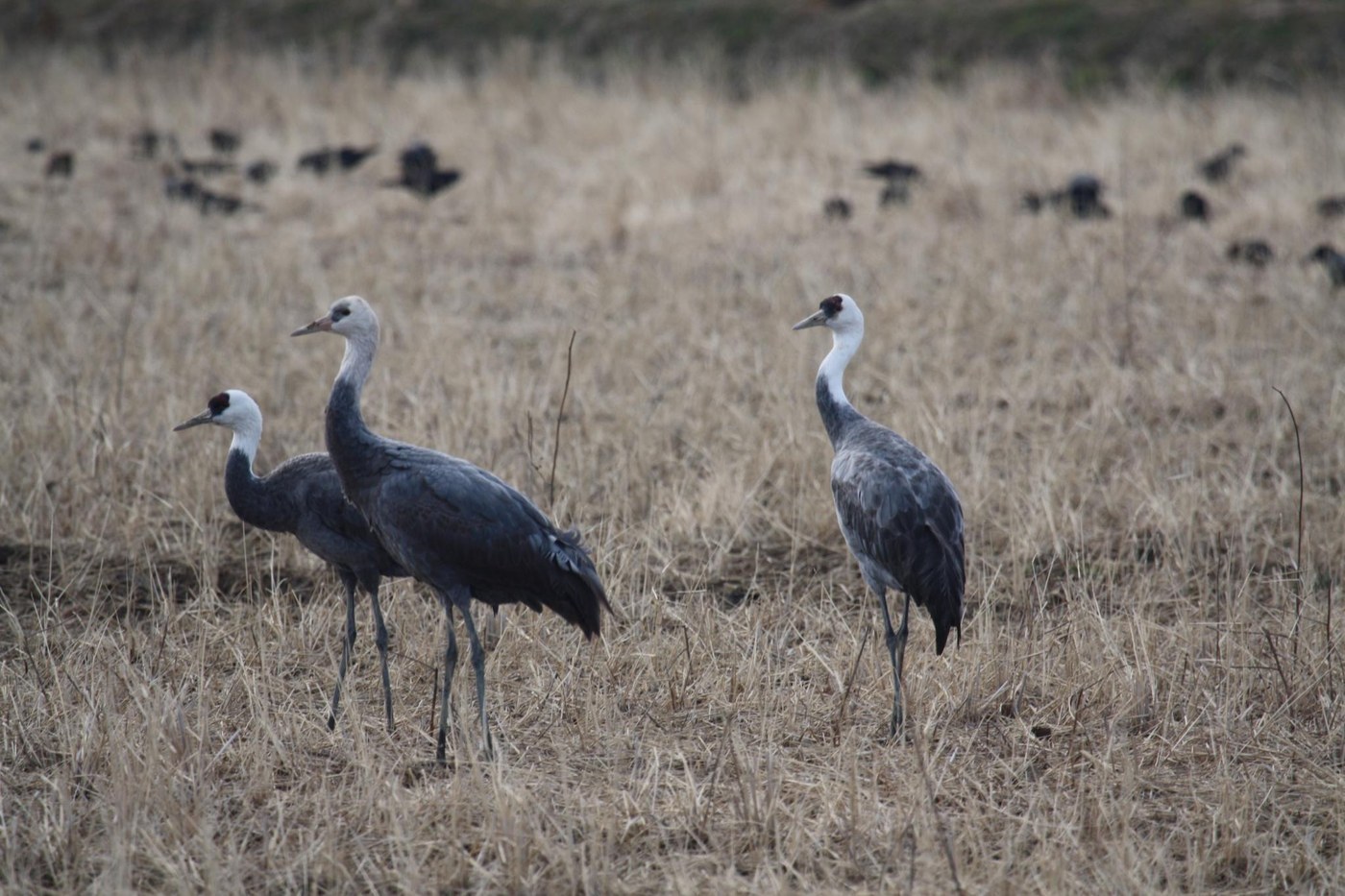
Hooded Crane
Dark slate-grey body feathers with a white head/upper neck 'hood' and black bustle plumes
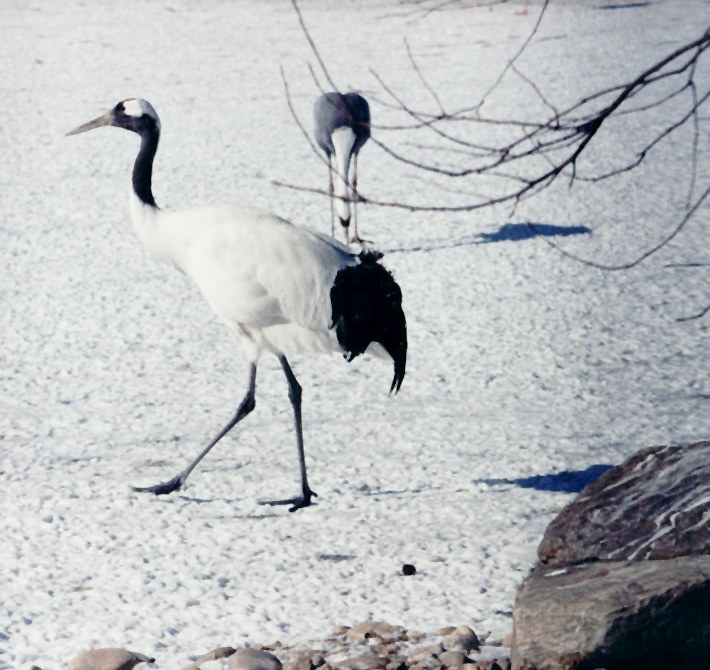
Red-crowned Crane
White contour feathers with black secondary/tertial bustle feathers and a bare red crown

Common Crane
Grey contour feathers with black head/neck feathers and drooping bustle plumes
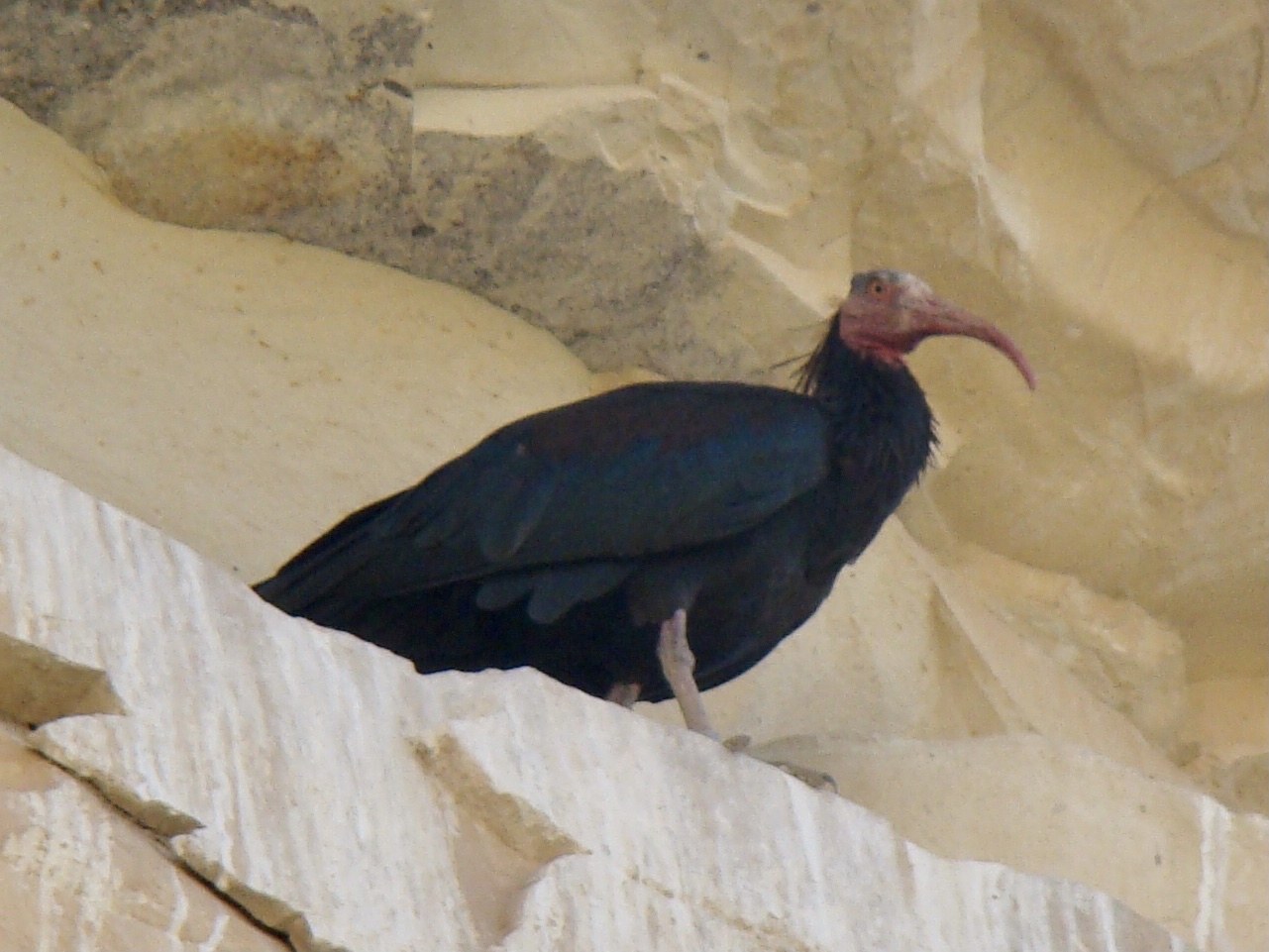
Northern Bald Ibis
Glossy black contour feathers with elongated nape plumes
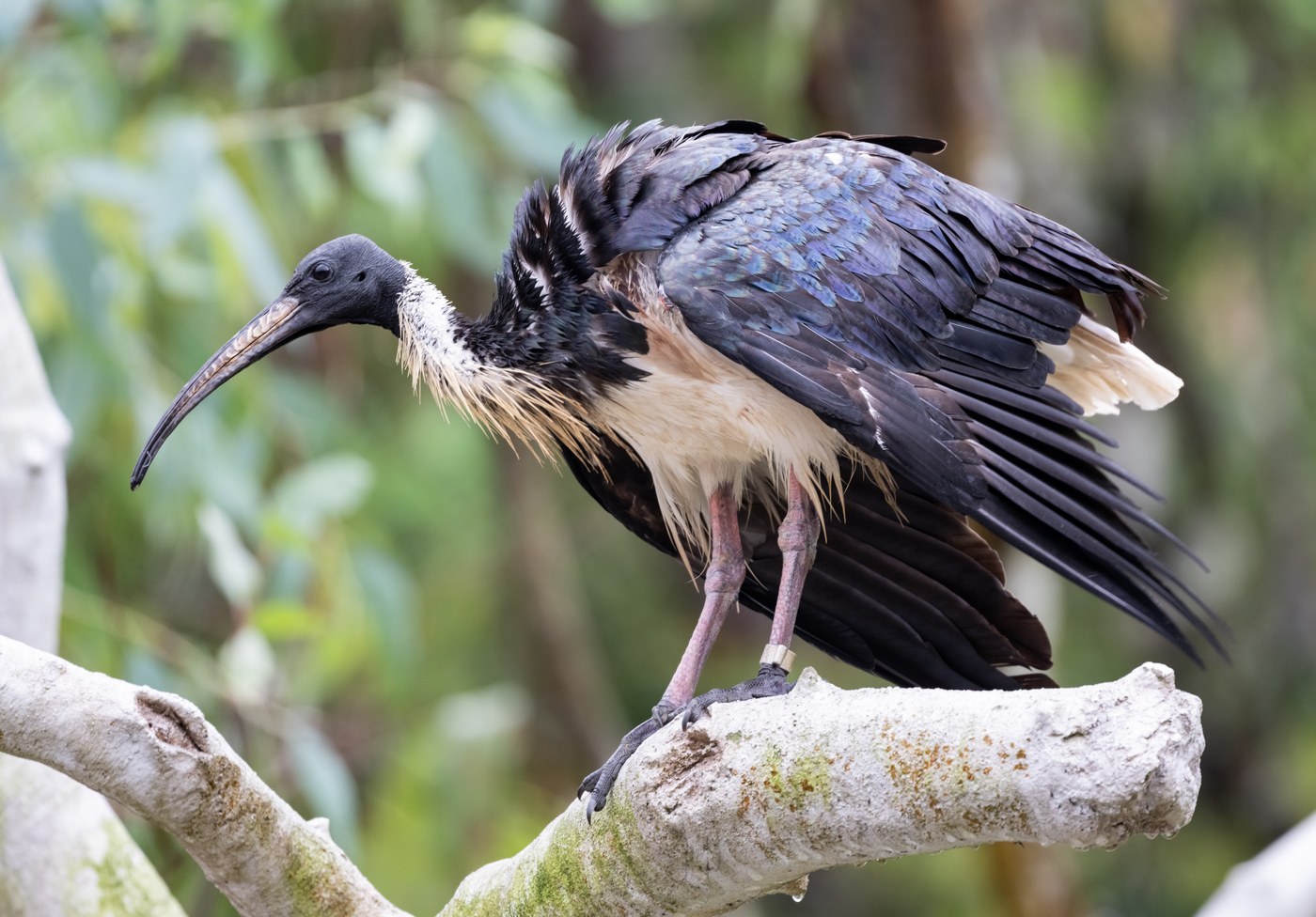
Straw-necked Ibis
Glossy contour feathers with unique straw-like neck plumes
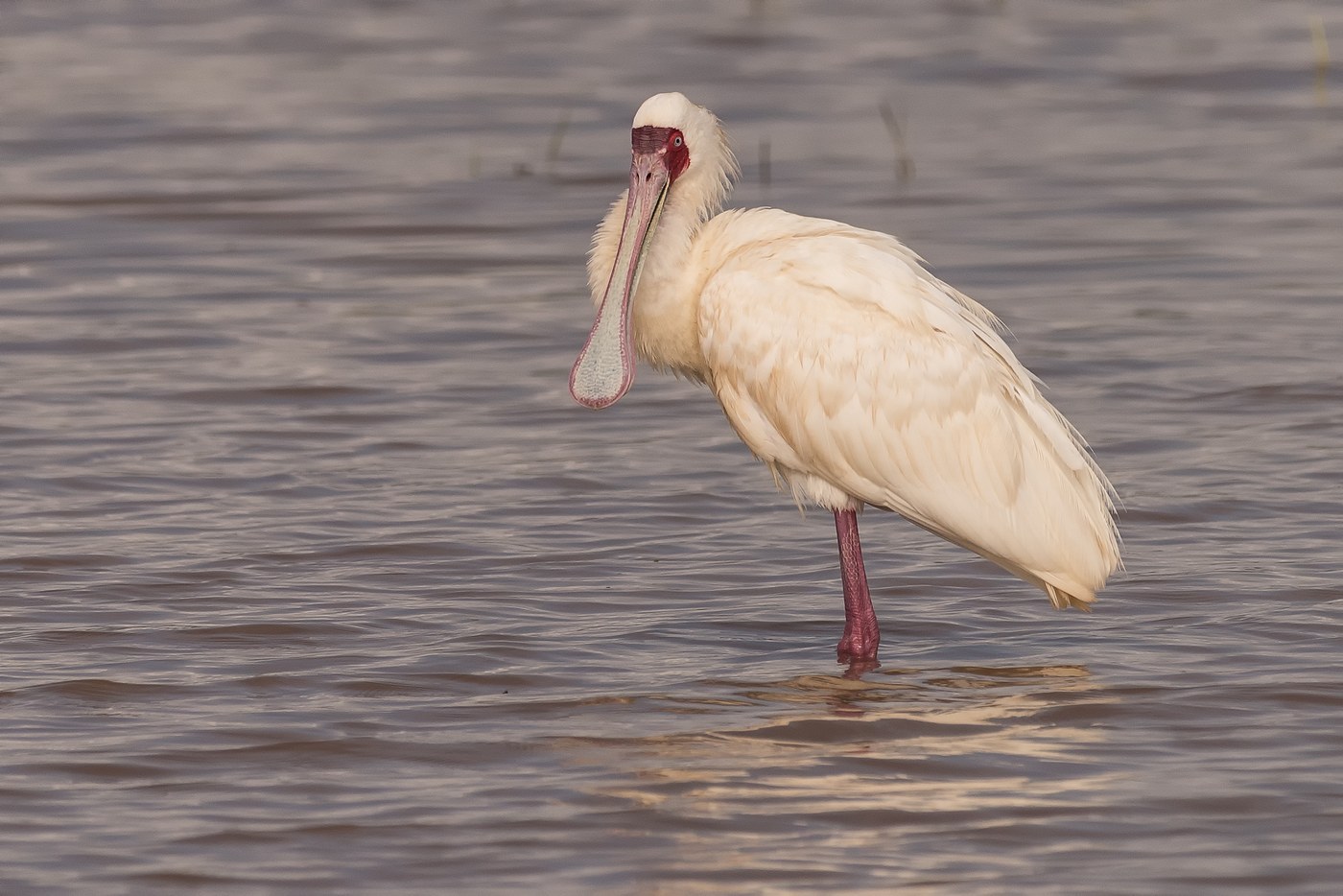
African Spoonbill
White contour and flight feathers, unmarked by black tips

Roseate Spoonbill
Pink and white contour and flight feathers with a carmine shoulder patch