

Goliath Heron
Ardea goliath
The world's largest heron, an imposing bird with a massive bill and rich chestnut head and neck feathering.
- Feather type
- Large, heavy contour feathers and broad flight feathers
- Colours
- Chestnut, slate-gray, black, white streaking
- Bird size
- Massive, ~120-152 cm tall, world's largest heron
Found a feather like this?
Identify any feather from a photo, free.
Overview
Overview
The Goliath Heron is the largest living heron species, towering over other wading birds with its great height and enormous bill. Found mainly in Africa with a smaller range in parts of Asia, it favors large expanses of water where it can stand in the open, using sheer size and a powerful bill to tackle large prey.
- Largest heron species in the world, with a massive, heavy bill
- Chestnut head and neck contrast with a slate-gray back
- Found near large rivers, lakes, and wetlands, mainly in Africa
Identifying the Feather
Feather Identification
Goliath Heron feathers are notably large and heavy compared to other herons, reflecting the bird's great size. Head, neck, and upper breast feathers are rich chestnut, sometimes with fine dark streaking on the lower neck and breast. Back and wing covert feathers are slate-gray, while flight feathers are large, broad, and dark grayish, among the biggest heron flight feathers likely to be found.
- Exceptionally large size (potentially the largest heron feathers encountered) is a key clue
- Rich chestnut tone on head/neck feathers distinguishes it from the grayer Great Blue Heron
- Compare with Purple Heron, which shares chestnut tones but is much smaller with narrower feathers
- Sturdy, thick feather shafts reflect the bird's substantial size and weight
Plumage & Molt
Plumage
Adults have a chestnut crown, face, and neck, with a slate-gray back and wings and a whitish throat and foreneck streaked with black and chestnut. The underparts are pale with dark streaking on the breast. Sexes look similar, though males average slightly larger. Juveniles are duller and paler overall, with less contrast between the chestnut and gray areas. Breeding adults may show a slightly more saturated chestnut tone but lack the elaborate plumes seen in egrets. Molt patterns are not fully documented in detail but are believed to be gradual, as in other large herons.
Habitat & Range
Habitat & Range
The Goliath Heron occurs across much of sub-Saharan Africa, with an additional population in parts of southwestern Asia, including areas around the Middle East and the Indian subcontinent. It favors large, undisturbed bodies of water, including big rivers, lakes, swamps, and mangrove-lined coastlines, generally avoiding small or heavily disturbed wetlands. Most populations are largely resident, though some local movements occur in response to water levels.
Behavior & Field Notes
Behavior & Field Notes
This heron is a solitary hunter, standing motionless for long periods in shallow water before striking prey with its powerful bill. Its diet is centered on fish, including notably large individuals that few other herons could handle, along with amphibians and other aquatic animals. Nesting is often solitary or in loose association with other herons, with a bulky stick platform built in trees, reedbeds, or occasionally on the ground on islands. Its voice is a deep, resonant croak, lower-pitched than that of most other herons, matching its imposing size. Its sheer height and heavy bill make it unmistakable when seen well.
Frequently asked questions
What is the fastest way to recognize a Goliath Heron feather?
Exceptional size combined with a rich chestnut head and neck tone and a slate-gray back is the best combination of clues.
Where in the world do Goliath Herons live?
Mostly across sub-Saharan Africa, with a smaller population in parts of southwestern Asia.
Is the Goliath Heron really the largest heron?
Yes, it is generally recognized as the tallest and heaviest living heron species.
What kind of water bodies does the Goliath Heron prefer?
Large rivers, lakes, swamps, and mangrove coastlines, generally avoiding small or heavily disturbed wetlands.
Goliath Heron guides
In-depth guides for identifying and understanding Goliath Heron.

Other feathers you may enjoy

Yellow-billed Spoonbill
White contour and flight feathers with fine breeding plumes on the back and breast
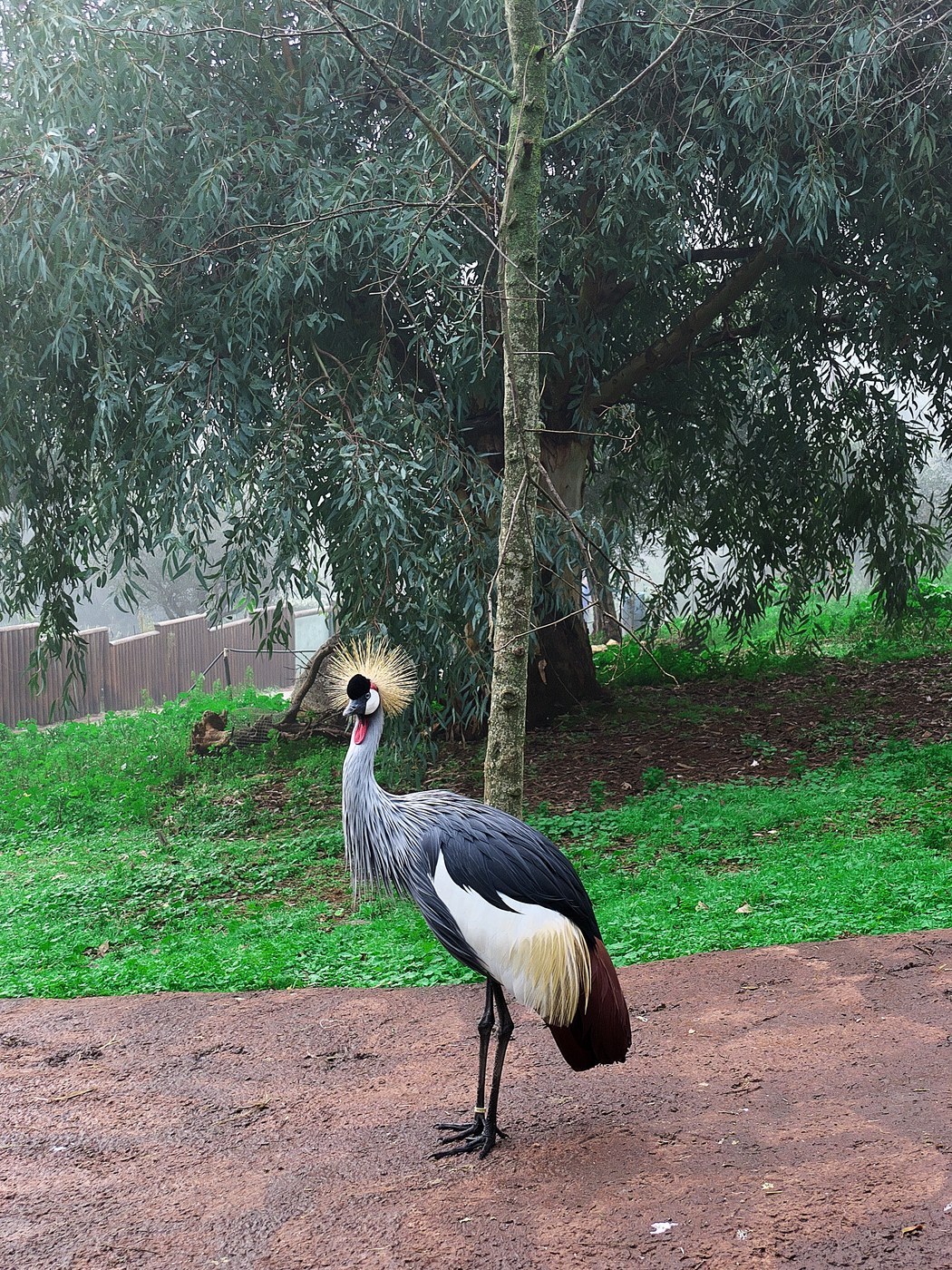
Grey Crowned Crane
Grey body feathers with white wing coverts, chestnut flight feathers, and stiff golden crown bristles
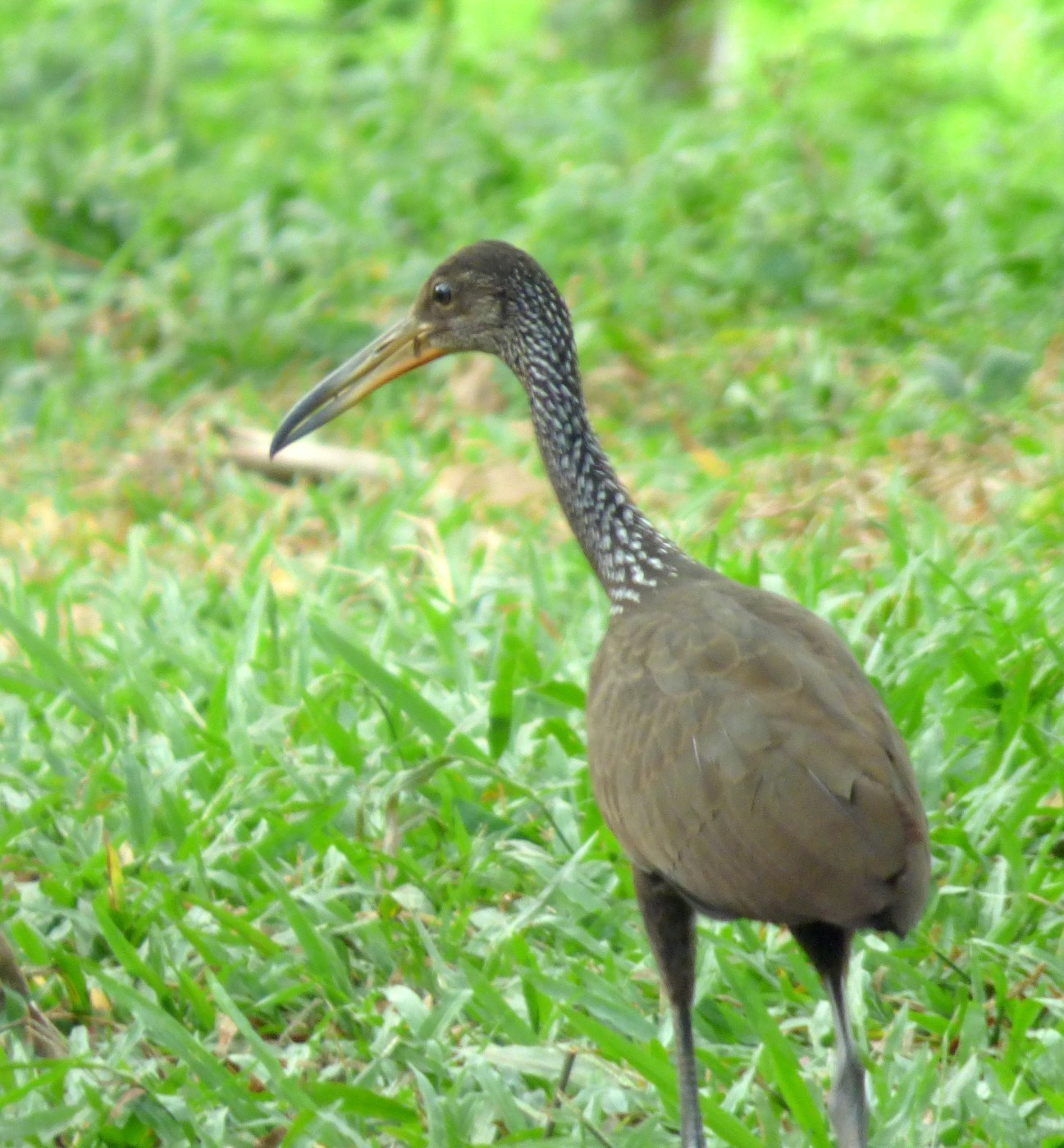
Limpkin
Brown contour feathers with white teardrop-shaped spots and streaks

Black-faced Spoonbill
White contour and flight feathers with fine breeding crest and breast plumes
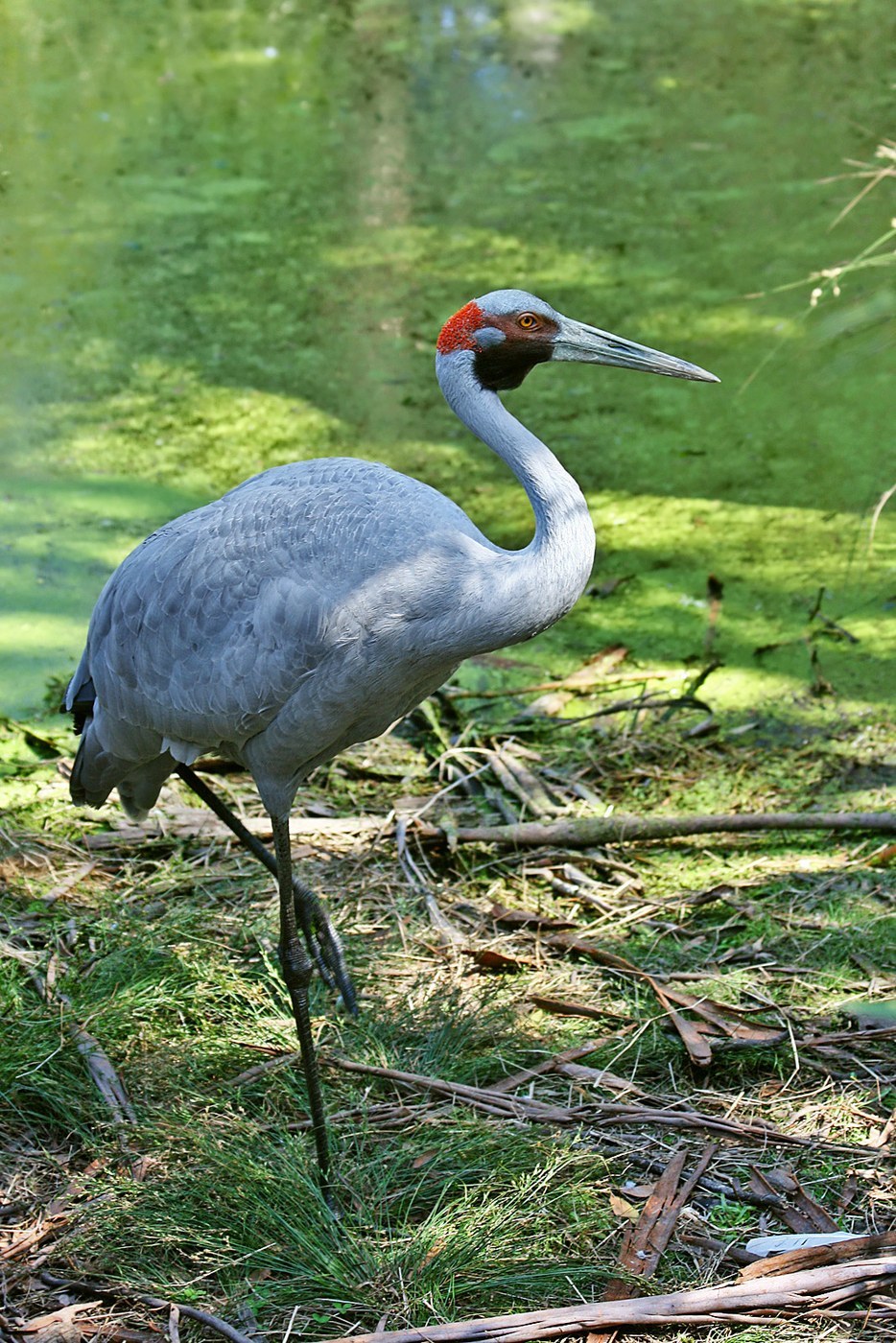
Brolga
Grey contour feathers with drooping bustle plumes
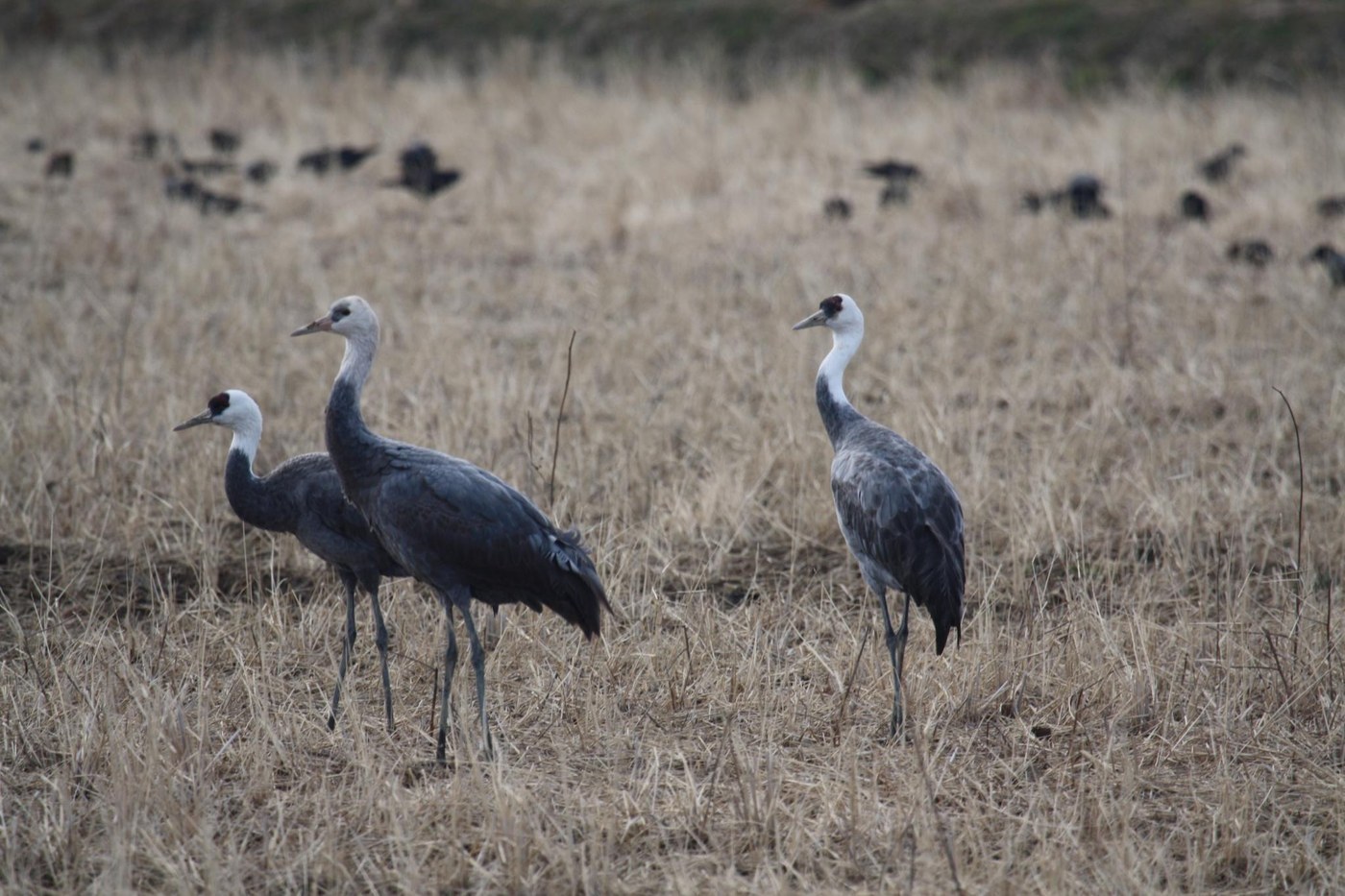
Hooded Crane
Dark slate-grey body feathers with a white head/upper neck 'hood' and black bustle plumes
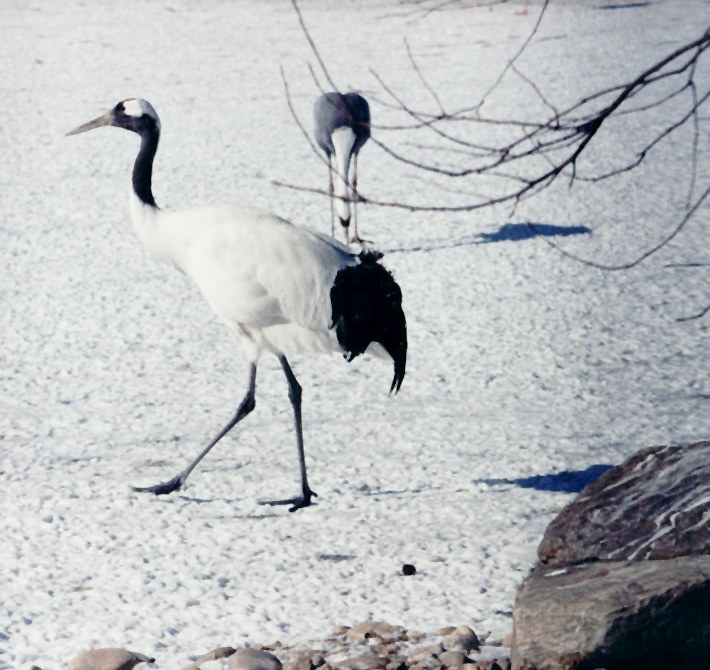
Red-crowned Crane
White contour feathers with black secondary/tertial bustle feathers and a bare red crown

Common Crane
Grey contour feathers with black head/neck feathers and drooping bustle plumes
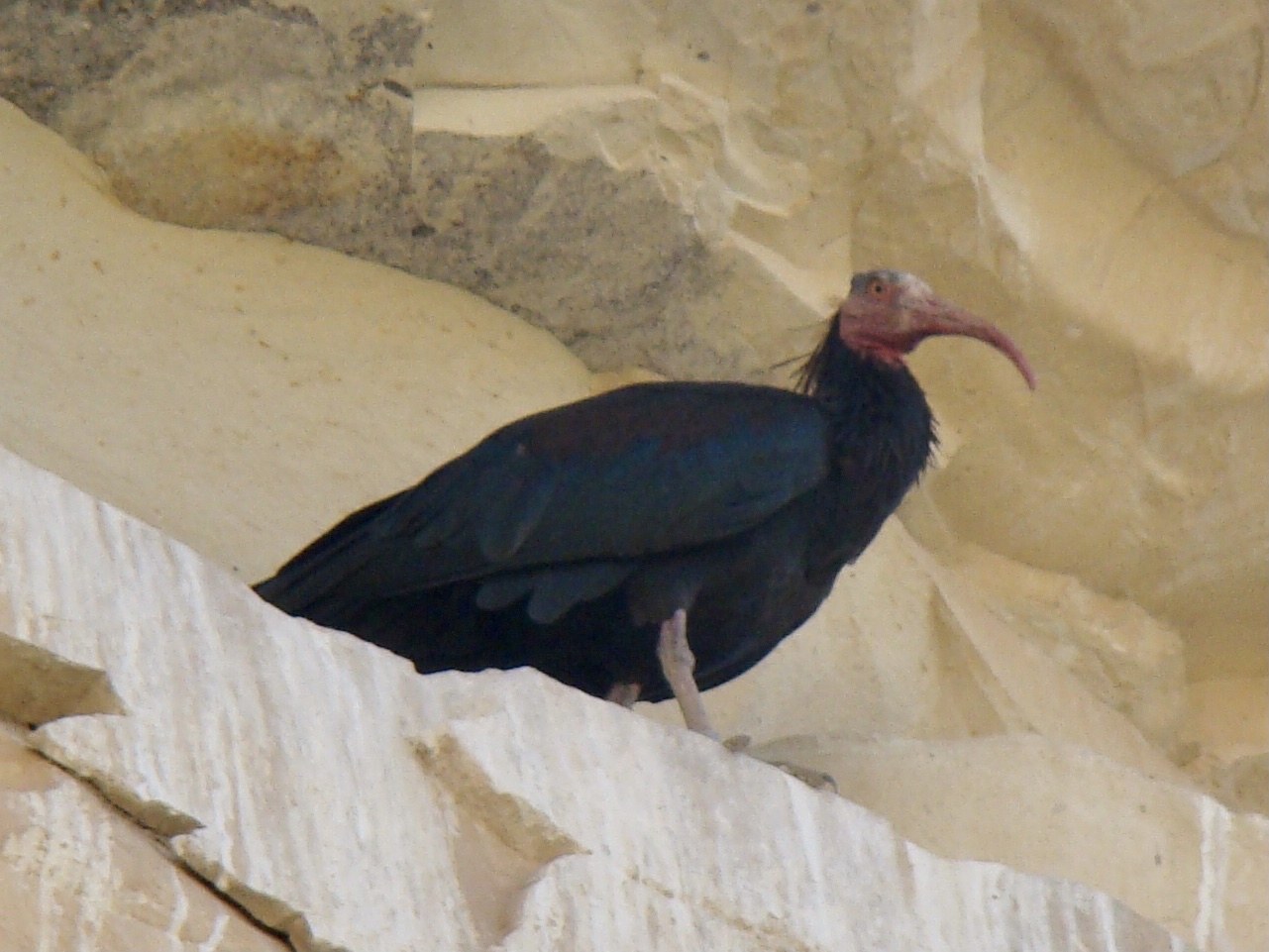
Northern Bald Ibis
Glossy black contour feathers with elongated nape plumes
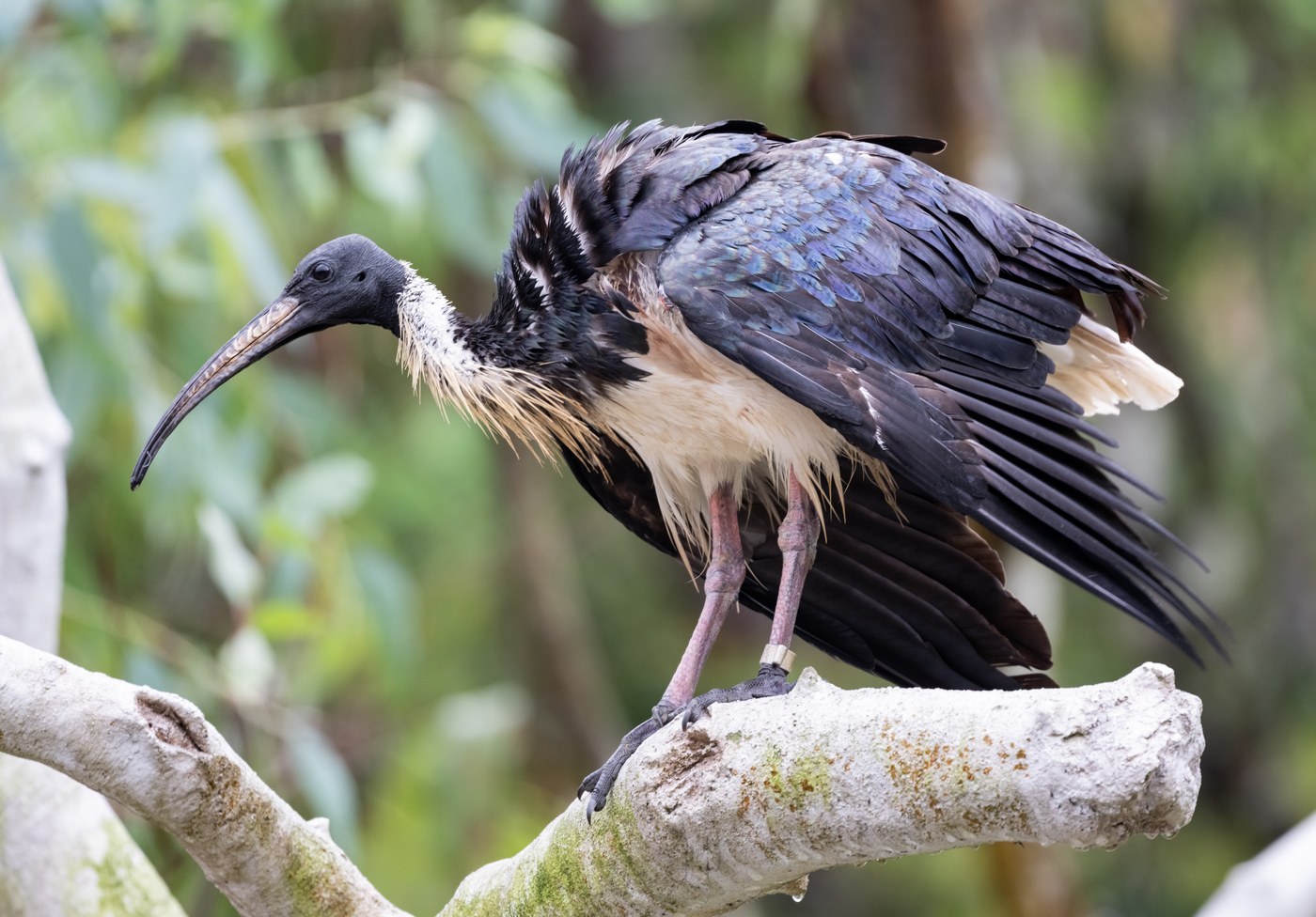
Straw-necked Ibis
Glossy contour feathers with unique straw-like neck plumes
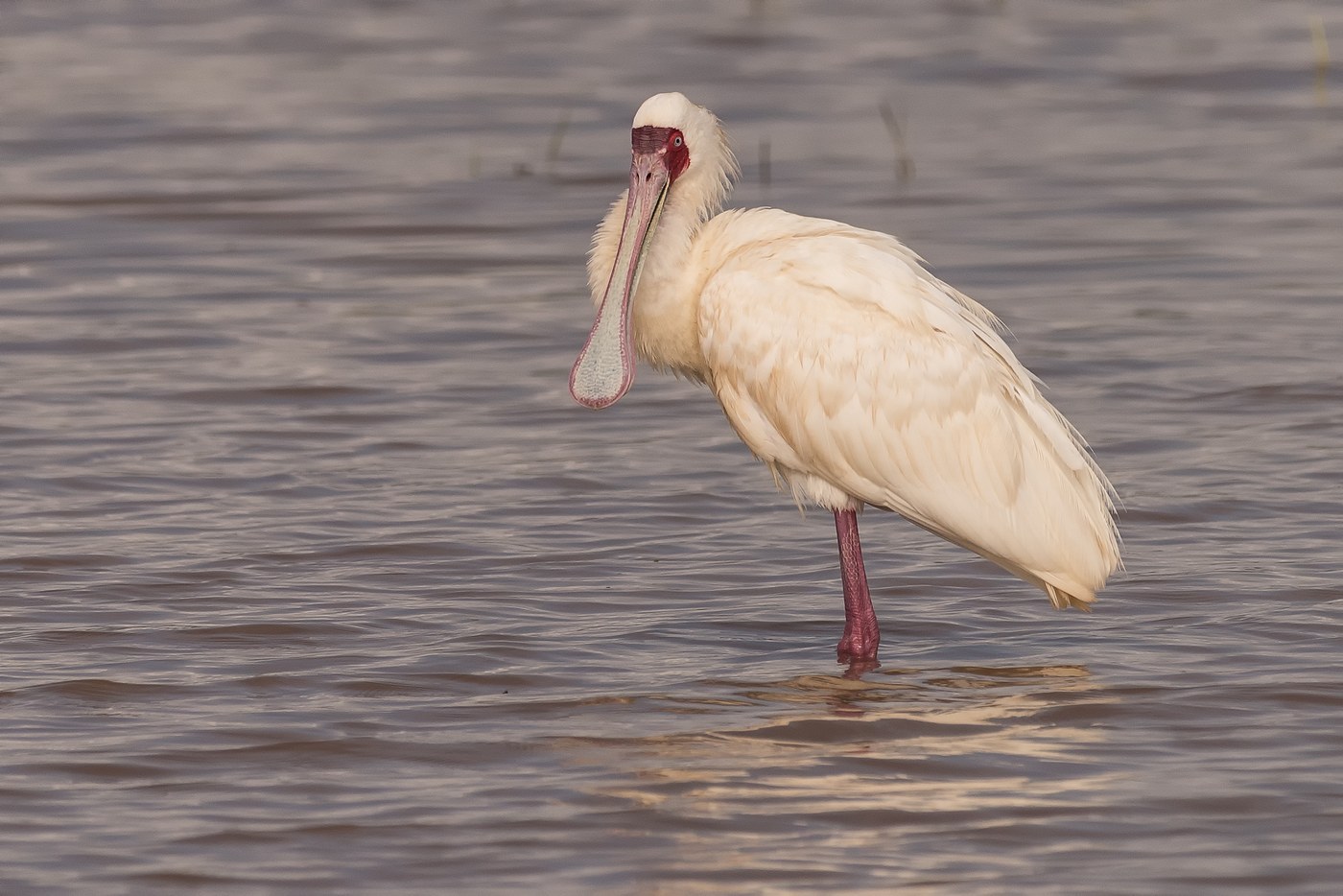
African Spoonbill
White contour and flight feathers, unmarked by black tips

Roseate Spoonbill
Pink and white contour and flight feathers with a carmine shoulder patch