

Greater Kestrel
Falco rupicoloides
The Greater Kestrel is a robust southern African kestrel, larger than the Common Kestrel, with a barred rufous back, pale underparts, and a distinctive pale eye.
- Feather type
- Long pointed flight feathers; barred rufous back feathers
- Colours
- Pale rufous back with dark barring, whitish underparts with fine streaking
- Bird size
- Medium-small falcon, ~33-36 cm
Found a feather like this?
Identify any feather from a photo, free.
Overview
The Greater Kestrel inhabits arid savanna, scrubland, and semi-desert across southern Africa, distinguished from the widespread Common Kestrel by its larger size and pale, almost whitish eye. It often perches prominently on low bushes, fence posts, or the ground itself while scanning for prey.
Feathers found near open arid habitat in southern Africa showing a barred rufous back and paler overall tone than a typical kestrel may belong to this larger species.
Identifying the Feather
Recognizing Greater Kestrel feathers
- Flight feathers: Pale rufous-brown with dark barring, larger and heavier-set than Common or Rock Kestrel flight feathers.
- Tail feathers: Pale rufous with dark barring, broader than in smaller kestrels.
- Body feathers: Back feathers pale rufous with bold dark barring; underparts feathers whitish to pale buff with fine dark streaking, paler overall than most related kestrels.
- Shaft color: Pale rufous-brown.
- Compared to similar species: Larger and paler than the Rock Kestrel, with more heavily barred back feathers; overall size is a useful distinguishing clue against smaller African kestrels.
Plumage & Molt
Adults show a pale rufous back and wings marked with bold dark barring, a whitish to pale buff underside with fine streaking, and a notably pale, whitish eye. Sexes are similar. Juveniles are more heavily barred and streaked overall, with darker eyes that pale with maturity, gradually reaching the adult pattern.
Habitat & Range
Found across arid savanna, scrubland, and semi-desert of southern Africa, extending into parts of eastern Africa. Resident, generally not migratory, though some local movement occurs with rainfall and prey cycles.
Behavior & Field Notes
Hunts insects, small reptiles, and rodents, often from a low perch or directly from the ground, and also hovers on occasion. Nests in old stick nests of other birds, typically in isolated trees. Calls include harsh, repeated chattering. A pale rufous feather with bold dark barring and larger overall size than a typical kestrel feather, found in southern African arid habitat, suggests this species.
Frequently asked questions
How is the Greater Kestrel different from the Common Kestrel?
It is notably larger with a pale, whitish eye and more heavily barred back feathers compared to the smaller Common Kestrel.
What color eye does the Greater Kestrel have?
A distinctively pale, almost whitish eye, unusual among kestrels which typically have dark eyes.
Where is the Greater Kestrel found?
In arid savanna, scrubland, and semi-desert across southern Africa and parts of eastern Africa.
How does the Greater Kestrel hunt?
Often from a low perch or on the ground, taking insects, small reptiles, and rodents, with occasional hovering.
Greater Kestrel guides
In-depth guides for identifying and understanding Greater Kestrel.

Other feathers you may enjoy

Australian Hobby
Long, narrow pointed flight feathers; slender tail feathers

California Condor
Massive flight feathers; long broad primaries; large tail feathers

Brown Falcon
Broad, rounded flight feathers; variable-toned contour feathers
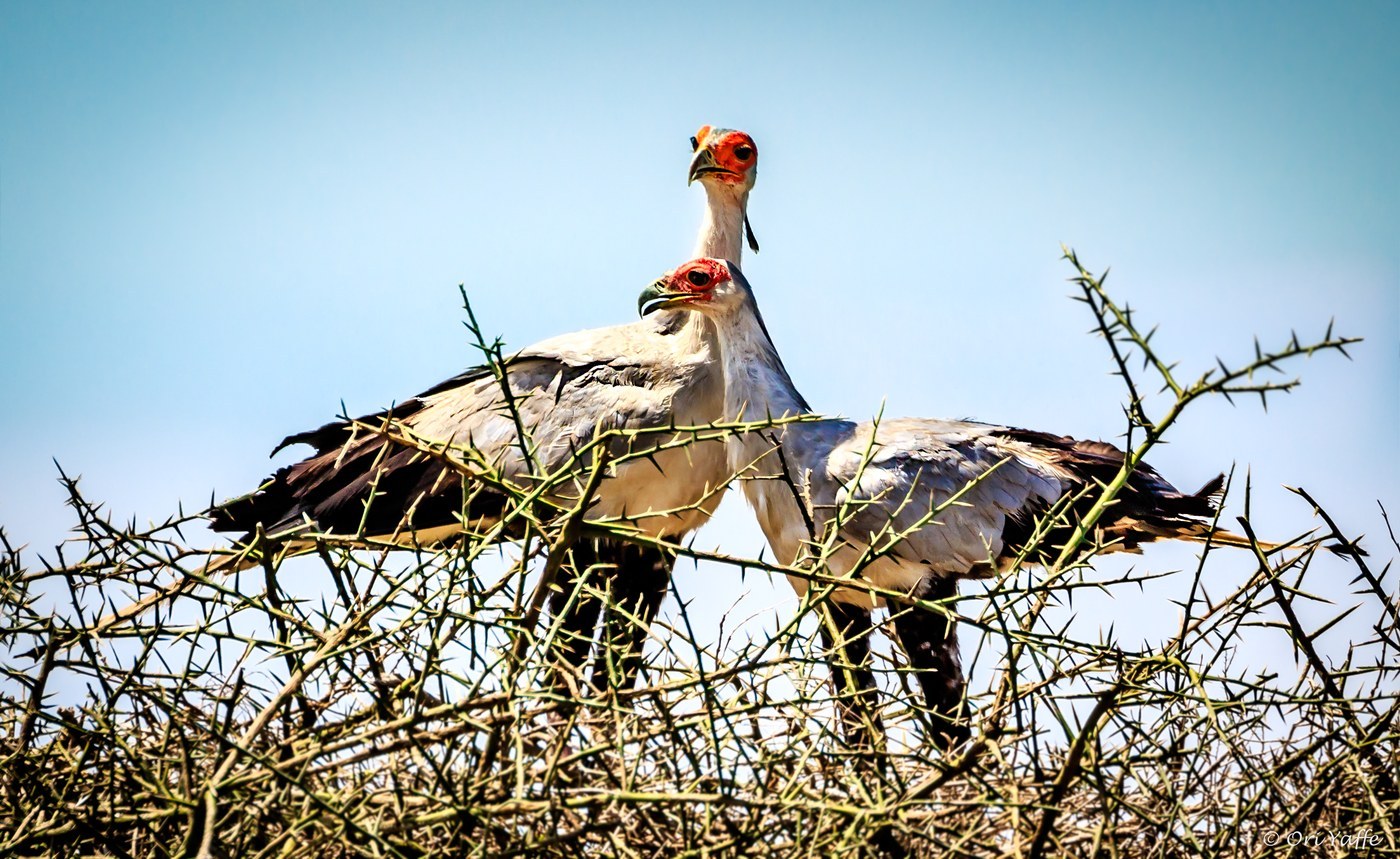
Secretarybird
Long crest feathers; broad flight feathers; elongated central tail feathers

Orange-breasted Falcon
Broad-based pointed flight feathers; bold breast and belly feathers
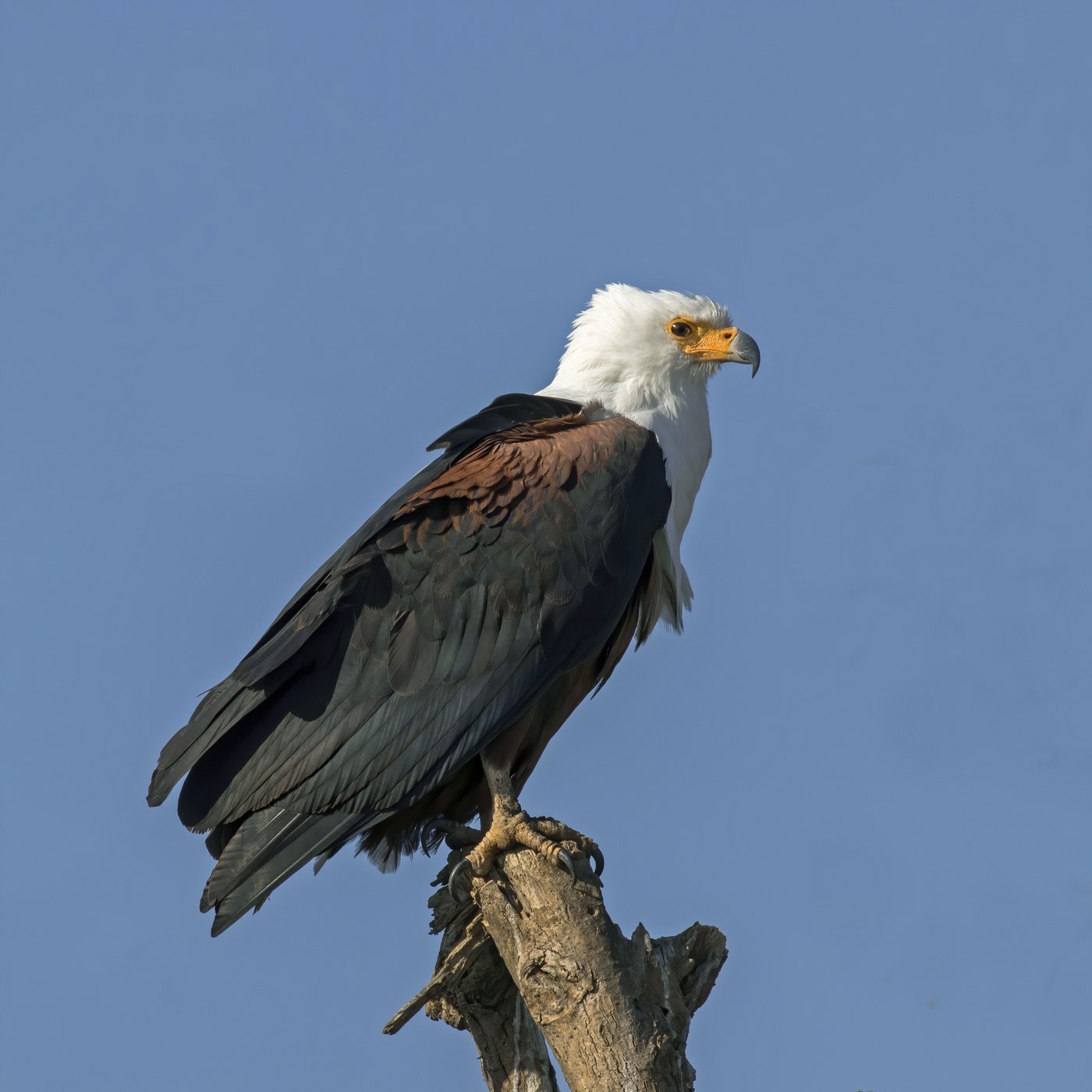
African Fish Eagle
Flight, tail, and body feathers

Amur Falcon
Slender pointed flight feathers; soft slate or orange-buff contour feathers
Red Kite
Flight (wing) and tail feathers
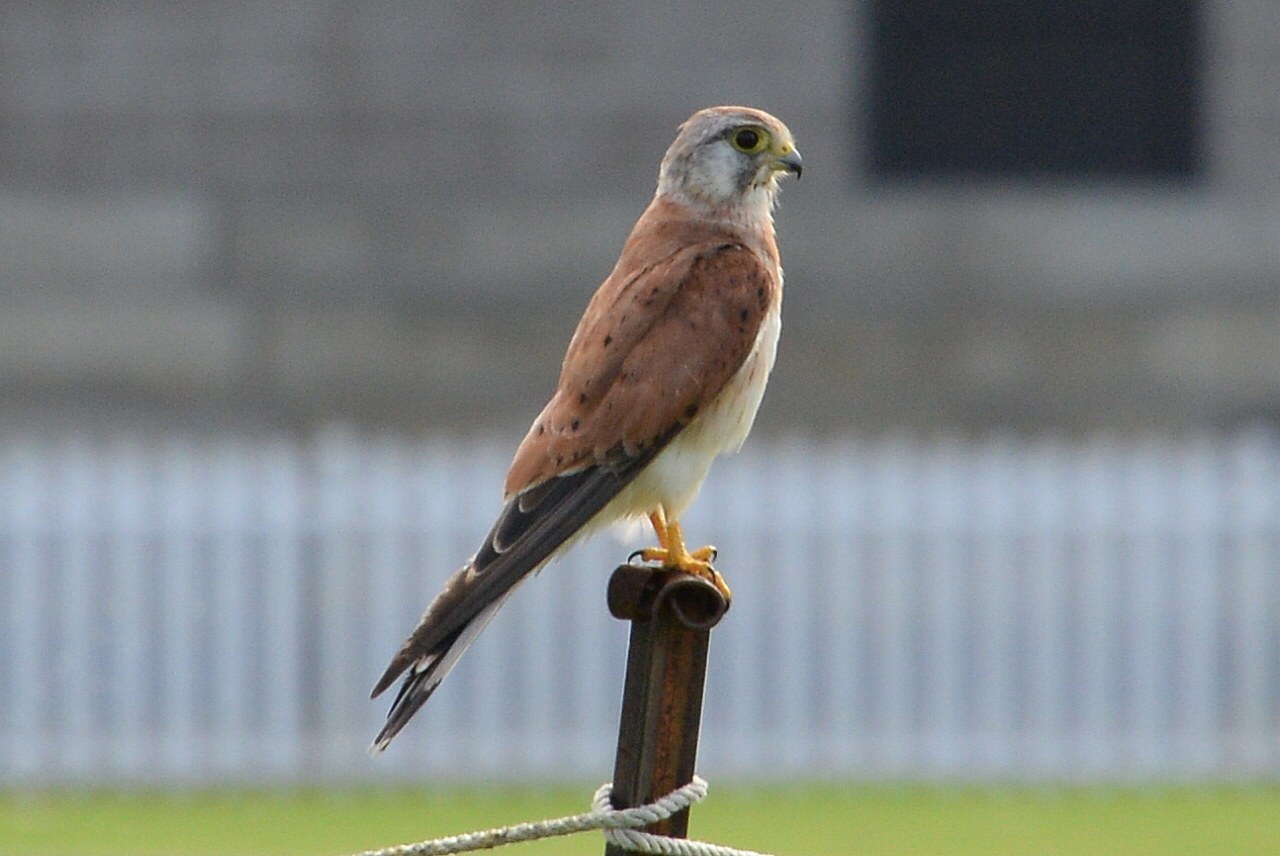
Nankeen Kestrel
Slim pointed flight feathers; lightly marked contour feathers

Andean Condor
Massive flight feathers; broad primaries and secondaries; sturdy tail feathers

Plumbeous Forest Falcon
Short rounded flight feathers; finely barred tail feathers

Sooty Falcon
Long pointed flight feathers; slim tail feathers