

Green Heron
Butorides virescens
A small, stocky, solitary heron of the Americas with a dark cap, chestnut neck, and greenish-backed wings, often seen crouched at the water's edge.
- Feather type
- Compact, glossy contour feathers on a stocky body
- Colours
- Greenish-black cap, chestnut neck, greenish-gray back
- Bird size
- Small, crow-sized, ~40-48 cm tall
Found a feather like this?
Identify any feather from a photo, free.
Overview
Overview
The Green Heron is a small, compact heron widespread across much of the Americas, more often found hunched at the edges of ponds and streams than standing tall in open marshes. Its short legs, thick neck (often drawn in), and dark, richly colored plumage give it a distinctly different silhouette from the larger, longer-necked herons.
- Small, stocky heron, roughly the size of a crow
- Chestnut neck contrasts with a dark greenish-black cap and greenish-gray back
- Often perches low over water at pond and stream edges rather than wading in open marshes
Identifying the Feather
Feather Identification
Green Heron feathers are notably smaller than those of larger herons, reflecting its compact size. Back and wing covert feathers are a dark greenish-gray, often with narrow buffy edges giving a slightly scaled look, while the crown is glossy greenish-black and the neck feathers are rich chestnut. Flight feathers are dark, short relative to body size, matching its more stocky proportions.
- Small overall feather size fits its crow-sized body, much smaller than typical wading-bird herons
- Chestnut neck feathers paired with dark greenish-black cap feathers are a strong combination clue
- Greenish-gray back feathers with pale buffy fringes create a subtly scaled pattern
- Compare with Striated Heron, the Old World counterpart, which shows a grayer, less chestnut neck
Plumage & Molt
Plumage
Adults have a glossy greenish-black crown, a rich chestnut neck and face, and greenish-gray upperparts with buffy feather edges creating a scalloped look on the wing coverts; the underparts are pale gray with some streaking on the foreneck. Legs are typically dull yellow-green but can brighten to orange during courtship. Juveniles are duller and browner, with heavy streaking on the neck and underparts and less contrast overall. Molt occurs after breeding, with flight feathers replaced gradually.
Habitat & Range
Habitat & Range
The Green Heron breeds across much of the eastern and central United States and parts of southern Canada, wintering from the southern United States through Mexico, Central America, and into northern South America; resident populations also occur in parts of the Caribbean and Central America. It favors shaded, vegetated edges of ponds, streams, marshes, and other wetlands, often preferring more secluded spots than open-marsh herons. Migratory populations move south for the winter, while resident southern populations remain year-round.
Behavior & Field Notes
Behavior & Field Notes
Green Herons are solitary, patient hunters, often crouching motionless at the water's edge before striking at fish and aquatic invertebrates; they are among the few bird species known to use tools, sometimes dropping bait such as insects or small objects onto the water's surface to lure fish. Their call is a sharp, loud "skeow" often given in flight. They nest alone or in loose, small groups, building a simple stick platform in shrubs or trees near water. Their habit of standing hunched with the neck drawn in, only to extend it rapidly when striking at prey, is a useful and distinctive behavioral field mark.
Frequently asked questions
How can I recognize a Green Heron feather?
Small size, a chestnut neck feather paired with dark greenish-black crown feathers, and greenish-gray back feathers with pale fringes are the key clues.
Is the Green Heron related to the Striated Heron?
Yes, the two are closely related, with the Green Heron found in the Americas and the Striated Heron occupying much of the Old World.
Why is the Green Heron known for tool use?
It is one of the few bird species observed dropping bait, such as small insects, onto the water to attract fish within striking range.
Where does the Green Heron typically hunt?
At shaded, vegetated edges of ponds, streams, and marshes, often standing hunched close to the water rather than wading in the open.
Green Heron guides
In-depth guides for identifying and understanding Green Heron.

Other feathers you may enjoy

Yellow-billed Spoonbill
White contour and flight feathers with fine breeding plumes on the back and breast
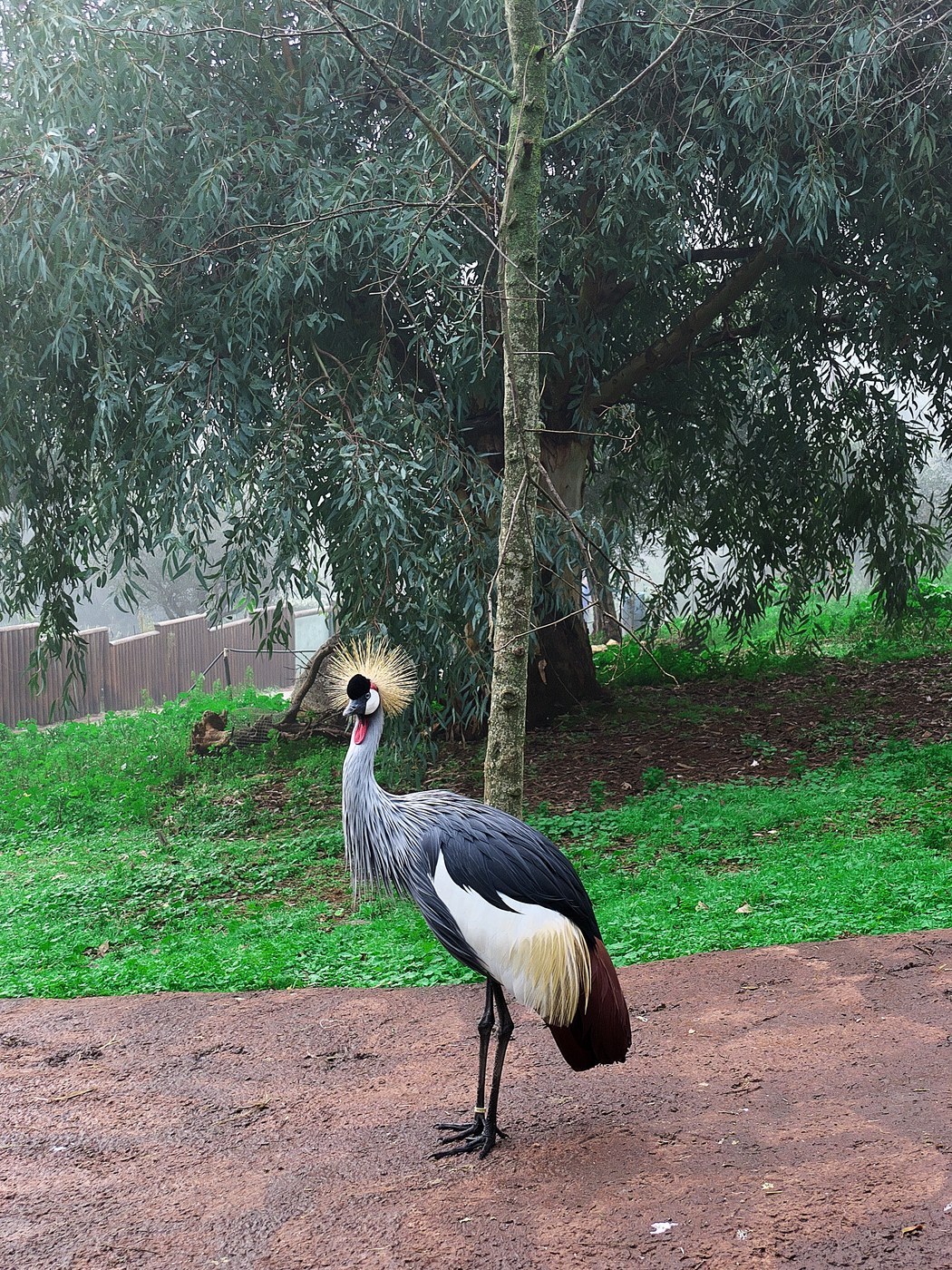
Grey Crowned Crane
Grey body feathers with white wing coverts, chestnut flight feathers, and stiff golden crown bristles
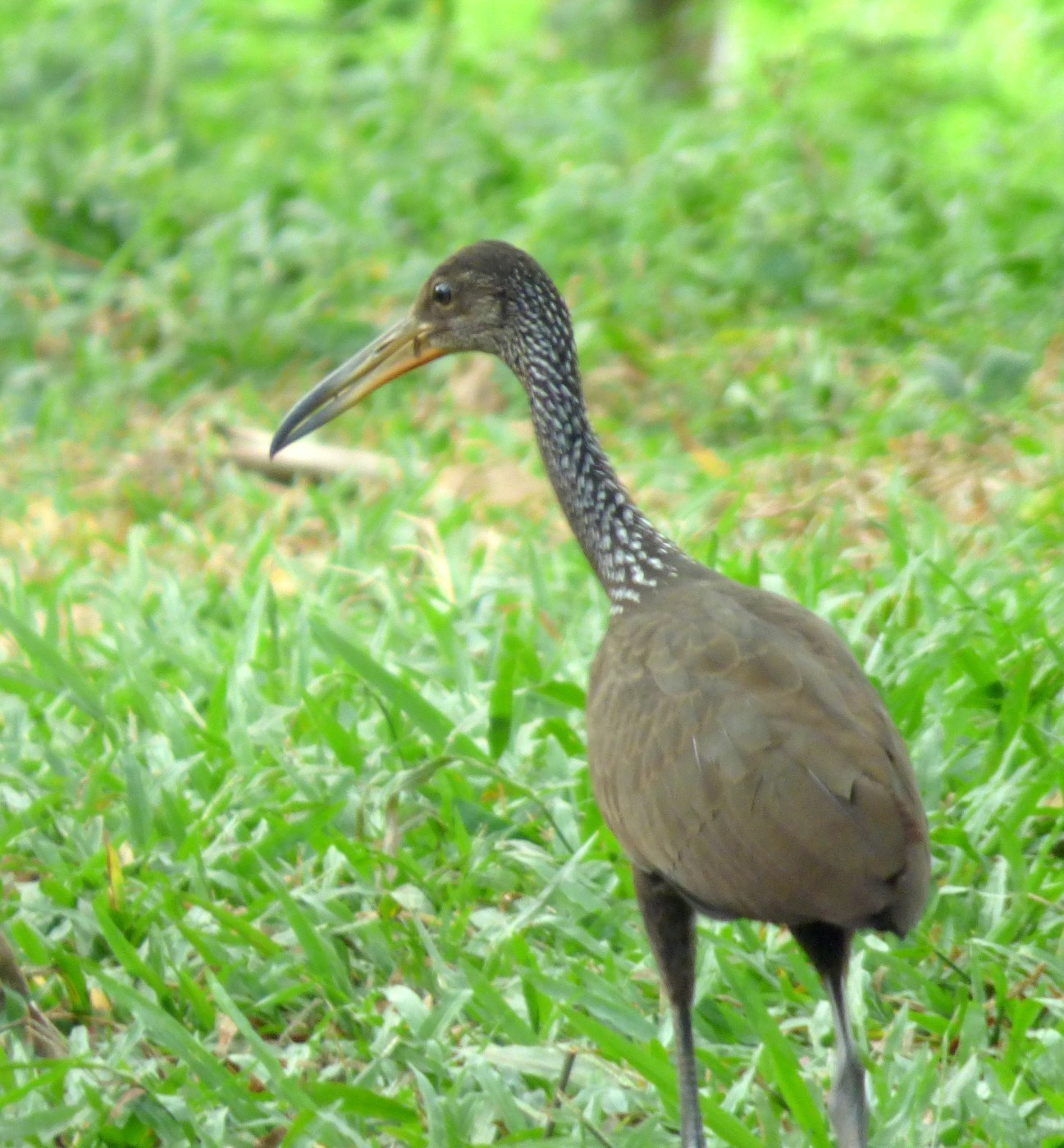
Limpkin
Brown contour feathers with white teardrop-shaped spots and streaks
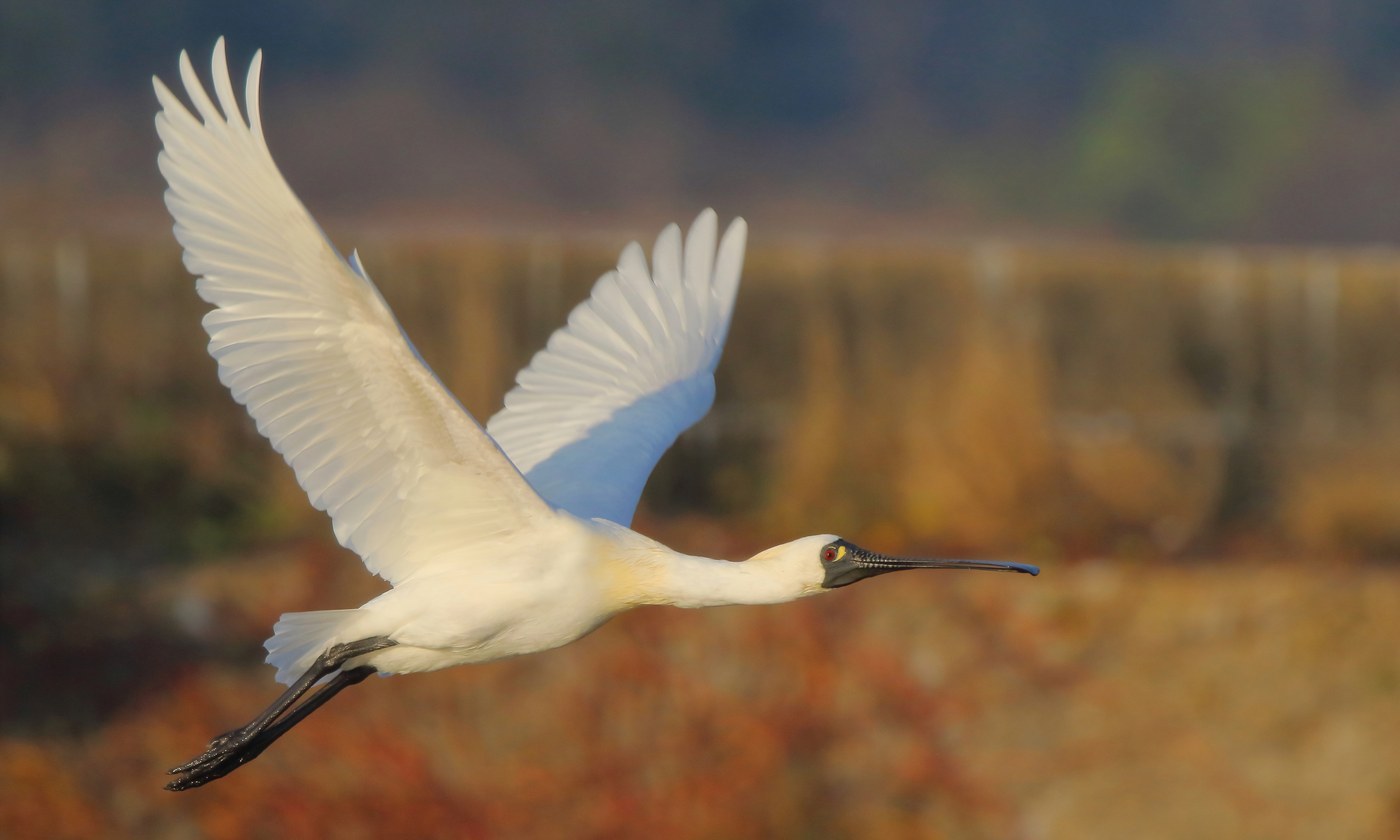
Black-faced Spoonbill
White contour and flight feathers with fine breeding crest and breast plumes
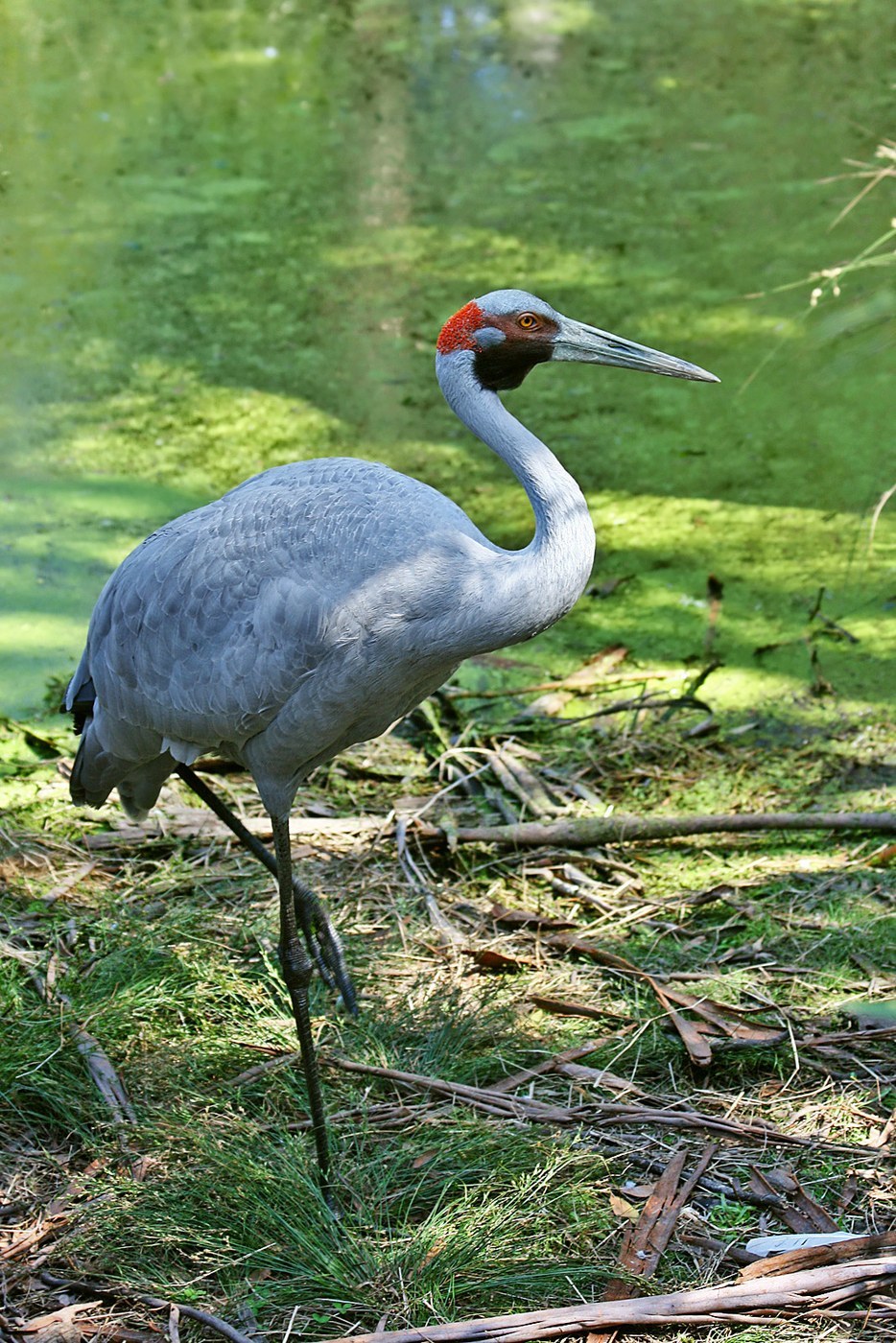
Brolga
Grey contour feathers with drooping bustle plumes
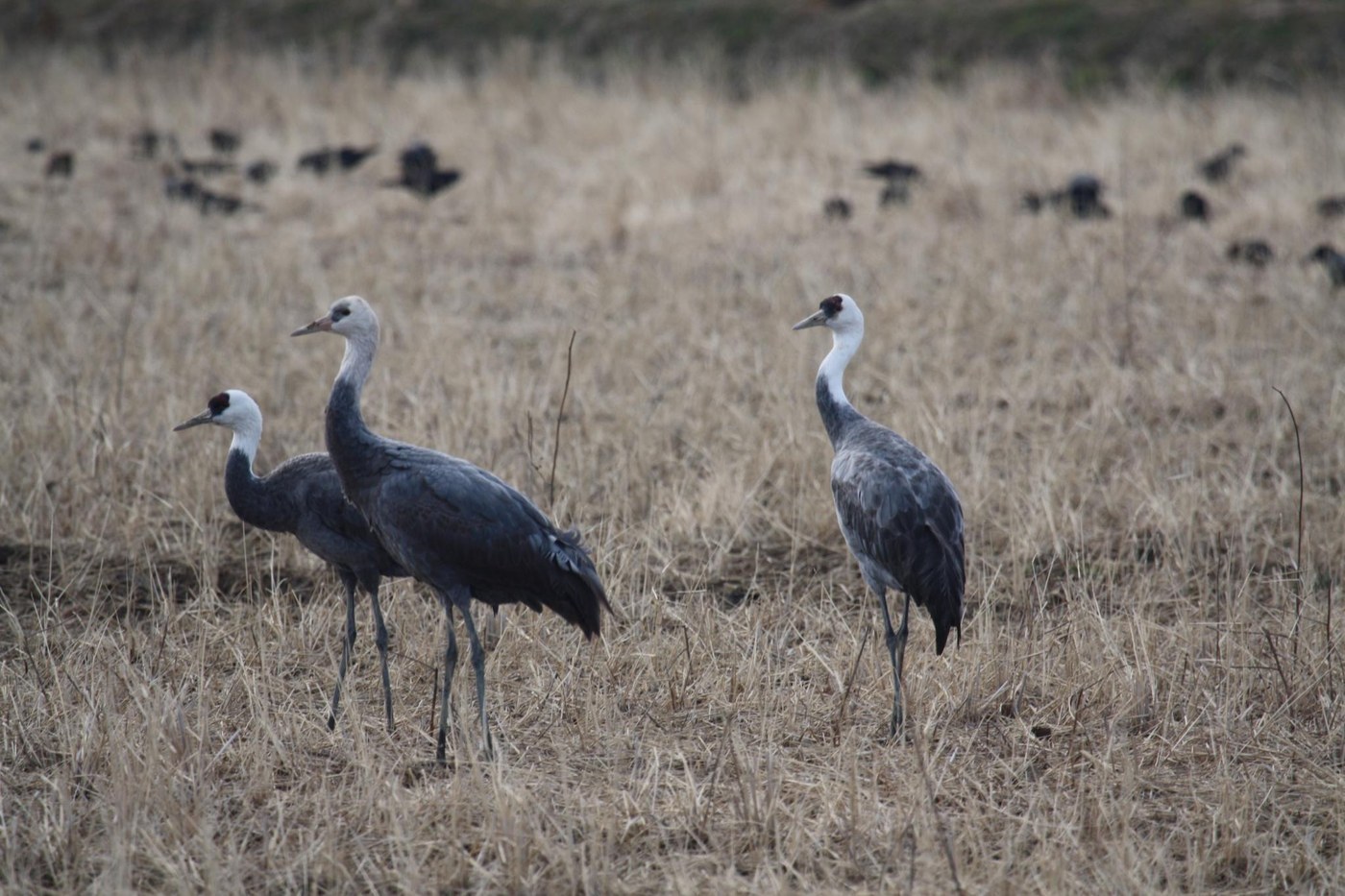
Hooded Crane
Dark slate-grey body feathers with a white head/upper neck 'hood' and black bustle plumes
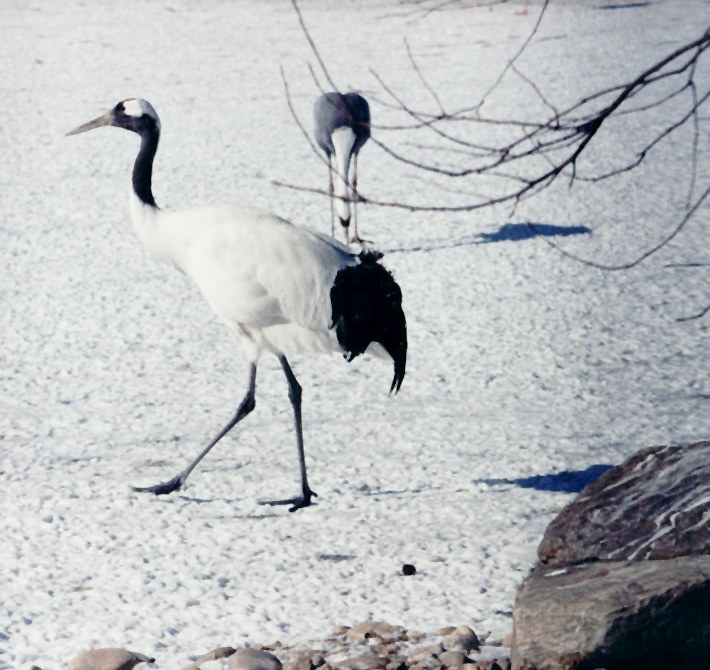
Red-crowned Crane
White contour feathers with black secondary/tertial bustle feathers and a bare red crown

Common Crane
Grey contour feathers with black head/neck feathers and drooping bustle plumes
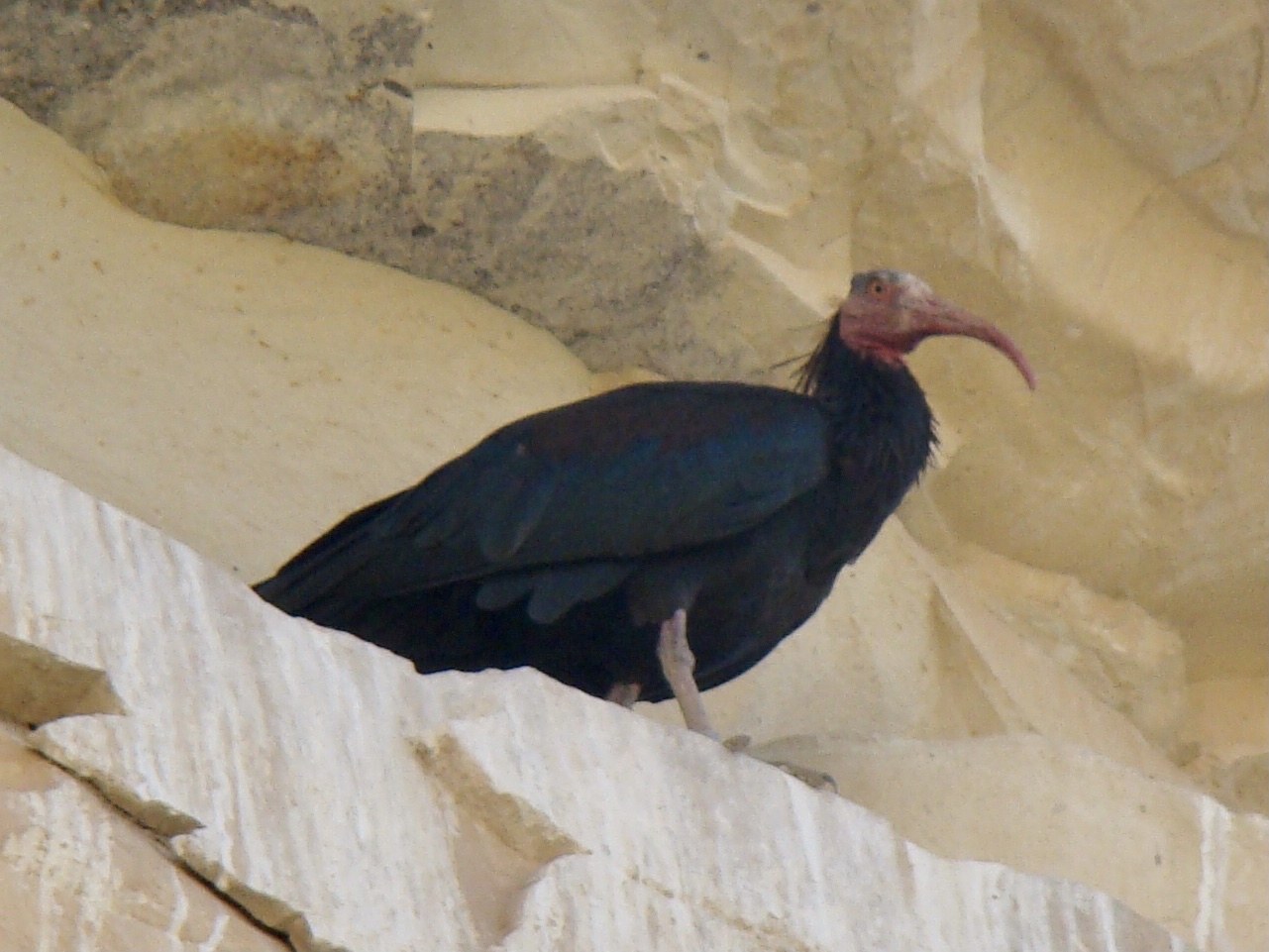
Northern Bald Ibis
Glossy black contour feathers with elongated nape plumes
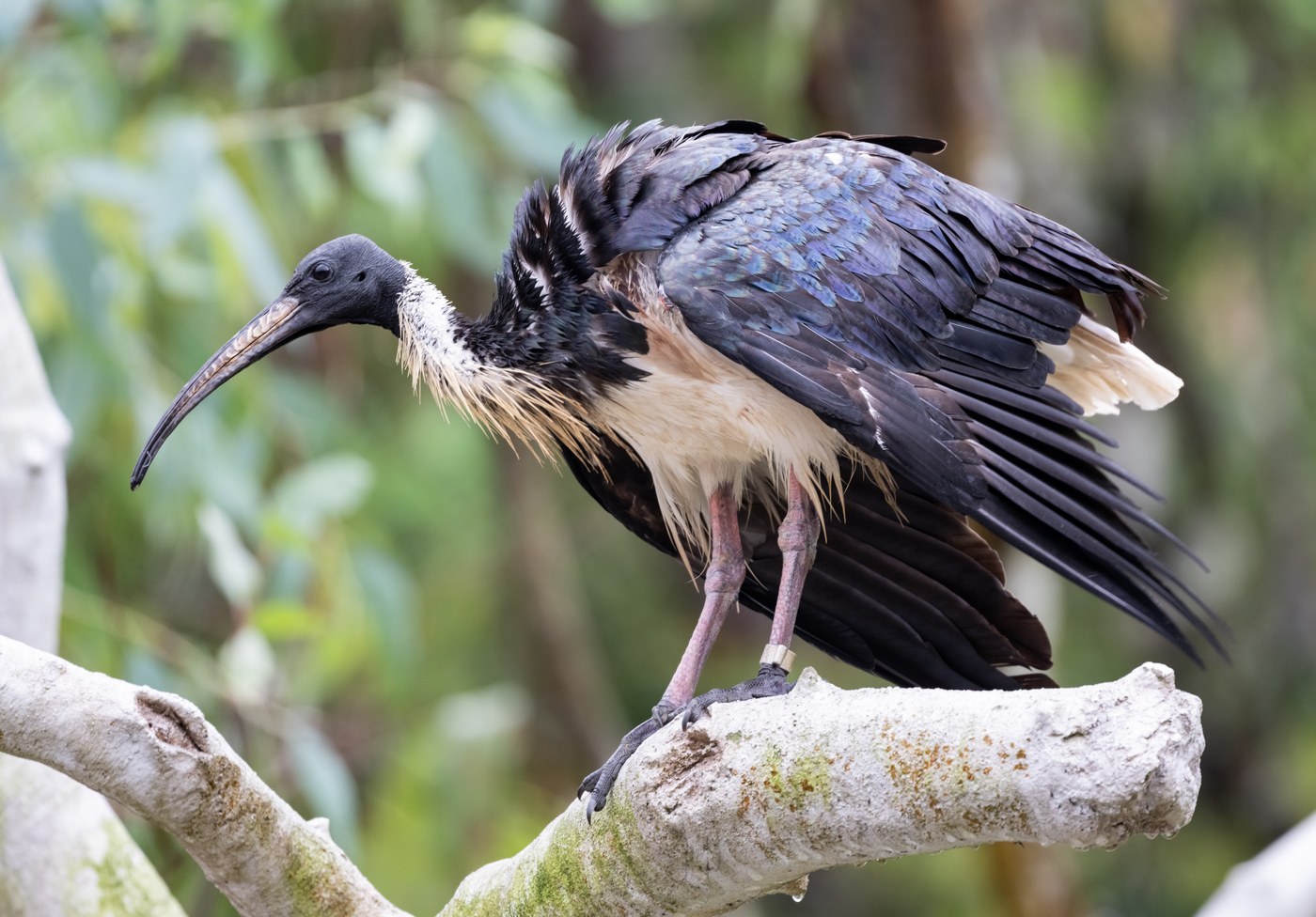
Straw-necked Ibis
Glossy contour feathers with unique straw-like neck plumes
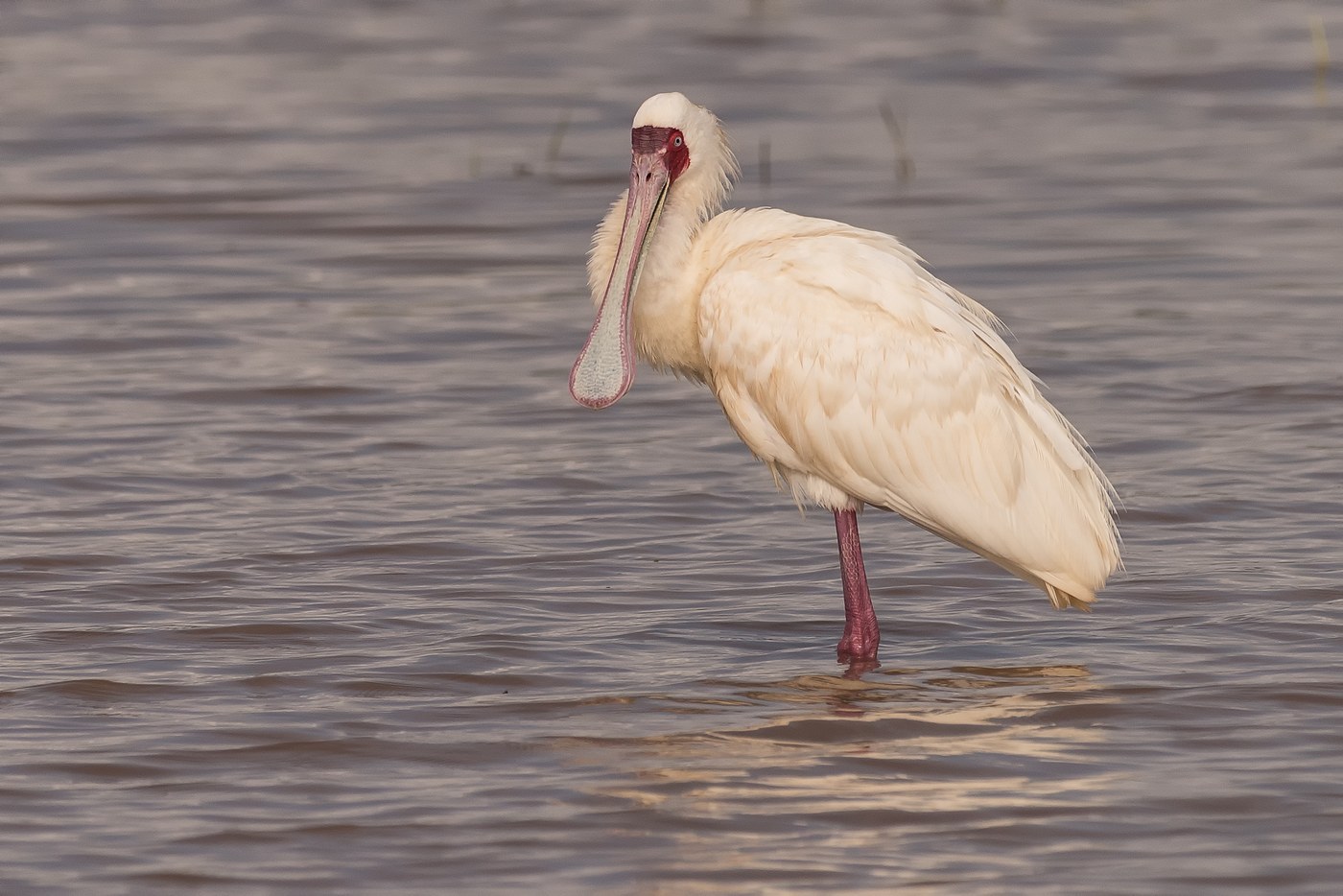
African Spoonbill
White contour and flight feathers, unmarked by black tips

Roseate Spoonbill
Pink and white contour and flight feathers with a carmine shoulder patch