

Gyrfalcon
Falco rusticolus
The largest falcon in the world, a powerful hunter of the high Arctic occurring in white, gray, and dark plumage morphs, all sharing broader wings and greater bulk than any other falcon.
- Feather type
- Large, broad-based pointed wings, long tail
- Colours
- Highly variable white, gray, or dark morphs with barring or spotting
- Bird size
- Largest falcon, ~48-61 cm
Found a feather like this?
Identify any feather from a photo, free.
Overview
The Gyrfalcon is the largest of all falcons, breeding across Arctic and subarctic tundra and coastal cliffs of North America, Greenland, Scandinavia, and Russia. It is well known for its striking plumage variation, ranging from almost pure white to nearly uniform dark gray-brown, all adapted to the harsh, open landscapes of the far north.
Identifying the Feather
Feathers are notably larger and the wing base broader than those of Peregrine Falcon, reflecting the Gyrfalcon's greater bulk and power. The white morph shows mostly white feathers with variable, sparse dark spotting, the gray morph is barred gray-brown throughout, and the dark morph is nearly uniform sooty brown. The facial malar stripe, when present, is fainter and less bold than on Peregrine Falcon, another useful distinguishing feature.
Plumage & Molt
White morph birds are mostly white with variable dark spotting concentrated on the back and wings, gray morph birds are barred gray-brown overall, and dark morph birds are nearly uniform sooty brown, with intermediates also occurring. Juveniles of all morphs tend to be more heavily marked and streaked than adults, becoming cleaner with successive molts. Geographic populations vary in the relative frequency of each morph, with white birds more common in the highest Arctic.
Habitat & Range
Gyrfalcons breed on Arctic and subarctic tundra and coastal cliffs across northern North America, Greenland, Scandinavia, and Russia. Most populations are resident or make only short-distance movements, though some individuals wander farther south during winter, particularly in years of prey scarcity.
Behavior & Field Notes
It hunts ptarmigan and other birds using powerful, direct flight rather than the extreme high-altitude stoop typical of Peregrine Falcon. Nests are built on cliff ledges, often reusing sites used by other raptors in previous years, and the species gives deep, raucous calls near the nest site during the breeding season.
Frequently asked questions
What makes Gyrfalcon the largest falcon?
It has notably larger feathers and a broader wing base than any other falcon species, reflecting its greater overall size and power.
What color morphs does Gyrfalcon show?
White, gray, and dark morphs, ranging from nearly pure white with sparse spotting to uniform sooty brown.
Where does Gyrfalcon breed?
Arctic and subarctic tundra and coastal cliffs across northern North America, Greenland, Scandinavia, and Russia.
What does it typically hunt?
Ptarmigan and other birds, captured in powerful, direct pursuit flight.
Gyrfalcon guides
In-depth guides for identifying and understanding Gyrfalcon.

Other feathers you may enjoy

Australian Hobby
Long, narrow pointed flight feathers; slender tail feathers

California Condor
Massive flight feathers; long broad primaries; large tail feathers

Brown Falcon
Broad, rounded flight feathers; variable-toned contour feathers
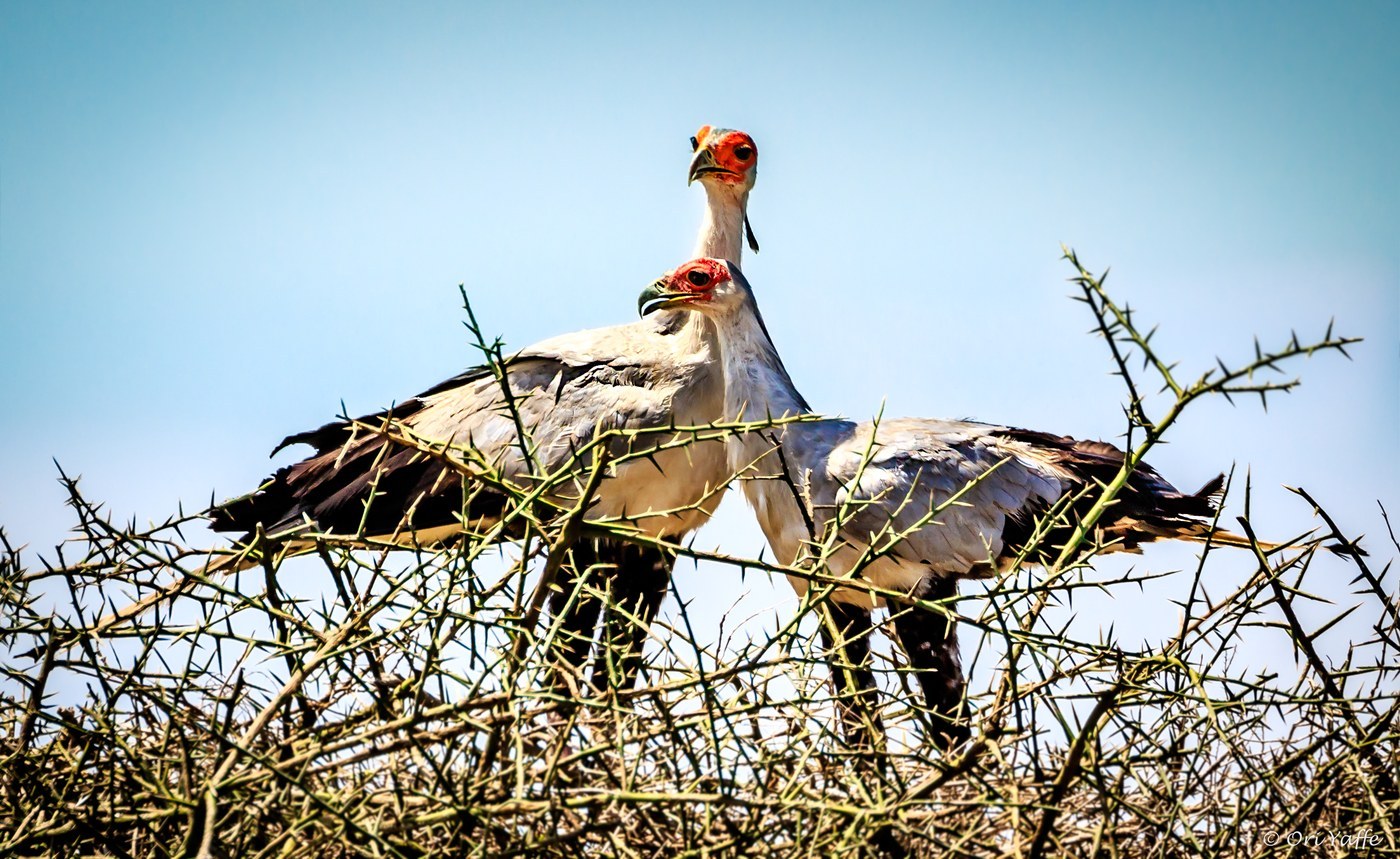
Secretarybird
Long crest feathers; broad flight feathers; elongated central tail feathers

Orange-breasted Falcon
Broad-based pointed flight feathers; bold breast and belly feathers
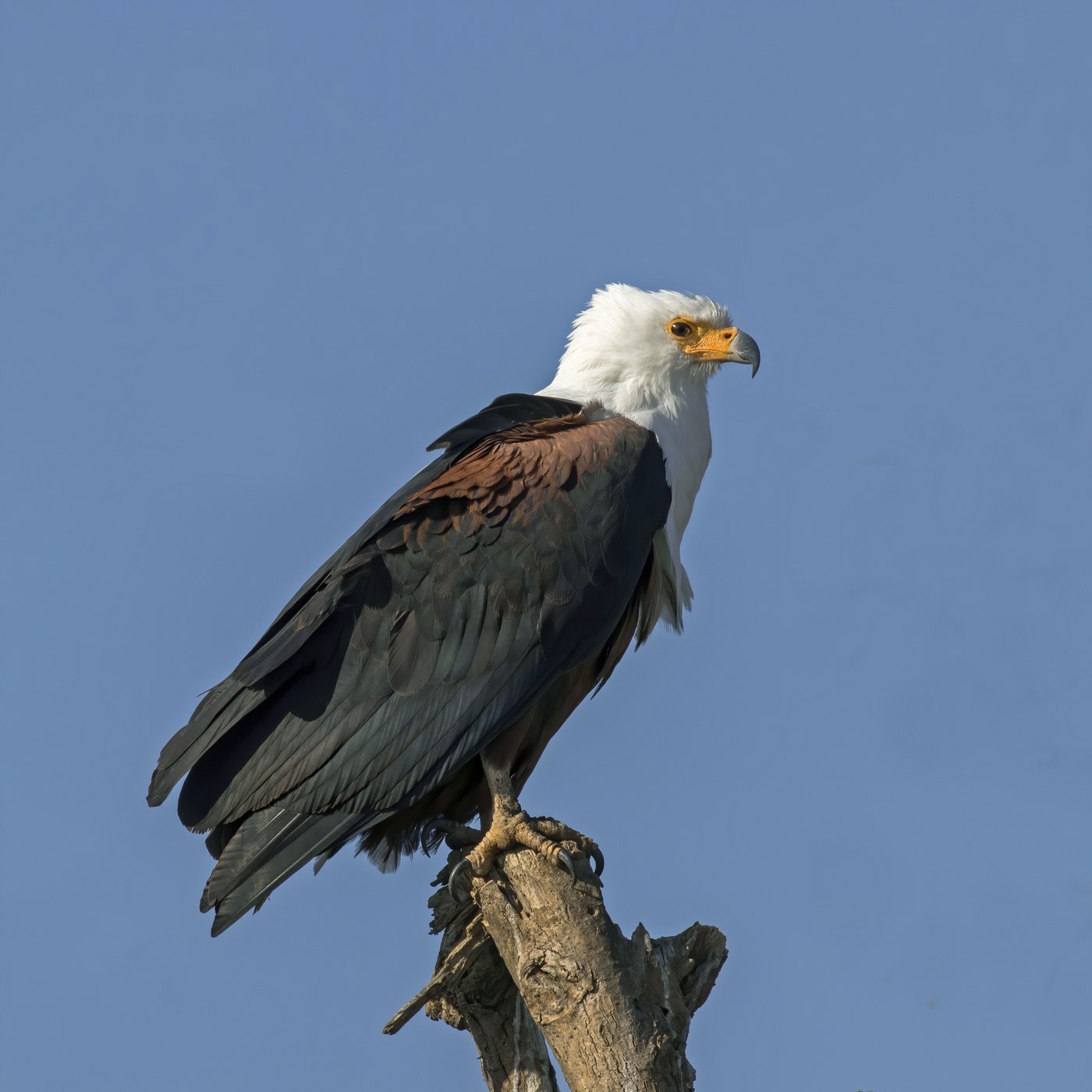
African Fish Eagle
Flight, tail, and body feathers

Amur Falcon
Slender pointed flight feathers; soft slate or orange-buff contour feathers
Red Kite
Flight (wing) and tail feathers
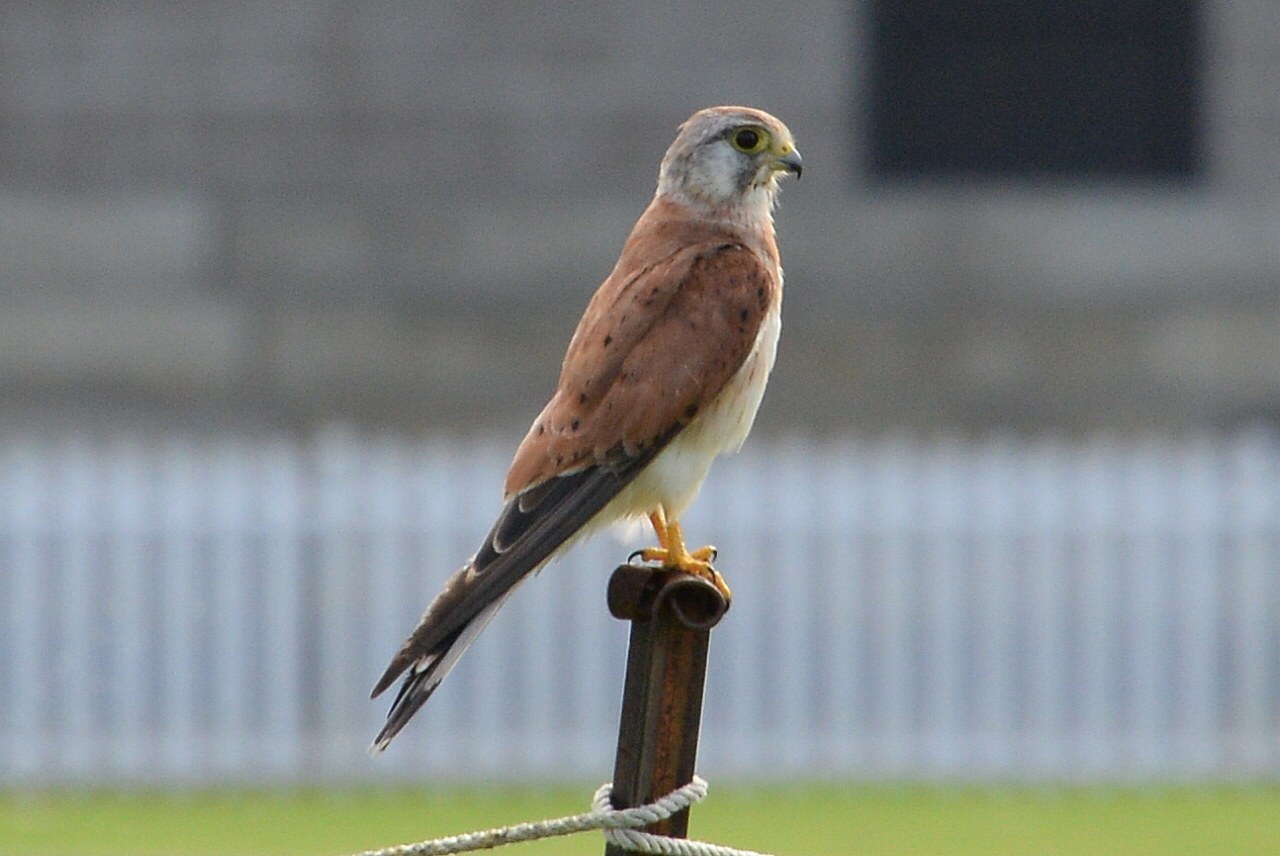
Nankeen Kestrel
Slim pointed flight feathers; lightly marked contour feathers

Andean Condor
Massive flight feathers; broad primaries and secondaries; sturdy tail feathers

Plumbeous Forest Falcon
Short rounded flight feathers; finely barred tail feathers

Sooty Falcon
Long pointed flight feathers; slim tail feathers