

Lappet-faced Vulture
Torgos tracheliotos
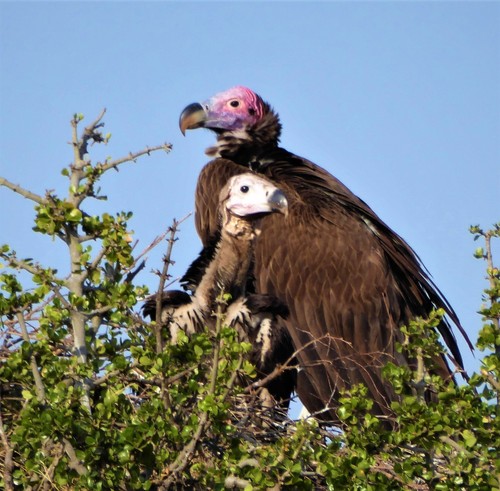
The largest vulture in Africa, with powerful build, mostly dark brown-black plumage, and a patch of contrasting white feathers on the thighs.
- Feather type
- Very broad flight feathers; large tail feathers; sparse fine down on the head and neck
- Colours
- Dark brown to blackish body plumage with contrasting white thigh feathers
- Bird size
- Very large raptor, ~95-115 cm
Found a feather like this?
Identify any feather from a photo, free.
Overview
The Lappet-faced Vulture is the largest and most powerfully built vulture in Africa, also found in parts of the Arabian Peninsula. It is named for the loose folds of skin, or lappets, on the sides of its bare pink head, though this is a skin feature rather than a feather trait.
Its plumage is predominantly dark brown to blackish, offset by a patch of white feathers on the thighs (often called "white trousers"), a useful field mark in an otherwise mostly dark bird.
Due to its size and strength, this species can dominate other vultures at carcasses, and its large dark feathers reflect its substantial size.
Identifying the Feather
Shape and Size
Wings and flight feathers are very broad and powerful, among the largest of any African vulture; the tail is fairly long and wedge-shaped.
Color and Pattern
- Body and most covert feathers: dark brown to blackish
- Thigh feathers: white, forming a contrasting patch ("white trousers")
- Flight feathers: dark brown to black
- Tail feathers: dark brown
- Shafts: dark
Distinguishing from Similar Species
The white thigh-feather patch against an otherwise dark brown-black body is a useful clue separating this species from the similarly dark Cinereous Vulture, which lacks this white thigh patch, and from the paler Griffon or White-backed Vultures.
Plumage & Molt
Adults are dark brown to blackish overall with white thigh feathers; sexes look alike. Juveniles are similarly dark but may show less distinct white thigh feathering, developing the clean white patch with maturity.
Molt is slow and gradual, consistent with the species' large size and long feather-growth period.
Habitat & Range
Found across sub-Saharan African savanna, semi-desert, and dry woodland, with a smaller population in the Arabian Peninsula.
Most populations are resident, though individuals can range over large territories while foraging.
Behavior & Field Notes
A dominant scavenger at carcasses due to its large size and powerful bill, capable of tearing into tough skin and tendons that smaller vultures cannot access; also takes some live prey opportunistically.
Nests in large stick platforms in flat-topped acacia or similar trees, usually as solitary pairs rather than in colonies. Vocalizations include hisses and grunts.
A large dark brown-black feather paired with white thigh feathers, found in African or Arabian savanna and semi-desert, indicates this species.
Frequently asked questions
What is the best feather clue for identifying this species?
White feathers from the thigh area ("white trousers") contrasting with an otherwise dark brown-black body are the most distinctive clue.
Is this the largest vulture in Africa?
Yes, it is generally considered the largest and most powerfully built vulture on the African continent.
Does this species nest in colonies?
No, unlike many Gyps vultures, it typically nests as solitary pairs in large stick nests built in flat-topped trees.
Where outside Africa is this species found?
A smaller population occurs in parts of the Arabian Peninsula, in similar dry, open habitat.
Lappet-faced Vulture guides
In-depth guides for identifying and understanding Lappet-faced Vulture.
Other feathers you may enjoy

Australian Hobby
Long, narrow pointed flight feathers; slender tail feathers

California Condor
Massive flight feathers; long broad primaries; large tail feathers

Brown Falcon
Broad, rounded flight feathers; variable-toned contour feathers
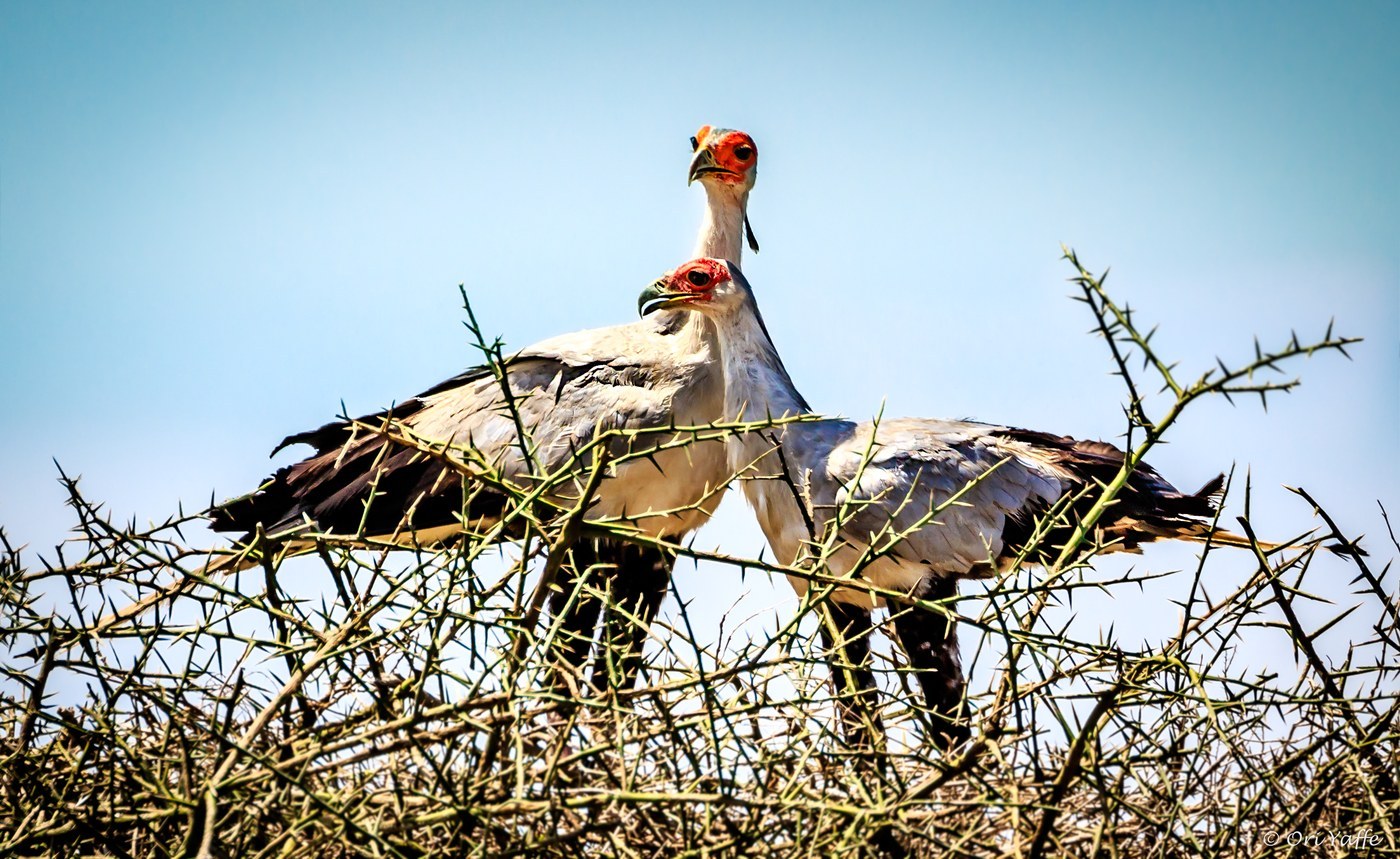
Secretarybird
Long crest feathers; broad flight feathers; elongated central tail feathers

Orange-breasted Falcon
Broad-based pointed flight feathers; bold breast and belly feathers
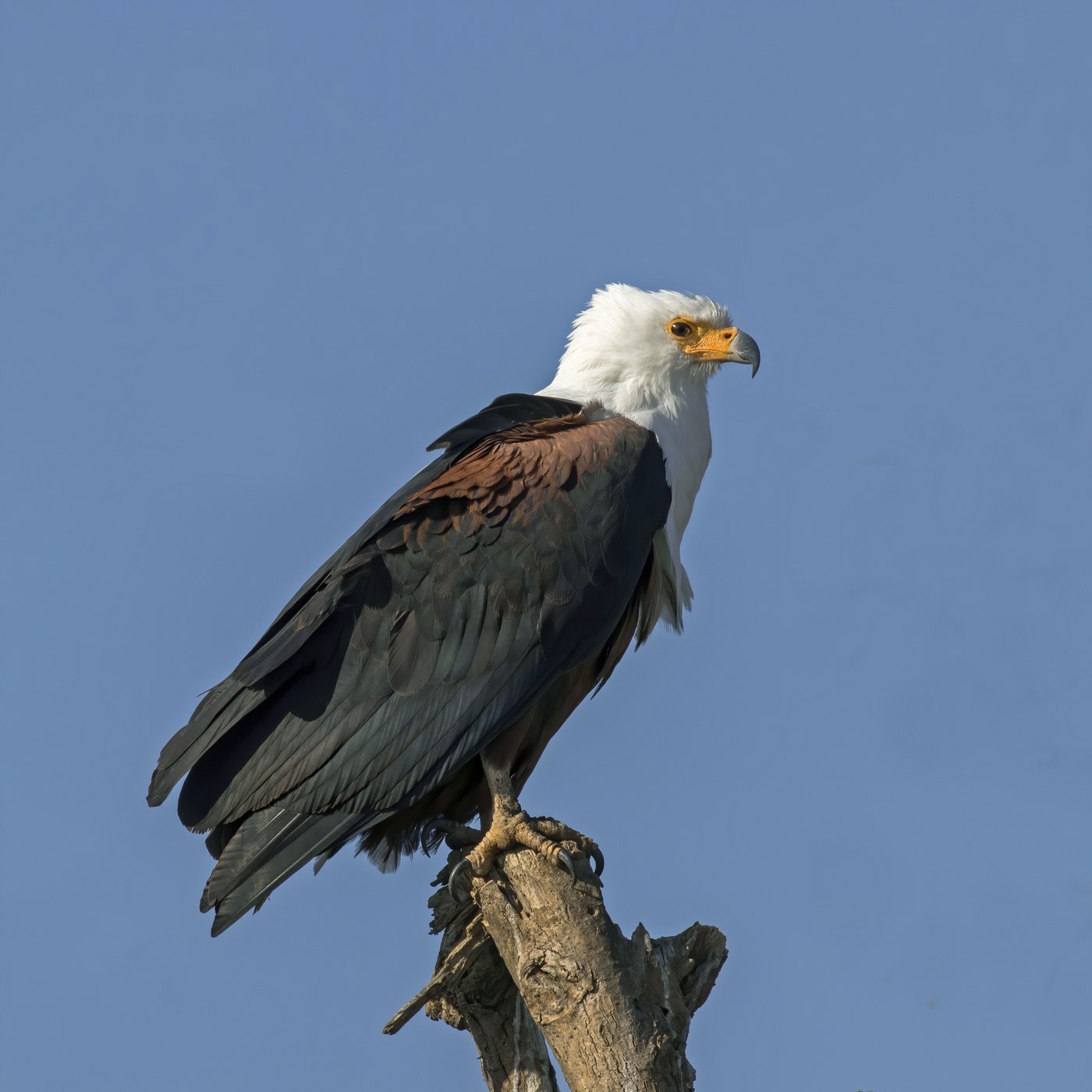
African Fish Eagle
Flight, tail, and body feathers

Amur Falcon
Slender pointed flight feathers; soft slate or orange-buff contour feathers
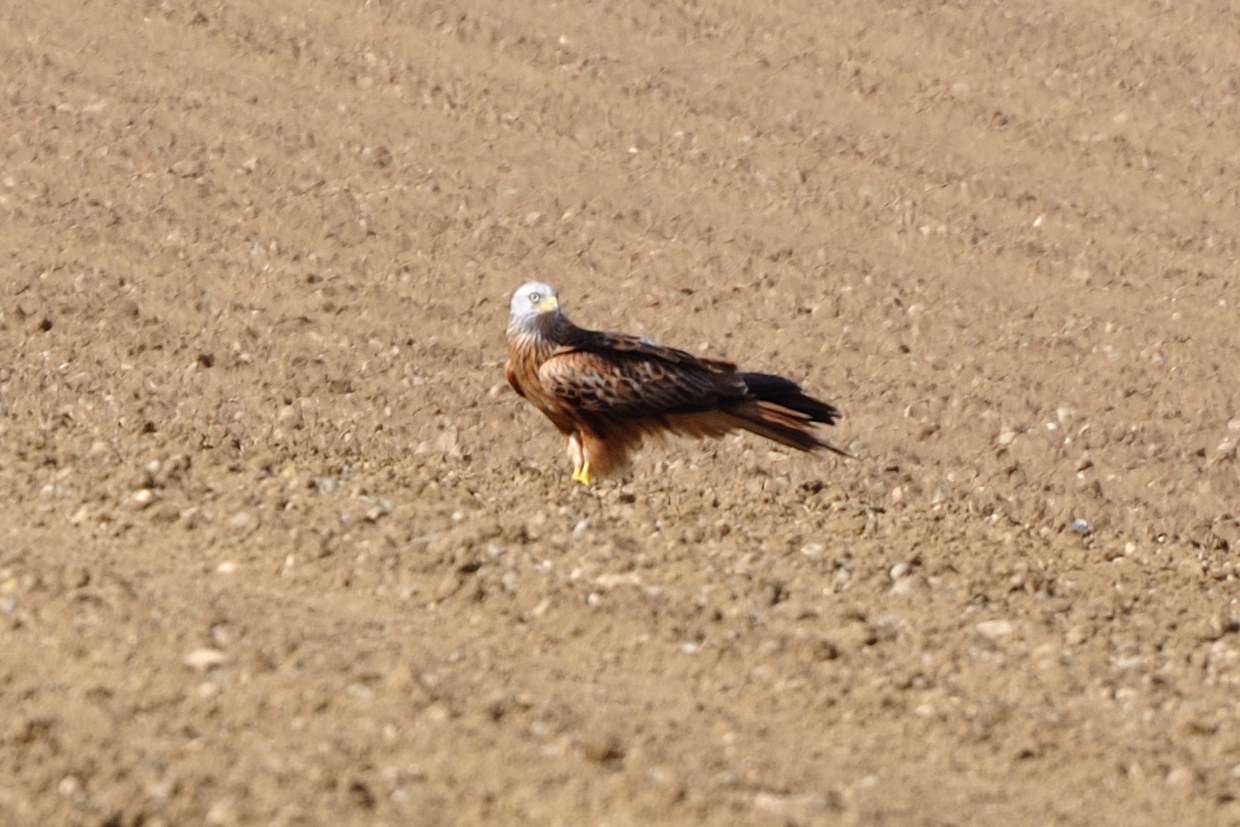
Red Kite
Flight (wing) and tail feathers
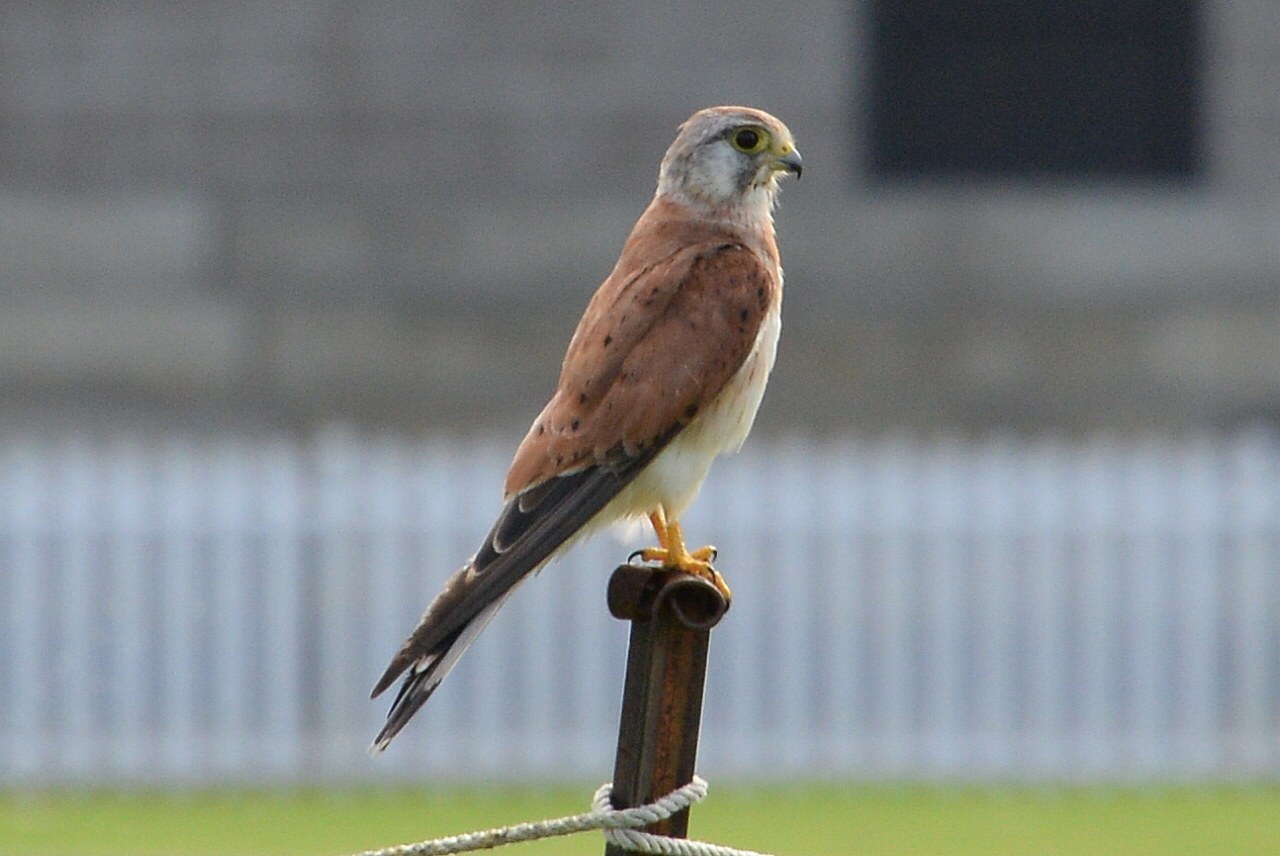
Nankeen Kestrel
Slim pointed flight feathers; lightly marked contour feathers

Andean Condor
Massive flight feathers; broad primaries and secondaries; sturdy tail feathers

Plumbeous Forest Falcon
Short rounded flight feathers; finely barred tail feathers

Sooty Falcon
Long pointed flight feathers; slim tail feathers