
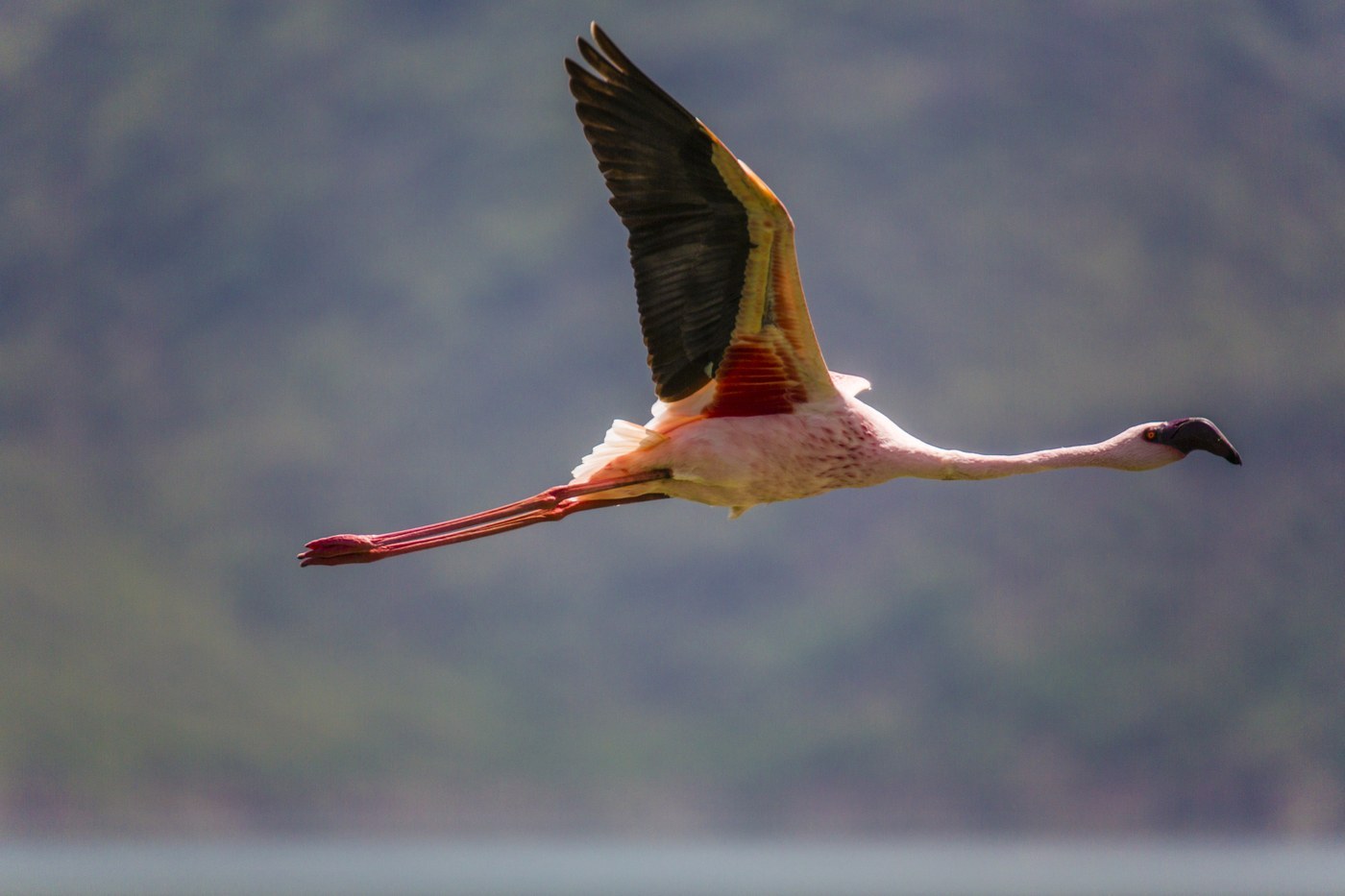
Lesser Flamingo
Phoeniconaias minor
The smallest flamingo species, often showing the most vividly saturated pink plumage of any flamingo.
- Feather type
- Long body plumes and black flight feathers
- Colours
- Deep pink body, most vivid among flamingos
- Bird size
- Small for a flamingo, ~80-90 cm
Found a feather like this?
Identify any feather from a photo, free.
Overview
Overview
The Lesser Flamingo is the smallest of the flamingo species, yet it often shows some of the deepest, most vivid pink coloring of the group. It forms some of the largest flamingo congregations in the world at African soda lakes.
- Smallest flamingo species by size
- Frequently forms enormous flocks numbering in the hundreds of thousands
- Deep pink coloring despite its smaller stature
Identifying the Feather
Feather Identification
Lesser Flamingo feathers are notable for their deep, saturated pink tone despite the bird's smaller overall size.
- Body feathers: deep pink, often rivaling or exceeding the saturation seen in the American Flamingo
- Flight feathers: black, contrasting with the pink body when wings are spread
- Covert feathers: strongly pink to reddish, adding to the overall vivid impression
- Feather size: proportionally smaller than those of larger flamingo species, consistent with its more compact body
- Compared to similar species: despite its smaller size, feather color alone can resemble that of the American Flamingo, so overall body size and bill proportions are useful alongside feather tone for confirming this species
Plumage & Molt
Plumage Notes
Sexes look alike, with coloring influenced by diet rather than sex. Juveniles are pale grey-brown at first, gaining pink tones gradually with age.
- No plumage-based sexual dimorphism
- Juvenile plumage lacks pink initially, developing over successive molts
- Molt is gradual, without an abrupt seasonal color change
Habitat & Range
Habitat & Range
Found across parts of Africa and extending into northwestern India, favoring highly alkaline soda lakes and coastal lagoons.
- Strongly associated with alkaline and saline lake systems, particularly in the East African Rift Valley
- Nomadic in response to water chemistry and food availability rather than following a fixed migration
- Forms some of the largest flamingo gatherings recorded anywhere
Behavior & Field Notes
Behavior & Field Notes
Lesser Flamingos are highly social and can form extraordinarily large flocks, particularly at productive soda lakes.
- Diet: primarily algae filtered from alkaline water using a specialized bill suited to fine filtering
- Nesting: builds raised mud mound nests in dense colonies, sometimes numbering in the tens of thousands
- Voice: honking and murmuring calls, especially audible from large flocks
- Field notes: the sheer density of birds at major colony sites, combined with their vivid pink coloring, produces one of the most visually dramatic flamingo spectacles anywhere in the world
Frequently asked questions
Is the Lesser Flamingo the smallest flamingo species?
Yes, it is the smallest of all flamingo species by body size.
Why are Lesser Flamingo feathers so vividly pink despite its small size?
Its diet of algae from alkaline lakes provides pigments that produce some of the deepest pink coloring of any flamingo species, regardless of its smaller stature.
Where does the Lesser Flamingo live?
It is found across parts of Africa, especially the East African Rift Valley soda lakes, and extends into northwestern India.
Does the Lesser Flamingo form large flocks?
Yes, it is known for forming some of the largest flamingo congregations in the world, sometimes numbering in the hundreds of thousands.
Lesser Flamingo guides
In-depth guides for identifying and understanding Lesser Flamingo.
Other feathers you may enjoy

Yellow-billed Spoonbill
White contour and flight feathers with fine breeding plumes on the back and breast
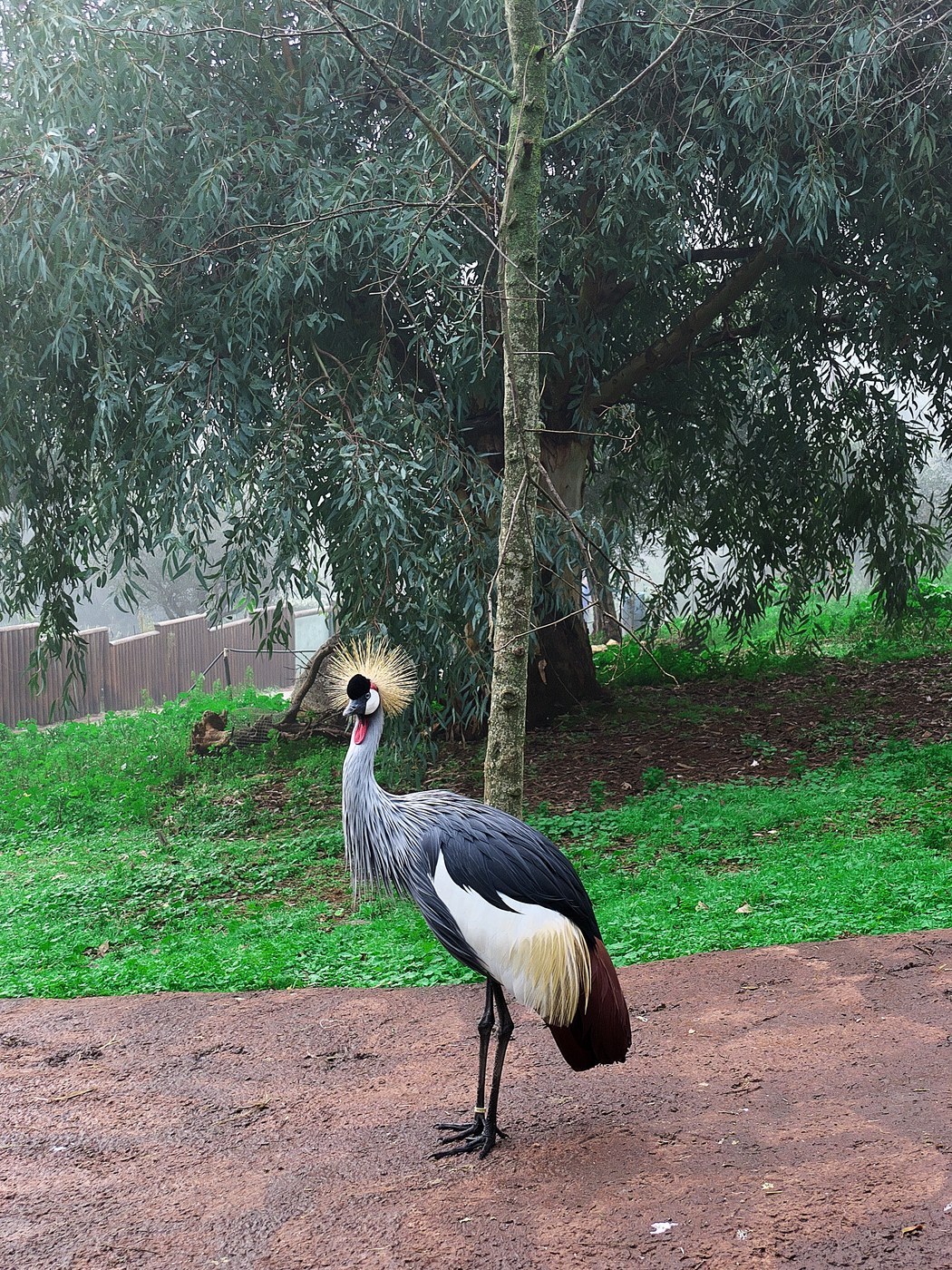
Grey Crowned Crane
Grey body feathers with white wing coverts, chestnut flight feathers, and stiff golden crown bristles
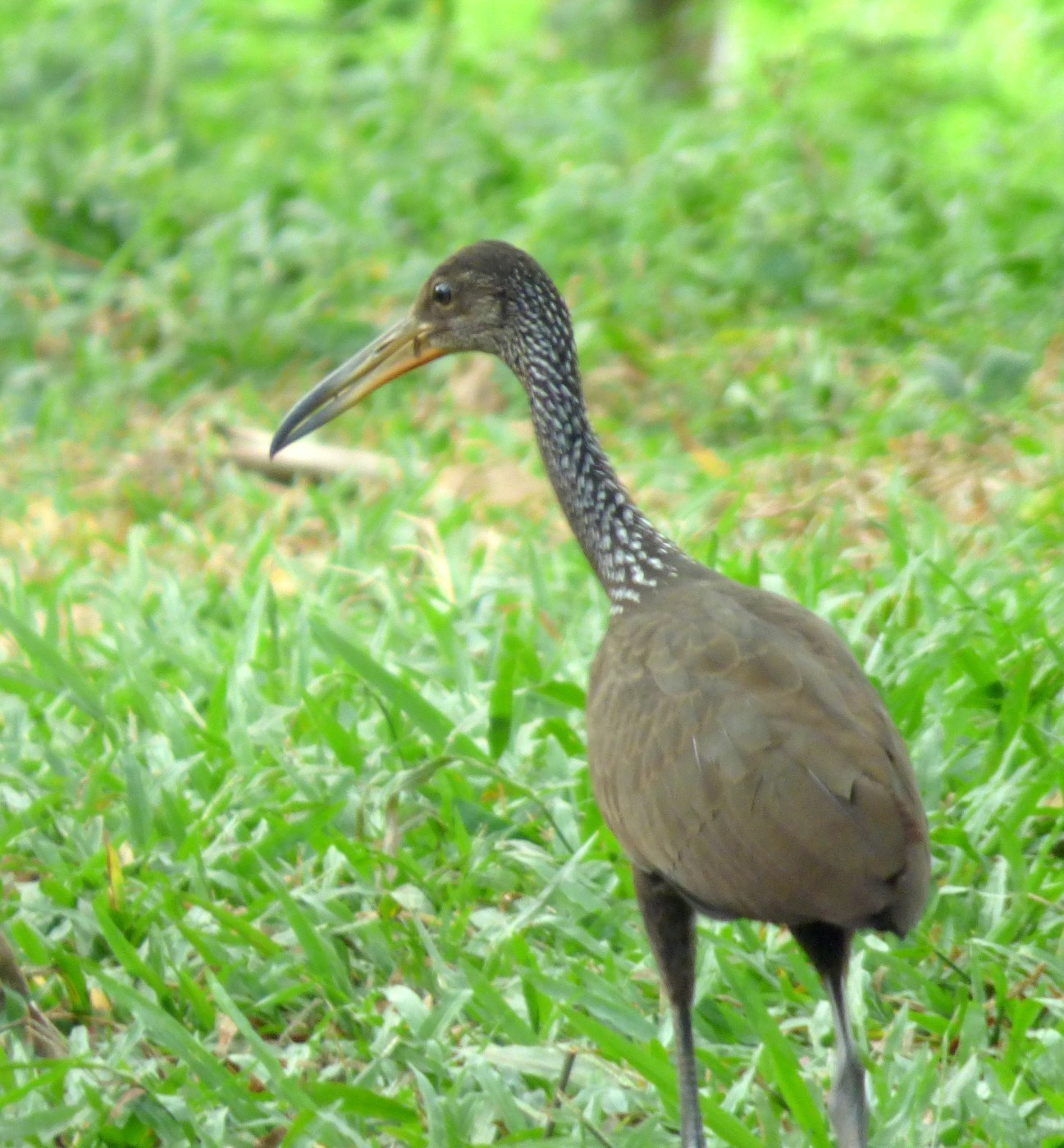
Limpkin
Brown contour feathers with white teardrop-shaped spots and streaks
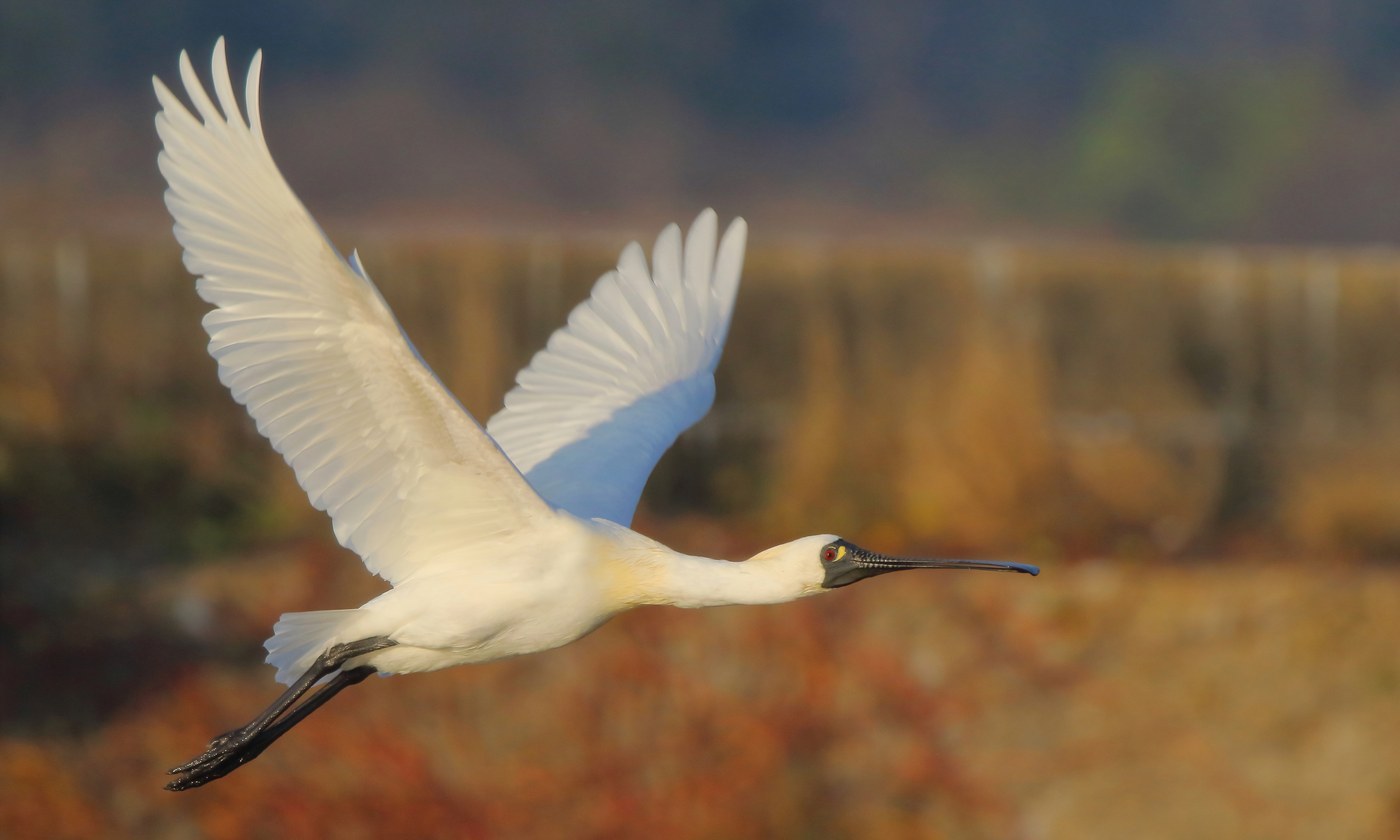
Black-faced Spoonbill
White contour and flight feathers with fine breeding crest and breast plumes
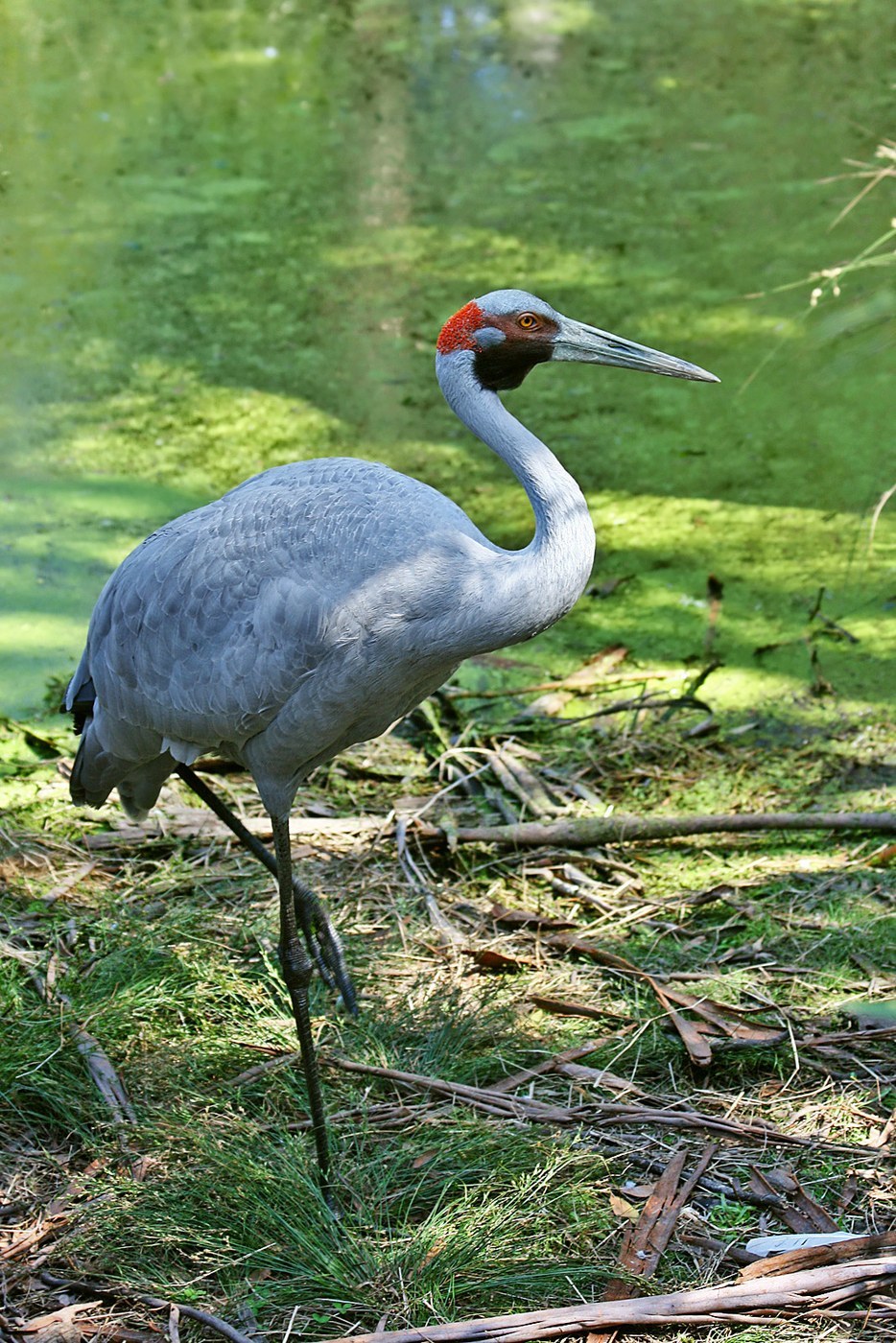
Brolga
Grey contour feathers with drooping bustle plumes
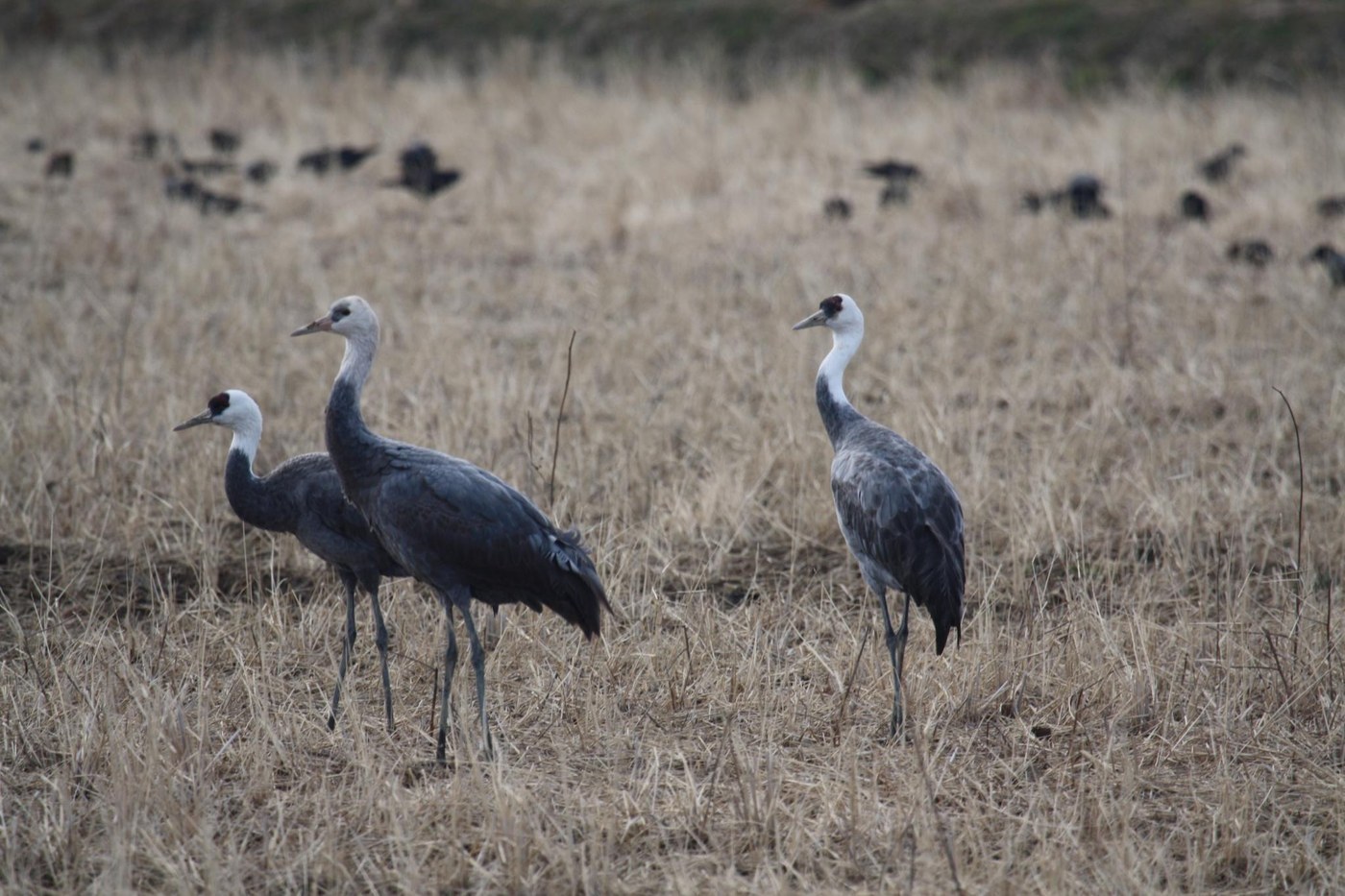
Hooded Crane
Dark slate-grey body feathers with a white head/upper neck 'hood' and black bustle plumes
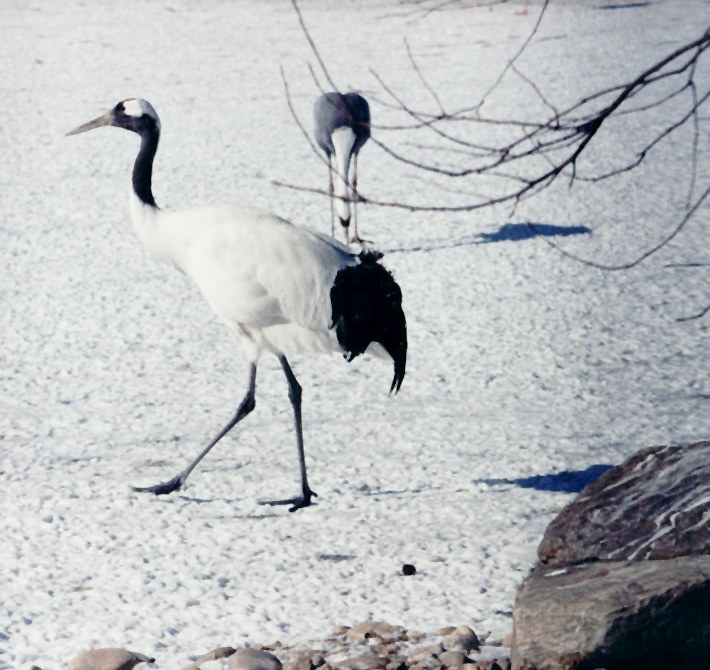
Red-crowned Crane
White contour feathers with black secondary/tertial bustle feathers and a bare red crown

Common Crane
Grey contour feathers with black head/neck feathers and drooping bustle plumes
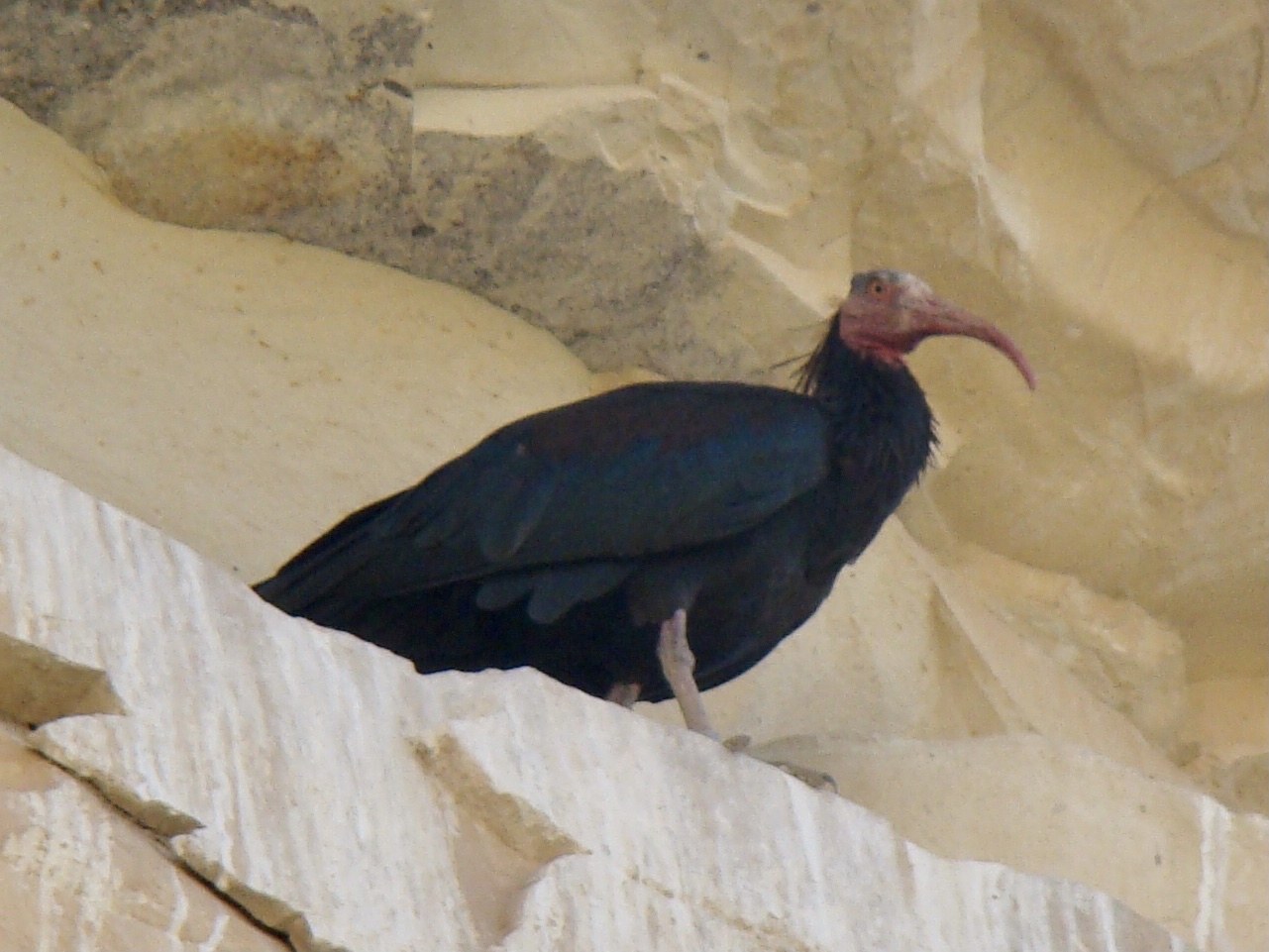
Northern Bald Ibis
Glossy black contour feathers with elongated nape plumes
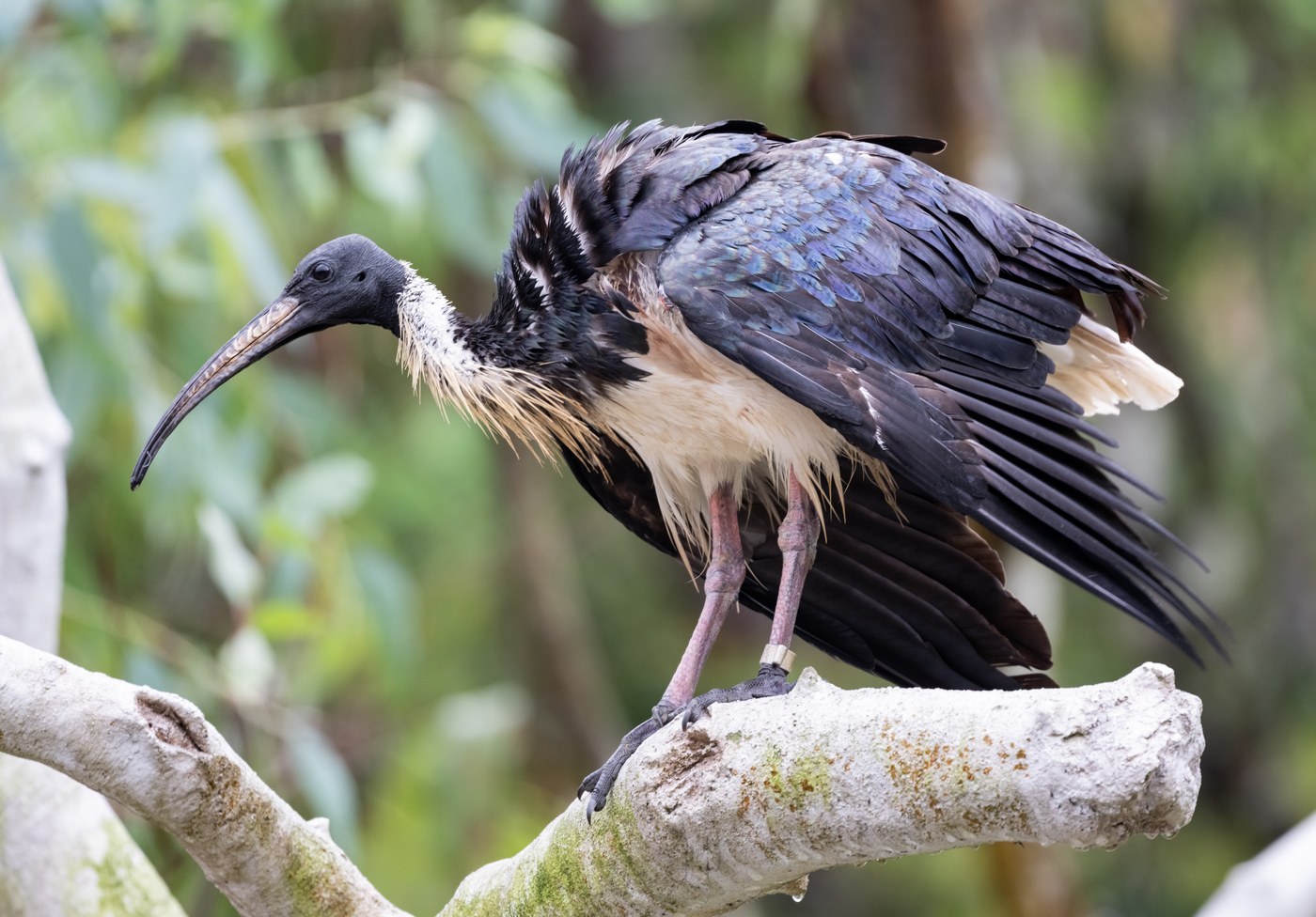
Straw-necked Ibis
Glossy contour feathers with unique straw-like neck plumes
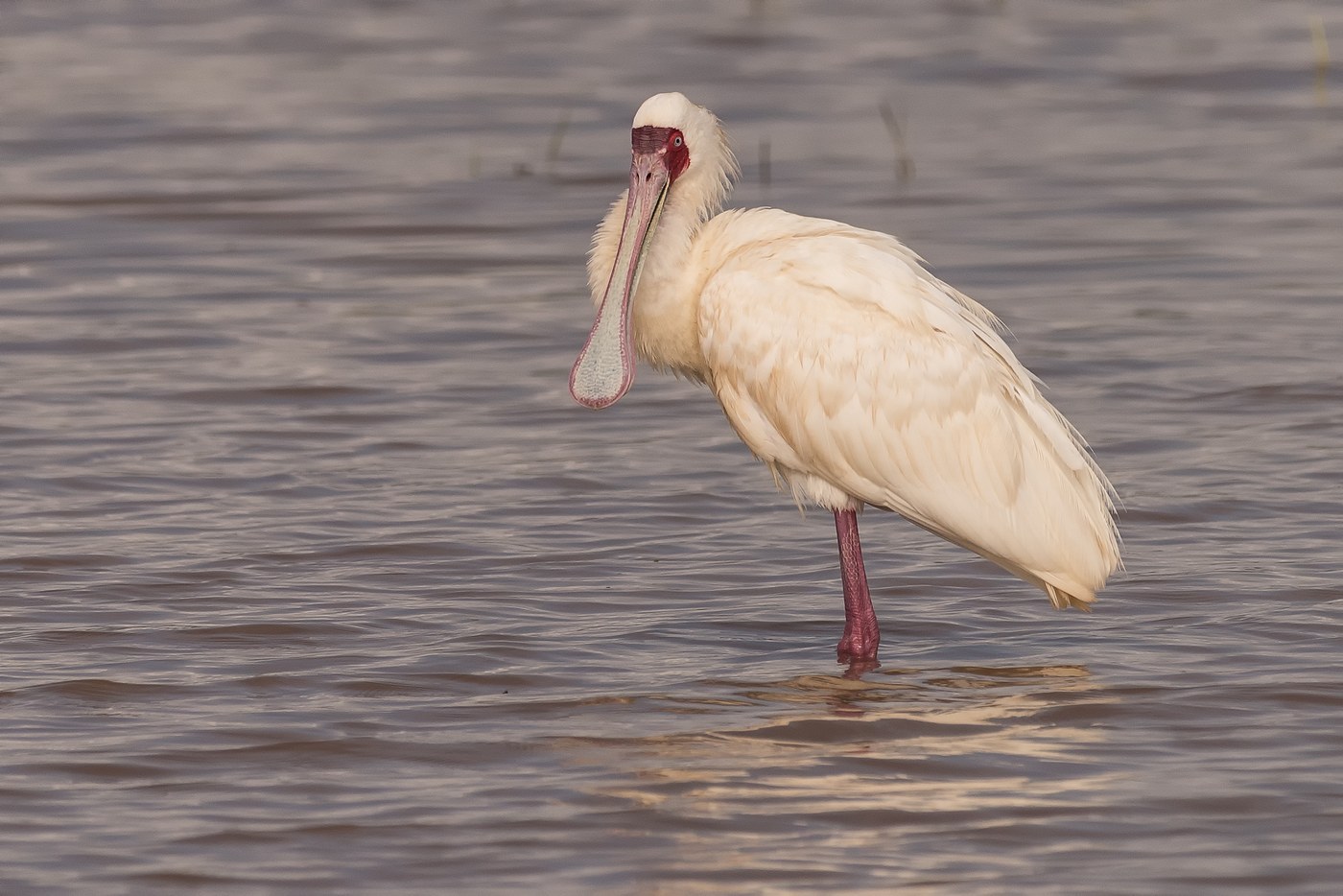
African Spoonbill
White contour and flight feathers, unmarked by black tips

Roseate Spoonbill
Pink and white contour and flight feathers with a carmine shoulder patch