

Lined Forest Falcon
Micrastur gilvicollis
A small, shy Amazonian forest-falcon closely resembling the Barred Forest Falcon but with much finer, more closely-spaced barring on its underside feathers.
- Feather type
- Short rounded flight feathers; barred tail feathers with fine banding
- Colours
- Grey above, finely fine-lined grey-and-white barring below
- Bird size
- Pigeon-sized, ~30-33 cm
Found a feather like this?
Identify any feather from a photo, free.
Overview
The Lined Forest Falcon is restricted to the Amazon basin, where it lives almost entirely within the shaded interior of mature rainforest. It was long confused with the Barred Forest Falcon before careful study of voice and plumage separated the two.
It is slightly smaller and shorter-tailed than its relative, with underparts marked by very fine, densely packed dark barring that can look almost lined rather than banded at a glance - the source of its common name.
Like other forest-falcons it is far more often heard than seen, giving evenly spaced calls from a concealed perch.
Identifying the Feather
Recognizing the feathers
- Body feathers below show very fine, closely spaced grey barring on a white to pale grey ground - narrower and tighter than the barring of the Barred Forest Falcon.
- Flight feathers are short and rounded, typical of the forest-falcon group, suited to quick bursts through cluttered vegetation.
- Tail feathers carry multiple narrow dark bands separated by paler grey bands, appearing more numerous and thinner than on Barred Forest Falcon.
- Upperside feathers are plain slate-grey with little pattern.
Similar species
- Distinguishing this species from Barred and Cryptic Forest-Falcons by feather alone is genuinely difficult; barring density (finer here) and overall smaller size are the best visual clues.
Plumage & Molt
Plumage
Adults are slate-grey above with a whitish throat and finely, densely barred grey-and-white underparts. Bare facial skin and legs are yellow-orange.
Juveniles show a browner tone above and more diffuse barring below, similar to juveniles of related forest-falcons.
Molt occurs gradually through the year in this non-migratory tropical species, without a sharply defined molt season.
Habitat & Range
Habitat & range
Endemic to the Amazon basin in lowland terra firme and várzea forest, favoring the dim, humid interior beneath a closed canopy.
It is a non-migratory resident throughout its Amazonian range.
Behavior & Field Notes
Behavior & field notes
An ambush hunter of small vertebrates and large insects, watching from low perches inside the forest and dashing after prey in short chases.
Vocal activity, a steady rhythmic call, peaks at dawn and dusk and is the main way observers confirm its presence.
A finely barred grey body feather recovered on the Amazonian forest floor, alongside a short rounded flight feather, is consistent with this or a closely related forest-falcon.
Frequently asked questions
How is this different from the Barred Forest Falcon in feather terms?
Its underside barring is finer and more closely spaced, and the bird itself is a touch smaller overall.
Where would I find this feather?
Only within the Amazon basin's lowland rainforest, since the species does not occur outside that region.
Are the flight feathers built for speed?
No - they are short and rounded, favoring agility in tight forest spaces over fast open flight.
Do juveniles look different?
Yes, juveniles are browner above with softer, less crisp barring below than adults.
Lined Forest Falcon guides
In-depth guides for identifying and understanding Lined Forest Falcon.

Other feathers you may enjoy

Australian Hobby
Long, narrow pointed flight feathers; slender tail feathers

California Condor
Massive flight feathers; long broad primaries; large tail feathers

Brown Falcon
Broad, rounded flight feathers; variable-toned contour feathers
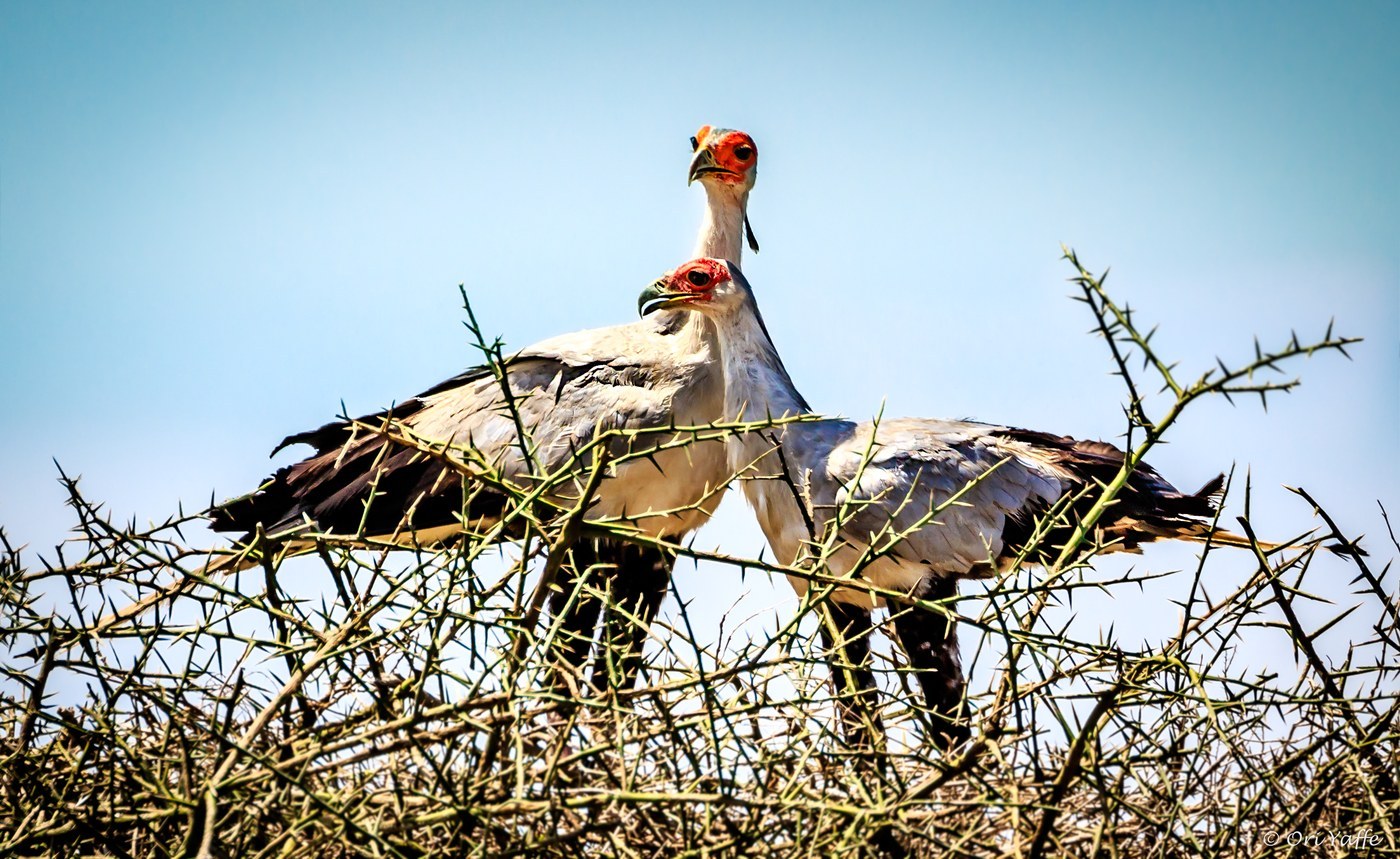
Secretarybird
Long crest feathers; broad flight feathers; elongated central tail feathers

Orange-breasted Falcon
Broad-based pointed flight feathers; bold breast and belly feathers
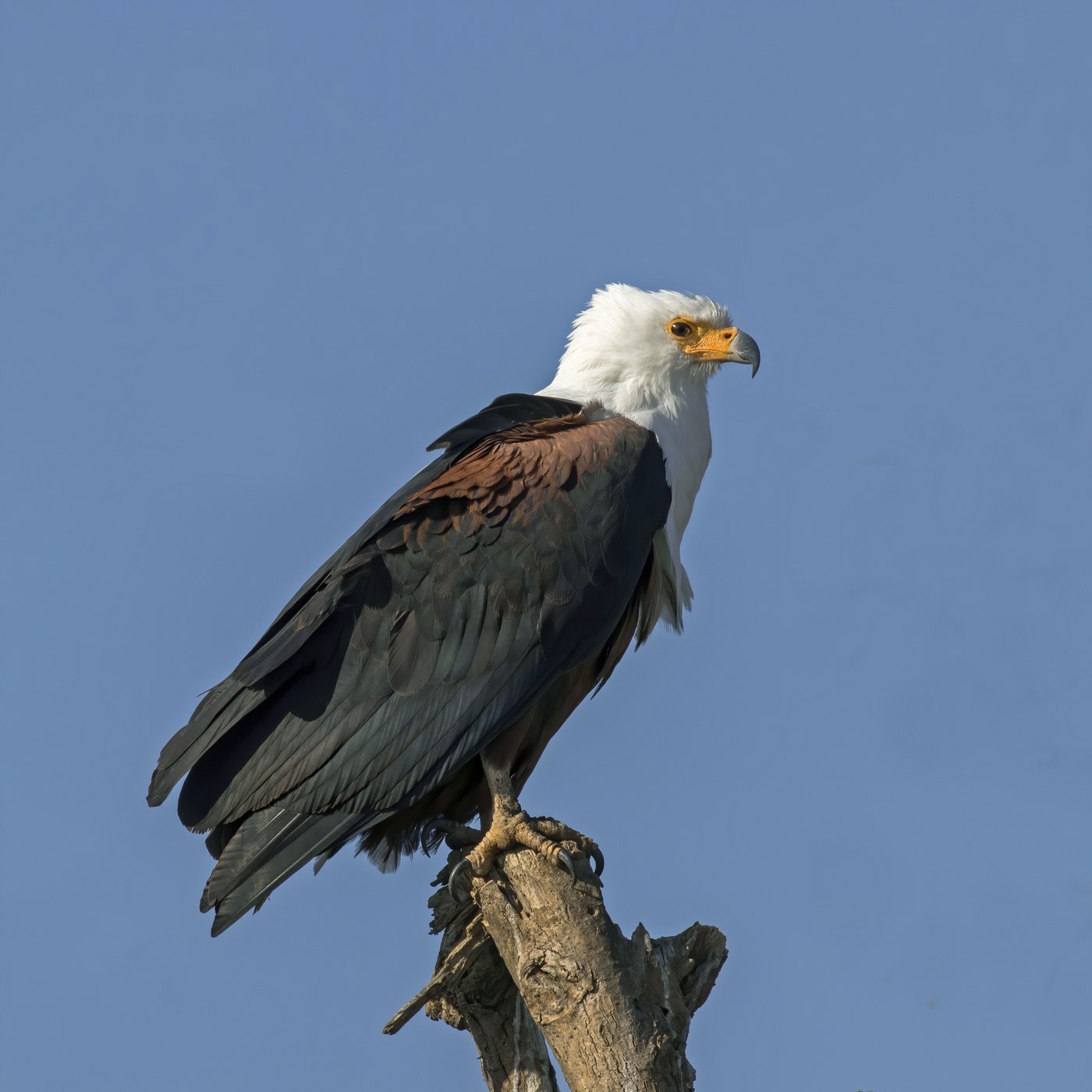
African Fish Eagle
Flight, tail, and body feathers

Amur Falcon
Slender pointed flight feathers; soft slate or orange-buff contour feathers
Red Kite
Flight (wing) and tail feathers
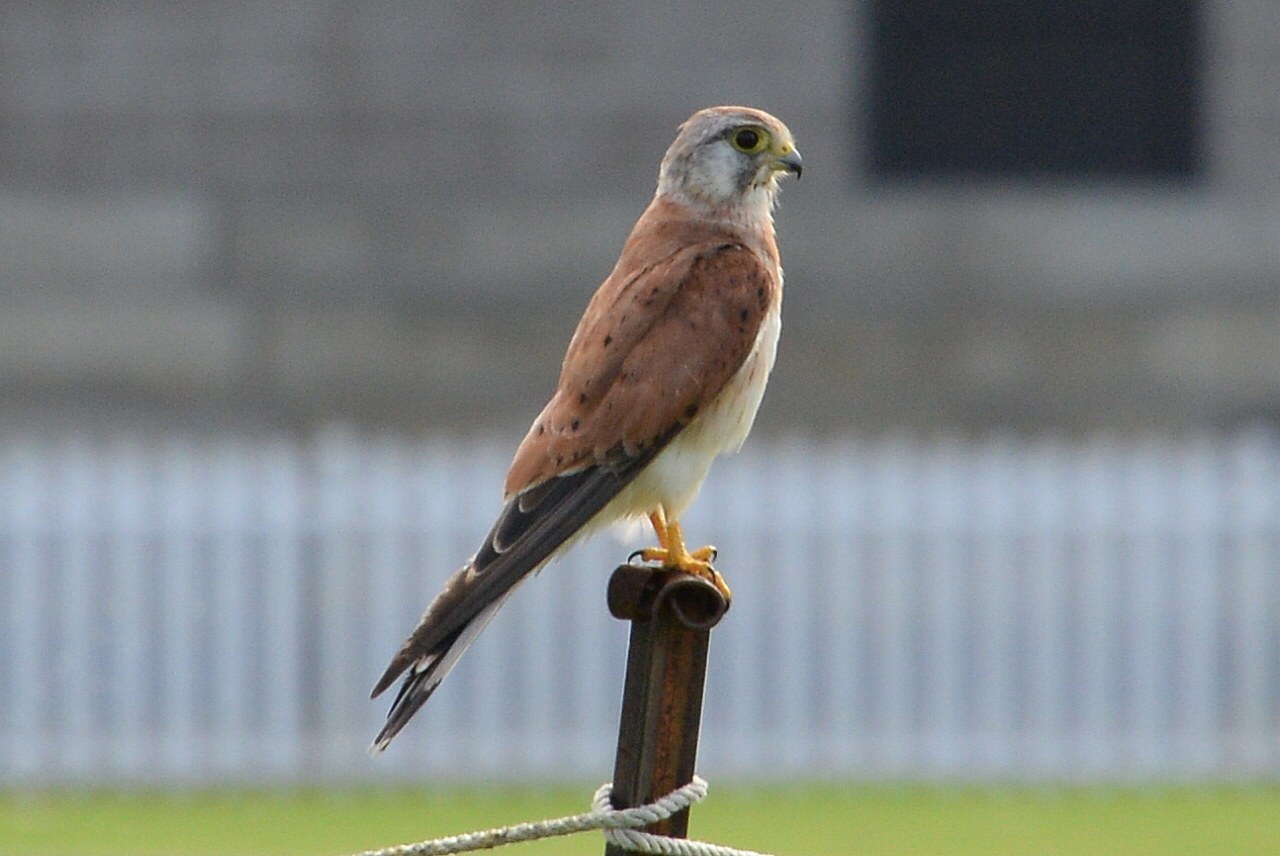
Nankeen Kestrel
Slim pointed flight feathers; lightly marked contour feathers

Andean Condor
Massive flight feathers; broad primaries and secondaries; sturdy tail feathers

Plumbeous Forest Falcon
Short rounded flight feathers; finely barred tail feathers

Sooty Falcon
Long pointed flight feathers; slim tail feathers