

Little Blue Heron
Egretta caerulea
A heron with a striking life-history twist: pure white as a juvenile, then molting into a deep slate-purple plumage as an adult.
- Feather type
- Soft, uniformly colored contour feathers; white in immatures
- Colours
- Slate blue-purple in adults; pure white in juveniles
- Bird size
- Medium, ~56-71 cm tall
Found a feather like this?
Identify any feather from a photo, free.
Overview
Overview
The Little Blue Heron is a medium-sized heron of the Americas notable for a dramatic plumage change as it matures. Young birds are entirely white and easily mistaken for egrets, while adults are a uniform slate blue-purple, a transformation that passes through a mottled "calico" transitional stage.
- Medium heron with a slim, S-curved neck typical of the group
- Adults uniformly slate blue-purple; juveniles entirely white
- Common across freshwater and coastal wetlands in the Americas
Identifying the Feather
Feather Identification
Adult Little Blue Heron feathers are a uniform slate blue with a purplish wash on the head and neck, without the white belly stripe of the Tricolored Heron. Juvenile feathers are pure white, very similar to Snowy Egret feathers, though Little Blue Heron juveniles typically show a bluish-gray (not black) bill base and greenish legs if soft parts are attached. Transitional immatures show a patchy mix of white and slate-blue feathers, sometimes called "calico" plumage, which is a strong identifying clue if encountered.
- Uniform slate-purple body feathers (no white belly) distinguish adults from Tricolored Heron
- White juvenile feathers can resemble Snowy Egret, but lack the finer, more filamentous plumes of that species
- Blotchy white-and-slate "calico" feathers are a unique diagnostic sign of a molting immature
- Compare leg/bill color if attached: greenish legs and a bicolored bill differ from the black legs and yellow feet of Snowy Egret
Plumage & Molt
Plumage
Adults are a uniform dark slate blue with a maroon-purple wash on the head and neck, a bluish-gray bill with a black tip, and greenish-black legs. Juveniles are entirely white, resembling small egrets, with a paler grayish-blue bill base and greenish legs. As birds mature, they pass through a blotchy transitional plumage combining patches of white and slate-blue feathers before attaining full adult coloration, typically over their first year or two. Breeding adults may develop thin plumes on the head and back. Molt proceeds gradually as the bird transitions through its plumage stages.
Habitat & Range
Habitat & Range
The Little Blue Heron ranges from the eastern and southern United States through Mexico, Central America, the Caribbean, and much of South America. It uses a wide variety of wetlands, including freshwater marshes, swamps, and coastal mudflats and lagoons, often favoring freshwater habitats more than some of its coastal-leaning relatives. Northern populations are migratory, moving south in winter, while many populations in warmer regions are resident.
Behavior & Field Notes
Behavior & Field Notes
This heron forages more deliberately than some of its restless relatives, walking slowly through shallow water and striking at fish, amphibians, and aquatic invertebrates. Juveniles, being white, are sometimes seen foraging alongside egrets, possibly benefiting from reduced wariness of prey around the more numerous white herons. It nests colonially, often with other herons and egrets, building stick nests in trees or shrubs near water. Its call is a low, harsh croak. The transition from white juvenile to slate-blue adult, passing through a mottled intermediate stage, is one of the most distinctive plumage sequences among New World herons.
Frequently asked questions
Why do young Little Blue Herons look completely different from adults?
Juveniles are entirely white and only molt into the adult's slate blue-purple plumage over their first year or two, passing through a blotchy transitional stage.
How can I avoid confusing a juvenile Little Blue Heron feather with a Snowy Egret feather?
Both are white, but Little Blue Heron juveniles typically show greenish legs and a bicolored bill rather than the black legs and yellow feet of the Snowy Egret.
What does adult Little Blue Heron plumage look like?
A uniform slate blue body with a purplish-maroon wash on the head and neck, without any white belly patch.
Where does the Little Blue Heron typically feed?
It favors freshwater marshes and swamps as well as coastal mudflats and lagoons across its range in the Americas.
Little Blue Heron guides
In-depth guides for identifying and understanding Little Blue Heron.

Other feathers you may enjoy

Yellow-billed Spoonbill
White contour and flight feathers with fine breeding plumes on the back and breast
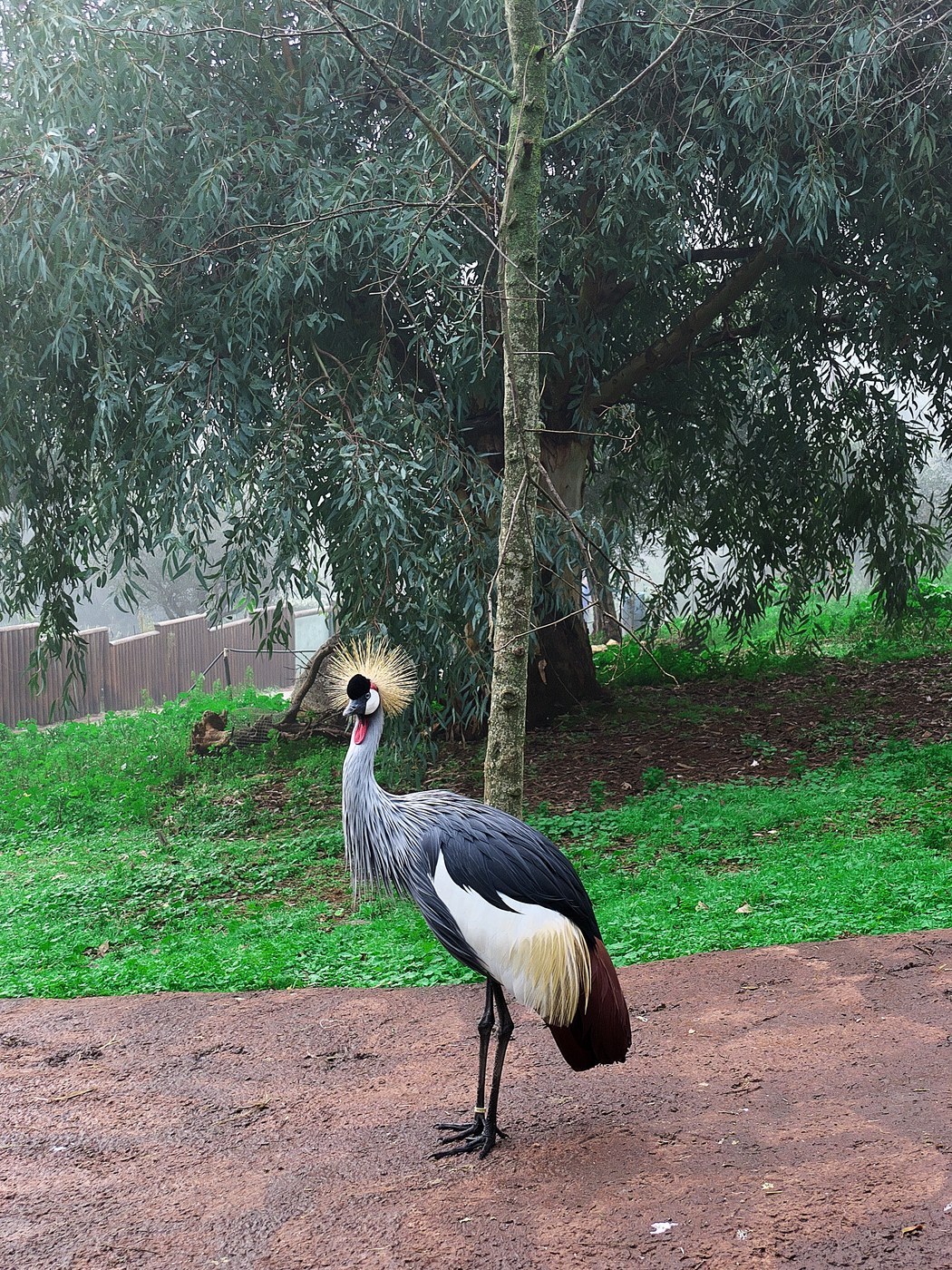
Grey Crowned Crane
Grey body feathers with white wing coverts, chestnut flight feathers, and stiff golden crown bristles
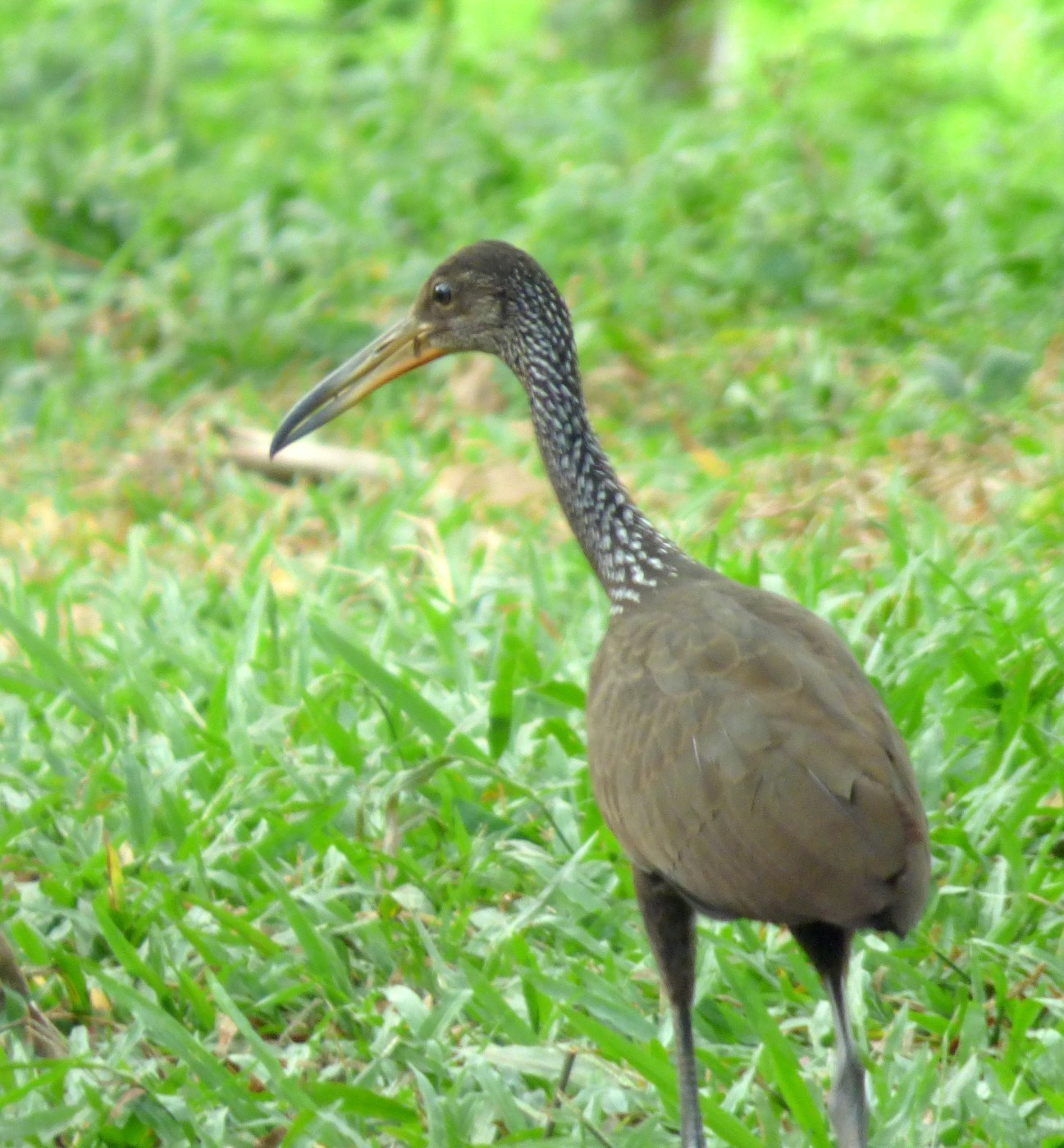
Limpkin
Brown contour feathers with white teardrop-shaped spots and streaks

Black-faced Spoonbill
White contour and flight feathers with fine breeding crest and breast plumes
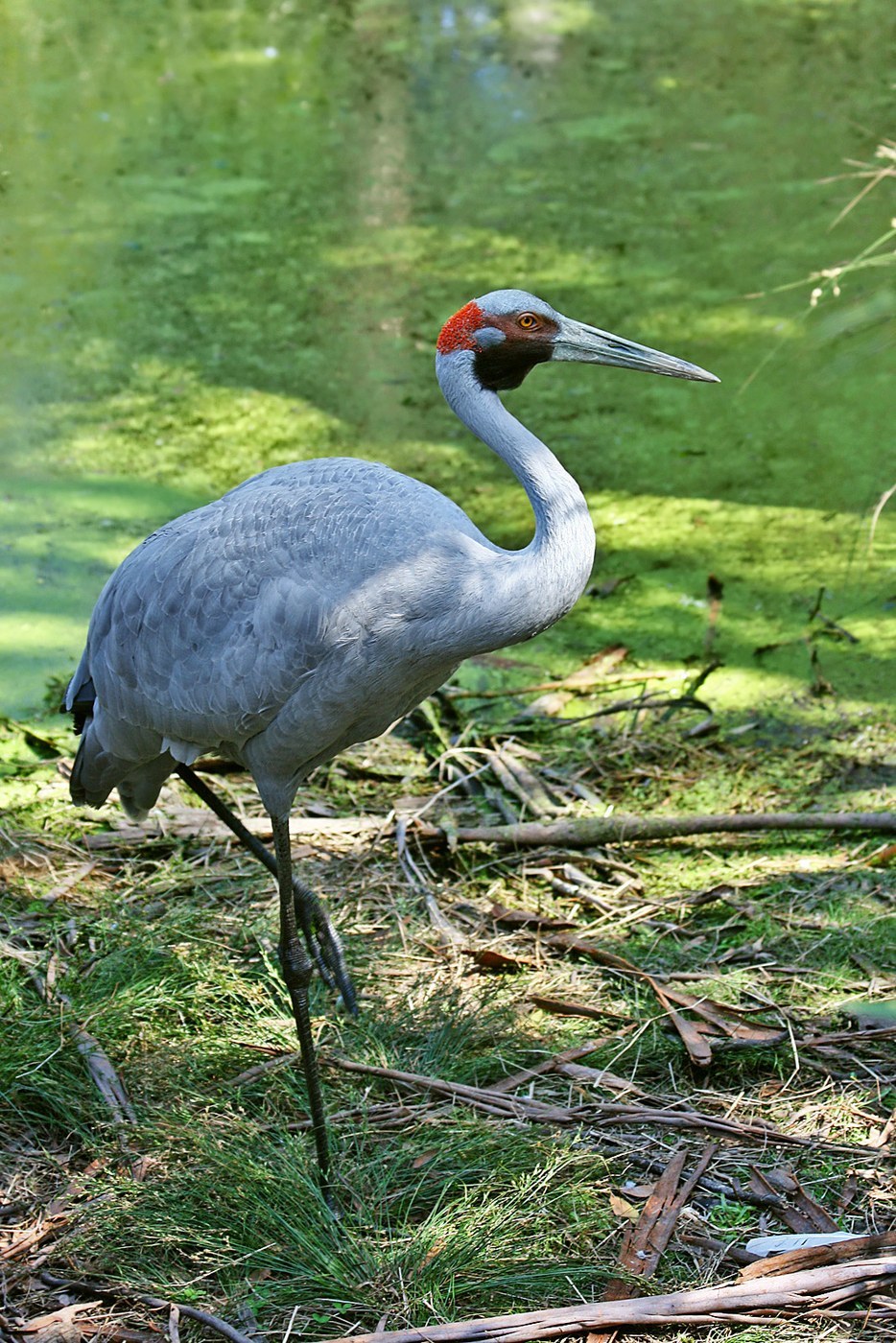
Brolga
Grey contour feathers with drooping bustle plumes
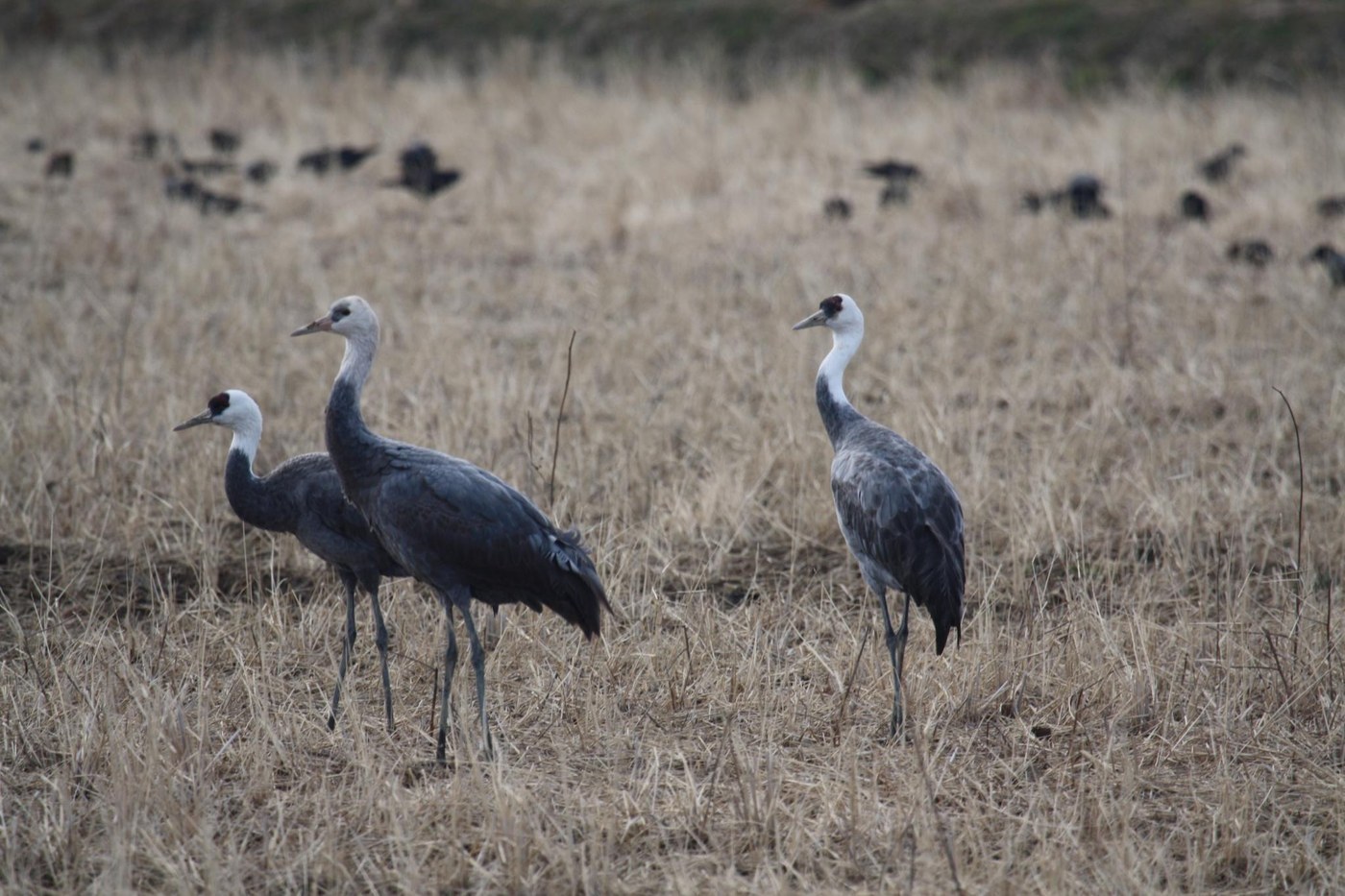
Hooded Crane
Dark slate-grey body feathers with a white head/upper neck 'hood' and black bustle plumes
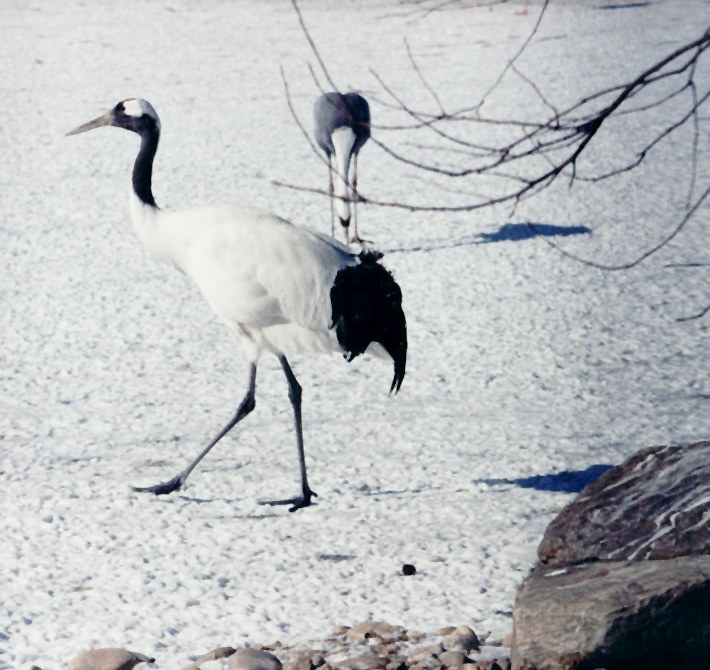
Red-crowned Crane
White contour feathers with black secondary/tertial bustle feathers and a bare red crown

Common Crane
Grey contour feathers with black head/neck feathers and drooping bustle plumes
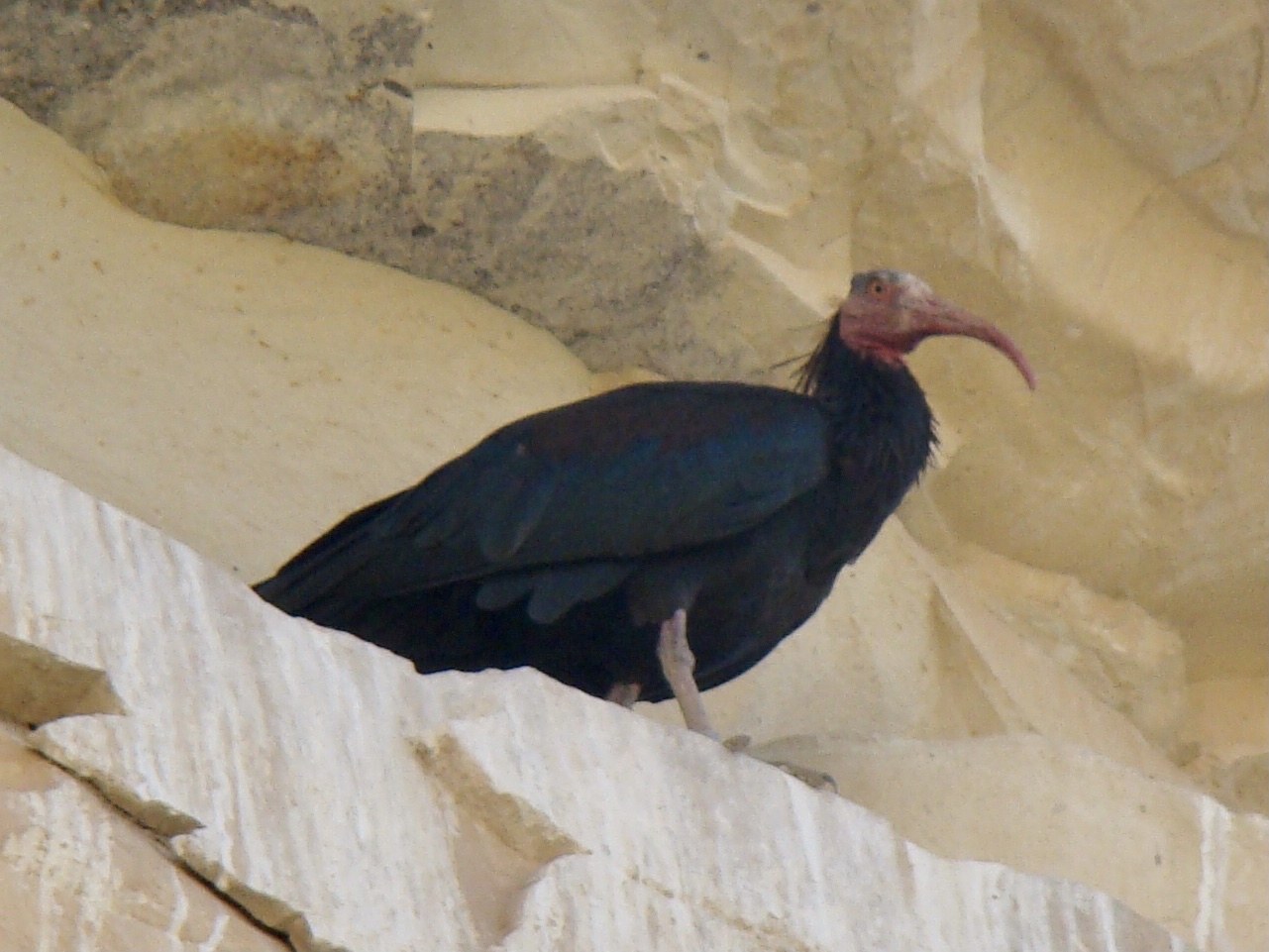
Northern Bald Ibis
Glossy black contour feathers with elongated nape plumes
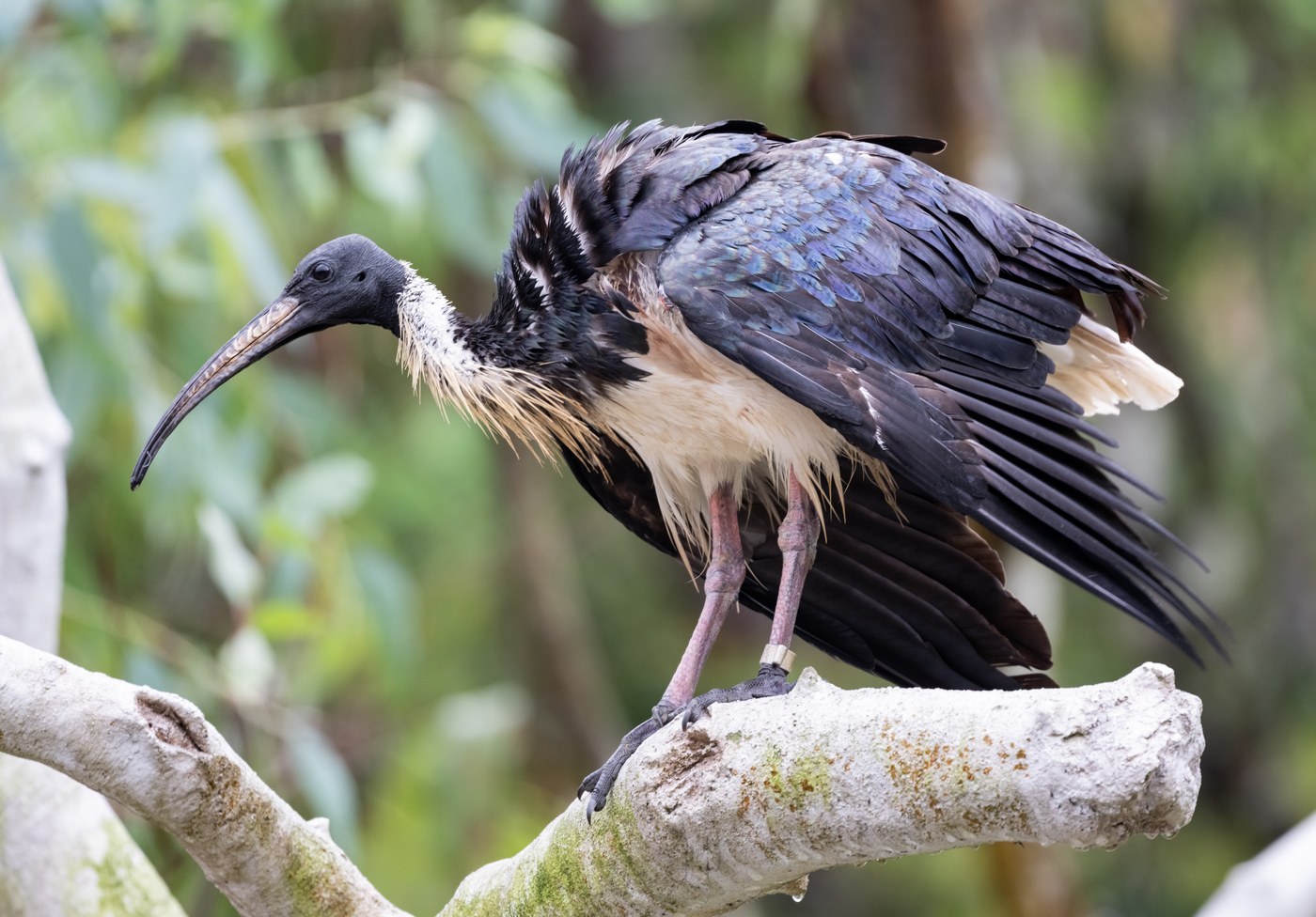
Straw-necked Ibis
Glossy contour feathers with unique straw-like neck plumes
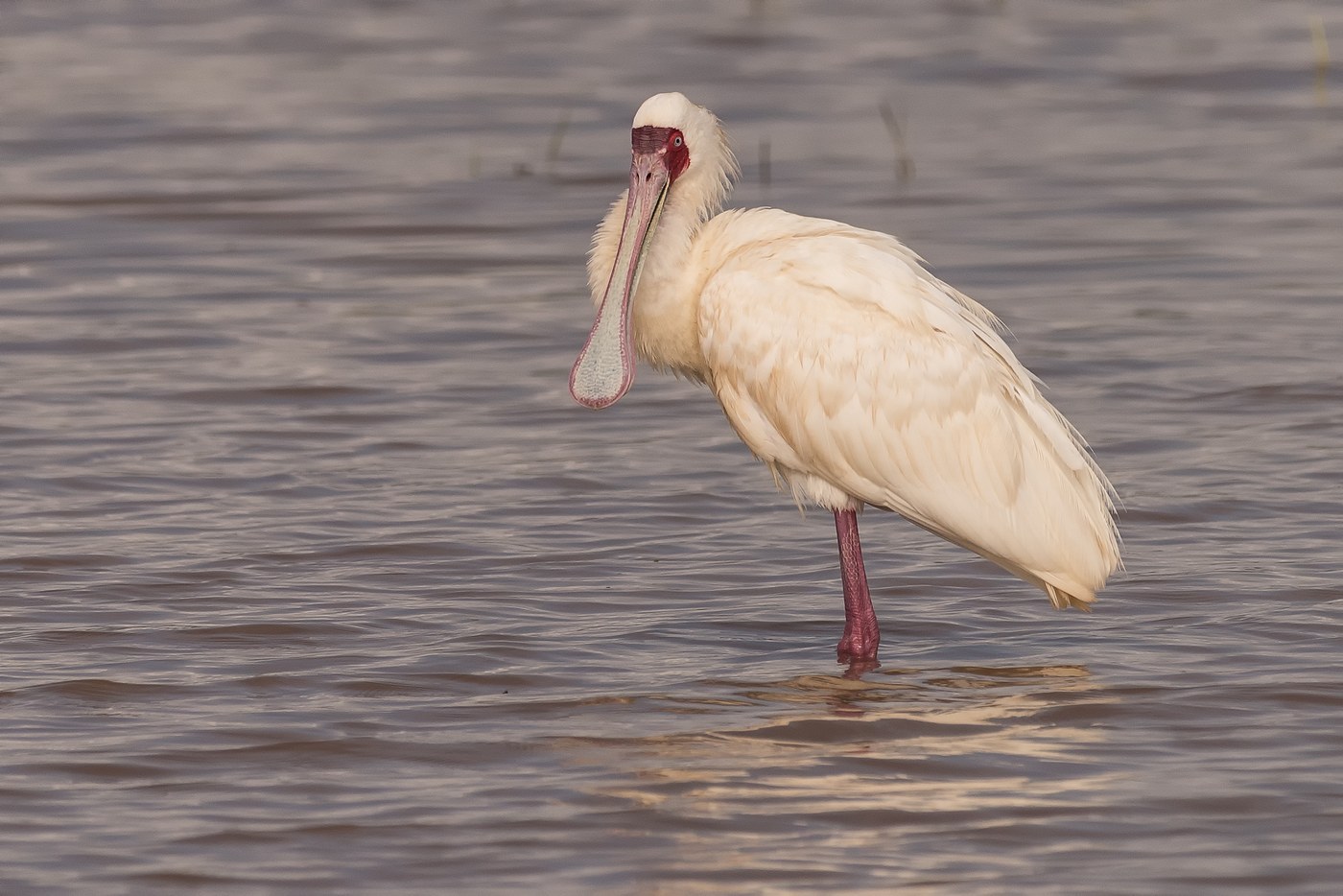
African Spoonbill
White contour and flight feathers, unmarked by black tips

Roseate Spoonbill
Pink and white contour and flight feathers with a carmine shoulder patch