

Long-legged Buzzard
Buteo rufinus
A pale, long-winged buzzard of arid steppe and semi-desert across Eurasia and North Africa, told from similar hawks by its usually unbarred rufous tail and bold dark carpal patches.
- Feather type
- Long flight feathers, feathered upper legs
- Colours
- Variable rufous to pale plumage with dark carpal patches
- Bird size
- Large buzzard, ~50-65 cm
Found a feather like this?
Identify any feather from a photo, free.
Overview
The Long-legged Buzzard is a large, pale buteo adapted to open, arid landscapes across southeastern Europe, North Africa, the Middle East, and Central Asia. It is closely related to the Common Buzzard but occupies drier, more open terrain and shows a paler, more variably colored plumage suited to life in steppe and semi-desert.
Identifying the Feather
Adult tail feathers are typically a warm, unbarred rufous, contrasting with the narrowly barred tail typical of the Common Buzzard, though some individuals show faint banding. In flight the underwing shows a bold, dark carpal (wrist) patch against otherwise pale flight feathers, a strong identification feature useful even from isolated feathers showing this contrasting pattern. The head and breast feathers are notably pale, and the long primaries reflect this species' more open-country, soaring lifestyle compared to woodland buzzards.
Plumage & Molt
Plumage is polymorphic, ranging from pale sandy-rufous through intermediate to dark chocolate-brown morphs, all sharing the pale head and dark carpal patch pattern. Juveniles are generally more heavily streaked below and show a duller, less clean tail color than adults. Molt is gradual and there is no strong seasonal plumage change, though worn late-summer feathers can look considerably paler than fresh ones.
Habitat & Range
This buzzard favors steppe, semi-desert, and rocky, sparsely vegetated hillsides across southeastern Europe, North Africa, the Middle East, and Central Asia. Northern and higher-latitude populations are migratory, wintering in the Sahel, the Arabian Peninsula, and South Asia, while southern populations tend to be resident.
Behavior & Field Notes
It hunts ground squirrels, gerbils, and other small mammals along with reptiles, often watching from an elevated perch or hovering briefly before dropping onto prey. Nests are built on cliff ledges, rocky outcrops, or occasionally in isolated trees, and the species gives a mewing call similar to other buzzards, most often heard during territorial or courtship flights.
Frequently asked questions
How do you tell a Long-legged Buzzard tail feather from a Common Buzzard's?
Long-legged Buzzard tail feathers are typically plain rufous and unbarred, while Common Buzzard tails usually show clear dark banding.
What underwing pattern helps identify this species in flight?
A bold dark carpal patch at the wrist contrasting against otherwise pale flight feathers.
Does plumage color vary much in this species?
Yes, it is polymorphic, ranging from pale sandy to dark chocolate-brown morphs.
Is the Long-legged Buzzard migratory?
Northern populations migrate to winter in the Sahel, Arabia, or South Asia, while southern populations tend to stay resident year-round.
Long-legged Buzzard guides
In-depth guides for identifying and understanding Long-legged Buzzard.

Other feathers you may enjoy

Australian Hobby
Long, narrow pointed flight feathers; slender tail feathers

California Condor
Massive flight feathers; long broad primaries; large tail feathers

Brown Falcon
Broad, rounded flight feathers; variable-toned contour feathers
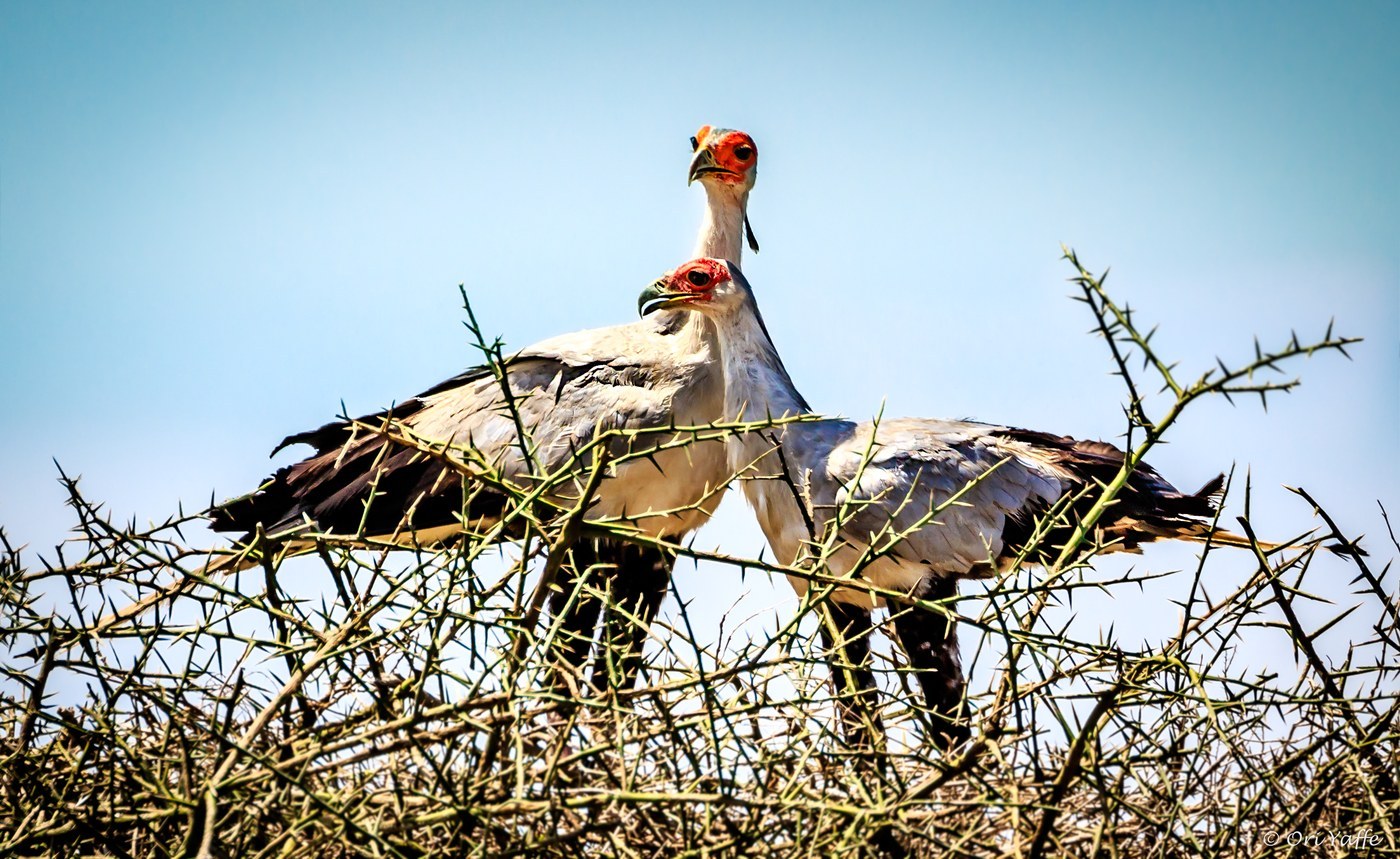
Secretarybird
Long crest feathers; broad flight feathers; elongated central tail feathers

Orange-breasted Falcon
Broad-based pointed flight feathers; bold breast and belly feathers
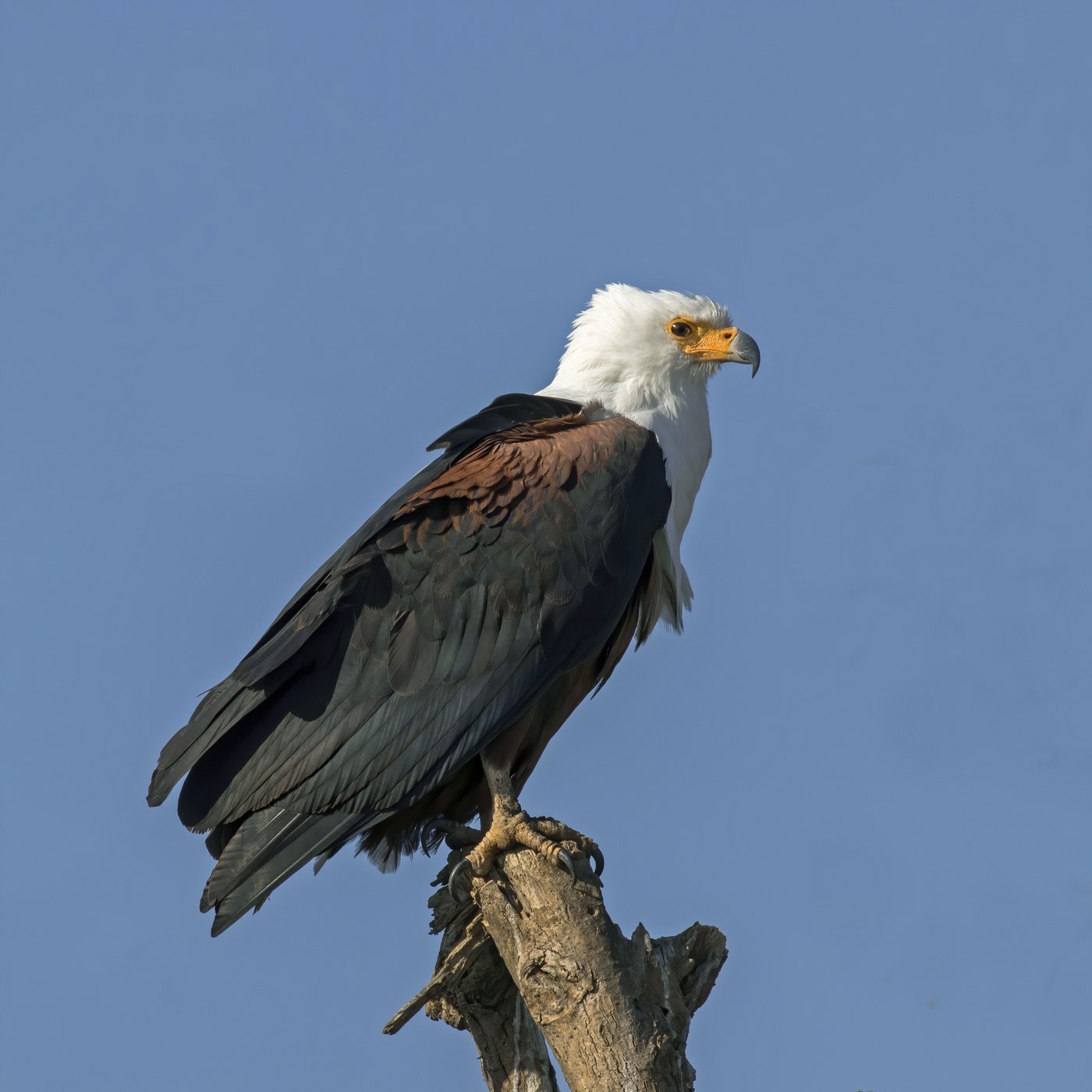
African Fish Eagle
Flight, tail, and body feathers

Amur Falcon
Slender pointed flight feathers; soft slate or orange-buff contour feathers
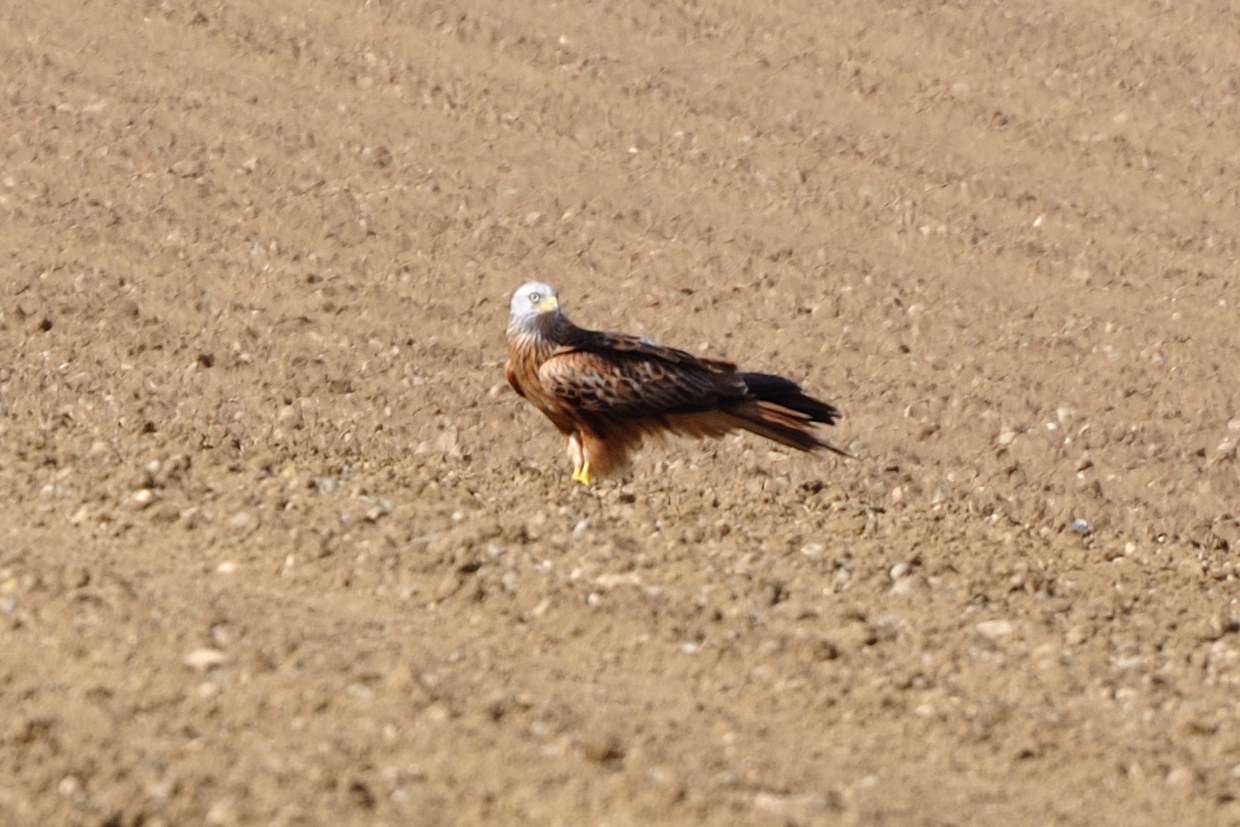
Red Kite
Flight (wing) and tail feathers
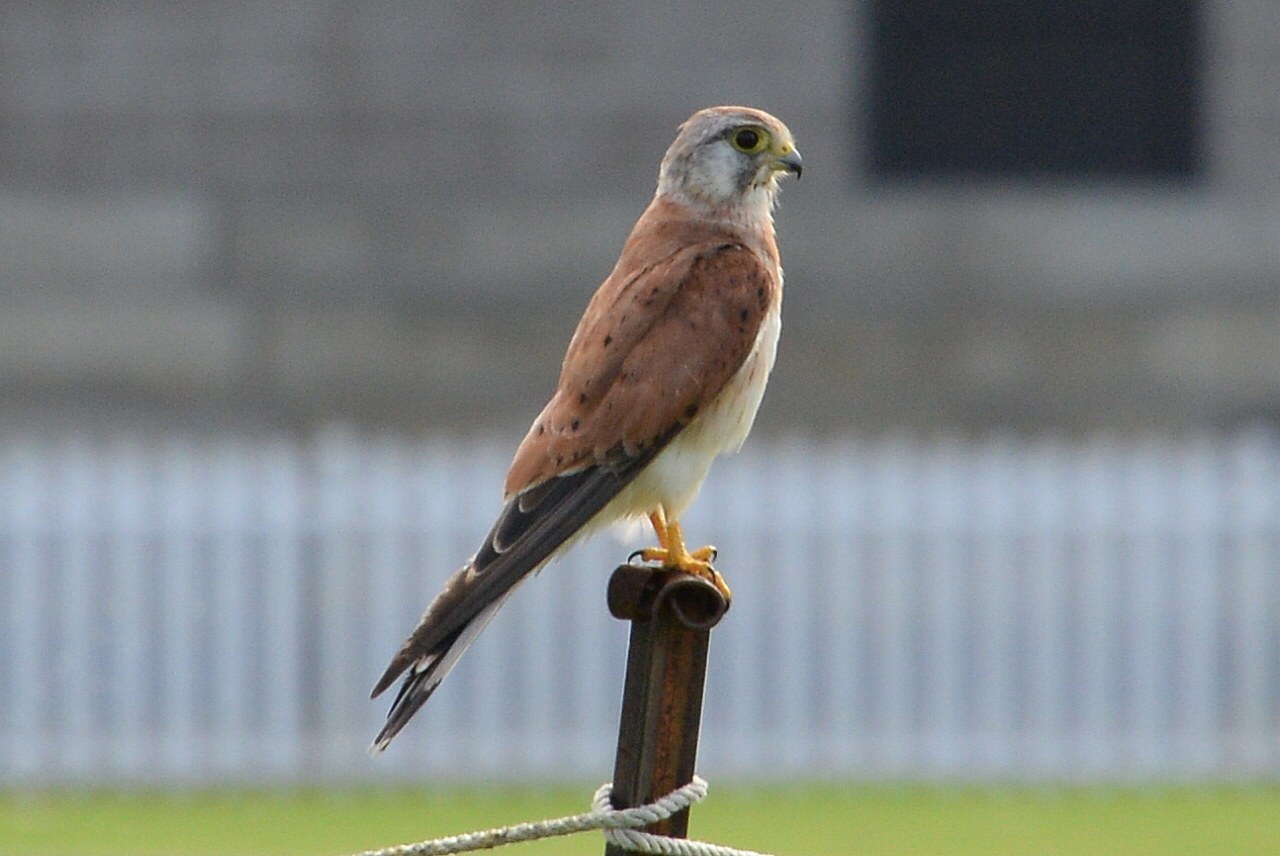
Nankeen Kestrel
Slim pointed flight feathers; lightly marked contour feathers

Andean Condor
Massive flight feathers; broad primaries and secondaries; sturdy tail feathers

Plumbeous Forest Falcon
Short rounded flight feathers; finely barred tail feathers

Sooty Falcon
Long pointed flight feathers; slim tail feathers