

Mississippi Kite
Ictinia mississippiensis
The Mississippi Kite is a small, elegant grey kite with a pale head, darker grey back and wings, a solid black tail, and long pointed wings, often seen catching flying insects on the wing over open groves and parks.
- Feather type
- Long, slim, pointed wings; medium-length square-ish black tail; smooth, sleek grey body feathers
- Colours
- Pale grey head and underparts; darker grey back and wings; solid black tail and outer flight feathers; whitish secondary patch visible on the folded wing
- Bird size
- Small, slender kite, ~34-37 cm, wingspan around 75-83 cm
Found a feather like this?
Identify any feather from a photo, free.
Overview
Mississippi Kite
The Mississippi Kite is a small, graceful raptor of the southern and central United States, often seen in loose colonies around groves of trees, shelterbelts, and increasingly urban parks. Its sleek grey plumage and buoyant, acrobatic flight, frequently used to catch flying insects directly in the air, set it apart from most other North American raptors.
Long, pointed wings and a solid black tail give it a distinctive, almost falcon-like silhouette in flight, reflecting its agile, aerial foraging style.
Identifying the Feather
Identifying Mississippi Kite Feathers
- Primaries: blackish, contrasting with a paler grey body, long and pointed compared to the broader, rounder wings of buteos.
- Secondaries: often show a pale, whitish patch visible on the folded wing, a useful field mark.
- Tail feathers: solid black, unbanded, with a relatively square-cut tip.
- Body feathers: pale grey on the head and underparts, somewhat darker grey on the back, lacking any barring or streaking typical of many other raptors.
- The combination of solid black tail feathers with pale, unmarked grey body feathers and a whitish secondary patch is distinctive among small raptors in its range.
Plumage & Molt
Plumage
Adults are pale grey overall, palest on the head, with a darker grey back, blackish primaries, a pale secondary patch, and a solid black tail. Juveniles are more heavily streaked brown and white below with a banded tail, taking a year or more to acquire the smooth adult grey plumage. Sexes look alike.
Habitat & Range
Habitat & Range
Breeds across the southern and central United States, favoring open woodland, groves, riparian corridors, and increasingly urban parks and shelterbelts, sometimes nesting colonially. It is a long-distance migrant, wintering in South America, particularly the southern Amazon basin and surrounding regions.
Behavior & Field Notes
Behavior & Field Notes
Mississippi Kites feed extensively on large flying insects caught and eaten on the wing, along with occasional small vertebrates, using agile, buoyant flight. They often nest in loose colonies in groves of trees, sometimes in urban settings, and can be territorial near nests. Calls include a thin, whistled note. A solid black, unbanded tail feather paired with plain pale grey body feathers found near open groves or parks in the southern United States is consistent with this species.
Frequently asked questions
How can I recognize a Mississippi Kite tail feather?
Its tail feathers are solid black without banding, a simple, unmarked pattern that differs from the banded tails of many other small to medium raptors in its range.
What color are this species' body feathers?
Plain pale grey overall, palest on the head, without the streaking or barring seen in many similarly sized raptors, giving it a notably smooth, clean appearance.
Where would I likely find this species' feathers?
Near open woodland, groves of trees, shelterbelts, or urban parks across the southern and central United States during the breeding season.
Does this species hunt like a typical hawk?
Not entirely; it frequently catches large flying insects directly in the air using agile, buoyant flight, a foraging style more aerial than many other North American raptors.
Mississippi Kite guides
In-depth guides for identifying and understanding Mississippi Kite.

Other feathers you may enjoy

Australian Hobby
Long, narrow pointed flight feathers; slender tail feathers

California Condor
Massive flight feathers; long broad primaries; large tail feathers

Brown Falcon
Broad, rounded flight feathers; variable-toned contour feathers
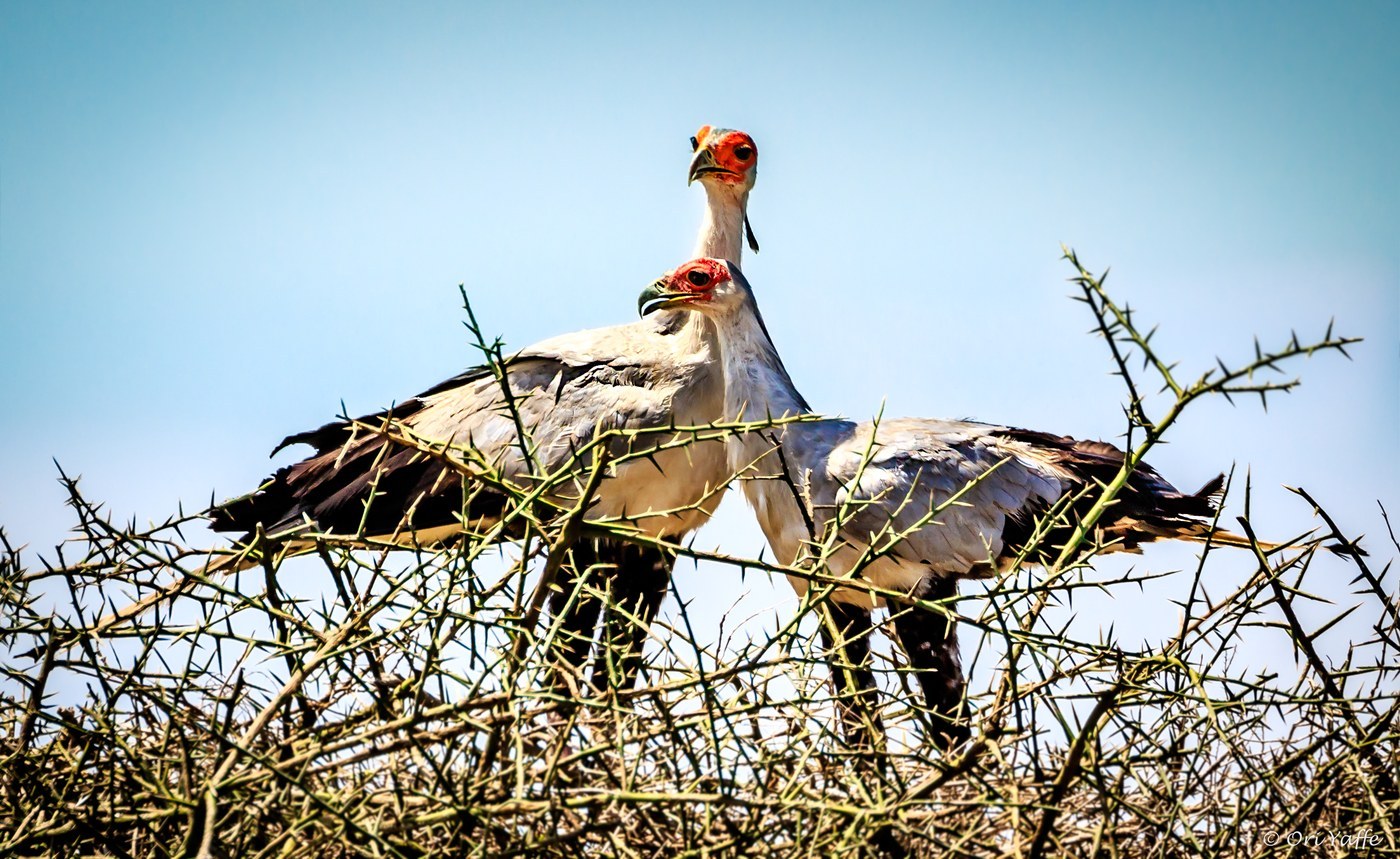
Secretarybird
Long crest feathers; broad flight feathers; elongated central tail feathers

Orange-breasted Falcon
Broad-based pointed flight feathers; bold breast and belly feathers
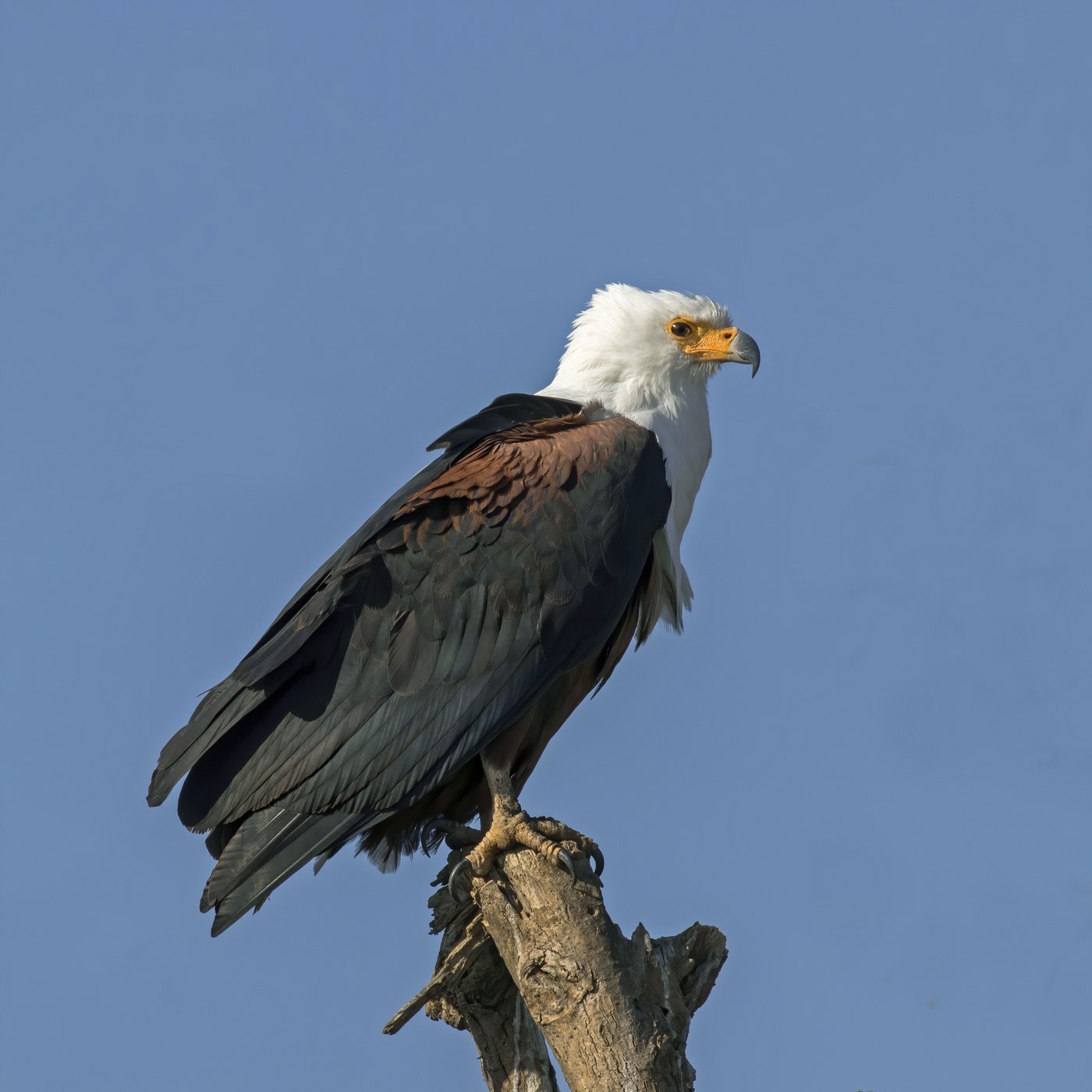
African Fish Eagle
Flight, tail, and body feathers

Amur Falcon
Slender pointed flight feathers; soft slate or orange-buff contour feathers
Red Kite
Flight (wing) and tail feathers
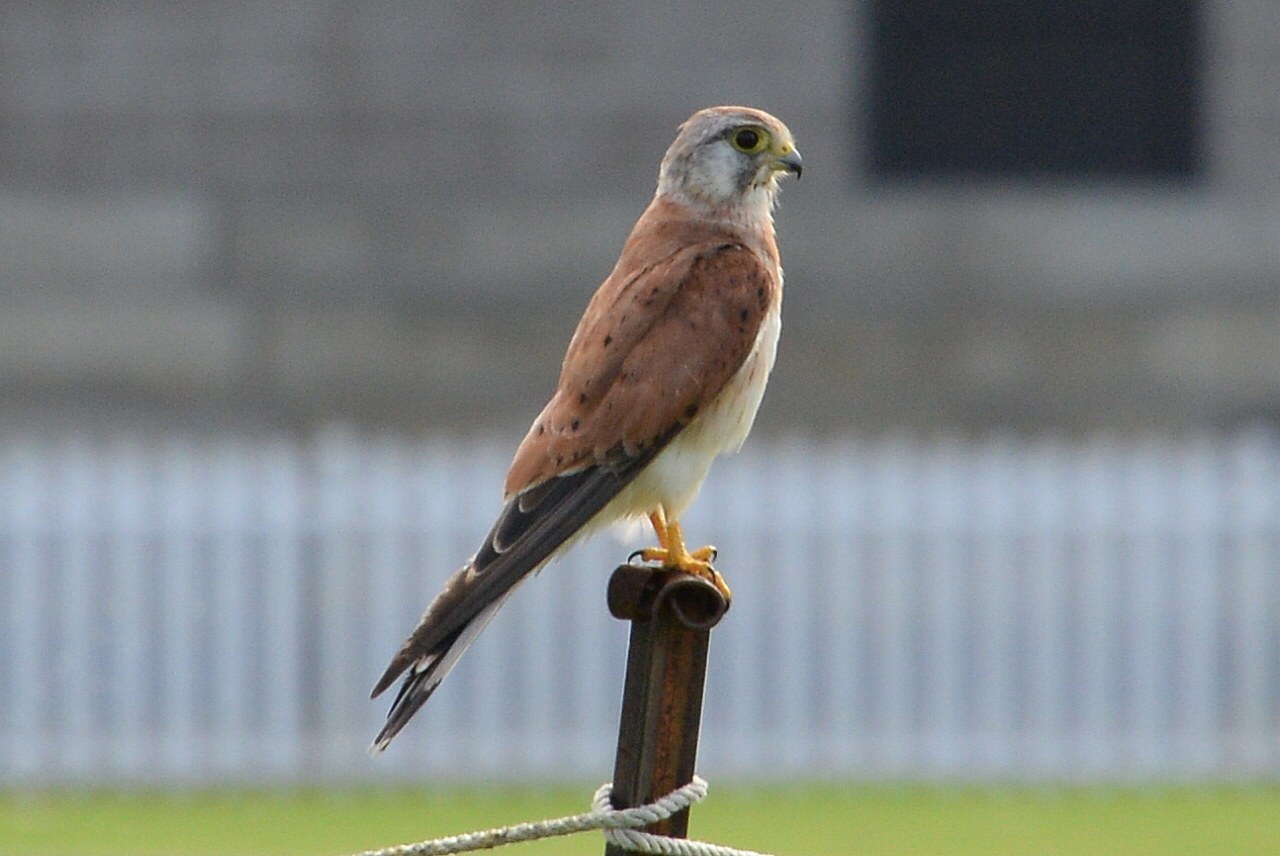
Nankeen Kestrel
Slim pointed flight feathers; lightly marked contour feathers

Andean Condor
Massive flight feathers; broad primaries and secondaries; sturdy tail feathers

Plumbeous Forest Falcon
Short rounded flight feathers; finely barred tail feathers

Sooty Falcon
Long pointed flight feathers; slim tail feathers